
How Fast Do Tarantulas Grow? (Growth Rate and Development)
Tarantula growth is a silent, incremental drama where time stretches across molts and years, not days, turning a pinhead-sized spiderling into a majestic, eight-legged adult. This pace, from explosively fast to glacially slow, is dictated by species, temperature, and care. After raising everything from a ‘pet rock’ G. rosea for 15 years to a fast-growing T. stirmi, I’ve learned that understanding this rhythm is the key to a healthy, stress-free tarantula.
Quick Stats: A Growth Rate Comparison
- Example: Theraphosa stirmi (Burgundy Goliath Bird Eater)
- Origin: Guyana, South America
- Type: New World, Terrestrial
- Growth Rate: Very Fast (Reaches 10-inch legspan in 3-4 years with frequent feeding and warm temps)
Consider this your detailed map to the molting journey, filled with personal observations and precise data to help you foster optimal growth from fragile sling to robust adult.
An Introduction to Tarantula Growth: From My Shelf to Yours
Growth in tarantulas is a silent, episodic spectacle, not a steady march. On my own shelf, the contrast is stark. My 15-year-old Grammostola rosea, Rosie, has been the same imposing but serene four-and-a-half inches for nearly a decade. Her growth has utterly ceased, a common plateau for mature females. Two feet away, my Theraphosa stirmi, Goliath, seems to expand after every molt, his leg span now stretching past nine inches in just four years.
The rate at which a tarantula grows is dictated by a complex recipe of species, sex, temperature, and food. Think of it as a biological clock with a variable speed dial. Tropical species like Goliath, hailing from warm, humid environments with abundant prey, have faster metabolisms and molt more frequently. Desert dwellers like Rosie have evolved a slower pace, conserving energy in resource-scarce landscapes. Interestingly, molting and reproduction interconnected can be connected: the energy devoted to a molt can influence when a tarantula is ready to mate, often around reaching maturity. The exact relationship varies by species and conditions, reflecting how energy allocation between growth, molt, and reproduction shapes their life history.
Feeding frequency is the throttle you control, but it is not a simple “more food equals faster growth” equation. Overfeeding can force unnaturally rapid molts, stressing the tarantula’s system and potentially leading to fatal complications. I offer my juveniles a suitably sized insect once or twice a week, while my adults, like Rosie, may eat only once a month-or not at all for prolonged periods.
The Science of the Shed: How Molting Drives Tarantula Development
Molting, or ecdysis, is the singular event where a tarantula grows. They do not simply stretch. Instead, they construct an entirely new, larger exoskeleton beneath the old one, then perform the delicate, exhausting work of extracting themselves from it. This process is the most vulnerable period in a tarantula’s life.
The molting cycle has distinct stages. In pre-molt, the tarantula becomes lethargic, often refuses food, and a dark, shiny bald patch appears on the abdomen as it produces new skin. During this time, you must provide absolute privacy and never, ever attempt to feed your tarantula, as a live prey item can injure or kill it. For many keepers, knowing the long molt timeline—the complete sequence from pre-molt to post-molt—helps with care. The actual molt happens on its back, a slow, rhythmic struggle that can take hours. Afterwards, the new exoskeleton is soft and pale; the tarantula must rest for days or weeks until it hardens completely.
Humidity is critical for a successful molt. The tarantula uses hydraulic pressure to split the old exoskeleton and push its body out. In too-dry conditions, it can become stuck. For my moisture-dependent Goliath, I ensure the substrate is damp and the enclosure humid (80-85%) before I suspect a molt. For my OBT, Flash, I provide a modest water dish and slightly dampen one corner of his arid enclosure. You can check the ideal humidity ranges for different tarantula species to ensure their well-being.
Measuring Growth: Leg Span vs. Body Length
Tarantula size is formally measured in one of two ways, and confusing them leads to inaccurate expectations.
- Diagonal Leg Span (DLS): This is the standard measurement. Imagine your tarantula in a perfect square; DLS is the length from the tip of the first leg on one side to the tip of the last leg on the opposite side. It is the most common way to describe a tarantula’s total size.
- Body Length (BL): This measures only the carapace and abdomen, excluding the legs. It is less common but useful for scientific data. A tarantula with a very large abdomen will have a higher BL relative to its DLS.
For hobbyists, DLS is the practical metric for determining enclosure size, rehousing needs, and general development tracking. To estimate it safely, I use a clear plastic deli cup. I gently encourage the tarantula into the cup, then hold it against a ruler. This avoids any direct contact and minimizes stress. Watching my defensive OBT, Flash, go from a one-inch sling to a formidable five-inch DLS specimen in two years was tracked precisely this way.
| Measurement Type | What It Measures | Common Use |
| Diagonal Leg Span (DLS) | Tip of front leg to tip of rear leg on opposite sides | Standard hobbyist size reference, enclosure planning |
| Body Length (BL) | Carapace + abdomen only, excluding legs | Scientific studies, body mass comparison |
Factors That Accelerate or Slow Tarantula Growth Rates
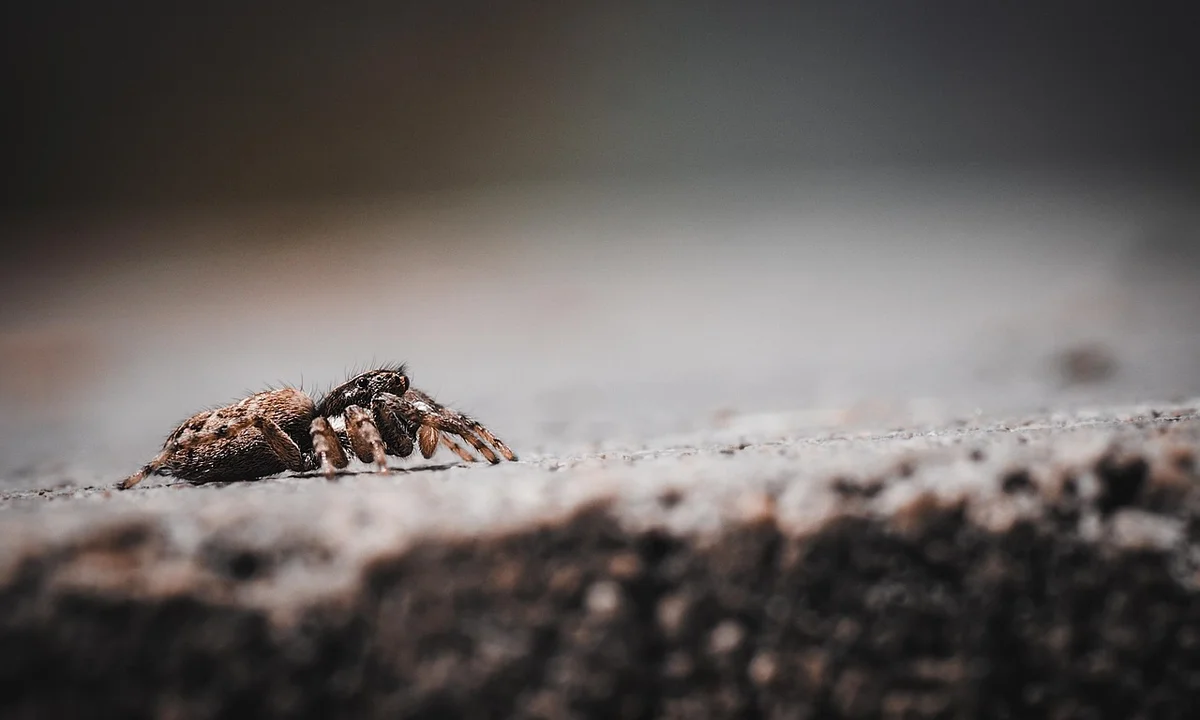
Watching a tarantula grow is like observing geology in fast-forward—until it isn’t. The rate is never constant. Growth speed hinges on a dynamic interplay between fuel, environment, and the immutable code of genetics, making each spider’s development timeline uniquely its own. Manipulating these factors is the keeper’s tool, but never a guarantee. To connect this to spiderlings, understanding tarantula molting cycles is essential, since molts mark critical growth milestones in their early life. Observing when spiderlings molt helps predict their next growth spurts and how to adjust feeding and warmth.
Diet and Protein: The Fuel for Development
Think of a tarantula’s body as a protein-processing factory. Everything it builds-new exoskeleton, muscle, organs-comes from the raw materials in its food. More frequent, protein-rich meals can push the factory into overtime. A spiderling fed weekly on gut-loaded crickets or diced mealworms will likely molt more often than one fed every other week. I’ve seen this starkly with my OBT, Flash; his heavy feeding schedule in a warm enclosure turned him from a pinhead to a formidable juvenile in under a year. You can check out what baby tarantulas eat and how often to feed them for more details.
But this isn’t a simple “more food = faster growth” equation. Tarantulas are champions of fasting. My G. rosea, Rosie, will refuse food for eight months without losing body condition, her metabolism slowed to a near halt. Force-feeding or overfeeding a tarantula is stressful and dangerous. The goal is consistent, appropriate provisioning, allowing the spider to consume what it needs to reach its next physiological milestone safely. A plump abdomen is a good sign; a distended, shiny one is a risk of injury during a fall.
Environmental Catalysts: Temperature and Humidity
Tarantulas are ectothermic. Their internal processes, including digestion and the hormonal triggers for molting, rely on external heat. A spider kept at the warmer end of its species-specific range (often 78-85°F) will metabolize food faster and may cycle through molts more quickly. Cooler temperatures (70-75°F) slow everything down. This is a useful dial for keepers. Slowing growth can be beneficial for managing large collections or for species prone to molting issues. In scientific terms, tarantula metabolism is temperature dependent, with higher temperatures generally increasing appetite and speeding growth. This connection helps explain why temperature is a practical tool for managing feeding and development in captive tarantulas.
Humidity’s role is more about enabling successful molts than directly speeding growth. A too-dry environment can cause a spider to delay its molt for months, risking complications, while correct humidity ensures the old exoskeleton separates cleanly. My T. stirmi, Goliath, demands 80%+ humidity. In that moist, warm environment, his growth has been steady and predictable, each molt revealing a more impressive legspan.
Key Environmental Ranges:
- Warmth (78-85°F): Accelerates metabolism and growth cycle.
- Moderate (70-78°F): Standard, sustainable rate for most species.
- High Humidity (80%+): Critical for moisture-dependent species (e.g., T. stirmi, many Asian arboreals) to molt properly.
- Low Humidity (60-70%): Suitable for arid species (e.g., G. rosea, A. chalcodes); too high can cause respiratory issues.
The Genetic Blueprint: Inherent Species Speed
You can feed a Grammostola rosea twice a week and keep it tropical, but it will never grow as fast as a properly maintained Theraphosa stirmi. This is the hardwired reality. Species from unpredictable, competitive environments often evolved rapid growth to reach breeding size and secure territory before succumbing to predators or drought. Conversely, species from stable, harsh environments (like deserts) evolved an energy-conserving, slow-motion lifestyle. Their longevity is a trade-off for their glacial pace. No amount of husbandry will change this fundamental blueprint.
A Keeper’s Comparison: Growth Rates Across Different Species
Living with tarantulas of differing tempos teaches profound patience. On one shelf, a blink-and-you-miss-it expansion; on another, a statue-like permanence. Comparing growth rates isn’t about judging which is better, but about calibrating your expectations to the profound natural history contained within each glass-walled world.
The Speed Demons: Fast-Growing Tarantula Species
These spiders live life in a hurry. They are often, but not always, from tropical regions with abundant prey and distinct wet/dry seasons.
- Pterinochilus murinus (OBT): My spider, Flash, is the archetype. From a 1/4″ sling to a 5″ adult in under two years. Their rapid growth fuels an equally rapid defensive strategy.
- Lasiodora parahybana (Salmon Pink Birdeater): A giant that acts like it’s late for an appointment. It’s not uncommon for them to reach 6″ in their first year under optimal care.
- Monocentropus balfouri: This stunning blue baboon spider combines fast growth with prolific webbing and social tolerance, creating a breathtaking display in record time.
Keeping these species requires preparedness. Their enclosures need to be upgraded frequently, and their defensive behaviors mature as quickly as their bodies.
The Slow and Steady: Patience-Required Species
These are the decades-long projects. They teach that in tarantula keeping, waiting is not passive; it is an active form of observation.
- Grammostola rosea/porteri (Chilean Rose): The ultimate “pet rock.” My Rosie took nearly 10 years to reach her full 5.5″ size. Females can live over 25 years. You measure their growth not in months, but in years between molts.
- Aphonopelma chalcodes (Arizona Blonde): Another desert dweller famous for its majestic patience. Slings can remain at 1″ for what feels like an eternity, conserving energy for a long life in a resource-scarce landscape.
- Brachypelma hamorii (Mexican Redknee): While faster than the true desert species, this iconic tarantula still requires years to develop its stunning adult coloration. The wait makes the final reveal profoundly rewarding.
Choosing a slow-growing species is a commitment to a different kind of hobbyism, one focused on the subtle, long-term study of a single animal’s life history over the quick gratification of rapid change. There is deep beauty in both approaches.
From Spiderling to Adulthood: Navigating Life Stages
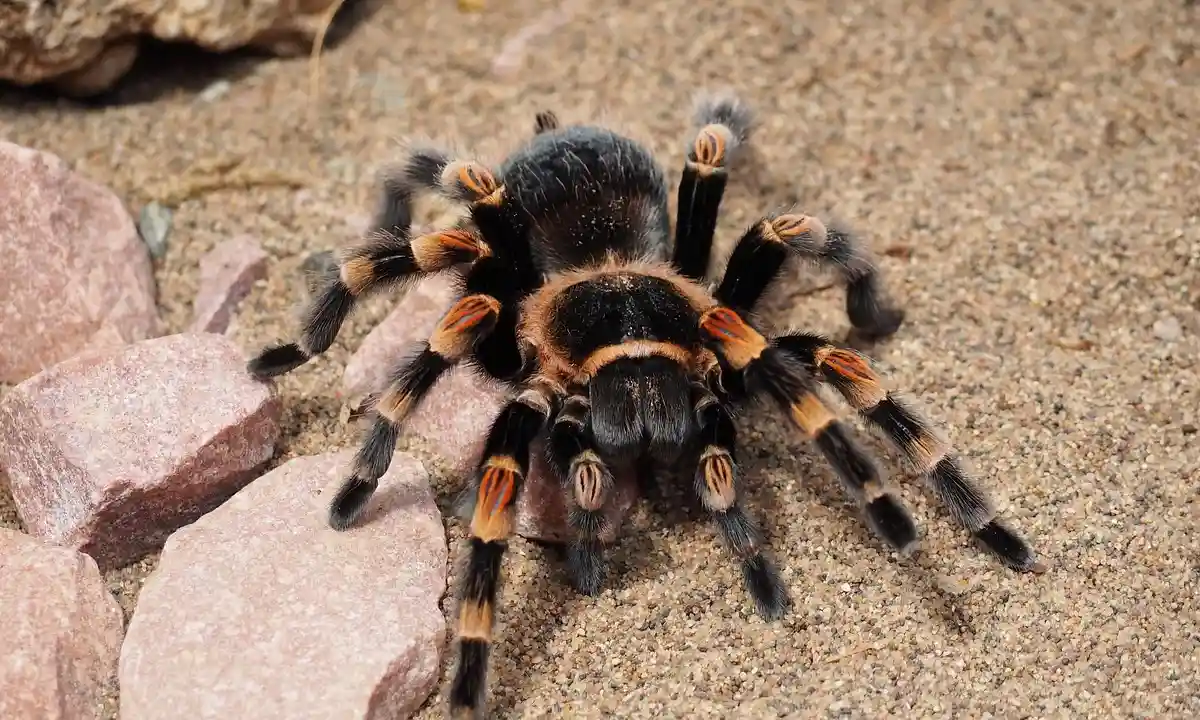
The Delicate Beginning: Caring for Spiderlings (Slings)
Holding a vial containing a spiderling, or “sling,” is an exercise in profound responsibility. This creature may be no larger than your thumbnail, a translucent, leggy promise of what is to come. In this initial stage, growth is a rapid but vulnerable series of molts, where humidity and prey size are non-negotiable factors for survival. Their exoskeletons are soft, their bodies mostly water, and a fall of even a few inches can be fatal.
I keep my slings in small, ventilated deli cups or dram vials, ensuring they always have access to a moist corner of substrate. I feed them pre-killed pinhead crickets or the smallest mealworm segments. The key is to create a stable, humid microclimate that prevents desiccation during these critical early molts, which can occur every few weeks for some fast-growing species. Witnessing that first successful molt, seeing the sling emerge slightly darker and more defined, is a quiet thrill that never fades.
The Awkward Phase: The Juvenile Tarantula
This is the tarantula’s teenage phase, marked by sporadic growth spurts and a ravenous appetite. Your spider now has recognizable colors and patterns, though they may shift with each molt. My OBT, Flash, transformed from a muted orange blob into a blazing, leggy predator during this stage. The juvenile period is defined by significant increases in leg span and body mass between molts, with intervals stretching from several months to over a year.
Enclosure size becomes crucial here. I upgrade juveniles when their leg span is roughly 1.5 times the enclosure’s diagonal length. This offers hunting space without leaving them feeling exposed. This is when individual personality solidifies; some become bold hunters, while others, like my Rosie, begin their legendary fasting periods, teaching you patience. Feeding response is usually strong, and this is the time to establish a consistent, healthy diet to support robust development.
The Final Mold: Reaching Sexual Maturity
The ultimate molt to maturity is a biological climax. For males, this final molt reveals the telltale emboli on his pedipalps and tibial hooks on his front legs. His sole purpose becomes finding a female, and his growth stops entirely. A mature male’s lifespan post-ultimate molt is often limited, typically one to two years, a poignant reminder of their brief, driven purpose.
Females, however, reach a different kind of maturity. They do not have a “final” molt in the same sense and can continue to molt and grow slightly throughout their potentially decades-long lives. My 15-year-old *G. rosea*, Rosie, has molted in my care, albeit very infrequently now. Reaching sexual maturity for a female means she is capable of reproduction, but her physiological growth slows to a glacial pace, with molts sometimes separated by years. This is the long-term commitment of the hobby, a relationship measured in decades, not months.
Growth Variability and Common Questions in Tarantula Husbandry
Why Has My Tarantula Stopped Growing? Understanding Plateaus
Do not panic if your tarantula seems to halt its growth. These pauses are a normal part of their biology. The most common cause is an impending molt; they enter a pre-molt period where feeding stops and activity plummets. A tarantula that refuses food for weeks or months, often while darkening in color and crafting a thick silken molting mat, is simply preparing for its next great leap in size.
Other factors influencing growth pauses include:
- Species-Specific Timelines: A Chilean Rose Hair (*Grammostola rosea*) like Rosie naturally grows slower than a Pink Toe (*Avicularia avicularia*).
- Temperature: Cooler environments dramatically slow metabolism and growth. A tank kept at 70°F will see slower development than one at 80°F.
- Food Intake: Consistent, appropriate feeding fuels growth. Inconsistent feeding or a spider that is a naturally picky eater will grow more slowly.
- Simple Age: As tarantulas, especially females, approach maximum size, the intervals between molts become extraordinarily long.
My Rosie has gone over 18 months without a molt, a perfectly normal fast for her species and age, demonstrating that patience is the keeper’s most vital tool.
Optimizing Husbandry for Healthy Development
You cannot force a tarantula to grow faster, but you can certainly create conditions that allow for healthy, stress-free development. The goal is robust vitality, not rushed growth. Perfect husbandry is about replicating key aspects of a species’ native environment to reduce stress and support natural biological functions, including ecdysis.
My approach is built on three pillars:
- Thermal Consistency: I use small space heaters for my entire collection room, maintaining a range of 75-80°F (24-27°C). Stable warmth aids digestion and metabolic processes.
- Species-Specific Moisture: My Burgundy Goliath (*Theraphosa stirmi*) has deep, damp substrate and a large water dish, mimicking his humid rainforest floor. My arid species, like Rosie, have mostly dry substrate with a water dish and a single slightly damp corner.
- Appropriate Nutrition: I feed based on abdomen size. A plump abdomen is healthy; a distended, shiny one is overfed. I primarily use gut-loaded crickets and the occasional roach, removing uneaten prey to avoid stress.
Avoiding disturbances, especially during pre-molt, is more critical than any growth supplement; a stressed tarantula will delay molting, which is far riskier than waiting. Proper care during this period is essential. Watch, learn, and provide a quiet, stable home. Their growth is a slow, magnificent clock you are merely keeping time for.
FAQs
How fast do tarantulas grow on average?
There is no single average, as growth rates vary dramatically by species. Some, like the Salmon Pink Birdeater, can grow several inches in their first year, while others, like the Chilean Rose Hair, may take a decade to reach full size. The pace is set by genetics, with environment and feeding frequency acting as secondary influences. You must adjust your expectations and care to match your specific tarantula’s natural timeline.
What is the growth rate of a Fireleg Tarantula (Brachypelma boehmei)?
The Mexican Fireleg is considered a slow to moderate grower. It will typically take several years to reach its impressive adult coloration and full size of about 5-6 inches in diagonal leg span. Like many New World terrestrial species, its growth is steady but not rapid, rewarding patience with a stunning appearance. Consistent, appropriate feeding and stable temperatures will support its healthy development.
How quickly does an OBT tarantula grow?
The Orange Baboon Tarantula (Pterinochilus murinus) is one of the fastest-growing species commonly kept. As noted in the article, they can go from a tiny sling to a formidable 5-inch adult in under two years. This rapid development is fueled by a strong feeding response and warm temperatures. Their quick growth means keepers must be prepared for frequent rehousing and the early onset of their defensive behaviors.
Can I make my tarantula grow faster?
You can optimize conditions to support healthy growth, but you cannot safely force a tarantula to exceed its genetic programming. Providing consistent warmth (within the species’ ideal range) and regular, appropriate meals can help maintain a steady growth cycle. However, overfeeding to accelerate molts is dangerous and can lead to fatal complications. The goal is robust health, not simply speed. A best diet and feeding schedule for a healthy tarantula means regular, appropriately sized meals at species-appropriate intervals. This approach helps prevent overfeeding while supporting steady, healthy growth.
Why is my tarantula growing so slowly?
A slow growth rate is most often perfectly normal, especially for arid species like Grammostola or Aphonopelma. Cooler enclosure temperatures, less frequent feeding, or simply being in a pre-molt period for weeks or months will all pause visible growth. If your tarantula is active, has access to water, and shows no signs of illness, a slow pace is usually just part of its species’ long-life strategy.
The Final Stretch: Adulthood and Beyond
Watching your tarantula reach its ultimate size is a profound reward for years of patient care. For a species like my T. stirmi Goliath, this means maintaining a very specific environment right to the end. The single most critical factor for consistent, healthy growth in any tarantula is providing an enclosure that correctly balances humidity, ventilation, and floor space for its life stage. A cramped, dry spider is a stressed spider, and stress is the greatest inhibitor of good development. These considerations tie directly to the five biggest humidity and ventilation mistakes tarantula care often encounters. Recognizing them helps you keep enclosure conditions stable and your tarantula thriving.
Now is the time to shift your focus from growth charts to natural history. Observe the intricate architecture of a permanent burrow. Marvel at the engineering of a thick silken mat. Enjoy the precise, patient ambush of prey. Your role transforms from a growth facilitator to a habitat steward. Success is measured not in inches per molt, but in the silent, confident behaviors of an animal thriving in a space you meticulously prepared. The hobby’s greatest lessons are taught not in the frantic moments of a rehousing, but in the quiet months of watching, learning, and appreciating the slow, beautiful rhythm of a spider’s life.
Further Reading & Sources
- Tarantula Growth Rates | Arachnoboards
- Development, growth and allometry in a cohort of the tarantula Grammostola vachoni (Araneae: Theraphosidae) – ScienceDirect
- Curly Hair Tarantula growth rate – The Spider Blog
Arlo is a lifelong arachnid enthusiast who believes tarantulas are the world’s most misunderstood roommates. With years of hands-on experience in tarantula care, habitat setup, and species behavior, Arlo combines expert knowledge with a dash of humor to make spider ownership less scary and a lot more fascinating. From choosing the right enclosure to understanding why your eight-legged buddy is doing that weird little pose again, Arlo is here to help you become the best tarantula parent you can be, without getting tangled in the web of misinformation.
Molting Process