
Tarantula Seasonal Behavior: Winter Activity vs. Summer Lethargy
Published on: January 27, 2026 | Last Updated: January 27, 2026
Written By: Arlo
In the quiet confines of their enclosures, tarantulas follow ancient, internal rhythms that often seem completely disconnected from our calendar-my Chilean Rose Hair, Rosie, once fasted for a full nine months, beginning in autumn and ending in spring, as if her internal clock was set to a different planet. This guide will explore the fascinating seasonal patterns of captive tarantulas, explaining why your spider might refuse food for months or suddenly become a voracious hunter. The core truth is that many tarantula behaviors we attribute to “winter” or “summer” are actually tied to growth cycles, not ambient room temperature.
Quick Stats:
- Behavioral Drivers: Molting cycles, humidity shifts, and breeding instincts.
- Common Response: Reduced feeding (fasting), increased hiding, or sudden bouts of activity.
- Keeper Focus: Observation over intervention, adjusting humidity slightly for molting periods.
This guide will help you decode your tarantula’s subtle seasonal language, transforming confusion about their quiet phases into confident, respectful care.
Understanding the Tarantula’s Seasonal Clock
Your tarantula does not mark a calendar or sense the shortening days. Its entire world is the microclimate of its enclosure. Seasonal shifts for a captive tarantula are dictated entirely by the subtle changes in temperature, humidity, and barometric pressure within your home. My old-world tarantula, Flash, begins sealing his burrow with thick silk sheets long before I notice the furnace kicking on, sensing the drop in ambient humidity. This internal rhythm, an ancient programming for survival, still ticks away even in our climate-controlled homes.
This clock manifests most clearly in feeding response and mobility. A tarantula’s metabolism is intrinsically linked to external warmth. In warmer conditions, their digestive enzymes work faster, and they will often display more frequent hunting behaviors and exploratory movements. Reading a tarantula’s feeding dance can tell you when it’s ready to eat. Watch for a brief pause, a focused approach toward the prey, and a sudden strike signaling hunger. My Burgundy Goliath, a tropical species, becomes noticeably more active and eager to feed when the room temperature edges toward the high 70s (°F). Conversely, a chill slows their internal processes to a crawl.
The Quiet Winter: Dormancy and Survival Strategies
Winter in captivity is not a time of frozen stillness, but of profound quiet. The vibrant energy of summer fades into a conservation mode. You may witness a complete cessation of feeding, prolonged stillness in a sheltered spot, and a general disregard for the world outside its hide. My Chilean Rose Hair, Rosie, once refused food for a staggering nine months, beginning in late autumn, only resuming her fast as spring warmth returned.
This is not a cause for panic, but a sign of a healthy animal responding to environmental cues. Forcing food during this period is stressful and can lead to abdomen injuries or boluses of uneaten prey rotting in the enclosure. Offer a pre-killed cricket every few weeks, remove it promptly if ignored, and trust their instinct.
Is It Hibernation or Torpor?
True mammalian hibernation involves a drastic, controlled drop in body temperature and heart rate. Tarantulas experience something different. Tarantulas enter a state of cold-induced dormancy or quiescence; their metabolism simply slows in direct response to lower temperatures. They are not in a deep sleep, but in a state of heightened energy preservation. A sudden warm touch will see them move, often with surprising speed. In captivity, heating and humidity must be tailored to the species, especially for popular tarantula types. Tropical species in particular demand steady warmth and higher humidity to stay active and molt properly.
This metabolic brake affects everything:
- Digestion: Food may take weeks to process, explaining long fasts.
- Growth: Juveniles will not molt during this cool, slow period.
- Activity: The frantic pace of a Psalmopoeus species slows to occasional, deliberate walks.
Changes in Habitat and Shelter
Observing your tarantula’s choice of shelter is the best way to understand its seasonal needs. A tarantula seeking the deepest corner of its hide or fortifying its burrow entrance is managing its microclimate. In drier, cooler winter conditions, a tarantula will seek out the most stable, humid corner of its enclosure to prevent desiccation during its vulnerable dormant phase. These burrowing behaviors are covered in our ultimate guide to tarantula burrows, explaining why they dig and how to support this natural activity. Understanding this helps you set up enclosure conditions that encourage safe, stable burrows.
Your husbandry should subtly support this:
- Humidity Adjustments: While room humidity may drop, avoid over-misting. Instead, focus on moisture-retentive substrate. I pour water directly into one corner of my Goliath’s substrate every three weeks in winter, creating a deep moisture gradient she can seek out.
- Heat Source Caution: Space heaters and heating vents create dangerous, localized dry spots. Never use a heat mat under or on the side of a glass or acrylic enclosure, as it can cook your pet from the inside out. A consistent, gentle room temperature is safest.
- Reduced Disturbance: This is the time for minimal enclosure maintenance. Do not redesign the habitat or attempt to handle an animal that is focused solely on energy conservation.
The silence of a winter enclosure, punctuated only by the occasional shift of substrate, is a testament to a profound survival strategy. Respecting this quiet period is a cornerstone of advanced, empathetic tarantula care, allowing their natural rhythms to play out safely under our watch.
The Active Summer: Peak Energy and Life Cycles
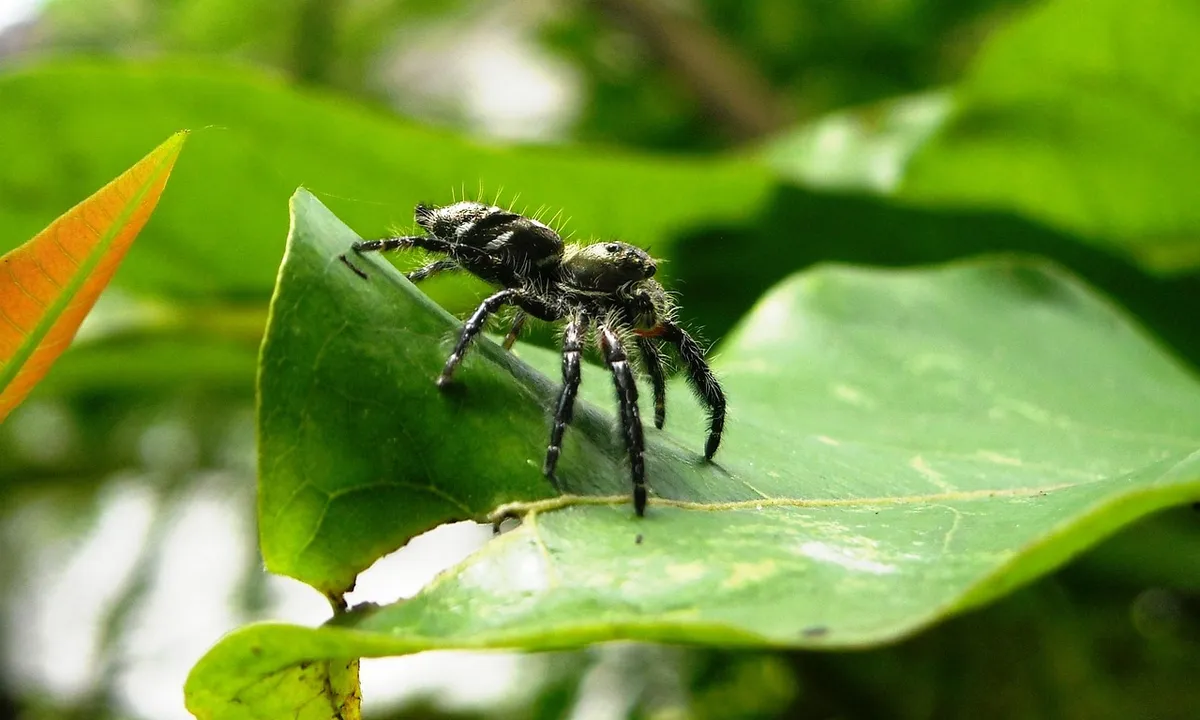
Increased Hunting and Foraging
Summer’s warmth acts like a switch, turning your tarantula’s internal engine to a higher idle. I see this most dramatically with my Orange Bitey Thing, Flash. In cooler months, he’s a reclusive architect behind dense silk curtains. When the ambient temperature climbs, he becomes a prowling sentinel at his burrow’s entrance, poised for movement. You’ll notice your tarantula’s feeding response becomes noticeably faster and more enthusiastic during the summer months. My Burgundy Goliath, who might lazily amble toward a roach in winter, will often launch a decisive, startlingly fast strike when the humidity and heat are to his liking.
This isn’t just hunger; it’s physiological urgency. A warmer body means faster digestion, which fuels more frequent molts and growth. For slings and juveniles, summer is their prime growing season. I adjust feeding schedules accordingly, offering prey slightly more often but always removing uneaten food to prevent stress and mold. The key is to match their increased metabolic rate with consistent, but not excessive, feeding opportunities.
Reproduction and Dispersal
Summer is the season of continuation. In the wild, mature males embark on their ultimate journey, driven by hormones to find a female’s burrow. You may witness this restless “wanderlust” in captive mature males, even in a stable enclosure. They pace, they fidget, and they lose interest in food. This is not a sign of poor health, but a natural, single-minded focus on reproduction that ultimately defines the end of the male’s life cycle.
For receptive females, successful mating leads to the creation of an egg sac-a delicate, silken cradle often guarded with fierce dedication. This period demands immense energy from the female and absolute peace from her keeper. Any disturbance can lead to the sac being abandoned or consumed. If you are gifted with an egg sac, the pinnacle of summer husbandry is providing unwavering stability: constant warmth, no vibrations, and no intrusions.
Metabolism in Motion: How Temperature Dictates Activity
Think of a tarantula’s metabolism not as an on/off switch, but as a dimmer dial controlled by temperature. Every biological process-digestion, silk production, wound healing, preparation for a molt-is tied to this dial. A drop of just 5-10 degrees Fahrenheit can slow these processes to a crawl, while consistent warmth within their ideal range keeps life moving forward.
This is why my old Chilean Rose, Rosie, becomes the ultimate “pet rock” for months on end when my house is cooler. Her Grammostola physiology is adapted to slow, patient living. Contrast this with my OBT, Flash, a species from warmer African scrublands. His entire being is tuned for higher thermal activity. The difference is stark and rooted in their origins.
Here is a simple comparison of how temperature influences core tarantula activities:
| Biological Process | Under Warmer Conditions (Ideal Range) | Under Cooler Conditions |
|---|---|---|
| Prey Digestion | Fast (24-48 hours for larger items) | Slow (can take a week or more) |
| Frequency of Molting | More frequent for growing spiders | Greatly extended intervals |
| Overall Movement & Web Building | Increased activity and construction | Pronounced lethargy or hiding |
| Appetite | Typically strong and reliable | Can become sporadic or cease |
Managing this metabolism is our primary seasonal husbandry task. We do not mimic winter freezes, but we can allow for a natural, gentle cooling that respects their biological rhythm. For most common pet species, maintaining room temperature (68-75°F) is a safe, slow season. For heat-loving species like my T. stirmi, I use a space heater in the room to maintain a steady 78-80°F and higher humidity year-round. The goal is to avoid sudden drops or spikes. A small digital thermometer on the enclosure is worth its weight in gold for providing this crucial data. Your observations, paired with that data, will tell you everything you need to know about your tarantula’s seasonal pace. Be mindful of common heating-humidity mistakes that harm your tarantula—such as placing a heater too close to the enclosure or neglecting humidity control. Small, abrupt temperature changes or consistently extreme humidity levels can stress or injure them.
Feeding Through the Seasons: Adjusting Your Care
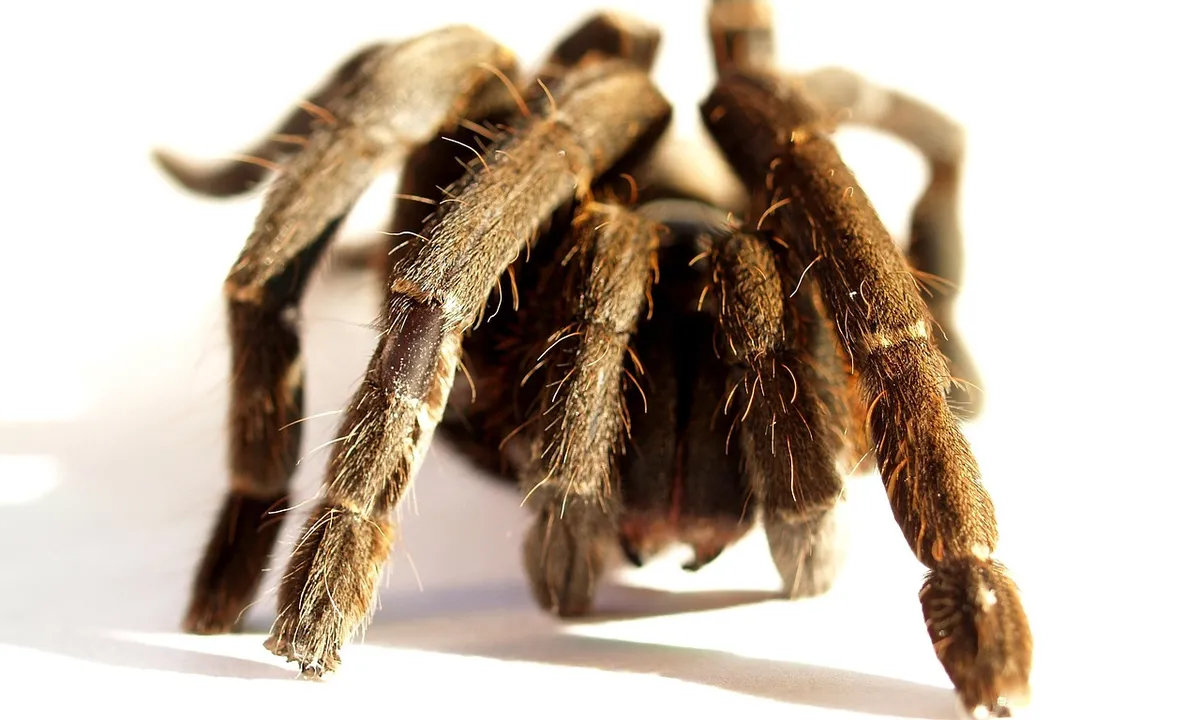
Winter Fasting and Appetite Loss
You offer a plump cricket and your tarantula turns away, a silent rejection that can last for months. This winter fasting is normal for many species, driven by internal rhythms even in climate-controlled homes. My Chilean Rose Hair, Rosie, has taught me that a tarantula’s refusal to eat is not a crisis but a seasonal pause. Her dusty pink body becomes a true ‘pet rock’ from late fall into spring, conserving energy with a slowed metabolism.
Do not force food into the enclosure, as live prey can stress or injure a fasting tarantula. Remove uneaten prey immediately to prevent harm during this vulnerable time. Focus on providing a clean, shallow water dish. I monitor Rosie’s abdomen; as long as it doesn’t shrink severely, I trust her instincts.
- Species Variation: New World terrestrials like Grammostola are famous fasters. Old World arboreals often have shorter pauses.
- Pre-Molt Signal: A prolonged fast often precedes ecdysis. Look for a darkened abdomen and increased reclusiveness.
- Keeper Action: Shift from a feeding schedule to an observation routine. Offer food only once every 3-4 weeks during suspected fasting periods.
Summer Feeding Regimens
Summer brings a palpable shift. The enclosure is no longer silent; you might hear the subtle scratch of claws on cork bark as appetite returns. Metabolism increases with warmer temperatures, turning a cautious faster into an efficient predator. My Burgundy Goliath Bird Eater, Goliath, will readily take two large roaches in a week during peak summer humidity.
Adjust prey size and frequency based on species and visible abdomen size. A good rule is to offer prey no larger than the tarantula’s carapace, every 7-10 days for most adults. My OBT, Flash, webs incessantly and strikes with blinding speed, so I use long tongs to drop feeders near her funnel, avoiding direct confrontation. It’s also crucial to recognize when not to feed your tarantula, especially during pre-molt or fasting periods.
- Assess Activity: More web-building and roaming at night signals readiness for regular meals.
- Hydrate Prey: Gut-load feeder insects with fresh vegetables to pass on moisture and nutrients.
- Monitor Closely: An overfed tarantula risks a fall and abdominal rupture. The abdomen should not become disproportionately large and shiny.
Mimicking Seasons in Captivity: A Keeper’s Guide
Should You Create a Seasonal Cycle?
Replicating seasonal shifts is not required for basic health, but it can deepen natural behaviors. I employ mild seasonal cycles primarily for breeding projects or to encourage a stubborn molt. For pet-only tarantulas like Rosie, I maintain stable, species-appropriate conditions year-round. The stress of significant, rapid change outweighs any benefit for a captive animal.
Consider a species’ origin. A Theraphosa stirmi from equatorial rainforests experiences minimal seasonal variation, unlike a Grammostola from scrubland with distinct dry and wet periods. Mimicking a dry season for a moisture-dependent species is dangerous and unnecessary. Your goal is animal welfare, not biogeographical authenticity.
Practical Adjustments for Temperature and Humidity
If you choose to simulate seasons, make changes gradual over weeks. Sudden drops in temperature or humidity are a leading cause of captive stress and health failure. I use a digital hygrometer and thermostat to track these subtle shifts, avoiding guesswork.
For a mild “winter” period, I lower the room temperature by 3-5 degrees Fahrenheit (e.g., from 78°F to 73°F) for species that benefit from it. Humidity is adjusted not by frequent misting, but by altering the moisture deep in the substrate. I pour water directly into a corner of the enclosure, letting it wick up slowly.
- Temperature: Summer range: 75-85°F. Simulated winter range: 68-75°F. Never below 65°F for most tropical species.
- Humidity: Measure with a gauge. For “dry season,” let ventilation reduce surface moisture. For “wet season,” add a larger water dish or dampen more substrate. Goliath’s enclosure stays at 80-85% humidity year-round, but I reduce surface misting in winter.
- Photoperiod: Subtle light cycle changes via room lighting can signal seasonal shifts more safely than extreme physical parameter changes.
These minor tweaks can simulate the gentle cues of a natural world. The key is observing your individual tarantula’s response-more hiding or less appetite means you’ve gone too far. Their behavior is the ultimate guide to getting it right. Learn to read your tarantula’s body language and stress signals. Defensive signs like a raised leg or flattened posture tell you when to back off.
FAQs
Do tarantulas hibernate or enter a state of dormancy in winter?
Tarantulas do not hibernate like mammals. Instead, they enter a state of cold-induced dormancy or quiescence. Their metabolism slows down significantly in direct response to lower temperatures, conserving energy. This results in long periods of stillness and fasting, which is a normal and healthy survival strategy. Understanding whether these quiet phases count as sleep or dormancy is a topic researchers explore when mapping tarantulas’ activity patterns.
How do I adjust feeding between summer and winter?
In summer, with a higher metabolism, tarantulas often have a strong, reliable feeding response. The best diet and feeding schedule for a healthy tarantula balances prey size and feeding frequency with its activity level. You can offer appropriately sized prey more regularly. During winter, be prepared for fasting; offer food infrequently and always remove uneaten prey promptly to avoid stress and enclosure issues. This seasonal pattern helps maintain overall health and digestion.
Is it normal for my tarantula to hide constantly in the winter?
Yes, this is very typical winter behavior. Your tarantula is seeking a stable, sheltered microclimate to conserve energy and prevent moisture loss. You should respect this quiet period by minimizing disturbances and enclosure maintenance, allowing them their natural rhythm.
How do temperature changes affect my tarantula’s daily activity?
Temperature directly controls a tarantula’s metabolism. Warmer conditions lead to faster digestion, more movement, and increased web-building or hunting behaviors. Cooler temperatures slow all internal processes, leading to pronounced lethargy, hiding, and reduced interest in food or exploration. The link between temperature effects on tarantula metabolism, appetite, and growth is a focus of tarantula physiology. Warmer temperatures often increase feeding drive and growth, while cooler temperatures can suppress appetite and slow development.
Should I change my tarantula’s enclosure setup with the seasons?
For most pet tarantulas, maintaining stable, species-appropriate conditions year-round is safest and less stressful. If you do make subtle seasonal adjustments, focus on gradual changes to deep substrate moisture for humidity and slight room temperature variations, rather than redesigning the entire habitat. Specifically, consider the ideal temperature and humidity ranges for your tarantula’s species. For many common tarantulas, a stable 72–78°F (22–26°C) and 50–60% humidity are a good starting point, with adjustments for tropical or desert-adapted species as needed.
The Art of Stewardship
Through every season, your primary role is moderator of moisture. You must vigilantly monitor how your heating or cooling systems alter the enclosure’s humidity, adjusting water dishes and substrate dampness long before a problem arises. A summer fan or a winter heater can desiccate an enclosure in hours, while a cool, stagnant room in winter can create a mold-friendly swamp.
Embrace the slow, silent rhythm of their year. A tarantula’s reduced winter appetite is not a failure of care, but a fascinating biological echo. Summer’s frantic webbing or midnight excavations are performances to be studied, not disruptions to be managed. True success is measured in the pristine condition of a finished molt, the intricate architecture of a new burrow, and the quiet confidence of an animal that feels secure in the world you maintain. Your patience is the substrate in which their natural behaviors can truly take root.
Further Reading & Sources
- Tarantula Behavior And Seasonal Changes
- Tarantula Behavior Explained: A Guide for New Pet Owners | Spiders Web HQ
- How tarantula behaviors change according to the season of the year
Arlo is a lifelong arachnid enthusiast who believes tarantulas are the world’s most misunderstood roommates. With years of hands-on experience in tarantula care, habitat setup, and species behavior, Arlo combines expert knowledge with a dash of humor to make spider ownership less scary and a lot more fascinating. From choosing the right enclosure to understanding why your eight-legged buddy is doing that weird little pose again, Arlo is here to help you become the best tarantula parent you can be, without getting tangled in the web of misinformation.
Understanding Tarantula Behavior