What is a ‘Wet Molt’? Understanding and Preventing This Fatal Condition
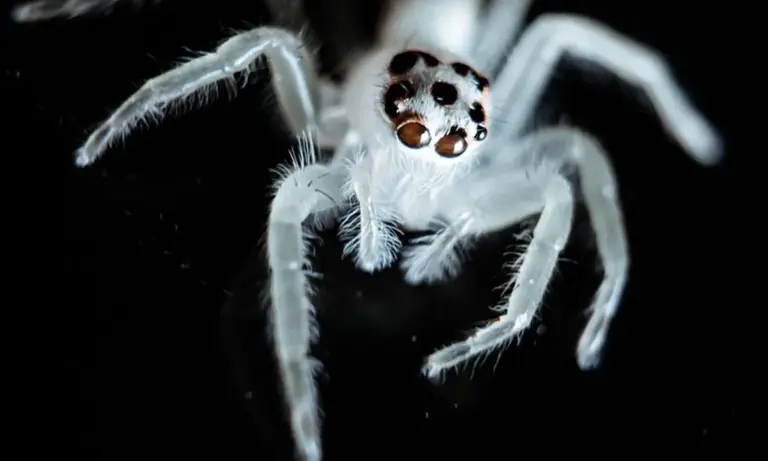
Identify wet molt: risks, signs, prevention tips, humidity and care steps, and when to seek veterinary help for tarantulas.

Where Every Leg Counts
Where Every Leg Counts
Comprehensive care guidance for keeping pet tarantulas, covering enclosure setup, feeding, health monitoring, and daily husbandry.
Identify wet molt: risks, signs, prevention tips, humidity and care steps, and when to seek veterinary help for tarantulas.
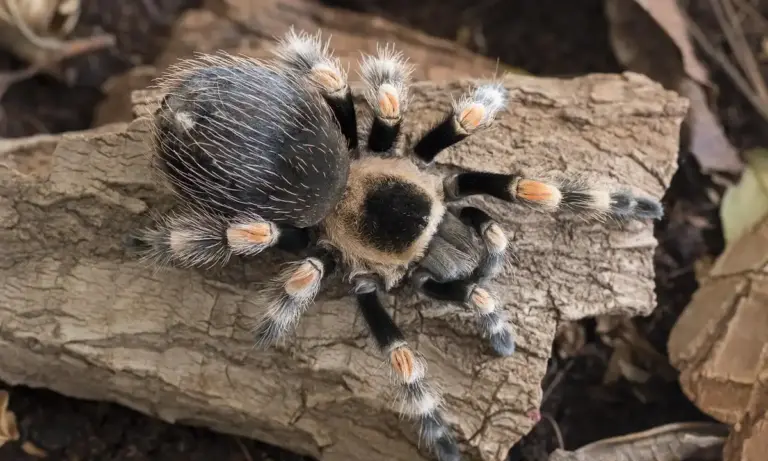
Mismolt vs Exuvia: is a shed a bad sign for your tarantula? What mismolt and exuvia mean, signs of trouble, risks, care steps, when to seek help.
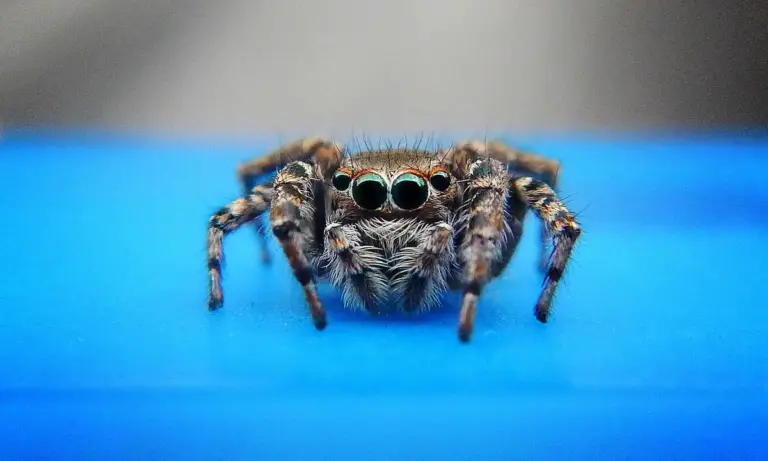
Avoid 5 humidity/ventilation mistakes in tarantula care: set proper humidity, airflow, monitoring, misting, enclosure design.
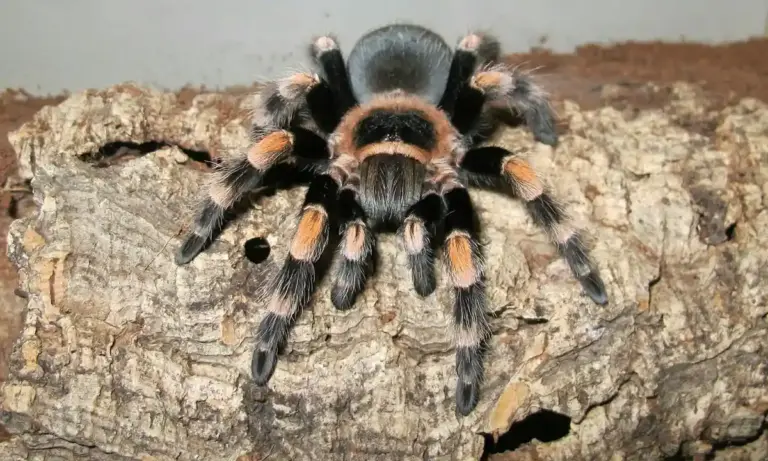
13 common tarantula-keeping mistakes and practical fixes: enclosure, humidity, feeding, temps, handling, health checks.
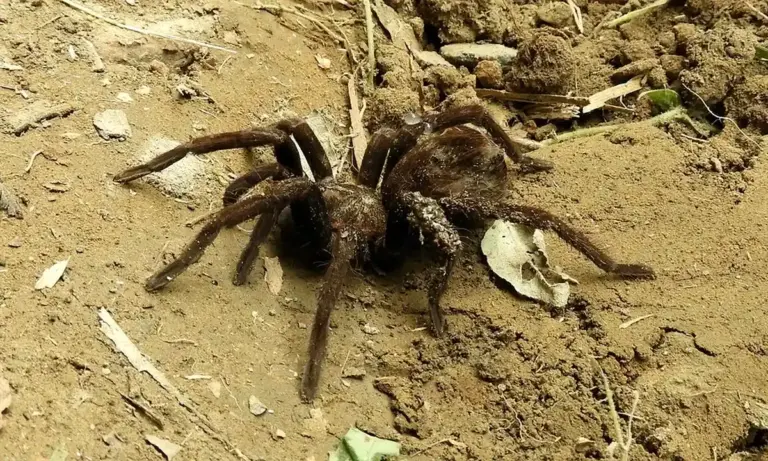
Estimate your tarantula's age: signs from molts, size, leg span, coloration, maturity; tips for care, housing, feeding.

From sling to adult: month-by-month care - molts, feeding, enclosures, humidity, temps, health signals, growth milestones.
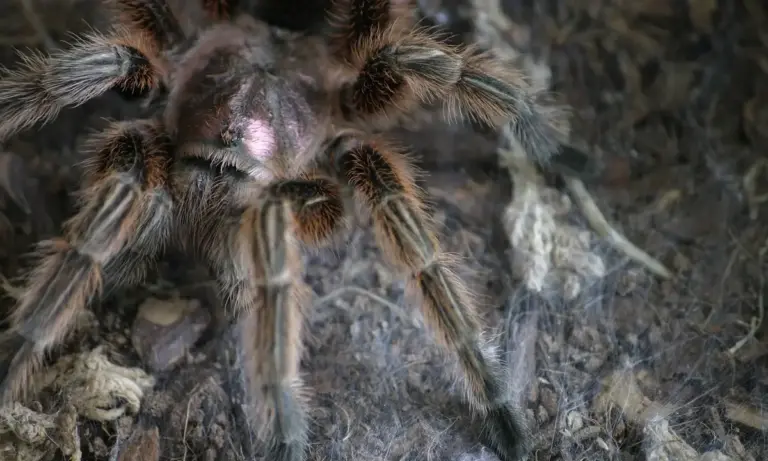
Week-by-week plan for your first 30 days: enclosure setup, temps, humidity, feeding, water, molts, safety, handling.
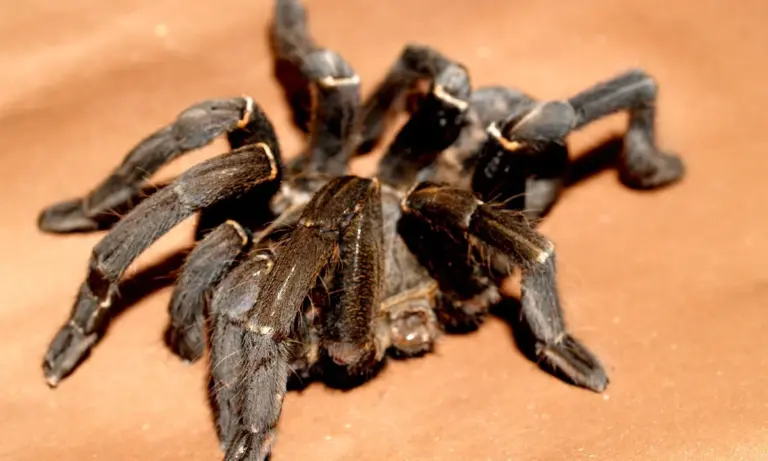
Your tarantula's first 24 hours: a plan for enclosure setup, climate control, safe handling, feeding timing, and care.
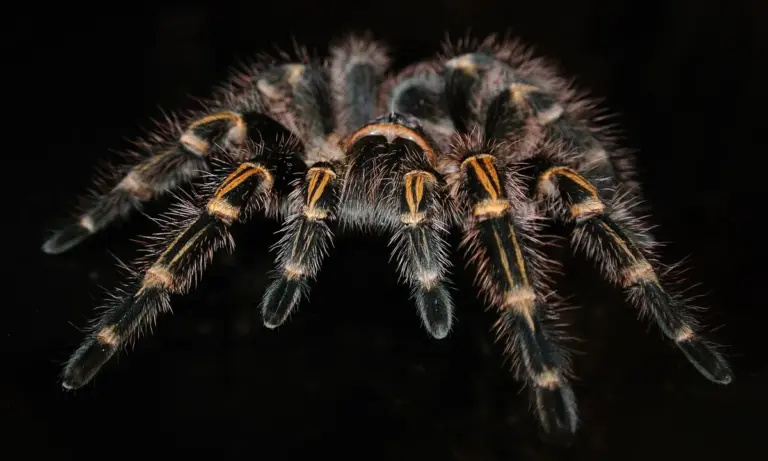
What attracts tarantulas: prey cues, humidity, temperature, substrate, shelters, ventilation, and enclosure setup tips.
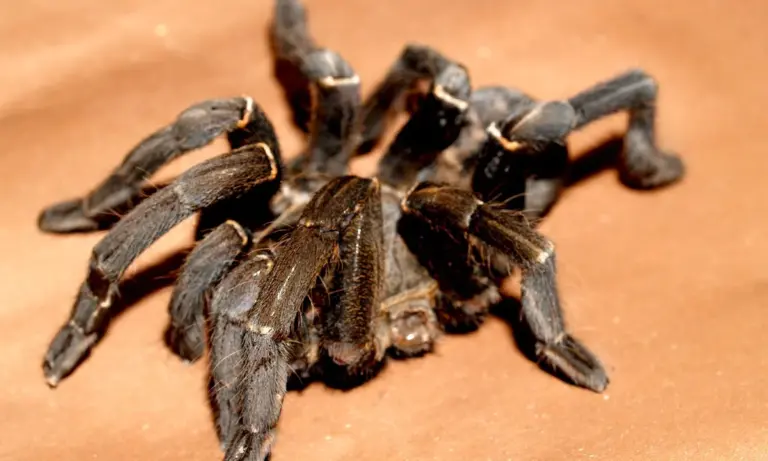
Tarantula enclosure space: species-specific sizes, height vs floor area, enclosure types, ventilation, hides, substrate, safety tips.