
Leaving Live Feeders in the Enclosure: A Critical Mistake to Avoid
In the precise art of arachnoculture, allowing live prey to roam free in your tarantula’s enclosure is a critical husbandry failure that can transform a safe haven into a site of injury or stress-induced decline. I witnessed this risk with my own Burgundy Goliath Bird Eater, Goliath, when a leftover cricket provoked a flurry of urticating hair kicking-a defensive waste of energy. This article breaks down the exact dangers and provides the clear, actionable steps I use to keep all my spiders, from the docile Rosie to the defensive Flash, completely safe during feeding.
Quick Stats:
- Common Offenders: Crickets, mealworms, superworms
- Greatest Risk Period: During tarantula pre-molt and molting (ecdysis)
- Maximum Safe Duration: Remove all uneaten prey within 24 hours
- Keeper’s Vigilance: Refusal to eat is your first cue to intervene
This guide will equip you with the specific knowledge and techniques to master safe feeding protocols, ensuring your tarantula’s well-being from sling to adult.
The Standard Practice: A Clean Feeding Protocol
Proper feeding is a scheduled event, not a passive convenience. My protocol is simple: offer one appropriately-sized prey item and remove anything uneaten within 24 hours. This method respects the tarantula’s biology and prevents nearly every feeder-related hazard.
How Often and How Much to Feed
Feeding frequency is dictated by life stage, not a calendar. I feed spiderlings twice a week and juveniles once a week. For adults like my 15-year-old G. rosea, a single large cricket every 10-14 days is often ample. The prey should be no larger than the tarantula’s carapace to avoid injury and overwhelming the spider.
Watch the abdomen. A plump, rounded abdomen indicates good condition. A shrunken abdomen signals a need for food. An overly distended, shiny abdomen means you should pause feeding to avoid a dangerous rupture.
Recognizing a Refusal to Eat
A tarantula’s fast is a natural event, not a crisis. My Rosie has refused meals for over eight months at a time. The key is to distinguish between pre-molt fasting and stress-related refusal.
- Pre-molt signs: A darkening abdomen, bald spot turning from pink to deep black, and lethargy.
- Stress signs: Constant climbing, flicking hairs without provocation, and a defensive posture in a normally calm species.
If a tarantula refuses food, remove the feeder immediately. Do not offer again for at least five to seven days. Continuing to drop in prey only heightens their stress. Don’t panic if they skip a meal.
Why Feeders Are Sometimes Left Behind: Common Justifications
Despite clear risks, the practice persists. I have heard every justification in online forums and at expos. These justifications typically stem from a misunderstanding of tarantula stress signals and an overestimation of a captive environment’s resilience.
The “Set It and Forget It” Mentality
Some keepers view tarantulas as ultra-low-maintenance pets. They believe dropping a handful of crickets into the enclosure weekly is acceptable care. For advanced, rare tarantula species, proper care means tailoring enclosure conditions and diet to the species’ specific needs. This goes beyond weekly cricket drops and requires careful monitoring of humidity and temperature. This mentality fails the animal completely, turning its home into a stressful hunting ground and a potential biohazard zone.
I have rehoused tarantulas from such setups. The smell of decayed feeder insects is unmistakable. The substrate is often riddled with mite colonies feeding on the waste. The tarantula is usually pressed into a corner, having endured weeks of harassment. Convenience for the keeper should never equate to suffering for the pet.
Misconceptions About Bioactive and Naturalistic Setups
Bioactive enclosures are wonderful for humidity regulation and waste breakdown. They are not a substitute for responsible feeding. The cleanup crew-springtails and isopods-process mold and tarantula waste; they cannot reliably dispatch a live, defensive cricket or superworm.
A large feeder insect can and will injure or kill your isopod population. More critically, the constant movement of a live feeder in a “natural” setup does not mimic nature. In the wild, prey that isn’t caught moves on. In a glass box, it cannot escape, creating a persistent, unnatural stressor for your tarantula. Your bioactive setup is for ecosystem balance, not for outsourcing your feeding responsibilities.
The Hidden Dangers: Risks of Unattended Live Feeders
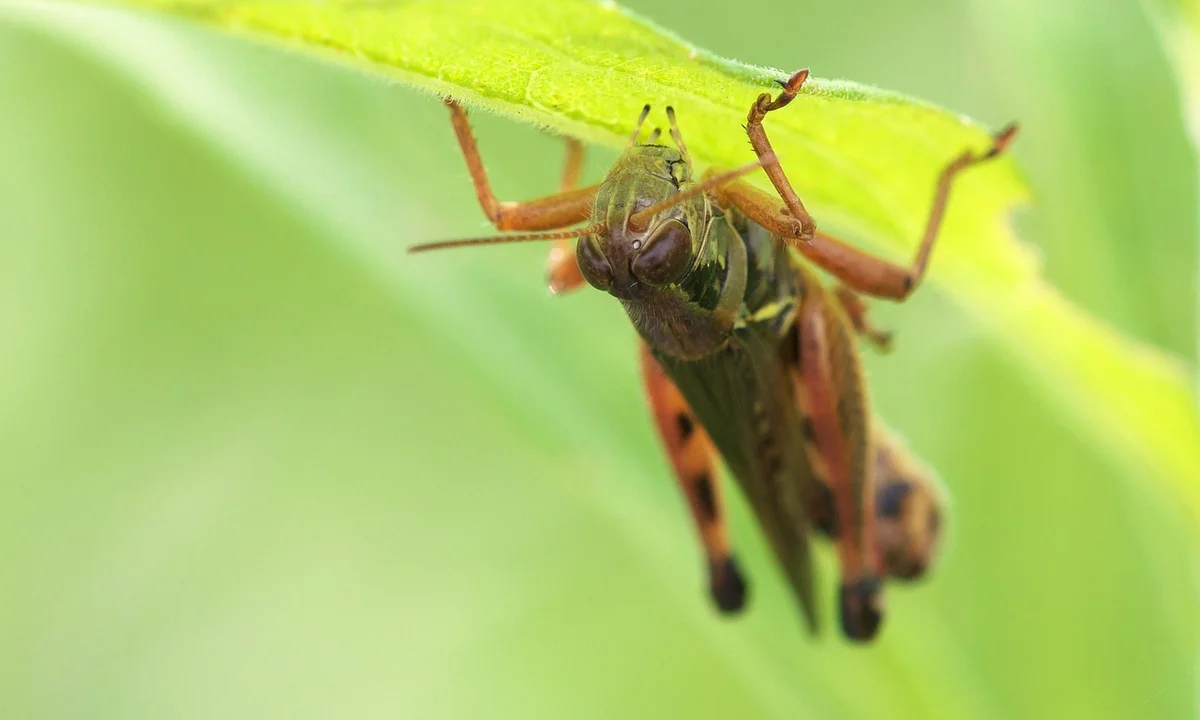
Leaving a live cricket or worm to roam free in your tarantula’s home is not a harmless act of convenience. It is a husbandry error with consequences that can range from mild stress to severe injury. An unattended feeder insect is not a guest; it is a potential predator or a vector for disease in the confined space of the enclosure.
Injury to Your Tarantula
A tarantula’s exoskeleton is tough, but it is not impenetrable armor, especially during the vulnerable molting process. I learned this early on with my first Grammostola rosea, Rosie. A leftover cricket, ignored during her long fasting period, once nibbled on her soft, newly-formed leg after a molt. While the damage was minor, the lesson was profound. Feeder insects like crickets and superworms possess mandibles capable of chewing on a soft, post-molt tarantula, causing lasting damage or even death. For larger, more vulnerable species like my Theraphosa stirmi, Goliath, the risk is amplified by their size and the moisture their environment holds.
Stress and Disruption of Normal Behavior
Tarantulas are ambush predators that value security. They hunt and capture prey by ambush or stalking, delivering a precise bite to subdue it. The constant movement and chirping of a live feeder creates a persistent low-grade alarm. This stress can shut down natural behaviors. I have watched normally reclusive tarantulas like my Orange Babbling Tarantula, Flash, abandon favored web tunnels to climb the walls, simply to escape a roaming cricket. For a docile ‘pet rock’ like Rosie, stress manifests as even longer food strikes and a refusal to leave her hide. A stressed tarantula is not a thriving one.
Enclosure Hygiene and Disease Threats
The silence of a well-kept enclosure can be broken by the faint smell of decay. A feeder that dies unseen begins to decompose rapidly. In the humid environment needed for species like Goliath, this is a direct ticket to mold blooms and bacterial growth. This decomposing matter attracts mites and fungi that can attack your tarantula directly or compromise its respiratory system. Furthermore, feeder insects from commercial sources can sometimes carry internal parasites or pesticides, risks that are magnified if they remain in contact with your pet and its substrate for extended periods.
Feeder Reproduction and Infestation
Some common feeders are prolific breeders. Mealworm larvae can pupate into beetles in your tarantula’s substrate. Cricket females can lay eggs in moist soil. I once had to completely dismantle a quarantine enclosure after a single missed superworm burrowed, pupated, and emerged as a beetle that then laid a clutch of eggs. That incident underscores the safety question around feeders for tarantulas: are superworms or mealworms safer? In practice, many keepers prefer mealworms because they’re smaller and easier to quarantine, while superworms require tighter containment to prevent escapes and accidental pupation in the enclosure. These infestations force a full substrate change, stressing your tarantula immensely and creating a persistent nuisance population that can harass your pet.
Best Practices for Safe Feeding Management
Feeding your tarantula should be a controlled, observed event. This protocol minimizes risk and turns feeding into an opportunity for behavioral observation. Adopting a disciplined feeding routine is the single most effective way to prevent the dangers posed by unattended prey. Learn to tell if your tarantula is hungry or stressed with our feeding behavior guide. It highlights hunger cues and stress signals to watch during feeding.
Step 1: Preparation and Observation
Before you even touch the feeder insect, observe your tarantula. Look for signs of pre-molt: a darkening, shiny abdomen, lethargy, or a refusal to eat. My Rosie has taught me that some individuals may fast for months, and offering food during this time is always a waste. Always confirm your tarantula is in a feeding posture and not exhibiting pre-molt behaviors before introducing any prey, as explained on Eight Legged Life. Select a feeder that is no larger than your tarantula’s carapace to ensure a safe meal.
Step 2: Offering Prey Correctly
Use long, soft-tipped feeding tongs. Gently place the feeder insect into the enclosure, ideally near the tarantula’s line of sight but not directly on top of it. For defensive or fast species like Flash, I often slightly stun the cricket by a brief refrigeration to slow it down, reducing the chance of a panicked chase. The goal is to present the prey, not to startle your tarantula with a dropped object or an insect thrown into its web.
Step 3: The Timed Observation Window
Set a timer for 15 to 30 minutes. Stay present and watch. A hungry tarantula will usually strike with that fascinating, sudden speed. If your tarantula shows no interest-ignoring the prey or moving away-the feeding attempt is over. The timed window respects the tarantula’s choice and prevents the feeder from becoming a permanent, problematic resident. This is crucial for all species, from the patient G. rosea to the opportunistic P. murinus. It complements the best diet and feeding schedule for a healthy tarantula.
Step 4: Secure Removal and Enclosure Maintenance
If the prey is not consumed, use your tongs to carefully remove it. Perform a quick visual scan for any leftover feeder parts or deceased insects. I make this a habit after every feeding, using a pair of long tweezers to spot-clean any debris. This immediate post-feeding check maintains enclosure hygiene and gives you a regular opportunity to assess your tarantula’s health and the condition of its home. For heavily webbed species, gentle prodding with a brush can help locate hidden, uneaten prey.
Choosing and Handling Your Feeders Wisely
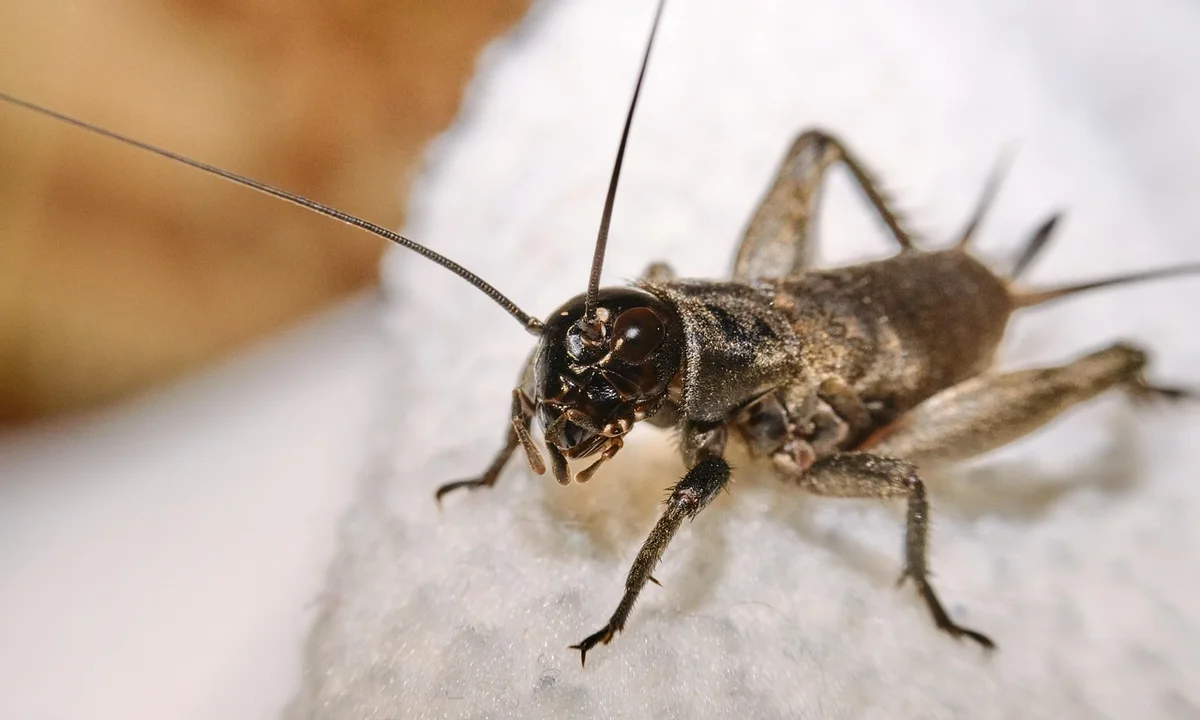
Selecting the right live feeder is not just about convenience; it is a direct act of care that impacts your tarantula’s health and stress levels. An improperly sized or aggressive feeder can injure a molting tarantula or cause lasting stress that suppresses feeding. I base this on fifteen years of tending everything from my docile Grammostola rosea to my fast Pterinochilus murinus.
Matching Feeder Size and Species to Your Tarantula
The golden rule is the feeder should be no larger than your tarantula’s carapace, or roughly half the length of its body. Offering a prey item that is too large can frighten your spider and even lead to defensive injuries where the tarantula damages its fangs. My Burgundy Goliath, for example, can tackle an adult dubia roach, but my Chilean Rose Hair gets a smaller cricket.
Feeder type matters too. Here is a quick guide based on my colony:
- For docile, slow eaters like Rosie (G. rosea): Slow-moving crickets or pre-killed mealworms work best. They pose little threat during her famous hunger strikes.
- For heavy-bodied, humid-loving species like Goliath (T. stirmi): Dubai roaches are excellent. They thrive in the 80% humidity he requires and are less likely to burrow deep into the substrate.
- For defensive, web-bound tarantulas like Flash (OBT): I use lateralis roaches or crickets. Their movement triggers his feeding response in the complex web, and their softer bodies are easier for him to manage in his silken fort.
Tools for Control and Removal
Your hands should rarely, if ever, enter the enclosure. Long, soft-tipped tweezers (12 inches is ideal) are your primary tool for both placing and, critically, removing uneaten feeders. This practice respects the “Look, Don’t Touch” ethic and keeps you safe from urticating hairs or sudden strikes.
My toolkit always includes:
- Long, blunted-tip feeding tongs.
- A small, clear deli cup for corralling escaped crickets.
- A flexible plastic straw to gently guide a roach out from behind decor.
I learned the importance of tools when a superworm I failed to retrieve burrowed into my OBT’s substrate and later emerged near a molting Flash. The silence of the enclosure was broken by his sudden, stressed strike at the intruder, a preventable event that now guides my strict removal policy.
When Your Tarantula Refuses Food: A Calm Response
Food refusal is a normal part of tarantula biology, not a crisis. Panicking and leaving a live feeder inside is often more dangerous than the fasting itself. My Rosie has gone eight months without a single cricket, only to molt and eat eagerly afterward.
Common Reasons for Food Refusal
Understanding the “why” prevents hasty decisions. Here are the most frequent causes I’ve observed:
- Premolt: This is the top reason. Your tarantula’s carapace may darken, and it will often seal itself in its hide or web. Feeding attempts are ignored.
- Environmental Stress: Incorrect temperature (below 70°F for most species) or humidity (too dry for a jungle species, too damp for a desert one) can shut down appetite.
- Repletion: Simply put, your tarantula is not hungry. Adults, especially females, can eat sparingly.
- Seasonal Changes: Some species naturally slow down in simulated winter months with slightly cooler temps.
What to Do Instead of Leaving the Feeder
When a feeder is rejected, follow this immediate protocol. Your first job is to extract the uneaten prey within 24 hours, preferably sooner. A roaming cricket can nibble on a vulnerable tarantula.
- Use your tongs to gently remove the live feeder. If it’s elusive, use the cup-and-card method to trap it.
- Check the abdomen. Is it plump and rounded? If so, do not offer food again for at least a week.
- Assess the enclosure. For my Goliath, I verify the humidity is at 80-85% with a digital gauge. For Flash, I ensure his web funnel is intact and his temperature is a steady 78°F.
- Wait. Simply wait. Offer the next appropriately sized meal in 7-10 days. Trust in your tarantula’s physiology; they are evolved to endure long fasts without harm.
I apply this calm approach to all my tarantulas. Removing the feeder eliminates a source of stress, allowing you to observe the true cause of the fast, whether it’s the iridescent sheen of a new carapace forming or just a simple case of fullness.
FAQs
But won’t my tarantula just eat the feeder when it gets hungry?
This is a common misconception. Tarantulas are not like mammals with constant hunger cues; they are opportunistic feeders that can fast for weeks or months. An ignored feeder is not future food—it is a persistent stressor or threat. Leaving it in the enclosure forces your tarantula to remain in a defensive state, which can lead to stress-related fasting and unnecessary energy expenditure. To feed more effectively, learn to read the tarantula’s signals when it’s ready to eat—the so-called food dance or another attentive approach toward the prey—and time the meal accordingly. Feeding on cue reduces stress and helps avoid unnecessary fasting and energy expenditure.
What if the feeder hides or burrows where I can’t see it to remove it?
This is a critical situation that requires immediate action. Use tools like long tweezers, a soft brush, or a delicate cup to carefully search behind decor and in substrate layers. For burrowing species like superworms, you may need to temporarily and gently excavate the area. Failing to retrieve a hidden feeder means it can resurface during your tarantula’s vulnerable molt or begin decomposing out of sight.
Are some types of feeders “safer” to leave in than others?
No, all live feeders pose a risk. While smaller prey like pinhead crickets may seem less threatening, they can still harass a tarantula and introduce mites or mold. Larger, more aggressive feeders like superworms or adult crickets have powerful mandibles capable of causing direct injury. The only truly safe uneaten feeder is one that has been promptly removed from the enclosure.
Can’t I just crush the feeder’s head to immobilize it before leaving it in?
This practice, called “pre-killing,” is sometimes used but comes with major caveats. A freshly pre-killed feeder is acceptable for a short observation period, but it must be removed just as diligently as a live one. Leaving any organic matter to decay attracts mold, bacteria, and mites. Furthermore, a twitching, injured insect can still cause stress and may not stimulate a feeding response from your tarantula. This is part of the broader discussion on feeding methods in tarantula care. Guides generally suggest choosing the method based on the tarantula’s species, age, and temperament, balancing safety, stimulation, and nutrition.
My tarantula is always in its hide. How do I know if it ate the feeder?
You must practice active observation. After offering prey, watch for signs of a successful hunt, like webbing at the burrow entrance or leftover bolus (dried prey remains) outside the hide. If the feeder disappears but you see no evidence of a meal, assume it is still alive and hiding. Use a faint light and patience to check, and always err on the side of caution by attempting removal after 24 hours.
The Final Molt
The most powerful husbandry tool you possess is a pair of long, soft-tipped tweezers. Always, without exception, remove any uneaten feeder insect from your tarantula’s enclosure within 24 hours. This single action prevents a cascade of potential harm, from stressing a molting spider to preventing painful wounds on a vulnerable abdomen. Make it as routine as filling the water dish. Keep a small toolkit of essential tarantula handling tools and safety gear nearby—soft-tipped tweezers, long-nose forceps, and a secure, escape-proof enclosure. Using proper safety gear, such as eye protection against urticating hairs, makes handling safer and more controlled.
Beyond this protocol, your primary role shifts from active manager to dedicated observer. Find joy in the quiet moments: the meticulous patching of a tunnel by your fossorial spider, the geometric precision of your OBT’s silken fort, or the patient, motionless ambush of your G. rosea. Success in this hobby is measured not in handling sessions, but in the health revealed through natural behaviors. Patience is your greatest ally, allowing you to witness the fascinating, slow-motion life of a creature utterly unconcerned with our human timelines.
Further Reading & Sources
- All Products – Feeders & Supplies | “Browse the Full Collection”
- Live Feeders for Reptiles | High-Quality Nutrition at ReptileSupply.com
- Feeders
Arlo is a lifelong arachnid enthusiast who believes tarantulas are the world’s most misunderstood roommates. With years of hands-on experience in tarantula care, habitat setup, and species behavior, Arlo combines expert knowledge with a dash of humor to make spider ownership less scary and a lot more fascinating. From choosing the right enclosure to understanding why your eight-legged buddy is doing that weird little pose again, Arlo is here to help you become the best tarantula parent you can be, without getting tangled in the web of misinformation.
Feeding Frequency