
Tarantula Lifespan in the Wild vs. in Captivity
The tarantula’s reputation for incredible longevity, especially in captivity, is a cornerstone of its fascination for keepers like myself. We are not just housing a pet for a season; we are stewards of a life that can span human generations. While a wild tarantula is lucky to see a decade, a well-cared-for female in your home can become a 30-year fixture, a quiet testament to dedicated husbandry.
Quick Stats:
- Origin: Every continent except Antarctica, from deserts to rainforests.
- Type: Lifespan trends split broadly between New World (often slower-growing, longer-lived) and Old World (frequently faster-growing, shorter-lived) species.
- Growth Rate: A powerful predictor; a slow-maturing Grammostola species is a decades-long project, while a rapid Psalmopoeus sling races to adulthood and a shorter total life.
Based on my years keeping species from the sedentary G. rosea to the ephemeral OBT, this guide will map the journey from fragile sling to venerable adult, showing you how captivity rewrites a tarantula’s natural life story.
The Tarantula Life Cycle: Foundations of Longevity
To grasp why some tarantulas live for decades and others for mere years, you must first understand their unique biology. A tarantula’s life is measured not in years, but in molts-each successful shed is a passport to a new, larger stage of life. They are living proof of controlled, incremental transformation.
From Spiderling to Maturity: The Molting Journey
Every tarantula begins as a tiny, vulnerable spiderling, often no larger than a pencil eraser. Their growth is entirely dependent on the process of ecdysis, or molting. They do not simply grow; they must repeatedly rupture their old, rigid exoskeleton and emerge with a new, soft one that will expand and harden. Growth rates vary by species and environment. Juvenile tarantulas molt frequently, which can drive rapid size increases, while adults grow more slowly as they approach maturity.
Think of a molt as a factory reset. During this vulnerable period, the spider not only gains size but can regenerate lost limbs and shed internal parasites. The frequency of molts is influenced by species, temperature, and food intake. My OBT, Flash, might molt three times a year as a juvenile, while my mature G. rosea, Rosie, hasn’t molted in over three years.
- Spiderling Phase: Rapid growth with molts every few weeks or months. Maximum vulnerability.
- Juvenile Phase: Slower, more defined growth. Sex becomes visually apparent.
- Sub-Adult Phase: One or two molts from sexual maturity. A period of robust size and appetite.
The Ultimate Milestone: Reaching Sexual Maturity
This is the most significant biological turning point. For males, it is the beginning of the end. Their final molt produces specialized structures on the pedipalps (the boxing-glove-like bulbs) used for mating. After this “ultimate molt,” a male’s sole biological drive is to find a female, a quest that typically consumes his remaining lifespan in 6 to 18 months.
For females, maturity is a beginning. Their growth slows dramatically but does not stop entirely. They can continue to molt periodically throughout their long lives, each time refreshing their internal and external structures. This ability is the core reason for their staggering longevity.
Wild Tarantula Lifespan: Survival Against the Odds
The wilderness is a masterclass in pressure. Life there is not about achieving maximum age, but about surviving long enough to reproduce. In the wild, a tarantula’s lifespan is a brutal calculation of predation, climate, and sheer luck. Desert tarantulas show how adaptation supports survival—burrowing, nocturnal activity, and efficient water use. These traits help them endure extreme heat and scarce resources. Our captive care seeks to remove these variables, revealing the animal’s true potential.
Female Longevity in Natural Habitats
A mature female in the wild is a survivor, but her life is precarious. While she possesses the genetic capability to live 20, 30, or even 40 years, few ever reach these ages. She faces constant threats from specialist predators like spider wasps (Pepsis spp.), larger vertebrates, and parasitic infections. Finding a secure, permanent burrow is her single greatest advantage, offering protection from the elements and many would-be attackers. If she secures a good territory, she may live for well over a decade, producing multiple egg sacs throughout her life.
Male Tarantula Lifespan: A Brief, Driven Existence
The male’s life history is one of tragic urgency. Once mature, he abandons the safety of a burrow to wander. He is consumed by a single purpose. This nomadic life makes him exponentially more vulnerable. He is exposed to predators, harsh weather, and territorial females who may see him as a meal, not a mate. Even if successful in breeding, he is often weakened and rarely survives long afterward. In the wild, a male is doing phenomenally well to live a full year past his ultimate molt.
Primary Threats to Wild Lifespan
The list of dangers is extensive and ever-present. Observing my own tarantulas’ instincts-Flash’s lightning-fast defensiveness, Goliath’s hair-kicking barrage-makes their wild struggles vividly clear.
- Predation: Birds, mammals, reptiles, and other arthropods like giant centipedes and rival spiders.
- Parasitism: Mites, nematode worms, and the infamous tarantula hawk wasp, which paralyzes and uses the spider as living food for its larva.
- Environmental Extremes: Flooding of burrows, prolonged drought, and sudden temperature crashes.
- Human Activity: Habitat destruction, pesticide use, and collection for the pet trade.
Captivity, when done correctly, effectively erases these existential threats, allowing us to witness the full, remarkable timeline a wild habitat so rarely permits. This is the profound responsibility and privilege of the keeper.
Captive Tarantula Lifespan: The Promise of Protected Care
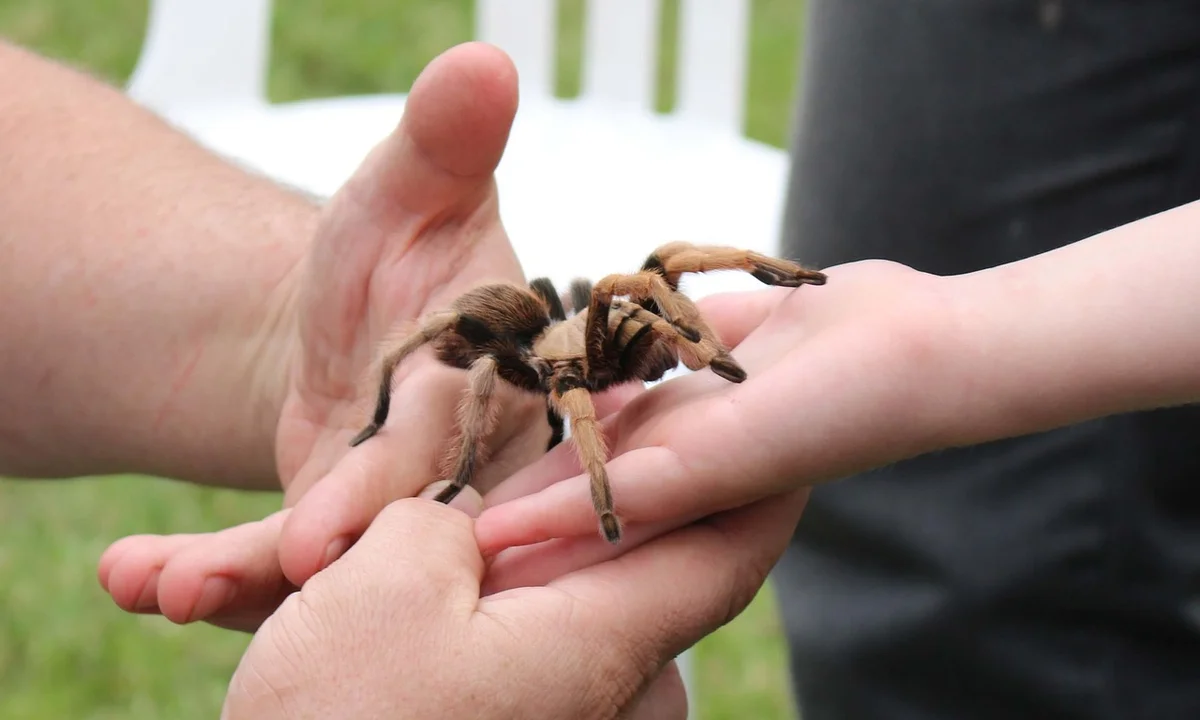
Under our care, tarantulas are shielded from predators, drought, and starvation. This protection often translates into a longer, more predictable life. For beginners, knowing the typical lifespan helps set expectations. Many beginner-friendly tarantulas, like the Chilean rose, can live well over a decade with steady care. My oldest, Rosie the Grammostola rosea, has been with me for 15 years, a quiet testament to the stability captive care provides. While wild lifespans are guesses, captive records are clear observations.
Female Captive Longevity: Decades of Observation
Female tarantulas in captivity can achieve remarkable ages. Many Grammostola and Brachypelma species routinely live 20 to 30 years. The key is consistent, low-stress husbandry that mimics their natural rhythms without the dangers. My Rosie exemplifies the “pet rock” phase many mature females enter, where fasting for months is normal and not a cause for panic. When you compare the sexes, the differences in lifespan and temperament are notable: males often mature quickly and have shorter lifespans, while females can live many decades. This can also influence price, with longer-lived females often costing more due to breeding value.
To support such long lives, focus on these husbandry pillars:
- Stable Environment: Avoid frequent rehousing or drastic changes to temperature and humidity.
- Appropriate Feeding: Overfeeding shortens lifespan. I feed adult females like Rosie only once every 4-6 weeks.
- Minimal Disturbance: This is the core of “Look, Don’t Touch.” Vibrations and handling are significant stressors.
Male Captive Lifespan: Maximizing Their Time
A male tarantula’s life is a sprint. After his ultimate molt into maturity, he has one to two years, sometimes less. Our role is not to extend this biological clock, but to ensure his short adult life is healthy and stress-free so he can fulfill his purpose if bred. In the broader ultimate maturity guide, you’ll see that female tarantulas often live longer than males, a difference that influences care and breeding decisions. This sets up the common question: do male tarantulas live longer, or do females dominate lifespan across species? You’ll notice a restless energy, constant wandering, and a loss of interest in food.
Maximize a male’s time with these steps:
- Provide a spacious, clutter-free enclosure for safe wandering.
- Maintain perfect species-specific humidity to ensure a successful final molt. My male T. stirmi needed 80% humidity right up to his maturity.
- Resist the urge to handle. A mature male is fragile and easily dehydrated.
Why Lifespans Vary: Sex, Species, and Environment
Not all tarantula lives are equal in length. Three main factors weave together to determine how long your eight-legged friend will be with you.
The Sex-Based Divide: Why Females Outlive Males
This is pure biology. A female’s body is built for long-term investment in egg production and guarding. A male’s physiology is optimized for a single mission: finding a mate. After maturity, his systems rapidly decline. This isn’t captivity failing; it’s nature’s blueprint. I’ve seen mature males simply stop eating, their focus entirely on finding a female, even through the glass of their enclosure.
Species Variation: From Fast-Living to Near-Immortal
Genus and species are the biggest predictors. Compare my pets: the docile G. rosea (decades) versus the fiery P. murinus (maybe 10-12 years for a female). Old World species like the OBT often have faster metabolisms and shorter natural lifespans than many New World giants. Here’s a quick comparison:
- Longevity Champions: Grammostola, Brachypelma, Aphonopelma. Females can live 25+ years.
- Fast-Living Species: Many Pterinochilus and Poecilotheria. Females may reach only 10-15 years.
- The Giants: Theraphosa stirmi females can live 15-20 years, but their rapid growth to huge size comes with its own metabolic demands.
Environmental Factors: Temperature, Humidity, and Stress
Within a species, your care directly influences lifespan. Chronic low-level stress from incorrect humidity or frequent disturbances is a silent lifespan shortener. My defensive OBT, Flash, webs heavily to control his world; disturbing that web fortress causes measurable stress.
Key environmental controls:
- Temperature: Cooler temperatures (70-75°F) slow metabolism and may extend life. Consistent warmth above 80°F can accelerate it.
- Humidity: Species-specific levels are non-negotiable. My T. stirmi thrives at 80% humidity, while my G. rosea would develop fungal issues at that level.
- Stress Reduction: This is the husbandry cornerstone. Loud noises, bright lights, vibrations from speakers, and handling all trigger a stress response. A tarantula that feels secure in a properly set up bioactive enclosure will always fare better than one in a bare tank that is constantly fiddled with.
Lifespan Expectations for Common Pet Tarantula Species
Tarantula longevity splits into clear categories tied to their ecology. In captivity, life expectancy hinges on your ability to mimic a species’ natural rhythm and remove wild threats. My old Chilean rose, Rosie, exemplifies the first group. This is the focus of our lifespan-by-species guide. We’ll look at how long different tarantula species live and what drives their longevity.
Slow and Steady: The Long-Lived Terrestrials
Ground-dwelling genera like Grammostola, Aphonopelma, and Brachypelma are the tortoises of the tarantula world. Their deliberate metabolism fuels lifespans that can eclipse two decades under dedicated care. In harsh scrublands, a G. rosea might reach 15 years if lucky. In my quiet cabinet, Rosie’s 15 years show no visible end. These spiders prioritize durability over speed.
Key traits of long-lived terrestrials include:
- Slow growth rates, taking 5-10 years to reach sexual maturity.
- Pronounced fasting periods, like Rosie’s months-long hunger strikes.
- Lower humidity requirements, generally 50-65%.
- A preference for stable, moderate temperatures between 70-78°F.
Faster Paced: Arboreal and Fossorial Species
Tree-dwellers and deep-burrowers live life at a different clip. Arboreal gems like Poecilotheria and fossorial powerhouses like Heteroscodra trade longevity for explosive growth and intense activity. My OBT, Flash, wove his entire enclosure into a silken fortress in a week. These species often mature in 2-4 years, with total lifespans averaging 8-12 years in captivity.
Their pace demands specific attention:
- Arboreals need vertical space and anchor points for webbing.
- Fossorials require deep, packable substrate to construct stable burrows.
- Both groups have higher metabolic rates, needing consistent food.
- Humidity is critical, often 70-80% for species like my T. stirmi, Goliath.
Wild lifespans for these groups are drastically cut short by predators and environmental flux. Our care must replace the security of a deep burrow or a high canopy to let their shorter lives unfold fully.
Maximizing Lifespan in Captivity: A Keeper’s Guide
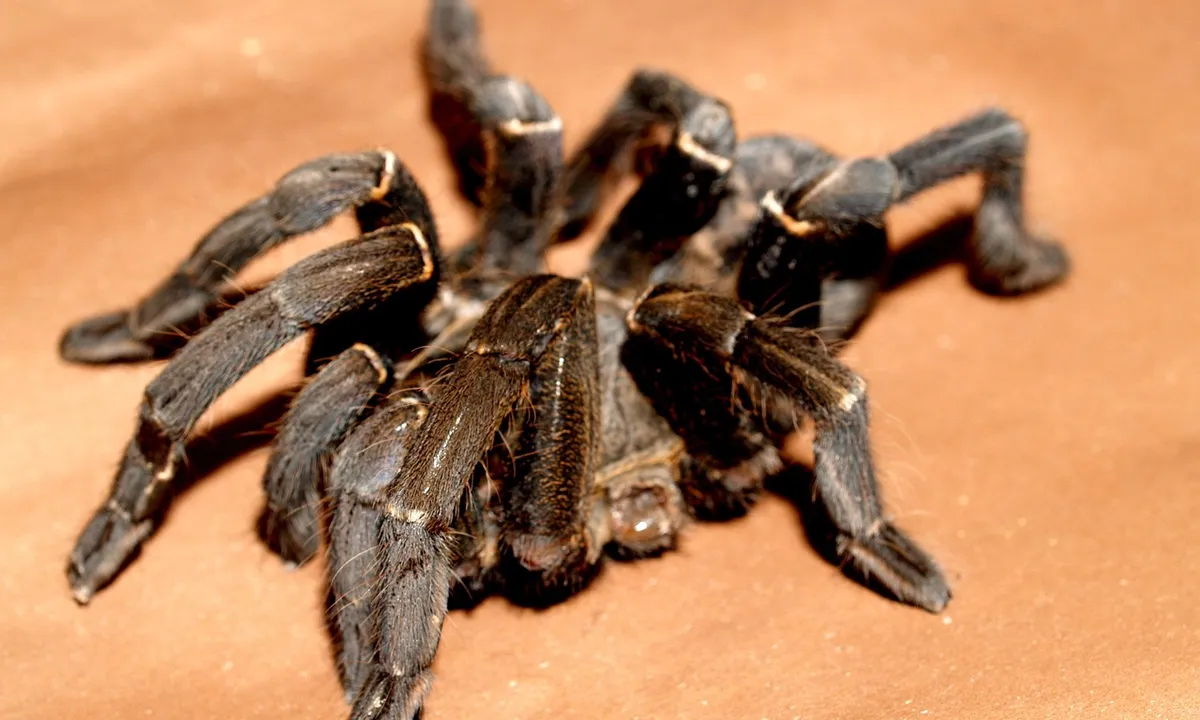
Extending your tarantula’s life is a quiet science of observation and precise adjustment. Every choice, from enclosure depth to feeder size, contributes to a cumulative legacy of health. For advanced rare tarantula species, proper care requires ongoing research and tailored environments. Consistent monitoring and careful husbandry support their long-term wellbeing.
Step 1: Tailoring the Perfect Enclosure
Housing is not one-size-fits-all. A mismatch here creates constant, life-shortening stress. I build enclosures as personalized habitats, not just containers. For terrestrials like Rosie, floor space outweighs height. I provide a mix of coconut fiber and topsoil, packed down, to a depth of at least 6 inches for natural digging. For Goliath, I maintain a bioactive setup with springtails to manage waste and uphold his 80% humidity.
- Terrestrials: Focus on horizontal space. Substrate depth should equal 1.5 times the spider’s leg span.
- Arboreals: Prioritize vertical height. Cork bark slabs and anchored branches are essential.
- Fossorials: Double the terrestrial substrate depth. A starter burrow encourages natural behavior.
Ventilation must balance humidity. Too little, and mold blooms. Too much, and your spider desiccates. Cross-ventilation via side holes works better than a single mesh top for most species.
Step 2: Dialing in Diet and Nutrition
Food is fuel for growth and successful molts. Overfeeding is as dangerous as underfeeding, leading to obesity or ruptured abdomens. I feed my adult terrestrials one appropriately sized cricket every 10-14 days. For fast-growing slings, I offer pinhead crickets twice weekly.
My routine includes:
- Gut-loading feeders with nutritious vegetables 24 hours before offering.
- Never leaving live prey unattended for more than 24 hours to prevent injury.
- Respecting voluntary fasts, which can last months in mature females, without panic.
A plump abdomen is a good sign, but a distended, shiny one signals danger. Remove prey immediately if your tarantula shows no interest, especially pre-molt.
Step 3: Mastering Molt Support and Health Monitoring
Ecdysis is the most vulnerable time in a tarantula’s life. Each successful molt is a birthday, and our job is to ensure quiet safety. Pre-molt signs include darkened coloration, a bald spot on the abdomen, and refused food. I stop all feeding and misting when I see these signs.
Post-molt care is critical:
- Do not disturb the spider for at least a week after it rights itself.
- Wait until the fangs harden (turning black) before offering food-this takes 10-14 days.
- Ensure a gentle water dish is always available for rehydration.
Regular health checks mean watching for lethargy, a shriveled abdomen, or fluid leaks. Most ailments stem from husbandry errors, so review your temperature and humidity first.
Step 4: The Critical Role of Stress Reduction
Chronic stress silently shortens lifespan. I adamantly practice and advocate for a “Look, Don’t Touch” philosophy for animal welfare and keeper safety. Handling induces panic, risks falls, and can trigger hair-flicking or bites. My Goliath’s frequent hair kicks are a clear stress signal I avoid by limiting enclosure intrusions.
Minimize stress through:
- Placing enclosures in low-traffic, vibration-free areas of your home.
- Using soft tools like long paintbrushes for gentle guidance during rehousing.
- Never tapping on the glass or blowing on the spider.
I learned this during a rehousing with Flash, whose speed turned a simple container transfer into a focused retrieval mission. The silence of a content tarantula, poised in its perfect setup, is the ultimate sign of longevity achieved.
Beyond the Enclosure: Conservation and Ethical Keeping
Observing my tarantulas in their carefully built homes reminds me their wild counterparts face a different reality. The silent, intricate world of a wild tarantula is threatened by habitat loss and unsustainable collection, making our hobby’s ethics paramount. Responsible keeping directly supports the survival of these species in nature.
How the Pet Trade Impacts Wild Populations
A tarantula’s lifespan begins in the wild, and our choices affect that cradle. Decades ago, most pet tarantulas were wild-caught adults, a practice that removes breeding individuals from ecosystems. Today, the shift toward captive-bred slings from reputable breeders is the single greatest ethical advancement in our hobby. I’ve raised my OBT, Flash, from a tiny sling; knowing his lineage is captive-bred means no forest was disturbed for him.
Some genera, like the arboreal Poecilotheria, face intense pressure. Their stunning patterns make them targets. When you choose a captive-bred spider, you cease funding a chain that can deplete fragile wild colonies. The math is simple: one wild female taken is hundreds of future spiders that will never exist.
Supporting Wild Tarantula Longevity Through Awareness
We champion tarantula longevity best by protecting their natural habitats. Conservation efforts are in place to protect endangered tarantula species. This goes beyond just buying captive-bred.
- Support Habitat Conservation: Organizations protecting rainforests and dry scrublands are indirectly saving countless invertebrate lives, including tarantulas.
- Share Knowledge, Not Fear: When someone calls my Goliath a “monster,” I explain his role in pest control and soil health. Public perception fuels conservation.
- Choose Your Breeder Wisely: Ask where their breeding stock originated. Ethical breeders are proud of their sustainable, closed-cycle projects.
- Practice “Look, Don’t Touch”: This philosophy respects the animal’s stress levels and minimizes the risk of a defensive bite or hair-flicking. A calm tarantula is a healthy tarantula, and advocating for their quiet dignity shifts how they are viewed.
My old Chilean Rose, Rosie, likely started life in the wild. Her kind now faces export restrictions. Every tarantula we keep is an ambassador, and its care is a testament to our respect for the entire species. By ensuring our pets thrive, we build a community that values their existence in the wild just as much.
FAQs
How much longer can a tarantula live in captivity compared to the wild?
The difference can be dramatic, especially for females. In the wild, a female may live 10-15 years if very fortunate, battling constant threats. In captivity, protected from predators and environmental extremes, many females from slow-growing genera like Grammostola can live 25 to 30 years or more. Captivity allows them to reach their full biological potential in a way the harsh wild rarely permits.
What are the biggest threats to a tarantula’s lifespan in the wild?
The primary dangers are predation, parasitism, and environmental hazards. Specialist predators like the tarantula hawk wasp, along with birds, mammals, and other arthropods, claim many lives. Severe weather events like floods or droughts can destroy burrows and food sources. For mature males, the act of wandering to find a mate makes them exceptionally vulnerable to all these threats at once.
Can the way I care for my tarantula really extend its lifespan significantly?
Absolutely. Proper captive care directly removes the existential threats of the wild, creating a foundation for a long life. Key factors include providing a stable, low-stress environment, appropriate species-specific humidity and temperature, and a careful feeding regimen to prevent obesity. Minimizing disturbances and never handling your tarantula are critical for reducing chronic stress, which silently shortens lifespan.
Do all tarantula species have the same potential for a long life in captivity?
No, lifespan varies greatly by species and genus. Slow-growing, terrestrial New World tarantulas (e.g., Grammostola, Brachypelma) are the longevity champions, with females often living 20+ years. In contrast, many faster-growing Old World arboreal or fossorial species (e.g., Pterinochilus, Heteroscodra) have shorter natural lifespans, with females typically living 10-15 years in captivity.
Is it true that male tarantulas always die shortly after maturing, even in captivity?
Yes, this is a biological certainty, not a failure of care. A male’s physiology is programmed for a single purpose after his final molt: to mate. Following maturity, they often stop eating and enter a period of restless wandering. Even with perfect care, a male tarantula’s adult lifespan is typically only 6 to 18 months, though excellent husbandry can help ensure he remains healthy throughout this brief, natural phase. After mating, Tarantula post-mating care shifts toward the female, who may lay and guard an egg sac, while males generally do not participate in further care and fade from activity as their role ends.
A Keeper’s Legacy
The single most impactful factor for reaching a tarantula’s full, natural lifespan in your care is not a precise humidity gauge or a perfect temperature. Your primary duty is to expertly manage and minimize stress, creating an environment of predictable calm where the animal can simply exist on its own terms. This philosophy is the bedrock of longevity.
Beyond managing parameters, find your reward in quiet observation. Watch Goliath methodically excavate a burrow that will one day be eight inches deep. Appreciate the week-long architecture project Flash undertakes with its thick, orange silk. Learn the profound patience Rosie teaches through months of serene stillness. These slow, silent behaviors are the real milestones. Your success is measured not in years alone, but in the quality of a life you have respectfully facilitated.
Further Reading & Sources
- This Is the Average Lifespan of a Tarantula – A-Z Animals
- How Long Do Tarantulas Live? Tarantula Lifespan Chart – Dragon’s Diet
- r/tarantulas on Reddit: how long do tarantulas typically live?
Arlo is a lifelong arachnid enthusiast who believes tarantulas are the world’s most misunderstood roommates. With years of hands-on experience in tarantula care, habitat setup, and species behavior, Arlo combines expert knowledge with a dash of humor to make spider ownership less scary and a lot more fascinating. From choosing the right enclosure to understanding why your eight-legged buddy is doing that weird little pose again, Arlo is here to help you become the best tarantula parent you can be, without getting tangled in the web of misinformation.
Lifespan