
Male vs. Female Tarantula: Key Differences in Lifespan, Temperament, and Cost
Published on: December 27, 2025 | Last Updated: December 27, 2025
Written By: Arlo
In tarantula keeping, knowing if you have a male or female is the single most critical piece of information, shaping decades of care, behavior expectations, and even the economics of the hobby. This isn’t just about biology; it’s about understanding the entire lifecycle you’re committing to. From my 15-year-old female G. rosea, Rosie, to the brief, intense lives of mature males I’ve kept, the difference is not subtle-it’s foundational.
Quick Stats:
- Lifespan: Female tarantulas can live for decades; males often live only 1-3 years after their final molt.
- Temperament: Sex influences behavior, with mature males driven to wander and females generally more settled.
- Cost: Females almost always command a higher price due to their longevity and breeding role.
This guide will walk you through exactly how these differences manifest, how to identify them, and how to adjust your husbandry for a thriving tarantula, regardless of sex.
Why Understanding Tarantula Sex Matters for Pet Owners
-
Knowing if your tarantula is male or female directly determines the duration of your care, the behaviors you’ll observe, and the initial investment you make. In our ultimate maturity guide, we explain how sex affects lifespan and maturity timing. Females often live for decades, while males may only survive for a few years after maturing.
-
This article provides clear, side-by-side comparisons of lifespan, temperament, and market cost to help you choose the right spider for your goals. Whether you want a long-term display animal or a shorter biological study, sex is the key variable.
-
In my own hobby journey, the sex of my tarantulas has defined their care timelines entirely. My female Grammostola rosea, Rosie, has been with me for 15 years, a calm “pet rock,” while males I’ve raised, like a past Avicularia species, completed their life cycle in under five years, highlighting a vastly different commitment.
Physical Differences: How to Identify Male and Female Tarantulas
Sexual dimorphism in tarantulas means males and females develop distinct physical features, especially after maturity. These differences go beyond mere size and are crucial for accurate identification and understanding their unique body structure.
| Common Pet Species | Female Traits | Male Traits (Mature) |
|---|---|---|
| Grammostola rosea (Chilean Rose Hair) | Robust, heavy abdomen. Epigynum present. Generally more sedentary. | Longer, spindlier legs. Tibial hooks on front legs. Bulbous pedipalp tips (emboli). |
| Brachypelma hamorii (Mexican Redknee) | Substantial body mass. Slower, continuous growth over many years. | Narrower abdomen. Faster maturation. Increased wandering behavior when mature. |
| Theraphosa stirmi (Goliath Birdeater) | Can achieve massive size, with a leg span over 10 inches. Dense body weight. | Still large, but often with more pronounced pedipalp emboli and a leaner build compared to females. |
Size and Build: Leg Span and Body Mass
A mature female tarantula typically has a greater leg span and a much heavier, stockier body than a male of the same species and age. My female Theraphosa stirmi, Goliath, feels solid and grounded when she moves, while mature male bird eaters I’ve observed appear more elongated and lightweight.
- In common genera like Grammostola and Brachypelma, adult females can be noticeably bulkier, with abdomens that are rounder and fuller.
- You cannot reliably sex a tarantula by size when it is a spiderling or juvenile. Males and females look nearly identical until their later molts, so visual size comparison is useless for young spiders.
The Telltale Signs: Pedipalps and Epigynum
The most accurate physical signs are the male’s specialized pedipalps and the female’s epigynum, structures designed for reproduction. Mature males develop emboli-swollen, hook-tipped pedipalps used for sperm transfer. Females possess a small, hardened plate called the epigynum located between the anterior book lungs on the underside of the abdomen.
Examining a discarded molt is the safest and most reliable way to determine sex. Always wait until your tarantula has completely hardened after molting, usually a week or more, before attempting to remove the exuvia to avoid causing stress.
- Gently extract the dry molt using soft forceps, taking care not to crush it. I perform this task in a well-lit, quiet space to focus and avoid mistakes.
- Soften the molt by placing it in a shallow dish with a mix of water and a tiny drop of gentle dish soap for 5-10 minutes. This rehydration makes the delicate exoskeleton pliable for examination.
- Using your forceps and a magnifying glass, carefully peel open the abdomen section of the molt. Search for a slight, flap-like depression between the top pair of book lung impressions; finding this epigynum confirms a female.
- If no epigynum is visible, inspect the tips of the pedipalp impressions for small, distinct hooks or bulbs, which indicate a male. On a mature male’s molt, you might also see tibial hooks on the first pair of leg impressions.
Growth Rate and Molt Frequency
Male tarantulas race toward maturity, molting more frequently as juveniles to achieve their adult form in a shorter timeframe. This accelerated timeline stands in stark contrast to the deliberate, prolonged growth pattern of females. In a tarantula molt guide, age and species often influence how frequently molts occur. Knowing a tarantula’s age helps predict when molts are likely.
- Males of many popular species may mature in 2 to 5 years. After their final, ultimate molt, they enter a brief reproductive phase where they often stop eating and wander relentlessly, living only months to a year more.
- Females grow steadily but slowly, with molt intervals lengthening as they age. This lifelong growth potential allows females like my Rosie to achieve formidable size and live for 20 years or more, molting occasionally even in old age.
Lifespan and Maturation: The Starkest Contrast
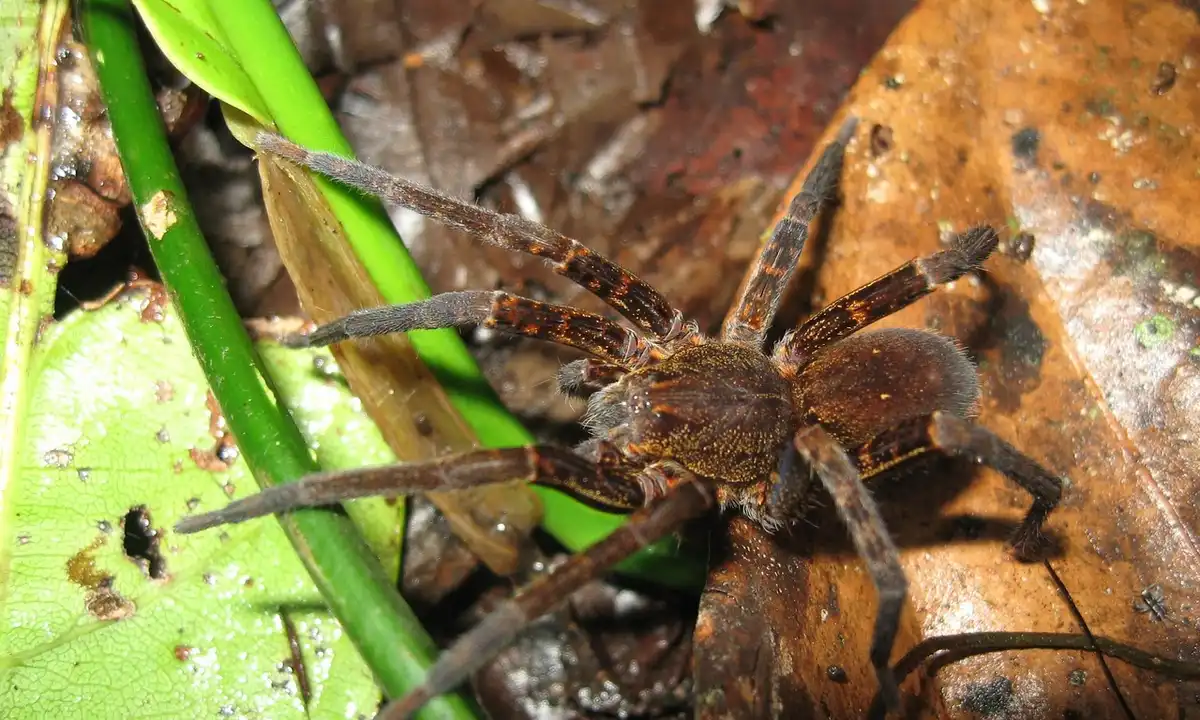
The most profound difference between male and female tarantulas is time. Female tarantulas can live for decades as attentive captives, while males typically complete their entire adult lives in a few short years following their final molt. This biological imperative shapes every aspect of their care. In the wild, lifespan is shaped by predators and resource variability, so captivity can dramatically alter expected longevity. Comparing wild versus captive lifespans helps guide husbandry and breeding decisions for each sex.
The Male’s Timeline: A Race to Maturity
For a male tarantula, life is a sprint. His growth culminates in a single, transformative event: the ultimate molt. This is his final molt, where he develops the specialized structures needed for reproduction. After this molt, his biological clock starts a rapid and irreversible countdown. Are molting and reproduction connected in tarantulas, or can mating occur outside the molt? In many species, the final molt signals readiness to mate, though timing can vary. His sole instinct becomes finding a mate.
- The Ultimate Molt: This final shed reveals his sexual maturity. He will not molt again.
- Physical Signs: Look for tibial hooks (small spurs on the front legs used to restrain a female) and fully formed emboli (sperm transfer organs) on his pedipalps, which now resemble small boxing gloves.
- Behavioral Shift: A previously calm male will become a relentless wanderer. He taps and drums his legs, creating vibrations to attract females, and often refuses food. This nomadic phase usually lasts between several months to two years, depending on the species.
The Female’s Longevity: Decades of Care
In stark contrast, a female tarantula’s life is a marathon. Purchasing a female is a commitment that can easily span 15, 20, or even 30 years, outliving many traditional pets. My Chilean Rose Hair, Rosie, is a testament to this, at 15 years old and barely middle-aged. If you’re curious how long tarantulas live, here’s a quick lifespan-by-species guide to help you plan decades of care.
- Continued Growth: Females molt regularly throughout their long lives. Each successful molt can mean a slight increase in size and a renewal of internal organs.
- Long-Term Planning: This longevity impacts your planning. You must consider enclosure size for her eventual adult dimensions, and the stability of your own living situation for the next two decades.
- The “Pet Rock” Phenomenon: Many females, like my Rosie, become extremely sedentary with age. They may fast for months, a normal behavior that can unnerve new keepers but is part of their slow-paced biology.
Temperament and Behavior: Debunking Myths
Does sex dictate personality? The answer is nuanced. Individual personality and, more powerfully, species genetics are far better predictors of behavior than sex alone. Assuming a female is always docile or a male is always flighty is a quick path to a stressful situation-for you and the spider.
Common Behavioral Traits
We can observe some generalized trends, but exceptions abound. A mature male’s wanderlust is the most consistent sex-linked behavior, driven by pure reproductive instinct. He is not “aggressive” in the way we think; he is desperate and focused.
- Male Nomadism: Expect a mature male to pace enclosure walls, rarely settling. He is built to travel.
- Female Sedentary Nature: Mature females often establish a permanent burrow or hide and defend it. Yet, this is not a rule. My female OBT, Flash, is a defensive, fast, and perpetual webber. My female G. rosea, Rosie, is a docile statue. Species is everything.
Handling and Safety: A Firm “Look, Don’t Touch” Stance
I do not handle my tarantulas. This “Look, Don’t Touch” philosophy prioritizes the animal’s well-being and your safety. Handling imposes immense stress on a creature that does not seek companionship and risks a fall that could prove fatal for the spider. A common myth is that holding a tarantula shows affection, but tarantulas don’t bond with people through touch. True care is evidenced by proper enclosure, stable conditions, and minimizing handling.
- Stress Reduction: A calm tarantula is a healthy tarantula. Unnecessary interaction can trigger defensive behaviors that exhaust the animal.
- Defense is Not Sex-Dependent: Both sexes can and will kick urticating hairs (like my T. stirmi, Goliath) or assume a threat posture. My female OBT is profoundly more defensive than any mature male I’ve kept. Their weapons are equal-opportunity tools for survival.
Cost, Value, and Availability in the Market
In the tarantula hobby, a female’s price tag reflects her long-term value. You are not just buying a spider; you are securing a decades-long display animal that requires minimal space and offers fascinating observations.
My female Grammostola rosea, Rosie, has been a steady presence for 15 years. Her dusty pink carapace has watched countless male tarantulas come and go in the trade.
Market Value Factors
- Longevity: Females represent a longer-term pet. A female can live for 20, 30, or even 40 years in some species, while males often measure their adult lives in months. This longevity translates directly into cost, as you are purchasing years of potential care and observation.
- Breeding Potential: Females are essential for breeding projects. A single confirmed female can produce an egg sac with hundreds of offspring, making her a core asset for any serious breeder. The male, by contrast, is a consumable resource in this equation.
- Rarity: Sexually mature males of some species can be scarce. They develop quickly, wander in search of mates, and die soon after. Finding a mature male Pterinochilus murinus (OBT) like my tarantula Flash is often a matter of timing and luck.
What You’re Really Paying For
- A confirmed female spiderling often costs double or triple an unsexed juvenile of the same size. You pay a premium for the certainty of sex, which eliminates the gamble of your pet maturing into a short-lived male.
- The cost implications of breeding are steep. It requires separate, secure enclosures, accepts the very real risk of cannibalism, and commits you to caring for or ethically rehoming hundreds of fast-growing spiderlings.
Reproduction: Mating Risks and Realities
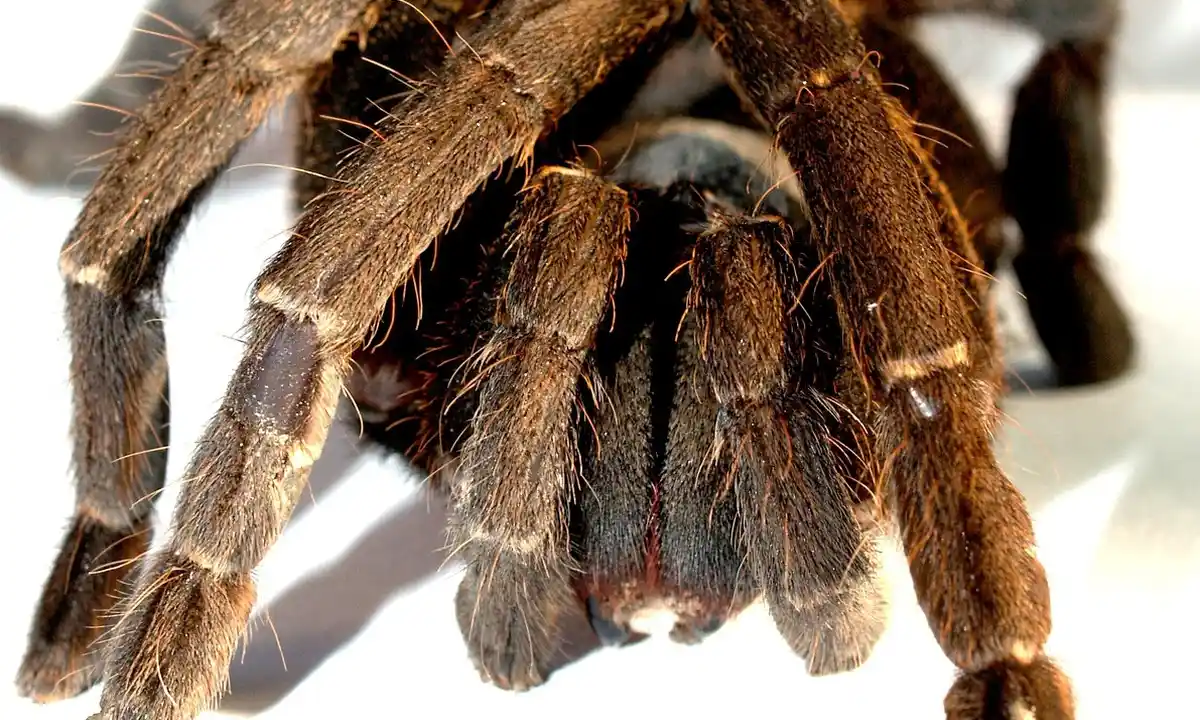
This section outlines biological realities for pet owners. I do not recommend casual breeding; it is a high-stakes endeavor that stresses both animals.
The Mating Process and Male Risks
- Courtship is a tense ballet. The male will drum his pedipalps and vibrate his body to signal his intentions. One wrong move can trigger a defensive strike from the female.
- The risk of cannibalism is high. I have had mature males disappear during introduction, a sobering reminder that for the male, mating is often a final act. Breeding should only be attempted with robust, well-fed females and by keepers prepared for any outcome.
Female Fecundity and Maternal Care
- If successful, the female will produce a silken egg sac, which she guards with relentless dedication. She may roll it, clean it, and refuse food for the entire incubation period, which can last weeks.
- This immense energy investment contrasts with the male’s solitary role. After maturity, his sole purpose is to deposit sperm and seek another mate, a biological imperative that often leads to his quick demise. The female’s lifecycle is centered on survival and potential reproduction for many years.
Making Your Choice: Male or Female for Your Home
This decision shapes your entire keeping journey. Females are the marathon runners, offering decades of steady, predictable behavior, while males are the sprinters, delivering a concentrated burst of activity and a clear end point. My female Chilean Rose Hair, Rosie, has occupied the same corner of her enclosure for years, a picture of sedentary stability. In contrast, the mature males I’ve kept moved with a purpose, their restlessness a direct biological imperative.
Your choice balances commitment against observation. Think of a female as a long-term art installation you maintain, and a male as a temporary, intense performance you witness. Temperament varies more by species than sex, but mature males of any kind become singularly focused on wandering, which can alter their display value.
Choose a Female Tarantula If…
- You want a long-term companion (10+ years). My 15-year-old G. rosea is a living heirloom, her slow growth a lesson in patience.
- You prefer a generally less nomadic display animal. Females like my T. stirmi, Goliath, often dig permanent burrows or web tunnels, creating a stable scene you can enjoy for years.
- You accept a higher initial cost. This higher price reflects their longevity and role in conservation through captive breeding. It is an investment in a decade of quiet company.
Choose a Male Tarantula If…
- You prefer a shorter, defined care commitment. A male’s life after maturation is typically 18 months to a few years, a manageable timeframe for students or those testing the hobby.
- You are fascinated by the rapid maturation and final molt process. Seeing the development of tibial hooks and bulbous pedipalps is a rare glimpse into a defined life cycle. I’ve spent hours examining a final male molt.
- You are seeking a specific species at a lower cost. For pricey arboreal or Old World species, a male can be your affordable entry point to observe stunning colors and behaviors.
Final advice: Prioritize species research and ethical sourcing over sex alone. Your care and respect define the pet experience. A well-cared-for male from a reputable breeder is always superior to a stressed, wild-caught female. Start with the species that fascinates you, learn its needs, and then let availability guide your choice. The silent strike of a feeding tarantula or the iridescent sheen after a perfect molt are joys independent of gender.
FAQs
Are there species-specific variations in gender roles during tarantula reproduction?
While the basic reproductive roles are consistent-males seek mates and females produce eggs-some species show subtle differences. For example, in burrowing tarantulas like those in the genus Hapalopus, females may be more sedentary, while males exhibit heightened wandering. In arboreal species such as Avicularia, courtship can involve intricate web vibrations. However, these variations do not alter the fundamental gender-driven behaviors across most tarantula species.
How do sensory cues (pheromones, vibrational signals) differ between sexes during tarantula courtship?
Male tarantulas primarily rely on vibrational signals, drumming their legs and pedipalps to announce their presence and intent to females. Females may respond with tactile cues or by remaining motionless if receptive, though they are less active in signaling. Pheromones are suspected to play a role in female attraction, but research is limited compared to other arthropods. These sex-specific cues help facilitate mating while reducing the risk of premature aggression. Some tarantulas also produce stridulatory sounds by rubbing legs or pedipalps, adding an audible dimension to courtship. These signals, along with vibrations, tactile cues, and pheromones (or stridulatory sounds, if you want to emphasize stridulation specifically), help convey mating intent and reduce miscommunication during encounters.
Are there differences in prey selection or feeding behavior between male and female tarantulas?
Male tarantulas often cease or reduce feeding after their ultimate molt, as their energy is directed toward mate-seeking rather than growth. Females typically maintain consistent feeding patterns to support long-term health and potential egg production, especially when gravid. Both sexes generally target similar prey like crickets or roaches, but mature males may ignore food entirely during their nomadic phase. This divergence highlights how reproductive priorities influence feeding habits across genders. After mating, female tarantulas commonly enter a post-mating care phase, guarding and incubating eggs and tending developing spiderlings. Males, in contrast, generally reduce feeding or depart the habitat after mating, signaling the end of their reproductive career.
The Long-Term Perspective
Your choice between a male and female tarantula is a commitment to a unique timeline of care. The single most important factor is aligning your expectations with the spider’s biological reality: a female requires an enclosure and care plan built to last for decades, while a male’s journey is an intensive, shorter study in maturity. To help you decide and verify, follow our guide to determine your tarantula’s sex, which walks you through reliable methods such as examining molts, pedipalp development, and tibial hooks. His setup must support wandering behavior and eventual rehoming efforts.
Beyond logistics, this hobby thrives on quiet observation. Watch a female methodically redesign her burrow over years. Witness a mature male’s vibrating, determined drumming. Each stage, from a female’s slow, deliberate growth to a male’s fleeting, brilliant finale, is a chapter worth your full attention. Patience isn’t just a virtue here; it is the very lens that brings their hidden world into focus.
Further Reading & Sources
- giantspiders.com – Sex Determination
- Sexing Tarantulas Using Molts | Tom’s Big Spiders
- r/tarantulas on Reddit: How can you guys tell if a Tarantula is male or female?
Arlo is a lifelong arachnid enthusiast who believes tarantulas are the world’s most misunderstood roommates. With years of hands-on experience in tarantula care, habitat setup, and species behavior, Arlo combines expert knowledge with a dash of humor to make spider ownership less scary and a lot more fascinating. From choosing the right enclosure to understanding why your eight-legged buddy is doing that weird little pose again, Arlo is here to help you become the best tarantula parent you can be, without getting tangled in the web of misinformation.
Understanding Tarantula Behavior