
The Truth About ‘Taxonomical Revisions’: Why Tarantula Names Keep Changing
Published on: March 19, 2026 | Last Updated: March 19, 2026
Written By: Arlo
For the dedicated tarantula keeper, few things are as quietly disruptive as opening a new scientific paper to find a familiar species now bears an unfamiliar name. I have felt this shift firsthand, updating labels from Brachypelma albopilosum to Tliltocatl albopilosus for my own Honduran Curly Hair slings. This article explores the precise, fascinating reasons behind these changes, transforming frustration into understanding. Taxonomic revision is not chaos; it is the meticulous refinement of our map to the arachnid world.
Quick Stats:
- Origin: Advances in genetic sequencing and detailed morphological study
- Type: Nomenclatural updates that reclassify genera, species, and families
- Growth Rate: Constant, with significant revisions occurring every few years
This guide will illuminate the science driving these updates and provide straightforward strategies for adapting your care records and community knowledge without missing a beat.
What Is Taxonomy and Why Does It Matter for Tarantula Keepers?
Taxonomy is the science of naming, describing, and classifying organisms. For you, the keeper, it is the map that guides proper care. Knowing your tarantula’s true scientific name is the first step to replicating its natural world inside your enclosure. When I acquired my Chilean Rose Hair, Rosie, she was sold under the name Grammostola rosea. That name alone told me she needed a dry setup with plenty of burrowing space, which has kept her healthy for fifteen years. But not all tarantulas share the same habitat needs. The essential enclosure features differ: terrestrial species like Rosie thrive with deeper substrate and burrow access on the ground, while arboreal species need vertical space, climbing structures, and secure height.
The Language of Science: Binomial Nomenclature
Binomial nomenclature is the two-word naming system used for all life. The first word is the genus, like Grammostola. The second is the species, like rosea. This system cuts through the confusion of common names, which can vary wildly from country to country. What one shop calls a “Fire Leg” another might call a “Sun Tiger,” but Megaphobema robustum is unmistakable. I use these Latin names daily; it ensures I’m researching the correct spider, not a look-alike with different needs.
Think of it like a street address. “The big pink house” is vague, but “123 Oak Street” is precise. That precision is what lets you find accurate, species-specific care information from reliable sources.
Why Getting the Name Right Affects Husbandry
An incorrect name leads directly to incorrect care. Humidity needs, temperature ranges, and even temperament can differ between closely related species. Mistaking a moisture-loving spider for a dryland species is a husbandry error that can shorten your pet’s life. My Burgundy Goliath, Goliath (Theraphosa stirmi), requires 80% humidity and a deep, moist substrate. A similar-looking but mislabeled spider might not, leading to a fatal dehydration or a difficult molt.
Here is a direct comparison from my collection:
| Tarantula (Scientific Name) | Key Husbandry Need | Risk if Misidentified |
| Goliath (Theraphosa stirmi) | High humidity (75-85%) | Desiccation, failed molts |
| Rosie (Grammostola rosea) | Dry substrate, low humidity | Scale rot, fungal issues |
| Flash (Pterinochilus murinus) | Ample anchor points for webbing | Chronic stress, escape attempts |
Furthermore, a correct ID informs safety. Knowing Flash is an OBT (P. murinus) immediately tells me to respect his space, use long tools, and adhere to a strict “Look, Don’t Touch” policy. His potent venom and lightning speed are baked into his taxonomy.
The Driving Forces Behind Constant Tarantula Name Changes
Do not see name changes as capricious. They are signs of scientific progress. Each revision brings us closer to understanding the true evolutionary story of these spiders. The name on your spider’s enclosure is our current best hypothesis, not a permanent fact.
Too Many Names for One Spider: The Problem of Synonyms
Historically, the same tarantula was often described multiple times by different scientists, each giving it a new name. These are synonyms. Cleaning up these synonymies is like decluttering a library so everyone can find the right book. For decades, my Rosie’s species was bounced between Grammostola and Euathlus. This confusion caused keepers to mix care advice from different genera. Modern revisions consolidate these names, leaving one valid title for clear communication, unlike the broader confusion between tarantulas and other spiders.
- Example: Brachypelma albiceps was once also known as Brachypelma ruhnaui. Only one name is correct today.
- Impact: Without this cleanup, you might follow outdated care sheets for a spider that doesn’t exist.
New Discoveries and Species Delimitation
What we import as one species is often a complex of several. Advanced tools like genetic sequencing can reveal hidden diversity. A tarantula with a wide geographic range may actually be two or more distinct species with subtle but important differences. I’ve seen “common” pet trade tarantulas later split, explaining why some individuals thrived under my care while others, supposedly the same, struggled. Their micro-habitats were different all along.
This process has three common steps:
- Field collectors note variations in color or behavior across regions.
- Scientists examine physical morphology (e.g., spermathecae shape in females).
- DNA analysis confirms separate evolutionary lineages.
The takeaway is that your spider might be a unique species waiting for a formal description. Paying attention to its specific needs makes you a better keeper.
Science Evolves: How Phylogeny Reshapes Relationships
Phylogeny is the study of evolutionary relationships. It’s like redrawing the family tree based on new evidence. When DNA shows two tarantulas are less related than their looks suggest, entire genera can be reorganized. The famous “bird eater” genus Theraphosa has seen such shifts, affecting how we interpret the care for my Goliath and his cousins.
These reshuffles are not arbitrary. They reflect a deeper truth about how these spiders evolved. For us, a genus change signals that husbandry comparisons to old group members might be misleading. A spider moved to a new genus likely shares a more recent ancestor with different ecological preferences. This is why I constantly verify current names; the care advice from five years ago may be attached to an obsolete classification.
How DNA Analysis Revolutionized Tarantula Classification
Beyond the Eye: Molecular Data vs. Morphology
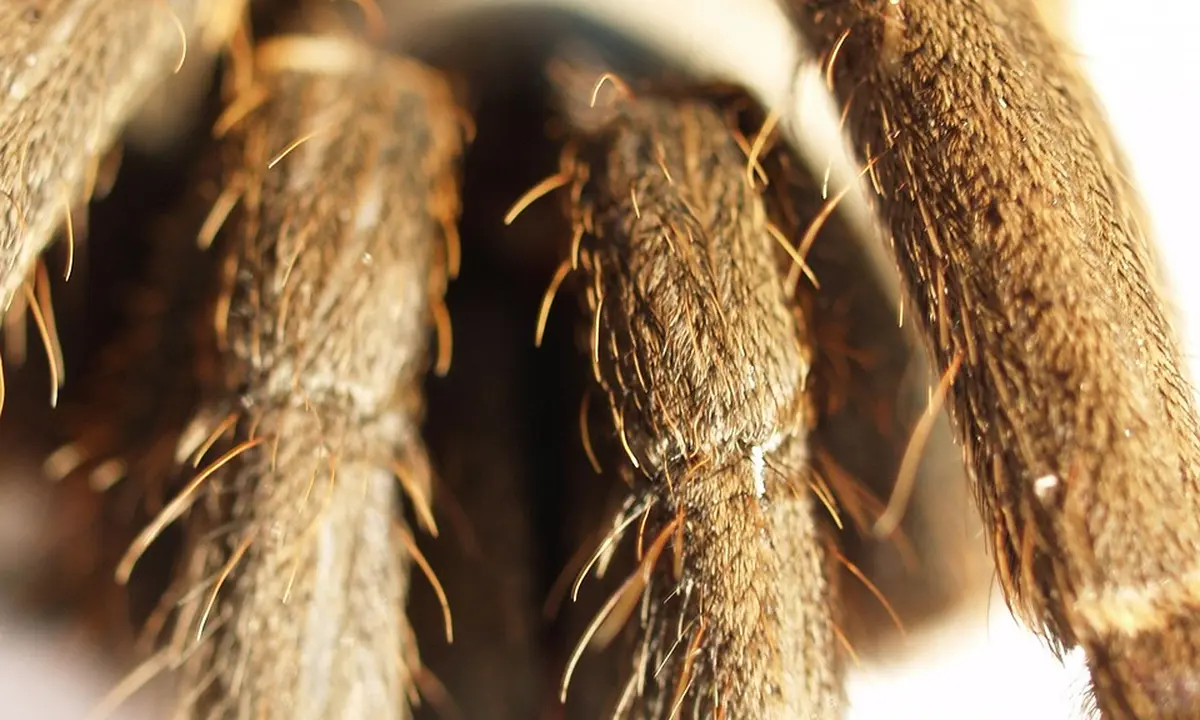
For over a century, tarantula taxonomy relied on morphology-the shape of the eyes, the pattern of leg hairs, the structure of reproductive organs. I’ve spent hours comparing the subtle femoral striations on my spiders, much like an old-school naturalist. This method, while foundational, often grouped species by superficial resemblance rather than true evolutionary lineage, sometimes even confusing false tarantulas with true ones based on appearance alone. DNA sequencing changed everything by comparing genetic code across thousands of loci. Molecular data can reveal relationships invisible to the eye, like proving two identically colored tarantulas from different continents are distant relatives. It’s the difference between judging a book by its cover and reading every word inside.
Consider my OBT, Flash (Pterinochilus murinus). Morphology once placed all fiery orange, fast-moving tarantulas from Africa into broad groups. Genetics showed that traits like speed and color evolved multiple times independently. A shared defensive posture or carapace sheen does not guarantee a shared recent ancestor, a fact DNA makes undeniably clear. This shift from visual guesswork to genetic evidence has resolved long-standing puzzles and created new ones, all in the pursuit of a family tree that reflects actual history.
Reading the Phylogenetic Tree
A phylogenetic tree is a map of evolutionary relationships, not a list of physical similarities. Think of it as a tarantula’s genetic biography. Branches that split closer to the trunk indicate a more distant common ancestor. Branches that split near the tips, like the twigs of a tree, indicate species that diverged more recently. When you see a genus “split” on a new tree, you are witnessing scientists correcting the map based on better data.
Here is a basic guide to interpreting these changes for your care:
- Closer Branches Mean Closer Care: Species on adjacent twigs often share similar ecological niches. Their humidity and temperature needs are frequently comparable.
- A New Name Doesn’t Mean New Biology: If your tarantula is reclassified, its fundamental needs-born from millions of years of evolution-remain the same. My Grammostola rosea Rosie’s need for dry substrate isn’t altered by a taxonomic debate.
- Look for the Clade: The broader group (clade) a species belongs to is more informative for husbandry than the genus name alone. A desert-dwelling clade will have different requirements than a rainforest clade, regardless of naming conventions.
This scientific precision ultimately fosters more respectful care, as we move from labeling our pets by looks to understanding their deep history.
A Case Study: The Rollercoaster History of a Common Pet Genus
From One Genus to Many: The Splitting of a Group
The genus Avicularia perfectly illustrates the taxonomic rollercoaster. For decades, almost any tree-dwelling, pink-toed New World tarantula was an “Avic.” I’ve cared for several under that old label. Advanced molecular studies revealed this was a catch-all group containing multiple distinct evolutionary lines. The single genus was split, birthing new genera like Caribena, Ybyrapora, and Antillena. Today, that history matters for pet enthusiasts: some of the most popular tarantulas are arboreal, while others are strictly terrestrial. Understanding who climbs and who stays on the ground helps hobbyists choose species that fit their setup and care needs.
This revision wasn’t arbitrary. It separated tarantulas by millions of years of independent evolution, despite their similar niche and appearance. The common pinktoe (Avicularia avicularia) kept its name, but its cousins were relocated. For breeders, this clarified why some “Avics” had subtly different mating rituals or sac construction. These splits honor the unique journey of each lineage, giving us a clearer window into their world.
What This Means for Your Collection
Taxonomic changes are more than academic; they impact how we communicate and care for our spiders. Here’s how to navigate them.
- Update Your Records: When a name changes, note both the old and new designation in your log. This is crucial for breeding loans or medical advice. My records for every spider have a “formerly known as” line.
- Research by Species, Not Just Genus: A care sheet for Avicularia avicularia may not fully suit a Caribena versicolor. Seek out species-specific information on humidity (often 70-80%) and arboreal enclosure design.
- Embrace the Precision: Accurate names reduce confusion in the community. When discussing my spiders online, I use the current Latin name to ensure everyone understands exactly which species I’m describing.
- Care Fundamentals Stay Put: A tarantula’s native habitat dictates its care. The reclassification of a spider doesn’t suddenly transform its need for vertical cork bark or a water dish. Your husbandry should be based on the animal’s ecology, not the current label on its vial.
I learned this when updating my files; my focus stayed on providing the right environment, whether the genus was broad or narrow. This “look, don’t touch” philosophy extends to taxonomy: we observe and respect the animal’s true nature, beyond any human-made name.
Navigating Name Changes as a Tarantula Hobbyist
The shifting sands of tarantula taxonomy can feel overwhelming. Your practical care, however, does not need to be dictated by the latest journal article. By adopting a flexible, informed approach, you can participate confidently in the hobby and ensure your spiders get exactly what they need.
Step 1: Trust Primary Sources
Forget random forum posts from 2008. The most reliable information flows directly from the taxonomists and dedicated hobbyist platforms that track these changes. I maintain a personal spreadsheet, cross-referencing the World Spider Catalog with trusted breeder lists, to avoid costly misidentifications.
- The World Spider Catalog is the definitive, peer-reviewed source for current accepted names.
- Major hobbyist forums and societies often have dedicated “Systematics & Taxonomy” sections where experts discuss new papers.
- Reputable specialized breeders are often the first to update their listings, as their business depends on accuracy.
Step 2: Learn the Synonyms
Think of synonyms as a spider’s historical record. When you acquire a tarantula, note both its current label and any well-known older names. This simple habit prevents confusion during research and is a mark of an experienced keeper. My old-world tarantula, Flash, is a perfect example. These label nuances also tie into the old-world vs new-world distinction. Old-world tarantulas tend to have more potent venom and little to no urticating hairs, while many new-world species rely on irritating hairs for defense.
- He was sold to me as an Orange Bitey Thing (OBT), a common name.
- His scientific name was long Pterinochilus murinus.
- After revision, he is now correctly Pelinobius muticus.
- I know that care guides under any of these names largely apply to him-a fast, defensive fossorial spider from Africa.
Step 3: Communicate Clearly in the Pet Trade
Clear communication protects everyone. When buying, selling, or trading, precision is your best tool. Always use the most current scientific name you can verify, and include locality data if you have it. A listing for “Brachypelma hamorii (ex smithi)” tells a buyer you are informed.
This clarity has real consequences. I once helped rehome a large terrestrial tarantula sold vaguely as a “Bird Eater.” It was a humid-loving Theraphosa stirmi, like my Goliath, not a drier-habitat Lasiodora. Using the correct name ensured its next keeper provided the deep, moist substrate it required to thrive, not just survive. Key facts about habitat requirements are essential when evaluating a Goliath birdeater’s care. A correct understanding of its needs—high humidity, a deep, moist substrate, and stable warmth—helps ensure it thrives rather than merely survives.
Why Taxonomic Stability is Crucial for Tarantula Conservation
Beyond our glass enclosures, accurate names are a lifeline for wild populations. Taxonomy is the foundational language of conservation biology. You cannot protect what you cannot correctly identify.
Protecting the Right Spider: Names and Laws
Legal protections like CITES appendices are attached to scientific names. A revision can accidentally leave a species unprotected or suddenly bring a new group under scrutiny. The entire Brachypelma genus being listed on CITES Appendix II is a powerful example of taxonomy guiding international protection. If those spiders were still scattered under outdated genera, safeguarding them would be a bureaucratic nightmare.
This precision matters for breeding programs too. Ensuring that a captive-bred “Chromatopelma cyaneopubescens” is genuinely that species maintains pure genetic lines for potential future reintroduction efforts.
The Ripple Effect on Habitat Protection
When a single species is split into several, each new species often has a much smaller, more specific geographic range. This discovery transforms a “widespread” species into multiple local endemics, each suddenly far more vulnerable to habitat loss.
Consider a hypothetical revision of a common tarantula found across a country. Scientists might find that what we thought was one species is actually five, each living on a separate mountain range. Suddenly, a logging operation on one mountain threatens an entire unique species with extinction. Accurate taxonomy maps these invisible boundaries. It turns a generic forest into a critical ark for a spider that exists nowhere else on Earth. Our hobby’s demand for precision fuels the science that can literally draw the lines around a protected area.
FAQs
What are the main reasons tarantula species names and classifications change?
The primary drivers are scientific progress and improved technology. Historically, the same spider was often described multiple times, creating synonyms that need cleaning up. Modern genetic analysis also reveals that a single widespread “species” is often several distinct ones with different ecological needs, necessitating a split.
What role does DNA analysis play in modern tarantula taxonomy?
DNA sequencing provides an objective, genetic blueprint that often overrules classifications based solely on physical appearance. It reveals true evolutionary relationships, showing that similar-looking tarantulas from different regions may not be closely related. This molecular evidence is crucial for building an accurate family tree, or phylogeny, which forms the basis for modern reclassifications in the broader context of tarantula classification and biology.
How do hobbyists and the pet trade keep up with these frequent name changes?
Dedicated keepers rely on authoritative primary sources like the peer-reviewed World Spider Catalog. Following reputable breeders and specialty forums with active taxonomy discussions is also key. The best practice is to maintain personal records with both the current and previous names (synonyms) to ensure accurate research and clear communication when buying or selling.
What is an example of a well-known tarantula genus that has undergone significant revision?
Beyond the famous Avicularia split, the popular genus Brachypelma has been revised. Several species, including the Honduran Curly Hair, were moved to the new genus Tliltocatl based on deep genetic divergence. This change reflects that these spiders have a different evolutionary history than the Brachypelma species that remained, like the Mexican Red Knee.
Why is a stable and accurate scientific naming system important for tarantula conservation?
Accurate names are essential for effective legal protection, as laws like CITES listings are attached to specific scientific names. Furthermore, when a “common” species is split into several, each new species often has a much smaller and more vulnerable range. Correct identification allows conservationists to target efforts and protect the specific habitats of these unique, often endemic, spiders.
The Final Molt
Through all these shifts in Latin names, the tarantula in your care remains gloriously unchanged. Your ultimate husbandry tool for navigating taxonomy is a simple, modern habit: Always verify the current, accepted scientific name for your species on trusted resources like Arachnoboards or the World Spider Catalog before making a new purchase or seeking specific advice. This small step prevents confusion and ensures the information you find applies directly to your eight-legged charge.
Beyond the names, focus on the living animal. Watch how your Goliath stamps the substrate before a meal, or how Flash meticulously reinforces her silk tunnels. These behaviors are timeless, unaffected by the debates of scientific journals. Patience is your most valuable asset, both in waiting for a stubborn Grammostola to eat and in adapting to the evolving language of science that tries to describe them. The silent, intricate life in the enclosure is the real constant, far more stable than any name we give it.
Further Reading & Sources
- Frontiers | What does the history of Theraphosidae systematics tell us about the future of tarantula taxonomy?
- Taxonomic revision of the tarantula genus Aphonopelma Pocock, 1901 (Araneae, Mygalomorphae, Theraphosidae) within the United States – PMC
- Selenocosmia crassipes
Arlo is a lifelong arachnid enthusiast who believes tarantulas are the world’s most misunderstood roommates. With years of hands-on experience in tarantula care, habitat setup, and species behavior, Arlo combines expert knowledge with a dash of humor to make spider ownership less scary and a lot more fascinating. From choosing the right enclosure to understanding why your eight-legged buddy is doing that weird little pose again, Arlo is here to help you become the best tarantula parent you can be, without getting tangled in the web of misinformation.
Tarantula Myths and Misconceptions