
How Many Species and Types of Tarantulas Exist Worldwide?
Tarantulas, often feared yet endlessly captivating, represent one of the most diverse groups of spiders on the planet. From my years in the hobby, breeding everything from the dusty-pink ‘pet rock’ G. rosea to the lightning-fast OBT, I’ve seen firsthand that the true scale of tarantula diversity is both staggering and humbling. This article will cut through the confusion, providing a clear look at the current numbers, the major taxonomic groups, and the key biological divisions that define them. While over 1,000 species are formally described, that figure is a fleeting snapshot in an ongoing story of scientific discovery.
Quick Stats:
- Origin: Found on every continent except Antarctica, from tropical rainforests to arid scrublands.
- Type: Primarily split into New World (The Americas) and Old World (Africa, Asia, Europe) groups, with profound differences in behavior and venom.
- Growth Rate: Varies wildly; some, like my 15-year-old G. rosea, mature over a decade, while others, like an OBT, can reach adulthood in under three years.
This guide will equip you with a detailed understanding of the numbers, the defining characteristics of each major type, and how taxonomy helps us appreciate these silent, eight-legged wonders.
Defining the Family: What is a Tarantula?
All tarantulas are members of the scientific family Theraphosidae. This taxonomic grouping separates them from other spider families, like the delicate orb-weavers or curious jumpers. Within Theraphosidae, scientists organize tarantulas into over 150 genera, each a branch on the family tree containing related species.
You can identify a theraphosid by several key traits. They are generally large, with leg spans ranging from a few inches to the dinner-plate size of my Theraphosa stirmi, Goliath. Their impressive size is your first clue for proper enclosure planning. Many possess urticating hairs, specialized bristles on the abdomen used for defense. Venom potency varies widely, which directly influences safety protocols in our hobby.
This classification is not just academic; it dictates care. Knowing a tarantula’s origin and genus lets you predict its humidity needs, feeding response, and defensive personality. The major split between Old World and New World tarantulas is the perfect example. Their evolved defenses create different keeper experiences. Check out the biological and classification background of tarantulas to understand this better.
- Old World Tarantulas (Africa, Asia, Australia): Typically lack urticating hairs. They rely on potent venom and astonishing speed for defense. Temperaments are often defensive and reclusive. My Pterinochilus murinus, Flash, embodies this-a bright orange bolt of lightning that webs aggressively.
- New World Tarantulas (The Americas): Most have urticating hairs they flick into the air. Their venom is usually less medically significant for humans. Temperaments can be docile, like my Grammostola rosea, Rosie, or unpredictably skittish. Always wear eye protection during enclosure maintenance to guard against airborne hairs.
I learned this distinction the hard way during an early rehousing. Respecting these biological differences minimizes stress and prevents harmful encounters, which is why I firmly advocate for a “Look, Don’t Touch” philosophy.
The Global Count: How Many Tarantula Species Are Known?
Authoritative sources like the World Spider Catalog currently recognize over 1,000 described tarantula species. This number is a living estimate, constantly nudged higher by dedicated researchers in jungles and deserts. New species descriptions appear in scientific journals several times a year.
The count is fluid due to cryptic species and unexplored habitats. Cryptic species are spiders that look identical to the naked eye but are genetically distinct lineages. Modern DNA analysis regularly splits one known species into two or three. Furthermore, biodiversity hotspots with high endemism-where species exist nowhere else-still hide unknowns in their leaf litter and burrows.
Adding a species to the official tally is a rigorous, multi-step process. This systematic approach ensures each new tarantula is fully documented for science and hobbyists alike. Here is how it typically unfolds:
- Field Collection: Researchers obtain specimens, often with permits, noting precise location data. This biogeography is crucial for understanding habitat needs.
- Morphological Analysis: Scientists pore over physical details under magnification: chelicerae shape, spermathecae structure, and leg spine patterns. I compare this to scrutinizing a molt for sexing clues.
- Genetic Sequencing: Tissue samples are analyzed to confirm unique DNA, especially for those cryptic species. This step has revolutionized species_count accuracy.
- Comparative Review: The specimen is measured against type specimens in museum collections worldwide to rule out a previous discovery.
- Peer-Reviewed Publication: A detailed paper is published, naming the species and describing its diagnostics. The silence of a lab is broken by the click of a publishing button.
- Database Entry: The new species is formally entered into global catalogs, updating the official record for all. Each addition enriches our collective husbandry knowledge.
When I see a new genus appear in the hobby, I remember this journey from forest floor to scientific record. It reminds us that our captive care is built on a foundation of ever-evolving field science.
Hotspots of Diversity: Where Are Tarantulas Most Diverse?
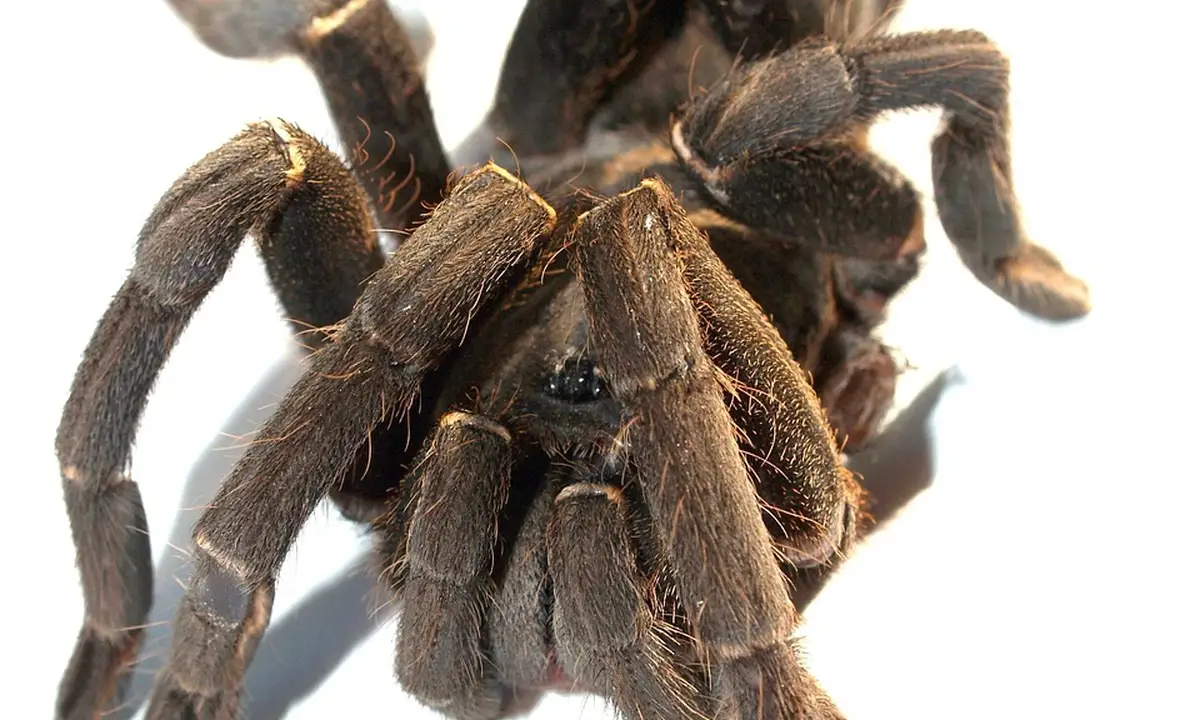
Tarantula distribution is not random but a map written by ancient geology and climate. The greatest concentrations of these spiders are found in tropical and subtropical regions, where warm temperatures and complex ecosystems create a perfect storm for speciation. Rainforests, with their layered canopies and moist floors, are unparalleled engines of diversity, hosting countless arboreal and terrestrial species. Yet, deserts and scrublands also foster unique, hardy specialists adapted to scarcity. Desert-dwelling tarantulas are prime examples of how these spiders adapt to arid environments. They often burrow to escape daytime heat and become active at night, conserving water as they hunt.
| Country / Region | Estimated Key Genera | Dominant Habitat Types |
|---|---|---|
| Brazil | Grammostola, Pamphobeteus, Vitalius, Typhochlaena | Amazon rainforest, Atlantic forest, Cerrado savanna |
| Mexico | Brachypelma, Aphonopelma, Tliltocatl | Desert scrub, pine-oak forests, tropical dry forest |
| Thailand & Myanmar | Chilobrachys, Cyriopagopus, Omothymus | Monsoon rainforests, limestone karst forests |
| South Africa & Mozambique | Ceratogyrus, Harpactira, Pterinochilus | Savanna (bushveld), scrubland, montane grasslands |
| Peru & Ecuador | Psalmopoeus, Avicularia, Pamphobeteus | Amazon basin, cloud forests, Andean foothills |
This patchwork global distribution means a tarantula’s origin story dictates its care. The humidity my Burgundy Goliath (Theraphosa stirmi) craves would be fatal to a desert dweller from Arizona, highlighting why biogeography is the keeper’s first textbook.
New World Riches: The Americas
The Americas are a treasure chest of theraphosid diversity. From the deserts of the southwestern United States to the sprawling Amazon basin, adaptation has produced an incredible array of forms. North America, particularly Mexico and the U.S., is famous for its arid-adapted genera. Genera like Aphonopelma and Brachypelma have evolved to endure seasonal droughts, often retreating into deep, moisture-sealed burrows for months at a time. This is why my Chilean Rose Hair (Grammostola rosea) can be such a steadfast “pet rock,” its metabolism fine-tuned for patience.
Venture further south into the rainforests of Central and South America, and the ecology shifts dramatically. Here, humidity is constant and life ascends into the trees. This is the realm of vibrant arboreal spiders like those in the Avicularia and Psalmopoeus genera, whose nimble builds and urticating hair-free defenses differ greatly from their ground-dwelling cousins. The sheer biomass of the jungle floor also allows for the evolution of giants like the Theraphosa genus, my Goliath’s lineage, which thrive in the perpetually damp leaf litter.
Old World Variety: Africa, Asia, and Australia
Separated by ancient continental drift, Old World tarantulas followed a different evolutionary path. Lacking the New World’s primary defense of urticating hairs, species in Africa and Asia often rely on speed, potent venom, and formidable defensive postures. Their ecology is no less diverse, ranging from the sand-swift burrowers of African scrublands (Ceratogyrus) to the cryptic, earth-plugged trapdoors of Asian forests (Omothymus). Their defense tactics contrast with those of New World tarantulas.
Arboreal specialization reaches a stunning apex in the rainforests of Southeast Asia. Spiders like the Selenocosmiinae subfamily members are lightning-fast, constructing complex funnel webs high in the trees. I treat my OBT’s (Pterinochilus murinus) enclosure with immense respect, a practice learned from Old World keeping where a “look, don’t touch” ethic is non-negotiable due to their medically significant venom. Australia hosts its own unique and often overlooked fauna, with Selenotypus and Phlogiellus species inhabiting everything from dry outback soils to coastal burrows, reminding us that tarantulas have conquered nearly every terrestrial niche.
Tarantulas Across Continents: A Distribution Map
From my shelf of enclosures, housing a Chilean, a South American giant, and an African orange, I see a miniature world map. Tarantulas have colonized every continent except the frozen expanse of Antarctica, a testament to their ancient and adaptable lineage. Their geographic range tells a story of climate, habitat, and deep time.
- North America: Dry scrublands and deserts host robust, ground-dwelling genera like Aphonopelma. While no species is broadly considered invasive here, the pet trade sometimes leads to isolated populations from released individuals.
- South America: This continent is a biodiversity epicenter, from the humid Amazon basin to the arid foothills. It’s home to the massive Theraphosa stirmi (like my Goliath) and the widely kept Grammostola rosea (my Rosie). The sheer variety of forms here, from pink blooms to earth-shaking giants, is unparalleled.
- Europe: Native tarantulas are limited to warmer southern regions, with small, lesser-known genera like Ischnocolus found in the Mediterranean. Their limited range highlights a strict preference for specific, mild habitats.
- Asia: Dense jungles shelter some of the most ornate arboreal species, like the patterned Poecilotheria. Asia’s complex ecosystems foster high specialization, with many species occupying very narrow niches in the forest canopy.
- Africa: The continent offers stark contrasts, yielding both the arid-adapted Ceratogyrus and the defensive, web-dwelling Pterinochilus murinus (my fast Flash). Africa’s savannas and scrublands prove that tarantula success isn’t confined to rainforests.
- Australia: The island continent has its own unique fauna, including the barking spider (Selenocosmia crassipes). Australian tarantulas represent an isolated evolutionary branch, largely protected from invasive species by strict biosecurity.
What Shapes Their Global Reach?
Two primary forces sculpt this distribution map: climate and historical geography. Most tarantulas are thermal conformers, meaning their body temperature and activity depend on their environment’s heat and humidity. This is why you’ll find moisture-loving Theraphosa in flooded burrows and arid-adapted Aphonopelma under desert rocks. In hobby setups, heating and humidity must be matched to the species—popular tarantulas range from humidity-loving tropical species to dry-desert dwellers.
Historical geography, specifically the ancient breakup of the supercontinent Gondwana, explains familial links between tarantulas in South America, Africa, and Australia. This deep history is why caring for my OBT from Africa and my Goliath from South America requires different approaches, even though their ancestors were once neighbors. The modern pet trade is a new distribution factor, but established invasive populations in non-native ranges are rare due to specific habitat needs.
From Wild to Home: Diversity in the Pet Trade
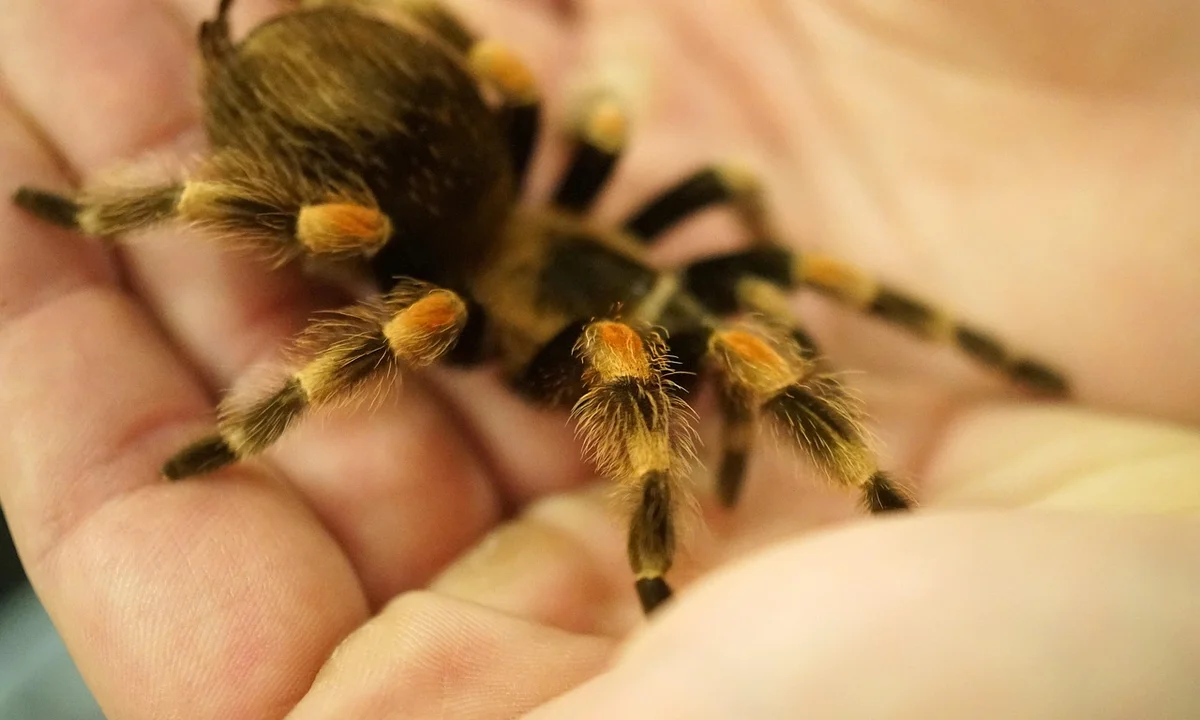
The immense biological diversity of Theraphosidae is reflected, albeit in a tiny fraction, in the global pet trade. Only a few hundred of the thousand-plus species are commonly kept, representing a curated selection of genera prized for their coloration, behavior, or hardiness. This creates a fascinating microcosm of global biodiversity on our shelves.
The most popular pet tarantulas fall into two broad ecological categories that dictate their care: terrestrial and arboreal. The Americas, particularly South America, supply many beloved terrestrial species. My old Chilean Rose Hair, Rosie, is a classic example of the Grammostola genus–slow-growing, long-lived, and often docile. These New World tarantulas typically require moderate humidity, deep substrate for burrowing, and are known for their primary defense: flicking urticating hairs. Unlike their terrestrial counterparts, arboreal species often need different environmental setups due to their tree-dwelling nature.
Asian and African regions, conversely, are hotspots for stunning arboreal genera like Poecilotheria (ornamental trees). These tarantulas need vertical enclosures with ample cork bark and anchor points for their elaborate funnel webs. Old World tarantulas, lacking urticating hairs, often possess more medically significant venom and lightning-fast speed, like my P. murinus “Flash,” making their care a practice in respectful observation rather than hands-on interaction.
Common Genera and Their Care Signatures
- Grammostola & Brachypelma (Americas, Terrestrial): The quintessential beginner genera. They thrive on a simple setup: 5-8 inches of moisture-retentive substrate (like coconut fiber/topsoil mix), a shallow water dish, and temperatures around 70-78°F. Their famous “pet rock” demeanor requires patience.
- Theraphosa & Lasiodora (Americas, Terrestrial): The giants, like my humidity-loving T. stirmi Goliath. They demand high humidity (75-85%), significant substrate depth for burrow construction, and ample floor space. Their urticating hairs are exceptionally potent.
- Poecilotheria & Psalmopoeus (Asia/SA, Arboreal): Arboreal specialists. Care focuses on height: provide a tall enclosure with cross-ventilation, a vertical cork tube, and a water dish placed high. They prefer lower humidity (60-70%) but consistent moisture access. Their speed is unparalleled.
- Harpactira & Ceratogyrus (Africa, Terrestrial): Old World fossorials. These species need deep, dry substrate packs to construct extensive burrow systems. Humidity is often low, but a water dish is non-negotiable. They are typically reclusive and defensive.
Conservation and Our Responsibility
This access to global species comes with an ethical weight. Wild populations face severe threats from habitat loss and, for some species, unsustainable collection for the pet_trade. Cryptic_species-animals that look identical but are genetically distinct-are a particular concern, as their unregulated collection can deplete a unique lineage before science even recognizes it.
As keepers, our first duty is to source responsibly. I prioritize purchasing captive-bred specimens from reputable breeders. This practice supports sustainable hobby growth and reduces pressure on wild ecosystems. Always inquire about a tarantula’s origin; a responsible seller will know. It’s especially important when acquiring breeding tarantulas.
The “Look, Don’t Touch” ethos is not just a safety guideline-it’s a cornerstone of conservation-minded, stress-free husbandry that respects the animal’s innate wild nature. Our role is to be meticulous curators of a micro-habitat, not handlers. By perfecting their environment-monitoring humidity with a digital gauge, providing optimal substrate, and minimizing disturbances-we allow these remarkable arachnids to express their natural behaviors, from the silent construction of a trapdoor burrow to the iridescent sheen of a fresh molt. In doing so, we champion both their individual welfare and the long-term health of the hobby.
FAQs
Are tarantula species found on every continent?
Yes, tarantulas are distributed on every continent except Antarctica. They have adapted to a wide range of environments, from deserts to rainforests. This broad geographic reach is due to their ancient evolutionary history and ability to thrive in varied climates. In Africa, tarantulas are particularly diverse and widespread across savannas, forests, and deserts. In Europe, native tarantula species are rare, and many tarantulas associated with Europe are kept as exotic pets or are introduced from other continents. For more details on European and African tarantula distribution, feel free to explore further.
Which countries have the highest diversity of tarantula species?
Countries like Brazil, Mexico, Thailand, and South Africa are renowned for their high tarantula diversity. These regions host numerous genera due to ecosystems such as the Amazon rainforest and Asian monsoon forests. Their warm, stable climates and complex habitats foster exceptional species richness.
Are there any invasive tarantula species?
Established invasive tarantula populations are rare because they typically require very specific habitat conditions to survive. Isolated incidents from pet trade releases can occur, but they seldom lead to thriving non-native colonies. Preventing such introductions through responsible ownership helps protect local biodiversity. Legal and ethical considerations often guide whether rare tarantulas can be kept as pets, including permits, import restrictions, and welfare standards. Responsible hobbyists weigh these factors to prevent illegal trade and protect wild populations.
How does habitat loss affect tarantula populations globally?
Habitat loss from deforestation, agriculture, and urbanization poses a major threat to tarantula species worldwide. It fragments their environments, reduces available resources, and can drive declines in population numbers. Supporting conservation efforts and captive breeding programs is key to mitigating these impacts.
The Final Molt
The single most transformative concept you can adopt from this survey of diversity is that tarantula care is not one-size-fits-all. Your long-term success depends entirely on matching your husbandry—humidity, temperature, and enclosure design—to the specific natural history of the spider in your care. Treating a moisture-dependent Theraphosa like a xeric Grammostola is a recipe for failure, and vice-versa. The same species- and environment-driven differences that shape native lifecycles also influence the lifespan of tarantulas in captivity. By tailoring care to the spider’s ecology, you can support healthier growth and longer life.
Beyond the substrate, find joy in the behavioral spectrum these types reveal. Watch your fossorial spider’s elaborate tunneling architecture, admire the silken castle of an obligate webber like my OBT, Flash, and learn the subtle hunting postures of a terrestrial wanderer. True mastery in this hobby comes not from a large collection, but from the patient, quiet observation of a single animal thriving in a habitat crafted just for it. The silence of the enclosure holds more fascination than any handling session ever could.
Further Reading & Sources
- Tarantula – Wikipedia
- Species of Tarantula: The Complete List of Tarantula Breeds – A-Z Animals
- Tarantula Species: The Different Types of Tarantulas and Where They Li – Dragon’s Diet
Arlo is a lifelong arachnid enthusiast who believes tarantulas are the world’s most misunderstood roommates. With years of hands-on experience in tarantula care, habitat setup, and species behavior, Arlo combines expert knowledge with a dash of humor to make spider ownership less scary and a lot more fascinating. From choosing the right enclosure to understanding why your eight-legged buddy is doing that weird little pose again, Arlo is here to help you become the best tarantula parent you can be, without getting tangled in the web of misinformation.
Popular Species