
The Tarantula-Frog Symbiosis: Myth or Mutualism?
Published on: August 19, 2026 | Last Updated: August 19, 2026
Written By: Arlo
The captivating story of a tarantula sharing its burrow with a tiny frog is a persistent legend in herpetology and arachnoculture. After years keeping everything from the pet-rock stillness of my Chilean rose hair, Rosie, to the defensive speed of my OBT, Flash, I approach such tales with a mix of fascination and skepticism-nature is full of surprises, but successful cohabitation is a high-stakes experiment. This article will dissect the anecdotes, review the sparse science, and apply a keeper’s lens to the question. The blunt truth: documented, obligate mutualism is exceedingly rare; most reported cases are probable commensalism or simple tolerance, not a reason to house these animals together.
Quick Stats:
- Primary Habitat: Humid Neotropical forests of Central and South America
- Typical Tarantulas: Large, terrestrial New World species (e.g., Theraphosa, Pamphobeteus)
- Typical Frogs: Small microhylids like Chiasmocleis (narrow-mouthed frogs)
- Observed Dynamic: Frogs may consume small invertebrates; tarantulas may ignore them
This guide will navigate the evidence, helping you understand this rare interaction while firmly advocating for the separate, species-specific care that ensures animal welfare.
Defining Symbiosis: Mutualism, Commensalism, and Parasitism
Before we examine this unusual pairing, let’s define our terms. Symbiosis describes a long-term, close biological relationship between two different species. There are three primary forms this relationship can take, and the distinction between them is critical for understanding what we’re observing in a tarantula’s enclosure. To anchor this discussion, we’ll use the tarantula as our type animal and briefly touch on its classification and biology to explain these forms.
Mutualism: The “Win-Win”
Both species derive a clear, tangible benefit. Think of clownfish and anemones; the fish gains protection, the anemone gets cleaned.
Commensalism: The “Roommate” Scenario
One species benefits, while the other is unaffected-neither helped nor harmed. A bird nesting in a tree is a classic example.
Parasitism: The “Taker”
One organism benefits at the expense of the other, like a mite feeding on a tarantula’s hemolymph.
In the pet trade, we must always prioritize the welfare of our animals. Introducing any foreign creature into a tarantula’s space without absolute certainty of the outcome is a risk I cannot advocate for. My defensive OBT, Flash, would see a frog only as a vibration to be eliminated. When considering such interactions, it’s crucial to assess the risks associated with keeping tarantulas as pets.
The Case for Mutualistic Benefits
Observed primarily in the wild with species like the Colombian lesserblack tarantula (Xenesthis immanis) and the dotted humming frog (Chiasmocleis ventrimaculata), their cohabitation suggests a fascinating balance. The proposed mutualism hinges on a simple trade: pest control for protection.
The tiny frog gains a formidable guardian. Few predators will raid a burrow guarded by a large, venomous spider. In return, the spider may gain a clean-up crew. The frog’s diet likely consists of small invertebrates, including ants and potentially parasitic fly larvae (maggots) that could threaten the tarantula’s egg sac or a fresh molt.
I have witnessed this dynamic indirectly. My Burgundy Goliath, a humid-loving species, once had a minor springtail bloom. While not harmful, these tiny hexapods are a nuisance. The silent, efficient work of a clean-up crew in a bioactive setup demonstrates how nature partitions resources, a principle that might be at play in the tarantula-frog dynamic.
The Husbandry Reality Check
Despite intriguing field observations, replicating this in captivity is fraught with “what-ifs.”
- Stress is a silent killer: Your tarantula, like my docile Rosie, may perceive the frog as a constant, stressful threat, leading to refusal to eat or climb the walls of the enclosure.
- Dietary mismatch: The frog requires specific, consistent food sources your tarantula’s tank likely cannot provide.
- The molt vulnerability: A soft, freshly molted tarantula is utterly defenseless for days. Even a well-intentioned frog could cause a fatal injury.
- Territorial instinct: Most tarantulas are solitary predators. That burrow is their entire world. An intruder, regardless of size, is often met with fangs.
In my years of breeding and keeping, the most profound symbiosis I’ve cultivated is between the spider and a correctly built environment that meets all its needs without added risk. The beauty lies in observation, not forced interaction. We can appreciate the mystery of these wild relationships while providing safer, more reliable care in our homes. This means ensuring they have proper environmental enrichment to thrive.
Wild Ecology: Documented Frog and Tarantula Partnerships
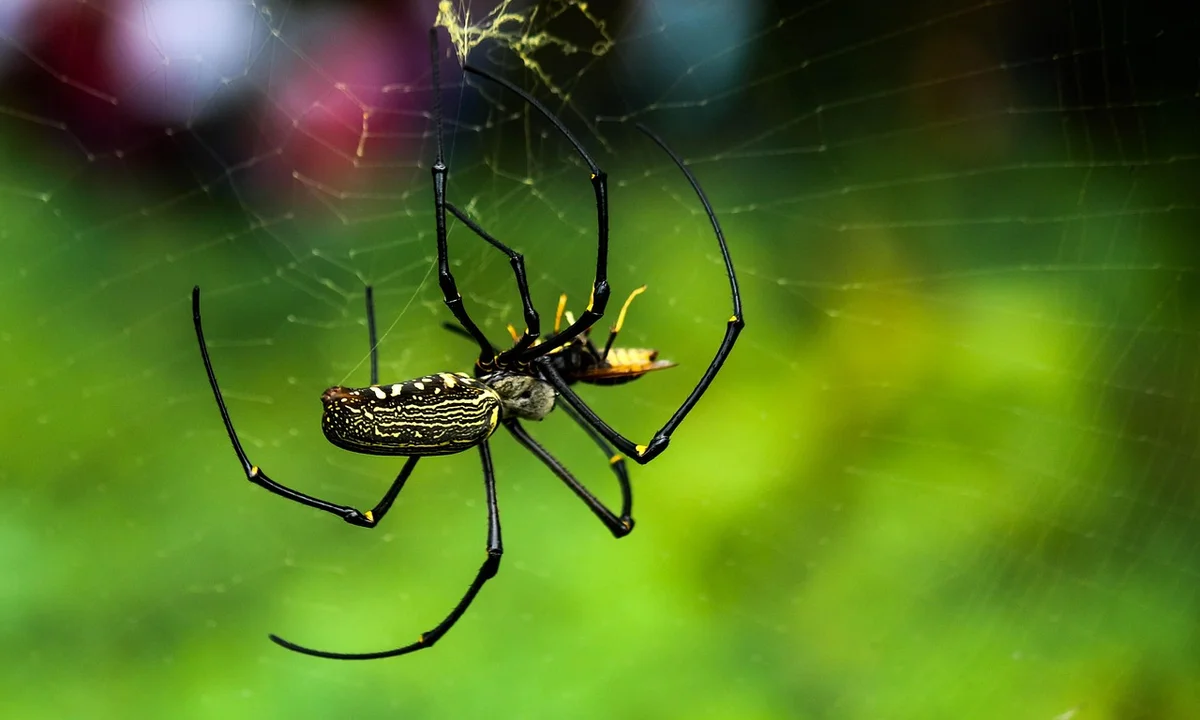
In the rainforests of Peru and Sri Lanka, field researchers have witnessed a rare sight: tiny frogs sharing burrows with large tarantulas. The most studied pair is the dotted humming frog, Chiasmocleis ventrimaculata, and the burrowing tarantula, Xenesthis immanis. The frog gains shelter from predators and dry air inside the spider’s deep, humid burrow. In return, the frog may eat small invertebrates like ants that could harm the tarantula’s eggs. This relationship is a finely tuned balance of wild needs, not a casual friendship. This ties into our ultimate guide to tarantula burrows—why they dig and how those burrows support their survival. Understanding burrow design reveals how moisture, temperature, and sheltered space shape both tarantulas and their peculiar frog tenants.
Key Factors in Natural Symbiosis
These partnerships work only because of specific, hard-to-replicate conditions. They are not a universal rule.
- Size Disparity: The frogs are minuscule, often under an inch long, posing no physical threat to the large spider.
- Chemical Cues: Frogs may produce skin secretions that are non-irritating to the tarantula, a chemical truce we barely understand.
- Resource Abundance: In the wild, the tarantula is well-fed by a constant influx of prey, reducing its urge to see the frog as food.
- Escape Space: Vast natural terrain allows both animals to leave the interaction if stressed, an option absent in a tank.
From my own observations, my Burgundy Goliath (T. stirmi) views anything moving in her space as potential prey. The silence of her enclosure is broken only by her sudden, decisive strikes at crickets, a reminder of her innate hunting drive.
Why Captive Cohabitation Is a Profound Risk
Attempting to recreate these wild dynamics in a glass box ignores fundamental animal welfare. It places human curiosity above the safety of both pets.
Incompatible Captive Requirements
Even species from similar regions have micro-needs that clash in confinement.
- Humidity Gradients: My frog requires a consistent 70-80% humidity with a water feature. My tarantula Goliath needs 75-85% but with intense ventilation to prevent stagnant air and mold, which would sicken a frog.
- Temperature Zones: A frog might need a basking spot at 80°F, while many tarantulas, like my Rosie, prefer a stable ambient range of 70-78°F without hot spots.
- Territorial Needs: Tarantulas are solitary and perceive their entire enclosure as their territory. Adding another creature causes chronic stress.
Mixing species forces a compromise where one, or both, will live in suboptimal conditions.
The Predatory Reality: Tarantulas are Opportunistic
A tarantula’s psychology is built on opportunity. Their vision is poor, so they rely on vibrations and movement. They hunt by ambush or stealth, using vibrations to detect prey and strike with venomous fangs. They secure prey with a swift bite and begin digestion. The iridescent sheen of a frog’s moist skin moving across the substrate is indistinguishable from prey.
I learned this lesson with Flash, my Orange Baboon Tarantula. During a rehousing, a small beetle wandered into his temporary container. In a blur of orange, he struck and encapsulated it in silk before I could blink. This instinct is always present. Even my docile Rosie, after a fast of months, would likely view a frog as her next meal. Cohabitation is not symbiosis; it is a prolonged predation risk.
Respectful Alternatives: Observing Nature Without Forcing It
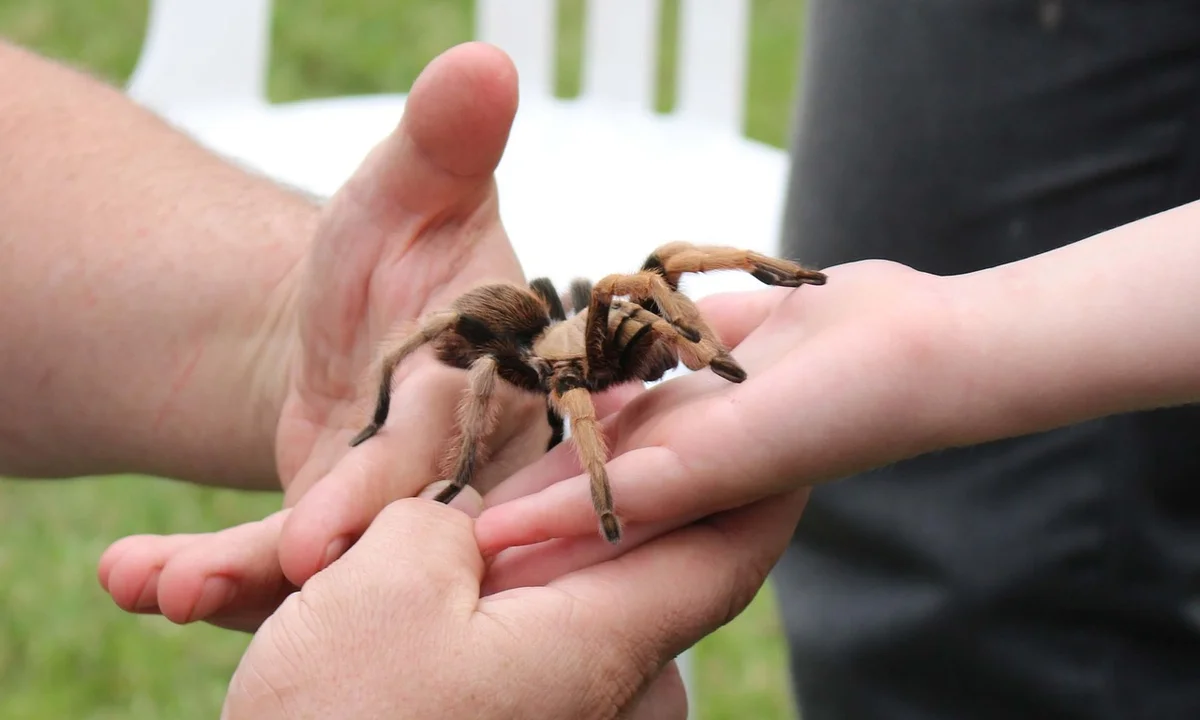
We can appreciate these wild relationships without endangering our pets. The focus shifts to creating enriched, species-specific habitats.
Building a Bioactive Tarantula Enclosure
A bioactive setup uses clean-up crews to manage waste and mold, mimicking ecological cycles safely. I use these for my tarantulas to reduce maintenance and stress.
- Choose a Deep Substrate: I use a mix of coconut fiber, peat moss, and vermiculite for burrowers like Goliath. It retains humidity but drains well.
- Add Clean-Up Crews: Introduce springtails and dwarf white isopods. They break down boluses and mold without bothering the tarantula.
- Include Live Plants: Select hardy plants like pothos or bromeliads that thrive in low light and handle occasional digging.
- Never Add Vertebrates: The enclosure is for the tarantula. Frogs, geckos, or other pets introduce disease, competition, and danger.
This method honors the complexity of nature by focusing on soil and arthropod health, not interspecies drama.
Learning Through Observation and Conservation
True respect means watching and supporting, not interfering.
- Documentary Research: Watch films and read scientific papers on the actual frog-tarantula relationships to understand their context.
- Species-Specific Care: Channel your energy into perfecting your tarantula’s habitat, tracking its molt cycles, and noting its unique behaviors.
- Support Habitat Conservation: The real threat to these wild symbioses is deforestation. Donating to reputable rainforest conservation groups helps protect these interactions where they belong.
Watching my pets in their dedicated homes-the patient stillness of Rosie, the impressive size of Goliath after a molt-is rewarding enough. Our role as keepers is to provide security, not to orchestrate risky encounters for our amusement.
FAQs
Is the tarantula-frog relationship true mutualism or something else?
In most documented wild cases, the relationship is likely commensalism, not strict mutualism. This means the frog benefits from shelter and protection while the tarantula is largely unaffected. True, obligate mutualism, where both depend on each other, is exceptionally rare and not fully proven. These patterns extend to tarantula-scorpion cohabitation, where predation pressure can affect whether they share shelter. In such cases, predation dynamics—who preys on whom and how each avoids risk—help shape their coexistence.
How big does the frog need to be for this to possibly work?
The frog must be incredibly small relative to the tarantula, typically under one inch in length. This size disparity is crucial so the frog poses no physical threat and is not seen as a viable food item by the spider, which is a key factor in the wild observations. These nuances show how feeding myths can mislead. In our guide debunking 7 common tarantula feeding myths that could harm your pet, we separate fact from fiction to promote safe care.
Can I house a frog with my pet tarantula to recreate this symbiosis?
No, this is strongly discouraged and considered a profound risk. Captive enclosures cannot replicate the complex conditions and escape routes of the wild. Your tarantula will almost certainly perceive the frog as prey, a stressor, or a territorial intruder, leading to potential injury or death for either animal. In the wild, tarantulas face natural predators such as birds, snakes, and wasps. In captivity, introducing another animal creates predator-like threats that increase stress and the risk of injury.
What’s the difference between “symbiosis” and “mutualism” in this context?
Symbiosis is the broad term for a long-term interaction between two species. Mutualism is a specific type of symbiosis where both benefit. The tarantula-frog dynamic is often symbolic, but it’s usually a more one-sided, commensal relationship rather than a guaranteed mutual benefit.
Do tarantulas actually recognize the frog as a partner?
There is no evidence tarantulas possess that level of cognitive recognition. The tolerance observed in the wild is likely due to a combination of the frog’s tiny size, non-threatening movements, and possibly chemical cues. The tarantula simply learns to ignore it, not befriend it. People often ask if tarantulas recognize their owners; the surprising truth about spider memory is that there is little evidence for such recognition. Any calm behavior is more likely habituation to familiar cues rather than a memory of a specific person.
If it happens in the wild, why is it so risky in captivity?
Wild animals have vast territories and abundant resources, allowing them to leave an interaction if stressed. In a confined tank, the tarantula’s entire world is its enclosure, making any intruder a constant territorial threat. This forces a high-stress proximity that wild conditions naturally avoid. Releasing a pet tarantula into the wild can threaten local ecosystems by introducing a non-native species. They are not equipped to survive outside captivity, and releasing them can lead to suffering for the tarantula as well as unintended ecological consequences.
A Partnership Forged in Vivariums
The single most critical parameter for any multi-species enclosure is providing distinct, separate microclimates so that both the tarantula and the dart frog can retreat to conditions that match their core biological needs. This is not a simple cohabitation but a complex environmental engineering project that demands space, planning, and constant vigilance.
Beyond the setup, the true reward is observation. Watch the silent, deliberate pace of the tarantula as it expands its silken tunnels. Marvel at the diurnal activity of the frogs, their vivid colors a stark contrast to the spider’s earth-toned world. Success is measured in months and years of peaceful coexistence, not in forced interactions. Patience is the lens through which this delicate balance is best viewed, a quiet testament to replicating a small, wild corner of the world on your shelf.
Further Reading & Sources
- Chiasmocleis ventrimaculata – Wikipedia
- r/awwnverts on Reddit: Some species of tarantulas and frogs have evolved to form mutualistic relationships. One species of burrowing tarantula is known to provide the dotted humming frog protection from predators; the frog in turn protects the tarantula’s eggs from ants and will eat any insects that bother the tarantula.
- Tiny Frogs and Tarantulas: An Unexpected Friendship | Articles | Science Victoria | Royal Society of Victoria
Arlo is a lifelong arachnid enthusiast who believes tarantulas are the world’s most misunderstood roommates. With years of hands-on experience in tarantula care, habitat setup, and species behavior, Arlo combines expert knowledge with a dash of humor to make spider ownership less scary and a lot more fascinating. From choosing the right enclosure to understanding why your eight-legged buddy is doing that weird little pose again, Arlo is here to help you become the best tarantula parent you can be, without getting tangled in the web of misinformation.
Tarantula Myths and Misconceptions