
Debunking 7 Common Tarantula Feeding Myths That Could Harm Your Pet
Published on: December 26, 2025 | Last Updated: December 26, 2025
Written By: Arlo
Feeding a tarantula is often governed by folklore rather than fact, creating hidden risks in a routine task. From my years keeping everything from pet rocks like my G. rosea Rosie to lightning-fast webbers like my P. murinus Flash, I’ve seen how misguided feeding advice leads to stress, injury, and shortened lifespans. This article cuts through the confusion by exposing and correcting seven widespread myths. The most critical takeaway is that a tarantula’s health is judged by its behavior and physique, not by a rigid feeding schedule.
Quick Stats:
- Origin: Feeding myths span all habitats, from arid burrowers to humid rainforest dwellers.
- Type: Misconceptions affect both New World (often slower, hair-flicking) and Old World (typically faster, more defensive) tarantulas.
- Growth Rate: Improper feeding can unnaturally accelerate or dangerously stunt this natural process.
Mastering these truths will transform how you nourish your spider, ensuring it thrives from sling to adult in a low-stress environment.
Introduction: Why Tarantula Feeding Myths Persist
Feeding advice for tarantulas often gets passed down through generations of keepers, blending fact with well-intentioned fiction. Many myths stem from applying our mammalian logic to an arthropod’s world, or from observing one species and assuming all eight-legged pets behave the same. I’ve heard these myths repeated at expos and in online forums, and following them can lead to stressed, injured, or malnourished spiders.
Myths About Prey and Presentation
Myth 1: Tarantulas Will Only Accept Live, Moving Prey
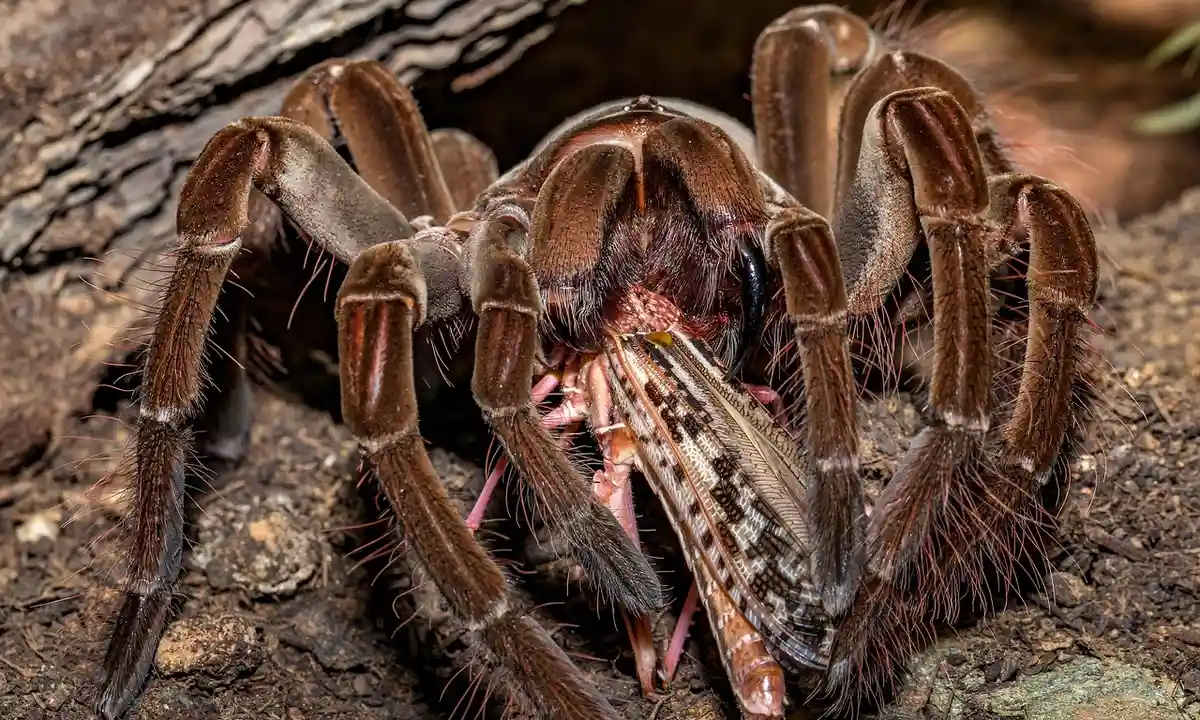
This is perhaps the most persistent and dangerous myth. While movement triggers a feeding response, a tarantula’s primary sense is vibration. A gently wiggled, pre-killed insect can be just as enticing as a live one, and far safer for your pet. I learned this firsthand with my old Chilean Rose, Rosie, who would often ignore lively crickets but readily accept a pre-killed mealworm jiggled near her burrow. When weighing options, the live prey vs pre-killed debate is common among tarantula keepers. Many find pre-killed offerings safer and just as effective for a steady feeding routine.
Live prey can fight back. A cricket can chew on a molting or vulnerable tarantula, causing fatal injury. I always pre-kill larger feeders for my Burgundy Goliath, Goliath, as his massive size makes him a target during his long, delicate molts.
Here is a safe method for offering pre-killed prey:
- Humanely dispatch the feeder insect by rapid freezing.
- Thaw the insect completely to room temperature.
- Using long, soft-tipped tweezers, gently simulate life by wiggling it near the tarantula.
- If the tarantula doesn’t strike, leave the prey in the enclosure overnight. Often, they will find and consume it later.
Myth 2: Crickets Are the Only Suitable Tarantula Food
Crickets are convenient, but a cricket-only diet is like a human eating only rice. It lacks variety and can lead to nutritional gaps. Different feeder insects offer varied nutrient profiles, and some tarantulas simply develop strong preferences. My defensive OBT, Flash, will aggressively tackle a roach but often ignores crickets entirely. In the dubia roaches vs crickets debate, many keepers argue that dubia roaches are the superior feeder for tarantulas due to steadier nutrition and easier handling. Still, individual tarantulas may show preferences, so observe yours and adjust accordingly.
Expanding your tarantula’s menu reduces dietary boredom and promotes better health. Here are excellent alternatives to crickets:
- Dubia Roaches: Meaty, nutritious, less noisy, and cannot climb smooth surfaces. A favorite for my larger spiders like Goliath.
- Red Runner Roaches: Fast and stimulating for predatory species, but require careful handling during enclosure maintenance.
- Mealworms and Superworms: Great for plumpening but use sparingly due to higher fat content. Always crush the heads of superworms to prevent them from burrowing or biting.
- Silkwork Larvae: A fantastic, hydrating treat packed with calcium.
Rotating through these options creates a more robust feeding regimen. The key is matching the prey size to your tarantula-the insect should be no larger than the spider’s carapace. This simple rule prevents intimidation and potential injury during the strike.
Myths About Feeding Frequency and Quantity
Myth 3: Overfeeding is Impossible for a Growing Tarantula
This myth is a fast track to a health crisis. I’ve seen slings with abdomens so distended they struggled to walk, their tiny feet barely touching the ground. Overfeeding, especially in juveniles, forces an unnaturally rapid expansion of the soft abdomen, putting dangerous pressure on the internal organs and dramatically increasing the risk of a fatal fall. Think of the abdomen not as a storage tank, but as a delicate, hydraulic sack.
A plump, rounded abdomen is good. An abdomen that is so large it appears stretched, shiny, or makes the spider noticeably top-heavy is a red flag. For my growing Goliath, I offer one appropriately-sized prey item every 7-10 days and watch that abdomen closely. Growth should be steady, not explosive.
- The Target: Aim for an abdomen that is roughly 1 to 1.5 times the size of the carapace. If it’s larger, skip the next feeding.
- The Risk: A critically overfed tarantula can suffer a rupture from a short fall or even from the internal strain of molting.
- The Reality: In the wild, feast and famine cycles are normal. Mimicking this by allowing periods of leaner feeding is healthier than constant surplus.
Myth 4: Feeding More Often Directly Controls Growth Speed
You cannot power-grow a tarantula like a hydroponic plant. Their growth is governed by genetics and the hormonal process of ecdysis (molting). Offering excessive food does not trigger a molt; it only creates an obese spider that must then strain to shed its overfilled exoskeleton. I learned this early on with a different species, watching it refuse food for weeks until its physiology was finally ready.
Feeding provides the resources for growth, but the spider’s internal clock decides when that growth happens. My OBT, Flash, will web furiously and eat ravenously for a month, then fast for six weeks before a molt. No amount of extra crickets would change that timeline.
- The Process: A tarantula must first stop feeding to clear its digestive tract and begin forming the new exoskeleton underneath the old. Forcing food interrupts this.
- The Limit: There is a maximum size each instar (life stage between molts) can achieve. Once that limit is reached, feeding stops until after the molt.
- Better Strategy: Focus on providing consistent, appropriate nutrition. A well-fed spider will molt on its own perfect schedule.
Myths About Fasting, Molting, and Life Stages
Myth 5: A Tarantula That Refuses Food is Always Premolt
This assumption causes unnecessary panic. While premolt is a common reason for fasting, it is not the only one. Tarantulas may refuse meals due to temperature drops, stress from recent rehousing, simple satiety, or even seasonal changes in behavior you cannot perceive. My 15-year-old G. rosea, Rosie, is the master of this, famously going on 8-month hunger strikes for no discernible reason, her water dish being her only interest.
Before declaring premolt, perform a checklist. Is the enclosure warm enough? Has anything in its environment changed? Is the abdomen still a good size? A tarantula in true premolt will often, but not always, show a darkening bald spot on the abdomen as the new skin develops.
- Check environmental parameters (temperature, humidity).
- Look for physical signs: a darkening abdomen, dull coloration, increased webbing for a molt mat.
- Remove any uneaten prey immediately to avoid stress or injury to a vulnerable spider.
- When in doubt, wait. Offer water and check again in a week.
Myth 6: All Tarantulas, Especially Slings, Need Weekly Meals
Blanket feeding schedules ignore species biology and individual metabolism. A fast-growing Psalmopoeus sling might indeed take food twice a week, while a Brachypelma sling of the same size may only eat every ten days. Observing the individual’s body condition and behavior is infinitely more valuable than marking a calendar. My T. stirmi slings could eat a small cricket almost daily, but my G. rosea slings of old would eat one and be full for a month.
Slings store less energy and do require more frequent meals relative to adults, but “frequent” is a spectrum. Their tiny abdomens can fill quickly.
- For arid species slings: I often offer a pre-killed prey item every 7-14 days, depending on abdomen size.
- For tropical species slings: Feeding every 5-10 days is common, but always guided by observation.
- The Rule: The prey item should never be larger than the tarantula’s carapace. For tiny slings, pinhead crickets or chopped mealworm sections are perfect.
Myth 7: Handling Has No Impact on Feeding Behavior
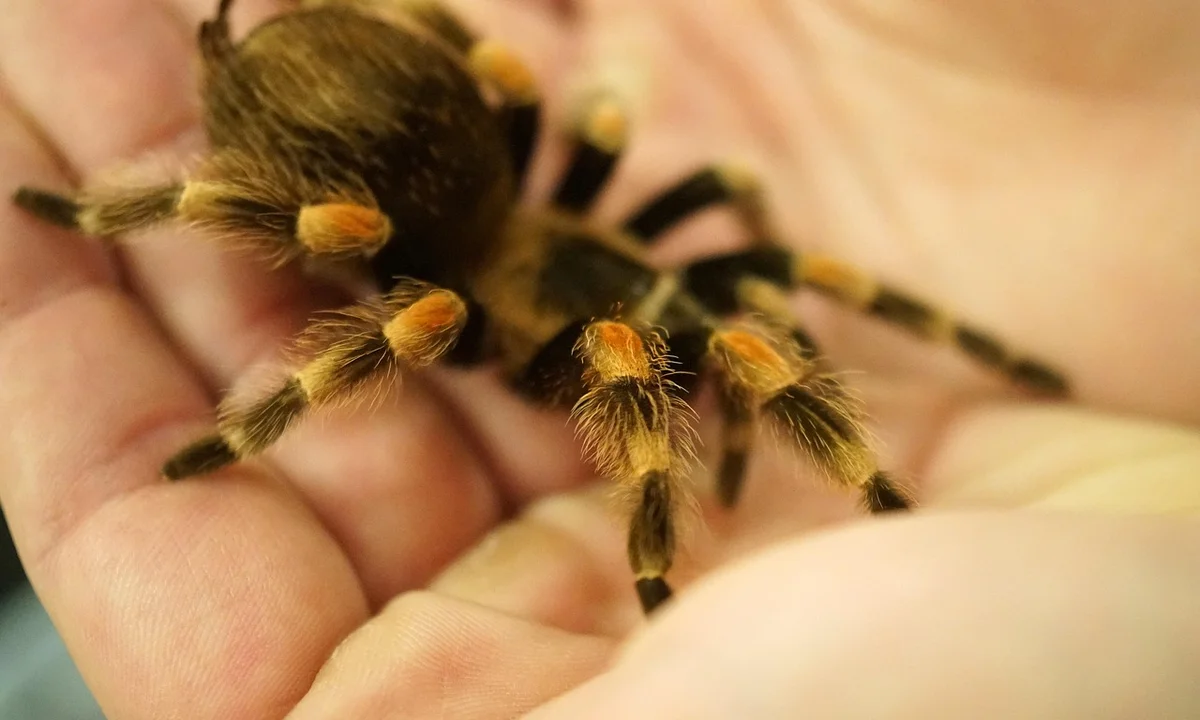
This myth prioritizes human experience over animal welfare. Handling is a profound stressor, triggering defensive postures, urticating hair kicks, or frantic escapes. The physiological stress from handling can suppress a tarantula’s feeding response for days or even weeks, as it focuses on recovering a sense of security. I once had a juvenile tarantula refuse food for over three weeks after a simple, careful rehousing-the environmental change alone was enough.
Consider the tarantula’s perspective. You are a giant predator that has just physically removed it from its secure home. The stress hormones released inhibit digestion and the desire to hunt. For a spider already in a delicate state, like early premolt, this added stress can complicate the molting process.
- Direct Impact: A stressed tarantula will often retreat to its hide and ignore food, breaking its normal routine.
- Indirect Risk: A startled tarantula during handling can fall, leading to a fatal abdominal rupture, especially if it was recently fed.
- The Ethos: Respectful “Look, Don’t Touch” husbandry minimizes stress, creating a calm animal that displays natural behaviors-including reliable feeding-on its own terms.
Proactive Care: Moving Beyond the Myths
Knowing what not to do is only half the battle. True expertise in arachnoculture comes from shifting from a reactive to a proactive mindset. This means learning to read your tarantula’s subtle language and crafting an environment where feeding success is a natural outcome, not a forced event. Appropriate environmental enrichment plays a crucial role in this process.
Your Most Powerful Tool: Observation
Forget the feeding schedule scribbled on your calendar. The most reliable guide is the animal in front of you. I spend quiet moments each day simply watching my tarantulas’ behavior and enclosure conditions. This practice has prevented countless potential issues. That same observation helps me tell if a tarantula is hungry or stressed. A quick feeding-behavior guide can translate those cues into calm, confident care.
Regular, quiet observation teaches you your pet’s unique baseline-its favorite hide, its typical posture, and how it reacts to vibrations-so you can instantly spot the deviations that signal a need for change.
What to Log in Your Keeper Notes:
- Pre-molt signs: Darkening abdomen, balding spot from kicking hairs, refusal of food, and increased webbing or sealing of the burrow.
- Post-molt progression: Note the date of the molt. Watch for the carapace to darken and the fangs to harden (from a pale, glossy red to their normal deep black) before offering food again.
- Individual feeding response: Does your T. stirmi pounce with terrifying speed, or does your G. rosea slowly amble over to a pre-killed cricket ten minutes later?
- Environmental data: Spot-check temperatures and note if the substrate is damp, dry, or somewhere in between.
Adjusting Feeding Based on Life Stage & Species
A one-size-fits-all feeding approach fails because a sling is not a juvenile, and a juvenile is not a mature adult. Their metabolic needs differ dramatically.
Fast-growing spiderlings and juveniles require more frequent meals to support their rapid development, often once or twice a week, while many adults thrive on a single prey item every 2-4 weeks.
My OBT, Flash, as a fast-growing Old World species, was offered a small roach weekly as a juvenile. My 15-year-old G. rosea, Rosie, might take a large cricket once a month… when she feels like it. Species also matters. My moisture-dependent T. stirmi, Goliath, has a heartier appetite in his properly humid 80% environment than any of my arid-dwellers ever did.
A Simple Feeding Adjustment Framework:
- For slings: Offer pre-killed prey or prey smaller than their abdomen twice a week. Remove uneaten food within 24 hours.
- For juveniles: Offer appropriately sized live prey weekly. Monitor abdomen size; it should be plump but not massively distended.
- For adults: Shift to a maintenance schedule. Offer one prey item every 2-4 weeks. Do not panic over fasting periods, especially in adult females of slow-growing species.
The Foundation: Enclosure as a Feeding Ally
You can offer the perfect feeder, but if the enclosure is wrong, your tarantula may be too stressed to eat. The setup must cater to its core instincts: security, proper humidity, and usable space. To avoid common tarantula enclosure mistakes, watch for undersized enclosures, insufficient hiding spots, and improper humidity. Staying on top of these factors helps prevent stress and keeps feeding on track.
A stressed tarantula is a fasting tarantula, and nothing induces stress faster than an open, barren enclosure that denies its fundamental need for a secure retreat.
I build my enclosures from the ground up with the species’ needs in mind. For my fossorial OBT, this meant providing 6+ inches of moist, packable substrate for deep burrowing. For my terrestrial G. rosea, a shallow, dry substrate layer and a generous, snug cork bark hide. This isn’t just decoration; it’s environmental enrichment that directly impacts feeding confidence.
Quick Habitat Checks Before You Feed:
- Security: Is there a proper, snug hide? Can the tarantula retreat from view?
- Substrate: Is it appropriate? Too wet for an arid species can cause refusal. Too dry for a moisture-dependent species can trigger a pre-molt fast.
- Clutter: Is there a safe, open space for the tarantula to ambush or accept prey? Or is the floor too crowded?
- Cleanliness: Are there old boluses (prey remnants) or mite clusters? A dirty enclosure can suppress appetite.
Common Questions
Do baby tarantulas require more frequent feeding than adults?
Yes, spiderlings (slings) generally require more frequent, smaller meals to support their rapid growth and development. Their metabolisms are higher, and they cannot store as much energy as larger juveniles or adults. However, “frequent” varies by species, and their tiny abdomens fill quickly, so careful observation of their body condition is more important than a strict calendar schedule.
Are tarantulas natural opportunistic feeders in captivity?
Absolutely. In the wild, tarantulas capitalize on food when it’s available, which is why they can go long periods without eating. This opportunistic instinct remains in captivity. It is perfectly normal and healthy for a tarantula to have variable appetite and undergo fasting periods, such as during pre-molt. Mimicking natural feast-and-famine cycles by not forcing constant food is better for their long-term health than a rigid weekly feeding routine.
Can improper feeding cause molting problems in tarantulas?
Yes, both underfeeding and overfeeding can severely complicate the molting process. A tarantula that is malnourished may not have the energy reserves to complete a successful molt. Conversely, an obese tarantula risks a fatal rupture, as it must strain to shed an overfilled, stretched abdomen. Providing consistent, appropriate nutrition is key to supporting this vulnerable, energy-intensive biological process.
How often should you feed a tarantula?
There is no universal schedule, as frequency depends on the tarantula’s species, age, and individual metabolism. A general guideline is to offer one appropriately-sized prey item when the abdomen appears slightly smaller than the carapace. For many adults, this may mean feeding every 2-4 weeks, while fast-growing slings may eat every 5-10 days. The spider’s physique, not the calendar, should dictate your timing. Following a healthy diet and a consistent feeding schedule supports growth and vitality. For the best results, offer appropriately sized prey, avoid overfeeding, and adjust frequency as the spider matures.
Can tarantulas go long periods without food?
Yes, especially healthy adult tarantulas. They are incredibly efficient at conserving energy and can fast for many months without harm, particularly some slow-growing species like Grammostola. Growth rate in tarantulas is largely tied to feeding; extended fasting can pause growth and molt frequency. Once feeding resumes, growth typically resumes, but the pace depends on species, age, and environment. Extended fasting is a normal behavior and not necessarily a cause for alarm, provided the spider has access to fresh water and its abdomen is not shriveled. Always investigate environmental factors before assuming a fast is problematic.
Beyond the Bowl: A Tarantula’s True Diet
The single most reliable feeding metric is not a schedule, but the size of your tarantula’s abdomen. A tarantula’s abdomen should be roughly the same size as its carapace, or slightly larger; a shrunken, wrinkled abdomen signals a need to eat, while a very large, shiny abdomen means you should pause. This visual check overrides any calendar. For beginners, a complete feeding guide lays out how often to feed, what prey to offer, and how to adjust as your tarantula grows. Use this guide alongside the abdomen check to maintain healthy feeding habits.
True success is watching the ambush. It is the silent stalk of my Rosie, the vibrating threat pose of my OBT Flash, the sheer power of my Goliath’s strike. Your patience creates the space for these natural behaviors to unfold. Provide the right conditions, offer appropriate prey, and then simply watch. The most profound lessons in this hobby are not taught by a feeding tong, but by the quiet, observant keeper who learns to read the spider itself.
Further Reading & Sources
- Tarantula Feeding – What, when, and how much to feed | Tom’s Big Spiders
- Power Feeding Tarantulas | Tom’s Big Spiders
- The Best (and Most Ridiculous!) Tarantula Myths | Tom’s Big Spiders
Arlo is a lifelong arachnid enthusiast who believes tarantulas are the world’s most misunderstood roommates. With years of hands-on experience in tarantula care, habitat setup, and species behavior, Arlo combines expert knowledge with a dash of humor to make spider ownership less scary and a lot more fascinating. From choosing the right enclosure to understanding why your eight-legged buddy is doing that weird little pose again, Arlo is here to help you become the best tarantula parent you can be, without getting tangled in the web of misinformation.
Tarantula Myths and Misconceptions