
10 Key Signs Your Tarantula is About to Molt
For a tarantula, molting is not just growth; it is a profound physiological rebirth, where every limb and hair is meticulously renewed in vulnerable silence. From my docile Grammostola rosea Rosie to my defensive Pterinochilus murinus Flash, each molt I’ve witnessed reinforces a central rule of our hobby: look, never touch. This article details the ten most reliable indicators that your tarantula is entering this critical phase. If you notice your tarantula refusing food and becoming reclusive, it is almost certainly in pre-molt, and all feeding and enclosure maintenance should stop immediately.
- Quick Stats:
- Process: Ecdysis (molting)
- Frequency: Heavily age-dependent; spiderlings may molt every few weeks, while adults like my 15-year-old rose hair might only molt once every year or two.
- Key Risk Period: The spider is paralyzed and completely defenseless during the actual split, which can take several hours.
Mastering these signs transforms you from a casual observer into a prepared custodian, capable of offering the undisturbed peace your tarantula requires to emerge safely.
What Happens During a Tarantula Molt?
Molting, or ecdysis, is how your tarantula grows and repairs its body. Think of its exoskeleton as a rigid, non-stretchable suit. As the spider’s body enlarges inside, that suit becomes intolerably tight. To get a new one, it must shed the old. This process is not just for size increase; it regenerates lost limbs, heals injuries, and replaces faded colors.
Frequency depends entirely on age and species. Spiderlings may molt every few weeks, while my adult Chilean Rose Hair, Rosie, has gone over two years between sessions. With maturity, the intervals stretch longer and longer.
The cycle has three clear phases. Premolt is the preparation, where the new exoskeleton forms beneath the old. The actual molt is a brief, vulnerable hours-long event where the spider extracts itself. Post-molt is the recovery, where the new suit hardens and darkens.
10 Unmistakable Signs Your Tarantula is in Premolt
Premolt is the longest phase, offering you many clues. You will rarely see just one sign; they typically build together over weeks, creating a clear behavioral shift. I keep a simple journal for each of my tarantulas, noting dates and changes, which helps predict these events with calm accuracy.
1. Extended Refusal of Food
This is often the first and most obvious signal. Your tarantula will simply ignore prey. For fast-growing species like my OBT, Flash, this might be a week. For adult fossorials or slow-maturing types like Rosie, fasts can last months. Pre-molt and other fasting periods are normal and should be respected. If you suspect a molt is imminent, refrain from feeding until after the molt is complete. My G. rosea, Rosie, is famous for six-month hunger strikes that end only with a perfect molt. Never try to force-feed or leave live prey in; a cricket can injure a soft, post-molt spider.
2. Increased Lethargy and Hiding
Activity plummets. A usually visible tarantula may vanish into its hide for days. An arboreal species might stay low on the cork. Even defensive, fast-moving spiders like P. murinus become subdued, trading boldness for the safety of their web fortresses. Contrast this with their normal behavior. My Flash, who usually patrols his enclosure, will become a motionless orange lump in a corner.
3. Darkening and Shining Abdomen
The abdomen takes on a darker, often glossy appearance. It can look swollen or taut. This is because the new, larger exoskeleton is forming underneath the old skin. In species with blue hues, like some chromatopelma, you might see a vibrant cobalt shine through the old layer. It’s a beautiful, clear indicator of the transformation happening within.
4. Loss of Interest in Surroundings
A tarantula in premolt turns its energy inward. It will stop responding to normal stimuli. Vibrations from you walking by, light changes, or even a feeder insect wandering nearby elicit no reaction. This profound disengagement signals that all resources are dedicated to the physiological task ahead.
5. Construction of a Molting Mat or Web
Many tarantulas weave a special silk mat on the ground or against a surface. This creates a non-slip platform for the delicate molting process. Arboreal and heavy webbers, like my OBT Flash, excel at this, often enveloping entire sections of their enclosure in dense white silk. For burrowers, this mat lines the bottom of their chamber.
6. Dull or Faded Exoskeleton Color
The current exoskeleton loses its luster. Vibrant reds or oranges look washed out, and patterns seem blurry. This fading occurs as the old cuticle separates from the new one underneath, like paint peeling from a wall. Compare recent photos to see this change clearly.
7. Unusual Postures or Curling Up
You might see your tarantula sitting with its legs tucked tightly underneath, or in a strangely flattened pose. The definitive sign is finding it lying on its back, legs curled; this is not a death pose, but the moment of ecdysis has begun. Do not touch or disturb it in this position. This is the ultimate “Look, Don’t Touch” moment. For a deeper look at the so-called death curl and tarantulas’ final postures, see our death curl explained depth guide. It clarifies when a curled posture is normal during molting versus a sign of trouble.
8. Darkening of the Bald Spot (in New World Species)
This sign is specific to New World tarantulas that possess urticating hairs. The bald patch on the abdomen, where they kick hairs, will turn a very dark blue, grey, or black. On my T. stirmi, Goliath, this spot becomes an inky blotch, a surefire warning that a molt is coming and his irritant hairs are actively regenerating.
9. Slow and Clumsy Movements
If your tarantula does move, it will seem uncoordinated and deliberate. Steps are shaky, and grip on smooth surfaces weakens. The old exoskeleton is literally detaching, so motor control diminishes, making the spider vulnerable. This is why ensuring a safe, low-height enclosure is critical husbandry. This illustrates why avoiding common tarantula enclosure setup mistakes matters. Choose a low, secure enclosure with rough, non-slip substrate and stable walls to support safe molts and movement.
10. Sealing the Retreat or Burrow
Fossorial and many terrestrial species will block the entrance to their hide or burrow with substrate, silk, or both. They are engineering a private, secure chamber where they can molt without disturbance. Respect this seal. Do not open it. They know what they need.
Creating the Perfect Premolt Environment
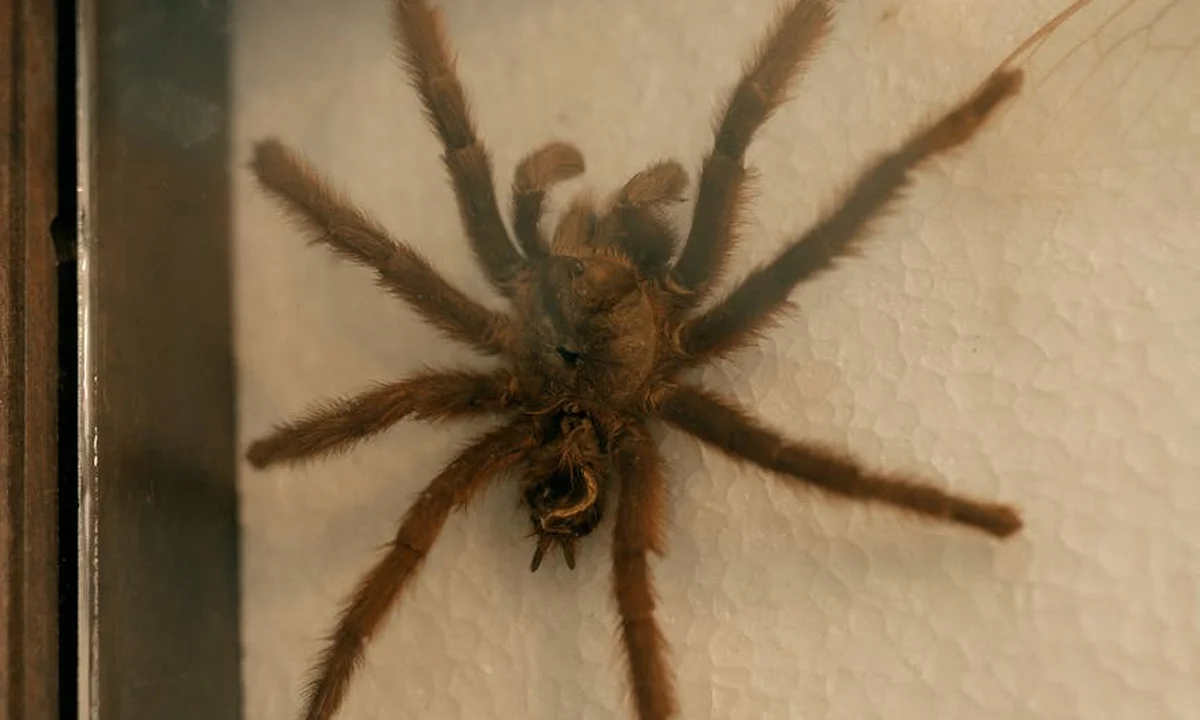
When premolt signs appear, your husbandry must pivot. Your goal is to engineer a stable, quiet refuge where the only activity is the spider’s own biological process. Drawing from my years with tarantulas like the fasting Rosie and humidity-sensitive Goliath, follow these exact steps.
- Cease all feeding immediately. A tarantula cannot eat while preparing to molt, and live prey poses a direct threat. I learned this with my G. rosea, Rosie; offering food during her long fasts only caused her stress.
- Guarantee constant access to a clean water dish. Hydration is non-negotiable for softening the old exoskeleton. I use shallow bottle caps for my smaller spiders and refill them with dechlorinated water daily.
- Modify humidity based on species-specific needs. Generic advice fails here. For my moisture-loving Burgundy Goliath Bird Eater (Theraphosa stirmi), I maintain 70-80% humidity. For a Chilean Rose Hair (Grammostola rosea) like Rosie, 60-70% is adequate. A digital hygrometer is essential.
- Eliminate every possible disturbance. This means no handling, no rearranging decor, and minimizing vibrations near the enclosure. I adhere strictly to a “Look, Don’t Touch” philosophy during premolt, even with my docile specimens.
- Conduct a final enclosure safety check. Verify the hide is secure and the substrate is level and deep. For burrowers like my OBT, Flash, I gently compact the substrate to prevent a cave-in during the vulnerable molt.
The Molting Process: What to Expect and What to Do
The actual molt is a breathtaking display of vulnerability and precision. Your only task is vigilant non-interference, observing a process that has unfolded for millions of years.
- The Position: The tarantula will flip onto its back or side, legs curled. This “death curl” mimicry is normal. Do not intervene.
- The Split: A crack forms in the carapace, often starting near the eyes. The new, soft cephalothorax begins to emerge.
- The Extraction: With slow, rhythmic pulses, the spider works itself free. Each leg is meticulously withdrawn from its old casing. This can take many hours.
- The Hardening: Once free, the tarantula lies completely still, expanding its new body with fluid. Its colors are initially pale and darken over time.
The entire sequence unfolds in a profound silence, a stillness I’ve witnessed during my T. stirmi’s molts that commands respect. The process lasts 4 to 24 hours. Any disturbance during this time-a bumped table, a bright light-can trap your tarantula in its old skin, leading to fatal injury. Leave the discarded exuvia in the enclosure for at least a day; the spider may use it for moisture.
After the Molt: Essential Post-Molt Care
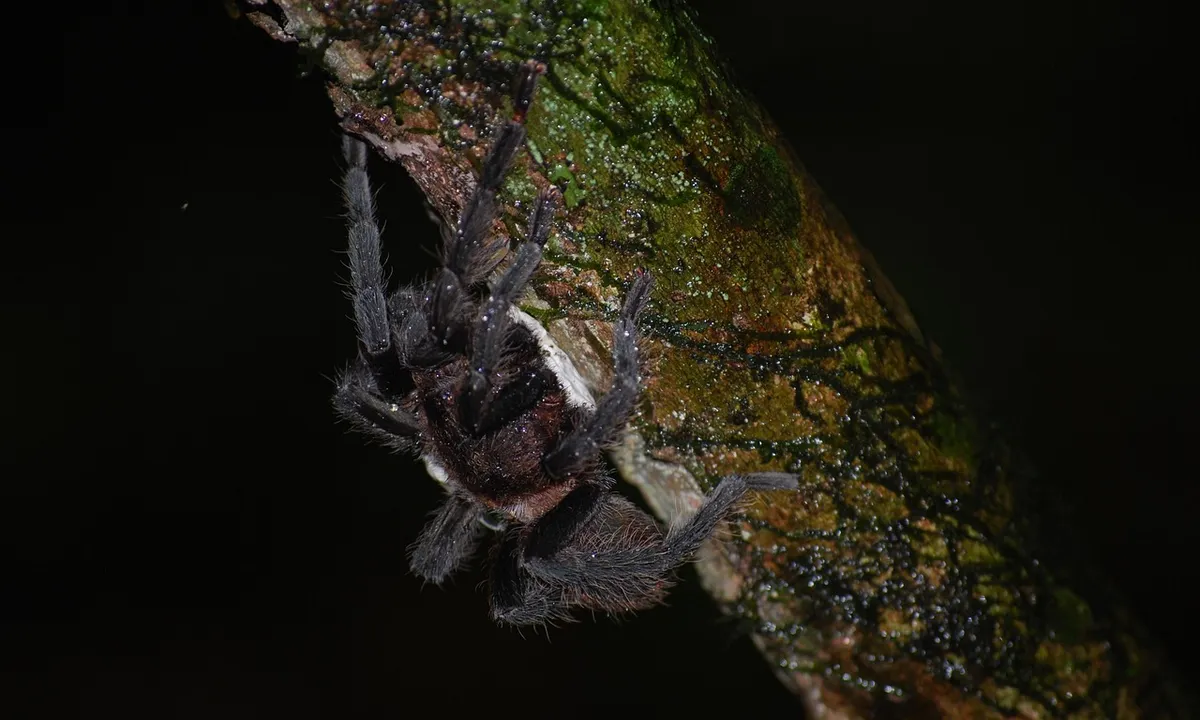
Your tarantula has just completed the exhausting, vulnerable process of ecdysis. The new exoskeleton is soft and pliable, and the animal is utterly defenseless. This is the most critical period in your tarantula’s life cycle, and your care decisions directly impact its survival. I learned this the hard way years ago with my first Grammostola rosea, Rosie; a well-intentioned disturbance during her post-molt period led to a stressful escape attempt. Follow these steps to ensure a safe, successful recovery.
- Leave the Tarantula Completely Alone
Do not open the enclosure. Do not attempt to remove the molt. Do not even hover nearby for long periods. Any disturbance can cause a fall or injury. I enforce a strict seven-day minimum isolation period for all my tarantulas, from my docile Rosie to my defensive OBT, Flash. This silence allows their new exoskeleton to begin the hardening process in peace.
- Ensure the Water Dish is Full and Clean
Hydration is paramount for the sclerotization process, where the new cuticle hardens and darkens. Evaporation from a full dish also helps maintain a beneficial microclimate. Check the dish visually from outside the enclosure and use a long pipette or bottle to refill it if needed, avoiding any direct contact with the fragile tarantula.
- Do Not Offer Food Until the Fangs Harden
Those shiny, black fangs are initially soft and pale. Until they darken and harden-typically 1 to 2 weeks for a large spider-your tarantula cannot eat or defend itself. Prey insects left in the enclosure will harass or even injure your vulnerable pet. I wait until I see my tarantulas, like Goliath, confidently moving and exploring before even considering a meal.
- Carefully Remove the Old Exoskeleton for Sexing
Once your tarantula has moved away from the molt, you can gently extract it with long tweezers. Lay the molt on a white surface and use a magnifying glass to look for spermathecae (in females) or emboli (in males) on the inside of the abdominal section. This is a valuable, non-invasive way to determine sex. In a tarantula sex-determination step-by-step guide, this check is typically the first crucial step. Following a consistent, labeled-record approach helps you track sex across molts. I keep the molts from all my spiders in labeled bags for my breeding records.
- Resume Normal Care Only After Clear Signs of Readiness
Normal activity returns gradually. The tarantula will begin to move, explore, and may assume a typical resting pose. Only after you observe coordinated movement and a clear interest in its surroundings should you offer a small, pre-killed feeder insect as a first meal. Some keepers learn to read a subtle food dance—tiny leg taps, circling, or attentive fixation on a potential prey item—that signals readiness to eat. With my fast-growing Theraphosa stirmi, Goliath, I wait a full 14 days post-molt before attempting to feed.
Common Premolt Behaviors and Misconceptions
Observing premolt is fascinating, but it is fraught with common misunderstandings that can put your tarantula at risk. Accurate interpretation of these signs requires patience and a holistic view of your spider’s normal behavior, not just a checklist.
Myths That Need Immediate Dispelling
- Never, under any circumstances, try to “help” a tarantula molt. Your intervention will almost certainly cause fatal injury. The molt is a precisely timed hormonal process; pulling on stuck legs or the old carapace will tear the new, soft body beneath.
- Premolt duration is not a fixed schedule. A juvenile may premolt for a week, while an adult female like my 15-year-old Rosie can fast for over 10 months. Assuming a set timeline leads to unnecessary worry and interference.
- A bald abdomen from kicking urticating hairs is not a definitive premolt sign. While many species do kick hairs before molting, a bald patch can also result from stress or enclosure defense. My Pterinochilus murinus, Flash, keeps his enclosure bald year-round from constant webbing and threat displays.
Holistic Observation is Your Best Tool
Refusal to eat is the most cited premolt behavior, but it can also signal stress, incorrect temperatures, or simply a spider’s individual rhythm. You must correlate food refusal with other clues: a darkening of the abdomen’s skin, prolonged hiding in a sealed retreat, and the construction of a molting mat. I once misread my OBT’s fasting as premolt and attempted a rehousing-it was a defensive, lightning-fast escape that taught me to always look for multiple corroborating signs.
Trust your tarantula’s innate wisdom. Your role is not to force events but to provide a stable, quiet environment with correct humidity and a full water dish, then step back and let nature take its course. If you notice boredom creeping in, read this guide on environmental enrichment for spiders. Safe, simple additions like extra hides, branches, or textured substrates can spark natural behaviors without stress. This respectful, hands-off approach is the cornerstone of successful arachnoculture.
FAQs
Is your tarantula refusing food for an extended period?
Yes, this is a classic premolt behavior where tarantulas stop eating to focus energy on the upcoming shed. Fasting can last from a few weeks to several months, depending on the spider’s age and species. Always remove any uneaten live prey immediately to prevent injury to your vulnerable tarantula. Never attempt to force-feed, as this can cause severe stress. If fasting lasts beyond the usual premolt window for your species, it’s a red flag. Look for signs like weight loss, lethargy, or dehydration and seek veterinary advice if they appear.
Has your tarantula assumed a curled-up or unusual position?
This is often the tarantula positioning itself for the actual molt, typically lying on its back with legs curled. It is not a sign of death but a natural part of the ecdysis process. Do not touch or disturb your tarantula in this state, as any interference can be fatal. Simply observe from a distance and ensure the environment remains quiet and stable. If you’re unsure whether your tarantula is molting or dying, know the differences to avoid unnecessary worry.
Is your tarantula’s bald spot (on some species) turning very dark?
This specifically applies to New World tarantulas that have urticating hairs, as the darkening indicates the regeneration of those hairs underneath the old skin. It is a reliable premolt sign for species like Brachypelma or Theraphosa. However, note that a bald spot can also result from stress, so correlate it with other signs like hiding or web-building. For species without this trait, rely on other indicators such as a shiny abdomen.
Has your tarantula sealed itself in its hide or burrow?
Yes, this is a deliberate behavior where tarantulas block entrances with silk or substrate to create a secure, private chamber for molting. It is a clear signal that they are entering the final stages of premolt and should not be disturbed. Do not attempt to open the seal or check on them, as this can interrupt the process and cause stress. Maintain proper humidity and ensure a full water dish is available outside the retreat. Decoding this behavior—why tarantulas seal their burrows—shows it’s a normal, molt-related signal. Recognizing it helps you know when to leave them be to minimize stress and avoid interrupting the molt.
Long-Term Success
After countless molts observed across species from my docile G. rosea to my moisture-dependent T. stirmi, one husbandry principle stands supreme. The absolute priority for any keeper is to provide a stable, species-appropriate humidity level in the weeks leading up to a molt, as even a slight dehydration can trap your tarantula in its old skin. This is especially crucial during pre-molt care. For arid types like Rosie, this might mean a slight spike from a water dish overflow; for Goliath, it requires consistently damp substrate. Get this right, and most molting complications vanish.
The real magic begins after the shed, when you can simply watch. Enjoy the meticulous webbing of an OBT like Flash, the patient ambush of a rose hair, or the impressive size gain of a fresh-molted bird eater. Your greatest skill as a keeper is not intervention, but patient observation, allowing the spider’s natural behaviors to unfold in a safe, respectful environment. This “look, don’t touch” approach reduces stress, prevents escapes, and lets you witness the silent, fascinating drama of arthropod life.
Further Reading & Sources
- Tarantula Molting: How To Notice Signs Of Premolt
- How to know if a tarantula has passed away or is …
- Nine image curly haired tarantula (Brachypelma albopilosum) molt sequence | Things Biological
Arlo is a lifelong arachnid enthusiast who believes tarantulas are the world’s most misunderstood roommates. With years of hands-on experience in tarantula care, habitat setup, and species behavior, Arlo combines expert knowledge with a dash of humor to make spider ownership less scary and a lot more fascinating. From choosing the right enclosure to understanding why your eight-legged buddy is doing that weird little pose again, Arlo is here to help you become the best tarantula parent you can be, without getting tangled in the web of misinformation.
Molting Process