
How Often Do Tarantulas Molt? (A Guide by Species and Age)
Molting, or ecdysis, is the tarantula’s profound and vulnerable metamorphosis, a period of silent transformation where it emerges from its old skin like a creature reborn. This article will illuminate the intricate timeline of this process, which hinges on age, species, and husbandry. For you, the keeper, understanding these rhythms means recognizing the signs of an impending molt and providing the undisturbed sanctuary your spider needs.
Quick Stats:
- Age Impact: Spiderlings can molt every few weeks, while mature adults may only shed once every year or two.
- Species Speed: Growth rates vary drastically; fast Old World arboreals like P. murinus outpace slow-growing New World terrestrials like G. rosea.
- Environmental Lever: Consistent warmth and ample food can accelerate the cycle, while cooler temps slow it down.
Drawing from my years of breeding and observing tarantulas like my slow-molting Rosie and my rapid-fire Flash, this guide will equip you with the knowledge to navigate every stage of your tarantula’s growth journey.
Understanding Tarantula Molting and Growth
A tarantula’s exoskeleton is a masterpiece of biological engineering, providing structure and defense. But it’s static. To grow, the spider must shed this rigid shell in a process called ecdysis, or molting.
Think of it as outgrowing a suit of armor-the only solution is to craft a new, larger one from underneath and carefully step out of the old. This is the single most stressful and vulnerable event in your tarantula’s life, demanding absolute patience and a hands-off approach from you. You should never attempt to transport or rehouse your tarantula during this time.
Molting frequency is not governed by a calendar. It’s a fluid interplay of three core variables: species genetics, the individual’s age, and the quality of its environment. Warmth, consistent hydration, and plentiful food can accelerate the process, while cooler, drier conditions slow it down.
When you see your tarantula flipped on its back, never intervene. The “Look, Don’t Touch” principle is never more critical than during the hours of a molt, as any disturbance can lead to fatal complications.
Molting Frequency by Life Stage
Spiderlings (Slings): The Rapid Growth Phase
A spiderling is a growth machine. Its sole purpose is to build mass and survive, leading to incredibly frequent molts. You can expect a healthy sling to molt every few weeks to a couple of months.
This rate is not universal. Fast-growing species, like my Pterinochilus murinus Flash, can power through a molt every 3-4 weeks when well-fed as a sling. Slow-growing giants, like a young Theraphosa stirmi (Goliath’s species), may take 1-2 months even at this tiny stage.
This phase is where you witness the most dramatic transformations in size and, sometimes, the first hints of adult coloration emerging.
Juveniles: Settling Into a Rhythm
Once a tarantula reaches about 2-3 inches in legspan, it enters the juvenile phase. Growth begins to decelerate noticeably. The body proportions solidify into the classic tarantula shape we recognize. In a complete month-by-month tarantula growth guide, this phase marks the transition from sling to juvenile and helps set expectations for upcoming molts. Tracking monthly milestones can help predict when the next size increase will occur and what care adjustments might be needed.
This is also the stage where sexing via molt examination becomes reliably possible for the keeper. Molts now typically occur every 6 to 18 months, a rhythm heavily influenced by species and feeding regimen.
Watching a juvenile molt is to watch potential unfold; you’ll see the final colors lock in and the true personality of the spider establish itself. My Goliath went from a shy burrower to a confident, hair-kicking display case during his juvenile cycles.
Adult Females: The Long Haul
An adult female tarantula is built for longevity and will continue to molt, albeit infrequently, for her entire life—which can span decades. Her molts serve to regenerate lost appendages, refresh urticating hair patches, and maintain her physiology. If a leg is lost, it is typically regrown during future molts—the new leg develops under the old exoskeleton and becomes visible as the molt is shed. This phenomenon is often referred to as leg regrowth during molts, and full restoration can take several molts. Alternatives to describe this process include the regrowth of lost legs or leg regrowth through molts.
Expect an adult female to molt perhaps once every 12 to 24 months, sometimes even longer. My 15-year-old Grammostola rosea, Rosie, has settled into a pattern of a single molt about every 18-22 months for the last decade.
Each successful adult female molt is a celebration, adding another potential year to her impressive lifespan and allowing her to maintain her majestic appearance. The enclosure falls silent for weeks beforehand, a clear sign of the impending event.
Mature Males: The Final Chapter
The journey for a mature male tarantula is profoundly different. His final molt, termed the ultimate molt, grants him his sexual maturity. You’ll see the development of tibial hooks on his front legs and emboli on his pedipalps.
After this transformation, a male tarantula will almost never molt again. His biological mission shifts entirely to seeking a mate. His focus is on travel, not growth, and his lifespan post-maturity is often limited to just 12-18 months. Do male tarantulas die after mating? In many species, they die within a year of maturity, often soon after reproducing.
This is a key point for keeper expectations. A mature male’s care shifts towards ensuring his comfort in his final chapter, not preparing for another growth cycle. The frantic energy of his wanderings replaces the quiet anticipation of a future shed.
Factors That Influence Molt Frequency
Species and Growth Rate
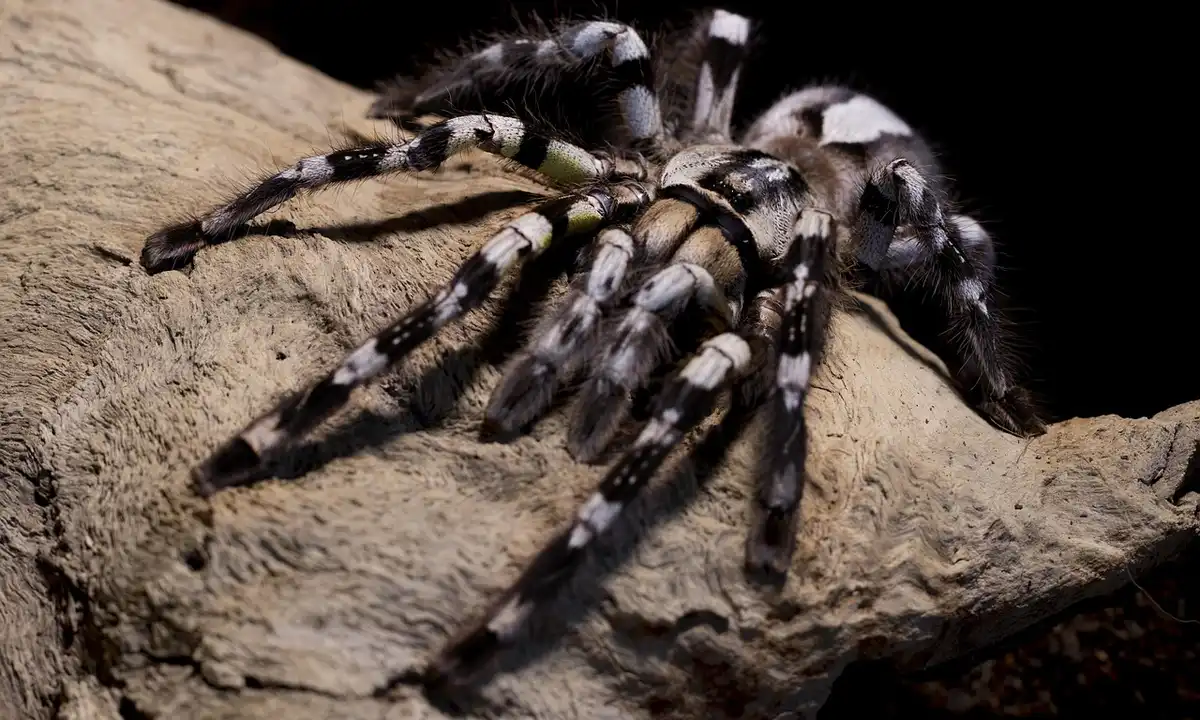
Metabolism dictates the tempo of a tarantula’s life. Fast-growing species like the Orange Babbling Tarantula (Pterinochilus murinus) are metabolic engines. My OBT, Flash, has molted three times in the past year, his bright orange expanding visibly each time. Arboreal and many African species often grow rapidly, a trait linked to their environmental pressures and life history. In stark contrast, slow-growing fossorial types like the Chilean Rose Hair (Grammostola rosea) are the epitome of patience. My Rosie might molt only once every 18 months, embodying the ‘pet rock’ persona perfectly.
Diet and Nutrition
Regular, appropriate meals fuel the enormous energetic cost of creating a new exoskeleton. A well-fed spiderling will molt on a predictable schedule. That balance defines the best diet and feeding schedule for a healthy tarantula. Keeping meals consistent and appropriately sized supports safe molts and overall health. I offer prey no larger than the tarantula’s abdomen once or twice a week for juveniles, tapering to once every week or two for adults. Resist the urge to power-feed—offering excessive food to force growth—as it can lead to fatal molting complications or a shortened lifespan. It is also completely normal for a tarantula to refuse food for weeks or months pre-molt, a fast that conserves energy for the coming task.
Temperature and Habitat
Heat acts as a metabolic accelerator. Maintaining a gradient of 75-80°F (24-27°C) for tropical species like my Goliath (Theraphosa stirmi) supports consistent growth cycles. Cooler temperatures, around 70-75°F (21-24°C), will dramatically slow a tarantula’s metabolism and molt frequency, which is fine for temperate species. Beyond temperature, stable humidity is non-negotiable for a successful shed. A dry environment can cause the new exoskeleton to stick to the old, a potentially fatal situation. My Goliath’s enclosure never dips below 80% humidity, mimicking his swampy home.
Recognizing and Supporting the Molt
Pre-Molt Signs: What to Watch For
The body broadcasts subtle signals before the great change. A keen eye notices the shift. Look for these indicators:
- The abdomen darkens and appears glossy, often turning a deep, inky blue-black on species with urticating hair patches.
- Vibrant colors fade to a dull, waxy hue, as if dust has settled on the carapace.
- Appetite vanishes entirely; a previously eager eater will ignore or threat-posture at live prey.
- Many tarantulas seal themselves within their burrows or web retreats, creating a private molting chamber.
- Activity plummets. Your once-busy spider becomes a statue, conserving every calorie.
This is the time to remove any uneaten prey and ensure the water dish is full, then step back into an observant role.
The Molting Process: A Step-by-Step Guide
When the moment arrives, the tarantula will lay a silken molting mat and flip onto its back. This posture, alarming to new keepers, is normal. The process unfolds with methodical precision:
- The spider contracts its body fluid to build hydraulic pressure, then splits the old carapace along the front.
- It slowly works the new, soft cephalothorax free, a painstaking effort that can take hours.
- Each leg and palp is extracted with deliberate, wiggling motions from the old exoskeleton.
- The abdomen finally slips out, leaving behind a perfect, fluffy molt.
- The tarantula remains on its back, resting and allowing its new exoskeleton to begin hardening.
This entire ballet can take 2-4 hours for a juvenile, but may last 12 hours or more for a large adult. Your only job during this vulnerable time is absolute non-intervention; any disturbance can cause catastrophic injury or death.
Post-Molt Care: The Critical Recovery
The fresh exoskeleton is soft and pliable, like wet parchment. The tarantula is utterly defenseless. Support recovery with these steps:
- Do not offer food for 7-14 days. The fangs, which are part of the exoskeleton, must harden from a soft red-brown to a firm black.
- Ensure a shallow water dish is accessible. Hydration is critical for completing sclerotization.
- Minimize all vibrations and disturbances. I do not open the enclosure for at least a full week.
- Check for enclosure hazards. After a molt, I always look for steep falls or sharp decor that could injure a clumsy, soft spider.
The silence of the enclosure during this period is a sign of respect for the spider’s profound physical transformation.
Species-Specific Molt Frequency Guide
| Species Common Name (Scientific) | Growth Speed | Approx. Sling/Juvenile Molt Frequency | Approx. Adult Female Molt Frequency | Notes |
|---|---|---|---|---|
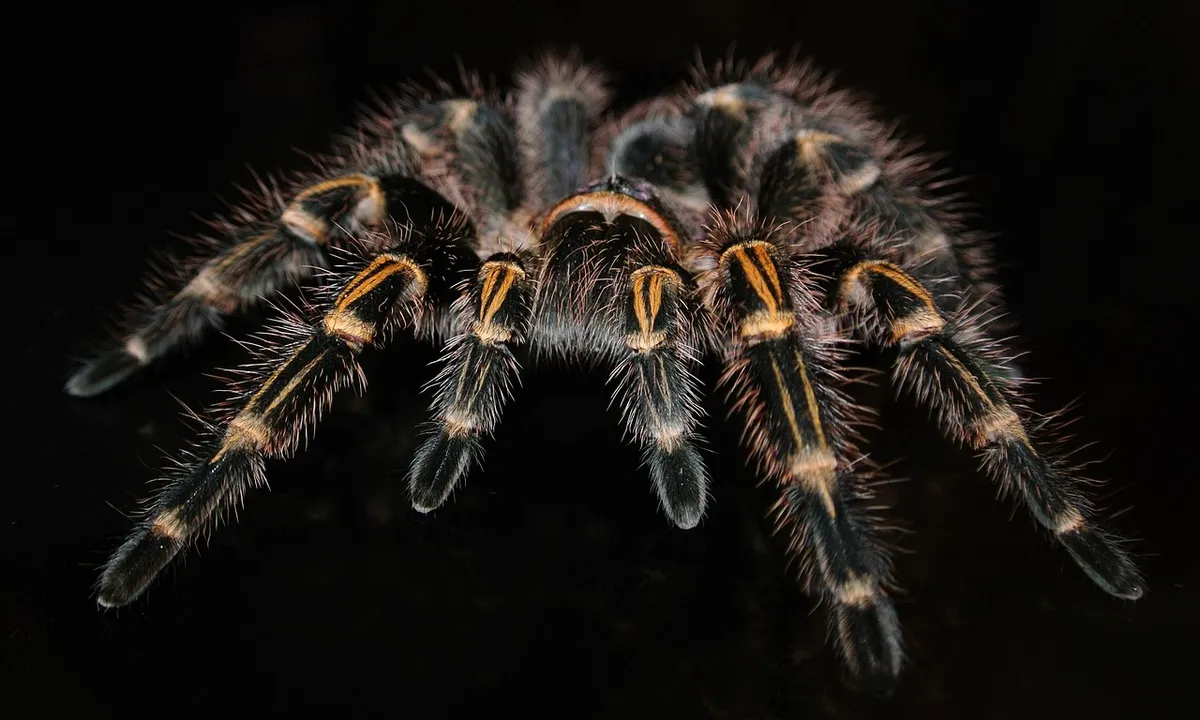
| Chilean Rose Hair (Grammostola rosea) | Very Slow | 12-24 months | 18-36+ months | Known for long fasts. Personal example: Rosie’s multi-month refusals. |
| Orange Baboon Tarantula (Pterinochilus murinus) | Very Fast | 1-3 months | 8-12 months | Rapid grower. Personal example: Flash’s frequent re-webbing. |
| Burgundy Goliath (Theraphosa stirmi) | Moderate/Fast | 4-8 months | 12-18 months | Large species, requires high humidity for successful molts. Goliath’s hair-kicking behavior noted. |
| Mexican Red Knee (Brachypelma hamorii) | Slow | 6-12 months | 12-24 months | Classic beginner species with predictable cycles. |
Chilean Rose Hair (Grammostola rosea)
These iconic tarantulas define patience in the hobby. Their glacially slow metabolism leads to incredibly long intervals between molts, especially as adults. My female Rosie has gone over three years without a molt, a period marked by total food refusal that is perfectly normal for this species. Do not panic if your rose hair seals itself away for a year or loses all interest in food. This is their rhythm. Provide a dry enclosure with a moist corner and simply wait. Their molts are monumental, quiet events followed by a stunning refresh of their dusty pink hues.
Orange Baboon Tarantula (Pterinochilus murinus)
Watching an OBT grow is observing time-lapse photography in real life. Their explosive growth rate means a sling can become a formidable juvenile in under a year. My specimen Flash seems to molt every time I look away, each cycle prompting a frantic, complete renovation of its dense silk fortress. This frequent molting is fueled by a strong feeding response. Be prepared for rapid enclosure size upgrades and always exercise extreme caution during rehousing-their speed and defensiveness are legendary. Their bright orange color deepens with each successful shed.
Burgundy Goliath (Theraphosa stirmi)
Growing one of the world’s largest spiders is a commitment measured in both space and meticulous husbandry. Their molts are high-stakes events due to their size. I maintain Goliath’s humidity above 80% at all times, using deep, damp substrate to create a microclimate that prevents fatal complications during ecdysis. You will know a molt is imminent when this often-defensive spider becomes reclusive and stops its prolific hair-kicking behavior. A successful molt results in a breathtaking, coffee-colored giant with renewed velvety texture.
Mexican Red Knee (Brachypelma hamorii)
For many keepers, this species provides the first textbook molt cycle they witness. Their growth is steady and their pre-molt signs are typically clear. A plump abdomen followed by a darkening bald patch and a loss of appetite reliably signals a molt is 4-8 weeks away. They appreciate a dry setup similar to rose hairs, but I offer a slight moisture increase for slings to ensure proper hydration. An adult female’s molt is a slow, graceful process, revealing crisp black and orange bands that look freshly painted.
FAQs
How often do tarantulas molt?
Molting frequency depends primarily on the tarantula’s age, species, and care conditions. Spiderlings can molt every few weeks, juveniles every 6-18 months, and adult females every 12-24 months or longer. Mature males have one final molt to reach adulthood and then stop molting altogether.
What are the signs a tarantula is about to molt?
Look for a darkening, glossy abdomen and faded colors, along with a complete loss of appetite. Many tarantulas become reclusive, sealing themselves in burrows or retreats, and show drastically reduced activity. These pre-molt behaviors signal that you should minimize disturbances and ensure fresh water is available. These are among the 10 key signs your tarantula is about to molt. Recognizing them in advance helps you prepare and minimize disturbances during this vulnerable period.
What should I do when my tarantula is molting?
First, ensure the enclosure is quiet and stress-free by removing any uneaten prey and filling the water dish. During the molt, absolutely do not touch or interfere with the tarantula, as this is a vulnerable process. Afterward, avoid feeding for 7-14 days until the fangs harden and maintain stable humidity for recovery. Proper post-molt care is crucial for the health of your tarantula.
What should I NOT do when my tarantula is molting?
Never attempt to handle or assist the tarantula during its molt, as this can cause fatal injuries. Avoid loud noises, vibrations, or any enclosure maintenance that might disturb it. Do not offer food immediately after the molt, and resist the urge to remove the old exoskeleton until the tarantula has moved away. Once the molt is complete and the new exoskeleton has hardened, feeding can resume. Wait 24–48 hours after molting, and ensure the tarantula is active and settled before offering prey.
Do tarantulas stop molting when they reach adulthood?
Adult female tarantulas continue to molt intermittently throughout their long lives to repair damage and maintain health. However, mature males undergo a final “ultimate molt” to develop reproductive organs and then cease molting entirely, with their lifespan focusing on mating rather than growth. In tarantulas, molting and reproduction are connected. The male’s ultimate molt marks sexual maturity and enables mating, while females can continue to molt even as they reproduce.
What are common molting problems and how are they fixed?
Stuck molts are a frequent issue, often due to low humidity, which can be prevented by maintaining species-appropriate moisture levels. If problems arise, slightly increasing humidity may help, but never manually pull at the old skin. For persistent or severe complications, seek advice from a veterinarian experienced with arachnids.
Long-Term Success
Across every life stage and species, the single most reliable predictor of a successful molt is the keeper’s ability to replicate the humidity of the tarantula’s native environment. A spider entering a molt with an incorrect moisture balance in its body and substrate faces a significant, often fatal, risk of becoming stuck in its own exoskeleton. My Goliath’s enclosure is a perpetually damp, warm corner of the room, a mimicry of the Guyana rainforest floor he evolved for. My OBT Flash’s arid cork bark fortress stays bone-dry. Their needs could not be more different, yet both principles stem from the same biological imperative.
The true reward of this hobby unfolds in the quiet moments of observation: the meticulous engineering of a new funnel web by Flash, the silent, patient excavation of a burrow by a sling. Your greatest tool is not a misting bottle or a heater, but a profound and practiced patience, allowing the spider to dictate its own rhythms, from months-long fasts to the explosive growth of a perfect molt. I’ve spent fifteen years watching Rosie, my ‘pet rock,’ and the thrill of seeing her emerge with a fresh, dusty-pink carapace after a year of stillness never fades. This is a practice of watching, not touching, of providing the stage for a wild life to express itself in the safety of your care.
Further Reading & Sources
- How Often Do Tarantulas Molt? – Laurel Veterinary Clinic
- Is Your Tarantula Molting? Why Tarantulas Molt and Signs to Watch For – Dragon’s Diet
- How to Tell if Your Tarantula Is Molting
Arlo is a lifelong arachnid enthusiast who believes tarantulas are the world’s most misunderstood roommates. With years of hands-on experience in tarantula care, habitat setup, and species behavior, Arlo combines expert knowledge with a dash of humor to make spider ownership less scary and a lot more fascinating. From choosing the right enclosure to understanding why your eight-legged buddy is doing that weird little pose again, Arlo is here to help you become the best tarantula parent you can be, without getting tangled in the web of misinformation.
Molting Process