
Tarantula Feeding Schedule & Prey Size Generator
Forget the weekly cricket drop; a tarantula’s hunger is a slow, silent rhythm dictated by species, size, and season. I’ve seen my Goliath, a hungry giant, snatch prey mid-air, while my Rosie, a true ‘pet rock,’ has ignored food for over eight months without a care. This guide cuts through the noise to give you a clear, adaptable framework for feeding. The golden rule is simple: prey should never be larger than the tarantula’s abdomen.
Quick Feeding Factors:
- Metabolism Type: Fast-growing, hungry species (like Theraphosa) vs. slow, fasting species (like Grammostola).
- Primary Habitat: Terrestrial vs. Arboreal hunting styles.
- Growth Phase: The frantic appetite of a sling versus the sporadic fasting of an adult.
This generator provides the logic to build a custom schedule, from the frantic first meals of a spiderling to the dignified, occasional feasts of a mature adult.
Your Tarantula Is Not a Dog: Why Feeding Schedules Are Flexible
Forget everything you know about feeding cats or dogs. A tarantula’s biology operates on a different scale of time and resource. These are opportunistic predators with remarkably slow metabolisms, evolved to survive long periods without food. While a mammal needs consistent daily fuel, an arachnid thrives on a feast-or-famine cycle measured in weeks or even months.
The rigid weekly feeding schedule promoted for many pets is a recipe for an overweight, stressed, or fasting spider. My 15-year-old Chilean Rose Hair, Rosie, is the perfect example. She will eagerly take a cricket one week, then refuse food entirely for the next eight. This isn’t illness; it’s a “pet rock” living life on her own profoundly slow clock.
This leads to the core principle of tarantula nutrition: feeding frequency should depend on your growth goals for the spider and its current physiological state, not a date on the calendar. You are not filling a belly; you are providing resources for growth, maintenance, or reproduction. It’s essential to understand what to feed and when to ensure your tarantula remains healthy.
The Prey Size Generator: Matching Food to Your Spider
The Golden Rule for Safe Prey Size
- Look at your tarantula’s carapace-the hard, rounded head-section of its body. The ideal prey item should be no larger than this area. A cricket or roach nymph that matches the carapace in size is a safe, manageable target.
- Oversized prey presents serious risks. A large insect can injure your tarantula with defensive kicks or bites, and the struggle can cause catastrophic falls. More often, a prey item that is too large simply causes immense stress, leading to prolonged fasting or a startled, defensive spider.
- Use this quick visual chart to match common feeder insects to tarantula size:
Prey Item Approximate Size Best For Pinhead Cricket ~2-3mm Spiderlings (sling stage) Small Cricket ~5-10mm Juvenile tarantulas Large Cricket / Small Roach Nymph ~15-20mm Medium to large juveniles, small adults Adult Roach / Superworm 25mm+ Large adult tarantulas (Theraphosa, Lasiodora)
Calculating Your Tarantula’s Feeding Needs
Instead of a fixed schedule, ask yourself these five questions every time you consider offering food. The answers will generate your spider’s personalized feeding plan.
- What is your tarantula’s life stage?
- What is your tarantula’s abdomen size?
- What is your tarantula’s species temperament?
- What is the primary prey type?
- Is your tarantula in pre-molt?
What is your tarantula’s life stage?
- Spiderlings (Slings): For rapid growth, offer prey 2-3 times per week. Their bodies are tiny engines of development.
- Juveniles: This is the “teenage” phase. Feeding once every 7-10 days supports steady growth without rushing.
- Adults: Shift to maintenance. For mature females, a large meal every 2-4 weeks is often sufficient. Mature males may eat less as they focus on wandering.
What is your tarantula’s abdomen size?
- Plump: The abdomen is rounded, often as wide or wider than the carapace. This is a sign to skip the next feeding opportunity or two. An overly fat abdomen risks a dangerous fall and makes molting difficult.
- Normal: The abdomen is a neat oval, slightly smaller than the carapace. This is the ideal “feed now” indicator.
- Lean: The abdomen appears shrunken or wrinkled. Offer appropriately sized prey immediately and monitor closely.
What is your tarantula’s species temperament?
Metabolism often matches behavior. My heavy-bodied, docile Grammostola rosea (Rosie) can go months without food. Conversely, my fast, slender Old World tarantula, Flash the OBT (P. murinus), has a much faster metabolism and will typically accept food weekly. Large, humid-loving species like my Theraphosa stirmi (Goliath) also tend to be hearty eaters when not in pre-molt.
What is the primary prey type?
- Crickets: The standard. Good hydration, decent nutrition. Gut-load them with veggies before feeding.
- Dubia Roaches: Excellent nutritional profile, less noisy, and cannot climb smooth surfaces. A superior feeder for many keepers.
- Mealworms/Superworms: Higher in fat. Best used as an occasional treat or for plumping up a lean spider. Always crush the head to prevent burrowing.
Is your tarantula in pre-molt?
This is the most critical variable. Feeding during pre-molt can be fatal. Stop all feeding if you observe:
- A darkening, shiny abdomen (new skin forming beneath).
- A pronounced bald spot (from kicking urticating hairs).
- A complete refusal of food, often for weeks.
- Heavy, mat-like webbing to create a safe molting chamber.
Once you suspect pre-molt, remove all live prey and do not offer food again until at least one week after the spider has completed its molt and its fangs have hardened. Their silence during this time is a demand for patience, not food. This aligns with the guide’s notes on pre-molt fasting and other fasts. Tailor the duration to your tarantula’s species and condition, and resume feeding only after a successful molt and adequate post-molt recovery.
Sample Feeding Schedules: From Spiderling to Adult
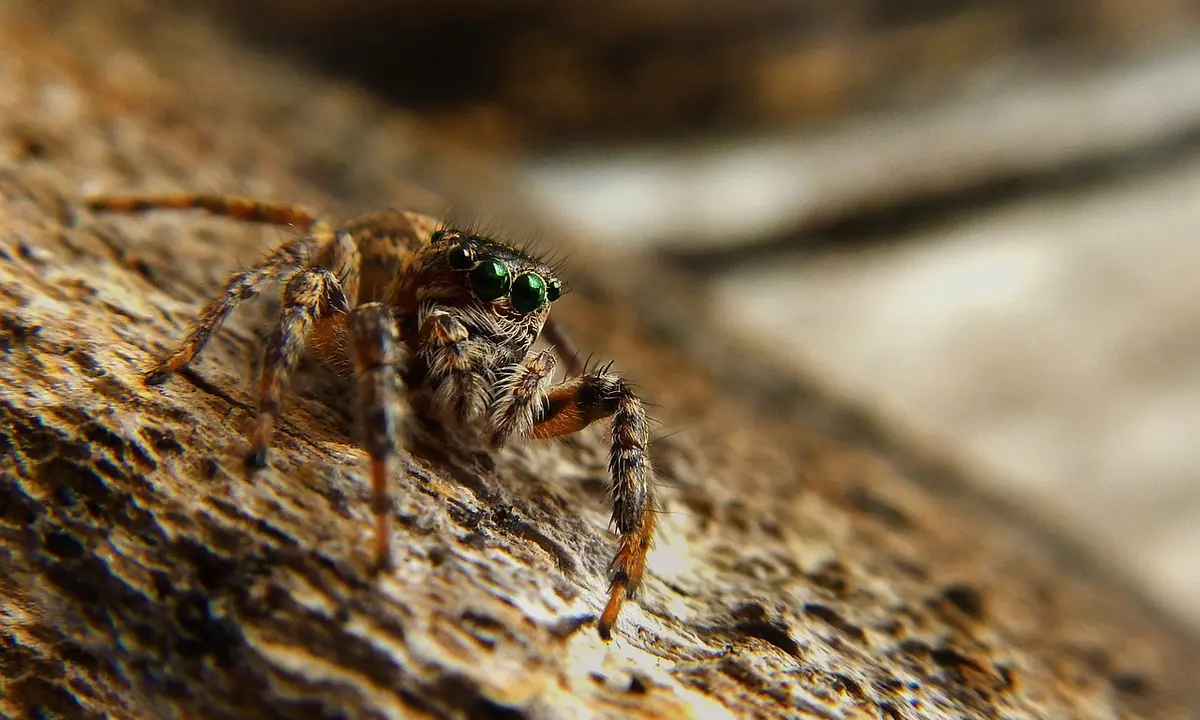
Feeding a Fast-Growing Spiderling (Sling)
- Schedule: Offer prey 2-3 times per week.
- Prey Size: Pinhead crickets, flightless fruit flies, pre-killed mealworm segments.
- Goal: Promote rapid, safe growth until the first few molts.
Spiderlings are metabolic engines, and their tiny abdomens process food quickly. I use a small, soft-tipped paintbrush to gently nudge a pre-killed mealworm bit into the sling’s burrow entrance. Their rapid growth during this phase is fueled by consistent, manageable meals that prevent injuries from overly ambitious prey.
Feeding a Juvenile Tarantula
- Schedule: Offer one appropriately-sized prey item every 5-10 days.
- Prey Size: Small to medium crickets, small roach nymphs.
- Goal: Steady growth; monitor abdomen size closely.
This is the phase where establishing a healthy feeding rhythm is critical. A juvenile’s abdomen should resemble a plump teardrop, not a stretched balloon. I adjust the schedule based on species; my fast-growing Goliath ate weekly, while others, like a future ‘pet rock,’ may already start to slow down.
Maintaining a Healthy Adult Tarantula
- Schedule: Offer one prey item every 2-4 weeks, or when the abdomen appears lean.
- Prey Size: Large cricket, adult roach, superworm.
- Goal: Weight maintenance, not obesity. Long fasting periods are normal.
Adult tarantulas, particularly mature females, have shockingly low caloric needs. My 15-year-old Grammostola rosea, Rosie, once fasted for a peaceful 14 months. An adult tarantula’s abdomen should never be so large it drags on the substrate or loses its rounded shape, as this drastically increases the risk of a fatal fall.
Live Prey Safety and Ethical Husbandry
Preparing and Offering Prey
- Always source prey from reputable suppliers to avoid pesticides.
- Gut-load feeder insects with nutritious vegetables 24 hours before feeding.
- Never leave live, uneaten prey in the enclosure for more than 24 hours; remove to prevent stress or injury to a molting tarantula.
A cricket left to roam can nibble on a vulnerable, molting tarantula. I learned this the hard way years ago with a small Avicularia sling, an error I never repeated. Gut-loading transforms your feeder from an empty shell into a genuine nutrient capsule for your spider. For tarantula sling spiderling care, feed appropriately sized prey that has been gut-loaded. With careful feeding and monitoring of molts, your spiderling can grow healthy and strong.
Handling Defensive Feeders
- For noisy or fast crickets, I chill them in the refrigerator for a minute to slow their movement before offering.
- I always pre-kill superworms for my heavy terrestrial species like Goliath; their powerful mandibles can injure a tarantula if left to burrow.
- I feed my tarantulas in the evening, with minimal enclosure disturbance, to align with their natural crepuscular rhythms.
A calm, predictable feeding routine respects the tarantula’s nature and prevents the frantic escapes that stress both keeper and animal. Dropping a prey item gently at the burrow mouth is often all that’s needed. For live prey vs pre-killed feeding, adapt the choice to your tarantula’s species and temperament — some accept pre-killed prey, while others respond best to live prey.
Troubleshooting Common Feeding Problems
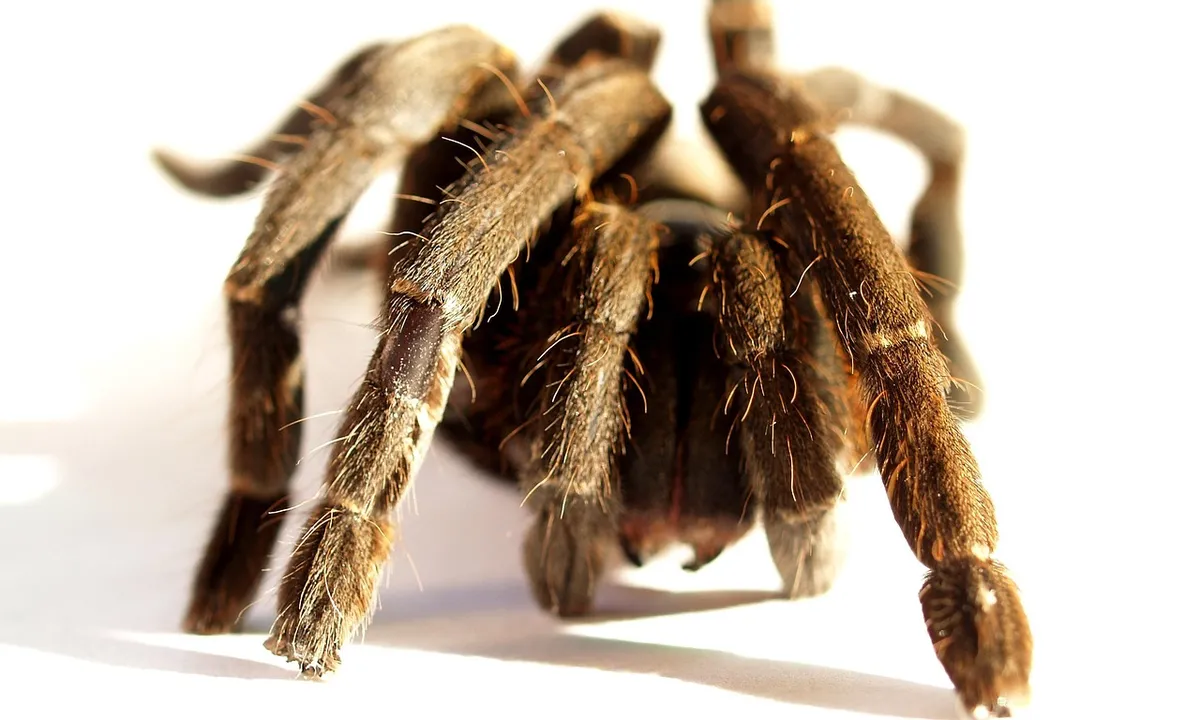
The Tarantula That Refuses to Eat
- Common reasons: It is in pre-molt (look for a dark, bald, shiny abdomen), it has recently molted, the enclosure is too cold, or it is simply on a natural fast.
- Action steps: Double-check for a pre-molt posture or a hidden molt. Ensure ambient temperatures are between 70-80°F (21-27°C). Remove the prey and try again in 5-7 days.
- My Chilean rose hair, Rosie, has perfected the art of the hunger strike. Her record fast was over 14 months, which is extreme but not unheard of for her species.
Fasting is a normal part of tarantula physiology, not a husbandry failure, provided the spider otherwise has access to water and appears healthy. Panic-feeding only creates more issues. If you’re unsure whether your tarantula is hungry or stressed, check our quick feeding-behavior guide. It explains the signs of hunger and stress and how to respond.
The Overfed Tarantula (A Dangerous Condition)
- A grossly distended abdomen risks a fatal rupture from a short fall or during the physical strain of molting.
- Immediately stop all feeding. Provide a water dish and do not offer food again until the abdomen has significantly reduced, which can take many weeks or even months.
An abdomen larger than the tarantula’s carapace is a warning sign. Obesity in tarantulas is a life-threatening condition, not a sign of good health, and requires a disciplined, extended feeding pause to correct.
When to Intervene After a Molt
- Wait until the tarantula’s fangs have fully hardened and changed from a soft, pale color back to deep black. This typically takes 7-14 days, longer for larger specimens.
- For the first meal, offer a smaller, slower prey item than usual, like a pre-killed worm or a cricket with its jumping legs removed.
- Watch for the decisive strike. A successful capture and wrap confirms the new exoskeleton, especially the crucial fangs, is fully functional.
I wait a full two weeks for my large Theraphosa stirmi, Goliath, after a molt. Rushing the first post-molt meal risks damage to their still-curing fangs, which could lead to starvation. Patience here is non-negotiable.
Common Questions
Why is my tarantula’s legspan not the best measure for prey size?
Legspan can be deceiving because a tarantula’s body (carapace and abdomen) is much smaller than its total legspan. A prey item matching the legspan would be dangerously oversized. The golden rule is to compare prey to the tarantula’s carapace (the hard head-section) or abdomen, as these are the true indicators of what it can safely subdue and consume without risk of injury.
How do I adjust the schedule between a slow species like Grammostola and a fast one like Poecilotheria?
Species temperament is a direct window into metabolism. Docile, terrestrial species like Grammostola are often slow metabolizers and may fast for months, requiring infrequent meals. Conversely, fast-moving or large, humid-loving species like Poecilotheria or Theraphosa typically have higher metabolisms and will accept food more regularly. Always pair this knowledge with abdomen size to guide your final decision.
How do I choose between crickets and dubia roaches as a primary feeder?
Crickets are a standard, hydrating option but can be noisy and may die quickly. Dubia roaches are often superior; they are more nutritious, quieter, cannot climb smooth surfaces, and generally live longer in the enclosure. For tarantulas, many keepers consider Dubia roaches: the superior feeder—more reliable nutrition and easier enclosure management than crickets. The best choice often comes down to your local availability and your personal preference for managing feeder insects.
Exactly how long after a molt should I wait to offer food?
You must wait until the tarantula’s fangs have fully hardened, turning from a soft, pale color back to a deep black. This process typically takes 7-14 days, with larger specimens needing more time. Offering food before this can damage their crucial feeding tools. The first post-molt meal should also be a smaller, slower prey item to ensure an easy catch.
How can I tell if my tarantula is in pre-molt or just refusing food for another reason?
A pre-molt tarantula will usually show specific signs: a darkening, shiny abdomen, a pronounced bald spot from kicking hairs, and heavy webbing to create a molting mat. This is one of the 10 key signs your tarantula is about to molt. Look for the rest of the signs in our 10-sign checklist. A general fast without these signs could be due to cooler temperatures, simply being full, or species-specific behavior. When in doubt, assume pre-molt, remove live prey, and wait.
The Final Arboreal Tapestry
The single most important factor for a healthy, thriving arboreal tarantula is consistent, high ambient humidity, often achieved through a combination of deep, damp substrate, a large water dish, and occasional misting of their silken retreats. Unlike terrestrial species, arboreal tarantulas require a higher level of humidity to mimic their natural environments. Do arboreal tarantulas need different humidity levels than terrestrial species?
Watch them work. A well-fed Avicularia or Psalmopoeus is an artist of architecture, spinning dense, haphazard hammocks and intricate tunnels from their spinnerets. The enclosure transforms into a living sculpture, a testament to their instinct. Your patience in providing the right meals in the right amounts fuels this silent, beautiful industry. Your role is not to direct, but to enable.
Further Reading & Sources
- How To Feed A Baby Tarantula
- How To Create A Tarantula Feeding Schedule
- Feeding a Tarantula: A Comprehensive Guide for New Tarantula Owners | Spiders Web HQ
Arlo is a lifelong arachnid enthusiast who believes tarantulas are the world’s most misunderstood roommates. With years of hands-on experience in tarantula care, habitat setup, and species behavior, Arlo combines expert knowledge with a dash of humor to make spider ownership less scary and a lot more fascinating. From choosing the right enclosure to understanding why your eight-legged buddy is doing that weird little pose again, Arlo is here to help you become the best tarantula parent you can be, without getting tangled in the web of misinformation.
Feeding Frequency