
What Type of Animal is a Tarantula? Classification and Biology Explained
The animal in your terrarium is a sophisticated, eight-legged predator belonging to the ancient and diverse order Araneae, a biological lineage far more complex than the simple “bug” label suggests. This guide explains the precise scientific classification of tarantulas, breaks down their unique anatomy, and explores the biological marvels that make them such captivating captives.
Quick Stats:
- Origin: Global (Theraphosidae family found on every continent except Antarctica).
- Type: Mygalomorph Spider (distinct from “true” spiders like widows or orb-weavers).
- Growth Rate: Highly variable by species; from rapid (2-3 years to maturity) to glacial (over a decade).
From the physics of their hydraulic leg movement to the chemistry of their silk and venom, you will learn exactly what makes a tarantula tick and how that knowledge informs respectful, species-specific care from sling to adult.
Tarantulas in the Animal Kingdom: A Clear Overview
Defining the Tarantula: Arachnid, Not Insect
Many people see eight legs and think “insect,” but tarantulas belong to the class Arachnida. Insects have six legs, three body segments, and often wings or antennae. Arachnids, like your tarantula, have eight legs and two main body parts: the cephalothorax and the abdomen.
Look closely at your tarantula during feeding time. You will see two small appendages near the mouth called pedipalps. These are used for sensing and manipulating food. Observing these details firsthand, like watching my Chilean Rose Hair Rosie slowly explore her enclosure with her pedipalps, reinforces how different arachnids are from insects.
The true mouthparts are the chelicerae, which house the fangs and venom glands. This biology is why I always advocate for a “Look, Don’t Touch” approach. Respecting their built-in tools keeps both you and the spider safe.
- Legs: Eight walking legs.
- Body Regions: Two (cephalothorax and abdomen).
- Sensory Organs: Pedipalps, not antennae.
- Defense: Urticating hairs and venom, not stingers or mandibles.
Where Tarantulas Live: Natural Habitats
Tarantulas conquer environments from searing deserts to dripping rainforests. This wild diversity directly dictates their care in your home. My Burgundy Goliath Bird Eater, Goliath, needs constant high humidity above 80%, mimicking his native South American jungle floor. Understanding the key facts and habitat requirements for the Goliath Bird Eating tarantula is crucial for proper care.
In contrast, my OBT Flash comes from arid African scrublands. His enclosure is dry with plenty of anchor points for webbing. Getting the humidity wrong is a fast track to health problems, something I learned the hard way with early molting issues in my collection.
Recreating these conditions reduces stress and allows natural behaviors. You might see your desert species dig deep burrows, while a rainforest tarantula may drink water droplets from leaves. Watching this is the reward of respectful, observation-based care.
- Desert & Scrubland: Low humidity (40-55%), deep burrows. Example: Grammostola rosea (Chilean Rose Hair).
- Rainforest: High humidity (75-85%), warm temperatures (75-80°F). Example: Theraphosa stirmi (Burgundy Goliath).
- Savanna & Grassland: Intermediate humidity, often prolific webbers. Example: Pterinochilus murinus (Orange Babbler Tarantula).
The Scientific Hierarchy: Tarantula Classification Explained
Taxonomic Levels: From Kingdom to Species
Every tarantula has a precise scientific address. This classification, or taxonomy, starts broad and gets very specific. It is the universal language for keepers and scientists. For my pet Rosie, her full classification is below.
Knowing the genus and species tells you volumes about care. I use this system daily to group species with similar needs, ensuring my humidity-loving tarantulas like Goliath are never housed like my arid-loving Flash.
| Kingdom | Animalia | All animals. |
| Phylum | Arthropoda | Animals with exoskeletons and jointed legs. |
| Class | Arachnida | Spider, scorpions, mites. |
| Order | Araneae | All spiders. |
| Suborder | Mygalomorphae | “Primitive” spiders with downward fangs. |
| Family | Theraphosidae | The true tarantulas. |
| Genus | Grammostola | A group of New World tarantulas. |
| Species | rosea | The specific Chilean Rose Hair. |
Key Groups: Mygalomorphae and Theraphosidae
The suborder Mygalomorphae includes tarantulas, trapdoor spiders, and funnel-webs. They are ancient spiders with fangs that parrallel each other and strike downward like pickaxes. This is different from most common spiders you see.
Within Mygalomorphae, the family Theraphosidae contains all true tarantulas. Housing over 1,000 species, Theraphosidae is where we find the incredible variety of size, color, and behavior that defines the hobby. My fast, defensive OBT and my slow, docile Rosie are both Theraphosids.
These biological distinctions matter for keepers. Mygalomorphs molt while lying on their backs, a vulnerable process that requires absolute peace. Witnessing the silent, slow emergence of a new spider from its old exoskeleton is a profound reminder of their fragility.
- Mygalomorphae Traits: Downward-striking fangs, two pairs of book lungs, generally long-lived.
- Theraphosidae Traits: Often large, frequently bearing urticating hairs, diverse in lifestyle (terrestrial, arboreal, fossorial).
Tarantula Biology: Anatomy and Key Systems
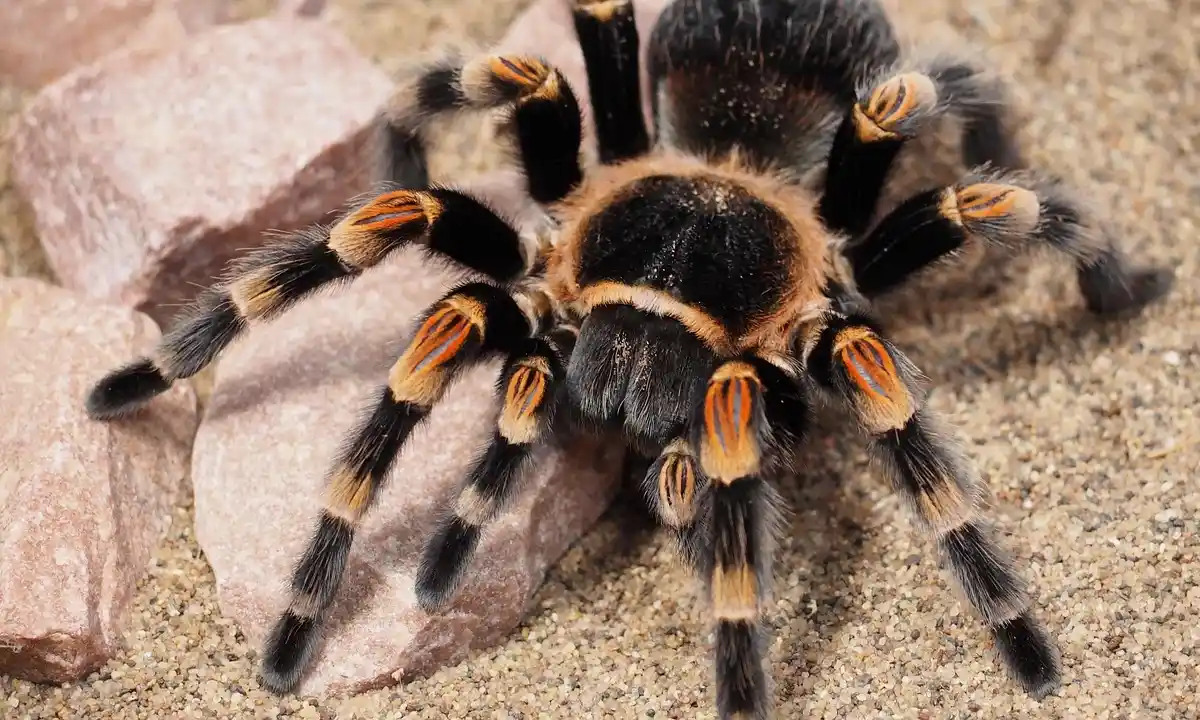
Moving beyond classification, a deep look at their body reveals why tarantulas are such resilient creatures.
Grasping this biology transforms how you manage humidity, feeding, and habitat design for a thriving pet.
External Anatomy: The Eight-Legged Frame
Every tarantula is a masterpiece of functional design, built around a two-part body plan.
Their external form directly dictates your husbandry choices, from enclosure size to decor placement.
Cephalothorax and Abdomen
The cephalothorax is the fused head and chest. It anchors all eight legs, the pedipalps, and houses the muscular driving force for movement. The softer, expansive abdomen contains vital organs and is protected by a flexible exoskeleton.
I monitor my Chilean Rose Hair Rosie’s abdomen closely; its size is a direct gauge of her feeding needs and hydration status.
These sections connect via a slender waist called the pedicel. This joint allows impressive contortion for squeezing into hides or assuming a defensive pose.
Respect this fragility during rehousing-never squeeze or pull, as a fall can rupture the abdomen.
Specialized Structures: Hairs, Fangs, and More
This is where tarantula anatomy becomes fascinatingly complex. In a Tarantula Anatomy 101 overview, we will map out the body structure—from prosoma to abdomen and limbs—to show how each part contributes to survival. Each structure serves a specific survival purpose.
- Urticating Hairs: Specialized barbed hairs on the abdomen of New World species. My Burgundy Goliath Bird Eater, aptly named Goliath, will kick a cloud of these with his hind legs when vexed, creating a potent deterrent I’ve learned to avoid.
- Chelicerae and Fangs: The chelicerae are the jaw bases. The fangs fold down like switchblades, delivering venom. They are tools for predation, not aggression, and are a core reason for our “look, don’t touch” philosophy.
- Pedipalps: These look like a short pair of legs near the mouth. They taste, manipulate food, and in mature males, store sperm for mating.
- Spinnerets: Finger-like appendages at the abdomen’s tip that weave silk. My OBT Flash uses his to lay down dense mats of webbing, turning his entire enclosure into a sticky, orange early-warning system.
Internal Biology: How Tarantulas Function
Inside that hairy exterior, systems operate with elegant simplicity. Their biology demands specific environmental stability from you.
When internal processes go wrong, often due to poor husbandry, the results are usually fatal and swift.
Respiration occurs via book lungs-stacked, leaf-like plates in the abdomen that absorb oxygen from the air. This is why stagnant, overly wet substrate can suffocate them; they need moisture in the air, not waterlogged ground.
They have an open circulatory system. A simple heart in the abdomen pumps hemolymph (their version of blood) through the body cavity, bathing organs directly. This fluid pressure is critical during molting, helping to split the old exoskeleton and expand the new one.
Digestion begins externally. Venom and enzymes turn prey into a soup, which the tarantula sucks up. The leftover bolus of undigested parts is often the only cleanup you’ll need to do.
I feed my tarantulas pre-killed prey to reduce stress and risk of injury, a practice that mirrors their natural, cautious feeding style.
Their nervous system is decentralized. Ganglia, or nerve bundles, control each leg segment. This allows for remarkable autonomy; a lost leg can still twitch reflexively.
- Molting (Ecdysis): The process of shedding the exoskeleton to grow. Provide a humidity spike and zero disturbance-I darken the room and don’t even offer food for a week after Rosie finishes.
- Hydration: They drink water from a dish and absorb ambient humidity. A shallow, clean water bowl is non-negotiable for all species.
- Waste Removal: They excrete a white paste called urates. Its presence is normal and a sign of a functioning digestive tract.
How Biology Shapes Tarantula Behavior and Care
Every quirk you observe in your tarantula’s enclosure is a direct expression of its ancient biology. Their instincts are not random; they are a precise survival manual written over 120 million years. From selecting the perfect spot to digging burrows, each behavior serves a purpose.
Molting: The Critical Growth Cycle
Molting, or ecdysis, is the most vulnerable and fascinating process in a tarantula’s life. It is not simply shedding skin; it is a complete physiological reboot. A new, larger exoskeleton forms beneath the old one. The tarantula often stops eating for weeks or months, as its mouthparts are sealed. You will know a molt is imminent when the abdomen darkens and the carapace takes on a waxy, dull appearance.
My 15-year-old G. rosea, Rosie, once fasted for 14 months before a successful molt. The patience required can test any keeper.
Your Role During the Molt
- Do Not Disturb: Any stress can be fatal. Do not offer food or attempt to handle.
- Ensure Humidity: A slight increase in moisture aids the process. My T. stirmi, Goliath, needs near 80% humidity to shed his massive frame safely.
- Post-Molt Care: Leave the spent exoskeleton for a day-they may consume it for nutrients. Do not feed until the fangs harden, typically 7-14 days post-molt.
Defense Mechanisms: Venom and Urticating Hairs
Tarantulas are not aggressive, but they are masters of defense. Understanding their tools is key to respectful, safe care. Unpacking this common misconception—that tarantulas are aggressive—helps explain how they actually respond to threats. Most tarantulas will retreat or display a defensive posture when threatened, rather than seek confrontation.
Venom: All tarantulas possess venom to subdue prey. For most species, like my G. rosea, the effect on humans is comparable to a bee sting. However, species like my P. murinus, the OBT, possess venom with more potent effects, making a “look, don’t touch” policy non-negotiable. A bite is a last resort, preceded by clear threat postures. Most bites occur when the tarantula feels threatened or mishandled, so understanding triggers is key to prevention. To prevent bites, avoid handling, give the tarantula space, and observe signs of agitation.
Urticating Hairs: New World tarantulas have a unique weapon: barbed hairs on their abdomen. When threatened, they kick a cloud of these hairs with their back legs. The hairs cause intense itching and rashes on skin and can damage eyes or lungs. My T. stirmi, Goliath, kicks hairs so readily I must wear gloves and a mask during cage maintenance. This biology dictates how we interact–always from a respectful distance. It’s important to understand the real risks of tarantula urticating hairs before handling any of these creatures.
Activity Patterns: Nocturnal and Reclusive Traits
The silence of a tarantula enclosure during the day is not emptiness. It is a predator conserving energy. Most tarantulas are obligate burrowers or hide dwellers, emerging only under the cloak of darkness. Your tarantula’s reclusive nature is a sign of welfare, not boredom; a constantly roaming tarantula is often a stressed one.
This biology shapes husbandry:
- Provide Deep Substrate: For burrowers like my OBT, Flash, I provide 8-10 inches of packed soil. His intricate tunnel network is a sign of contentment.
- Respect the Schedule: Offer food in the evening. Observe with red light to avoid disruption.
- Understand Fasting: Adults, particularly females, can fast for extraordinary periods. My Rosie’s fasts are legendary, a normal biological pause, not a cause for alarm.
Watching my OBT’s sudden, precise strike under moonlight, or finding my G. rosea having silently rearranged her entire burrow by dawn, are the rewards of respecting their innate, biological clocks.
Selecting a Pet Tarantula: Species Based on Classification
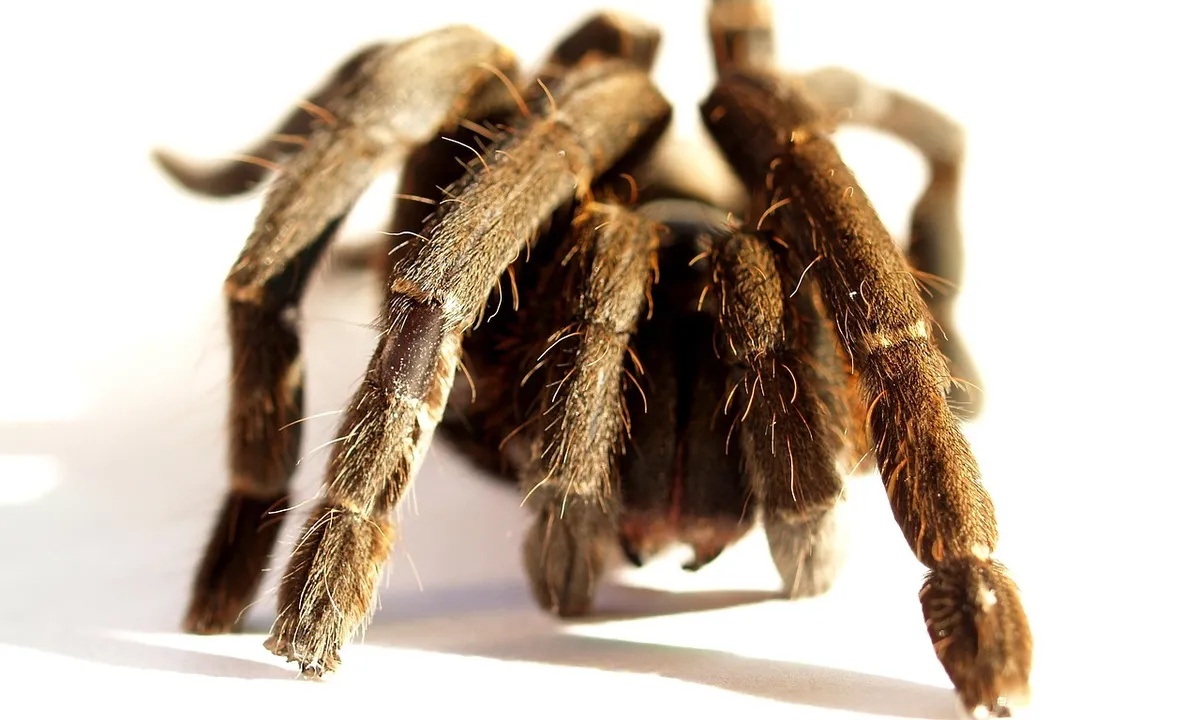
Think of a tarantula’s genus as its family name, revealing its deepest instincts. This classification dictates its humidity needs, its burrowing habits, and its defensive temperament. Choosing your first tarantula by matching its genus traits to your preparation level is the single most important decision for a successful start. My own collection, from the stoic Rosie to the fiery Flash, is a living lesson in these genetic blueprints.
Popular Pet Genera and Their Traits
Within the Theraphosidae family, several genera have become hobby staples. Each group shares a common care profile and behavioral temperament.
- Grammostola (e.g., Chilean Rose Hair): These are the classic “beginner” tarantulas. They are typically slow-moving, tolerate a range of conditions, and are often long-lived. My G. rosea, Rosie, exemplifies this: she’s a fifteen-year-old “pet rock” whose dusty pink hue has faded little with time. Their notorious fasting periods, where they may refuse food for months, are normal but require a keeper’s patience.
- Brachypelma and Tliltocatl (e.g., Mexican Red Knee, Curly Hair): These New World terrestrials are famous for their vivid colors and generally docile natures. They are prone to flicking urticating hairs if provoked. They thrive on dry substrate with a water dish and a occasional corner moistened.
- Caribena (e.g., Antilles Pink Toe): An arboreal genus from the New World. They are agile, fast, and need vertical space with cork bark and foliage. They build elaborate silken retreats and drink from water droplets on enclosure walls, making good ventilation critical.
- Theraphosa (e.g., Goliath Bird Eater): These are the giants. My T. stirmi, Goliath, requires constant high humidity (80-85%) and deep, damp substrate to prevent fatal dehydration. Their urticating hairs are exceptionally potent, and their feeding response is a powerful, startling event.
- Pterinochilus (e.g., OBT – Orange Babbler Tarantula): This Old World genus, like my spider Flash, is for experienced keepers. They possess potent venom, incredible speed, and a defensive reputation. They encapsulate their entire world in dense, orange webbing, turning their enclosure into a silent, beautiful fortress.
Matching Species to Keeper Experience
Honest self-assessment prevents stress for both you and the animal. Start with predictability; graduate to project animals.
For Beginners: The Predictable Personalities
Choose New World terrestrial genera. Their slower pace, easier housing requirements, and less medically significant venom provide a forgiving learning curve. Your focus should be mastering basic husbandry: maintaining stable moisture gradients and recognizing pre-molt signs without the pressure of a lightning-fast escape artist.
For Intermediate Keepers: Adding Complexity
This tier includes heavy hair-flickers like Theraphosa, delicate aviculariine arboreals, or prolific burrowers like some African species. These spiders demand precise humidity control, specialized enclosure builds, or offer a greater defensive challenge, rewarding careful study with fascinating biological displays. My Goliath’s humidity management is a daily, non-negotiable task.
For Advanced Keepers: The Responsive Projects
Old World tarantulas from genera like Pterinochilus, Heteroscodra, or Poecilotheria fall here. Their care is not necessarily harder, but their speed and venom require flawless, confident technique. Every interaction, from feeding to rehousing, must be planned with zero room for error. Flash’s last rehousing was a well-choreographed operation using long tools and multiple catch cups.
| Experience Level | Genera Examples | Key Husbandry Focus |
|---|---|---|
| Beginner | Grammostola, Brachypelma, Tliltocatl | Dry substrate, ambient humidity, recognizing fasting & molt cycles |
| Intermediate | Theraphosa, Caribena, Chromatopelma | Precise humidity/ventilation balance, specialized enclosure design |
| Advanced | Pterinochilus, Poecilotheria, Heteroscodra | Secure locking enclosures, defensive behavior management, safe rehousing protocols |
Your choice defines your daily routine. A beginner species teaches you the language of tarantula behavior. An advanced species demands you already speak it fluently. There is no shame in starting simple; the depth of wonder in even a “pet rock” like Rosie is infinite when you learn to observe properly.
Practical Tarantula Care: Applying Biological Knowledge
Knowing what a tarantula is biologically is the first step. Respecting that biology in your care routine is the true art. Every choice you make should answer a simple question: does this support the spider’s innate, millions-of-years-old programming?
Enclosure Setup: Mimicking Natural Biology
Your tarantula’s enclosure is its entire world. We must build a world that feels like home. That means understanding its niche—was it a burrower, an arboreal hunter, or a moisture-dependent forest dweller? The difference between a content tarantula and a stressed one often comes down to how accurately its enclosure replicates key features of its evolutionary habitat. Essential features differ for terrestrial versus arboreal tarantulas. Terrestrial species benefit from a broad, secure floor with deeper substrate for burrowing, while arboreal species need vertical space and sturdy branches for climbing.
Consider my three spiders. My Chilean Rose Hair, Rosie, comes from arid scrubland. She gets a shallow water dish and dry substrate, with a hide to simulate a rocky crevice. My Burgundy Goliath, however, hails from humid rainforest floors. His enclosure has deep, damp substrate to burrow into and maintain the 75-80% humidity his book lungs require. My OBT, Flash, is an obligate burrower from arid regions; he gets a deep, dry substrate column to construct his silken fortress.
Key setup principles derived from biology:
- Substrate Depth and Type: Fossorial species need substrate depth 1.5 times their leg span. A moisture-retentive mix like coconut fiber or topsoil is vital for tropical species, while arid types do well with a drier, sand-soil blend.
- Vertical Space vs. Floor Space: Arboreal tarantulas (like many in the Avicularia genus) need tall enclosures with cork bark to climb. Terrestrial species need more floor area and minimal fall distance to prevent abdominal rupture.
- Clutter and Security: An open cage is a terrifying, exposed plain. Provide cork bark hides, fake plants, or leaf litter. This offers anchor points for webbing and crucial security, reducing stress dramatically.
Diet and Feeding: Carnivorous Needs
Tarantulas are opportunistic predators, not grazers. Their biology is built for the feast-or-famine cycle. In my experience, this is where new keepers most often misstep, offering food too frequently. A tarantula’s metabolism is incredibly slow; overfeeding can lead to obesity and a dangerously distended abdomen, which is prone to rupture from a short fall.
I feed my adult tarantulas one appropriately-sized insect per week, at most. “Appropriately-sized” means the prey item is no larger than the spider’s carapace. For my juvenile Goliath, that’s a large cockroach. For Rosie, a cricket. I often remove uneaten prey after 24 hours to prevent it from bothering or injuring a spider that may be entering a pre-molt fast.
Pre-killing larger prey like adult dubia roaches is a kindness, preventing injury to your tarantula. Watch the strike-it’s a breathtaking, silent explosion of motion. The pedipalps pin the prey as the fangs deliver the venomous cocktail that begins digesting the meal from the inside out.
Remember: A tarantula refusing food for weeks or even months is not starving; it is simply being a tarantula. My Rosie has gone on eight-month fasts without losing significant body mass.
Health and Monitoring: Watching Biology in Action
You monitor health by observing natural biological processes, not by handling. The most critical event is ecdysis-the molt. In the days or weeks prior, your tarantula will likely refuse food, become lethargic, and its abdomen may darken. Many species, like my OBT, will seal themselves in a web mat or burrow. This is the most vulnerable time in a tarantula’s life; any disturbance can lead to fatal complications, so increased humidity and absolute peace are mandatory.
Post-molt, the spider is soft and defenseless. Do not feed until its fangs have hardened (typically 7-10 days), indicated by a dark, glossy black color. The discarded exoskeleton is a treasure trove of data. You can confirm sex by examining the inside of the abdomen for spermathecae (female) or lack thereof.
Other health indicators are behavioral:
- Chronic Stress: Constant climbing on the glass, frantic pacing, or throwing up threat poses at minor disturbances. This signals an unsuitable enclosure-perhaps it’s too small, too bare, or has incorrect humidity.
- Hydration: A shrunken, wrinkled abdomen can indicate severe dehydration. Providing a water dish, and for arboreal species, gently misting webbing, is critical.
- Injury: A ruptured abdomen from a fall will leak hemolymph (blood). While serious, applying a tiny amount of cornstarch or sterile gauze to the site can sometimes clot the wound. Prevention through safe enclosures is infinitely better.
Your primary tool is quiet observation. Learn the rhythms of your animal. The goal is not interaction, but to provide a space where its biology can unfold without obstacle. When you do, you’ll be rewarded with the profound sight of a perfect, ancient creature simply being itself.
FAQs
How does a tarantula’s scientific classification directly inform its care?
A tarantula’s classification, especially its genus and species, is a direct care sheet written by evolution. Knowing a tarantula is from the arid-dwelling genus Grammostola versus the humidity-dependent genus Theraphosa tells you everything about required substrate moisture and ventilation. This biological blueprint dictates its ideal temperature, activity level, and even defensive strategies, allowing you to create a habitat where it can thrive naturally. In a tarantula species identification care guide, this blueprint is translated into practical care steps, helping you verify species and apply species-specific husbandry from day one. Correct species identification is the first essential step toward reliable, tailored care.
What is the difference between “Mygalomorphae” and other spiders, and why does it matter for keeping one?
Mygalomorphae, the suborder containing tarantulas, are “primitive” spiders with downward-striking fangs and two pairs of book lungs. This differs from most common spiders (Araneomorphae) which have pincer-like fangs. For a keeper, this means your tarantula will molt while lying on its back in a very vulnerable state, requiring absolute peace. Their physiology also makes them generally slower-moving and longer-lived than many other spider types.
Why is the “Family” level (Theraphosidae) important for a pet owner to know?
All true pet tarantulas belong to the family Theraphosidae. This shared family means they all possess the key biological traits that define our care approach, such as molting via ecdysis and being obligate carnivores. However, this family is incredibly diverse, containing over 1,000 species with different needs. Recognizing your pet is a Theraphosid is the starting point, but you must drill down to its specific genus and species for correct care.
How does knowing if a tarantula is “New World” or “Old World” impact safety and housing?
“New World” (Americas) and “Old World” (Africa, Asia, Australia) refer to the geographical and evolutionary history tied to their classification. This is crucial for safety: New World tarantulas primarily defend themselves with irritating urticating hairs, while Old World species lack these and rely on more potent venom and exceptional speed. This biological fact dictates handling protocols, enclosure security, and the keeper’s required experience level. These distinctions highlight the key differences between Old World and New World tarantulas. Understanding that New World species rely on urticating hairs for defense while Old World species depend on venom and speed helps explain their contrasting care requirements.
What does a “terrestrial” versus “arboreal” classification mean for enclosure setup?
These terms describe a tarantula’s natural niche within its ecosystem, a key aspect of its biological niche. A terrestrial (ground-dwelling) species from a dry genus like Brachypelma needs more horizontal space with shallow substrate and a hide. An arboreal (tree-dwelling) species from a genus like Caribena requires a tall enclosure with vertical cork bark for climbing and webbing. Matching the enclosure to this biological imperative reduces stress and allows for natural behaviors.
The Final Molt: A Long-Term Commitment
From classification to care, understanding a tarantula’s true nature reshapes your entire approach. The single most vital parameter for any tarantula is not heat or humidity, but respect for its fragility and its need for a secure, stable environment free from vibrations and unnecessary disturbance. Your care should be a quiet, background process. For advanced keepers, proper care of rare tarantula species means researching species-specific needs and maintaining a strict, low-disturbance routine. Ethical sourcing and close observation are also key to their long-term well-being.
True success is measured in subtle shifts. It is the silent, patient observation of Rosie refusing food for eight months, trusting her instincts over your schedule. It is the satisfaction of seeing Goliath’s enclosure maintain perfect humidity, evidenced by his deep burrow. It is the awe of watching Flash transform her space into a labyrinth of orange silk. Patience is not just a virtue here; it is the primary tool of the arachnoculturist, revealing a world of intricate behavior invisible to the hurried eye.
Further Reading & Sources
- Tarantula – Wikipedia
- ADW: Lycosa tarantula: CLASSIFICATION
- A slightly in-depth guide to tarantula anatomy and taxonomic terms | Tarantula Forum
Arlo is a lifelong arachnid enthusiast who believes tarantulas are the world’s most misunderstood roommates. With years of hands-on experience in tarantula care, habitat setup, and species behavior, Arlo combines expert knowledge with a dash of humor to make spider ownership less scary and a lot more fascinating. From choosing the right enclosure to understanding why your eight-legged buddy is doing that weird little pose again, Arlo is here to help you become the best tarantula parent you can be, without getting tangled in the web of misinformation.
Popular Species