
Which Tarantula Species Are Considered the Most Venomous and Deadliest?
The idea of a ‘deadly’ tarantula is more a product of fear than fact, with truly medically significant venom being rare in this family. This article separates sensationalism from science, pinpointing the species with the most potent venom and explaining the real, manageable risks they present. While a bite from the species discussed here is a serious medical event requiring attention, no tarantula has a documented, reliable fatality on its record.
- Quick Stats:
- Primary Venom Sources: Old World tarantulas from Africa and Asia, where evolution favored potent venom over urticating hairs.
- Common Trait: Defensive, fast-moving species that prefer flight or fight over passive posturing.
- Keeper Risk Profile: Highest for those who ignore the ‘Look, Don’t Touch’ rule, leading to defensive bites.
Drawing from my own rehousing experiences with species like my OBT, Flash, this guide will detail the specific tarantulas that command utmost respect and precise handling protocols.
Understanding Tarantula Venom: Potency and Purpose
Tarantula venom is a topic wrapped in myth. The reality is more precise. Venom is a biological tool. Its potency varies wildly across over 1,000 species. For keepers, understanding this tool fosters respect. It reinforces why we watch instead of touch.
What is Tarantula Venom Made Of?
Think of venom as a specialized cocktail. It is primarily a mix of proteins, peptides, and enzymes. These components work together to disrupt a prey’s nervous system or cellular functions. The exact recipe differs by species and even by individual. Tarantula venom is a complex mixture designed for efficiency, not malice.
From a keeper’s perspective, the chemistry matters. More potent venoms often contain neurotoxins. These can cause intense pain, muscle cramps, or nausea in humans. My OBT, Flash, produces venom with such compounds. I have never been bitten, but I treat every rehousing with the silence and focus it demands.
- Primary Components: Peptides (small proteins) that target ion channels, enzymes that break down tissues.
- Variable Potency: Old World species often have more complex venom profiles than New World relatives.
- Research Value: Some venom compounds are studied for human medical applications, like pain relief.
Why Venom Isn’t Just for Defense
Many assume venom is purely for protection. That is a secondary function. Its main role is predation. Venom quickly immobilizes and pre-digests prey. This conserves the tarantula’s energy. A defensive bite is a costly last resort. Venom’s primary job is to turn live prey into a manageable meal, a fact that changes how we view their defensive strikes.
I see this with my Burgundy Goliath, Goliath. While she relies on her urticating hairs for defense, her venom is crucial for subduing large crickets. The strike is sudden. The venom acts fast. This duality is key. When we provide proper prey and minimize stress, we reduce the need for defensive venom use.
- Prey Subduction: Venom paralyzes insects, allowing for safe consumption.
- Pre-Digestion: Enzymes begin breaking down internal tissues of the prey.
- Defensive Measure: Used only when threatened, as a significant metabolic investment.
The Most Venomous Tarantula Species: A Global List
Potency is relative. “Most venomous” refers to venom with the most significant potential effects on humans. No tarantula venom is considered lethal to a healthy adult. Effects range from localized pain to systemic illness lasting days. This list is based on scientific reports and keeper experiences.
Old World Powerhouses: Poecilotheria and Beyond
Old World tarantulas, from Africa and Asia, lack urticating hairs. They often compensate with potent venom and rapid, defensive behavior. Old World tarantulas, lacking urticating hairs, often rely on more potent venom and aggressive behavior for defense.
- Poecilotheria genus (Ornamental Tarantulas): Species like P. regalis and P. metallica have venom reported to cause severe muscle cramps, headaches, and burning pain for weeks in some cases.
- Pterinochilus murinus (Orange Babbler Tarantula/OBT): My spider, Flash, represents this group. Their venom can cause intense local pain, swelling, and sweating. Their speed makes any enclosure interaction a calculated risk.
- Haplopelma genus (Asian Fossorials): Species like H. lividum (Cobalt Blue) possess venom known for causing painful, long-lasting effects.
I keep Flash in a heavily web-filled enclosure. I use long tools for maintenance. This respects her space and avoids a defensive encounter. The iridescent sheen of her carapace is beauty enough from a distance.
Are There Dangerous New World Tarantulas?
New World tarantulas, from the Americas, are famous for their urticating hairs. Their venom is generally less potent to humans. But there are exceptions. While New World tarantulas pack less punch in their venom, their urticating hairs present a different kind of risk that requires equal respect.
The term “dangerous” here means capable of causing notable medical symptoms. Some New World genera have venom that can cause significant pain and discomfort.
- Psalmopoeus genus: Species like P. cambridgei (Trinidad Chevron) have venom that some report to be unusually potent for a New World tarantula, causing intense throbbing pain.
- Tapinauchenius genus: Similar to Psalmopoeus, their venom can produce strong local reactions.
- Phormictopus genus: Some keepers report painful bites from these Caribbean tarantulas.
My Chilean Rose, Rosie, is a classic example of a low-venom New World species. Her bite would likely be akin to a bee sting. This contrast within the New World is fascinating. It reminds us that broad categories have outliers.
Geographic Hotspots for Potent Venom
Venom potency often correlates with environment and evolutionary pressure. Regions with high predator diversity often foster tarantulas with more potent venom, a natural arms race played out over millennia.
| Region | Example Genera | Environmental Pressure |
|---|---|---|
| South Asia (India, Sri Lanka) | Poecilotheria | Dense forests with numerous predators and competitors. |
| Sub-Saharan Africa | Pterinochilus, Ceratogyrus, Heteroscodra | Open savannas and scrublands requiring fast, effective prey dispatch. |
| Southeast Asia | Haplopelma, Cyriopagopus | Humid, competitive rainforest ecosystems. |
These hotspots remind us that tarantula venom is a refined product of evolution. Keeping species from these areas requires extra diligence in enclosure security and handling protocols. An escape is not just an inconvenience. It is a potential hazard for the spider and the household.
Venom Toxicity: Medical Significance of a Bite
What Makes a Bite “Medically Significant”?
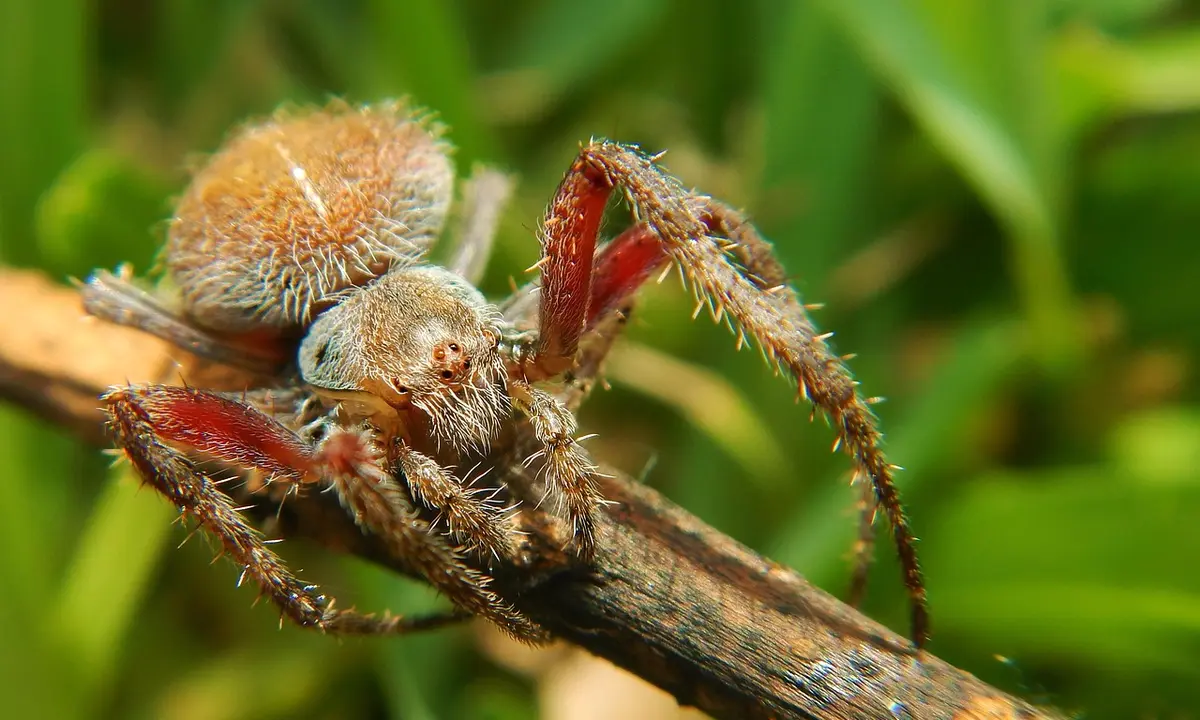
In tarantula care, a “medically significant” bite means the venom can cause systemic symptoms severe enough to require professional medical attention. This designation moves beyond local pain and swelling to include effects that disrupt normal body functions. For most tarantulas, a bite is akin to a bee sting – unpleasant but manageable. Pain levels can range from a brief sting to more persistent discomfort, and early symptoms like redness, swelling, or tingling can hint at how serious a bite may be. Understanding these pain levels and symptoms helps owners decide when to monitor versus seek medical care.
The potency hinges on venom composition, specifically peptides that target nerve cells or muscle tissue. I approach species with this reputation, like some Old World tarantulas, with heightened caution during enclosure maintenance. Their venom can interfere with ion channels, leading to sustained muscle contractions or cardiovascular changes.
Compare this to my fifteen-year-old Chilean Rose Hair, Rosie. A bite from her would likely result in minor, transient irritation, not a trip to the clinic. The medical significance is not about lethality but the potential for a complex, painful reaction that demands monitoring.
Documented Effects and Symptom Timeline
Bites from tarantulas like the Ornamental Baboon (Pterinochilus spp.) follow a documented progression of symptoms. Recognizing this timeline is vital for any keeper to assess urgency and communicate effectively with healthcare providers. Reactions vary by individual, but patterns emerge from case studies.
| Phase | Typical Symptoms | Duration & Notes |
|---|---|---|
| Immediate | Intense burning pain, puncture marks, localized redness | 0-2 hours. Pain often described as sharper than a wasp sting. |
| Early Systemic | Radiating pain, muscle spasms in limbs or abdomen, headache, nausea | 2-12 hours. Sweating and mild fever may occur. |
| Peak | Severe, cramping pain, possible vomiting, restlessness, elevated heart rate | 12-48 hours. This is when medical evaluation is most common. |
| Resolution | Cramps subside, pain localizes to bite site, itching begins | 3-7 days. Full recovery is typical with supportive care. |
I structure my husbandry to avoid such encounters entirely. Strong reactions are rare, but knowing the sequence empowers responsible keepers. Always disclose the species name, if known, to medical personnel.
Key symptoms to watch for include:
- Throbbing pain that spreads from the bite site
- Involuntary muscle twitching or tightening
- Generalized headache or nausea
- Profuse sweating without physical exertion
Old World vs. New World: A Venom and Behavior Divide
Evolutionary Adaptations and Venom Profiles
The geographic split between Old World (Africa, Asia, Europe) and New World (the Americas) tarantulas forged two distinct survival blueprints. Old World species evolved without urticating hairs, pressuring them to develop more potent venom and rapid aggression for defense. Their venom cocktails often feature neurotoxic components for quicker prey immobilization. In contrast, New World tarantulas typically rely on urticating hairs for defense and often have less potent venom. These differences illustrate the key contrasts between Old World and New World tarantulas.
New World tarantulas, like my Burgundy Goliath Bird Eater (Theraphosa stirmi), co-evolved with mammals that fear the irritating hairs they can kick. This remarkable adaptation allowed their venom to remain less complex and generally less impactful on humans. Their primary weapon is a cloud of barbed hairs, not their fangs. Predators, including birds and tarantula hawk wasps, continually threaten tarantulas and shape their behavior. This predator pressure helps drive their reliance on defensive hairs and burrowing habits.
This evolutionary trade-off is clear in venom profiles. Old World venoms are tools for immediate threat neutralization, while New World venoms are often tailored for subduing insect prey with less metabolic cost. Understanding this history shapes how we house and interact with them.
The Defensive Spectrum: Speed, Hair, and Fangs
Defensive behavior in tarantulas is a spectrum defined by speed, available weapons, and innate temperament. Observing these traits without interference is the core of respectful, safe hobbyism. My own collection showcases this range vividly—from docile to defensive types.
Old World tarantulas, like my OBT (Pterinochilus murinus) Flash, rely on explosive speed and a defensive posture. When Flash feels threatened, she adopts a raised stance and can strike with blurring quickness, preferring flight or fight over hair-flicking. Rehousing her is a deliberate dance of using long tools and keeping hands far from the enclosure.
New World tarantulas typically employ urticating hairs as a first line of defense. My Goliath will readily kick a volley of these irritating hairs when spooked, creating a deterrent that affects skin and mucous membranes. This behavior, while messy, is often a warning sign to back off before a bite is considered. Understanding the real risks helps people handle them more safely. Most exposures cause only mild irritation, but eyes and airways can react more severely in some individuals.
Contrast these active defenses with my docile G. rosea, Rosie, who might simply freeze. The “pet rock” demeanor of some New World species is a reminder that generalities have exceptions. Always assess each spider as an individual.
Essential defensive comparisons:
- Old World: High speed, potent venom, defensive threat postures, minimal hair-flicking.
- New World: Primary use of urticating hairs, generally slower movement, more variable temperaments.
This is why I firmly advocate for a “Look, Don’t Touch” philosophy. Minimizing handling reduces stress for the animal and virtually eliminates the risk of a medically significant bite for you. A calm tarantula in a well-designed bioactive enclosure is a thriving one.
Safety Protocols for the Venomous Tarantula Keeper
The “Look, Don’t Touch” Mandate
Keeping species like the Old World tarantulas requires a mindset shift. You are a curator, not a handler. My OBT, Flash, taught me this the first time I saw her teleport across her enclosure, a blur of orange with fangs bared. That silent, explosive speed is why I advocate for “look, don’t touch” as a core ethic. Handling induces immense stress for the animal and offers you zero benefit, only risk. My 15-year-old rose hair, Rosie, might tolerate a brief crawl, but with potent species, it is an unnecessary gamble. The goal is harmonious observation, not interaction.
Respect their space. A tarantula’s enclosure is its entire world. Every unnecessary intrusion, especially with fast, defensive species, chips away at their sense of security and increases the chance of a defensive bite or a panicked escape. There is a common myth about holding tarantulas that suggests it is a sign of affection, but tarantulas don’t bond through touch. Frequent handling can cause stress and disrupt their sense of safety. I find more joy in watching Flash expertly weave her silken tunnels than I ever would in holding her. The relationship is built on providing excellent care and appreciating their natural behaviors from a respectful distance.
Essential Gear for Risk Reduction
Proper tools transform a risky task into a routine, safe procedure. I never open Flash’s enclosure without this kit within arm’s reach. Using the right gear is not a sign of fear, but a demonstration of respect for the animal’s capabilities and your own well-being.
- Long, Soft-Tipped Tongs: For feeding and gently guiding movement. Mine are 12 inches long, keeping my hands far from fangs.
- Soft Paintbrushes: Perfect for coaxing a tarantula without harm. I use a small brush to guide my Goliath during enclosure checks.
- Clear, Plastic Catch Cups: Various sizes are vital for safe rehousing. I’ve used them to contain Flash during an unexpected bolt.
- Thick, Arm-Length Gloves: While not puncture-proof, they protect from urticating hairs kicked by my T. stirmi, Goliath.
- Eye Protection: Safety glasses are non-negotiable when working with heavy hair-kickers. Those hairs cause severe eye irritation.
Responding to an Accidental Bite
Despite all precautions, accidents can happen. If bitten by a potent species like an OBT or a Pokie, do not panic. Panic increases heart rate, potentially spreading venom faster, so your first job is to stay calm. There are no recorded human fatalities from tarantula venom, but the experience is intensely unpleasant.
- Disengage Safely: Gently encourage the tarantula to release. Do not jerk away, as this can cause more damage.
- Clean the Wound: Immediately wash the bite site with soap and warm water for several minutes to prevent bacterial infection.
- Manage Symptoms: Apply a cold pack to reduce swelling and pain. Over-the-counter pain relievers can help with the throbbing ache.
- Seek Medical Attention: For any severe reaction like trouble breathing, chest tightness, or intense muscle cramps, go to the emergency room. Bring a photo of the spider for identification.
From my conversations with other keepers, the pain from a bite like an OBT’s is often described as a deep, electric ache lasting several hours, but it is medically manageable. The real danger lies in allergic reactions, which are exceedingly rare but warrant immediate care.
Debunking Myths: The Reality of “Deadly” Tarantulas
No Recorded Human Fatalities
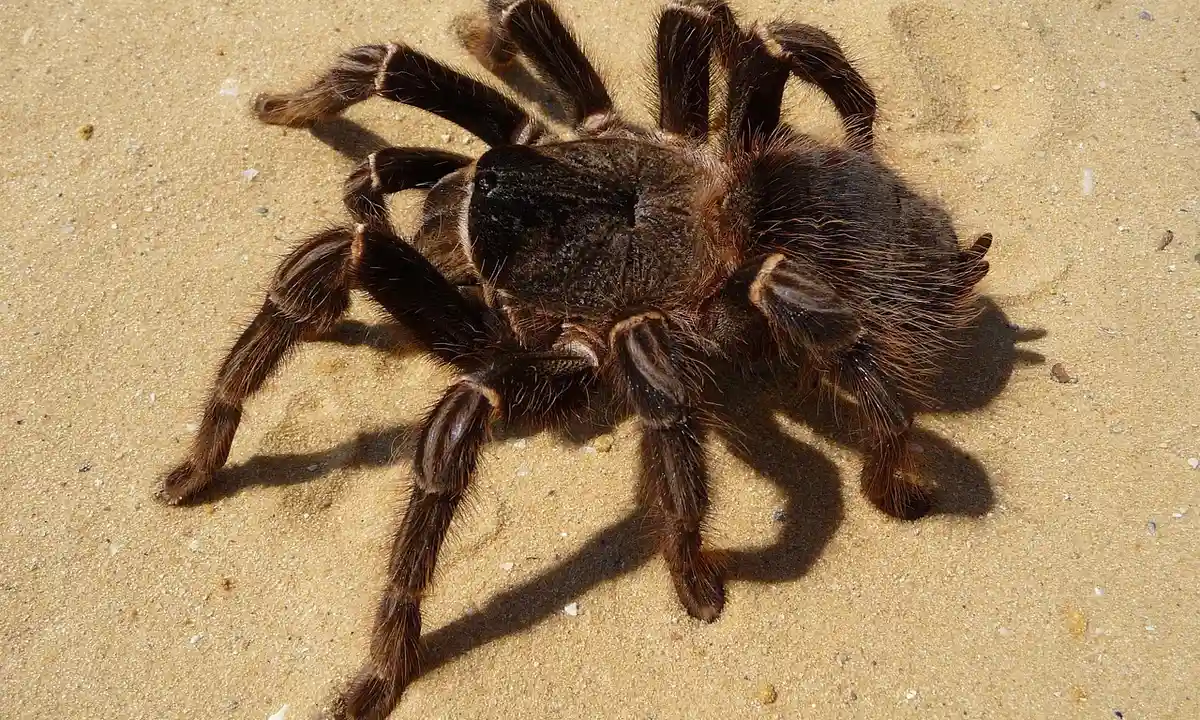
Let’s state the fact clearly: there is not a single verified human death caused by tarantula venom in medical literature. The term “deadliest” is a dramatic misnomer when applied to these spiders, fueled more by fiction than toxicology. Their venom is evolved for subduing insects and small vertebrates, not killing humans. Compare a tarantula’s bite to that of a true medically significant spider like a widow or recluse; the difference in medical impact is vast. The pain and systemic effects from some Old World species are real, but they are not life-ending events.
I keep a burgundy Goliath bird eater, a spider that looks formidable and can deliver a painful bite. Yet, the primary concern with Goliath is the cloud of irritating hairs she can launch, not a lethal venom. This distinction is crucial for responsible ownership and public education.
Why Fear Often Outweighs Fact
Fear is often born from the unknown, amplified by sensational media portrayals. Movies show tarantulas as aggressive killers, but my daily reality is one of quiet observation. The silence of the enclosure, broken only by the subtle movement of a leg, is the true soundtrack of the hobby, not Hollywood suspense music. This disconnect causes people to fear the wrong things.
Many assume all large spiders are highly venomous. My docile Chilean rose hair, Rosie, has been a “pet rock” for 15 years, her calm demeanor shattering the myth of universal aggression. The bright orange Flash seems dangerous, but her defensiveness is a reaction, not a pursuit. Understanding these behaviors-that tarantulas are ambush predators that would rather flee-replaces fear with fascination. Education dismantles the myth of the “deadly” tarantula, revealing a creature worthy of respect, not irrational dread.
Considering a Venomous Species as a Pet
Choosing to keep a tarantula with medically significant venom transforms the hobby into a practice of profound respect. You are not just an owner but a steward of a creature whose natural defenses command a higher level of caution and preparation. My time with Flash, the OBT (Pterinochilus murinus), underscored this shift. His bright orange form is mesmerizing, but the silence of his enclosure is deceptive, often shattered by a sudden strike at the glass. This contrasts sharply with my docile Grammostola rosea, Rosie, who embodies a peaceful, low-risk companionship.
Experience Level Required
Venturing into high-potency species demands a foundation built on direct experience with calmer tarantulas. I strongly advise against making a defensive Old World species your first tarantula. Start with a beginner-friendly genus like Grammostola or Brachypelma to learn fundamental husbandry and animal behavior without elevated risk. My years with Rosie, who famously fasts for months, taught me patience and sharpened my observation skills for subtle health cues. You should only advance after mastering these core competencies: For those wondering what are the best tarantula species for beginner pet owners, Grammostola and Brachypelma are widely recommended for their calm temperaments and forgiving care. Additionally, they offer a reliable platform to build essential husbandry skills before tackling more challenging species.
- Executing safe, stress-free rehousings for slower-moving species.
- Accurately identifying molt cycles and post-molt vulnerability.
- Consistently using long tools for feeding and maintenance to avoid hand contact.
- Having a dedicated, escape-proof room for the enclosure.
My first attempt to rehouse Flash resulted in a breathtaking sprint across my desk. That moment validated that experience is your best tool for preventing accidents with fast, venomous spiders.
Husbandry Priorities for High-Potency Species
Care for these tarantulas hinges on creating a secure environment that minimizes threats and your need to intervene. Perfect husbandry is the best defense against defensive behavior, reducing the chance of a bite or hair flick. This requires precise environmental control. Maintaining stable humidity and temperature helps prevent common health issues beginners encounter, such as dehydration and failed molts. Good husbandry also reduces stress and the risk of infections. For instance, my Theraphosa stirmi, Goliath, thrives at 80-85% humidity and 78-82°F, conditions I monitor with digital gauges. Follow these prioritized steps for success.
- Fortified Housing: Use enclosures with secure, locking lids. For arboreal venomous species, ensure ventilation is via side panels, not the top, to prevent escapes during maintenance.
- Substrate and Structure: Provide a deep, moisture-retentive layer for burrowing. A mix of coconut fiber, soil, and sphagnum moss works well. My T. stirmi uses 10 inches of substrate to build extensive tunnels, feeling secure and less likely to defend.
- Strategic Feeding: Employ long, soft-tipped tongs to place prey directly into the web or near the burrow entrance. Never hand-feed.
- Bioactive Integration: Introduce a clean-up crew of springtails and isopods. This bioactive setup breaks down waste and mold, allowing you to disturb the enclosure less frequently.
Flash’s entire terrarium is a dense silken network, a biome I admire but never touch. This “look, don’t touch” approach is the cornerstone of safe, ethical care for potent species. When maintaining enclosures for heavy hair-kickers like Goliath, I always wear safety glasses and a mask to protect from urticating hairs, a non-venomous but severe irritant.
Common Questions
What is the single most venomous tarantula in the world?
While potency varies, tarantulas from the Poecilotheria genus (Ornamental tarantulas) are often cited as having some of the most medically significant venom. Species like the Indian Ornamental (Poecilotheria regalis) have venom reported to cause severe, cramping muscle pain, headaches, and burning sensations that can last for days. However, no tarantula venom is considered lethal to humans, and a bite is a defensive act of last resort for the spider.
Which tarantula is considered the most venomous in America?
True “venomous” tarantulas in the Americas (New World) are exceptionally rare, as most rely on urticating hairs for defense. The genera Psalmopoeus (e.g., Trinidad Chevron) and Tapinauchenius are notable exceptions, with some keepers reporting their bites cause more intense, throbbing pain and local reactions compared to other New World species. It’s crucial to remember that even these are not considered deadly, and their primary risk is to those with specific allergies. Over time, tarantulas have evolved multiple defense mechanisms ranging from hairs to venom.
What do hobbyists on Reddit and Arachnoboards say about the most venomous species?
On communities like Reddit’s r/tarantulas and Arachnoboards, experienced keepers consistently highlight Old World genera like Poecilotheria, Pterinochilus (OBTs), and Haplopelma as having the most potent venom based on collective bite reports. The consensus emphasizes that while bites are serious and painful, fatalities are nonexistent, and the focus should always be on prevention through respectful, hands-off husbandry and proper safety gear.
Are there any highly venomous tarantulas native to Australia?
Australia is home to its own unique fauna, but tarantulas (family Theraphosidae) are not native to the continent. The large, hairy spiders commonly called “tarantulas” in Australia are usually species of funnel-web spiders (family Atracidae, like the Sydney Funnel-web) or trapdoor spiders, which have different and often more medically significant venom. True tarantulas are found in the Americas, Africa, Asia, and parts of Europe.
The Path of Respectful Stewardship
Working with species possessing medically significant venom fundamentally changes your approach to the hobby. The single most critical parameter is not temperature or humidity, but your safety protocol: an absolutely secure, escape-proof enclosure and a meticulous rehousing strategy are non-negotiable. A loose P. murinus is not an adventure; it is a genuine emergency. Your care checklist must prioritize their security and your safety above all else.
Their potent venom makes traditional handling an irresponsible act, shifting your focus entirely to their remarkable natural behaviors. You become a true observer, rewarded with private performances: the architectural genius of a funnel web’s construction, the silent, poised ambush from a burrow’s entrance, the dazzling speed of a feeding strike. Patience is not just a virtue here; it is the lens through which you will witness their most fascinating moments, all while ensuring both you and your spider remain safe and stress-free. This is the heart of advanced arachnoculture-a deep, quiet respect for an animal we can admire from a responsible distance.
Further Reading & Sources
- r/tarantulas on Reddit: what tarantula has the most medically significant venom
- NEW VIDEO: The Most Venomous Tarantula in the World – AntsCanada
- Are Tarantulas Poisonous? How Dangerous Are Tarantulas, Really? – Dragon’s Diet
Arlo is a lifelong arachnid enthusiast who believes tarantulas are the world’s most misunderstood roommates. With years of hands-on experience in tarantula care, habitat setup, and species behavior, Arlo combines expert knowledge with a dash of humor to make spider ownership less scary and a lot more fascinating. From choosing the right enclosure to understanding why your eight-legged buddy is doing that weird little pose again, Arlo is here to help you become the best tarantula parent you can be, without getting tangled in the web of misinformation.
Popular Species