
Are Blacklights or Colored Lights Harmful to Tarantulas?
Tarantulas, as nocturnal arthropods, possess a biology intensely sensitive to artificial light spectra, making the use of blacklights or colored bulbs a significant husbandry misstep that can silently undermine their health. This article examines the precise wavelengths and intensities that disrupt tarantula behavior, from feeding strikes to molting cycles, based on both scientific research and my own observant years in arachnoculture. The immediate answer is clear: for the welfare of your spider, avoid all non-natural lighting inside the enclosure, opting instead for ambient room light or very dim, indirect observation methods.
- Quick Stats:
- Light Perception: Tarantulas have simple eyes (ocelli) sensitive to blue and UV light; they lack color vision as humans understand it.
- Natural Cycle: As obligate nocturnal creatures, their activity peaks in darkness; artificial light disrupts circadian rhythms.
- Risk Level: High-intensity or prolonged exposure can cause stress, appetite loss, and aberrant behavior like daytime wandering.
Drawing from my experiences with fastidious species like my OBT, Flash, and my humidity-loving Goliath, this guide will detail how to safely appreciate your tarantula’s nocturnal world without the glare of harmful lamps.
Understanding Tarantula Vision and Light Perception
A tarantula’s eight eyes are not windows to a rich visual world, but finely-tuned instruments for detecting movement and light gradients. Each eye is a simple camera-type structure, sensitive to changes in light intensity but offering limited resolution. Their vision is perfectly adapted for detecting the silhouette of prey or predator against the ambient light of dusk, not for appreciating the color of their decor.
As obligate nocturnal creatures, their entire circadian rhythm is cued to darkness. Bright light signals “danger” or “daytime hide,” triggering a strong instinct to retreat. In my collection, even ambient room light from a sunrise will send Flash scuttling back into his silken tunnel, while Rosie will simply cease all movement, becoming an even more perfect pet rock.
Comparing their vision to ours is like comparing a sophisticated motion sensor to a high-definition television. While humans possess three types of photoreceptors for color (trichromatic vision), most arachnids are thought to have two, shifting their perception toward the blue and ultraviolet (UV) end of the spectrum. This means the world likely appears to them in contrasts of blues, greens, and ultraviolet patterns we cannot see, rather than the vibrant reds and oranges we perceive.
Can Tarantulas See Colors?
The scientific understanding is still evolving, but research suggests many arachnids possess photoreceptors sensitive to green and UV light. UV sensitivity is particularly fascinating. Think of it like a secret layer of visual information: some flowers have UV nectar guides, and insect cuticles reflect UV in specific ways. A tarantula’s UV perception might help it navigate or identify landmarks in the moonlight, a hidden dimension of its environment.
I’ve observed subtle behavioral cues with my orange baboon tarantula, Flash. His brilliant orange setae are for our benefit. Under a soft, warm-toned light, he goes about his frenetic webbing. When a cooler, bluer light is introduced, he often pauses and reorients, suggesting a detectable change in his visual field. It’s not fear, but a noticeable recalibration.
The Nocturnal Adaptations of Arachnid Eyes
Tarantula eyes lack the muscles to focus like ours and have a reflective layer called the tapetum, which amplifies available light—this is why their eyes sometimes gleam in a camera flash. This adaptation makes them masters of low-light but highly vulnerable to glare and sudden brightness. Introducing a colored or bright light into their enclosure is the equivalent of someone shining a spotlight into your dark bedroom while you sleep. Their limited ability to adjust focus is just one aspect of their unique eyesight capabilities.
Signs of visual stress are clear if you know what to watch for. They include a sudden, frantic retreat to a hide; freezing in place for extended periods; or refusing to explore during their normal active hours. My Goliath, when exposed to a sudden bright light, will immediately kick a cloud of urticating hairs-a definitive stress response.
The Specific Risks of Blacklights and UV Exposure
Blacklights, or UV-A lights, emit long-wave ultraviolet radiation (315-400 nm). While less energetic than UV-B, this wavelength is still invisible, intense, and biologically active. For an animal exquisitely adapted to darkness and possessing possible UV sensitivity, intentional UV exposure is an unnatural and significant stressor.
Potential harm operates on two levels: direct phototoxic damage to cells and severe behavioral stress. Step-by-step, you can identify unsafe sources: any lamp marketed for reptiles, parties, or bug zapping that produces a purplish glow or causes fluorescent colors to pop is emitting UV-A. These have no place near a tarantula enclosure.
Phototoxicity and Tarantula Health
Ultraviolet radiation can damage the delicate underlying tissues and photoreceptor cells of a tarantula’s eyes. More critically, it may degrade the complex proteins and chitin in their exoskeleton over time. Prolonged or intense UV exposure could theoretically weaken the exoskeleton, potentially leading to complications during the vulnerable molting process, or causing general lethargy and loss of appetite.
The hobby has shared cautionary tales. One breeder I know used a UV flashlight briefly to inspect a new enclosure for mineral streaks. His tarantula, exposed for less than a minute, spent the next two days motionless in its hide, refusing food-a clear sign of profound stress. The light was not “harmless.”
Why Blacklights Are Not for Nocturnal Viewing
The myth that blacklights provide “night vision” for observing nocturnal activity is dangerously misleading. It floods their environment with a wavelength of light they may perceive as glaringly bright or intensely strange. True nocturnal observation respects the animal’s need for darkness; use a dim, red-tinted LED placed well away from the enclosure, and only for brief periods.
Contrast this with the gentle moonlight or starlight of their natural habitat. The safest alternative is to allow your eyes to adjust to room ambient light. I observe my tarantulas by the soft, indirect glow from a hallway light. This respects the silence and darkness they prefer, allowing natural behaviors to unfold without interference.
Behavioral Impact of Colored Lights on Tarantulas
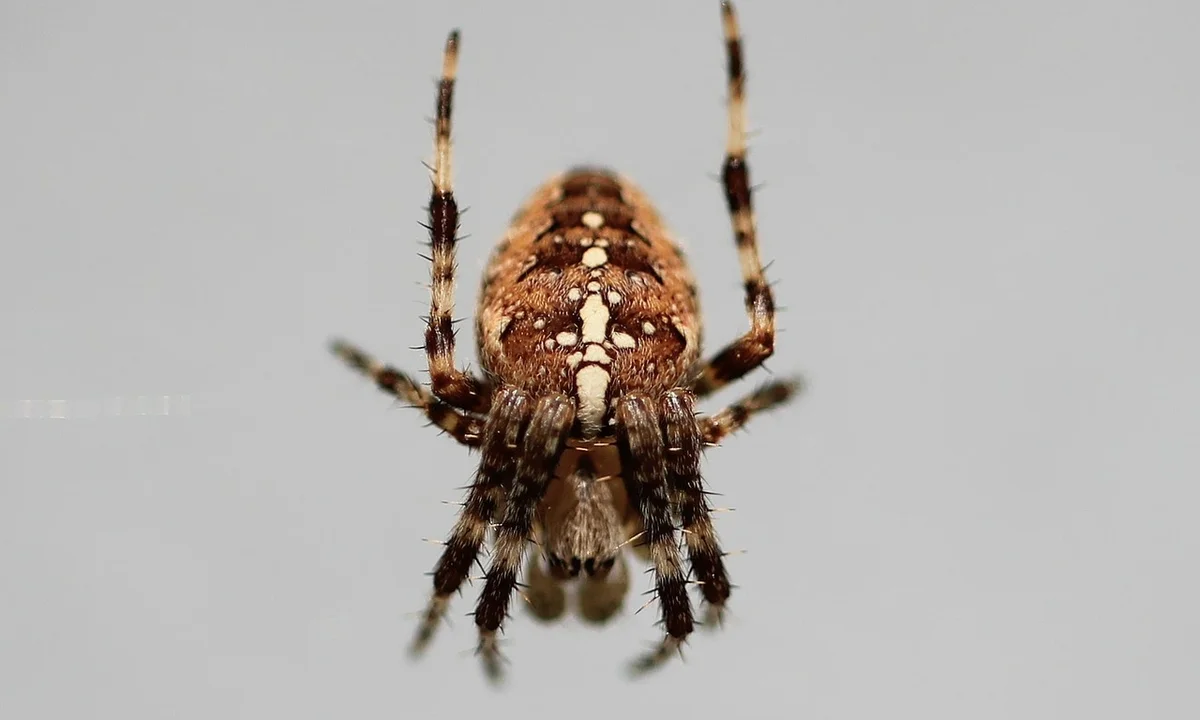
Tarantulas rely on subtle environmental cues, and artificial lighting can disrupt their world. Colored lights do not provide illumination in a way a tarantula’s nervous system expects, often leading to stressed, inactive animals. Their basic eyes are tuned to detect shadows and light intensity, not color in the way we do, but specific wavelengths still trigger behavioral shifts.
Observing my own collection-from my docile Grammostola rosea Rosie to my defensive Pterinochilus murinus Flash-has shown me that any unnatural light source can suppress normal activity. Feeding response dims, web-building stalls, and the instinct to hide deepens when the photic environment feels wrong. The table below summarizes common keeper observations under different colored lights.
| Light Color | Typical Wavelength | Observed Behavioral Changes | Impact on Key Activities |
|---|---|---|---|
| Blue | ~450-495 nm | Increased startle response, prolonged hiding, freezing in place. | Feeding often refused. Web-building ceases. Excessive retreating. |
| Red | ~620-750 nm | May appear less disruptive initially, but reduces nocturnal exploration. | Delayed feeding at night. Less webbing. Can disrupt molt cycles. |
| Green | ~495-570 nm | Moderate disruption; some species may remain slightly more active. | Erratic feeding. Web-building may occur but is often fragmented. |
Blue Light: Disruption and Stress
Blue light falls within a wavelength range that many arthropods, including tarantulas, are particularly sensitive to. This sensitivity likely stems from an evolutionary adaptation to discern sky light at dawn or dusk, making it an alerting signal. In practice, a blue LED or blacklight can make a tarantula feel perpetually exposed.
I have seen this with fast species like my OBT, Flash. Under accidental blue light from a nearby device, his constant webbing halted completely for days. Behavioral changes include excessive retreating to the deepest part of the burrow, a refusal to eat, and an overall “shutdown” of normal cryptic behavior. Common keeper reports consistently note that blue illumination causes more visible stress than any other color, suppressing the very activities we enjoy observing.
Red Light: A Common Misconception
A persistent myth claims red light is invisible to tarantulas and safe for nocturnal viewing. While their vision may perceive less of the red spectrum, it is not invisible; it still casts an unnatural glow that breaks the natural dark cycle. Think of it as a constant, dim twilight in their enclosure.
Using red light to observe a nocturnal eater like my Theraphosa stirmi Goliath still resulted in him abandoning his prey. Any light at night, red included, can interfere with circadian rhythms, potentially delaying crucial processes like molting. For true nocturnal cycles that promote natural feeding and exploration, advocate for complete darkness during their active hours.
Establishing Ideal Lighting in the Enclosure
Healthy tarantula lighting is defined by three components: it must be indirect, dim, and cyclical. The goal is to simulate the dappled, low-light conditions of a forest floor or burrow entrance, not to brightly illuminate the animal. This approach minimizes stress and supports natural behavioral patterns.
Provide clear husbandry data: aim for a light intensity no brighter than a shaded room, and maintain a consistent photoperiod. A stable day-night cycle is far more critical than the light source itself, as it regulates internal clocks for feeding and molting. Follow these steps to create an ideal setup.
- Position the enclosure in a room with normal, diffuse daylight or soft room lighting, but never in direct sun.
- Ensure the tarantula has deep, dark retreats like cork bark or a burrow to escape light entirely.
- Do not place any light fixture directly over or inside the terrarium.
- Use a simple timer for the room’s ambient light to automate the cycle.
Mimicking Natural Photoperiods
I use a simple 12-hour on, 12-hour off cycle for all my tarantulas, leveraging the ambient light in the room. This consistency provides the rhythmic cue their biology expects, without the risk of overheating or desiccation from a dedicated lamp. No dedicated heat or UVB lamp is needed inside a tarantula enclosure, as they don’t rely on light cycles for circadian rhythms.
Watching my old rose hair, Rosie, I’ve seen how a stable photoperiod seems to regulate her long fasts and molts. This stable cycle aids in molting by providing a reliable environmental trigger for the hormonal changes leading to ecdysis. It reduces the background stress that can complicate an already vulnerable process.
Choosing Safe Light Fixtures and Placement
Acceptable light sources are those that illuminate the room, not the enclosure directly. Use ordinary room lamps or natural window light filtered through a curtain, ensuring no direct sunbeam ever touches the tank. The placement of any light should be several feet away to prevent heat buildup and light penetration that feels like an intrusion.
I learned this after a room lamp was placed too close to an enclosure, raising the temperature by a dangerous 5°F. Always place lights far from the enclosure to prevent microclimate overheating and to keep the light diffuse. Strictly warn against using basking lights, UVB lamps, or ceramic heat emitters that produce visible light, as these are designed for reptiles and will harm your tarantula. For tarantula enclosures, the heating mat vs heat lamp definitive guide offers practical guidance on safer heating options. It helps you choose between a mat and a lamp to maintain consistent warmth without visible light.
Safe Practices for Observing Your Nocturnal Pet
Observing a tarantula’s natural nighttime activity is a privilege, one best done with stealth and respect. Your goal is to be a ghost, an unseen witness. Successful nocturnal viewing depends on minimizing your presence and any disruptive environmental change.
For a quick check, I use a small, dim flashlight with a narrow beam. I point it at the enclosure floor or an empty area first, not directly at the animal. A brief, 10-15 second scan is often enough to confirm activity. Leaving the room door ajar to allow a sliver of ambient hallway light is another excellent, low-impact method. This casts a soft glow that rarely triggers a defensive pose or retreat. The key is brevity; prolonged exposure to even mild light signals that the “night” has been interrupted.
This practice is the core of the “Look, Don’t Touch” philosophy. It’s about respecting their circadian rhythm and understanding that our curiosity should never supersede their need for a predictable, calm environment. I’ve watched my old Chilean Rose Hair, Rosie, pause her slow wanderings for a full hour after a ceiling light was flipped on, a clear sign of stress in an otherwise unflappable animal.
Low-Intensity Lighting Alternatives
If you desire more consistent viewing, a single, low-wattage LED bulb in a room lamp with a warm white tone (2700K-3000K) is a safer choice than any colored bulb. Use it sparingly, as a supplement to darkness, not a replacement for it. I occasionally use this to watch my Burgundy Goliath, Goliath, patrol the perimeter of his tank after dusk.
Be highly skeptical of lights marketed as “moonlight” or “nighttime” aquarium LEDs. These are often bright blue or purple and can be intensely stimulating. There is no biological evidence that tarantulas benefit from or require colored lunar simulation; these are purely for human aesthetics at the animal’s potential expense.
My routine for checking on Goliath, who needs constant high humidity, involves no direct enclosure light. I use the ambient glow from a digital hygrometer and a quick flashlight scan of the water dish and substrate moisture from above. This prevents disrupting the warm, damp microclimate inside his cork bark hide he so heavily relies on.
Species-Specific Considerations for Light Sensitivity
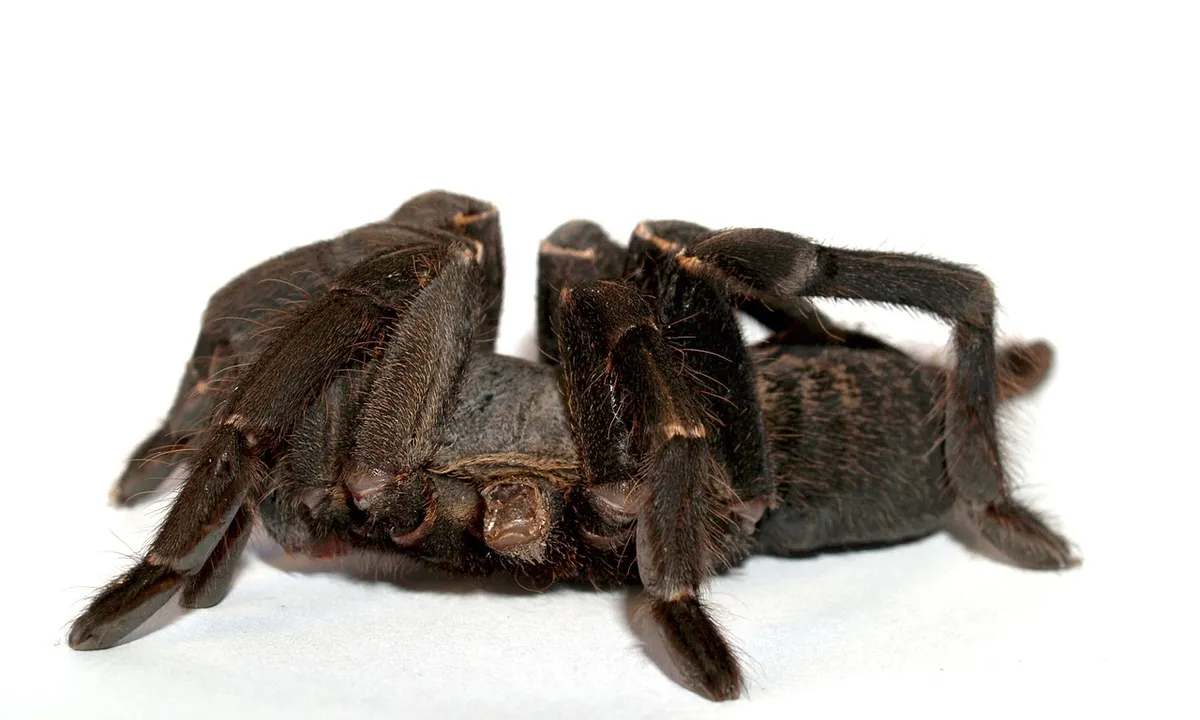
Not all tarantulas react to light equally; their ecology dictates their sensitivity. A fossorial species that spends 95% of its life underground has evolved for near-total darkness and will be the most light-averse. An arboreal tarantula, accustomed to dappled forest light, may tolerate brief illumination slightly better. Taking a closer look at fossorial versus terrestrial tarantulas—the ground-dwelling specialists—helps explain this spectrum of light sensitivity. Terrestrial ground-dwellers often inhabit shallow burrows or leaf litter where light is sporadic.
Contrast my two terrestrial species: Flash, my Orange Bitey Thing (P. murinus), is hyper-vigilant. Any unexpected light change near his silken fortress triggers an immediate, threatening posture and retreat. My G. rosea, Rosie, reacts with a slow, deliberate freeze. Skittish, fast species like OBTs will see light intrusion as a threat, while slower, docile types may interpret it as a bizarre weather change.
Adjust your room’s light levels based on direct observation. If your tarantula consistently flees or adopts a threat pose when a lamp is turned on, that light is too bright or too sudden. The animal’s behavior is your most reliable guide.
Lighting for Humidity-Dependent Species
Species requiring high humidity, like my Theraphosa stirmi Goliath, present a special case. These giants thrive in the dark, moist leaf litter of rainforest floors. Their enclosures are designed to mimic this: deep, moist substrate and shaded hides. Excessive light, especially heat-generating lamps, will directly combat your humidity efforts by accelerating substrate evaporation.
Light can also break down the delicate microclimates within the enclosure. The gradient of humidity from the surface down into the substrate core is vital. A hot or bright light source can flatten this gradient, making the entire environment less suitable.
If you must place any light source near a humidity-dependent tarantula’s enclosure, double your monitoring. Check substrate moisture with a finger probe daily and watch your hygrometer closely. Light’s drying effect is an often-overlooked husbandry challenge that can quietly undermine an otherwise perfect setup, especially when combined with other heating and humidity mistakes.
Immediate Steps After Harmful Light Exposure
Discovering your tarantula has been exposed to a blacklight or intense colored bulb requires swift, calm action. Your goal is to restore its natural, low-light environment immediately to minimize physiological stress.
- 1. Remove the Light Source Immediately. Power it off and physically take it out of the room. Do not wait to see a reaction.
- 2. Return the Enclosure to Darkness. Ensure the room is dim or dark. Cover the enclosure with a light cloth or towel if ambient room light is too bright, but ensure ventilation remains adequate.
- 3. Monitor for Signs of Stress. Watch for unusual behavior over the next several hours and days. Key indicators include curling into a tight ball (a defensive posture), creating a bald patch on the abdomen from flicking urticating hairs, or an abrupt refusal of food.
- 4. Avoid Handling and Allow Time to Recover. Do not attempt to handle or move your tarantula. Resist any urge to redecorate the enclosure. Give it absolute quiet and darkness for at least 24-48 hours to stabilize.
I learned the impact of sudden light the hard way during a routine rehousing of my OBT, Flash. The transfer tub slipped, and he bolted across a brightly lit desk. The sudden flood of LED desk lamp light seemed to stun him for a second, making him freeze before his frantic sprint continued. That moment of stunned hesitation was a clear stress response I never want to repeat. It took days of perfect darkness in his new home for his relentless webbing behavior to resume normally.
Recognizing and Mitigating Light-Induced Stress
Tarantulas communicate distress through subtle shifts in behavior and physiology. Light-induced stress often manifests in ways that overlap with other husbandry issues, so careful observation is critical. To connect this to practical care, learn to read your tarantula’s body language for signs of stress and defensive behavior. Recognizing defensive postures, leg flicks, or urticating hairs can help you adjust handling and habitat.
Watch for erratic, panicked movement instead of their usual deliberate gait, or a pet hole species that now refuses to enter its burrow at all. My Burgundy Goliath, who normally only flicks hairs when I change his water, once performed a full hair-flicking display at the shadow of a passing cloud-a sign he was already on high alert from prior stress. Extended hiding, beyond their normal reclusive nature, is another major red flag.
- Physical Symptoms: Unexplained bald patches on the abdomen (from hair flicking), a hunched or tightly curled posture, or remaining in an exposed, rigid position for hours.
- Behavioral Symptoms: Refusing prey, abandoning webbed tunnels or burrows, excessive climbing on enclosure walls, or an uncharacteristic lack of movement.
To support recovery, double-check that all other husbandry parameters are flawless. Ensure temperatures are stable within the species’ ideal range (typically 70-80°F) and that humidity is correctly maintained without creating soggy substrate. A stressed animal is less resilient to secondary environmental challenges.
The single most important factor in recovery is patience; avoid any further enclosure changes, cleanings, or feeding attempts until normal behavior resumes. Creating a period of predictable calm allows their simple nervous system to reset. Recovery can take from a few days to a couple of weeks. Your quiet observation is the best medicine you can provide.
Quick Answers
Can I use a blacklight to see my tarantula at night?
No, you should never use a blacklight for nocturnal viewing. While invisible to humans, blacklights emit UV-A wavelengths that a tarantula may perceive as an intense, glaring light. This causes significant stress, disrupting their natural behavior and circadian rhythm. For brief observation, rely on ambient room light or a very dim, indirect flashlight instead.
Is red light safe since tarantulas can’t see it?
This is a common misconception. While tarantula vision is less sensitive to the red spectrum, red light is not invisible to them. It still creates an unnatural, perpetual twilight in their enclosure, which can suppress nighttime activity and interfere with their natural cycles. For true nocturnal health, complete darkness during their active hours is best. These considerations tie into the broader question of tarantulas’ sleep and activity patterns—do they truly sleep, or simply rest? Understanding when they rest, their typical activity cycles, and seasonal brumation in some species helps tailor care to their natural rhythms.
What should I do if my tarantula was exposed to a colored or UV light?
Immediately remove the light source and return the enclosure to complete darkness. Monitor your tarantula for signs of stress like prolonged hiding, refusing food, or flicking urticating hairs. Avoid any handling or disturbances and allow 24-48 hours of quiet recovery while ensuring other husbandry parameters like temperature and humidity are optimal. Post-molt care is critical—once the tarantula has shed, give it time to rest and fully harden its new exoskeleton, and resume normal care only after signs of normal activity and feeding return.
Are any colored lights acceptable for tarantula enclosures?
No colored lights are recommended inside or directly aimed at a tarantula enclosure. Their simple vision interprets unnatural wavelengths as a disturbance. The safest lighting is ambient, indirect room light that follows a natural day/night cycle. Any dedicated light fixture should be placed several feet away to illuminate the room, not the terrarium.
How can I check on my tarantula at night without causing stress?
Use a low-impact method like a dim flashlight pointed at an empty area of the enclosure for no more than 10-15 seconds. Alternatively, leave a door ajar to allow a sliver of ambient hallway light to cast a soft, indirect glow. The key is brevity and minimizing your direct intrusion into their dark environment.
Sustainable Care for Lifelong Health
Through raising everything from my pet-rock Rosie to my hair-kicking Goliath, I confirm that you must never use blacklight, UV, or bright colored bulbs on a tarantula enclosure, as these lights can cause severe stress, disrupt circadian rhythms, and potentially damage their simple eyes. My OBT, Flash, would immediately retreat into his web tube if exposed to such glare, a clear sign of distress. The only safe illumination is gentle, indirect ambient light from the room, mimicking the shaded crevices they naturally inhabit.
Embrace the subtle spectacle of their true behaviors under this soft light. Watch the iridescent sheen of a carapace after a successful molt, or the patient excavation of a burrow in suitably dim conditions. Your ultimate tool is patience—allowing the tarantula to live on its own terms, undisturbed. The profound reward is witnessing a confident spider going about its precise business in the quiet gloom you’ve provided. Sometimes the line between a molt and distress can blur, and you may worry your tarantula is dying instead of molting. If in doubt, consult a reputable tarantula care guide to tell the difference and avoid disturbing the spider during a potential molt.
Further Reading & Sources
- Black Light at night with Tarantula | Arachnoboards
- ultraviolet /black lamps good or bad ??? | Reptile Forums
- r/tarantulas on Reddit: My tarantula is more active in the dark, but I can’t see in the dark. Would it be safe to install a black light over the enclosure?
Arlo is a lifelong arachnid enthusiast who believes tarantulas are the world’s most misunderstood roommates. With years of hands-on experience in tarantula care, habitat setup, and species behavior, Arlo combines expert knowledge with a dash of humor to make spider ownership less scary and a lot more fascinating. From choosing the right enclosure to understanding why your eight-legged buddy is doing that weird little pose again, Arlo is here to help you become the best tarantula parent you can be, without getting tangled in the web of misinformation.
Heating and Humidity