
Cost of Owning a Tarantula: A Beginner’s Budget Breakdown
While tarantulas are celebrated as low-maintenance pets, their true cost extends far beyond the initial price of the spider itself. This article dissects every expense, from the humble deli cup for a sling to the adult terrarium, based on a decade of personal husbandry with species from pet rocks to hair-kicking giants. You can expect a first-year investment between $100 and $300 for a responsible, stress-free setup.
Quick Stats:
- Initial Setup Range: $50 – $200
- Monthly Upkeep Estimate: $5 – $25
- Typical Lifespan Commitment: 5 to 20+ years
This guide provides the specific financial roadmap to transition your tarantula from a fragile sling to a thriving adult.
The Arachnid Itself: Initial Purchase Price Ranges
Your first financial outlay is the tarantula. Prices swing wildly based on species, age, and sex. Common beginner genera like Grammostola, Brachypelma, and Aphonopelma offer the most affordable entry points, but even within these groups, cost is a spectrum. I still remember the modest price tag on my juvenile Rosie (G. rosea) years ago, a stark contrast to the rarer specimens I seek out now.
| Species (Example) | Spiderling (1″) | Juvenile (2-3″) | Adult Female |
|---|---|---|---|
| Grammostola rosea (Chilean Rose) | $20 – $40 | $50 – $80 | $100 – $150 |
| Brachypelma hamorii (Mexican Red Knee) | $30 – $60 | $70 – $120 | $150 – $250 |
| Aphonopelma chalcodes (Arizona Blonde) | $25 – $50 | $60 – $100 | $120 – $200 |
Spiderlings are cheapest but require delicate care. Juveniles offer a visible personality at a mid-range cost. Adult females command the highest price due to their decades-long lifespan, a long-term commitment I always factor into my breeding projects.
- Species Rarity: Common species cost less. Vibrant colors or new imports increase price.
- Sex: Females are typically 2-3 times the cost of males, who mature faster and live shorter lives.
- Source: Local breeders or reptile expos often have better prices than big-box pet stores. Online vendors provide vast selection but add shipping.
Shipping is a critical, added cost. Overnight freight with live arrival guarantees ranges from $50 to $80. When I ordered Flash, my P. murinus, the shipping fee nearly matched the spider’s price, a necessary investment for safe transport.
Essential Housing: One-Time Enclosure and Setup Costs
This initial setup forms your tarantula’s entire world. Investing wisely here prevents escapes and reduces stress. A secure, appropriate enclosure is non-negotiable for ethical care and your own peace of mind. In our best enclosure setup tarantula step-by-step guide, you’ll learn to choose the right enclosure, substrate, humidity, and lighting. This practical, step-by-step guide makes the setup easy and stress-free.
Choosing and Pricing the Enclosure
The container must prioritize security and ventilation over fancy appearance. For terrestrial species like Rosie, floor space matters most. For arboreal tarantulas, height is key.
- Modified Plastic Container: The budget king. A 5-10 gallon sterlite box with drilled holes costs $5-$15. I’ve housed dozens of slings in these with zero issues.
- Acrylic Terrariums: Mid-range, offering better clarity and pre-built ventilation. Expect $30-$80 for a suitable size.
- Glass Tanks: Often heaviest and most expensive ($50-$150). Ensure the screen lid is escape-proof; I reinforce mine with clips after a past scare.
Size guideline: For terrestrials, the enclosure length should be about 3 times the tarantula’s leg span, with a focus on horizontal space rather than dangerous vertical falls.
Substrate, Hides, and Basic Decor
Interior items are for your tarantula’s psychological security, not décor for your shelf. A stressed tarantula may refuse food or, like my Goliath, kick a cloud of irritating hairs. If the refusal isn’t health-related, use a quick non-health checklist. Check molt status, temperature and humidity, and any recent changes in enclosure or routine.
- Substrate: Coconut fiber brick ($5) or organic, fertilizer-free topsoil ($10). You’ll need enough for a depth of 1.5 times the tarantula’s leg span for burrowers.
- Hide: Cork bark round ($8-$15) or a simple clay flower pot ($2). This provides essential darkness and security.
- Water Dish: A bottle cap or shallow ceramic dish ($3-$8). It must be clean, refillable, and too small for drowning.
- Optional Decor: Silk or plastic plants ($5-$10) or additional cork for climbing. These break up open space, making nervous species feel safer.
Watching a tarantula meticulously arrange substrate around its chosen hide is a silent lesson in their need for controlled territory.
Climate Control: Heating and Humidity Tools
Tarantulas need no special lighting. They are sensitive to direct heat and dehydration. The goal is to warm the air around the enclosure, not cook the animal from below. Different species have varied heating and humidity requirements that should be considered when setting up the habitat.
Heating the entire room with a space heater is safest and most cost-effective ($30-$50). If you must heat a single enclosure, use a small heat mat on the side wall of the tank, never underneath, and always controlled by a thermostat. A basic thermostat costs $20-$40.
For humidity, avoid complex fogging systems. I monitor my T. stirmi’s humid enclosure with a simple analog hygrometer ($10) and adjust moisture by lightly misting one corner of the substrate with a spray bottle ($5). This mimics natural humidity gradients perfectly.
Ongoing Nutrition: Monthly and Annual Feeding Expenses
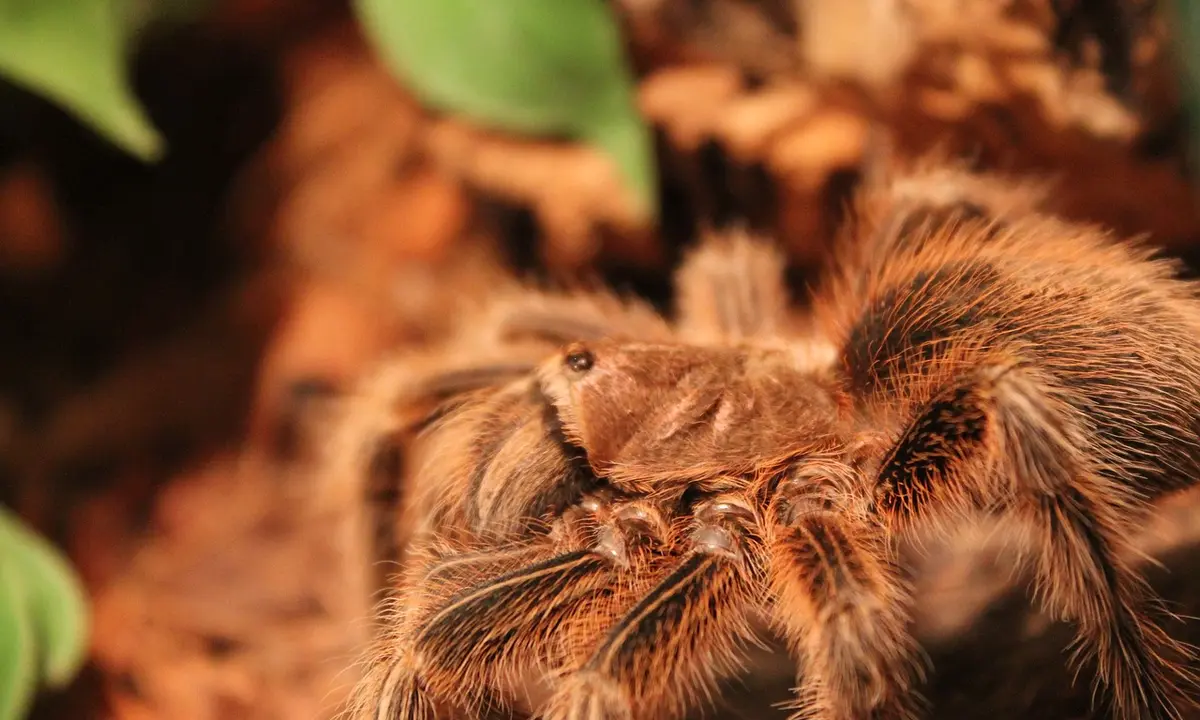
Your tarantula’s grocery bill is the smallest you will ever manage. For a single spider, monthly feeding costs typically range from $5 to $15, with annual expenses averaging between $60 and $100, heavily influenced by your purchasing strategy and your pet’s individual appetite. From your first spider to your fiftieth, budgeting keeps the hobby sustainable. Plan ahead, track expenses, and look for bulk buys as you expand.
Juvenile tarantulas, growing rapidly, may eat once or twice a week. Adults like my 15-year-old G. rosea, Rosie, famously enter voluntary fasts that can last months, naturally slashing food costs to zero. A good rule is to offer one appropriately-sized prey item per week, removing it if uneaten after 24 hours. This mirrors the best diet feeding schedule for a healthy tarantula: regular, appropriately sized meals with periodic natural fasts. Adjusting for species and the individual tarantula’s needs helps maintain long-term health.
Live Prey Price Comparison
Prices vary by region and source. Here is a common breakdown for small quantities:
- Crickets: The most common feeder. About $0.10-$0.15 each. They are nutritious but noisy, perish quickly, and can bother a shy tarantula.
- Mealworms: Often sold in cups of 50 for $5-$7. They are easy to store but can burrow quickly into substrate. I often crush the head before offering to prevent this.
- Dubia Roaches: My preferred feeder. They are quiet, cannot climb smooth surfaces, and are more nutritious. Around $0.20-$0.35 each, but their superior survival rate makes them cost-effective.
Buying in Bulk vs. Pet Store Runs
A single tarantula consumes so little that a $20 bulk online order of dubia roaches or crickets might last six months or more. This is far more economical than weekly $5 pet store trips, saving you money and ensuring a constant food supply during your tarantula’s hungry phases. You will need a small, ventilated container with egg carton and vegetable scraps to house your feeder colony.
Remember, a tarantula refusing food is normal behavior, not an emergency. Rosie’s annual hunger strikes are a budget-friendly reminder of their incredible metabolic efficiency.
Maintenance and Upkeep: The Annual Care Budget
Once the initial enclosure is perfect, yearly costs are remarkably low and predictable. Your annual maintenance budget for one tarantula will likely be under $50, excluding any major unforeseen events or spontaneous decorative upgrades. This covers the essentials for a healthy, stable environment. Choosing the right substrate is key to easy maintenance, as it influences humidity, burrowing, and waste management. The best substrates simplify routine checks and cleanup, helping you maintain a thriving tarantula with minimal effort.
Here is a breakdown of predictable annual costs:
- Substrate Replacement: I replace substrate completely once a year, or immediately if mold appears. A single $20 bag of coconut fiber or topsoil mix is ample for most enclosures. For my moisture-dependent T. stirmi, Goliath, I spot-clean and refresh the top layer more frequently.
- Decor Replacement: Cork bark and hides are durable, but may need replacing if they become moldy or are buried by an avid digger. Budget $10-$20 annually for a new piece or some sphagnum moss.
- Minimal Electricity: Most species thrive at room temperature. If supplemental heat is needed, a small space heater for the room or a thermostat-controlled heat mat on the side of the enclosure is safest. This might add $2-$5 to your monthly utility bill in colder months.
- Water Source: A shallow water dish is mandatory. I use inexpensive bottle caps or small ceramic dishes. The cost is negligible, but include a dollar for the annual replacement of a dirtied or tipped dish.
The silence of a well-maintained enclosure, broken only by the subtle movements of your tarantula, is a testament to this affordable, low-impact hobby. After the initial investment, the ongoing financial commitment is minimal, allowing you to focus on observation and care rather than constant expense.
Planning for the Unexpected: Veterinary and Replacement Costs
The silence of a tarantula enclosure is a virtue until it becomes a concern. While major illness is rare, responsible budgeting means preparing for rare events. Your primary unexpected cost will be finding a veterinarian who works with invertebrates; this search alone can be a challenge, and a single consultation can easily cost $100 or more. Finding a veterinarian who treats tarantulas can take a little extra effort, but it’s essential for proper care. Look for exotic animal or invertebrate specialists at university clinics or dedicated exotic pet practices in your area. I keep a small, separate fund for this-a “spider savings” of about $200 gives me tremendous peace of mind.
Diagnostic options for tarantulas are limited. Most issues stem from husbandry, which you can correct yourself. A fall causing a ruptured abdomen or a severe parasitic mite infestation are scenarios where a vet might be needed. For my old Chilean Rose Hair, Rosie, her lengthy fasting periods once prompted a vet call; we determined it was just her typical, stubborn behavior.
Replacement costs are a practical part of the hobby’s cycle. A quality glass enclosure can cost $50-$120. If it breaks, you need a new one immediately. Should the unthinkable happen, budgeting for a new tarantula is part of the plan. Replacing a beloved pet is emotional, but financially, it’s often just the cost of a new sling or juvenile, pulling from your initial startup budget again. This is why mastering basic care to prevent loss is your most valuable financial skill.
Cost Comparison: Tarantulas Versus Other Common Pets
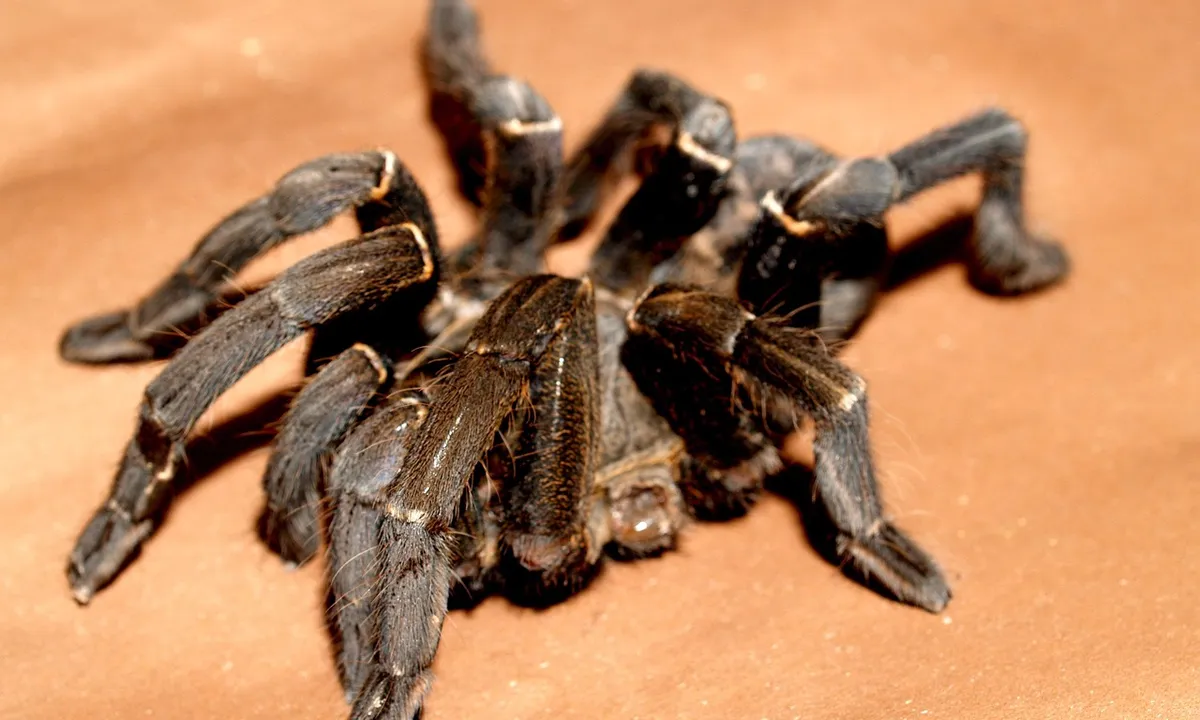
Let’s place the tarantula’s modest budget in context. The numbers below are estimated yearly averages, excluding initial setup, and highlight a fundamental truth of the hobby. The primary resource a tarantula needs is not your money, but your educated attention to detail.
| Pet Type | Estimated Annual Food Cost | Estimated Annual Vet/Potential Medical Cost | Annual Supply & Substrate Replenishment | Notes on Time & Space Demands |
|---|---|---|---|---|
| Tarantula (e.g., Grammostola rosea) | $20 – $50 | $0 – $200 (Emergency fund) | $10 – $30 | Minimal daily time. Space for 1-5 enclosures is modest. “Look, Don’t Touch” care. |
| Hamster/Rodent | $100 – $200 | $100 – $300 | $50 – $100 | Daily feeding/cleaning. Needs exercise equipment and frequent socialization. |
| Aquarium (Small Freshwater) | $50 – $100 | $50 – $150 (Fish meds, water tests) | $100+ (Filters, chemicals, plants) | Weekly water testing/changes. System maintenance is constant and chemistry-based. |
| Cat | $300 – $700 | $200 – $600 (Routine + emergency) | $100 – $200 (Litter, toys) | Daily feeding, litter, play, and companionship. Significant multi-year commitment. |
The table reveals the core difference. Where traditional pets require ongoing investment in consumables and interactive care, a tarantula’s cost is front-loaded into the enclosure, with years of minimal recurring expense following. You trade walks and cuddles for the quiet observation of a living jewel. For the right person, this is not a compromise, but the entire point.
Smart Savings for the Beginner Keeper
Building a thriving collection doesn’t require a lavish budget. The most sustainable savings come from strategic planning and learning to spot the difference between a worthwhile investment and a genuine shortcut. I’ve funded many enclosures by applying these precise, cost-effective methods.
-
Begin with a Hardy, Inexpensive Species
Your first tarantula should be a teacher, not a financial burden. Species like the Chilean Rose Hair (Grammostola rosea), like my Rosie, or a Curly Hair Tarantula (Tliltocatl albopilosus) are famously resilient. They tolerate beginner husbandry fluctuations and are typically priced under $50 as spiderlings. These traits place them among the best tarantula species for beginner pet owners. Their forgiving temperaments and easy care appeal to novices. Choosing a slow-growing, docile species lets you master core care skills without the immediate pressure of specialized humidity or lightning-fast rehousings.
-
Craft DIY Enclosures from Storage Boxes
A pre-made “terrarium” can cost ten times more than a simple plastic container. Clear Sterilite or Rubbermaid bins are perfect for terrestrial species. You’ll need to modify it: melt or drill small ventilation holes on the sides and lid, and secure a lid that clips firmly. For my juvenile Goliath, a $10 storage box worked perfectly for over a year. The single non-negotiable expense here is secure ventilation; a warped or flimsy lid is an escape invitation.
-
Breed Your Own Feeder Insects
Buying crickets weekly is a constant, dripping expense. Establishing a colony of Dubia roaches or mealworms is remarkably simple. A single plastic tub, some egg cartons, and basic vegetables are all you need. This move transforms feeders from a recurring cost into a one-time setup fee, ensuring you always have the right-sized food available. My OBT, Flash, has never faced a food shortage thanks to my roach colony.
-
Purchase Substrate in Bulk
A single bag of coconut fiber from a pet store is a terrible value. Search for compressed coconut fiber brick or peat moss at garden centers or online reptile suppliers. One large, compact brick expands with water to fill multiple enclosures, costing pennies per use compared to pre-fluffed bags. Store the dry brick in a garbage bag; it lasts indefinitely.
-
Join Communities for Used Equipment
Local reptile expos, Facebook hobbyist groups, and forum classifieds are goldmines. Keepers frequently sell or trade quality tanks, hides, and tools at deep discounts when they upgrade or downsize. I’ve acquired pristine glass terrariums for half their retail price simply by being patient and connected within the community. Always sanitize any secondhand item with a reptile-safe disinfectant before use.
-
Avoid These False Economies
Some shortcuts backfire spectacularly. Never use a container without a secure, locking lid. Never repurpose soil from your yard, which may harbor pesticides or parasites. Skimping on enclosure security or substrate safety risks a costly escape or a sick tarantula, negating all your initial savings. The goal is intelligent reduction, not risky deprivation.
Frequently Asked Questions
What is the realistic total cost for the first year of owning a tarantula?
Based on a responsible setup, your first-year total will typically range between $100 and $300. This includes the spider itself, its secure enclosure, all necessary substrate and hides, and food. The cost is front-loaded, with the initial setup being the largest expense, followed by very low monthly upkeep.
How much should I budget for ongoing monthly upkeep?
After the initial setup, monthly costs are remarkably low, typically between $5 and $25. In addition to these ongoing costs, you’ll want to budget for the initial purchase and setup expenses, which vary by species and enclosure quality. These ongoing costs cover live feeder insects and occasional spot-cleaning of the enclosure. For most of the year, your primary regular expense will be food, as tarantulas require no monthly subscriptions or routine consumables like litter.
Do I really need to set aside money for a vet?
While major medical issues are rare, having a veterinary emergency fund is a critical part of responsible budgeting. An exotic vet consultation for an invertebrate can cost $100 or more. Allocating a small “spider savings” of $100-$200 provides peace of mind for an unlikely but possible event.
What are the most effective ways to lower the initial setup cost?
The biggest savings come from choosing a hardy beginner species and crafting a DIY enclosure from a modified, ventilated plastic storage container. You can also save significantly by purchasing substrate like coconut fiber in bulk from garden centers and sourcing cork bark from reptile expos or online communities.
Are tarantulas actually cheaper than pets like hamsters or fish?
Yes, when comparing annual ongoing costs, tarantulas are significantly cheaper. They do not require expensive filtration systems, constant bedding replacement, or routine vaccinations. Their primary need is a properly set-up enclosure, after which their food and maintenance costs are minimal for years. However, properly caring for advanced rare tarantula species requires species-specific enclosure conditions, humidity, and temperature, as well as careful observation for signs of stress or illness. When these specialized needs are met, the ongoing costs stay minimal while ensuring the spiders thrive.
Your Tarantula’s Financial Molt
The initial setup is your single largest investment, and choosing a proper enclosure over a decorative one is non-negotiable. Never compromise on secure cross-ventilation and enough substrate to prevent a dangerous fall; a vet visit for a ruptured abdomen will dwarf your entire initial budget. Everything else-the hides, the dishes, the decor-can be acquired or upgraded slowly over time as your budget allows.
Beyond the purchase price, your real currency is attention. Watch how your tarantula uses its space. Does your G. rosea ignore the expensive cork bark to sit in the open? Does your OBT web over the water dish, signaling a need for more anchor points? This quiet observation costs nothing but saves you from wasted spending. The hobby’s deepest joys are free: the silent, patient engineering of a trapdoor, the nocturnal rearrangement of substrate, the precise economy of a feeding strike. Patience isn’t just a virtue here; it’s your most valuable tool. Spend it generously.
Further Reading & Sources
- r/tarantulas on Reddit: How much does owning a tarantula cost?
- About the Cost of Owning Tarantulas | Tarantula Forum
- How Much Does A Tarantula Cost? [Initial & Yearly Cost Breakdown]
Arlo is a lifelong arachnid enthusiast who believes tarantulas are the world’s most misunderstood roommates. With years of hands-on experience in tarantula care, habitat setup, and species behavior, Arlo combines expert knowledge with a dash of humor to make spider ownership less scary and a lot more fascinating. From choosing the right enclosure to understanding why your eight-legged buddy is doing that weird little pose again, Arlo is here to help you become the best tarantula parent you can be, without getting tangled in the web of misinformation.
Veterinary Care