
How to Find a Veterinarian Who Treats Tarantulas and Invertebrates
Locating a veterinarian skilled in tarantula and invertebrate medicine is one of the most critical responsibilities you undertake as a keeper, directly impacting your pet’s welfare during a health crisis. This guide walks you through the practical steps to find this rare specialist, from leveraging online networks to preparing for a clinical visit. Your first and most effective action is to contact established exotic animal veterinarians, particularly those specializing in reptiles, as they are most likely to have referrals or colleague networks in invertebrate medicine.
-
Quick Stats:
- Field Rarity: A highly specialized niche within exotic animal practice; few general vets have the training.
- Common Presentations: Molting complications, parasitic infections (like nematodes), and physical injuries from falls.
- Keeper Preparation: Identifying a vet must happen during routine care, not amidst an emergency.
Based on my own tense experiences, like when my elderly G. rosea, Rosie, stopped eating for a concerning period, this guide will provide the clear pathway to secure professional care for your arachnid.
Why a Specialized Tarantula Veterinarian is Necessary
A general small-animal veterinarian, skilled with cats and dogs, operates in an entirely different biological realm. Their tools, medications, and diagnostic frameworks are designed for vertebrate physiology. Treating a tarantula requires a fundamental understanding of invertebrate anatomy, where hemolymph replaces blood and book lungs facilitate respiration. The silence of a tarantula’s enclosure is a world apart from the sounds of a standard clinic.
Common issues we face-a missed molt, a worrying lethargy, a mysterious lesion-are puzzles that demand a specific key. From my own experience, watching my old Rosie refuse food for ten months required a nuanced understanding of Grammostola rosea‘s fasting behaviors, not a presumption of illness. A vet versed in arachnids can distinguish between natural dormancy and a genuine health crisis, potentially saving you from unnecessary and stressful interventions.
Standard diagnostics often fail. An X-ray shows an empty space where a skeleton should be; antibiotics formulated for mammals can be fatal. The correct treatment for a fungal infection or a wound involves compounds and application methods wholly unique to exoskeletal animals. When my T. stirmi, Goliath, developed a small imperfection on his abdomen, my peace of mind relied on knowing a professional could guide me on sealing techniques and humidity adjustments.
Step 1: Start Your Search for an Exotic Animal Veterinarian
Your mission begins with recognizing that a tarantula veterinarian is a subset of the exotic pet veterinary world. Do not call a standard clinic expecting a solution. Your primary goal is to locate a practice that explicitly lists “exotics,” as this is the gateway to finding someone with the necessary foundational knowledge. I began my search after a frantic night with a mismolting sling, realizing my local vet could only offer sympathy.
- Use online directories for exotic pet vets. The Association of Reptilian and Amphibian Veterinarians (ARAV) website has a “Find a Vet” tool. While reptile-focused, these vets frequently have networks or personal interests that extend to invertebrates.
- Search using precise, technical terms. “Invertebrate veterinarian” or “arachnid veterinarian” are powerful keywords. Broader terms like “exotic animal vet” followed by your city can yield results, but you must then dig into their stated expertise or call to inquire directly.
- Contact local reptile and amphibian specialty stores or public zoos/aquariums. The staff here are invaluable. They have often faced similar emergencies and can provide direct referrals. A keeper at a local zoo’s insectarium gave me the contact for the only vet in my state who would confidently treat my OBT, Flash.
- Reach out to online tarantula communities. Forums, dedicated Facebook groups, and subreddits are goldmines for regional suggestions. Post your general location and ask for personal experiences. This is how I found a vet who successfully treated a friend’s tarantula for nematodes.
Step 2: Evaluate and Contact Potential Tarantula Vets
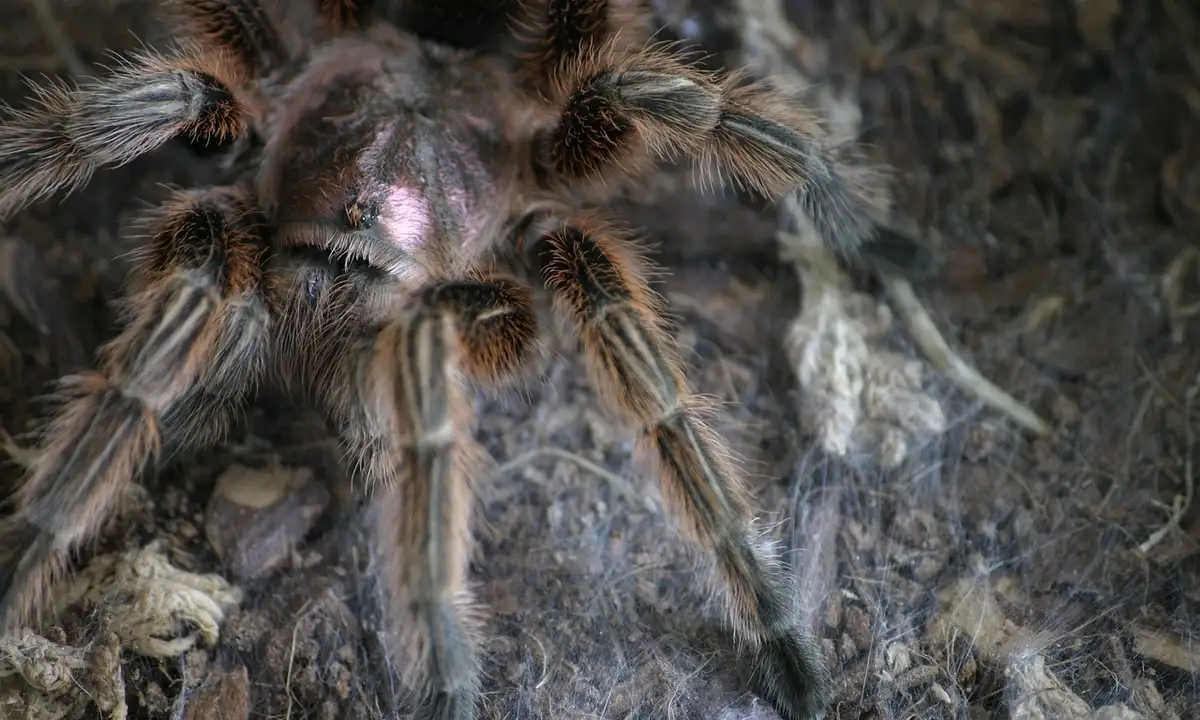
You have a list of names. Now, the real work begins. Think of this not as making an appointment, but as conducting an interview for a critical specialist. A vet’s willingness to see a tarantula does not automatically equate to competent, modern arachnid medicine.
Critical Questions for a Tarantula or Invertebrate Veterinarian
When you call, have these questions ready. A confident, experienced professional will answer them directly.
- What is your direct experience with arachnids, specifically tarantulas? Listen for specifics: “I’ve treated 20 in the last year,” or “I consult with a university entomology department.” “I have a few as patients” is a good start, but probe deeper.
- What diagnostic tools do you use for inverts? The answer should include stereo microscopy for examining molts, wounds, and mites. They should mention using magnification for physical exams.
- How do you handle a defensive species? A good answer involves minimal, calm restraint, perhaps using clear containers or soft brushes, never bare hands. For my OBT, Flash, I would need to hear a plan that prioritizes everyone’s safety.
- What are the most common tarantula ailments you treat? Look for mentions of nematode infections, impaction from poor substrate, traumatic injuries from falls, and problematic molts. This shows practical, first-hand clinic experience.
- What is your protocol for a suspected envenomation or severe urticating hair reaction in a human? While rare, they should know basic first aid and have a referral path to human medical professionals. This shows a holistic understanding of the pet-human dynamic.
How to Assess Credentials and Clinic Reviews
Credentials are a map, not the territory. A DVM is the baseline requirement. Look for additional affiliations or continuing education.
- Search for Published Work or Lectures: A vet who has written or spoken on invertebrate medicine at conferences is deeply invested.
- Decipher Online Reviews: Search the clinic’s name alongside keywords like “tarantula,” “spider,” or “exotic.” A single grateful post from another keeper is worth more than 100 generic “great with dogs” reviews.
- Trust Your Local Network: Ask in tarantula society forums or local reptile groups. My first exotic vet find came from a bearded dragon breeder who also kept centipedes.
- Clinic Environment: When you visit, do they have appropriate housing for exotics? A quiet, separate area from barking dogs? This demonstrates a clinic culture that reduces stress for all patients.
The initial phone call is your most powerful tool-it reveals the vet’s communication style, knowledge, and enthusiasm for the challenge.
Understanding Tarantula Veterinary Medicine and Common Treatments
Tarantula medicine is a frontier. It relies heavily on physical diagnosis, detailed husbandry review, and sometimes creative problem-solving. Knowing what to expect demystifies the process. Accurate species identification is essential because different tarantula species have distinct care needs. A tarantula species identification care guide can help owners tailor enclosure, humidity, temperature, and feeding strategies to the right species.
The Anatomy of a Tarantula Exam
The vet will likely ask you far more questions than they would for a cat. Be ready to detail everything.
- Husbandry Interrogation: They will ask for temperatures, humidity, substrate type, enclosure dimensions, and diet. This is not judgment-it’s diagnostics. Poor conditions cause 80% of health issues.
- Magnified Physical Exam: Using a scope, they’ll inspect the mouthparts (for nematodes or injury), the abdomen for lesions or bald spots, and the limbs for flexibility and setae loss.
- Molt Inspection: If you have a recent molt, bring it. It’s a goldmine of data. They can check for parasites, examine the spermathecae for females, and assess the old exoskeleton for abnormalities.
Common Tarantula Health Issues and Modern Treatments
Treatments are often delicate and supportive, not curative in a traditional sense.
| Condition | Possible Signs | Typical Veterinary Approach |
|---|---|---|
| Nematode (Worm) Infection | Refusal to eat, wasting abdomen, strange fluid near mouth, general lethargy. | Diagnosis via microscope of oral fluids or molt. Treatment may involve specific anti-parasitic agents applied topically or in a diluted bath. Quarantine and complete substrate changes are mandatory. |
| Dyskinetic Syndrome (DKS) | Uncoordinated movements, leg tremors, inability to right itself. Cause is often debated. | Supportive care only. The vet will rule out pesticide exposure and recommend a quiet, padded enclosure with a shallow water dish to prevent drowning. Recovery is rare. |
| Traumatic Injury | Ruptured abdomen, lost limb, hemolymph (blood) leakage. | Cleaning with antiseptic like diluted betadine and application of cornstarch or specialized clotting agents to seal minor leaks. A ruptured abdomen is often fatal, but a vet can provide humane euthanasia. |
| Severe Impaction/Constipation | Swollen, dark anal area, inability to pass waste, long-term fasting. | After ruling out pre-molt, the vet may administer a warm, gentle abdominal massage or a cloacal flush with saline to help clear the blockage. This is a high-risk procedure. |
The primary goal of tarantula veterinary care is often supportive: to correct husbandry, manage pain or infection, and provide the ideal conditions for the animal’s own formidable healing abilities to take over. It is a partnership between your observational skills and the vet’s clinical expertise. There are essential tarantula maintenance tasks that support this partnership. By keeping up with routine checks, enclosure hygiene, and habitat conditions, you help ensure healing and health between visits.
Exploring Telemedicine Options for Invertebrate Pet Care
The sudden stillness of your tarantula or a worrying lesion can send a chill through any keeper. For many of us, a specialized in-person vet is hours away. Telemedicine has emerged as a vital first line of defense, allowing for rapid visual assessment and guidance from experts anywhere in the world. I’ve used it myself for a lethargic Rosie, saving a long, stressful car journey.
This remote consultation relies on your ability to be the vet’s eyes and hands. The success hinges entirely on your preparation. Before your scheduled video call, gather clear, well-lit photos and videos of the problem area, the full enclosure, and the tarantula’s posture. Have a ruler nearby for scale. Be ready to detail the exact husbandry parameters: substrate type, temperature gradient, humidity percentage, and the last successful molt. Precision here turns a guess into a diagnosis. If you suspect the tarantula is actively molting or showing troubling signs (immobility, darkening abdomen, incomplete shed), note that clearly. These observations help us tell the difference between a normal molt and a potentially fatal issue.
Telemedicine excels for advisory consultations on molt complications, appetite issues, or minor wounds. A vet can walk you through safe husbandry corrections or minor intervention steps. Its primary limitation is obvious: no hands-on physical exam, diagnostic tests, or surgical intervention can be performed remotely. It is a powerful triage tool, not a replacement for critical in-person care.
How to Prepare and Transport Your Tarantula to the Clinic
The journey to the clinic is often the most stressful part for your tarantula. Your goal is to make it a silent, dark, and stable trip. For my fast old world species like Flash, this planning is a non-negotiable safety protocol. Minimizing vibration, light, and temperature fluctuation is more critical than speed. When you bring home a new tarantula, follow a 24-hour, step-by-step acclimation guide to ease the transition. This first day helps set the stage for long-term health and temperament.
-
Secure the tarantula in a small, ventilated deli cup with air holes. Line the bottom with a dry paper towel, not loose substrate. The container must be just large enough for the animal to sit comfortably without climbing. For heavy urticating hair kickers like my Goliath, I wear gloves and use long, soft-tipped forceps to gently guide them in. Seal the lid with tape. Even in a compact setup, plan for proper ventilation in any longer-term enclosure by using a secure lid with vents or mesh to ensure air exchange while preventing escapes. A well-ventilated, secure enclosure helps maintain appropriate humidity and reduces mold growth.
-
Prepare an insulated transport box with a mild heat source (like a hand warmer wrapped in a towel). A small Styrofoam cooler is perfect. Place the hand warmer at one end, wrapped in a towel to prevent direct contact. Place the deli cup at the other end, creating a thermal gradient. The box should stay quiet and dark.
-
Bring the entire enclosure or detailed photos of the setup. Photos on your phone work, but a small bag of your actual substrate can reveal moisture or mold issues. Have a written log of feeding, molting dates, and observed behavior. This context is invaluable to the vet.
-
Keep handling to an absolute minimum to reduce stress. Do not open the deli cup in the car or waiting room. Let the vet handle the extraction in a secure, enclosed space. Your tarantula is not a demonstration animal; its well-being depends on a calm, professional transfer. When you do need to handle it, know how to safely transport and rehouse your tarantula.
Navigating the Costs of Tarantula Veterinary Care

Specialized veterinary expertise comes at a premium, often surprising new keepers. The consultation fee for a qualified exotics veterinarian typically ranges from $75 to $150 before any diagnostics or treatment. This cost reflects the niche knowledge required, not a reflection of your pet’s size or perceived value. I budget for this potential expense just as I do for enclosures and feeders.
Common issues I’ve sought help for include mysterious lesions, dysfunctional molts, and paralysis from pesticide exposure. A basic fecal exam for parasites might add $25-$40. More advanced diagnostics, like a cytology slide to identify a fungal infection, can cost $50-$100. Medication itself is usually affordable, but the true expense is the professional assessment.
- Initial Consultation: $75 – $150
- Diagnostic Tests (e.g., fecal exam, cytology): $25 – $100+
- Medications/Topical Treatments: $10 – $30
- Emergency/After-Hours Visit: Costs can double
The single best way to manage cost is through impeccable preventative care. Perfecting your husbandry-stable humidity, correct temperature, and a stress-free environment-is the most effective veterinary insurance you can provide. I learned this after a scare with my Goliath bird eater (T. stirmi); a minor husbandry error led to a worrying lethargy that a vet confirmed was purely environmental and reversible with correction.
Strategies for Financial Preparedness
Always quarantine new arrivals in a separate room for at least three molts. This simple practice I adopted years ago has prevented countless potential outbreaks. Research local vets before an emergency arises; a calm phone call to inquire about services and fees is far better than a frantic search. Some avian and exotics practices offer wellness plans, though these rarely cover invertebrates specifically.
Veterinary Directories and Resources for Exotic Pet Owners
Finding the right professional requires moving beyond a standard Google search for “cat and dog vet.” Your primary tool should be directories maintained by accredited veterinary associations. The American Veterinary Medical Association (AVMA) and the Association of Reptilian and Amphibian Veterinarians (ARAV) have searchable online databases, though you must filter for invertebrate experience. These are my first stops when relocating or recommending care.
Specialized organizations are invaluable. The Association of Exotic Mammal Veterinarians (AEMV) and the American Association of Zoo Veterinarians (AAZV) sometimes have members with broader exotic interests. Don’t overlook university veterinary teaching hospitals; they often have exotic departments and are on the cutting edge of invertebrate medicine. I found a brilliant resident vet for my OBT’s (P. murinus) unusual web-building cessation through such a contact.
Vetting the Veterinarian: Key Questions to Ask
Once you have a name, make a preparatory call. The receptionist may not know details, so ask to leave a message for the vet or schedule a brief callback. Your goal is to gauge specific experience.
- “Do you personally see and treat pet tarantulas and other arachnids?”
- “What are the most common issues you diagnose in them?” (Good answers: “molting complications,” “trauma,” “parasitic mites.”)
- “Are you comfortable performing a hemolymph draw or administering subcutaneous fluids if needed?”
- “What is your typical diagnostic process for a lethargic tarantula?”
Be wary of a vet who suggests handling for examination as a first step. A knowledgeable professional will prioritize minimizing stress, often suggesting you bring the entire enclosure for observation. A truly skilled invertebrate vet understands that the most critical diagnostic tool is often a detailed husbandry history from you, the keeper. They will ask profound questions about substrate depth, humidity gradients, and feeding response.
The Power of Community Knowledge
While not a substitute for a vet, your local and online arachnid community is a vital resource. Reputable tarantula breeding groups and forums often have regional lists of keeper-verified veterinarians. I’ve shared my own positive experiences there. Before an appointment, take clear, well-lit photos and videos of the concerning behavior or symptom from multiple angles. This visual evidence can be crucial for a vet, especially if the tarantula appears normal during the stressful clinic visit. It’s also beneficial to have a basic understanding of common health issues in tarantulas to discuss with your vet.
FAQs
How can I verify a vet’s experience with tarantulas before making an appointment?
Directly call the clinic and ask specific questions about their hands-on experience. Inquire about the number of tarantula patients they see annually and the most common conditions they treat. You can also search for the veterinarian’s name online alongside keywords like “arachnid” or “invertebrate” to find published work or conference lectures, which indicate deep expertise. Also ask how they advise properly caring for advanced rare tarantula species, including habitat setup and humidity. This helps ensure you have a plan for both medical care and daily husbandry.
What is the best way to find a tarantula vet in a specific location like Orange County or Toronto?
Utilize the “Find a Vet” tool on the Association of Reptilian and Amphibian Veterinarians (ARAV) website, filtering by your location. Contact local exotic pet stores, reptile breeders, or public zoo insectariums, as they often have direct referrals. Additionally, post in regional tarantula or invertebrate keeper groups on social media for personal recommendations.
Is telemedicine a viable option for tarantula veterinary care?
Yes, telemedicine is an excellent first step for triage and consultation on non-emergency issues like molt concerns or appetite changes. It requires you to provide clear photos, videos, and detailed husbandry information. However, it cannot replace an in-person physical exam for diagnostics, wound treatment, or hands-on procedures.
Should my tarantula have regular wellness exams with a vet?
Routine wellness exams are not typically standard for tarantulas as they can be highly stressful. The best preventative care is impeccable husbandry. It is, however, critical to have a vet identified and vetted before an emergency arises, so you are prepared to act quickly if a health issue like a wound or infection occurs. If you notice sudden lethargy, swelling, or a visible wound, seek emergency veterinary care immediately. Having a tarantula-competent emergency vet identified ahead of time helps you act quickly and know what to do while transporting your pet.
What does “tarantula veterinary medicine” typically involve?
It involves a heavy focus on physical diagnosis using magnification and a detailed review of your husbandry. Common treatments may include topical applications for parasites or injuries, supportive care for molting issues, and environmental correction. It is a specialized field vastly different from vertebrate medicine due to unique invertebrate anatomy and physiology.
Long-Term Success
For long-term health, your primary goal is not finding a vet, but creating an environment so perfect your tarantula never needs one. The quality of their habitat is the single most important factor in preventing health issues. Many common tarantula health problems come from poor husbandry, so prevention starts with a proper enclosure. Keeping the humidity and temperature right and the enclosure clean helps prevent dehydration, molting issues, and infections.
Your greatest tool is quiet observation. Watch the meticulous engineering of a trapdoor burrow. Marvel at the patient ambush from a silk-lined tunnel. This is the reward. I’ve spent hours watching my old-world tarantula, Flash, turn her enclosure into a complex, golden fortress. Patience in husbandry and in observation will show you more about your tarantula’s health than any frantic internet search ever could.
Further Reading & Sources
- Care and Keeping of Tarantulas – Veterinary Medicine at Illinois
- Veterinary Care of Tarantulas | Arachnoboards
- Can veterinarians provide service to tarantulas? – Quora
Arlo is a lifelong arachnid enthusiast who believes tarantulas are the world’s most misunderstood roommates. With years of hands-on experience in tarantula care, habitat setup, and species behavior, Arlo combines expert knowledge with a dash of humor to make spider ownership less scary and a lot more fascinating. From choosing the right enclosure to understanding why your eight-legged buddy is doing that weird little pose again, Arlo is here to help you become the best tarantula parent you can be, without getting tangled in the web of misinformation.
Veterinary Care