
The Grammostola pulchra: Brazilian Black Tarantula
The Brazilian Black, Grammostola pulchra, is the undisputed ‘black labrador’ of the tarantula world, coveted for its deep velvet color and almost preternatural calm. This New World terrestrial is the quintessential beginner species, offering a breathtaking aesthetic and forgiving nature that builds confidence. Getting its care right hinges on two key factors: providing a deep, slightly moist substrate for burrowing and resisting the urge to over-mist, as this species thrives in a stable, semi-dry environment.
Quick Stats:
- Origin: The grasslands of Brazil and Uruguay.
- Type: New World, Terrestrial.
- Growth Rate: Glacial. This is a marathon, not a sprint.
This guide details the exact, patience-required husbandry to successfully shepherd a tiny, jet-black sling into a stunning, docile adult specimen.
Understanding “Beginner-Friendly” in the Tarantula World
In tarantula keeping, “beginner-friendly” does not mean boring. It describes species that forgive common mistakes and teach core husbandry without excessive risk. These spiders possess a combination of docile temperament, deliberate speed, hardy physiology, and forgiving care parameters that build your confidence.
Contrast this with my Orange Babbler Tarantula, Flash (Pterinochilus murinus). His bright orange color is stunning, but his speed is breathtaking. A rehousing attempt once saw him teleport up my arm, a blur of motion requiring calm retrieval. Species like Flash demand respect, experience, and flawless technique from day one.
My Chilean Rose Hair, Rosie, embodies the opposite. For weeks, she sits in perfect stillness, a dusty pink statue. Her patience is her lesson. Choosing a beginner species is about selecting a teacher that matches your current skill level.
Here are the ideal characteristics for a first tarantula:
- Docile Temperament: Rarely assumes threat postures. More likely to retreat than confront.
- Slow to Moderate Speed: Predictable movements that allow you to observe safely during maintenance.
- Hardy Physiology: Tolerates minor fluctuations in temperature and humidity without immediate harm.
- Forgiving Care Parameters: Thrives within a range of conditions, not a single precise number.
- Readily Available: Commonly bred in captivity, making wild-caught specimens less common.
- Clear Defensive Signals: Primarily uses urticating hairs or a threat pose rather than immediate, unpredictable bites.
Top 5 Beginner Tarantula Species: Detailed Profiles
This list is ordered from the classic, ultra-calm choice to slightly more active but still manageable starters. Each profile includes the core data you need for a successful setup.
1. The Chilean Rose Hair (Grammostola rosea / G. porteri)
The legendary “pet rock.” Its carapace has a subtle, iridescent sheen over a base color of dusty pink or gray. This species is famous for its profound tolerance of drought and its mysterious, long fasting periods.
My Rosie has refused food for over eight months, only to molt and resume eating as if nothing happened. Note that the vibrant pink form is often G. rosea, while the grayer form is G. porteri; care is identical. They are the epitome of low-maintenance.
- Scientific Name: Grammostola rosea / G. porteri
- Temperament: Exceptionally docile and stationary.
- Core Care Data: Temperature 70-80°F (21-27°C), humidity 60-70%.
- Key Trait: Unmatched patience and resilience.
2. The Mexican Redknee (Brachypelma smithi)
An icon of beauty with dark legs banded by striking orange-red joints. Their growth is achingly slow, a lesson in long-term commitment. Their generally docile nature makes them a fantastic display animal, but always respect their primary defense: a cloud of urticating hairs.
Provide a deep, dry substrate mix they can excavate. I keep humidity on the lower side, around 50-60%, with a shallow water dish always available. Their deliberate movements during a rehousing are a beginner’s blessing.
- Scientific Name: Brachypelma smithi
- Temperament: Calm and slow-moving.
- Core Care Data: Temperature 75-80°F (24-27°C), humidity 50-60%.
- Key Trait: Iconic coloration and predictable behavior.
3. The Curly Hair Tarantula (Brachypelma albopilosum)
This tarantula is covered in a breathtaking coat of long, curly setae that glisten like bronze wool. They are voracious, enthusiastic eaters and active substrate movers, offering more engagement than a true “pet rock.”
Their hearty appetite is a joy for a new keeper. They adapt to a range of humidity levels, from 60% to 70%, making them very forgiving. Watching mine meticulously remodel its burrow entrance each night provided my first real insight into tarantula behavior. With that in mind, maintaining stable humidity and clean water helps prevent common health issues like dehydration and mold growth. Regularly inspecting the enclosure and molt progress lets you catch problems early.
- Scientific Name: Brachypelma albopilosum (now Tliltocatl albopilosus in some taxonomies)
- Temperament: Docile but noticeably active, especially at dusk.
- Core Care Data: Temperature 70-78°F (21-26°C), humidity 60-70%.
- Key Trait: Engaging foraging behavior and unique texture.
4. The Brazilian Black Tarantula (Grammostola pulchra)
Imagine velvet midnight. G. pulchra is a solid, jet-black tarantula with a calm, regal presence. Its demeanor is often exceptionally placid, making it a superb choice for those who value a visible yet calm spider.
Compared to other Grammostola, it appreciates slightly higher humidity, around 65-75%. Their growth is slower, teaching you the virtue of patience in the hobby. The silence of the enclosure is broken only by its occasional, deliberate stroll across the substrate.
- Scientific Name: Grammostola pulchra
- Temperament: Notoriously calm and confident.
- Core Care Data: Temperature 70-78°F (21-26°C), humidity 65-75%.
- Key Trait: Striking solid black coloration and gentle nature.
5. The Costa Rican Zebra (Aphonopelma seemanni)
Identified by crisp black and white stripes on its legs, this is a fossorial enthusiast. Providing a deep, packed substrate layer is non-negotiable, as they love to construct extensive tunnels.
They can be skittish and may bolt short distances if startled, but their speed is manageable. They are incredibly hardy. A proper setup for this species, with substrate depth at least 1.5 times their leg span, lets you observe natural digging behaviors few other beginners species display so readily.
- Scientific Name: Aphonopelma seemanni
- Temperament: Generally docile but can be nervously fast when prodded.
- Core Care Data: Temperature 70-80°F (21-27°C), humidity 70-80%.
- Key Trait: Striking appearance and fascinating burrowing instincts.
Essential Beginner Tarantula Care Setup
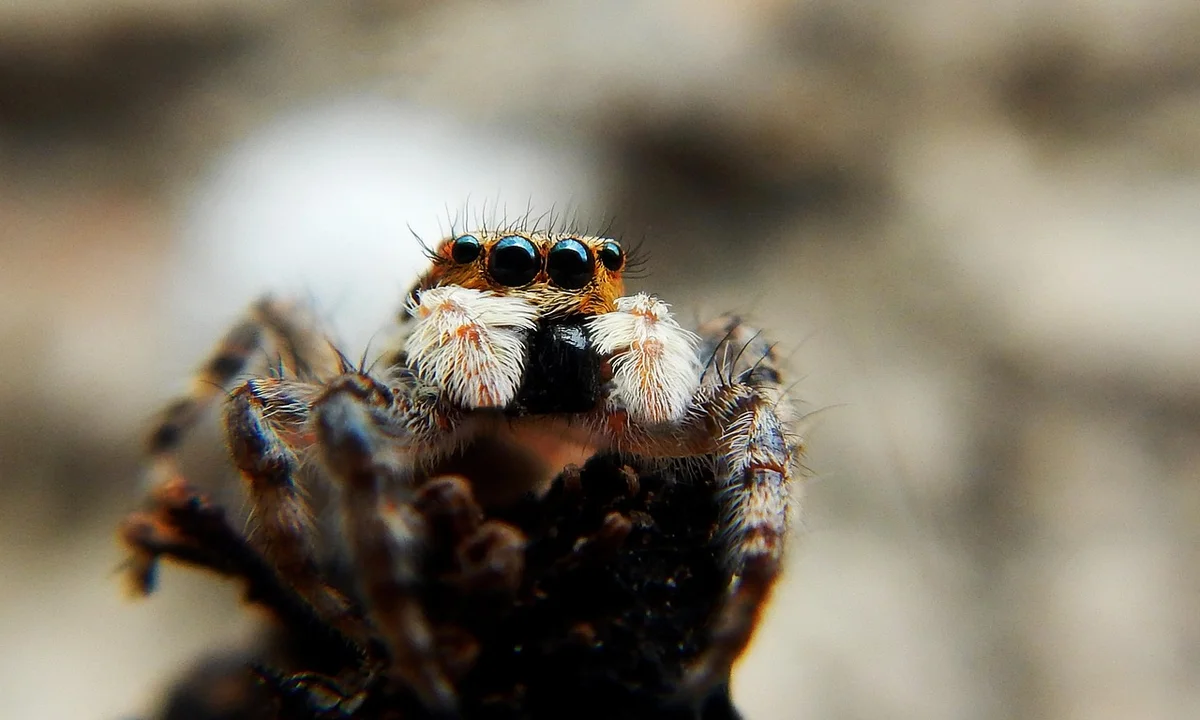
Assembling your first tarantula enclosure is a quiet art. From my years of keeping everything from pet rocks like my Grammostola rosea Rosie to humid-loving giants like Goliath, I learned that a proper setup prevents stress and health issues. Your primary goal is to create a secure, species-appropriate environment that allows you to observe natural behaviors without needing to interact physically. We will build this habitat step-by-step, focusing on three core components: substrate, climate, and furnishings. This best-enclosure-setup tarantula step-by-step guide will walk you through each stage. By the end, you’ll know how to tailor enclosure size, substrate depth, humidity, and furnishings for your tarantula species.
Choosing and Preparing Substrate
Substrate is your tarantula’s landscape. It anchors their world, influences humidity, and for many, provides a digging medium. The wrong choice can lead to mold or injury. I always treat substrate as the foundation of everything, choosing materials that hold structure and moisture without compaction. So, what are the best substrates for tarantula enclosures, and how do you maintain them over time? Regular checks on moisture and periodic substrate refreshes keep the enclosure stable and healthy.
Common options each have distinct traits:
- Coconut Fiber (Coir): A favorite for its consistency. It is sterile, retains moisture well, and is generally safe if kept clean. My OBT, Flash, webs extensively into it.
- Peat Moss: Excellent for moisture retention and acidity, but sourcing is an ecological concern for some keepers. It can be dusty when dry.
- Topsoil Mixes (Organic, Fertilizer-Free): Provides a natural, firm pack for burrowers. Always sift it to remove sticks and debris.
For most beginner species, a blend works best. Here is my simple, safe substrate recipe I’ve used for years:
- Take two parts coconut fiber.
- Mix with one part organic, additive-free topsoil.
- Add water gradually until the mixture clumps lightly in your hand without dripping.
This blend offers drainage, retains humidity for species that need it, and provides enough integrity for burrowing. Depth is critical. For terrestrial species like a Chilean Rose, provide at least 4-6 inches. For obligate burrowers or juveniles, fill the enclosure halfway to allow for tunneling.
Balancing Humidity and Temperature
Tarantulas are sensitive to atmospheric changes. Incorrect humidity can halt molts or cause respiratory issues. You cannot guess humidity; a digital hygrometer placed at substrate level is a non-negotiable tool. I learned this after Goliath’s enclosure dried out, leading to a difficult molt. Signs that humidity is off include a delayed molt, a stuck shed, or an unusually lethargic tarantula. Recognizing these signs lets you adjust humidity before more problems arise.
Maintain humidity by lightly misting one corner of the enclosure or by overflowing the water dish into the substrate. Never saturate the entire environment. Temperature is simpler: most species thrive at 70-78°F (21-25°C) ambient room temperature. Avoid heat mats under the tank, as tarantulas burrow to cool down; instead, warm the room gently if needed. Note that tarantula heating and humidity needs vary by species. Many popular beginner tarantulas come from tropical environments and require higher humidity and warmer room temperatures. Here is a quick reference for common beginner species:
| Species | Scientific Name | Humidity Range |
|---|---|---|
| Chilean Rose Hair | Grammostola rosea | Low (50-60%) |
| Curly Hair Tarantula | Tliltocatl albopilosus | Medium (60-70%) |
| Mexican Red Knee | Brachypelma hamorii | Low to Medium (55-65%) |
| Brazilian Black | Grammostola pulchra | Medium (60-70%) |
Rosie’s dusty pink carapace would dull in high humidity, while Goliath’s health depends on that 75-80% range. Monitor and adjust based on your individual spider’s behavior.
Selecting Hides and Water Dishes
Furnishings provide security and hydration. A stressed tarantula is a hiding tarantula, and that is perfectly normal. Your job is to offer a safe retreat that minimizes abrasion against their delicate abdomen. I use cork bark rounds or flat pieces for their soft texture and natural look. For complete beginners, this is a quick tarantula care introduction. It covers essential points like proper setup, safety, and stress reduction.
Other safe options include:
- Half-terracotta pots with filed smooth edges.
- Commercial reptile hides made of resin, checked for sharp seams.
- PVC pipe sections buried as starter burrows for slings.
The water dish is often overlooked. A shallow, always-full water dish is essential, not optional; tarantulas drink and may use it to regulate humidity. Use bottle caps for spiderlings and small ceramic dishes for adults. To prevent substrate from constantly being kicked into the water, place the dish on a flat stone or a small piece of slate. I do this for all my enclosures, and it saves daily clean-ups.
Remember, this setup is for observation. A well-furnished tank reduces the animal’s stress and your temptation to handle. Watching Rosie sit motionless for weeks or Flash construct her silken fortress is the real reward of arachnoculture.
The Routine: Feeding, Maintenance, and Molting
Establishing a predictable rhythm is the cornerstone of low-stress tarantula care. A simple weekly schedule creates stability, allowing you to monitor health without constant intrusion. Your primary tasks are observation, spot-cleaning, and ensuring fresh water-think of yourself as a curator, not a constant caretaker.
Here is a basic weekly checklist. Adjust based on your individual tarantula’s behavior.
- Daily: Visually check on your tarantula and its water dish. Look, don’t touch.
- Twice Weekly: Offer food based on your tarantula’s life stage and appetite. Always remove uneaten prey within 24 hours.
- Weekly: Refresh the water dish with clean, dechlorinated water. Remove any leftover boluses (prey remains) or mold from the enclosure with long tweezers.
Tarantulas, especially adults, are masters of the voluntary fast. My Chilean Rose Hair, Rosie, has gone eight months without a meal, only to resume eating as if nothing happened. A refusal to eat is rarely an emergency; it is often a sign of pre-molt secrecy or simple disinterest. Trust the process, maintain humidity, and avoid the urge to pester them with food.
Feeding Your Tarantula: Prey and Frequency
Appropriate feeder insects are crucial for nutrition and safety. I rely primarily on gut-loaded crickets and dubia roaches for my collection. Crickets are readily available, while roaches are quieter, less likely to burrow, and are a nutritious staple. Never use wild-caught insects due to pesticide risk.
Feeding frequency depends entirely on growth rate and size. Overfeeding can lead to a fatally ruptured abdomen. Use this chart as a starting point.
| Life Stage | Prey Size | Feeding Frequency |
|---|---|---|
| Spiderling | Pinhead cricket or roach nymph | 2-3 times per week |
| Juvenile | Small to medium cricket/roach | Once per week |
| Adult | Large cricket/roach | Once every 1-2 weeks |
My Burgundy Goliath Bird Eater, Goliath, follows the adult schedule closely. My OBT, Flash, as a fast-growing juvenile, often eats weekly. The golden rule of tarantula feeding is to remove any uneaten live prey from the enclosure to prevent injury or stress to your spider. A cricket can harass a molting tarantula with fatal results. When deciding between live prey and pre-killed offerings, many keepers opt for pre-killed prey for juveniles or during delicate periods to reduce risk. Some tarantulas will still accept live prey if supervised, but always tailor the method to the individual spider’s age, temperament, and molt cycle.
Recognizing and Supporting the Molt
Molting, or ecdysis, is the process where your tarantula sheds its old exoskeleton to grow. Recognizing the signs prevents catastrophic feeding mistakes. In the weeks before a molt, your tarantula will often become reclusive, refuse food, and its abdomen may darken and appear shiny. It will likely seal itself in its hide or burrow.
When you suspect a molt is imminent, your job is simple: do not disturb. Do not offer food. Ensure the water dish is full to help with humidity. The actual molt is a vulnerable, silent event where the tarantula lies on its back. Never intervene.
Post-molt care is critical. The new exoskeleton is soft and the fangs are pale and rubbery.
- Do not feed. Wait at least 7-10 days after the molt, until the fangs have hardened to a deep black.
- Ensure water is available. Hydration is vital for the hardening process.
- Avoid all disturbances. No handling, no cage maintenance. Give them space for a full week.
I have watched my OBT, Flash, emerge from a molt with a breathtaking, vibrant orange sheen. Respecting this fragile period is the best way to ensure your tarantula’s long-term health and vibrant colors.
Safe Keeping: Handling Advice and Common Mistakes
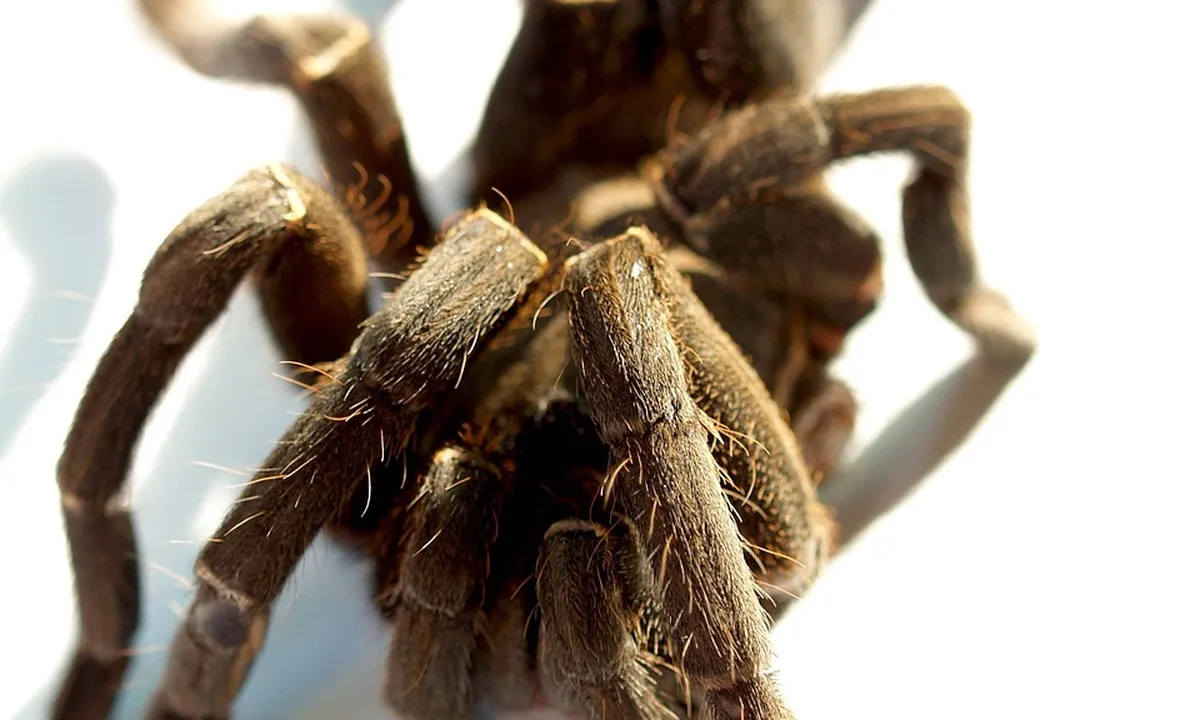
I advocate for a “Look, Don’t Touch” approach with every tarantula I keep. Their exoskeletons are brittle and a fall from even a foot can cause a fatal rupture. Species like my Theraphosa stirmi, Goliath, can flick urticating hairs that embed in skin and eyes. The greatest risk is the invisible stress you impose, which can suppress feeding and weaken the immune system. Many tarantula health problems are preventable with proper husbandry. Regular observation and preventive care—stable humidity, clean housing, and minimal handling—can help catch issues before they become serious.
My cautionary tale involves rehousing Flash, my Pterinochilus murinus. Her strike speed is a blur. During one move, she teleported from her cork bark to the curtains in a silent, orange flash. My heart pounded as I used a cup and brush to guide her back. That escape was a stark reminder that our confidence often outpaces their tolerance.
Why “Hands-Off” is Best for You and Your Tarantula
Physiologically, handling is an assault on a tarantula’s senses. Their primary world is vibrational; the pressure and heat of a hand mimic a predator. This triggers a panic state, diverting energy from digestion and growth. Observing natural behaviors, like a meticulous web build or a patient ambush, provides deeper insight than any forced hold.
I find more joy watching my Grammostola rosea, Rosie, sit motionless for weeks than I ever would holding her. That stillness is her natural state. Framing non-handling as respect honors the tarantula as a fascinating observation animal, not an interactive toy.
Top 5 Beginner Mistakes to Avoid
-
Over-misting the enclosure. Constant wetness breeds mold and mites. For moisture-dependent species, I pour water directly into the substrate in one corner. This creates a humidity gradient. The surface can stay dry while the lower layers retain moisture.
-
Using inappropriate heat sources. Heat lamps and under-tank heaters create dangerous hot spots. Tarantulas cannot retreat from radiant heat. Maintain ambient room temperatures between 70-80°F (21-27°C); most species thrive here without added heat. Humidity is part of the ideal temperature-humidity range for tarantula enclosures and varies by species. Many tarantulas do well with roughly 40-60% humidity, while tropical species may need higher levels.
-
Disturbing a molting tarantula. During ecdysis, their new exoskeleton is soft and their old one splits. Any touch can trap them or cause injury. If your tarantula is on its back, do not assist. Simply ensure the humidity is elevated and walk away.
-
Choosing an enclosure that is too large. A vast space causes stress and makes prey hard to find. For an adult terrestrial, an enclosure length 2-3 times its diagonal leg span is perfect. This makes them feel secure and helps you monitor their health.
-
Misinterpreting stillness as illness. Tarantulas are masters of energy conservation. My G. rosea has refused food for over eight months, which is normal for her species. Learn your tarantula’s baseline behavior before assuming something is wrong.
Finding Your First Pet Tarantula
Finding a healthy tarantula from an ethical source is the most important step you can take for a successful start. Your spider’s long-term health is directly tied to how it was sourced and raised in its earliest days. I learned this the hard way with my first T, Rosie, who was a pet store purchase; she arrived with unexplained health quirks I’ve managed for fifteen years.
General pet stores should be your last resort. Their animals are often wild-caught, stressed, or mislabeled, and staff rarely have species-specific care knowledge. Choosing a knowledgeable breeder over a big-box store supports ethical captive breeding and gives you a healthier, more predictable animal.
- Reputable Breeders: A dedicated breeder is your gold standard. They know the lineage, assure the spider is captive-bred, and provide precise hatch dates. You can ask detailed questions about temperament and feeding response. They are invested in your success.
- Specialty Expos: Reptile and invertebrate expos are fantastic for meeting breeders face-to-face. You can inspect the spider’s condition, see its activity level, and buy all your initial supplies in one trip. The community atmosphere is invaluable for new keepers.
- Online Communities & Forums: Groups focused on arachnoculture are hubs for trusted breeder referrals. Members often sell well-started spiderlings from their own projects. These networks are built on reputation-breeders who provide poor stock or misidentified species are quickly identified.
Once you’re established, you might hear of “mystery boxes” from large online dealers. This is an advanced option I only recommend for seasoned keepers ready to house and identify any new world or old world species that arrives. It is not a method for obtaining a specific, beginner-friendly pet.
Common Questions
Where can I find community recommendations, like on Reddit or Arachnoboards?
Online communities are excellent for gathering real-world keeper experiences. On Reddit, the r/tarantulas subreddit is a primary hub for beginners to ask questions and see photos. Arachnoboards is a dedicated, long-standing forum with in-depth care guides and a classifieds section for purchasing. Engaging in these communities allows you to learn from collective experience before making your choice.
What should I look for when buying a beginner tarantula online?
Always purchase from a reputable, specialized breeder or invertebrate dealer with positive reviews in the community. Ensure the seller provides clear information on the spider’s scientific name, approximate size (instar), and whether it is captive-bred. A trustworthy seller will also use appropriate, secure packaging for live animal shipping and be available for post-purchase support.
Are “mystery box” tarantulas a good idea for a beginner?
No, mystery boxes are strongly discouraged for first-time owners. As noted in the sourcing guide, this is an advanced option for experienced keepers. You could receive a fast, defensive, or humidity-sensitive species that requires expert care, completely contrary to your goal of finding a predictable and forgiving beginner pet.
What is a “blond sand” tarantula, and is it beginner-friendly?
This likely refers to the Arizona Blond Tarantula (Aphonopelma chalcodes), a New World species native to southwestern U.S. deserts. It is generally docile and hardy, making it a suitable beginner choice for those who can provide a dry, well-ventilated setup. Its care is similar to other arid-loving species like the Chilean Rose Hair.
How do I finally choose the best beginner species for me?
Review the core beginner traits outlined in the article: docile temperament, slow speed, and hardy nature. Match a species from the recommended list to your personal preference for appearance (color, texture) and the type of behavior you’d like to observe (sedentary vs. more active). Your first tarantula is a teacher-choose one that aligns with your comfort level.
The Final Molt
Your journey begins not with handling, but with providing consistent, simple care. For the beginner species we’ve discussed, from the hardy Chilean Rose Hair to the terrestrial Curly Hair, one principle stands above all: err on the side of dry substrate with a water dish, as most issues stem from excessive moisture and poor ventilation.
Success is measured in quiet moments. Watch for the careful excavation of a burrow, the silent assembly of a silken funnel, or the sudden, precise strike at a cricket. I’ve spent hours watching my OBT, Flash, engineer elaborate web tunnels, a testament to patience I never knew I had. The real reward in this hobby is bearing witness to these instinctual behaviors in an environment where your tarantula feels secure enough to simply be itself.
Further Reading & Sources
- Grammostola pulchra – The Tarantula Collective
- Grammostola pulchra – Wikipedia
- Grammostola pulchra (Brazilian Black Tarantula) Information + Careshee – Fear Not Tarantulas, Inc.
Arlo is a lifelong arachnid enthusiast who believes tarantulas are the world’s most misunderstood roommates. With years of hands-on experience in tarantula care, habitat setup, and species behavior, Arlo combines expert knowledge with a dash of humor to make spider ownership less scary and a lot more fascinating. From choosing the right enclosure to understanding why your eight-legged buddy is doing that weird little pose again, Arlo is here to help you become the best tarantula parent you can be, without getting tangled in the web of misinformation.
Popular Species