
The Handling Myth: Why Holding Your Tarantula Isn’t a Sign of Affection
Published on: December 22, 2025 | Last Updated: December 22, 2025
Written By: Arlo
The widespread image of a tarantula crawling calmly on a keeper’s hand is a compelling but deeply flawed portrait of proper care, one that misrepresents the animal’s needs and our role as custodians. This article dismantles the handling myth, explaining why physical contact is not an act of bonding but a source of preventable stress and danger. True stewardship is shown through meticulous husbandry and quiet observation, not through hands-on interaction that risks a fatal fall or a defensive bite. My 15-year-old Chilean Rose Hair, Rosie, embodies this perfectly; her docile nature makes her seem like a candidate for handling, but I choose to admire her dusty pink colors from the other side of the glass, where she is truly content.
Quick Stats: (using the commonly handled Chilean Rose Hair as an example)
- Origin: The arid scrublands of Chile
- Type: New World Terrestrial
- Growth Rate: Exceptionally slow, often taking a decade or more to reach full size
This guide will provide the foundational understanding you need to transition from a handler to an expert keeper, ensuring your tarantula lives a full, secure life from vulnerable sling to majestic adult.
The “Pet Rock” Fallacy: Why We Misread Tarantula Behavior
We assign human traits to our eight-legged charges. A tarantula that sits motionless for weeks, like my old Chilean Rose Hair Rosie, gets labeled a “pet rock.” We mistake this profound stillness for a calm, tolerant personality. This is a critical error in interpretation, one that forms the shaky foundation for the handling myth.
In reality, that immobility is a deeply ingrained survival strategy. In the wild, movement attracts predators. By freezing, a tarantula hopes to become part of the landscape. When you pick them up, their continued lack of movement isn’t enjoyment-it’s sheer terror. They are waiting for the massive, warm, unpredictable predator (you) to lose interest and go away.
I learned this lesson not from a textbook, but from years of observing Rosie’s subtle cues. Her refusal to eat for months at a time wasn’t stubbornness; it was a sign of chronic, low-level stress. Their physiology is built for energy conservation, not interaction, and what we see as placid patience is often a catatonic fear response.
We crave reciprocity from our pets, but a tarantula’s brain is incapable of forming bonds or feeling affection. They operate on a simpler program: threat or not a threat. Your hand, no matter how gentle, registers overwhelmingly in the “threat” category. Interpreting their stillness as consent is a dangerous projection that puts the animal’s welfare at risk.
Handling Through a Tarantula’s Eyes: A World of Predators and Stress
Imagine the sensory shock. Your world is dark, quiet, and defined by vibrations through the ground and air. Suddenly, the world tilts, gravity shifts, and you are surrounded by overwhelming heat, strange scents, and blinding light. This is handling for a tarantula.
Their primary senses are utterly bombarded. The delicate hairs on their body and legs, which detect the faintest air currents, are flooded with information from your breathing and movements. To a tarantula, being lifted is less like being cuddled and more like being abducted by a sky monster. Their reaction options are limited and primal.
New World tarantulas, like my Burgundy Goliath, will likely resort to kicking a cloud of urticating hairs. These microscopic barbed arrows cause intense itching and can damage eyes or airways. It’s a defensive weapon of first resort. Old World tarantulas, like my OBT Flash, lack these hairs but possess faster, more medically significant venom. Their response is often a lightning-fast strike.
The physiological cost of this stress is real and measurable. A stressed tarantula may refuse food for extended periods, abort a molt (a life-threatening situation), or become chronically skittish. I’ve seen Goliath, who needs precise humidity, spend days rearranging his entire burrow after a necessary enclosure cleaning-a clear sign of the disruption we cause.
Respectful care means seeing the world from their perspective. The joy is in observation: watching the meticulous silking of a burrow entrance, the careful grooming of pedipalps after a meal, the iridescent sheen of a freshly hardened exoskeleton. True connection comes from providing a secure, species-appropriate habitat where they can express their natural behaviors without fear, not from forcing an interaction that only benefits the keeper’s ego.
Tangible Risks: Why Handling is a Husbandry Hazard
Immediate Physical Dangers: Falls, Bites, and Hairs
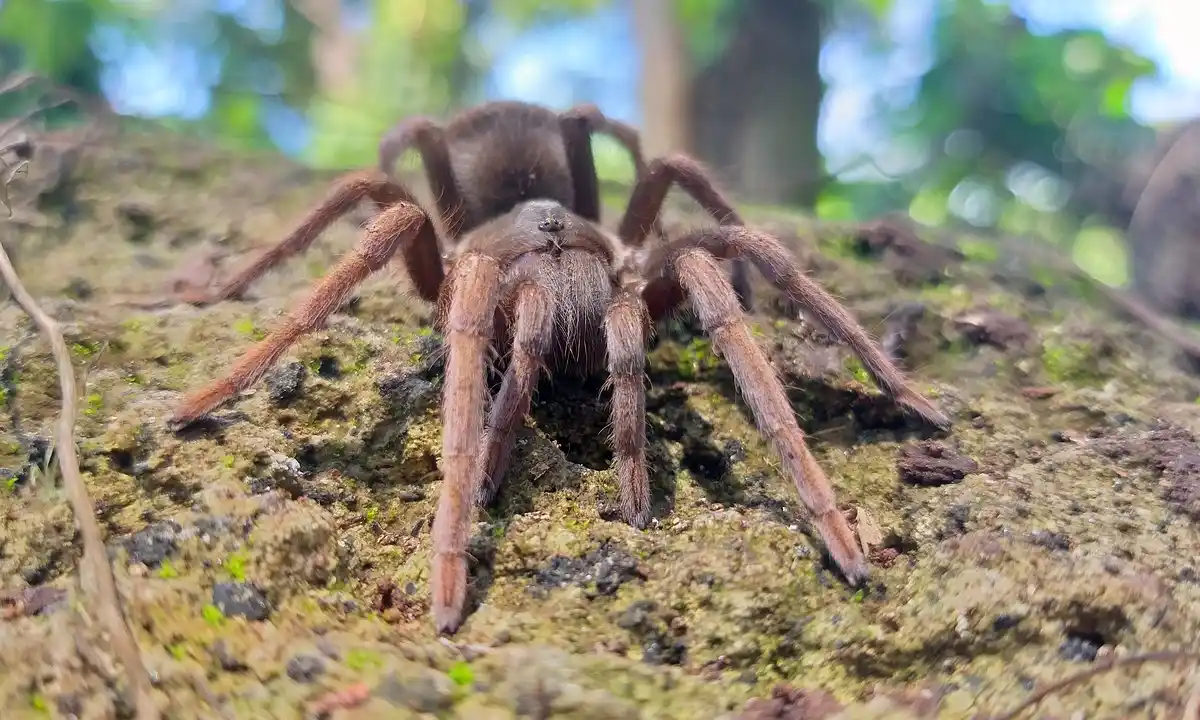
A tarantula’s body is a hydraulic system encased in a brittle exoskeleton. A fall from even a modest height can rupture their abdomen like a water balloon, leading to a slow, fatal leak. This is the single greatest physical risk, and a perfectly calm tarantula can make a sudden, unexpected move. My old world tarantula, Flash, can cover six inches in a blur if startled.
While most species’ venom is not medically significant to humans, a bite is a traumatic event for both parties. The tarantula wastes precious venom meant for prey, and you risk a painful wound and potential allergic reaction. Defensive mechanisms are worse. My T. stirmi, Goliath, will readily kick a cloud of urticating hairs. These microscopic, barbed hairs cause intense itching and can permanently damage eyes or lungs. Handling forces a choice between fight or flight that never needs to happen.
The Hidden Toll: Chronic Stress and Compromised Health
The immediate dangers are obvious, but the silent damage of stress is more insidious. Tarantulas are not social animals; being lifted from their secure territory is profoundly stressful. This chronic anxiety manifests in ways that shorten their lives.
I see this in my Grammostola rosea, Rosie. When she is in one of her classic multi-month fasts, any external disturbance could prolong it. Stress suppresses their appetite and directly weakens their immune system. A stressed tarantula is far more susceptible to fungal infections and may have catastrophic molting difficulties. The energy required to recover from frequent handling is energy stolen from the vital process of growth and regeneration.
Furthermore, a perpetually stressed animal displays unnatural behaviors. It may remain frozen in a threat posture for hours or abandon a carefully constructed burrow. You are not building trust; you are teaching it to be in a constant state of high alert.
The “Look, Don’t Touch” Philosophy: Enrichment Through Observation
Creating an Engaging Enclosure
True tarantula keeping shifts the focus from our desire to interact to their need to express natural behaviors. A proper enclosure is a dynamic landscape, not a sterile box. Your goal is to build a habitat so engaging that you are compelled to watch, not to intrude. When we discuss essential features, it helps to distinguish terrestrial from arboreal tarantulas, since their enclosures must reflect whether the spider climbs or tunnels. The differences in vertical space, substrate depth, and climbing structures guide your setup for both types.
I build for the species. For my moisture-dependent Goliath, I use a deep layer of moisture-retentive substrate like coconut fiber and sphagnum moss, with a large, shallow water dish for humidity. For my arid-loving Rosie, I provide a mix of topsoil and sand for burrowing stability. For Flash, I offer ample anchor points like cork bark and twigs for his prolific webbing.
Consider a bioactive setup with springtails to manage mold and waste. Add leaf litter, which provides hiding spots for prey and encourages natural foraging. Watching your tarantula remodel its space, tamp down substrate, or weave a silken tunnel is more rewarding than any brief hold, especially when you’ve used the best substrates for a tarantula enclosure.
The Art of Observation: Learning Their Unique Language
Tarantulas communicate through posture and action. Beyond posture, tarantulas also communicate through vibrational signals and, in some species, stridulation. These cues help reveal how they perceive and respond to other spiders and threats. Dedicated observation reveals a complex individual. Note the time of evening your tarantula becomes active. Watch how it drinks, using its pedipalps to delicately draw water to its mouth.
Learn the signs. A tarantula lying flat and still is often relaxed. One standing tall on its tiptoes with front legs raised is in a threat posture. The slow, methodical grooming of its fangs and legs is a sign of contentment. Respecting this non-verbal language builds a deeper connection than physical contact ever could.
I know Rosie is entering pre-molt when she seals her burrow entrance with silk and soil. I know Goliath is hungry when he rests at the front of his enclosure, poised. I know Flash is doing well when his web mat expands each night. This silent study is the core of advanced husbandry. It requires patience, but the intimacy of understanding a creature on its own terms is the true reward of being an arachnoculturist.
Responsible Ownership: Prioritizing Your Tarantula’s Welfare
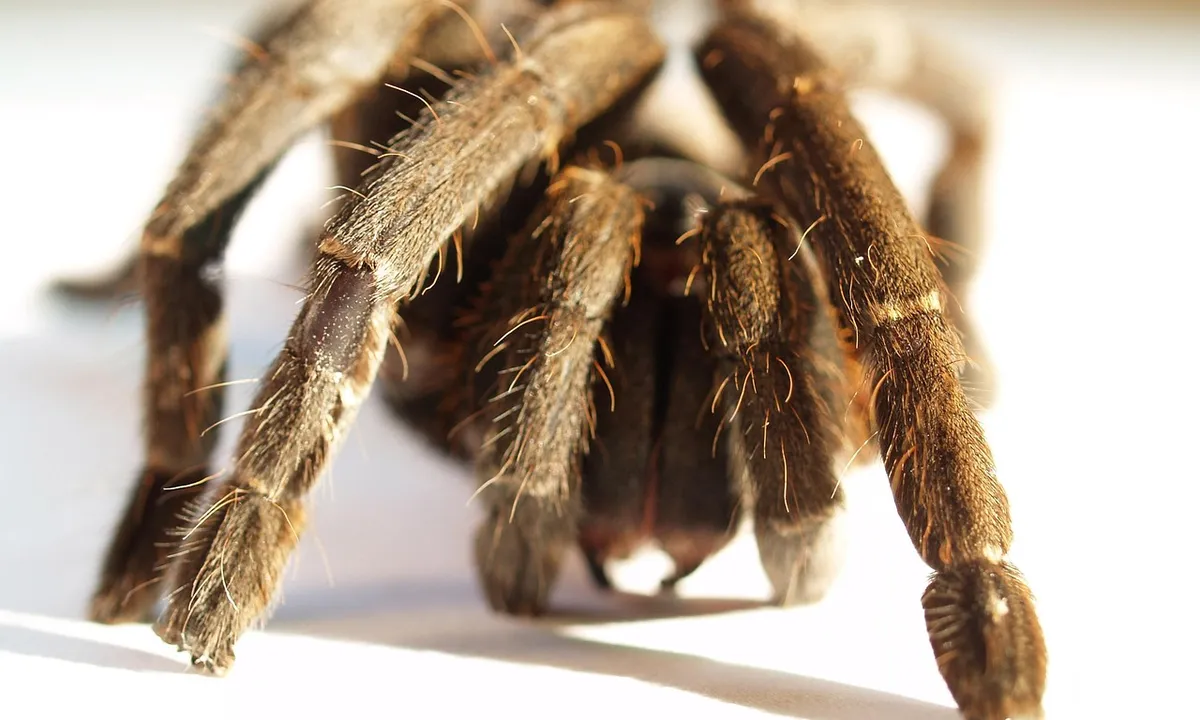
True care for your tarantula means seeing the world from its eight-eyed perspective. Their welfare hinges on an environment that meets their biological needs and minimizes unnatural stress. Providing consistent, species-specific husbandry is the most profound expression of a keeper’s dedication.
Stress: The Silent Welfare Issue
Tarantulas are masters of stillness, making their stress signals easy to miss. They don’t whimper or cry; they communicate through behavior and posture. Chronic stress weakens their immune system and can shorten their lifespan. Learning to read your tarantula’s body language helps you spot stress early and recognize defensive signs. Understanding these cues lets you adjust care and handling to minimize risk.
- Constant Climbing on Glass: For terrestrial species like my Grammostola rosea Rosie, this often indicates unsuitable substrate, excessive humidity, or pests in the enclosure.
- Prolonged Fasting Beyond Molt Cycles: While some species fast naturally, a sudden, months-long refusal of food in a previously good eater can be a red flag. Rosie’s famous fasts taught me the fine line between a species quirk and a welfare concern.
- Aggressive Posturing at Routine Maintenance: A defensive threat pose when you add water isn’t normal. It suggests the enclosure feels like unsafe, exposed territory.
- Excessive Hair-Kicking: While a natural defense, frequent, unprompted flicking of urticating hairs, as my Theraphosa stirmi Goliath will do, signals an animal that feels perpetually threatened.
The Physical Risks of Handling
Beyond stress, physical danger is ever-present. A fall from even a short height can rupture a tarantula’s abdomen, leading to a fatal leak of hemolymph. Their exoskeleton is armor, not cushioning. A three-inch drop can be a death sentence for an adult terrestrial tarantula, a fact every keeper must imprint in their mind. Even careful handling is essential, because tarantulas die when dropped or mishandled. A slip or misstep can turn a routine handling into a fatal accident.
I learned this through near-disaster. My Pterinochilus murinus, Flash, is a speed demon. During a necessary rehousing, a sudden movement sent him sprinting up my arm. The heart-stopping panic of guiding him back to safety without a fall or a defensive bite was a permanent lesson. It was not bonding; it was a crisis I created.
Superior Alternatives to Handling
Channel the energy you might put into handling into creating and observing. This is where husbandry becomes an art form.
- Master the Art of the Bioactive Enclosure: Build a miniature, self-cleaning ecosystem. Use a deep, moisture-retentive substrate layer, add beneficial cleanup crews like springtails, and incorporate safe leaf litter and cork hides. Watching your tarantula interact with a complex environment is infinitely more rewarding than holding it.
- Become a Molt Archaeologist: After a successful molt, carefully retrieve the exuviae. Under good light, you can sex it, examining the spermatheca for females or examining the furrow for signs of male palpal bulbs. It’s a hands-off health check and a fascinating biology lesson.
- Document Their Unique Behaviors: Keep a log. Note feeding responses, web-tunnel architecture, and pre-molt seclusion periods. Over years, you’ll compile a personal ethogram of your animal’s life, a story far richer than any handling session.
Responsible ownership means prioritizing the animal’s natural instincts over our human desire for contact. The greatest privilege you have as a keeper is not to hold your tarantula, but to provide a sanctuary where it can express its full, undisturbed behavioral repertoire. The quiet satisfaction of seeing a well-adjusted tarantula thrive on its own terms is the hobby’s true reward.
FAQs
What should I do if my tarantula climbs out during enclosure maintenance?
Stay calm and avoid sudden movements. Gently guide the tarantula back into its enclosure using a soft paintbrush or a clear plastic container. Never grab or swat at it. The goal is to minimize the duration of the incident and return the animal to its secure space with as little stress as possible. Proper handling techniques are crucial during any interaction.
Are there any species of tarantula that are “safe” to handle?
No species is truly “safe” for handling from the tarantula’s perspective. While some, like the Chilean Rose Hair, have a more docile temperament and less potent venom, the core risks of falls, stress, and triggering defensive behaviors remain. Their tolerance is often misinterpreted stillness due to fear, not consent or enjoyment. For beginners, handling is not recommended; observation and enclosure-based care are safer. If handling is ever necessary, seek guidance from an experienced keeper and keep procedures brief and calm.
How can I interact with my tarantula without handling it?
Meaningful interaction comes through observation and habitat design. You can engage by providing enrichment like new cork bark hides or leaf litter for them to explore and rearrange. The deepest interaction is studying their behaviors: watching them hunt, web, drink, or groom, which teaches you their unique personality and needs.
Isn’t occasional handling good for “socializing” my tarantula?
Tarantulas do not have the capacity for socialization or bonding. They are solitary, instinct-driven creatures. Repeated handling does not build trust; it habituates them to a high-stress situation, which can lead to chronic anxiety, suppressed immune function, and unpredictable defensive reactions over time. These common tarantula behaviors often signal stress or defensive instincts rather than a social bond. Interpreting them helps owners understand what the tarantula needs and when handling may be inappropriate.
What are the signs my tarantula is content in its enclosure?
A content tarantula will exhibit natural, relaxed behaviors. This includes constructing or maintaining a burrow or web, grooming itself regularly, taking prey readily during appropriate feeding cycles, and moving calmly within its space. For many species, simply sitting peacefully in the open is a sign of feeling secure. An ultimate guide to tarantula burrows explains why they dig and how a burrow supports safety and daily rhythms. Understanding these digging needs helps keep them secure and thriving in captivity.
Long-Term Success: Redefining the Bond
Success with tarantulas is measured in successful molts and natural behaviors, not in minutes held. For a beginner species like the Chilean Rose Hair (Grammostola rosea), the most critical factor is often avoiding over-care. Provide deep, dry substrate and a water dish, and resist the urge to mist; these arid-weather spiders thrive on neglect and are far more likely to be stressed by damp conditions than by a dry spell.
Shift your focus from your hands to your eyes. Watch the meticulous engineering of a tunnel, the precise grooming of pedipalps after a meal, or the patient ambush from a silken retreat. My OBT, Flash, has created a labyrinth of web tubes I study nightly, a far more captivating display than any brief handling session. The true reward is bearing witness to a life lived entirely on its own terms, in the quiet world you helped create.
Further Reading & Sources
- Myth: Tarantulas are dangerous to humans | Burke Museum
- Debunking Myths About Creepy, Crawly Creatures | Desert Botanical Garden
- The Best (and Most Ridiculous!) Tarantula Myths | Tom’s Big Spiders
Arlo is a lifelong arachnid enthusiast who believes tarantulas are the world’s most misunderstood roommates. With years of hands-on experience in tarantula care, habitat setup, and species behavior, Arlo combines expert knowledge with a dash of humor to make spider ownership less scary and a lot more fascinating. From choosing the right enclosure to understanding why your eight-legged buddy is doing that weird little pose again, Arlo is here to help you become the best tarantula parent you can be, without getting tangled in the web of misinformation.
Tarantula Myths and Misconceptions