
Sling vs. Juvenile vs. Adult: Which Tarantula Age is Right for You?
Published on: December 27, 2025 | Last Updated: December 27, 2025
Written By: Arlo
The single most pivotal choice a new keeper makes isn’t about species-it’s about committing to a creature that will transform before your eyes over years, not months. This guide cuts through the uncertainty by comparing the distinct experiences of raising a microscopic sling, a rapidly-changing juvenile, and a settled adult tarantula.
- Quick Stats:
- Sling (Spiderling): Tiny, fast-growing, fragile. High mortality risk with poor care. Maximum observation of growth.
- Juvenile: Established feeder, shows adult colors and behaviors. The “sweet spot” for many keepers seeking visible activity.
- Adult: Final form, long-lived, and predictable. Often the most expensive upfront, but with known sex and temperament.
I will walk you through the specific husbandry, patience, and rewards required to successfully steward a tarantula through each of these profound life chapters.
Defining the Life Stages: Sling, Juvenile, Adult
What Does a Tarantula Sling Look Like?
A spiderling, or ‘sling’, is a tarantula fresh from its egg sac, typically with a legspan under one inch. Picture a delicate, eight-legged speck often bearing little resemblance to its parents. My P. murinus Flash was a fiery orange pinhead, while my T. stirmi Goliath was a plain, dark brown. Their miniature size demands specialized care, starting with a secure, ventilated enclosure like a dram vial or deli cup to prevent escapes and maintain critical humidity. They are fragile, but never underestimate them; even a tiny sling can possess medically significant venom or, in New World species, minute urticating hairs.
Husbandry for slings focuses on moisture and micro-prey. I keep substrate slightly damp, not soggy, to prevent dehydration-a common killer. I feed pre-killed pinhead crickets or chopped mealworms, removing uneaten food quickly to avoid mold in the humid micro-environment. Observing a sling is an exercise in patience, watching for the subtle signs of an approaching molt, like a darkening abdomen or refusal of food.
The Transformation Through the Juvenile Stage
The juvenile stage is where personality and morphology explode. Spanning from about 2 to 4 inches, the tarantula begins to look like its adult self. Colors intensify; Flash’s orange became electrifying, and Goliath’s brown gained a reddish sheen. This phase is marked by frequent molts, sometimes every few months, where you can visibly see size increases and color changes post-shed. Behavior solidifies: my once-skittish Goliath began his signature hair-kicking, and Flash started webbing his entire enclosure.
Enclosure upgrades are necessary during this rapid growth. I move juveniles to permanent adult-sized enclosures only when they are large enough to not get lost or stressed by the space, usually around the 3-inch mark. Feeding shifts to live, appropriate-sized crickets or roaches. This is the most interactive stage for observation, as hunting and web-building behaviors are fully displayed, yet the “Look, Don’t Touch” rule remains paramount for their safety and yours.
Recognizing the Adult Tarantula
Adulthood is defined by sexual maturity, reached at the ultimate molt. Males develop tibial hooks on their front legs and emboli on their pedipalps, while females simply grow larger and stockier. My 15-year-old Rosie, a G. rosea, reached her final dusty pink coloration years ago and has shown no further size increase through countless molts. Adult care focuses on maintenance: stable temperatures (70-80°F for most), species-specific humidity, and less frequent feeding for some, like mature females.
An adult’s enclosure is its final kingdom. For a burrower like Flash, I provide deep, packable substrate; for Goliath, a large water dish and damp substrate to maintain 80% humidity. Choosing the right substrate is essential for maintaining that balance over years. The best substrates are those you can consistently manage to support humidity, burrowing, and overall health. The silence of an adult tarantula’s enclosure is a sign of contentment, a stark contrast to the frantic energy of a growing juvenile. Their longevity-females can live decades-means committing to a long-term, observant relationship.
The Timeline of Growth: From Sling to Adult
How Molting Drives Development
Molting, or ecdysis, is the engine of tarantula growth. The spider builds a new, larger exoskeleton underneath the old one, then splits its carapace and struggles free. I’ve watched Goliath lie on his back, perfectly still, before the sudden, rhythmic flexing that frees him from his old skin. The process is exhausting and vulnerable; I never disturb a molting tarantula and ensure humidity is slightly elevated to ease the shed. For readers seeking practical guidance, a complete guide to tarantula molting problems and solutions explains common issues, how to spot them, and when to intervene safely. It helps hobbyists distinguish normal molts from complications and know when to seek expert care.
The pre-molt phase can last weeks: appetite vanishes, the abdomen darkens and shines, and the tarantula may seal itself in its burrow. Post-molt, they are soft and defenseless, their new exoskeleton needing days to harden and their colors reaching full vibrancy. I withhold food for at least a week after a molt to prevent injury from a still-tender mouth. You can read more about when it is safe to feed your tarantula after molting.
How Many Molts to Adulthood?
There is no fixed number, as growth rates vary wildly by species, sex, and individual. Generally, fast-growing species like my P. murinus (Flash) may reach maturity in 2-3 years with 7-10 molts. Slow growers like my G. rosea (Rosie) can take 5-7 years or more. Males mature faster but die younger, often within a year of their final molt, while females continue molting annually or biennially throughout their long lives. Here’s a comparison based on my experience:
- Grammostola rosea (Chilean Rose): Reaches adulthood in 5-7+ years. Females can live over 20 years.
- Theraphosa stirmi (Goliath Birdeater): Reaches adulthood in 3-4 years. Females can live 10-15 years.
- Pterinochilus murinus (OBT): Reaches adulthood in 2-3 years. Females can live 10-12 years.
Environmental Factors That Influence Growth
You can subtly influence growth speed through husbandry, but pushing for rapid development stresses the animal. Consistent warmth between 75-80°F accelerates metabolism and molting frequency, while cooler temps around 70°F slow the process. I use low-wattage heat mats on one side of the enclosure only, never under, to create a gradient.
Feeding regimen is a major lever. Offering prey once or twice a week for juveniles promotes steady growth, but I always skip a week if the abdomen looks overly plump to avoid risky, fatal falls. For adults like Rosie, a single cricket every 2-4 weeks is sufficient. Humidity is species-specific; Goliath’s 80% humidity supports his massive frame, while Flash’s arid setup at 40-50% is perfect for his leaner build.
A bioactive setup with live plants and clean-up crews like springtails can stabilize these factors. The natural decay cycle in a bioactive enclosure helps maintain steady humidity and reduces mold risk, creating a less stressful environment for consistent growth. Remember, the goal is a healthy tarantula, not a fast one; patience is the true virtue in arachnoculture.
Stage-by-Stage Care Requirements

Sling Care: Precision and Patience
Enclosure Setup for a Tarantula Sling
Housing a spiderling demands a minimalist approach. I start all my slings, like Flash the OBT, in small, secure containers. A 2-ounce deli cup or a small AMAC box is perfect. The goal is to create a micro-environment where humidity and temperature are stable and easy for you to monitor. Cross-ventilation is non-negotiable; I melt or drill small holes on opposite sides to prevent stagnant, moldy air.
Substrate depth matters. For most species, I provide 1-2 inches of slightly damp coconut fiber or peat moss. This retains humidity for burrowers and offers anchor points for webbers. My Goliath sling needed consistently damp substrate, around 80% humidity, while my Chilean Rose sling, Rosie, preferred it nearly dry. You must research your species’ native habitat to replicate its moisture needs from day one.
Furnishings are simple but critical. A curled piece of cork bark or a single leaf offers a vital hiding spot. For obligate burrowers, I simply provide deep substrate and let them engineer their own home. I never use heat mats directly under sling enclosures; ambient room temperature of 70-78°F (21-25°C) is sufficient and safer.
Feeding and Hydration for Slings
Slings are tiny eating machines with metabolisms that fire like pistons. Their prey must be appropriately sized-no larger than the sling’s abdomen. I use pinhead crickets, chopped mealworm segments, or flightless fruit flies. Overfeeding is a common mistake; a plump abdomen is good, but a distended, shiny one risks a fatal fall during a molt.
I feed my slings every 3-4 days, removing any uneaten prey within 24 hours to prevent stress. Hydration comes from a bottle cap water dish or by gently misting one side of the enclosure. The sudden strike of a sling on a fruit fly is a silent, lightning-fast event you’ll only witness if you provide a calm, secure environment.
Molts come frequently, sometimes monthly. When you see the carapace darken and feeding cease, stop all disturbances. This is the most vulnerable time in a tarantula’s life, and your patience is the best tool in your husbandry kit. This is one of the 10 key signs your tarantula is about to molt. Recognizing these early cues helps you prepare and minimize handling during this vulnerable period.
Juvenile Care: Managing Rapid Growth
Upgrading the Juvenile Tarantula Enclosure
The juvenile stage, often from 2″ to near-adult size, is defined by rapid growth and personality emergence. Your spider will outgrow its starter home. The upgrade must prioritize safety; a fall from even a foot can rupture a growing abdomen. When I moved my juvenile Goliath, I chose a front-opening terrarium that was wider than it was tall, minimizing fall risk.
Substrate volume increases. For my moisture-loving T. stirmi, I now use a 4-inch deep mix of coconut fiber, peat, and vermiculite to hold that crucial 75-85% humidity. For arid species, pure coconut fiber or topsoil works. I always pack substrate firmly to support burrow walls.
This is the stage to establish a permanent hydration source. A shallow, sturdy water dish is essential. I use clay plant saucers or reptile dishes, ensuring they are no deeper than the tarantula’s carapace to prevent drowning. Hides become larger, and for webbers like Psalmopoeus species, anchor points like branches or cork flats are provided.
Juvenile Feeding and Temperament Shifts
Appetites peak during this phase. Juveniles may take prey every 5-7 days. I offer appropriately sized crickets, roaches, or superworms. This is when species-specific temperaments solidify, a lesson I learned when my docile Rosie sling became a finicky juvenile who would fast for weeks, while Flash’s defensive webbing instincts exploded.
Growth spurts mean more frequent molts, every few months. The pre-molt fasts grow longer, sometimes weeks. Resist the urge to poke or offer food. After a molt, wait a full week before offering a meal to let the new exoskeleton harden. Their colors often intensify dramatically after each juvenile molt, revealing the adult pattern.
Adult Care: Long-Term Stewardship
The Permanent Adult Tarantula Enclosure
An adult enclosure is a lifelong home. Size requirements are species-specific: a 10-gallon tank or similar terrarium for large terrestrials like Goliath, but a taller, vertical setup for arboreals. The primary rule is that the distance between the substrate and the lid must be less than 1.5 times the tarantula’s diagonal leg span to prevent fatal falls.
My adult Rosie lives in a simple, dry setup with shallow substrate and a hide, while Goliath’s bioactive enclosure has a deep, moist substrate layer, live plants, and springtails to manage waste. Bioactive setups can reduce stress by creating a more natural, stable environment, but they require research to balance moisture and plant life.
Furnishings are minimalistic to allow for easy cleaning and observation. A large cork bark hide, a water dish, and perhaps a fake plant for cover are all that’s needed. Heating, if necessary, should always be external, like a space heater for the room, to avoid creating dangerous hot spots.
Adult Feeding Schedules and Hydration
Metabolism slows. My adult Rosie may eat only one large cricket every month or two, while Goliath still takes a roach weekly. Adults can fast for remarkably long periods; trusting your tarantula’s instincts is better than forcing food. Offer prey once every 2-4 weeks for most species, removing uneaten items promptly.
Hydration is provided solely through a large, always-full water dish. I refresh it weekly. Misting is generally unnecessary for adults and can stress some species. Adult molts may come only once a year or less, and the process is slower, requiring absolute quiet for days on end.
Choosing the Right Age for Your Situation
Why a Tarantula Sling Might Be Your Best Choice
Choosing a sling is a commitment to the entire life cycle. The cost is lower, and you witness the incredible transformation from a speck of color to a full-grown spider. Slings offer the deepest educational experience, teaching you the nuances of molt cycles and micro-husbandry. They are also less intimidating for housemates who may be uneasy around larger arachnids.
You need patience and a steady hand for rehousing. I’ve had more than one sling make a daring sprint across my desk! They are fragile, so this age is not for those who crave immediate, visible interaction. But for the observant keeper, the slow unfurling of a new world is its own reward.
The Case for a Juvenile or Young Adult Tarantula
A juvenile strikes a balance between visibility and manageability. You skip the ultra-fragile sling stage and get a tarantula with established color and a clearer personality. This is the ideal stage for a beginner who wants to learn husbandry without the high anxiety of sling care. You can often determine sex at this stage, which helps plan for long-term space needs.
Growth is still observable, but feeding responses are more dramatic and easier to manage. The enclosure is a more permanent setup, so you invest less time in frequent upgrades. My first P. murinus was a juvenile, and while fast, its size made containment during rehousing less nerve-wracking than with a sling.
When an Adult Tarantula is the Suitable Option
An adult tarantula is a known quantity. Its full size, color, and temperament are apparent. This is perfect for someone who wants a display animal with minimal growth-related changes. Adults are often rehomed and need responsible keepers, offering you a chance to provide a dignified retirement. Their care routines are stable and predictable. To tailor care to the exact species, consult a tarantula species identification and care guide. Accurate identification helps you set the right enclosure, humidity, and feeding plan.
They require no enclosure upgrades, just consistent maintenance. However, adults can be more set in their ways and potentially more defensive if not previously kept in low-stress conditions. You must be prepared for a pet that is truly a “look, don’t touch” exhibit, living its life on its own terms, sometimes for decades, as my 15-year-old Rosie proves.
Safety and Temperament Across All Ages
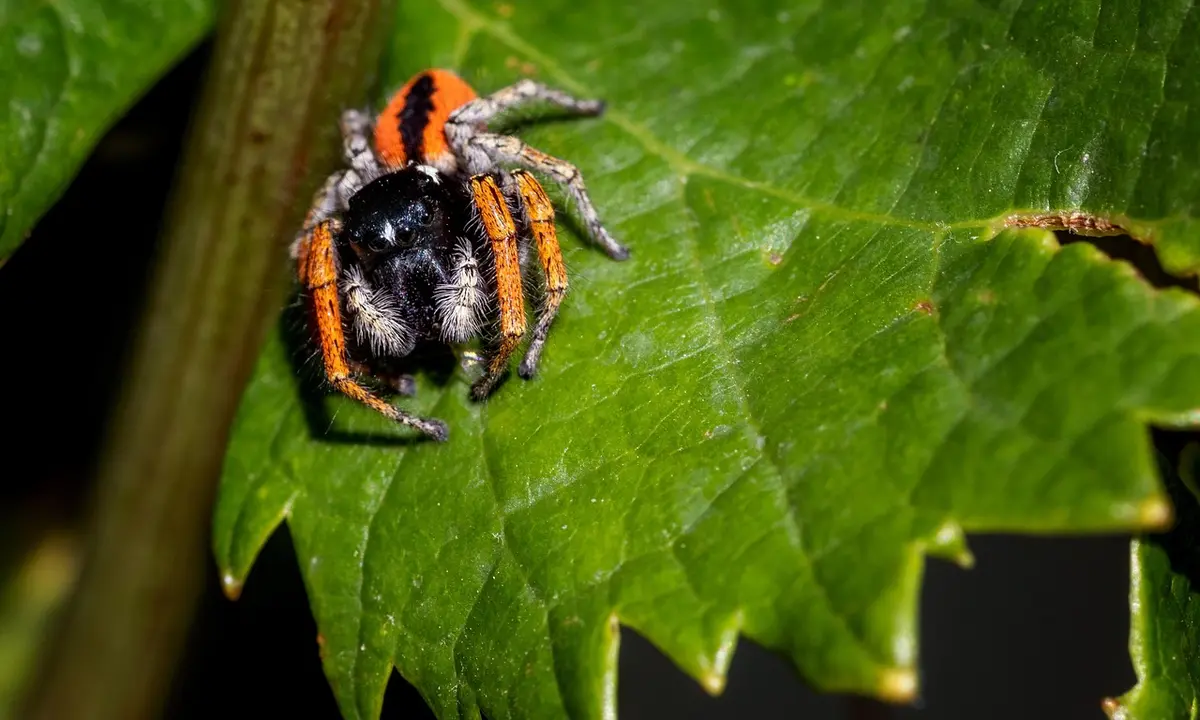
Every tarantula, from a pinhead-sized sling to a dinner-plate-sized adult, is a predator equipped with instinctual defenses. Respecting these defenses is the cornerstone of safe, ethical, and low-stress keeping for both you and the spider. In the wild, tarantulas face predators such as birds, lizards, and small mammals, which shapes their vigilance and escape responses. A tarantula’s personality is shaped by its species first, but age dramatically influences its confidence, speed, and how it chooses to react.
Understanding Defensive Behaviors at Every Age
Think of a tarantula’s defensive arsenal as a ladder of escalation. As they grow, they gain more rungs to climb.
Slings are masters of flight, not fight. Their primary goal is to disappear. When threatened, a sling will sprint for the nearest cover or burrow with shocking speed for their size. They rarely, if ever, perform threat postures or kick hairs. Their bite is a last resort, but their venom is typically no more potent than a bee sting at this stage. The main risk with slings is their fragility and their ability to vanish in the blink of an eye.
Juveniles begin to find their confidence, and their tactics shift. This is when species-specific temperaments become vividly clear. A juvenile like my old-world P. murinus, Flash, will readily assume a high, threat-posture, showing its fangs and stridulating loudly. Many New World species at this age will practice urticating hair flicking, turning their abdomen into a miniature pepper-shaker. They are faster and stronger than slings, making escapes during maintenance a more serious event.
Adults possess the full, formidable toolkit. An adult’s size makes its behaviors impossible to ignore. My T. stirmi, Goliath, can create a visible cloud of irritating hairs with a single, deliberate kick of her back legs-a potent reminder to give her space. Old World adults have blinding speed and medically significant venom, with no hairs to kick. The silent, lightning-fast strike of a defensive adult tarantula is not an act of aggression, but a desperate plea to be left alone. Even a docile species like my 15-year-old G. rosea, Rosie, can deliver a dry bite if pressed, a powerful reminder of their wild nature.
Essential Safety Gear for Tarantula Care
Proper tools are not a sign of fear, but of profound respect for the animal. This gear minimizes stress and keeps everyone safe.
- Long, Soft-Tipped Forceps (12+ inches): These are your primary interface. They allow you to delicately place prey, adjust water dishes, and guide a roaming spider without ever needing your hands inside the enclosure. I use them every single day.
- A Catch Cup and a Sturdy Piece of Cardboard: This is your escape-response team. The cup traps the tarantula, and the cardboard slides underneath to contain it. Practice this maneuver with a calm spider before you ever need it in an emergency.
- Safety Glasses or Goggles: Non-negotiable for working with New World tarantulas known for hair flicking. I learned this the hard way after a close encounter with Goliath left me with itchy, watery eyes for a day. Hairs can cause serious corneal damage.
- A Dedicated Workspace: A clear, flat surface in a quiet room with no overhead fans. Always work over a large, open-topped bin to create a “second barrier” should a fall or sprint occur. I’ve contained more than one adventurous juvenile this way.
- Patience and a Plan: Your most important tools. Before you open any enclosure, have a clear goal and a visualized sequence of actions. Rushing is the precursor to almost all husbandry mistakes and escapes. If you feel flustered, step away and return later.
This philosophy of prepared, hands-off care allows you to witness their natural behaviors-the meticulous web-spinning, the patient ambush, the iridescent sheen of a fresh molt-without turning their home into a source of anxiety. Your reward for this respect is a thriving, fascinating animal that exhibits the full breadth of its natural behavior, safely contained behind glass.
Common Questions
How long does each tarantula life stage typically last?
The duration of each stage varies dramatically by species and sex. The sling stage can last from a few months to over a year, while the juvenile phase may span 1 to 4 years. Adulthood is the longest stage, with females living for many years or even decades after their final maturation molt. Males, however, typically live only months to a couple of years as adults.
How many molts does a tarantula go through before reaching adulthood?
There is no universal number of molts to reach adulthood. Fast-growing species may mature after 7-10 molts in 2-3 years, while slower species can take 5-7 years or more. Males generally require fewer molts and reach maturity faster than females. The exact count depends on the individual’s growth rate, which is influenced by species, temperature, and feeding frequency.
How does a tarantula’s appearance change from juvenile to adult?
During the juvenile stage, colors and patterns intensify with each molt, gradually revealing the adult coloration. The body shape becomes more robust, and sexual characteristics develop. By the ultimate adult molt, the tarantula’s size, color, and morphology are fixed, with no further significant changes occurring in subsequent molts. Understanding tarantula molting cycles, especially in spiderlings, helps explain why molts occur at specific intervals and how early molts shape adult traits.
At what point is a tarantula considered an adult?
A tarantula is considered an adult after its ultimate, or maturation, molt. This molt signifies sexual maturity. If you need to determine the sex of your tarantula, follow a step-by-step tarantula sexing guide to confirm male or female. For males, this is marked by the development of tibial hooks on the front legs and emboli on the pedipalps. Females simply reach their final size and form, after which they will continue to molt periodically but will not grow larger.
What environmental conditions most influence molting and development?
Consistent warmth (75-80°F) accelerates metabolism and molting frequency, while cooler temperatures slow development. Proper, species-specific humidity is critical for a successful molt, as it helps the spider shed its old exoskeleton. A stable, low-stress environment is ultimately more important than trying to force rapid growth.
How does diet differ for tarantulas at different life stages?
Slings require micro-prey like pinhead crickets or fruit flies every few days. Juveniles have high metabolisms and are typically fed appropriately sized live prey weekly. Adults eat less frequently, with some species only requiring a meal every 2-4 weeks. Prey size should always be proportional to the tarantula’s abdomen. Following a species- and life-stage-appropriate healthy tarantula feeding schedule is key for a healthy tarantula. Monitor growth and molts to adjust the schedule as needed.
From First Instar to Final Bow
Choosing a tarantula’s life stage is a commitment to its entire lifecycle. The most critical factor is not the spider’s size, but your ability to provide age-appropriate husbandry that adapts as it grows, like maintaining high humidity for a species like my Theraphosa stirmi from sling to giant. This foresight prevents future stress and health crises. It’s crucial to understand what influences a tarantula’s lifespan to ensure you’re ready for the long-term commitment.
The real joy unfolds in the quiet observation of their world. Watch a sling’s first clumsy hunt, a juvenile’s architectural webbing, or an adult’s regal stillness. Your greatest tool is patience, measured not in days but in molts. Success is found in respecting the pacing of the spider itself, learning its language of posture and habit. The quiet magic of the hobby lives in these moments, between the dramatic events.
Further Reading & Sources
- The Complete Life Cycle of Tarantulas Explained | Spiders Web HQ
- Tarantula Growth and Development Tarantulas, like all arthropods, have a
- stages of tarantula growth and age | Arachnoboards
Arlo is a lifelong arachnid enthusiast who believes tarantulas are the world’s most misunderstood roommates. With years of hands-on experience in tarantula care, habitat setup, and species behavior, Arlo combines expert knowledge with a dash of humor to make spider ownership less scary and a lot more fascinating. From choosing the right enclosure to understanding why your eight-legged buddy is doing that weird little pose again, Arlo is here to help you become the best tarantula parent you can be, without getting tangled in the web of misinformation.
Lifespan Considerations