
The Death Curl Explained: An In-Depth Guide to a Tarantula’s Final Posture
The death curl is the tarantula hobby’s most dreaded sight: a spider with its legs tightly curled beneath its body, signaling a life-threatening crisis. This silent, folded posture is a universal distress call across species, from slow-moving ‘pet rocks’ to lightning-fast Old Worlds. This guide will help you distinguish a death curl from normal resting, identify its causes, and take action that could save your tarantula’s life.
Quick Stats:
- Observance: Universal across all tarantula species and ages
- Primary Implication: Severe physiological stress or system failure
- Keeper Response: Demands immediate and calm assessment
I promise this guide, forged from years of care for spiders like my stoic G. rosea Rosie and fragile slings, will equip you to confront this posture with informed clarity.
Defining the Tarantula Death Curl: Morphology of a Final Posture
A death curl is not a relaxed pose. It is a specific, unsettling contraction of the tarantula’s anatomy caused by a catastrophic failure of its hydraulic pressure system. The legs, normally extended by internal fluid pressure, collapse inward under the cephalothorax. The tarsi (feet) often lose contact with the substrate entirely. This creates a stark, tight ball, a posture no healthy tarantula would maintain while alive.
You must distinguish it from a defensive curl, where the tarantula tucks its legs defensively but remains on its tiptoes, ready to move. The true death curl is a collapse. I’ve seen it once, with an old wild-caught specimen years ago; the silence of the enclosure was punctuated by this perfect, still geometry of finality. From an anatomy-101 perspective, note how the leg joints and body segments lock into that rigid posture. Knowing the tarantula’s basic body plan helps explain these stances.
Primary Causes of the Death Curl in Captive Tarantulas
The death curl is a symptom, not a disease itself. It signals the final loss of the hydraulic pressure that powers their movement. Identifying the root cause is how we improve our care.
Dehydration: The Silent Husbandry Failure
This is the most common and preventable cause. A tarantula’s body is a fluid-filled chamber. Without adequate hydration, this system fails. They desiccate from the inside out. To tell if your tarantula is dehydrated, look for a shriveled abdomen, dry-looking skin, or reduced activity. Monitoring humidity along with these signs will help you catch dehydration early. Your tarantula can have a full water dish and still be dehydrated if the overall humidity is wrong for its species.
My Burgundy Goliath (T. stirmi) thrives at 80-85% humidity. In a dry room, she would succumb rapidly. Contrast this with my Chilean Rose Hair (G. rosea), which prefers bone-dry substrate with a water dish present.
- Arboreal species (like Psalmopoeus): Often get moisture from daily webbing and higher ambient humidity. A dry enclosure is deadly.
- Fossorial species (like Hapalopus): Rely on moist, packed substrate to maintain their burrow’s microclimate.
- Signs of early dehydration: A shriveled abdomen, a listless tarantula sitting over its water dish for days, or an unusual reluctance to move.
If you suspect dehydration, gently mist one side of the enclosure and ensure the water dish is overfilled or use a syringe to place water droplets near its mouthparts. Time is critical.
Illness, Injury, and Underlying Pathology
Internal damage breaks the hydraulic system. A fall can rupture the delicate exoskeleton, causing a fatal leak. Bacterial or fungal infections, often from prey left in a moist enclosure, can spread internally. A tarantula hiding a wound or infection may seem “lazy” before a sudden, rapid decline into the curl.
My old Rosie’s months-long fasts always make me vigilant. While usually normal for her species, prolonged inappetence in others can signal internal issues. I inspect during these fasts, looking for any discoloration or unusual fluid leaks I can see through the glass.
- Dyskinetic Syndrome (DKS): A neurological disorder causing uncontrolled, jerky movements that can precede death. The cause is debated but linked to pesticide exposure or toxins.
- Physical Trauma: A long fall onto a hard surface is a major risk. I keep all my taller enclosures packed with soft, deep substrate to cushion any accidental climbs and falls.
- Parasites: Internal parasites, while rarer in captive-bred stock, can drain resources and weaken the animal profoundly.
The Inevitability of Advanced Age
For a mature male or an old female, the death curl is simply the end of a natural lifespan. Their systems wear out. A mature male, after his ultimate molt, enters a period of wanderlust before his body slowly shuts down. An old tarantula dying of age will often show gradual, prolonged weakness rather than a sudden husbandry-related collapse.
My 15-year-old G. rosea is in this category. Her movements are slower, her responses more muted. When her time comes, her posture will likely tell the story of a life completed, not a care mistake. Accepting this is part of the hobby’s respectful cycle. You provide the best possible life and recognize the peaceful, natural end.
Recognizing the Signs and Symptoms Preceding the Death Curl
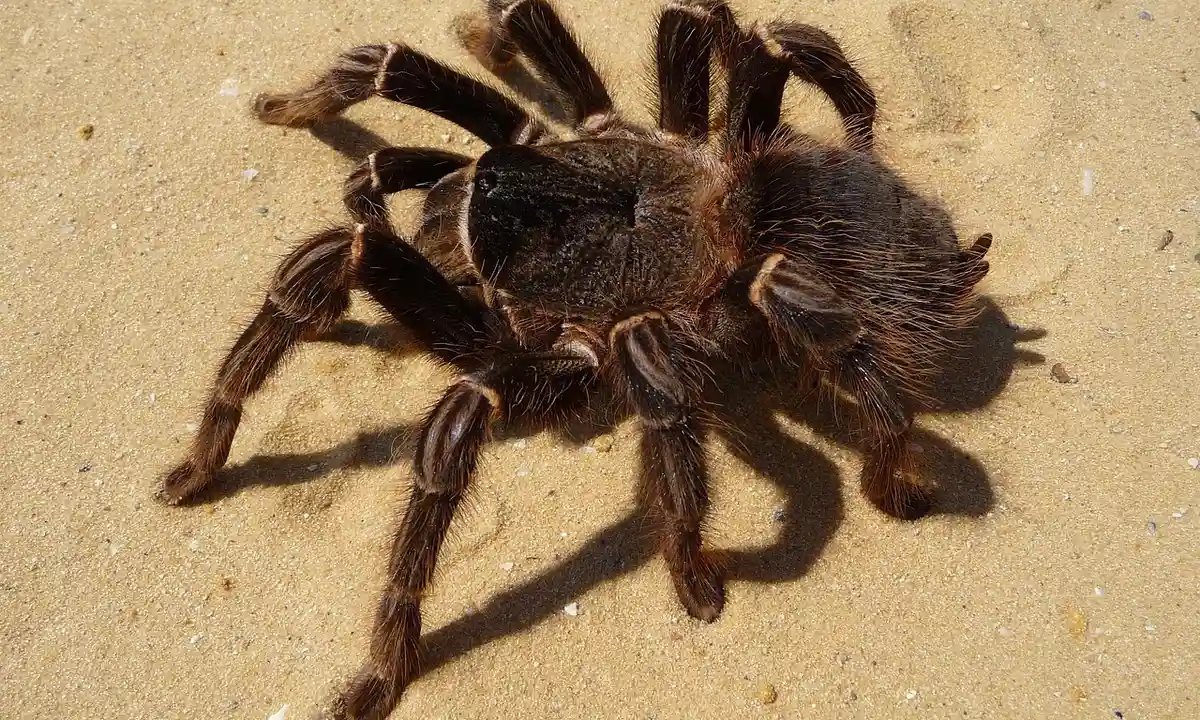
The death curl is often the final act, but the preceding days or weeks reveal a story of decline. Catching these signs early is the keeper’s most powerful tool for potential intervention. Observing subtle behavioral shifts is your first and most critical line of defense, demanding a watchful and informed eye.
Key Behavioral Red Flags
These changes signal internal distress long before the body fails.
- Complete and Prolonged Fasting: While many species fast, a sudden refusal in a previously ravenous eater, especially paired with other symptoms, is concerning. My 15-year-old G. rosea, Rosie, is a professional faster, but I know her patterns-a new, listless fast is different.
- Loss of Coordination and Weakness: A tarantula stumbling, struggling to climb smooth surfaces, or appearing “drunk” indicates neurological or muscular failure.
- Uncharacteristic Lethargy: A normally reclusive tarantula staying out in the open, unresponsive to gentle stimuli like air currents or prey movement, is a major warning sign.
- Reflex Degradation: The tarantula fails to flick urticating hairs when provoked or shows a severely delayed threat posture. My T. stirmi, Goliath, is quick to kick hairs; if he ever stopped, I would be immediately alarmed.
Physical and Locational Symptoms
The body begins to betray its failing systems.
- Shrunken or “Droopy” Abdomen (Opisthosoma): A dehydrated or starving tarantula’s abdomen loses its plump, rounded shape, often appearing wrinkled or disproportionately small.
- Constant, Low-to-Ground Posture: The tarantula rests its entire body weight on the substrate, its carapace barely elevated. This is a posture of profound exhaustion.
- Choosing Exposed, Insecure Locations: A tarantula abandoning its burrow or hide to sit vulnerably in the middle of the enclosure is often a sign it lacks the energy to seek shelter.
- Fluid Discharge: Clear or milky fluid from the mouthparts (sternum) or a foul odor are grave indicators of internal infection or systemic failure.
Differentiating the Death Curl from Similar Tarantula Postures
Context is everything. Several positions mimic the death curl, and misreading them can lead to unnecessary panic or, worse, a dangerous intervention. Accurate identification hinges on observing the surrounding circumstances, timing, and, most importantly, the tarantula’s residual muscle tone and responsiveness.
Death Curl vs. Defensive or Stress Curl
A defensive curl is a live, reactive animal bracing for a threat. The death curl is a total systemic collapse.
- Leg Positioning: In a defensive curl, legs are drawn in tightly but remain under muscular tension, often raised to shield the body. In a death curl, legs are completely limp, curled haphazardly underneath from total loss of hydraulic pressure.
- Responsiveness: Blow a gentle puff of air across a defensively curled tarantula. It will likely flinch or tighten further. A tarantula in a true death curl shows zero reaction.
- Duration and Context: A defensive curl lasts only as long as the perceived threat. It happens during rehousing, enclosure maintenance, or prodding. The death curl persists indefinitely and occurs without external provocation.
I’ve seen my P. murinus, Flash, assume a tight, elevated defensive ball when I open her enclosure-she is alive, potent, and very much in control. It looks nothing like the utter stillness of death.
Death Curl vs. Molting Position and Post-Molt Vulnerability
This is the most common source of panic for new keepers. Molting (ecdysis) is a vulnerable but natural process.
- The Molting “Bed”: Prior to molting, a tarantula creates a silken mat. It will then lie on its back or side. This is a planned, deliberate posture on a prepared surface, not a collapse.
- Movement During Molt: Even on its back, you will see rhythmic pulsations in the abdomen and gradual, deliberate leg movement as it works free of the old exoskeleton.
- The Post-Molt “Soft Curl”: After successfully molting, a tarantula lies on its back or side with legs softly curled. Its new exoskeleton is pale and extremely soft. It is alive but utterly vulnerable-do not touch or disturb it. This phase can last hours.
- How to Tell the Difference: Look for the presence of two distinct “bodies”-the freshly molted tarantula and the discarded exoskeleton nearby. A soft, pale coloration confirms a successful molt. A post-molt tarantula will slowly right itself over many hours as its new skeleton hardens.
If you see your tarantula on its back, the absolute rule is non-intervention. Do not assume it is dying. Do not try to “help” it. Turning a molting tarantula is almost always fatal. Provide silence, darkness, and high humidity, and simply wait. If you’re unsure whether it’s molting or dying, note that molting tarantulas can remain still for long periods while shedding. Signs of true distress or death include persistent lethargy or color changes beyond the expected molt window.
Immediate Care and Response for a Tarantula in Death Curl
Finding your tarantula in this posture is a heart-stopping moment. Your immediate actions can be the difference between recovery and loss. Stay calm, move slowly, and focus on assessment.
Step-by-Step Assessment and Hydration Aid
The first minutes are critical. Avoid the instinct to grab or prod. Instead, perform a quiet visual exam from outside the enclosure.
- Gauge Responsiveness: Gently puff air across the spider using the bulb from a turkey baster or a soft breath. A live tarantula, even a severely dehydrated one, will often show slight leg movement or a twitch. A complete lack of response is a grave sign.
- Check the Mouth: Use a flashlight to look at the mouthparts (chelicerae and fangs). If they are crusted with a strange substance or appear matted, this could indicate nematode infestation or a bacterial infection, which changes the prognosis.
- The Hydration Protocol: If you see any movement, assume dehydration is the primary issue. I skip the old-school “ICU” with soggy paper towels, as poor ventilation can breed bacteria. My method is to place the tarantula directly over a shallow water dish inside its own enclosure, propping its carapace up so its mouthparts contact the water. I’ve used bottle caps or modeling clay to create a stable platform. This allows for directed drinking in a familiar, well-ventilated space.
- Offer a Drink: Using a dropper, place a single bead of water directly onto the spider’s mouth. Watch closely. If the fangs move or you see the throat palps twitch, it is drinking. Repeat every few hours, but do not flood the area.
Recovery from severe dehydration can be swift or may take days, and the spider will remain incredibly vulnerable.
When to Isolate and Provide Palliative Care
Not every death curl is reversible. You must recognize when the goal shifts from rescue to providing a peaceful, stress-free end.
- Isolate Immediately If: You suspect parasites (visible mites, strange mouth crust) or a contagious fungal issue. Move the spider to a simple, sterile quarantine enclosure with paper towel substrate to monitor any discharge.
- The Signs of Final Stages: A complete lack of response to stimuli, a shriveled abdomen, and a lingering, pungent odor indicate the dying process is advanced. This is the smell of decomposing internal tissues.
- Providing Comfort: At this stage, your role is steward. Ensure the enclosure is in a quiet, dimly lit area. Maintain a slight humidity gradient if the species requires it. Remove any live prey. Simply allow the animal peace. I sat with my old rose hair, Rosie, for hours during her final day, ensuring no crickets disturbed her silence. It is the final act of respectful care we can offer.
Accepting the natural end of a tarantula’s life, which can be over 20 years for some females, is as much a part of the hobby as raising slings. Male and female tarantulas often have different lifespans, with females typically living longer. This difference is a key focus of any ultimate maturity guide, shaping how you plan care, breeding, and aging.
Preventing the Death Curl Through Foundational Husbandry
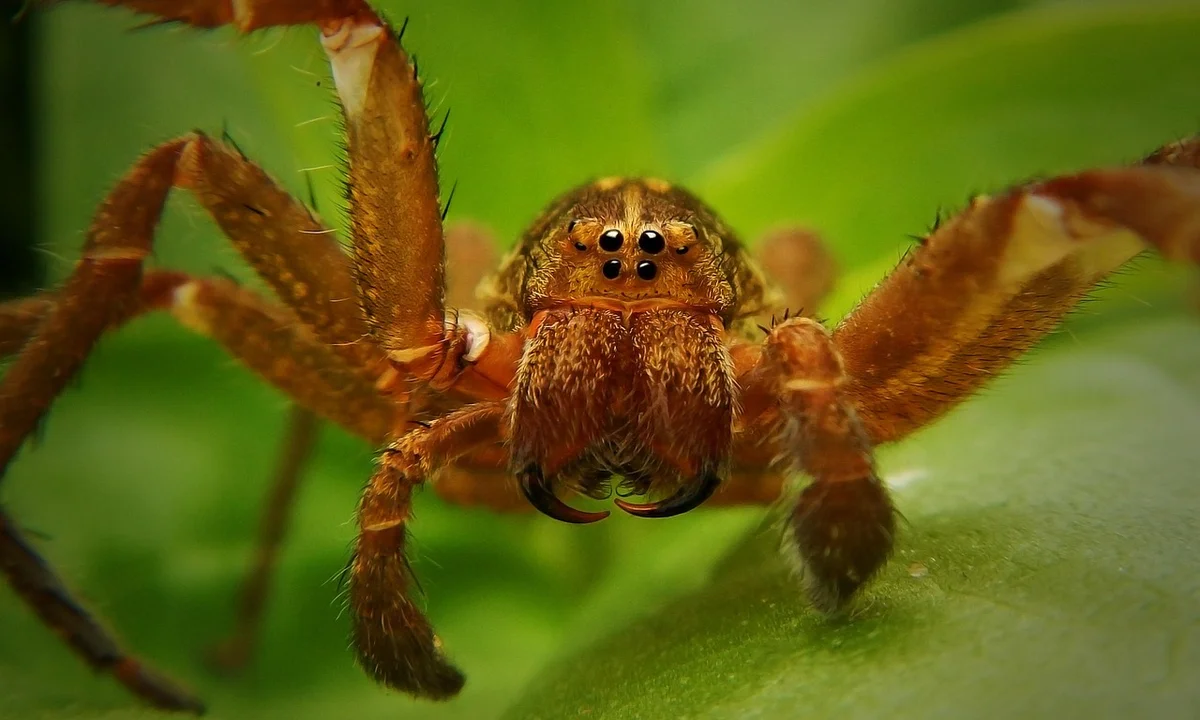
The best response to a death curl is to never see one at all. Prevention is rooted in consistent, species-appropriate care that respects the spider’s biological needs.
Optimizing Enclosure Conditions: Substrate, Humidity, and Temperature
Your tarantula’s world is defined by the parameters you create. Getting these wrong is a slow, often invisible, path to failure.
- Substrate is Everything: It is the foundation for humidity, burrowing, and stability. For moisture-dependent species like my Goliath (T. stirmi), I use a deep mix of coconut fiber, peat, and vermiculite that holds a burrow’s shape and retains moisture at the lower layers. For arid species like Rosie (G. rosea), pure, dry topsoil or coconut fiber is sufficient. Depth matters: a burrowing species denied enough substrate will experience chronic stress that weakens its entire system.
- Humidity by Species, Not Guesswork: “High humidity” is not a single number. My Goliath’s enclosure maintains 80-85% at the substrate level, achieved by overflowing the large water dish and having a deep, moist substrate base. My OBT Flash’s (P. murinus) enclosure is kept much drier, around 60-70%, with only a water dish and slightly dampened corner. I use digital hygrometers placed at substrate level to monitor, not analog dials on the wall.
- Consistent, Gentle Heat: Tarantulas are ectotherms. A consistent ambient temperature between 75-80°F (24-27°C) is ideal for most species. I use a space heater for the room, never heat mats or lamps directed at the enclosure, which can create dangerous hot spots and dehydrate the spider from the outside in.
An enclosure should mimic a slice of the animal’s native habitat, not our human desire for decorative appeal.
Nutrition, Hydration, and Stress-Free Environments
Beyond the physical setup, daily practices define your tarantula’s long-term health.
- Nutrition Without Overfeeding: A fat tarantula is not a healthy tarantula. I feed my adults one appropriately-sized insect (like a dubia roach or cricket) per week. For slings, twice a week. I witness the sudden strike, the efficient dispatch. After my OBT Flash molts, I wait a full 10-14 days for its fangs to harden before offering food. Prey size should never exceed the spider’s body length, and live prey should never be left unattended to harass a vulnerable tarantula.
- Passive Hydration Always Available: A clean, shallow water dish is non-negotiable for all but the smallest slings. I see my tarantulas drink, especially after molting. For species that prefer higher humidity, I also lightly mist one side of the enclosure to create a gradient, allowing the spider to choose.
- The Ultimate Stress Reduction: Look, Don’t Touch. Handling is a massive physiological stressor, triggering a fear response, risking falls, and exposing you to urticating hairs or venom. The hobbyist’s goal is to observe natural behaviors, not to hold them. My burgundy Goliath will readily kick a cloud of irritating hairs if disturbed; I respect that defense and admire her from afar. This philosophy minimizes stress, which directly supports a robust immune system and longevity.
Understanding Tarantula Mortality: Confirmation and Next Steps
Witnessing a suspected death curl creates a moment of profound stillness. The silence in the enclosure feels heavier. Before proceeding, you must confirm what you’re seeing. A true death curl is final, but tarantulas can exhibit a similar, temporary posture called a stress curl when severely dehydrated or in shock. If a tarantula is stressed and potentially aggressive, you may see warning cues such as a raised front end, a threat posture, or quick leg flicks. These signs indicate the animal is not calm and should be approached with caution. Distinguishing between the two requires patience and careful observation, as acting too hastily on a stressed tarantula can cause fatal injury.
Confirming the Death Curl: A Step-by-Step Guide
Do not touch or attempt to handle the tarantula in this state. Their exoskeleton, particularly during a molt or when dying, can be surprisingly fragile. A fall or being dropped can be fatal for tarantulas in this condition. Follow this sequence instead.
- Observe Without Disturbance: Watch from outside the enclosure for any movement of the legs or palps, however slight. Use a flashlight to check for subtle flexing. Look for the rise and fall of the abdomen, indicating respiration.
- The Gentle Prod Test: After 12-24 hours of no movement, use a soft, long paintbrush or pair of tweezers to very gently touch the end of a back leg. A living tarantula, even a deeply stressed one, will often retract the leg instinctively.
- Check for Rigor: In a true death curl, the legs will be tightly drawn in and stiff. A stress curl may appear looser. If the tarantula is on its back, this is almost certainly a molt, not death.
- The Final Test: If there is no reaction, very gently nudge the body. A deceased tarantula will often roll or move as a single, rigid unit. If it has been deceased for more than a day, you may notice a distinct, unpleasant odor.
I remember a tense week with my old Chilean Rose, Rosie, where she sat in a tight, odd pose for days during one of her legendary fasts. My initial fear was a death curl, but time and minimal intervention revealed it was simply her unique, prolonged version of rest, a reminder that these creatures operate on a timescale far removed from our own.
Immediate Actions After Confirmation
Once death is confirmed, your role shifts from keeper to investigator. This process is respectful and can provide closure and valuable husbandry insights.
- Document the Scene: Before removing anything, take clear photos of the enclosure and the tarantula’s position. Note the substrate moisture, water dish status, and any uneaten prey.
- Examine the Enclosure: Check for potential hazards. Were there sharp decor items? Signs of mold or mite infestation? Is the ventilation sufficient? Look for a hidden, successful molt you may have missed.
- Retrieve the Molt (If Present): If your tarantula molted and then passed, the shed exoskeleton is a crucial diagnostic tool. You can confirm its sex and sometimes spot abnormalities.
Optional Step: Necropsy for the Hobbyist
This step is not for everyone, but for the curious keeper, a careful external and internal examination can reveal causes like impaction, nematode parasites, or internal injuries. You must be emotionally prepared for this; it is a clinical exercise in understanding, not for the faint of heart.
- Wear gloves and work on a clean, well-lit surface with tools (tweezers, small scissors, magnifying glass).
- Place the deceased tarantula on its back. Using tweezers and scissors, carefully make a midline incision along the underside of the abdomen.
- Examine the contents. Healthy tissue is usually white or pale. Look for discolored (brown/black) masses, strange textures, or an overabundance of a liquid, which can indicate internal rot or parasites.
- The most common finding in captive tarantula death is a hardened, dark mass in the rear of the abdomen-a fecal impaction. This often stems from chronic dehydration.
Respectful Disposal and Final Notes
How you choose to lay your pet to rest is a personal decision. The most important factors are safety and legality.
- Burial: Bury the tarantula deep in a secure location in your yard, if permitted. Place it in a small biodegradable box to deter scavengers.
- Waste Disposal: Double-bag the tarantula and place it in your regular household trash. This is a sterile and practical method.
- Preservation: Some keepers choose to preserve their tarantula in ethanol. This is an advanced technique requiring proper solvents and an airtight seal.
- Never Flush: Do not flush a tarantula down the toilet. This can spread potential pathogens and is environmentally unsound.
Allow yourself the space to process the loss; these animals, while often reclusive, become deeply ingrained in our daily routines and observations. Use the knowledge gained to refine your care, not as a source of blame. Mortality is part of the life cycle we oversee, and handling it with respect honors the animal we cared for.
FAQs
How can I tell a death curl from a stress or defensive curl?
The key difference lies in muscle tone and responsiveness. A stress curl is a tense, reactive posture where the legs are drawn in but remain under the tarantula’s control, often with the body raised. A death curl is a total collapse where the legs go completely limp and unresponsive. Gently blowing air near a stressed tarantula will usually cause a reaction, while a tarantula in a true death curl will show none.
What does it mean if my tarantula is in a death curl but still moving slightly?
Any movement, however slight, indicates the tarantula is still alive and in a state of severe crisis, most often extreme dehydration. This is a critical emergency requiring immediate action. You should carefully attempt to offer water directly to its mouthparts and ensure proper humidity, as recovery is possible if the underlying cause is addressed swiftly. If the tarantula isn’t moving, consult our step-by-step troubleshooting guide to check life signs and decide on the next actions. This quick reference helps you determine whether to continue at-home care or seek urgent assistance.
How long does it take for a death curl to become irreversible?
There is no fixed timeline, as it depends on the root cause. Early warning signs of signs of illness in tarantulas include lethargy, reduced appetite, or changes in molt patterns. Monitor your tarantula closely for these signs so you can respond quickly. A tarantula suffering from rapid trauma may curl and pass quickly, while one succumbing to slow dehydration might show a prolonged decline. The window for potential intervention is small; once the tarantula shows zero responsiveness for 12-24 hours and begins to emit an odor, the process is almost certainly final.
My tarantula is curled after a molt. Is it dead?
Not necessarily. It is common for a tarantula to lie on its back or side with legs softly curled for many hours after molting while its new exoskeleton hardens. This “post-molt curl” is a sign of extreme vulnerability, not death. A true death curl is a permanent, rigid posture with no movement, whereas a post-molt curl vs death curl should loosen as the exoskeleton hardens. You must not disturb it. Only be concerned if this posture persists for over a day with no movement and with no discarded molt visible nearby.
Why do people often discuss the death curl on forums like Reddit?
Online communities are a primary resource for keepers facing this distressing situation. People post pictures and descriptions to seek urgent advice, share experiences for emotional support, and learn from others’ cases. It is crucial, however, to use these discussions as a guide and not a substitute for a methodical assessment based on established care principles.
The Final Molt
Ultimately, preventing a death curl comes down to one non-negotiable factor: consistent, species-appropriate access to water. The single most critical husbandry parameter for any tarantula is a full, clean water dish, with substrate moisture levels adjusted for your specific spider’s natural habitat. Dehydration is a silent, steady threat that manifests in that heartbreaking final posture. However, signs of overhydration or excess moisture—such as a consistently damp substrate or visible mold—can also jeopardize your tarantula’s health. Regularly monitor humidity and substrate moisture to keep conditions balanced.
True success in arachnoculture isn’t just avoiding a death curl-it’s cultivating an environment where your tarantula feels secure enough to perform its entire repertoire of natural behaviors. Watch for the meticulous architecture of a new burrow, the silent ambush from a funnel web, or the deliberate grooming of palps after a meal. My Chilean Rose Hair, Rosie, has taught me more about patience during her multi-year fasts than any care sheet ever could. Your most valuable tool is not a fancy mister or heater, but your own quiet observation; learning the rhythm of your spider’s life is the deepest joy this hobby offers.
Further Reading & Sources
- The Tarantula “Death Curl” | Tom’s Big Spiders
- r/tarantulas on Reddit: Is this the death curl?
- Is My Tarantula In A Death Curl?
Arlo is a lifelong arachnid enthusiast who believes tarantulas are the world’s most misunderstood roommates. With years of hands-on experience in tarantula care, habitat setup, and species behavior, Arlo combines expert knowledge with a dash of humor to make spider ownership less scary and a lot more fascinating. From choosing the right enclosure to understanding why your eight-legged buddy is doing that weird little pose again, Arlo is here to help you become the best tarantula parent you can be, without getting tangled in the web of misinformation.
Lifespan