
Why Does My Tarantula Seal its Burrow? Decoding a Common Behavior
Published on: January 27, 2026 | Last Updated: January 27, 2026
Written By: Arlo
To a tarantula keeper, few sights provoke as much quiet concern as a meticulously sealed burrow entrance. Your once-active pet has vanished behind a curtain of silk and substrate, and the silent enclosure offers no clues. This dramatic behavior, witnessed firsthand with my fastidious OBT ‘Flash’ and my reclusive ‘Goliath,’ is a profound act of self-preservation, not a cause for alarm.
- Quick Stats:
- Origin: Species-specific, but behavior is universal
- Type: New World & Old World
- Growth Rate: Triggered by the molting cycle
This guide will demystify the sealed burrow, explaining the biological imperatives behind it and giving you the confident patience needed to support your spider through its most vulnerable moments.
The Burrow: A Tarantula’s Essential Sanctuary
Picture a silk-lined tunnel, a private retreat woven directly into the substrate. This is the burrow: a non-negotiable sanctuary for security and survival. It serves as a fortress for defense, a climate-controlled refuge, and the ultimate safe room for vulnerable life events like molting.
A fossorial species like my Burgundy Goliath (T. stirmi) doesn’t just want a burrow-its instincts demand one for psychological well-being. In contrast, an arboreal species like a Pinktoe builds a silken retreat in cork bark, while some terrestrials may only dig shallow scrapes. But for the true diggers, construction is a meticulous process. They use their fangs and pedipalps to move earth, then line the walls with silk. This silk webbing stabilizes the tunnel walls and acts as a sensitive alarm system, transmitting the faintest vibrations from the surface to the spider waiting below.
Anatomy of a Silk-Lined Tunnel
A proper burrow is an architectural feat. It begins with a disguised entrance, often flanked by substrate or a piece of cork. The tunnel itself plunges downward or sideways, its walls reinforced with matted silk. Deep within, many species create a widened chamber, a multi-purpose room used for resting, feeding, and, most critically, for molting. This inner sanctum is where the world is shut out and the spider’s private processes begin.
Instincts in Action: Why Burrowing is Non-Negotiable
This behavior is hardwired for survival. In the wild, a burrow provides three key advantages that remain deeply relevant in captivity:
- Escape Prevention: It allows the tarantula to retreat from perceived threats entirely, rather than being forced to stand its ground.
- Humidity Control: The sealed environment retains moisture critical for respiratory function and successful molting.
- Security from Predators: A narrow, reinforced entrance is a formidable chokepoint against anything larger than the occupant.
Providing deep, packable substrate isn’t a luxury-it’s a core component of ethical, species-specific care that directly reduces stress.
Decoding the Seal: Primary Reasons for Burrow Closure
When the entrance vanishes behind a curtain of soil and silk, your tarantula is communicating a clear intent: “Do not disturb.” This seal is a purposeful act. From my years of keeping, I’ve observed it signals one of several key states.
- Defense and Predator Deterrence: The ultimate “keep out” sign.
- Microclimate Control: Sealing to manage humidity and temperature.
- Pre-Molt Preparation: Creating a secure chamber for ecdysis.
- Response to Stress: A reaction to environmental pressure.
Defense and Predator Deterrence
A sealed door is a brilliant defensive strategy. It physically blocks entry to parasites, pests, or curious predators. For a tarantula like my Goliath, who would rather kick a cloud of irritating urticating hairs than bite, a sealed burrow is the first and best line of defense. It eliminates the need for confrontation altogether. In captivity, this instinct can be triggered by excessive vibrations, frequent enclosure intrusions, or even the shadow of a pet moving past the tank.
Microclimate Control: Sealing for Humidity and Temperature
Tarantulas are masters of microenvironment engineering. By sealing its burrow, a spider can trap moisture from damp substrate, creating a localized humidity pocket essential for species with high moisture needs. My T. stirmi’s burrow is consistently 10-15% more humid than the ambient room reading, a microclimate I maintain by keeping one corner of her deep substrate generously moist. This seal also buffers against temperature swings, providing a stable refuge. These microclimates illustrate why people talk about ideal tarantula enclosure ranges—the right humidity and temperature bands are crucial for health and molting. When you design and monitor an enclosure, you’re aligning microclimates with the species’ preferred temperature-humidity ranges.
Pre-Molt Preparation: Crafting a Secure Molt Chamber
This is the most common and significant reason for a prolonged seal. In the weeks before molting, a tarantula becomes incredibly vulnerable. It will often seal itself in to create a sterile, secure molt chamber. Inside this private room, it can undergo the strenuous, dangerous process of ecdysis without any chance of disturbance or injury. My Chilean Rose Hair, Rosie, will vanish for months at a time, often refusing food long before she finally closes her burrow’s entrance. That seal is my signal to stop all feeding attempts and ensure her water dish is full.
Response to Stress and Environmental Cues
Sometimes, a sudden seal is a stress barometer. Drastic environmental changes-like a new, overly bright light, a significant drop in temperature, or excessive noise and vibration-can prompt a tarantula to batten down the hatches. If your tarantula seals its burrow immediately after a rehousing or a major enclosure change, it is likely simply asking for quiet time to acclimate to the new surroundings. Assess your setup: is the enclosure in a high-traffic area? Is the substrate too shallow to allow a proper retreat? Addressing these cues is key to long-term welfare.
Is This Behavior Normal? Interpreting Sealing in Captivity
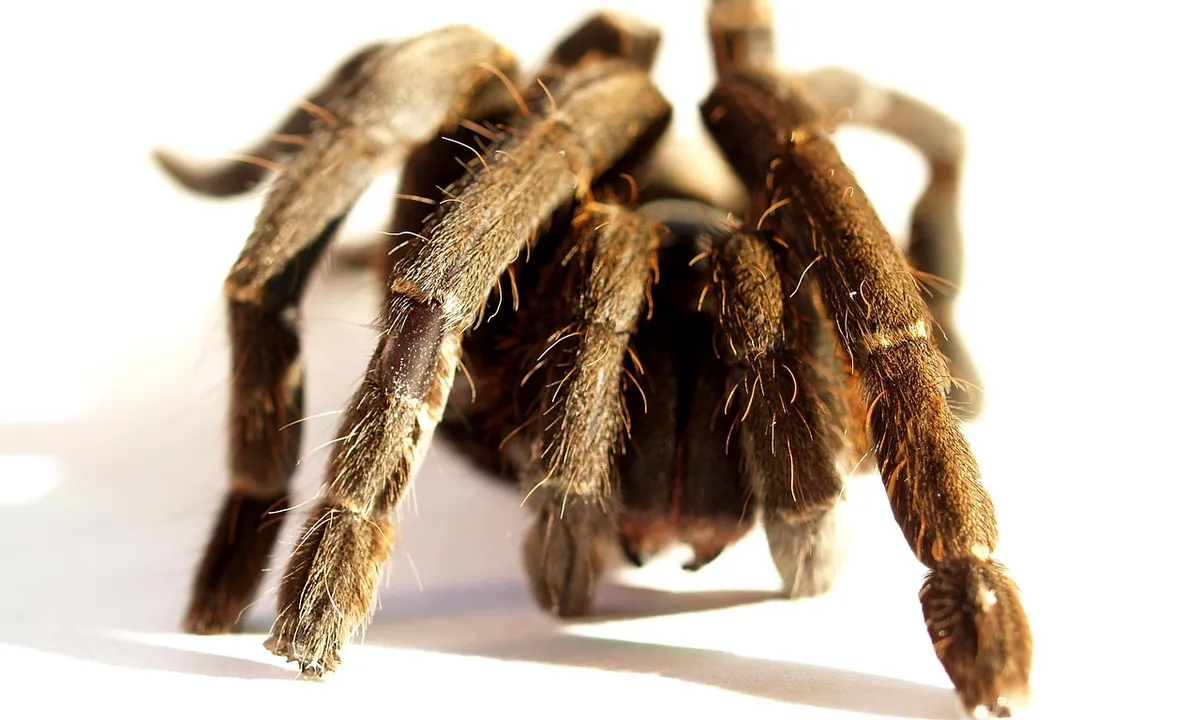
Seeing a web curtain over your tarantula’s home can be puzzling. In captivity, this sealing behavior is almost always a normal expression of deep-rooted instinct, not a cause for alarm. I interpret it as my spider managing its own micro-environment, a sign of a creature comfortable enough to enact natural rituals.
Is It Normal for a Tarantula to Seal Its Entrance?
Yes, it is profoundly normal. For burrowing (fossorial) species, sealing the entrance is as fundamental as digging the burrow itself. My Grammostola rosea, Rosie, may not be a avid digger, but she frequently drapes a sparse silk veil over her hide’s opening. This light seal functions as a draft excluder and privacy screen, matching her subdued ‘pet rock’ personality perfectly.
How Long Will My Tarantula Stay Sealed in Its Burrow?
The timeline hinges on the spider’s intent. You can expect a sealed period ranging from a handful of days to several months, with the longest spans almost always linked to an impending molt. Use this general guide:
- Short-Term Closure (3-10 days): For humidity regulation, minor burrow upkeep, or simple privacy after a meal.
- Long-Term Seclusion (3 weeks to 3+ months): Primarily for pre-molt, molting, and post-molt recovery. My Theraphosa stirmi, Goliath, once remained entirely sealed for nine weeks before a successful molt.
- Species Baseline: Know your tarantula’s habits. Some, like many in the Psalmopoeus genus, naturally seal themselves away more often and for longer than a typical ground dweller.
Does Sealing the Burrow Mean My Tarantula is Stressed?
It can, but context is everything. Stress-induced sealing is usually a reaction to a recent environmental change, while instinctive sealing is a proactive, routine behavior. A sudden, complete seal following an enclosure event often points to stress. Common triggers I’ve noted include:
- Recent rehousing or deep substrate disturbance.
- Relocation of the entire enclosure to a brighter or louder area.
- Persistent vibrations from speakers or heavy foot traffic.
My Pterinochilus murinus, Flash, once web-sealed every visible gap after I adjusted her ventilation. It was a clear request for less intrusion. If husbandry is correct and no recent changes exist, trust the behavior as natural.
The Molt Connection: Sealing for a Successful Ecdysis
Molting is the single most vulnerable event in a tarantula’s life. A securely sealed burrow provides the stable, humid, and private chamber absolutely essential for a safe molt. This isn’t just web over a hole; it’s the construction of a biological safe room. This is why a complete guide to tarantula molting problems and solutions matters. It covers common issues, practical fixes, and prevention tips to keep molts safe.
Recognizing Pre-Molt Sealing Behavior
Pre-molt sealing is distinctive and pronounced. Watch for a combination of appetite loss, increased lethargy, and obsessive webbing that creates a thick, felt-like barrier. The abdomen often appears darker and glossy. Flash announces her pre-molt phase by transforming her entire cork bark hide into a solid, opaque silk fortress, leaving zero sightlines inside. This is your definitive cue to stop offering food and eliminate all disturbances.
Inside the Sealed Molt Chamber: A Protective Process
Within that silent, humid chamber, a miraculous process unfolds. The tarantula will shed its old exoskeleton in the ultimate act of vulnerability, a process that can take several hours. Imagine trying to carefully step out of a brittle, full-body suit of armor. The new skin beneath is initially soft and incredibly delicate. The sealed space protects the spider from desiccation, physical injury, and even the simple act of falling while its new skeleton hardens.
Post-Molt Emergence: When the Burrow Reopens
Resist all temptation to interfere. Your tarantula will reopen its burrow only after its new exoskeleton has sufficiently hardened, a process that cannot be rushed. For a large species like Goliath, this can take two weeks inside the chamber. After the molt, the post-molt recovery period requires patience and stable conditions to support proper hardening. Keep handling to a minimum and monitor humidity until the spider resumes normal activity. When you finally see your spider emerge, observe these post-molt protocols:
- Prioritize Hydration: Ensure a full, clean water dish is available. They are often very thirsty.
- Delay Feeding: Wait at least 7-10 days after emergence before offering prey. The fangs need time to fully harden and darken.
- Minimize Contact: This is a classic “Look, Don’t Touch” moment. Handling is dangerously stressful during this recovery phase.
What to Do When Your Tarantula Seals Its Burrow: Caretaker Steps
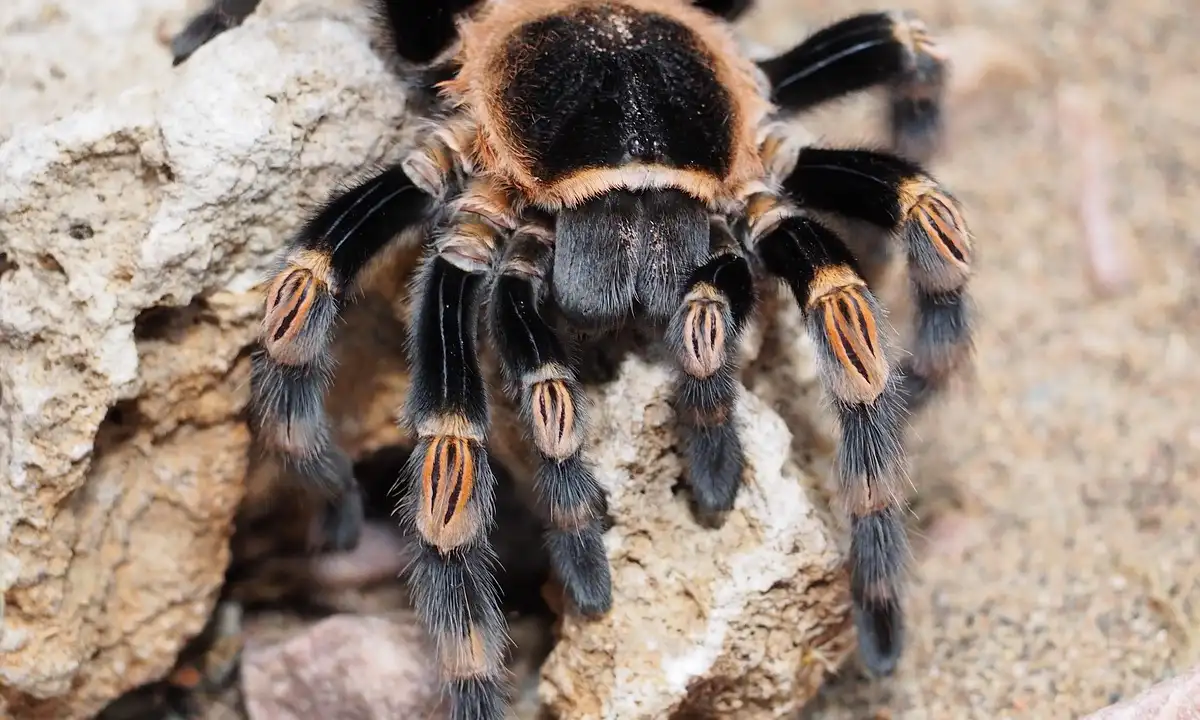
Your tarantula’s world has shrunk to the dimensions of its sealed burrow. Your job is to protect that private space. Following these respectful steps minimizes stress for your pet and gives you the clearest window into its well-being. In the ultimate guide to tarantula burrows, we explain why they dig and how you can support that instinct. By understanding their burrowing needs, you’ll better protect their private space and promote thriving health.
-
Step 1: Resist the Urge to Open the Seal
This is the hardest but most critical rule. Breaking the seal is an immense invasion. You risk physically injuring a soft, post-molt tarantula, causing a defensive bite or hair-flicking event, or triggering a panic that can lead to a dangerous fall. I learned this the hard way years ago with Rosie; a gentle check on her sealed hide caused a startled bolt that nearly ended in a long drop-a mistake I never repeated. Trust that your tarantula knows what it needs.
-
Step 2: Quietly Assess Enclosure Conditions
Your interaction shifts from hands-on to purely observant. From outside the enclosure, verify the basics. Use a digital hygrometer and thermometer to check ambient humidity and temperature. Look at the water dish-is it full? Gently press the substrate near, but not on, the burrow entrance to gauge general moisture without causing vibrations. This passive data collection tells you if the environment is stable, which is often the only reassurance you need.
-
Step 3: Monitor Patiently for Natural Emergence
Replace feeding and maintenance with quiet watching. A tarantula may seal itself for a few days prior to molting, a week or more for the actual molt, and another week while its exoskeleton hardens. A stressed tarantula might only need a couple of days of privacy. My Goliath has vanished for over a month before a major molt, while Flash’s OBT speed applies to his molts, too-he’s often back out in under two weeks. Note any subtle changes in the web barrier as the only sign of progress. For a detailed understanding of the molting process, see How Long Does a Tarantula Molt Take? A Complete Timeline.
-
Step 4: Intervention Only in Rare Cases
Disturbance is justified only by clear evidence of a problem. This includes a visible burrow collapse, signs of mold or pests flourishing near the seal, or an animal that has been sealed for an abnormally long time (many months) with no activity at all. If you must investigate, do so with extreme care: use a soft artist’s brush to gently clear a tiny viewing port or a flexible camera probe, always prepared for a fast, defensive exit.
Supporting Natural Behaviors: Ideal Enclosure Setup
The best way to handle a sealed burrow is to create an environment where the behavior is supported effortlessly. A proper setup satisfies their instincts, reducing stress-induced sealing and making necessary privacy periods safe and successful.
Substrate Requirements for Burrow Construction
Substrate is not just flooring-it is architecture. A deep, stable medium is non-negotiable. For most terrestrial species, aim for a depth at least 1.5 times the tarantula’s leg span. Use a mix that holds a burrow’s shape: coconut fiber, topsoil, and a bit of sand for structure. For humid-loving species like my T. stirmi, I pre-moisten the substrate to a damp, packable consistency that supports a humid microclimate in the burrow. For arid species like a G. rosea, keep the substrate mostly dry, offering a water dish and a slightly damp corner. Different tarantulas require different types of substrate.
Balancing Humidity and Ventilation for Microclimate Control
This balance prevents stagnant air while allowing your tarantula to engineer its own humidity pocket. I provide gradients: for a Theraphosa stirmi, I maintain overall enclosure humidity around 70-80% through a large water dish and damp substrate, but I ensure cross-ventilation via mesh or drilled acrylic. For an arid species or an opportunistic burrower like an OBT (P. murinus), I focus more on dry substrate with a water dish and excellent cross-ventilation, letting humidity sit around 50-60%. The tarantula then retreats to the depth where humidity feels perfect. To create a proper substrate moisture gradient for your tarantula, keep a wet upper layer and a progressively drier deeper substrate. This lets the spider move between microhabitats to regulate humidity naturally.
Enclosure Design for Security and Shelter
Security is the foundation of all natural behavior. Start with an escape-proof, locking lid—especially for fast, defensive species. Provide a sturdy, half-buried cork bark slab or hollow as a “starter home” for a burrow. Essential features differ by lifestyle: terrestrial tarantulas benefit from deeper substrate and secure burrows, while arboreals require vertical space and sturdy branches. Designing enclosures with these differences in mind helps support natural behaviors and reduces stress. You can read more about how these essential features vary depending on habitat in the article ‘Essential features differ by lifestyle’. I position enclosures in low-traffic areas to minimize disruptive shadows and vibrations, which are often more stressful than sound. In bioactive setups, live plants like bromeliads or pothos can root and stabilize the substrate, adding to the stability your burrowing tarantula craves.
FAQs
Why does my tarantula seal its burrow?
Tarantulas seal their burrows as a natural instinct for protection and environmental control. This behavior is commonly linked to pre-molt preparation, creating a secure chamber for the vulnerable molting process. It can also serve as defense against perceived threats or to maintain optimal humidity and temperature inside the burrow. Studying their digging behavior shows that tarantulas do burrow. This helps explain why they seal and maintain burrows as part of their daily life.
Is it normal for a tarantula to seal its entrance?
Yes, it is entirely normal, especially for burrowing (fossorial) species. Sealing the entrance is a fundamental behavior that provides security and privacy. In captivity, it indicates your tarantula is comfortable enough to enact its natural instincts for self-preservation.
How long will my tarantula stay sealed in its burrow?
The duration depends on the reason for sealing, ranging from days to months. Short-term seals for minor upkeep or humidity control may last 3-10 days, while molting-related seals can extend from 3 weeks to several months. Species-specific habits also play a role, with some tarantulas naturally sealing themselves away longer than others.
Should I open the sealed burrow?
No, you should never open a sealed burrow, as this can cause significant stress or injury. Disturbing the seal risks disrupting critical processes like molting and may trigger defensive behaviors. Instead, provide a stable environment and patiently wait for your tarantula to emerge on its own.
Is a sealed burrow a sign of molting?
Often, yes—a sealed burrow is a strong indicator of pre-molt preparation. Tarantulas typically seal themselves in to create a secure, humid chamber essential for safe ecdysis. Essential pre-molt care means stable humidity and minimal disturbance to support a successful shed. Look for accompanying signs like loss of appetite and increased webbing to confirm molting is imminent.
What should I do if my tarantula seals its burrow?
Remain calm and avoid disturbing the seal. Quietly assess enclosure conditions, such as humidity and temperature, from outside the tank. Ensure the water dish is full and monitor patiently for natural emergence, only intervening in rare cases like visible burrow collapse or signs of mold.
Long-Term Success
After decades with tarantulas like my moisture-loving Goliath, I can state one truth plainly. For any tarantula sealing its burrow, providing a deep layer of consistently damp substrate is the most critical husbandry parameter you must meet. This moisture supports the humidity microclimate within the sealed chamber, ensuring the spider can complete its vulnerable molt without the carapace hardening incorrectly. A dry burrow is a death sentence for a molting tarantula.
This behavior is a gift, a window into their private world. Enjoy the silence of the enclosure, the intricate webbing over the entrance, the sudden night-time activity when they finally emerge. I learned patience from Rosie’s months-long retreats and awe from Flash’s frantic silk engineering. Your greatest tool is not a feeding tong or a mister, but quiet observation. Trust the animal’s instincts, provide the right conditions, and find joy in the watching.
Further Reading & Sources
- Help … My Tarantula Buried Itself! | Tom’s Big Spiders
- Pulchra sealing burrow – The B.T.S Tarantula Community Board
- r/tarantulas – Tarantula sealed burrow but is outside of it?
Arlo is a lifelong arachnid enthusiast who believes tarantulas are the world’s most misunderstood roommates. With years of hands-on experience in tarantula care, habitat setup, and species behavior, Arlo combines expert knowledge with a dash of humor to make spider ownership less scary and a lot more fascinating. From choosing the right enclosure to understanding why your eight-legged buddy is doing that weird little pose again, Arlo is here to help you become the best tarantula parent you can be, without getting tangled in the web of misinformation.
Understanding Tarantula Behavior