
Are Tarantulas Dangerous as Pets? A Realistic Risk Assessment
Published on: August 11, 2026 | Last Updated: August 11, 2026
Written By: Arlo
Tarantulas, creatures of silent movement and often misunderstood intent, occupy a space in pet keeping where perceived danger vastly outweighs the reality for informed hobbyists. This article provides a clear-eyed look at the actual risks, from venom and urticating hairs to the profound stress handling can cause. The straightforward answer is that with a ‘look, don’t touch’ philosophy and species-appropriate care, tarantulas pose minimal threat to their keepers.
Quick Stats:
- Origin: Species hail from every continent except Antarctica, adapted to environments from arid scrub to humid rainforest.
- Type: Broadly split into New World (the Americas, typically slower with urticating hairs) and Old World (Africa, Asia, often faster with more potent venom).
- Growth Rate: Generally slow; many females live 10-30 years, making them a decades-long commitment.
This guide will walk you through the specific risk factors and mitigation strategies, equipping you to make safe choices from selecting your first sling to maintaining a healthy adult.
The Truth About Tarantula Venom and Bites
In over fifteen years of keeping dozens of tarantulas, I’ve been bitten precisely once. It was by my normally placid Grammostola rosea, Rosie, during an enclosure cleaning. The event was startling in its silence, a sudden, decisive pinch. The reality is that a tarantula bite is a defensive act of last resort, not an act of aggression, and its severity varies wildly by species and individual physiology.
Understanding Envenomation Severity
Tarantula venom is designed to subdue small prey, not to harm large mammals. For the vast majority of popular New World pet species, the bite is akin to a bee sting in both pain and medical consequence. Localized pain, redness, and swelling are typical. My own bite from Rosie resulted in mild, aching throbbing for a few hours.
Old World tarantulas, like my Pterinochilus murinus (Flash), possess more potent venom. A bite from one of these species can cause intense, cramping muscle pain, nausea, and sweating that may last for days. No tarantula venom is considered medically significant in the same way as a widow or recluse spider, but the experience can be severely unpleasant and warrants medical consultation for pain management.
The true risk lies in secondary infection or a rare allergic reaction to the venom itself. Always clean a bite site thoroughly and monitor for signs of infection or systemic reaction.
Primary Risks Beyond the Bite: Hairs, Allergies, and Escape
Focusing solely on fangs misses the broader picture of tarantula husbandry risks. The more frequent challenges come from invisible irritants and the consequence of human error, not from deliberate attacks.
Urticating Hairs: An Itchy, Airborne Irritant
My Burgundy Goliath Bird Eater, T. stirmi, has never threatened to bite. Instead, she defends her space with a swift kick of her back legs, releasing a cloud of microscopic urticating hairs. These hairs are barbed wires designed to embed in the skin and mucous membranes of predators.
- Effect on Skin: Causes intense, persistent itching and a rash that can last for weeks. I wear gloves when working in her enclosure to avoid this.
- Effect on Eyes: If transferred by touch, they can cause severe corneal abrasion and require veterinary removal.
- Respiratory Irritation: Inhaling a cloud of hairs, especially from a large species, can cause coughing fits and respiratory discomfort.
Always work over an open tub, wear eye protection, and wash your hands and arms thoroughly after any enclosure maintenance, especially with New World terrestrial species equipped with these hairs.
Allergic Reactions: Probability and Precautions
True allergies to tarantula venom or urticating hairs are uncommon but not impossible. Reactions can range from exacerbated localized swelling to, in extreme cases, anaphylaxis. The unpredictability is key. Common tarantula allergy symptoms can include localized swelling, redness, itching, or hives after contact with venom or urticating hairs. In more severe cases, exposure can trigger breathing difficulties or anaphylaxis, making timely recognition important.
- If you have known severe allergies or asthma, consult a doctor before acquiring a tarantula.
- Always use caution during your first few exposures to a new species or individual.
- Keep a well-stocked first aid kit and antihistamines on hand, and know the signs of a severe reaction.
Respectful, hands-off husbandry is your best defense, minimizing exposure to both venom and hairs and drastically reducing stress for the animal.
The Real Danger of Escape and How to Prevent It
A loose tarantula is a tarantula in mortal danger. They can be crushed, drown, dehydrate, or be lost inside walls. My heart-stopping moment came when Flash, my OBT, teleported up a paintbrush during a rehouse and bolted across the table. The primary danger of an escape is the panic it induces, leading to rushed actions that can injure the fragile spider.
- Secure Enclosures: Use enclosures with locking or weighted lids. For heavy, powerful species like my Goliath, I use front-opening terrariums with secure mechanical locks.
- The Rehousing Protocol: Always work in a large, smooth-sided tub. Have all tools and the new enclosure ready before you begin. Move slowly and deliberately.
- If an Escape Happens: Remain calm. Contain the room. Use a clear cup and a stiff piece of cardstock to gently guide and capture the tarantula. Do not try to grab or pin it.
Your preparedness and calm dictate the safety of both you and your pet in these scenarios far more than any inherent “danger” the tarantula possesses. To safely handle and hold your pet tarantula, follow a simple step-by-step guide designed for calm, low-stress interaction. This approach helps ensure both you and your tarantula stay safe and comfortable.
Species-Specific Risk Profiles: Choosing Your Level of Challenge
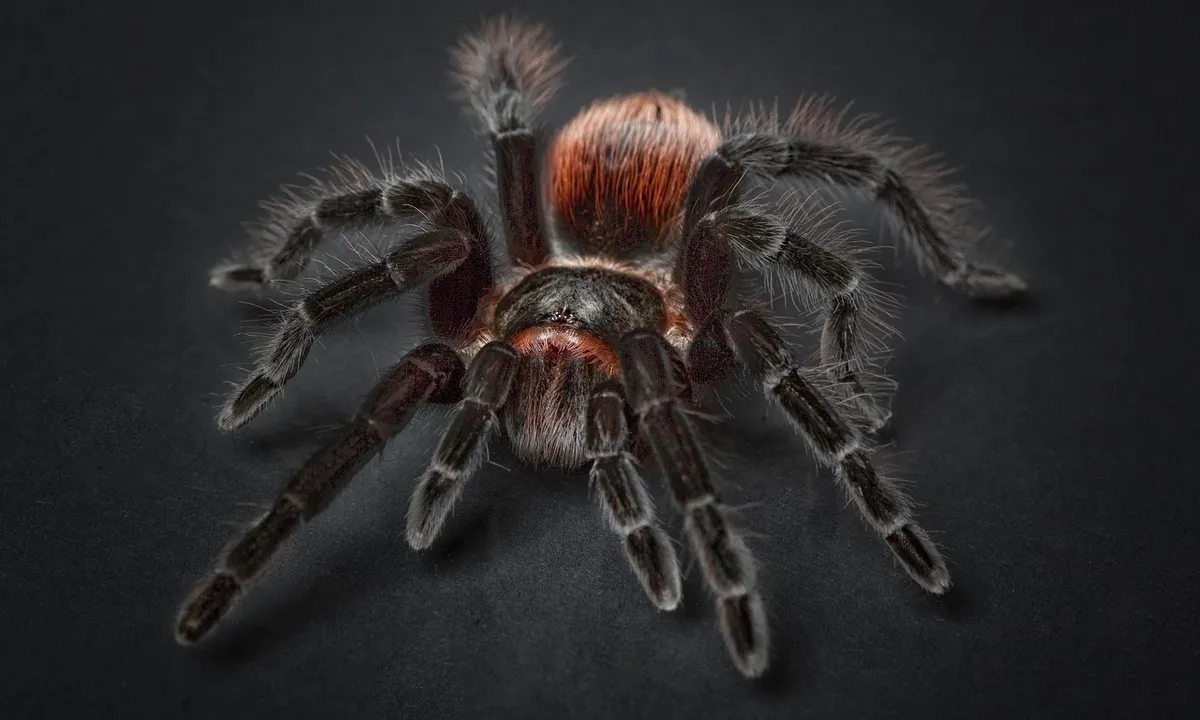
Old World vs. New World: A Key Behavioral Divide
Your tarantula’s geographic origin is the most reliable predictor of its behavior and potential risk. Old World tarantulas, from places like Africa and Asia, evolved without urticating hairs. Their primary defenses are lightning speed and venom that is often more potent. My OBT, Flash (Pterinochilus murinus), is a perfect example. The iridescent sheen of his carapace is the last thing you see before he vanishes into a silken fortress. Keeping an Old World species means managing a breathtakingly fast animal that views every intrusion as a threat. Learn why Old World species are considered more dangerous than their New World counterparts.
New World tarantulas, from the Americas, possess those famous itchy hairs on their abdomens. When stressed, they kick a cloud of microscopic barbs into the air. My Burgundy Goliath, Goliath (Theraphosa stirmi), does this so predictably I can set my clock by it during cage cleaning. While New World venom is typically mild for humans, their urticating hairs present a consistent, manageable risk that requires procedural caution.
Consider this behavioral comparison:
- Old World (e.g., Asian arboreals, African burrowers): Defensive postures are common. Medically significant venom is possible. Flight distance is their first choice.
- New World (e.g., Grammostola, Theraphosa, Brachypelma): Threat displays often involve hair flicking. Venom is comparably mild. Many are prone to calm, sedentary periods.
My Chilean Rose Hair, Rosie (Grammostola rosea), represents the classic “beginner” New World. She is a dusty-pink pet rock. Yet, after 15 years, I still never place my hand near her. Even a docile tarantula can have a bad day. The “Look, Don’t Touch” philosophy is not based on fear, but on a respect for the animal’s natural stress responses.
Essential Safety Precautions for Responsible Keepers
Secure Enclosure Fundamentals
Escape-proof housing is your absolute foundation for safety. I use enclosures with secure, locking lids for every single tarantula. For Goliath, who needs 80-85% humidity, I use a tank with ample cross-ventilation to prevent mold without drying him out. A failed lid led to my most memorable rehousing adventure, chasing a swift juvenile across a room with a cup and card.
Your enclosure checklist should be meticulous:
- Lid Integrity: Latches or clips are mandatory. Test the fit before you trust it.
- Ventilation Design: Mesh or drilled holes must balance moisture retention and air flow. Stagnant air kills.
- Substrate Suitability: Depth matters. Provide dry, packed soil for Rosie and deep, moist coconut fiber for Goliath to burrow.
- Furniture Security: Any cork bark or hide must be anchored. A collapse can cause fatal injury.
Safe Interaction Protocols
All necessary contact should be planned, brief, and instrumental. The goal is to complete maintenance without triggering a defensive reaction. I keep long tweezers, a large catch cup, and a soft paintbrush in a dedicated kit. You control the interaction by controlling your own movements: slow, predictable, and calm.
Follow this sequence for any enclosure opening:
- Assess and Prepare: Note your tarantula’s position. Gather all tools before opening the lid.
- Create a Safe Path: Use tweezers to remove prey remains or refill the water dish. Keep your body low to avoid casting a sudden shadow.
- The Cup and Brush Method: For rehousing, gently guide the tarantula into a cup with the brush. I used this with Flash; his sudden strike against the brush was a powerful reminder of his defensive focus.
- Post-Interaction Quiet: After closing the lid, leave the room dark and quiet for several hours to let the animal settle.
If an escape happens, immediately secure the room. Turn off ceiling fans, close doors, and use your cup and a stiff piece of cardstock for capture. Successful tarantula keeping is not about bravery, but about meticulous preparation and respect for the animal’s space.
Risks to Household Members and Other Pets
Managing risk means considering all lives sharing the habitat, both human and animal. The primary dangers are indirect and almost always preventable with proper protocol.
Other Pets in the Home
Curious cats and foraging dogs pose the greatest threat to a tarantula’s security. A paw can easily dislodge a lid or crack ventilation. I learned this early when a cat’s curiosity led to a tense search for a wandering Grammostola rosea. The greatest risk to your tarantula is an enclosure that cannot withstand an accidental bump or persistent sniffing. Secure, locking lids are non-negotiable in multi-pet households.
Conversely, tarantulas present minimal direct danger to larger mammals. A bite is a last resort, and urticating hairs are an irritant, not a weapon against a dog. The true hazard is a stressed tarantula using its defenses, rendering its enclosure and immediate area temporarily hazardous.
Children and Vulnerable Individuals
Education is your best tool. Explain the enclosure is a viewing gallery, not a toy box. My OBT, Flash, is a perfect teaching moment: his bright color signals his defensive nature. A child’s sudden movement or attempt to touch can trigger a fast, stressed response, turning a moment of curiosity into a painful lesson for all involved. For very young children or those with respiratory sensitivities, ensure enclosures are out of reach to prevent falls or accidental hair exposure from a disturbed tarantula like my hair-kicking Goliath.
The Tarantula’s Own Stress
We often overlook the pet’s risk. Constant vibration from loud noises, erratic light cycles, and fumes from cleaners or aerosols are invisible stressors. I keep my tarantula room off-limits during floor cleaning for this reason. Your tarantula’s long-term health is directly compromised by chronic environmental stress, which can suppress feeding and disrupt the molting cycle. A calm home is a safe home for your eight-legged resident.
First Aid Response: Bites, Hair Exposure, and Allergies
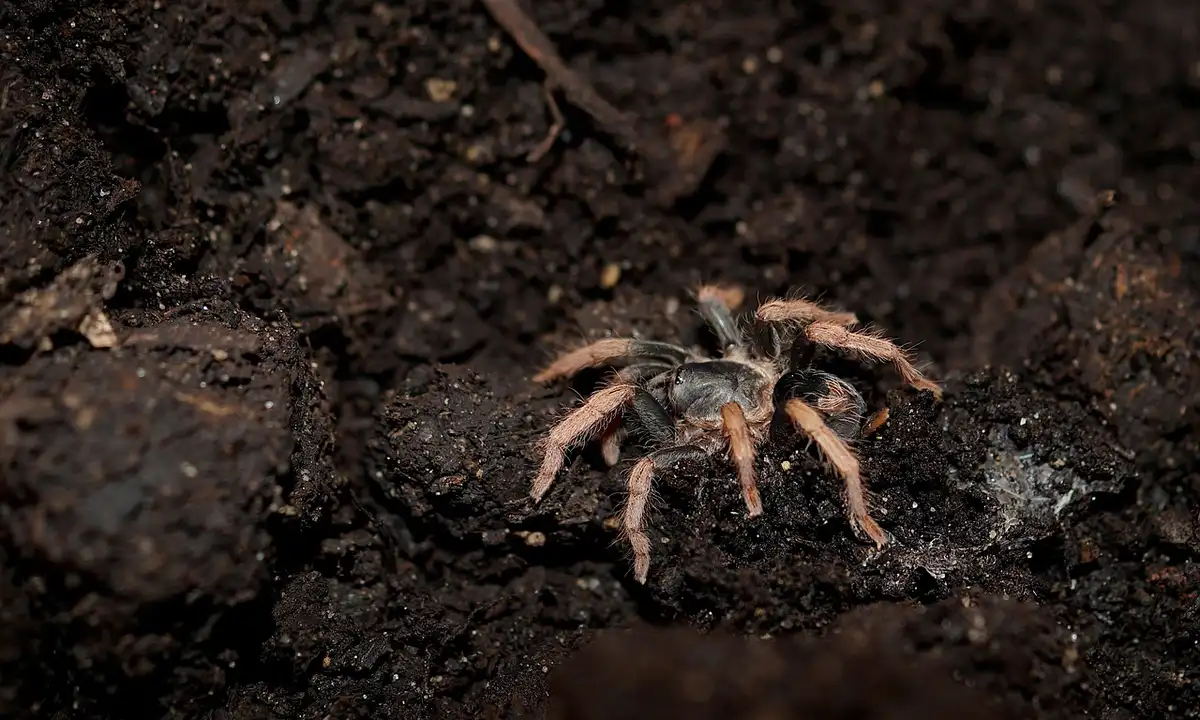
Preparedness trumps panic. While serious outcomes are rare for healthy adults, knowing how to respond is a cornerstone of responsible ownership.
Responding to a Bite
Assume any tarantula bite has injected venom. For New World species like my Rosie or Goliath, the venom is typically comparable to a bee sting for most people. Old World species like the OBT possess more potent, medically significant venom.
- Stay Calm. Panic increases heart rate, potentially spreading venom faster.
- Gently wash the bite site with soap and cool water to reduce infection risk.
- Apply a cold pack or cool compress to manage swelling and localized pain.
- Take an over-the-counter antihistamine (like diphenhydramine) for itching and a pain reliever (like acetaminophen) if needed.
- Monitor closely for any signs of a systemic allergic reaction.
Urticating Hair Exposure
This is a far more common issue, especially with heavy-kicking species. The barbed hairs cause intense itching and a rash. If you get “haired”:
- Do not rub the area. This embeds the microscopic hairs deeper.
- Use sticky tape (like duct or packing tape) to gently dab and lift hairs from the skin.
- Take a cool shower, letting water flow over the area-avoid hot water, which opens pores.
- Afterward, apply hydrocortisone cream or calamine lotion to soothe the rash. Oral antihistamines help with persistent itching.
Urticating hairs are a serious hazard if they contact eyes or respiratory tracts. If this occurs, seek professional medical attention immediately.
Allergy Awareness: The Unpredictable Variable
An allergy to venom or urticating hairs is the true wildcard. Reactions can worsen with repeated exposure. Signs of a severe allergic reaction (anaphylaxis) include difficulty breathing, swelling of the lips/tongue, dizziness, or a rapid heart rate. If you or a household member exhibits these symptoms after a bite or hair exposure, use an epinephrine auto-injector if available and call emergency services without delay. Always inform medical personnel of the exact species involved, if known.
Creating a Safety Culture
Keep a small kit near your tarantula area: first-aid tape, antihistamines, and a cold pack. Always wash your hands thoroughly after any enclosure maintenance. This routine minimizes your risk and signals to others that these animals, while captivating, command our respect and cautious stewardship, especially when handling and cleaning their enclosures.
Contextualizing the Danger: Tarantulas Versus Common Pets
When we discuss risk, perspective is everything. A dog can knock a toddler over. A cat scratch can lead to a serious infection. The perceived threat of a tarantula is often amplified by unfamiliarity. Let’s compare tangible hazards.
The Canine Comparison: Bite Force and Behavior
A German Shepherd’s bite exerts roughly 238 pounds per square inch (PSI). The bite from my largest tarantula, Goliath, registers closer to a firm thumbtack press. The physical damage is incomparable. The real difference lies in probability and intent; a dog may bite from fear, play, or protection daily, while a tarantula’s bite is an absolute last resort after hours or days of visible warning signs.
I’ve been around dogs my whole life and been nipped during play. In 15 years with Rosie, she has never once assumed a threat posture.
The Feline Contrast: Allergens and Scratches
Cat allergies affect a significant portion of the population. The reaction to tarantula urticating hairs is a physical irritant, not an immune system allergy. You can manage tarantula hairs with simple tools and planning, while cat dander permeates an entire home.
A cat’s scratch, even in play, can transmit bacteria like Bartonella henselae (cat scratch fever). A tarantula has no claws to break skin. Its only defenses are its bite and its itchy hairs, which it cannot deploy without clear, provoked reason.
Side-by-Side: A Quick Risk Profile
| Risk Factor | Common Dog (e.g., Shepherd) | Common Cat (e.g., Domestic Shorthair) | Common Tarantula (e.g., Chilean Rose) |
|---|---|---|---|
| Potential for Physical Injury | High (bite, knock-over) | Moderate (scratch, bite) | Very Low (medically insignificant bite) |
| Allergenic Potential | Moderate (dander) | High (dander, saliva) | Low (mechanical skin/eye irritant only) |
| Daily Proactive Risk | Constant (requires active training) | Daily (play scratches, climbing) | Nearly Zero (when housed securely) |
| Defensive Warning | Variable (growl, bark, posture) | Variable (hiss, swat) | High, prolonged (threat posture, hair kicking) |
The table clarifies a key point. Tarantula risk is almost entirely conditional and contained, revolving around specific, avoidable husbandry interactions, not unpredictable daily cohabitation.
The Escape Factor: Containment is King
Fear often fixates on a loose tarantula. This is where your responsibility is absolute. A dog can escape a yard. A cat can slip out a door. A tarantula cannot escape a properly maintained enclosure.
I learned this through a tense moment with Flash, my OBT. A lid wasn’t fully snapped. I found her on the side of the enclosure, mere inches from freedom. It was a profound lesson in meticulousness. Your primary safety device is not a pair of tongs, but a secure, locking lid and a dedicated, escape-proof space for maintenance.
Compare this to the chaos of a lost puppy or the ecological impact of an outdoor cat. The tarantula’s world is the enclosure you provide. Manage that space with respect, and the risk plummets to near non-existence.
Common Questions
Are certain tarantula species more dangerous or defensive than others?
Yes, tarantula species vary greatly in behavior and potential risk. Old World tarantulas from Africa and Asia are typically much faster and possess more potent venom, viewing intrusion as a direct threat. New World species from the Americas are generally slower and rely more on kicking urticating hairs, with milder venom. For beginners, a docile New World species like a Chilean Rose Hair is a far safer and more manageable choice than a defensive Old World arboreal.
What are the risks to other household pets from a tarantula?
The primary risk is to the tarantula itself from curious cats or dogs that may knock over or damage its enclosure. A tarantula poses almost no direct physical danger to a larger pet. The significant hazard is indirect; a stressed tarantula may kick urticating hairs into the environment, which can cause irritation to the eyes, nose, or skin of another animal investigating its space.
How significant is the risk of allergic reactions to tarantula hairs or venom?
True, systemic allergic reactions are uncommon but are the most unpredictable and serious risk. Most people experience only localized irritation from urticating hairs. However, a small percentage of individuals can have a severe allergic response to the hairs or venom, potentially leading to anaphylaxis. Anyone with known severe allergies or asthma should exercise extreme caution and consult a doctor.
What are the risks of escape, and how can they be mitigated?
Escape is a serious risk primarily to the tarantula’s safety, as it can lead to injury, death, or being lost in the home. Mitigation is achieved through secure, locking enclosures and meticulous protocols. Always work inside a large, smooth-sided tub during maintenance, have all tools ready, and move slowly. Your preparedness is the single biggest factor in preventing and managing an escape.
Are there any long-term health risks associated with keeping tarantulas?
For the keeper, there are no known cumulative long-term health risks from proper tarantula husbandry. Repeated exposure to urticating hairs can lead to increased sensitivity in some individuals. The long-term commitment is to the animal’s welfare, as many species live for decades, requiring consistent, secure, and stress-free care throughout their long lifespans. Lifespan varies by species and is strongly influenced by environmental factors and care. Providing species-appropriate habitat, stable conditions, and low-stress handling helps support their longevity.
The Final Molt
After years of keeping everything from a docile Grammostola rosea to a fast Pterinochilus murinus, one truth stands clear. Your primary safety device is not a pair of gloves, but a properly set up enclosure that meets the specific humidity, temperature, and space needs of your spider. A stressed tarantula is far more likely to act defensively. Getting the fundamentals right-a secure lid, correct substrate depth, and stable parameters-creates a foundation of calm that minimizes risk for everyone.
True success in this hobby is measured in quiet observations. Watch the meticulous engineering of a web tunnel by my OBT, Flash. Observe the patient, silent ambush of my Goliath bird eater. This is where the fascination lies, not in handling. I have found that patience, not persistence, is the keeper’s greatest tool. Allow your tarantula to simply be a tarantula, and you will be rewarded with a front-row seat to some of nature’s most precise and captivating behaviors.
Further Reading & Sources
- Are Tarantulas Dangerous? | Poison Control
- Myth: Tarantulas are dangerous to humans | Burke Museum
- Are ‘pet’ tarantulas dangerous? Does their bite hurt much? – Quora
Arlo is a lifelong arachnid enthusiast who believes tarantulas are the world’s most misunderstood roommates. With years of hands-on experience in tarantula care, habitat setup, and species behavior, Arlo combines expert knowledge with a dash of humor to make spider ownership less scary and a lot more fascinating. From choosing the right enclosure to understanding why your eight-legged buddy is doing that weird little pose again, Arlo is here to help you become the best tarantula parent you can be, without getting tangled in the web of misinformation.
Handling and Interaction