
Why Are Old World Tarantulas More Dangerous Than New World Species?
Published on: June 4, 2026 | Last Updated: June 4, 2026
Written By: Arlo
Old World tarantulas, inhabitants of Africa and Asia, are famed in the hobby for their defensive speed and medically significant venom. This distinction is not a myth but a direct result of separate evolutionary paths. The core answer lies in their primary defenses: New World tarantulas possess urticating hairs to deter threats from a distance, while Old World species, lacking this tool, evolved to rely on potent venom and rapid flight or fight responses.
Quick Stats:
- Origin: Old World (Africa, Asia, Europe) / New World (The Americas)
- Primary Defense: Potent venom & extreme speed / Urticating hairs & threat postures
- Typical Temperament: Defensive, reclusive, fast / More variable, often docile
- Venom Potency: Ranges from severe pain to medically significant / Typically mild, comparable to a bee sting
This guide will unpack the biology behind the bite, contrast keeper experiences, and frame that “danger” within the context of knowledgeable, respectful care.
Old World vs. New World: Defining the Geographic Divide
The terms “Old World” and “New World” are purely geographic, tracing back to colonial-era maps. This split describes where tarantulas evolved in isolation, leading to distinct survival strategies you see in your home enclosures. These are among the key differences you’ll notice when keeping them. Old World tarantulas tend to be more defensive and have more potent venom, while New World species commonly rely on irritating urticating hairs and are often more beginner-friendly. Old World species hail from Africa, Asia, Europe, and the Middle East. New World tarantulas are natives of the Americas, from the United States down through Chile and Argentina.
This biogeographic divide within the Theraphosidae family isn’t about danger; it’s about millions of years of separate evolution. Think of it like two different schools of problem-solving. The challenges of an Asian rainforest canopy are vastly different from those of a Chilean desert scrubland. Each group developed its own toolkit.
Regional Origins of Common Pet Tarantulas
| Old World (Africa, Asia, Europe) | New World (The Americas) |
|---|---|
| Mombasa Golden Starburst (Heteroscodra maculata) | Mexican Redknee (Brachypelma hamorii) |
| Ornamental Tree Spiders (Poecilotheria spp.) | Brazilian Black (Grammostola pulchra) |
| King Baboon (Pelinobius muticus) | Pink Toe (Avicularia avicularia) |
| Orange Bitey Thing – OBT (Pterinochilus murinus) | Curly Hair (Tliltocatl albopilosus) |
Key Physical and Ecological Differences
Old World tarantulas, like my P. murinus “Flash,” often occupy arid savannas or dense, humid forests. They frequently live in complex burrows or high in trees. Many lack the specialized urticating hairs of their New World cousins, a fact that fundamentally shapes their defensive posture. Without this irritating cloud of barbed hairs to throw, they evolved a different first line of defense: speed, aggression, and more potent venom.
New World species, like my ancient G. rosea “Rosie,” frequently have arid to semi-arid origins or live in more open tropical habitats. Their primary defense is a flick of the abdomen, releasing those infamous itching hairs. This allows them to be more hesitant to bite, as they have a potent, longer-range deterrent. Their venom, while effective on prey, is typically far less medically significant to humans.
Venom Composition and Potency: A Tale of Two Toxins
All tarantulas are venomous—it’s how they subdue their food. The critical difference lies in the venom’s purpose and composition. Old World tarantula venom often contains a higher concentration of neurotoxic components designed to quickly immobilize fast, dangerous prey like large insects or small vertebrates. New World venom tends to be more cytotoxic, focusing on breaking down tissue for digestion. In many New World tarantulas, defense isn’t limited to venom—[they can also flick urticating hairs at threats](https://eightleggedlife.com/how-do-tarantulas-defend-themselves-from-hairs-to-venom). These hairs can irritate skin and mucous membranes, so handling tarantulas requires care.
Fang structure plays a role too. Old World species like my OBT have large, robust fangs designed for a powerful, penetrating strike. The venom delivery is efficient and deep. I’ve seen Flash strike his cricket prey with an audible *thud*. New World fangs are no less impressive, but the envenomation is often a slower, “chewing” process if they do decide to bite in defense.
Understanding Medical Significance
For a tarantula keeper, understanding the potential clinical effects is part of responsible stewardship. A bite from a New World species is often compared to a bee sting: localized pain, redness, and itching. A bite from a medically significant Old World species can be far more intense.
While severe systemic reactions are exceptionally rare, the immediate effects from an Old World bite can be severe and require medical attention. The neurotoxic elements can cause:
- Intense, radiating pain at the bite site.
- Muscle cramping or spasms in the affected limb.
- Headaches, nausea, or a general feeling of malaise.
- Elevated heart rate and sweating.
The venom acts in steps. First, the initial puncture causes mechanical damage. Then, the cytotoxins begin breaking down local cells, causing swelling. Finally, neurotoxins can interfere with nerve signal transmission, leading to the cramping and pain. This is why we advocate for a strict “Look, Don’t Touch” policy, especially with Old World species. It protects you and drastically reduces stress for an animal that sees a giant hand as nothing but a threat.
Defensive Behavior: Aggression, Speed, and Biting Tendencies
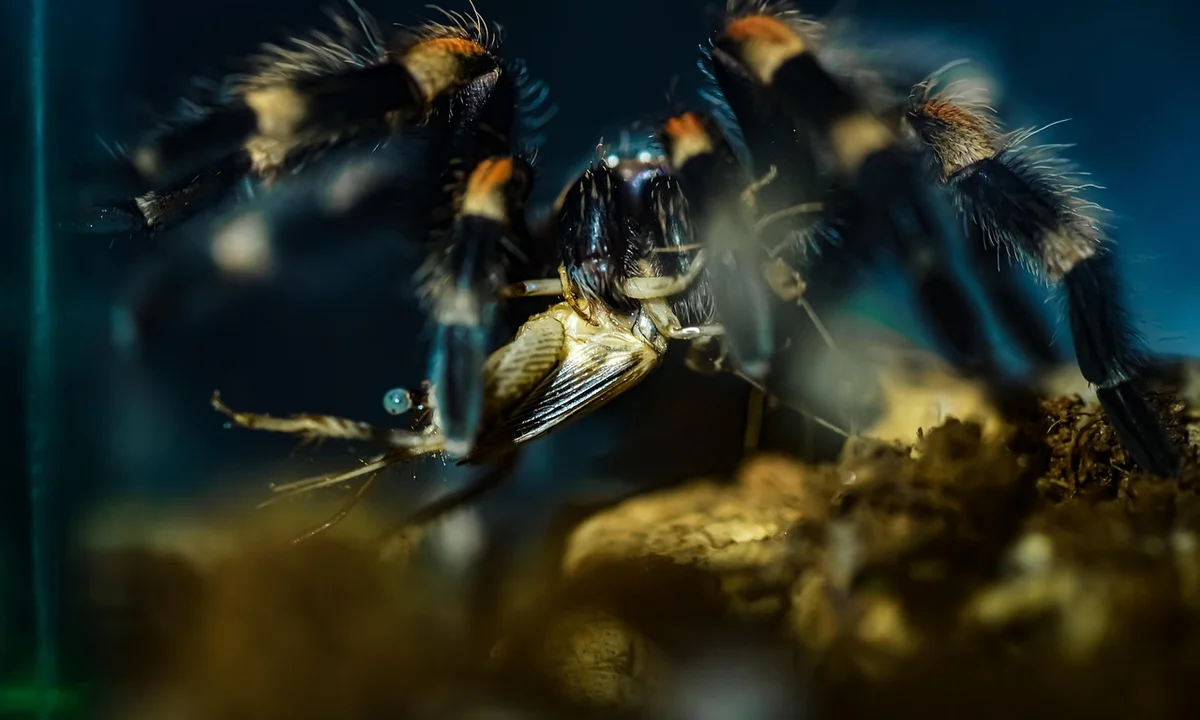
The most immediate difference you will notice is in their posture toward a perceived threat. Old World tarantulas, like my Pterinochilus murinus Flash, operate on a hair-trigger. Their strategy is simple: perceive a threat, eliminate it. For many Old World species, a defensive display is often the bite itself, delivered with shocking speed.
New World tarantulas, in contrast, usually follow a de-escalation checklist. My old Chilean Rose Hair, Rosie, would simply hunker down. Others, like my Goliath, perform a dramatic threat posture, rearing up to reveal gleaming fangs and warning you to back off. If that fails, they deploy their urticating hairs. A bite is typically a last resort. Being attentive to stress cues can help you prevent escalation. Common signs your tarantula is stressed or aggressive include a raised posture, rapid leg movements, and defensive hair flicking when approached.
The Role of Speed and Perception
An Old World tarantula’s speed transforms simple maintenance into a calculated risk. We are not talking about a fast crawl. We are talking about a lightning strike from across the enclosure, a blur of motion that can cover inches in a fraction of a second. This explosive speed directly compensates for their lack of urticating hairs, making the preemptive bite their most reliable defense.
I learned this the hard way rehousing Flash. A gentle nudge to guide him into a catch cup was met not with a threat pose, but with an instantaneous, telepathic lunge toward my hand. The encounter ended with a slammed lid and a racing heart, not a bite, but the message was clear. Their perception of threat is amplified, and their reaction time is unparalleled in the hobby.
Urticating Hairs: The New World’s Primary Shield
These are not true hairs, but microscopic barbed bristles flung from the tarantula’s abdomen. New World species possess specialized patches of these setae. When threatened, they use their back legs to kick a cloud of these irritants toward the attacker’s face or skin. This is a remarkable piece of evolutionary engineering: a potent, long-range deterrent that keeps the spider safely out of direct contact and clarifies the real risks associated with urticating hairs.
The irritation ranges from a mild itch to a raging rash and severe eye pain. My T. stirmi, Goliath, is a prolific hair-kicker. The mere vibration of his enclosure lid can prompt a defensive kick, leaving a fine layer of hairs on the glass. Cleaning his enclosure requires gloves, a mask, and immense caution.
Implications for Danger and Care
This biological distinction fundamentally shapes the “danger” level and our care approach. Many people ask which is more dangerous: Tarantula urticating hairs vs bites? In most cases, the hairs pose the greater risk to health. Urticating hairs are a significant nuisance, but for most healthy people, they are a temporary surface irritation. The primary medical risk from New World tarantulas is usually allergic reaction to the hairs, not the venom from a bite.
Conversely, an Old World bite bypasses this messy warning system entirely. Their venom, evolved for quicker prey subdual in arid environments, is often more potent. The combination of medically significant venom, a high propensity to bite first, and the speed to execute it creates a far more hazardous scenario for the keeper. It necessitates tools like long tweezers, secure catch cups, and a profound respect for the animal’s space. You manage a New World tarantula’s environment; you negotiate with an Old World tarantula’s territory, making it critical to create a safe habitat to minimize bite risk.
Assessing the Real Bite Danger and Clinical Effects
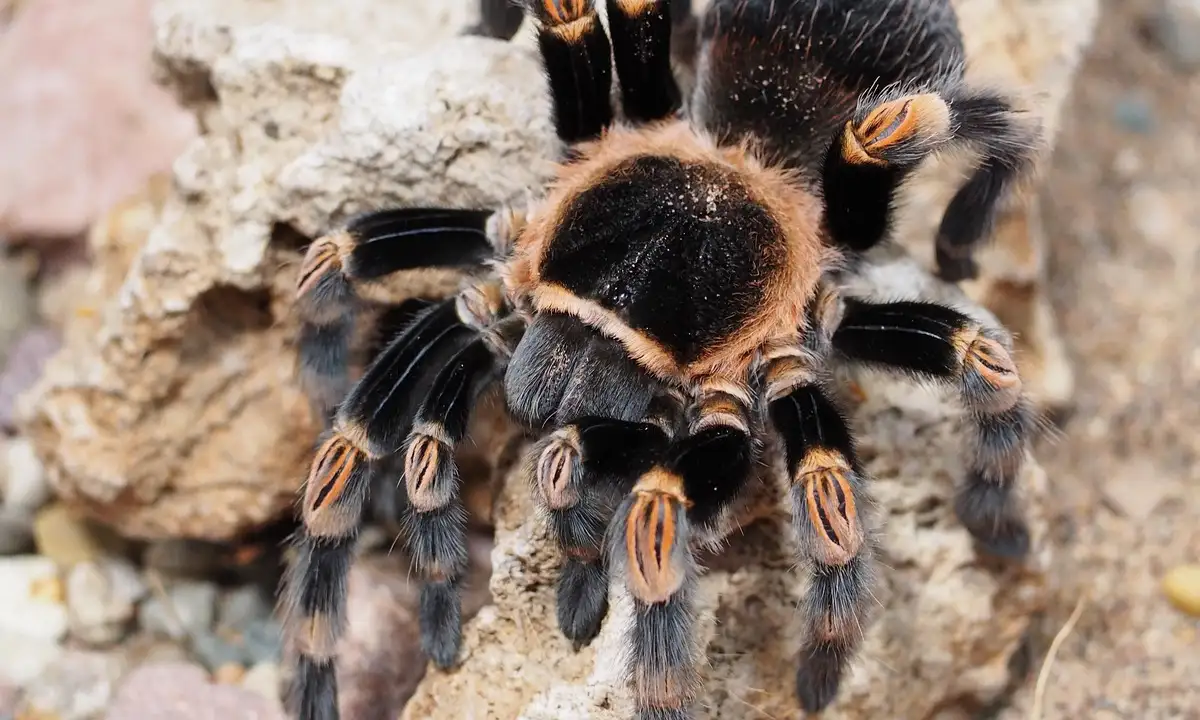
When discussing danger, we must separate popular myth from clinical reality. The threat from an Old World tarantula is a combination of potent venom, defensive behavior, and our own biological sensitivity. The true risk is not a guaranteed hospital visit, but the certainty of a medically significant event that can incapacitate you for days. For those considering tarantulas as pets, a realistic risk assessment matters. Proper species selection, secure enclosures, and cautious handling greatly reduce but do not eliminate the chance of a serious bite or envenomation.
Venom Potency and Biting Behavior
Old World tarantulas, like my Pterinochilus murinus (Flash), evolved without urticating hairs. Their primary defense is a fast, accurate bite. Their venom is neurologically active, designed to quickly subdue agile prey like insects and small vertebrates. New World venom is often comparably mild to humans, causing localized pain akin to a bee sting. Old World venom targets nerve signals, leading to intense, systemic reactions.
Their behavior escalates the risk. They are lightning-fast, defensive, and lack a primary warning system. A threatened New World tarantula will almost always flick hairs first. An Old World specimen may perceive a slight vibration as a threat and strike without hesitation. In my experience, rehousing my OBT is a high-focus operation; the speed is breathtaking, and the animal’s defensive posture is a clear, unambiguous warning to back off.
Symptoms of an Old World Tarantula Bite
Reactions vary by species, bite location, and individual sensitivity, but generally follow this escalating pattern. Assume medical consultation is necessary.
- Instantaneous, Severe Pain: A sharp, burning pain at the bite site, significantly more intense than a New World bite.
- Localized Effects (First 1-2 hours): Swelling, redness, and muscle cramping in the affected limb. Sweating at the site is common.
- Systemic Effects (2-12 hours): This is the hallmark of significant envenomation.
- Intense, radiating muscle cramps (often in the back, abdomen, or chest).
- Throbbing headache and dizziness.
- Nausea, sometimes with vomiting.
- A feeling of general malaise and feverishness.
- Peak Phase (12-24 hours): Symptoms are at their worst. Pain and cramping can be debilitating. Some individuals report visual disturbances or a rapid heart rate.
- Recovery Phase (Several Days): Symptoms slowly subside. Residual soreness, localized itching, and general fatigue can linger for a week.
While fatalities are astronomically rare for healthy adults, the incapacitating pain and cramps pose a real danger if you live alone, drive, or operate machinery.
Safety First: Handling and Risk Mitigation
The single most effective safety practice is the “Look, Don’t Touch” philosophy. Handling provides zero benefit to the tarantula and immense risk to you. Your interaction should be about observation and providing care, not physical contact.
Safe enclosure maintenance for defensive species follows a simple, tool-based protocol:
- Plan Ahead: Have all tools-long tweezers (30cm+), a catch cup, a paintbrush-within reach before you open the enclosure.
- Control the Environment: Perform maintenance in a secure, escape-proof room (e.g., a bathroom with a towel under the door). Ensure bright, overhead lighting to discourage the tarantula from bolting upward.
- Use the “Cup and Card” Method for Access: To add water or food, gently guide the tarantula into a hide or one side of the enclosure using a long brush, then place a transparent cup over it. Slide a stiff card under the cup to temporarily contain it. This allows safe access to the rest of the enclosure.
- Never Use Your Hands: Use long tweezers for all feeder insect placement and debris removal. Your skin should never cross the plane of the enclosure opening.
- Respect the Signal: If the tarantula adopts a threat posture (reared up, fangs displayed), stop immediately. Close the enclosure and try again later. Pushing past this warning invites a strike.
This methodical approach isn’t born of fear, but of deep respect for the animal’s natural defenses and your own safety.
Choosing a Pet Tarantula: Safety and Responsible Ownership
Selecting your first tarantula is the most critical decision in your arachnoculture journey. This choice should be guided by humility and a commitment to the animal’s welfare, not by the allure of a “challenge.”
Beginner-Friendly New World Species
New World tarantulas from the Americas are the unequivocal starting point. Their generally placid temperament and use of urticating hairs as a first defense create a much larger safety buffer for learning. This naturally raises the question of which species are best tarantula species for handling and why. In many cases, New World tarantulas are favored for beginner handling due to their calmer demeanor and the defensive urticating hairs that provide a safety buffer. Ideal starter genera include:
- Grammostola (e.g., G. rosea/porteri): The classic “rose hair.” Like my 15-year-old Rosie, they are famously calm, though can be erratic eaters. They are slow-moving and tolerate minor husbandry errors.
- Brachypelma & Tliltocatl (e.g., B. hamorii, T. albopilosus): These include the eye-catching Mexican Red Knee and the teddy-bear-like Curly Hair. They are typically docile, though they can be prolific hair-flickers when provoked.
- Aphonopelma (many North American species): Often hardy, terrestrial, and slow-growing. They teach patience and fundamental terrestrial care.
Starting with a calm New World species allows you to build essential husbandry skills-molting cycles, hydration, enclosure design-without the constant high-stakes stress of a defensive animal.
Species for Experienced Keepers Only
I strongly advise against Old World tarantulas as a first, second, or even third pet. They are for the keeper who has mastered the basics and seeks to observe, not interact with, a powerful and complex animal. For those wondering which tarantula species are best for beginner pet owners, start with calmer, easier-to-care-for New World species. This helps beginners gain experience before attempting more demanding specimens. Specific groups to avoid as a novice include:
- Asian Fossorials (e.g., Cyriopagopus, Haplopelma): Lightning-fast, defensive, and often reclusive. Their strikes are near-telepathic.
- African Terrestrials (e.g., Pterinochilus, Heteroscodra): This includes the Orange Bitey Thing (OBT) and the ornate Featherleg Baboon. They are defensive, fast, and prolific webbers that turn enclosures into fortified silk castles.
- Old World Arboreals (e.g., Poecilotheria): While stunningly beautiful, their venom is considered medically significant, and their arboreal nature means they occupy your vertical space, making maintenance inherently more complex.
Husbandry Adjustments for Old World Species
If you progress to keeping Old World tarantulas, your entire approach must shift. Husbandry becomes an exercise in remote management and observation.
- Secure, Escape-Proof Enclosures: Locks are non-negotiable. Cross-ventilation is vital, but openings must be smaller than the tarantula’s carapace. I use acrylic enclosures with sliding lids and front-opening doors for safer, controlled access.
- Minimalist, Low-Disturbance Setups: Provide a deep, moist substrate for burrowing species and ample anchor points for webbers. The goal is to create an environment where the tarantula feels secure enough to stay in its retreat, minimizing defensive encounters.
- Tools as Extensions of Your Hand: Your toolkit is your primary interface. Long, soft-tipped paintbrushes for guidance, extra-long feeding tongs, and large, clear deli cups for containment are mandatory.
- Respect Through Distance: The greatest sign of respect for an Old World tarantula is giving it space. Your reward is not holding it, but witnessing its natural behaviors-the meticulous silking of its tunnel, the iridescent sheen of its carapace in the light, the precise, silent strike at prey.
FAQs
Are any Old World tarantulas suitable for beginners?
No, Old World tarantulas are universally not recommended for beginners. Their potent venom, lightning-fast defensive strikes, and skittish nature require advanced husbandry skills and a “hands-off” philosophy. A new keeper should start with a docile New World species to safely learn essential care and enclosure management without high risk. Are tarantulas suitable for complete beginners? This short guide is a beginner-friendly introduction to tarantula care.
Where can I find Old World tarantulas for sale, and what should I consider before buying one?
You can find them through specialized exotic pet retailers, reputable online breeders, and at reptile/arthropod expos. Before purchasing, you must honestly assess your experience level, research the specific species’ needs thoroughly, and ensure you have secure, escape-proof enclosures and the proper long-handled tools. Acquiring one without proper preparation is irresponsible and dangerous.
What exactly makes an Old World tarantula bite worse than a New World’s?
The combination of venom chemistry and behavior creates a more severe event. Old World venom often contains neurotoxins that can cause intense, radiating pain, severe muscle cramps, and systemic effects like nausea. Furthermore, they typically bite as a first defense with incredible speed, rather than giving a visual warning or flicking hairs first.
Is it correct to call Old World tarantulas “poisonous”?
No, the correct term is “venomous.” Poison is ingested or absorbed, while venom is injected. Old World tarantulas are venomous because they deliver their toxins actively through a bite. Calling them poisonous is a common misuse of the term within the hobby, but the distinction is important for accurate communication about their biology.
How fast are Old World tarantulas really?
Their speed is often described as teleportation or a blur. It is an explosive, lightning-fast strike or bolt used for defense and capturing prey, vastly surpassing the pace of most New World species. This incredible speed is why keepers must use extreme caution and tools during any enclosure interaction, as a human cannot react quickly enough to avoid a strike.
Can you give examples of popular Old World vs. New World species?
Classic Old World examples include the defensive and fast Orange Bitey Thing (Pterinochilus murinus) or the arboreal, patterned Ornamentals (Poecilotheria genus). Popular beginner-friendly New World species are the docile Chilean Rose Hair (Grammostola rosea) and the famously calm Mexican Redknee (Brachypelma hamorii). This contrast perfectly illustrates the temperament divide.
The Long-Term Success
The single most consistent demand for nearly all Old World tarantulas is not sky-high humidity, but guaranteed, permanent access to water. An adult Pterinochilus murinus can perish from dehydration in a bone-dry enclosure long before a keeper realizes anything is wrong, so a full, clean water dish is non-negotiable. My OBT, Flash, will often web over his dish, but I always break through the silk to refresh it weekly. Humidity matters less than that direct liquid source.
Beyond care sheets, the real reward is in the observation. Watch the meticulous engineering of a trapdoor burrow or the overnight transformation of an enclosure into a silken fortress. Appreciate the blur of movement, the sudden defensive posture-a raised carapace and a hiss of stridulation. These are not flaws but fascinating adaptations. Patience, quiet observation, and letting the animal simply *be* are the true skills of this hobby. You aren’t missing out by not handling; you’re gaining a front-row seat to a masterclass in predatory efficiency.
Further Reading & Sources
- Old Word vs. New World Tarantulas | Tom’s Big Spiders
- Old World Tarantulas vs. New World Tarantulas: How are they Different? – A-Z Animals
- r/tarantulas on Reddit: Old world Tarantulas
Arlo is a lifelong arachnid enthusiast who believes tarantulas are the world’s most misunderstood roommates. With years of hands-on experience in tarantula care, habitat setup, and species behavior, Arlo combines expert knowledge with a dash of humor to make spider ownership less scary and a lot more fascinating. From choosing the right enclosure to understanding why your eight-legged buddy is doing that weird little pose again, Arlo is here to help you become the best tarantula parent you can be, without getting tangled in the web of misinformation.
Understanding Tarantula Behavior