
Caring for the G. pulchra (Brazilian Black Tarantula)
Published on: November 25, 2025 | Last Updated: November 25, 2025
Written By: Arlo
The Brazilian Black Tarantula, Grammostola pulchra, is widely celebrated as one of the most tractable and desirable species in the hobby, its reputation built upon a profound stillness and an almost velvet-black sheen. This guide exists to explore the specific, respectful care that allows this spider to thrive, but we must address the central question immediately. Should you handle G. pulchra? The most responsible answer is no. This article will instead focus on the superior practice of observational husbandry-creating an environment where your spider feels secure enough to exhibit its full, fascinating behaviors without the stress and risk of handling. True care is demonstrated through a perfect habitat, not through physical contact.
Quick Stats:
- Origin: Brazil and Uruguay
- Type: New World, Terrestrial
- Growth Rate: Glacial. A sling can take 7+ years to reach maturity.
- Temperament: Notoriously calm and patient.
This guide details the precise humidity, substrate depth, and quiet environment required to shepherd your G. pulchra from a tiny, dark speck of a sling into a magnificent, jet-black adult.
Understanding Tarantula Handling and Safety
The “Look, Don’t Touch” Ethos in Arachnid Care
In my years of breeding and keeping, I’ve learned the most profound moments come from observation, not interaction. Tarantulas are not mammals; they do not crave affection or seek our touch. Handling is a human-centric activity that provides no benefit to the spider and carries inherent risk for both parties. Your primary role as a keeper is to be a curator of a secure, enriching environment, not a handler.
My OBT, Flash, is a perfect example. Her vibrant color is a warning, not an invitation. Observing her meticulously barricade her burrow with silk is a masterclass in invertebrate behavior-an experience lost if I were focused on getting her onto my hand. For every docile ‘pet rock’ like my G. rosea, there are dozens of species for which handling is an unacceptable stressor. The hobby thrives on respect for the animal’s fundamental nature.
Assessing the Real Risks: Venom and Urticating Hairs
The risks are not mythical; they are biological facts. They fall into two main categories: venom from a bite and the mechanical irritant of urticating hairs.
Venom potency varies wildly. A bite from a New World species like my T. stirmi is comparable to a bee sting for most, but can cause severe muscle cramps. A bite from an Old World species like an OBT is medically significant and requires immediate medical attention. The real danger is not death, but a bad reaction combined with the spider’s startling speed, leading to a fall.
Urticating hairs are a more common issue. My Goliath kicks them readily when disturbed. These microscopic, barbed hairs embed in skin and mucous membranes, causing itching, rash, and severe pain in eyes or lungs. I always wear gloves and eyewear during cage maintenance because of him.
- Venom: A defensive tool of last resort. Effects range from local pain to systemic illness. Old World species lack urticating hairs and rely on more potent venom.
- Urticating Hairs: A primary, long-range defense for New World species. They cause mechanical and chemical irritation that can last for weeks.
- The Greatest Risk: A startled tarantula falling from even a short height. Their abdomen can rupture like a water balloon, leading to a slow, fatal death.
Preparing for Safe Tarantula Handling
If you must proceed after understanding the ethos and risks, meticulous preparation is non-negotiable. This process is about damage limitation.
Creating a Secure Handling Environment
Never handle a tarantula in an open room. You are building a soft, enclosed arena for a potential accident.
- Choose a small, carpeted room like a bathroom. Close the toilet lid and block gaps under the door.
- Sit on the floor. This eliminates any falling distance.
- Have a large, soft catch cup and a paintbrush or long tweezer ready within arm’s reach.
- Clear the area of fans, vents, other pets, and loud noises. The environment must be silent and still.
I practice this setup during every rehousing. The few times a spider has bolted, the contained space and my low position allowed for a calm recovery.
Preparing Yourself: Hygiene and Mindset
Your physical and mental state is part of the environment. Wash your hands thoroughly with unscented soap. You must remove all traces of lotion, perfume, or food smells that could confuse or agitate the spider. Your hands should be bare, clean, dry, and slightly cool-never warm or sweaty.
Mindset is everything. You must be calm, focused, and prepared to abort the attempt instantly. If you are anxious, rushed, or distracted, the spider will detect it. Your breathing should be steady. Any sudden movement or noise from you can trigger a flight response. This is not a party trick; it is a serious biological interaction.
Optional Tools for Assistance
Direct hand-to-spider contact is the riskiest method. These tools offer a buffer.
- A Large, Soft-Bristled Paintbrush: Your primary guide. Use gentle taps on the rear legs to encourage forward movement. It keeps your hands away from the fangs.
- A Deli Cup or Clear Container: The safest transfer tool. Gently coax the spider into the cup, then you can place the cup on your hand. The spider can walk out onto you, not be grabbed.
- Long, Blunt-Tipped Tweezers: For gently maneuvering legs, never for picking up the spider. Useful if the spider needs slight guidance onto a surface.
I keep these tools in every spider room. Their purpose is to facilitate necessary moves, like rehousing, not to enable casual handling. They are for the spider’s safety first, and yours second.
Step-by-Step Guide to Handling Your Pet Tarantula
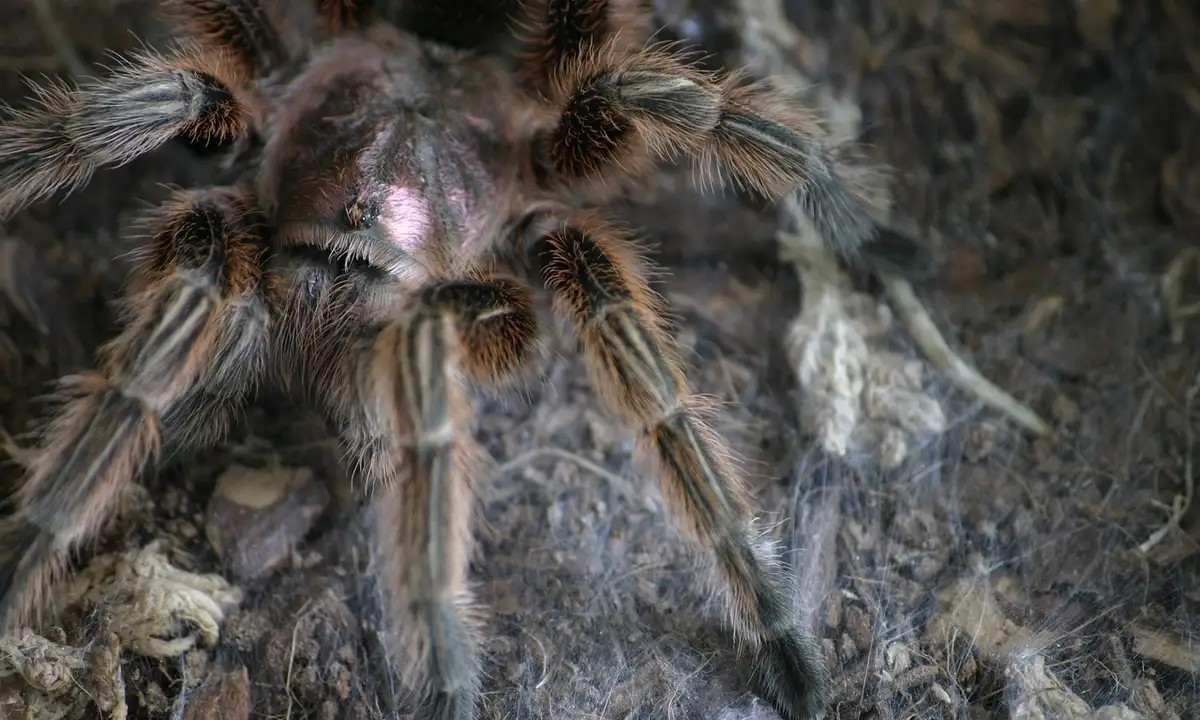
After years of breeding and maintaining dozens of tarantulas, I have a firm personal rule: I do not handle them for fun. My focus is their welfare, not my amusement. Rehousing a docile species or performing an enclosure emergency are the only times I permit contact. This guide is for those necessary moments, prioritizing the animal’s safety above all. For beginners, safe handling is about minimal contact and correct technique, not thrill. The tips here are beginner-friendly and emphasize safe, recommended handling only when absolutely necessary.
Step 1: Reading Your Tarantula’s Mood Signs
This step happens before you open the enclosure. Watch your tarantula for several minutes. A calm tarantula sits still or moves with deliberate, slow purpose. A feeding response-a sudden, lighting-fast lunge-means they are primed to strike anything that moves. That is not a handling opportunity.
Clear “Do Not Handle” signals include a raised front legs and abdomen (a threat posture), rapid pedipalp flicking, or the hind legs lifting to kick urticating hairs. My T. stirmi, Goliath, will turn his back and raise his abdomen at the slightest vibration. That is my cue to stop. Attempting to handle a defensive animal is asking for a bite, a lost leg, or a fatal fall for the spider.
- Proceed: The tarantula is calm, moving slowly, or retreating.
- Stop Immediately: Threat posture, hair kicking, fast erratic movements, or hiding in a defensive burrow (like my OBT, Flash, does).
Step 2: The Initial Contact and Cupping Technique
With the enclosure on a secure, flat surface, gently use a soft paintbrush to guide the tarantula onto an open palm. Do not grab, pinch, or force. The goal is to let them walk onto you. For nervous specimens, I use a two-cup method: gently coax them into a large deli cup, place another over the top, and then transfer. This method is particularly useful when rehousing or transporting your tarantula.
The most reliable method is the “cupping” technique: once the tarantula is on a flat hand, slowly lower your other hand over it, creating a dark, secure cave. This mimics a hiding spot and often calms them. I once had to rehouse my G. rosea, Rosie, this way during a tank leak; the darkness stopped her from wandering and she settled immediately.
- Clear a large, soft workspace (a bed or carpeted floor is ideal for short falls).
- Using a brush, guide the tarantula’s front legs onto your open, flat palm.
- Allow its full weight to transfer. Feel the delicate, careful steps.
- Gently cup your other hand over it, providing security.
Step 3: Proper Holding Technique and Support
Your grip is not a grip at all. Your hands are a moving platform. Keep them low, over a soft surface. A tarantula’s greatest danger during handling is a fall, as their abdomen can rupture from a height of just a few inches. Always support the entire body. If the tarantula begins to move, let it walk from one hand to the other in a continuous bridge. Do not lift your hands high. Having the essential tools and safety gear is essential when handling tarantulas. Use soft-tipped forceps or a long-handled brush, and keep a transfer container and a first-aid kit within reach to reduce risk.
I keep my handling sessions under 60 seconds. The goal is transfer, not interaction. Observe the silence, the deliberate placement of each tarsus. If the tarantula rears up or flicks hairs, slowly lower both hands to the surface and prepare to end the session.
Step 4: Ending the Session and Release Back Safely
Never drop or shake a tarantula off your hand. To release, lower your cupped hands directly into the open enclosure or onto the new enclosure’s substrate. Tilt your hand slightly, letting the tarantula walk off on its own. Use a brush for a final gentle nudge if needed.
After release, leave the tarantula completely alone for at least 24 hours to de-stress; skip feeding attempts and do not disturb the enclosure. In your new tarantula’s first 24 hours, follow this step-by-step acclimation guide to help them settle in. Watch for normal behavior resuming. A successful handling session ends with a safe, calm tarantula and no urticating hairs in your skin. That is the only metric that matters.
Recognizing Stress and Knowing When Not to Handle
True tarantula care is less about imposing interaction and more about patient observation. The most responsible keeper learns to read the subtle, and sometimes not-so-subtle, cues their spider provides, understanding that handling is always for the keeper’s benefit, not the tarantula’s. Recognizing stress is your primary tool for ensuring the animal’s well-being during any enclosure maintenance or rare, necessary handling event.
Immediate Signs of Tarantula Distress
Tarantulas communicate discomfort through distinct behaviors. A stressed spider is not being “bad,” it is defending itself. Learn this language. Learn to read your tarantula’s body language for stress and defensive signs. Recognizing these cues helps you respond appropriately.
- Kicking Urticating Hairs: New World species, like my T. stirmi Goliath, will rapidly scrape their back legs against their abdomen, releasing a cloud of microscopic, barbed hairs. This is a definitive “back off” signal. Inhaling these hairs causes respiratory irritation, and skin contact leads to intense itching.
- Threat Posture (Rearing Up): The spider lifts its front legs and carapace high, exposing its fangs. This classic defensive stance says it feels threatened and is prepared to bite. An Old World tarantula like an OBT will assume this posture in a flash.
- Sudden, Rapid Movement: A calm, slow-walking spider that suddenly bolts is frightened. This is not exploration. Chasing a fleeing tarantula is a guaranteed way to cause a fall or escape attempt; you must let it find a dark corner to de-stress.
- Flicking or Striking: A quick, jabbing motion with the front legs, often without a full bite. It’s a warning shot.
- Abdominal Bald Spot: A chronic sign of stress is a bald, dark patch on the abdomen. This is from repeated hair kicking, indicating the spider rarely feels secure in its environment.
Critical Times to Avoid Handling Entirely
There are biological milestones in a tarantula’s life where handling is not just stressful, but potentially fatal. Respecting these periods is non-negotiable.
- Premolt: This is the most critical period. The spider’s exoskeleton separates from the new one beneath, making it fragile and vulnerable. Signs include a darkening abdomen, loss of appetite (like my G. rosea Rosie’s infamous fasts), and sealing itself in its hide. Any disturbance during premolt can cause a catastrophic molt failure, killing the spider.
- Post-Molt (Hardening Phase): After successfully molting, the tarantula’s new exoskeleton is soft and papery. Its fangs are white and pliable. This hardening process takes from days to weeks, depending on size. A fall or squeeze during this time can cause fatal internal injuries or deformities.
- When Gravid or With an Eggsac: A female carrying eggs or an eggsac is in a highly protective, defensive state. She will guard her future offspring fiercely. Disturbance can cause her to abandon or consume the eggsac.
- During Feeding: A tarantula in the act of subduing prey is focused and may mistake an approaching hand for a rival or new food item. This can lead to a defensive bite.
- For All Old World Species: I make a personal rule: I do not handle my Old World tarantulas, like Flash the OBT. Their potent venom, lightning speed, and defensive nature make the risk to both spider and keeper unacceptably high. Their beauty is best observed through the glass.
Post-Handling Care and Hygiene
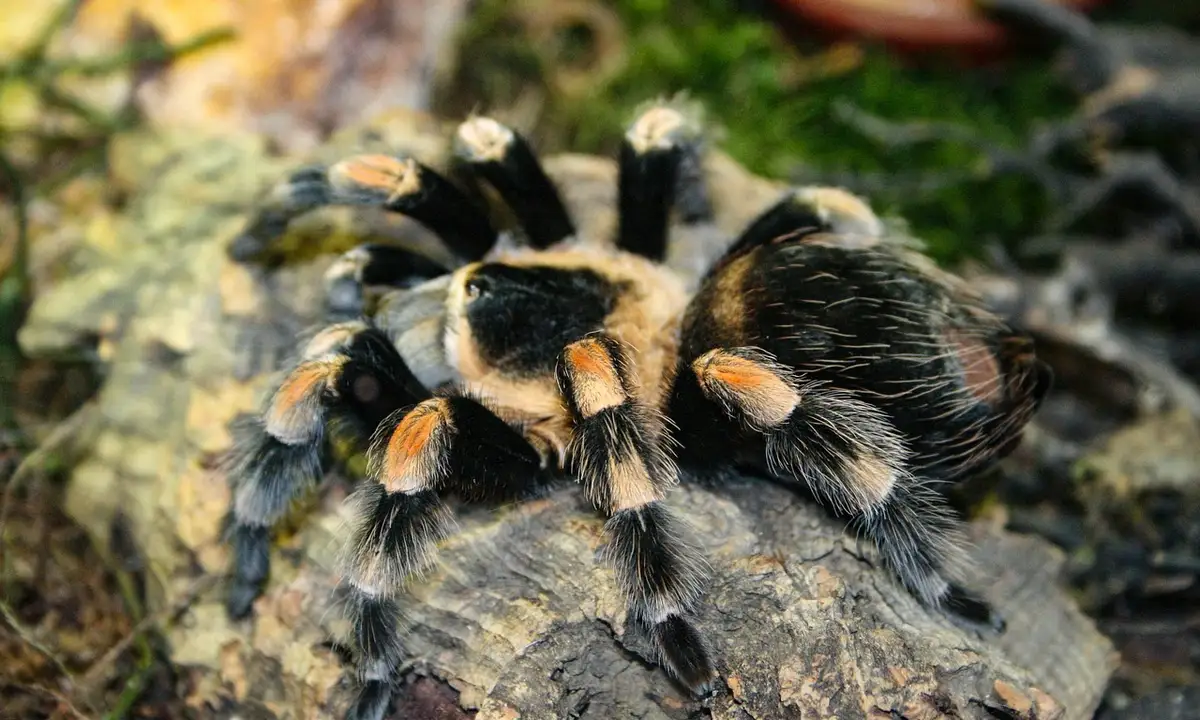
The moment your tarantula is back in its enclosure is not the end of the process. Proper post-handling protocol ensures both your pet’s long-term well-being and your personal safety, closing the interaction respectfully. This phase is about quiet observation and meticulous cleanliness.
Ensuring Your Tarantula’s Post-Handle Comfort
Your tarantula has just experienced a significant environmental shift. Its priority is now re-establishing security. Your role is to facilitate that without adding more stress. To help prevent common tarantula health problems, keep conditions stable. Regularly monitor humidity, temperature, and enclosure cleanliness to reduce stress and illness.
- Gentle Placement is Key: Lower your hand to the enclosure floor and allow the tarantula to walk off on its own. Never pick and place. If hesitant, gently angle your hand so the edge touches the substrate, creating a natural bridge.
- Immediate and Quiet Retreat: Do not linger. Secure the lid immediately. I use a two-point locking system for my faster species like Flash, my OBT, as even a cracked lid is an invitation for an escape artist.
- The Critical Observation Period: For the next 24-48 hours, minimize disturbances around the enclosure. Your tarantula may not eat, may sit motionless, or may groom extensively to remove your scent; all are normal stress-responses that require patience. I’ve seen my docile Rosie, my Chilean Rose Hair, refuse food for a week after a single, brief handling session.
- Respect the Hide: If your tarantula retreats to its hide, consider it off-limits. Do not attempt to offer food or redecorate. Allow it this uninterrupted time to reset its sense of safety.
Essential Cleanup for the Keeper
This step is non-negotiable. Tarantulas possess two primary defense mechanisms that pose risks to you: venom and urticating hairs. When threatened, they may flick urticating hairs to deter a predator, and venom is typically reserved as a last resort if the threat persists or makes contact.
- Urticating Hairs are a Persistent Hazard: Species from the Americas, like my Goliath Bird Eater, can kick thousands of microscopic, barbed hairs from their abdomen. These hairs can embed in skin and eyes, causing itching, rash, and serious corneal damage for days after the handling session. Goliath has dusted me before, and the itch on my arms was a potent reminder.
- Thorough Hand Washing Protocol: Wash your hands and forearms immediately with cool water and soap. Cool water helps prevent pores from opening and trapping hairs. Scrub under fingernails. Avoid touching your face, especially your eyes, until you have washed thoroughly.
- Clothing Considerations: If you were kicked at, change your shirt. Wash the worn clothing separately from other laundry to avoid contaminating other fabrics with loose hairs.
- Surface Decontamination: Wipe down any surfaces near the handling area with a damp cloth. Urticating hairs can become airborne and settle, posing a later risk to you or others in the household.
This hygiene ritual isn’t just for medically significant species; it’s a fundamental habit that reinforces a culture of respect and safety in the hobby. It protects you, your family, and ensures your next interaction starts from a clean, responsible slate.
FAQs
Can I ever handle my tarantula if it seems calm?
While a calm temperament makes handling *less risky*, it does not make it *safe or beneficial*. Handling always induces stress for the tarantula, even if it doesn’t show immediate defensive behaviors. The potential for a sudden startle, fall, or exposure to urticating hairs remains, offering no enrichment for the spider itself.
Is the Brazilian Black Tarantula (G. pulchra) a good species for handling?
The G. pulchra is known for its remarkably calm and patient temperament, making it one of the most tolerant species if handling is absolutely necessary. However, “tolerant” does not mean it enjoys or benefits from the experience. Its slow growth rate also means juveniles are incredibly fragile, and any fall can be fatal.
What should I do if my tarantula falls during handling?
Immediately cease all handling and gently guide the spider into a secure catch cup using a brush. Place it back in its enclosure and observe closely for several days for signs of injury, such as fluid leakage from the abdomen or an inability to walk properly. A fall, even from a short height, requires a period of complete quiet and may necessitate consulting an exotic veterinarian.
How can I minimize exposure to urticating hairs?
Always wear long sleeves and consider eye protection if you must perform enclosure maintenance that may disturb the spider. Wash your hands and arms with cool water and soap immediately after any contact, and avoid touching your face. If you know your tarantula is prone to kicking hairs, using a deli cup for transfers instead of direct hand-walking is a much safer method, especially if your tarantula tends to bite or escape.
Do handling tools like brushes and cups make it completely safe?
Tools significantly reduce risk by providing a buffer and helping guide the spider during necessary transfers, like rehousing. However, they do not eliminate risk entirely, as the tarantula can still bolt, fall, or become stressed. Their primary purpose is to facilitate essential husbandry tasks, not to enable casual handling sessions. This is especially true for tarantula sling spiderling care, where minimizing handling helps prevent injury and stress in tiny, delicate juveniles. Using the appropriate tools during moves supports safe rehousing and ongoing care without subjecting the spiderlings to unnecessary handling.
Are there any tarantula species that are “safe” to handle?
No tarantula species is truly safe to handle, as all are fragile and defensive by nature. While some New World terrestrial species like the Chilean Rose Hair (Grammostola rosea) or Brazilian Black (G. pulchra) are more docile, they still possess urticating hairs and can bite or fall. Old World species, with their potent venom and speed, should never be considered for handling. Even for those regarded as less aggressive, it’s important to understand the real risks involved when keeping them as pets.
Beyond Your Hands
The most vital husbandry practice you can adopt is to prioritize the spider’s needs over your desire to interact. Successful tarantula keeping is measured in undisturbed molts and natural behaviors, not in handling sessions. Your care should create an environment where the spider feels secure enough to live fully on its own terms.
True mastery in this hobby is shown through patient observation. You will witness more fascinating drama in a single night of hunting or web-building than any handling could provide. The silent stalk, the precise strike, the meticulous silk-spun architecture-these are the real rewards. Cultivate that quiet attention, and you will find a deeper, more respectful connection to your remarkable animal.
Further Reading & Sources
- Grammostola pulchra / quirogai (Brazilian black) Care Sheet – Jamie’s Tarantula Blog
- Chaco Golden Knee Tarantula (Grammostola pulchripes) Care Sheet – The Tarantula Collective
- Grammostola pulchra (Brazilian Black Tarantula) Information + Careshee – Fear Not Tarantulas, Inc.
Arlo is a lifelong arachnid enthusiast who believes tarantulas are the world’s most misunderstood roommates. With years of hands-on experience in tarantula care, habitat setup, and species behavior, Arlo combines expert knowledge with a dash of humor to make spider ownership less scary and a lot more fascinating. From choosing the right enclosure to understanding why your eight-legged buddy is doing that weird little pose again, Arlo is here to help you become the best tarantula parent you can be, without getting tangled in the web of misinformation.
Handling and Interaction