
A Complete Guide to Tarantula Molting Problems and Solutions
Molting is the single most dramatic and vulnerable event in a tarantula’s life, a biological ballet where one misstep can be fatal. This guide is not just about the mechanics of shedding an old exoskeleton; it’s about learning to read the subtle signs, creating the right conditions, and knowing when-and when not-to intervene. In over a decade of keeping everything from my docile ‘pet rock’ Rosie to my lightning-fast OBT Flash, I’ve learned that nearly every husbandry error culminates during a molt, making this process the ultimate test of your care.
- Quick Stats:
- Origin: All species, terrestrial and arboreal
- Type: New World & Old World
- Growth Rate: Highly variable (slings molt frequently, adults may take years)
This guide will translate the silent, tense hours of a molt into a clear action plan, equipping you to shepherd your spider safely from the first signs of premolt to the final hardening of its new, vibrant colors.
The Biology of Molting: Why This Process is Critical and Risky
Molting, scientifically called ecdysis, is the singular way a tarantula grows. Unlike vertebrates, their skeleton is on the outside. To get bigger or repair a damaged leg, they must literally crawl out of their old skin. This shed skin, called the exuviae, is a perfect ghost of your spider’s former self.
This process is not just about growth; it is a full-body renewal that allows for regeneration of lost limbs and even the replacement of internal organs like female reproductive parts. The new exoskeleton beneath is soft and flexible, allowing for expansion before it hardens into a protective armor over several days.
The molt cycle is a clock that slows with age. Spiderlings, or slings, may molt every few weeks as they rocket in size. Juveniles do so every few months. By adulthood, the interval stretches to a year or more. My Chilean Rose Hair, Rosie, once went 22 months between molts, a typical pause for a mature Grammostola rosea.
Every molt is a high-stakes event where the risks of injury, fatal dehydration, or getting fatally stuck in the old exoskeleton are very real. The spider is utterly vulnerable during and after the shed, its new fangs soft and its body delicate. Understanding this fragility is the first step to providing respectful, hands-off care.
Recognizing the Pre-Molt Phase: Key Warning Signs and Behaviors
Your tarantula will broadcast its impending molt through clear, often dramatic, behavioral shifts. Recognizing these signs is your cue to stop all feeding and disturbance immediately. To help you spot them, here are the 10 key signs your tarantula is about to molt. This is the core of the “Look, Don’t Touch” philosophy—your observation ensures their safety. Recognizing these cues in advance lets you prepare and minimize stress for your spider.
Heed these common pre-molt warnings, which can last from a few days to several months in older tarantulas: During this time, many keepers observe a pre-molt fast and withhold food. If you plan other fasts, consult a reliable care guide to ensure you time them correctly and avoid starving your tarantula, especially around molts.
- Refusal to Eat: This is the most universal sign. A tarantula shuts down its digestive system to prepare. My Rosie famously ignores crickets for 6-8 months before a molt, acting like a true “pet rock.”
- Lethargy and Hiding: Activity plummets. An arboreal species may retreat to its cork tube, while a fossorial one might seal its burrow entrance with dirt and silk.
- Abdominal Darkening and Shine: The underside of the abdomen, where the new skin forms, turns from a pale pink or grey to a deep, glossy black or dark blue.
- Heavy Webbing or “Mat” Creation: Many species spin a dense, flat sheet of silk on the ground. This non-sticky molting mat provides traction for the arduous process of extraction.
Species-specific behaviors are pronounced: my Orange Babbling Tarantula (P. murinus), Flash, will web every surface of his enclosure into a dense funnel, while my moisture-loving T. stirmi, Goliath, will simply become reclusive in his humid hide. The key is knowing your individual spider’s baseline so any change rings an alarm.
Physical and Behavioral Changes to Watch For
Beyond the broad behaviors, subtle physical cues confirm the pre-molt stage. A tarantula’s usually bald abdomen, caused by kicking urticating hairs, will darken significantly in the center. The spider may seem clumsy or uncoordinated as its connection to the old exoskeleton loosens.
You might notice a slight sheen or wrinkling of the skin around leg joints and the carapace, a hint of the new form waiting underneath. The tarantula assumes a characteristic pre-molt pose, often legs tucked slightly, staying perfectly still for hours.
Monitoring these signs requires a gentle approach. I never tap on the glass or use bright lights. I observe using dim, ambient room light and move slowly to avoid vibrations that can stress a preparing spider. Any disturbance during this time can cause a delayed molt or lead to a catastrophic failure. Your patience and quiet watchfulness are the best tools you have.
The Molting Event: What Happens, How Long It Takes, and Your Role
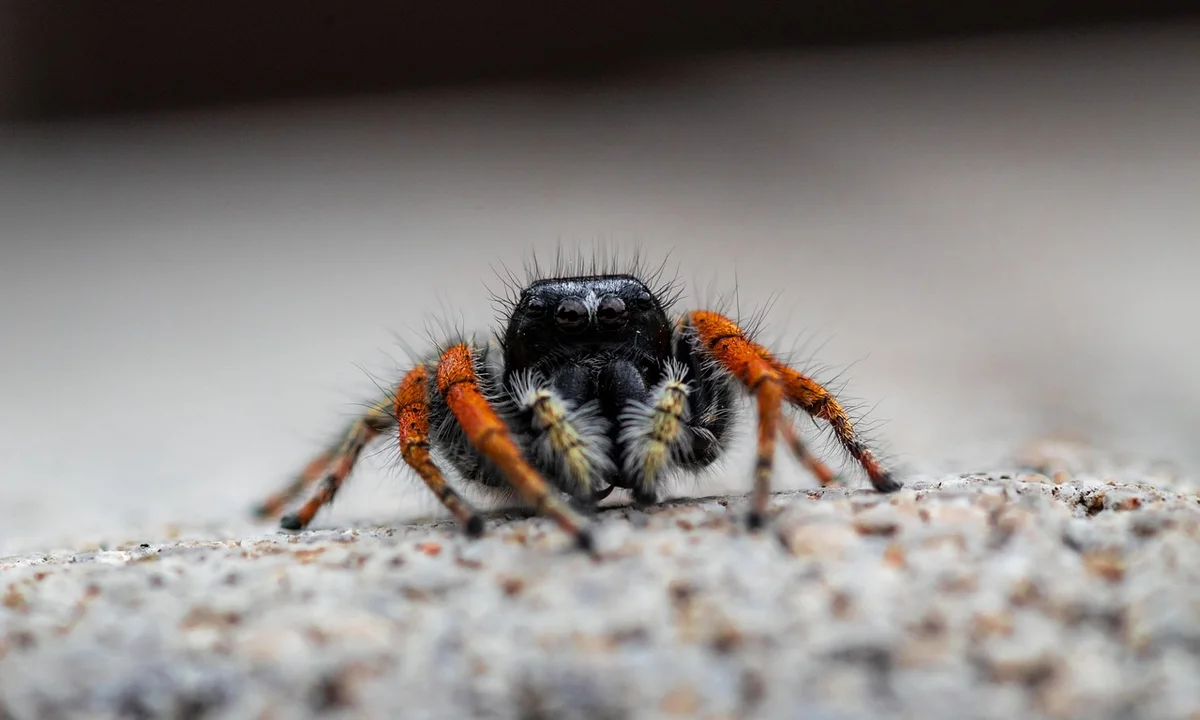
Witnessing a molt is the ultimate privilege in tarantula keeping. This is a biologically taxing event where your spider literally climbs out of its own skin, leaving it silent and utterly defenseless. From my Chilean Rose Hair Rosie to my skittish OBT Flash, each molt reminds me of the profound vulnerability these animals accept to grow.
The Stages of Ecdysis
The process follows a precise, instinctual sequence. Any interruption can lead to lost limbs or death, so disciplined observation is non-negotiable.
- Turning on its back: The tarantula will flip onto its back or side, legs curled. This “death pose” alarms new keepers, but it is completely normal. My Burgundy Goliath, for instance, will sprawl motionless for hours in this position before anything happens.
- Splitting the carapace: A faint crack appears along the front of the cephalothorax. You may see gentle pulsations as fluid is pumped to create space. The old carapace lifts like a lid.
- Extracting the body: The spider works its legs and palps free first, then its abdomen slides from the old skin. This is a slow, hydraulic ballet. The new body is pale, soft, and glistening.
- The silent, vulnerable rest period: Movement stops. The tarantula lies beside its discarded exuviae, hardening. This is the most critical phase; the spider is as soft as clay and cannot defend itself. The only sound is your own breathing.
Duration: Patience is Everything
Timeframes depend entirely on the tarantula’s size and life stage. An adult Grammostola rosea like my 15-year-old Rosie can take a full 12 to 24 hours to complete the ordeal. Juveniles and spiderlings are far quicker, often finishing in 2 to 6 hours. Never rush or interfere; the clock means nothing to the process.
Your Caretaker Protocol
Your job is to be a silent guardian. Providing a stable, stress-free zone is the best and only help you can offer. Follow these steps religiously.
- Ensure a full, clean water dish: Hydration aids the fluid pressure needed for the molt. I always overflow the dish slightly to boost ambient humidity right before I see signs of premolt.
- Maintain stable humidity and temperature: Do not spike levels suddenly. For my moisture-loving T. stirmi, I keep humidity at a steady 80-85%. For arid species, 60-70% is sufficient. Temperature should be a consistent 75-80°F (24-27°C) with no drafts.
- Observe from a distance: No handling, no feeding, no cage maintenance. I watch my tarantulas molt under the dim glow of a room light, resisting the urge to check with a bright flashlight. Trust the process.
Common Molting Problems: Identifying Stuck Molts, Dehydration, and Partial Molts
Watching a tarantula molt is a silent, tense miracle, but sometimes the process falters. From my experience with over a hundred molts, I categorize three primary issues: stuck molts, partial molts, and systemic failures from dehydration or old injury. Each has distinct causes and warning signs that demand your attention.
Let’s define them clearly. A stuck molt, or retained exuviae, happens when the old skin refuses to fully separate. A partial molt means only sections shed, often the legs or carapace, while the rest remains. Complications from chronic low humidity or physical damage can cripple the molting mechanism entirely, leading to a fatal stall.
You must become a keen observer. Look for these symptoms in a molting or freshly molted tarantula:
- Stuck legs or abdomen: Old exuviae visibly clinging to new, soft limbs.
- A cracked or wrinkled new exoskeleton: This indicates the new skin hardened before the old one could be fully shed.
- Prolonged lethargy: The tarantula remains on its back or side far longer than the typical 6-12 hour molt.
- An inability to right itself: A critical sign of weakness or physical impairment.
These problems are almost always husbandry-related. Incorrect ambient humidity is the usual suspect, but the moisture in the substrate itself is what your tarantula actually uses. I learned this the hard way when my T. stirmi, Goliath, showed early molt stress; his enclosure air was humid, but the deep soil was bone dry. Stress from handling or enclosure vibrations shortly before a molt can also trigger a problematic shed. It’s important to recognize the signs of incorrect humidity in a tarantula enclosure to prevent such issues.
Specific Issues and Their Causes
Zero in on each problem to understand its root cause and prevent it in your collection.
A stuck molt often feels tacky and brittle, like dried glue, and is a direct ticket from dehydration. The tarantula lacks the internal hydraulic pressure to pop the old skin cleanly. This is common in arid species kept too dry, or when a water dish is absent. I once assisted a fellow breeder with a Grammostola pulchripes whose entire abdomen skin was adhered; the enclosure humidity had never dropped below 60%, but the spider hadn’t touched its water dish for weeks. It’s one of those overlooked factors that can cause health issues in tarantulas.
A partial molt can leave crippling remnants, especially on the fangs or pedipalps, which will prevent feeding. Imagine trying to eat with a stiff glove over your hand-that’s your tarantula with old skin on its mouthparts. This often stems from a sudden drop in humidity during the molt itself or an underlying weakness from a previous injury.
Dehydration is the silent architect of most molting disasters, as it chemically hardens the old exoskeleton, making it impossible to split. The spider’s body can’t produce enough lubricating fluid between the old and new layers. For moisture-dependent species like Theraphosa, I maintain a humidity range of 75-85% and saturate one corner of the substrate weekly. For my arid G. rosea, Rosie, a full water dish and a slightly damp substrate patch are non-negotiable, even during her famous fasting months.
Emergency Interventions: Step-by-Step Rescue for Molt Failure
-
Assess the situation with calm precision before taking any action. Look for the faintest movement in the legs or a slight pulsing in the abdomen. Identify where the old skin, called the exuviae, is stuck-often on the carapace or the tip of the abdomen. You must never intervene during the active, vulnerable stages of molting, as this is when the new exoskeleton is soft and easily damaged. I once watched my G. rosea, Rosie, molt over fourteen silent hours; a disturbance then would have been catastrophic.
-
Increase humidity immediately to create a more forgiving environment. Use a fine mist bottle to spray the enclosure walls and decor, carefully avoiding the tarantula itself. Another method is to place a section of moist paper towel or sphagnum moss in a corner. This elevated humidity helps rehydrate and soften the stubborn old exoskeleton, giving the tarantula a fighting chance to complete the shed. For moisture-loving species like my T. stirmi, Goliath, I keep a humidity gauge nearby to monitor levels closely during these events. Remember that ideal temperature and humidity ranges are species-specific for tarantulas. Keeping within those ranges helps ensure healthy molts and reduces stress during shedding.
-
Create a hydration chamber for a tarantula that remains stuck after several hours. Select a small, clear container with ventilation holes. Line the bottom with a damp paper towel or a shallow layer of pre-moistened coconut fiber. This temporary chamber acts like a miniature ICU, using steady humidity to gently soften the exuviae without the risks of a full water bowl. Keep the container in a warm, quiet spot and check every hour for progress.
-
Offer gentle assistance only as an absolute last resort, after a full day of no movement from the stuck portion. Use a soft artist’s brush dipped in lukewarm water to very carefully moisten and tease the edge of the old skin. Any physical help requires a steady hand and infinite patience, as the new skin beneath is incredibly fragile. I remember a rehousing where my OBT, Flash, had a single hind leg trapped. By waiting a full day and then using a damp brush with millimeter movements, I freed the leg without incident-a tense reminder that even in rescue, observation must come before action.
-
Know when to stop all intervention efforts. If the tarantula begins to thrash, kick urticating hairs, or shows any sign of hemolymph (blood) leakage, you must back away. At a certain point, further stress from handling becomes more dangerous than the molt failure itself. If you notice your tarantula flipped over during a molt, consult your emergency checklist to decide whether to intervene or let the molt continue. This helps you distinguish between a normal molt pause and a true emergency. In some cases, a tarantula may survive with a lost limb or damaged section, which it can regenerate in a future molt. Your role shifts from rescuer to supportive caregiver.
Preventing Molting Issues: Optimal Humidity, Substrate, and Enclosure Setup
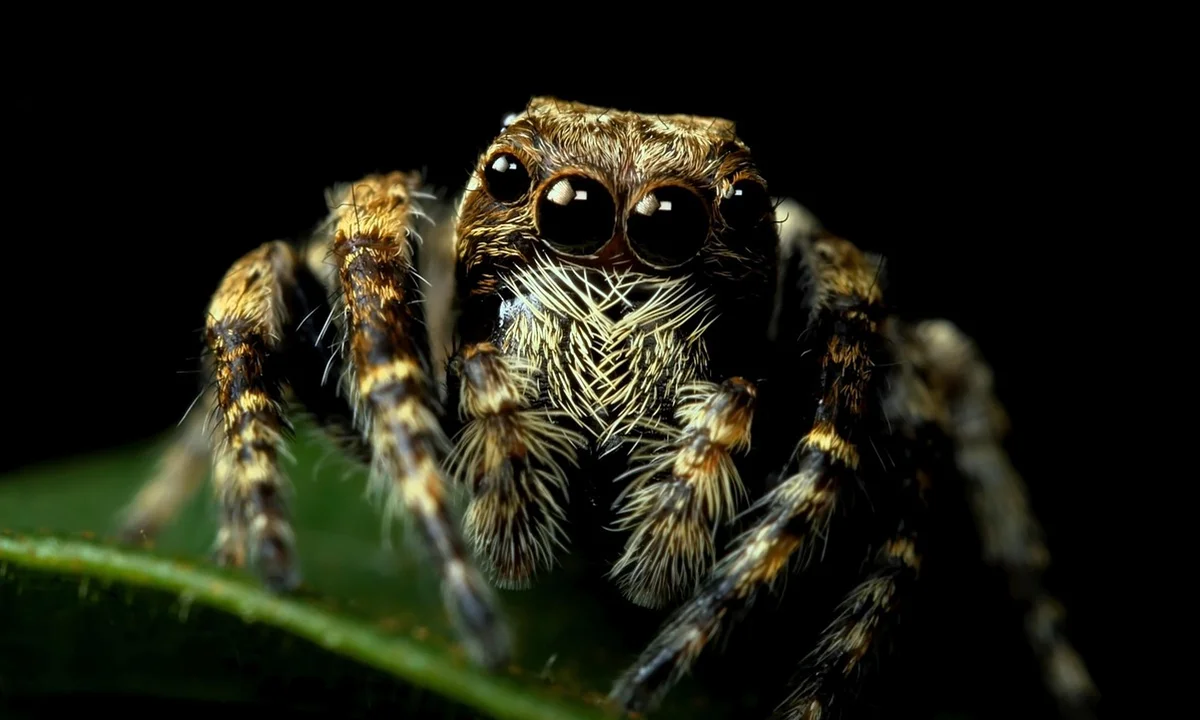
Getting the enclosure right is not just about aesthetics; it directly fuels a safe, successful molt. Proper husbandry creates a stable microenvironment where your tarantula feels secure enough to initiate the vulnerable process of ecdysis. The three pillars are humidity, substrate, and airflow, but their ideal balance shifts dramatically between species. For terrestrial species, substrate depth and stable humidity matter most. Arboreal tarantulas, on the other hand, need vertical space and secure climbing options.
Humidity is the most frequent culprit in molting problems. For moisture-dependent species like my Burgundy Goliath Bird Eater (T. stirmi), I maintain a consistent 70-80% relative humidity through daily misting and a deep, damp substrate layer. In contrast, my Chilean Rose Hair (G. rosea), Rosie, thrives at a drier 60-70%, with only a corner of her substrate lightly dampened. My OBT, Flash, occupies a middle ground; his enclosure features a dry zone and a modestly moist retreat where he often seals himself pre-molt.
Substrate depth and type are your primary tools for managing that moisture. A deep layer of moisture-retentive material, like coconut fiber or a topsoil mix, acts as a humidity reservoir, slowly releasing water vapor into the air. For burrowers like Goliath, I provide substrate at least twice their leg span in depth. Even for terrestrial species, a few inches allow for natural digging behavior and secure hiding during the sensitive pre-molt period.
Cross-ventilation is the counterbalance to high humidity. Stagnant, wet air invites mold and respiratory issues, so I ensure opposing air vents on all my tropical enclosures to promote gentle air exchange. This simulates the fresh, humid breezes of a forest floor, preventing the soggy, stagnant conditions that can suffocate a molting tarantula.
Species-Specific Enclosure Examples From My Collection
- Grammostola rosea (Rosie): Arid setup. Shallow water dish, bone-dry substrate across 90% of the tank. A single corner gets a light spray weekly. Plenty of ventilation. She is a true “pet rock” and her molts are infrequent but flawless under these conditions.
- Theraphosa stirmi (Goliath): Humid tropical setup. Deep coco fiber and peat mix, kept uniformly damp. A large water dish is refilled daily. Ventilation holes on both the front and top lids. I often see him drinking, and his massive molts require this constant atmospheric moisture.
- Pterinochilus murinus (Flash): Arid-adapted with a humid hide. The main enclosure is dry with ample cross-ventilation. His favorite cork bark hide has a moist sphagnum moss plug inside, which he incorporates into his dense web tunnel. This lets him self-regulate humidity for molting.
I strongly advocate for bioactive principles to automate stability. In Goliath’s enclosure, a clean-up crew of springtails and dwarf isopods consumes waste and mold, maintaining a healthier substrate between full cleanings. Live plants like pothos or bromeliads help transpire moisture, subtly boosting humidity. This mini-ecosystem reduces my need to disturb the environment, lowering stress for the spider.
This leads to the cardinal rule: look, don’t touch, especially near a molt. Handling is a significant stressor that can cause a tarantula to delay molting or lead to a frantic, injury-prone escape attempt. I learned this early when a routine check on a pre-molt tarantula resulted in a bolt across the room; the stress extended its fasting period by weeks. Respectful care means observing the silent, fascinating process from outside the glass.
Husbandry Checklist for a Healthy Molt
Use this list to audit your setup. Each point is a direct defense against common molting complications.
- Substrate: Use a moisture-retentive mix like coconut fiber or organic topsoil. For most species, keep it slightly damp to the touch but never soggy. A depth of 4-6 inches is ideal for adult terrestrials.
- Ventilation: Ensure cross-ventilation with multiple air holes on opposite sides of the enclosure. This prevents mold while allowing humidity to accumulate, a critical balance for tropical species.
- Temperature: Maintain a species-appropriate range, typically between 70-80°F (21-27°C). Consistent warmth supports the metabolic processes needed for splitting the old exoskeleton. Avoid heat mats under the tank; use room-level ambient heating.
- Hydration: Always provide a clean, shallow water dish. Even arid species that rarely drink visibly need access to water, as internal hydration is vital for softening the old exoskeleton prior to molt.
Post-Molt Care: Ensuring a Safe Recovery and When to Resume Normal Care
The enclosure is silent now. Your tarantula rests motionless, its new exoskeleton displaying an almost unreal, iridescent sheen. This is the most critical phase. The immediate days following a molt are a period of profound vulnerability, where your role shifts from observer to guardian of a fragile process.
The Hardening Period: A Time for Absolute Patience
The new exoskeleton, called the cuticle, is soft and pliable. For a small sling, this may last a few days. For a large terrestrial like my Goliath, it can take two weeks for his full mass to solidify. During this time:
- No Handling: Even a short fall can cause fatal internal damage or limb loss. My “Look, Don’t Touch” philosophy is non-negotiable here.
- No Feeding: Their fangs are soft, white, and useless for subduing prey. A cricket could injure or stress your tarantula.
- Maintain Humidity: Slightly elevated moisture aids the hardening process. I provide a gentle overflow of the water dish for my moisture-dependent species.
- Minimize Disturbances: Avoid any cage maintenance or loud vibrations. Let them rest in peace.
The First Meal: Timing is Everything
The key signal is the fang color. Watch as they transition from a stark, pearly white to a deep, glossy black. For most of my tarantulas, this takes 7-10 days post-molt. I then wait an additional 2-3 days for good measure. I offer a smaller, slower prey item than usual for that first post-molt meal, removing it immediately if ignored. My old Rosie has refused food for over eight weeks after a molt-a nerve-wracking but normal fast for her species.
Inspecting for Success
Once your tarantula moves away, you can safely remove the exuviae (shed skin). A careful inspection tells a story.
- Check for Completeness: A perfect molt includes a full carapace, all leg sheaths, and the delicate abdominal skin. Missing pieces are usually fine.
- Sexing the Molt: For mature females, look between the top book lungs on the inside of the abdominal skin for the spermathecae-a tiny, paired, sclerotized structure. Its absence suggests a male.
- Monitor Movement: Within days, your tarantula should right itself and assume a normal posture. Awkward gaits or a persistent “hunched” look can signal problems.
Recognizing Post-Molt Stress
Most tarantulas recover uneventfully. Be alert for these rare but serious signs:
- Prolonged Inactivity: Remaining on its back or side for more than 48 hours post-molt is a major red flag.
- Refusal to Eat for several weeks after the fangs have fully darkened and hardened.
- Obvious Physical Defects: Limbs stuck in the old exuviae, a severely crumpled abdomen, or visible fluid leaks require immediate, expert intervention.
If you suspect a bad molt, the single best action is to ensure perfect, quiet husbandry-do not attempt to “help” by manipulating the animal, as this almost always causes greater harm. I learned this through a tense experience with a Grammostola species years ago; quiet stability offered the only chance for recovery.
FAQs
How often do tarantulas molt?
Molting frequency depends heavily on the tarantula’s age and species. Spiderlings may molt every few weeks, while juveniles do so every few months. Adults can go a year or more between molts, with some mature females molting only every couple of years. The interval slows significantly as the tarantula reaches its full size. Here’s a quick guide to how often tarantulas molt by species and age. This helps you anticipate molts and tailor care.
Should you feed a tarantula during molt?
No, you should never offer food to a tarantula during its molt or in the immediate post-molt period. Their fangs are soft and ineffective, making them unable to subdue prey. Feeding during this time can cause injury or stress, so wait until the fangs have fully hardened to a dark color, typically 7-10 days after the molt.
How to handle a tarantula during molt safely?
You should not handle a tarantula at any point during its molt cycle. The process renders them extremely fragile, and handling can cause fatal falls, injuries, or molting failures. Always observe from a distance to minimize stress, and resume any handling only weeks after the molt is complete and the tarantula is behaving normally. For more details on care after the molt, read post-molt tarantula care.
Can dehydration affect molting in tarantulas?
Yes, dehydration is a leading cause of molting problems. It hardens the old exoskeleton, making it difficult to split and shed properly. Ensure constant access to a clean water dish and maintain species-appropriate humidity levels in the enclosure. Proper hydration is crucial for the hydraulic pressure needed to facilitate a smooth molt.
The Art of Observation
Beyond managing any single crisis, the greatest skill you cultivate as a keeper is quiet observation. The success of every molt hinges on the conditions you maintain daily. For nearly all tarantulas, the single most predictive factor for a clean molt is long-term, species-appropriate hydration, achieved through a moisture-retentive substrate and a full water dish. A spider that is chronically dry from within cannot separate efficiently from its old skin, no matter how perfect the moment seems.
Shift your focus from merely troubleshooting to witnessing. Watch the intricate lattice Flash builds in her cork bark, a silken fortress grown overnight. Note the particular crater Rosie digs before her long fasts. See how Goliath’s abdomen plumps after a deep drink. These are the signs of a thriving animal. Your patience, not intervention, is the most powerful tool in your kit. Allow the process to unfold in the silence of the enclosure, and you will be rewarded with the profound quiet of a hobby that teaches you to see.
Further Reading & Sources
- How to Tell if Your Tarantula Is Molting
- Tarantula Molting: Expert Care Guide for a Healthy Shed | Petco
- How to Tell If Your Tarantula Is Molting: 5 Signs
Arlo is a lifelong arachnid enthusiast who believes tarantulas are the world’s most misunderstood roommates. With years of hands-on experience in tarantula care, habitat setup, and species behavior, Arlo combines expert knowledge with a dash of humor to make spider ownership less scary and a lot more fascinating. From choosing the right enclosure to understanding why your eight-legged buddy is doing that weird little pose again, Arlo is here to help you become the best tarantula parent you can be, without getting tangled in the web of misinformation.
Molting Process