
What Are the Signs of Incorrect Humidity for the Burgundy Goliath Bird Eater (Theraphosa stirmi)?
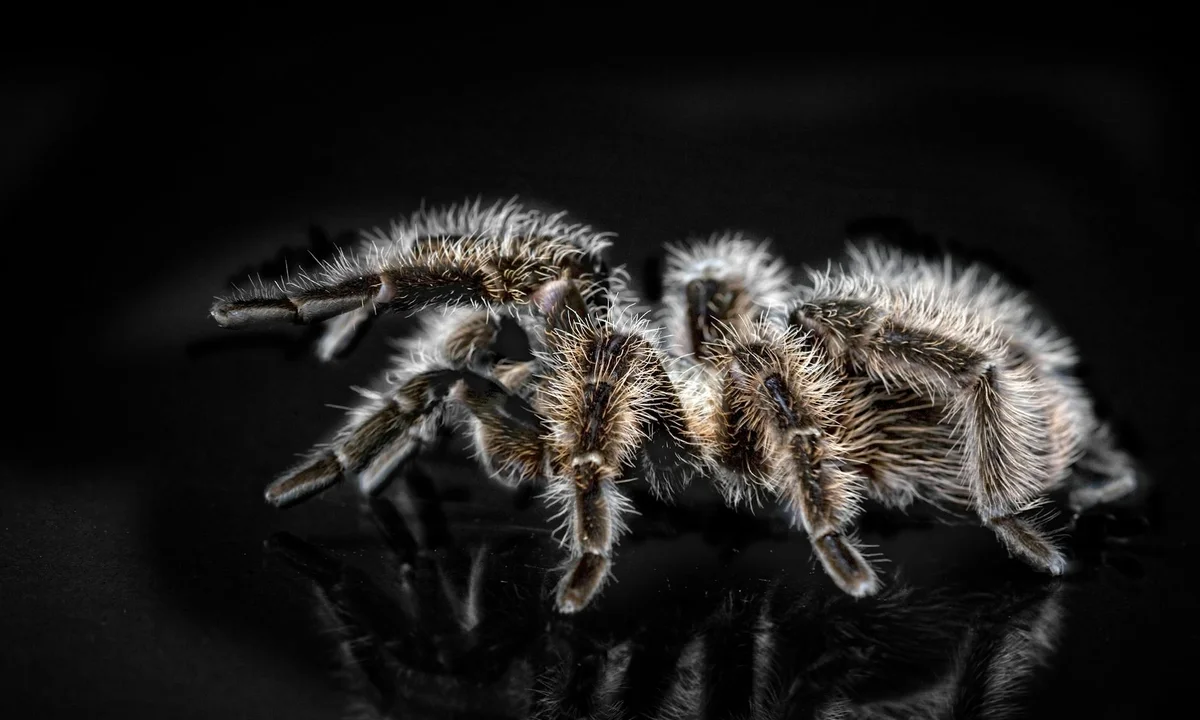
The Burgundy Goliath Bird Eater, Theraphosa stirmi, is a humidity-dependent titan whose enclosure’s atmospheric conditions directly dictate its well-being and longevity. I learned this through my own T. stirmi, Goliath, whose vibrant health hinges on a carefully maintained 80-85% humidity range. This article decodes the physical and behavioral cues your tarantula gives when its moisture balance is wrong. Key signs include a tarantula perched high on the glass, a water dish that evaporates too quickly, or a sudden halt in feeding-all whispers of an environment out of sync.
- Quick Stats:
- Origin: Northern South America (Guyana, Brazil)
- Type: New World
- Growth Rate: Fast
This guide will equip you to recognize and correct humidity issues, ensuring your T. stirmi thrives from fragile sling to formidable adult.
Why Humidity Balance is Vital for Tarantula Health
Tarantulas do not hydrate like mammals. They absorb atmospheric moisture directly through specialized structures called book lungs and their cuticle, making enclosure humidity a core part of their respiratory and hydration systems. This is why a dry cage is as dangerous as an empty water bowl.
I always create a humidity gradient in my enclosures. To create a proper substrate moisture gradient for your tarantula, you want one damp zone and a noticeably drier zone for the spider to choose from. This means one area, often near the water dish, has damper substrate while the opposite side remains dry, allowing the tarantula to self-regulate its exposure. Regularly observe your tarantula and adjust the substrate as needed to keep the gradient stable. My Burgundy Goliath Bird Eater (T. stirmi) will consistently position himself over the moist corner when his needs change.
Failing to maintain this balance leads to three critical health crises.
- Dehydration: A chronic water deficit stresses organs and compromises basic bodily functions.
- Respiratory Infection: Stagnant, overly wet air promotes mold and bacteria growth in the delicate book lungs.
- Fatal Molt Complications: During ecdysis, low humidity can cause the new exoskeleton to dry and harden prematurely, trapping the spider in its old skin.
Recognizing the Signs of Low Humidity and Dehydration
Physical Symptoms on Your Tarantula
Inspect your tarantula’s abdomen during calm, observational sessions. A dehydrated abdomen loses its plump, rounded shape and appears shrunken or wrinkled, similar to a raisin. The setae, or body hairs, lose their luster; the iridescent sheen on my OBT Flash’s carapace turns dull when humidity dips. Conversely, signs of overhydration or excess moisture can include a swollen abdomen. A damp substrate can invite mold and respiratory issues.
You may notice stiff, hesitant movements. Your water bowl serves as a passive hygrometer; if it empties shockingly fast, needing daily refills, your ambient humidity is likely too low. I track this closely with my moisture-dependent T. stirmi.
Behavioral Red Flags of Low Humidity
Watch for abnormal inactivity. While some species like my G. rosea are naturally sedentary, a pronounced, prolonged lethargy in an active hunter is a major warning sign. This “Look, Don’t Touch” philosophy lets you spot these subtle shifts without adding handling stress.
A tarantula may obsessively web over its water dish to capture evaporation. Refusing food for extended periods, beyond a normal fasting cycle, can also point to environmental distress rather than mere stubbornness. My old rose hair once fasted for nine months, but I first ruled out humidity issues. Knowing when not to feed your tarantula is crucial.
Do not ignore the substrate itself. If it feels bone-dry, dusty, and crumbles without holding shape, the enclosure atmosphere cannot support healthy hydration. This was a key lesson from my early days breeding arid and tropical species side-by-side.
Identifying the Dangers of Excessive Humidity
Environmental Clues in the Enclosure
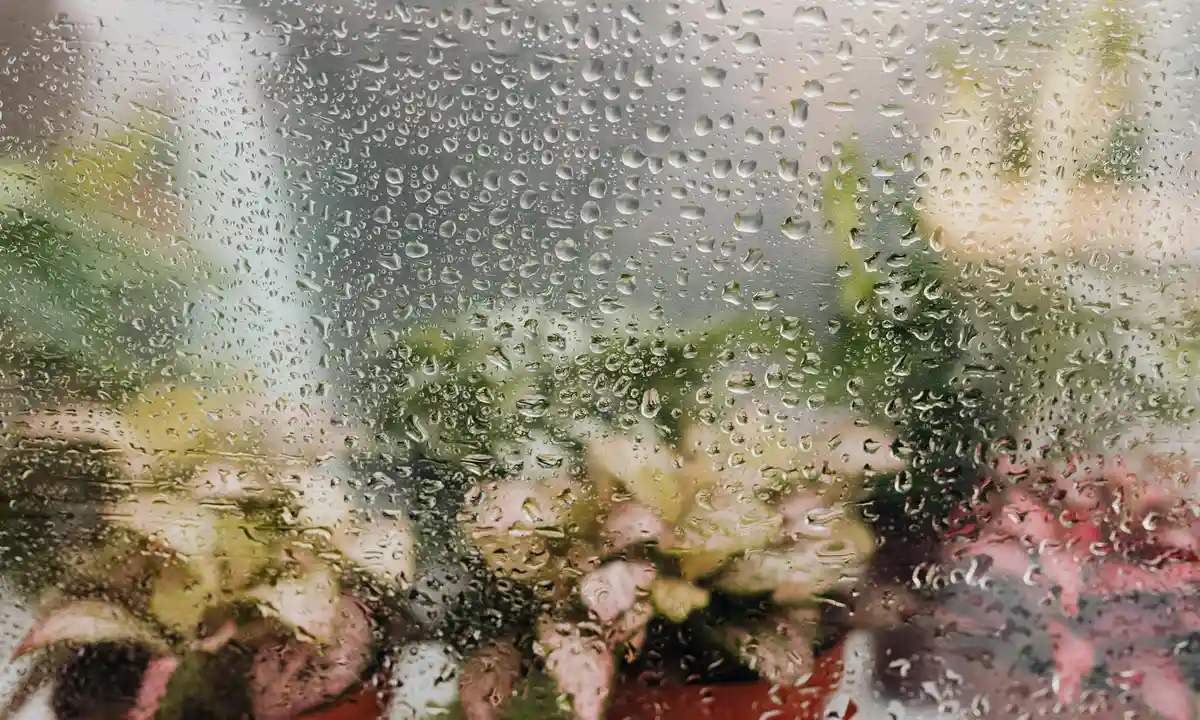
Your first warning signs are visual and olfactory. Look for persistent condensation or water droplets clinging to the enclosure walls long after misting-this signals the air is fully saturated and cannot hold more moisture. The substrate will feel cold and damp to the touch, often developing a dense, compacted layer on top.
Condensation is your first red flag, telling you the air inside is waterlogged and stagnant.
Next, smell the enclosure. A healthy, bioactive setup has an earthy, forest-floor scent. A consistently damp enclosure will emit a distinct, unpleasant mustiness. This odor often precedes the most telling sign: visible mold or fungal growth. You might see white, fuzzy patches or even colorful spots erupting on damp cork bark or uneaten prey.
Poor ventilation is almost always the co-conspirator here, trapping that wet air and creating a breeding ground for pathogens. I learned this the hard way with my first attempt at a high-humidity setup; without cross-ventilation, even correct water amounts led to a mold outbreak overnight.
Impact on Tarantula Behavior and Health
A tarantula’s behavior is your most honest hygrometer. Watch for these stress responses. The spider will consistently seek the highest, driest point in the enclosure-clinging to the lid, perched atop the tallest decoration, and refusing to use its burrow. My Burgundy Goliath, who normally loves a damp retreat, will instead plaster himself against the ventilation mesh if his humidity spikes too high.
A tarantula abandoning its burrow or favorite hide is broadcasting its discomfort with the environment you’ve provided. Sealing the entrance, on the other hand, is a common coping behavior to regulate humidity and security. Understanding why tarantulas seal their burrows helps decode this common tarantula behavior.
This constant discomfort manifests as increased defensiveness and skittishness. The animal is under duress. Physiologically, prolonged high humidity in a stagnant enclosure can lead to respiratory distress, as the book lungs struggle in the sodden air. More critically, it creates the perfect petri dish for harmful bacteria and fungi to attack a vulnerable tarantula, especially during or after a molt.
How Humidity Directly Affects the Molting Process
The Role of Humidity in a Successful Shed
Molting, or ecdysis, is the most perilous event in a tarantula’s life. Humidity plays a direct, mechanical role. In the days before the molt, the tarantula secretes a fluid between its old exoskeleton and the new one forming beneath. Ambient humidity helps keep this fluid and the old carapace pliable.
Think of the old exoskeleton as a brittle, plastic shell; correct humidity helps soften it just enough for a clean, full exit.
The risks of imbalance are severe. An environment that is too dry can cause this fluid to evaporate prematurely, making the old skin hard and inflexible. The tarantula can become trapped, a condition often leading to death. Conversely, an environment that is excessively wet offers no benefit and instead promotes the rapid growth of mold on the sensitive, newly exposed skin.
Signs of Humidity-Related Molt Problems
A problematic molt is a heart-stopping sight. The signs are stark and urgent. You may find the tarantula partially emerged but with old exuviae stuck to one or more limbs, or worse, still encasing the abdomen or carapace. The spider may be twisted in an unnatural position, completely immobilized, or making weak, repetitive movements long after the molt should have concluded.
A tarantula stuck in its old skin is in a critical emergency, and incorrect humidity is a primary suspect. Learn to tell the difference between a molting tarantula and a dying one. If in doubt, consult a vet or experienced keeper.
I witnessed a tense situation with my OBT, Flash. After a period of unintentionally low humidity, he initiated a molt but became stuck. His new abdomen was free, but the old skin gripped his carapace and legs like a vise. The air was simply too arid to facilitate the slick escape he needed. Through careful intervention, he survived, but the experience cemented a rule: I now gently raise humidity for all my tarantulas the moment I see the pre-molt darkening of the abdomen, especially for my arid species like Rosie. That subtle moisture bump can mean the difference between a flawless shed and a tragedy.
Essential Tools for Monitoring Enclosure Humidity
Precise humidity management requires more than guesswork. I rely on both technology and direct observation to keep my tarantulas healthy. Combining accurate instruments with your own senses creates a complete picture of your spider’s environment.
Choosing and Using a Reliable Hygrometer
Your hygrometer is your window into the enclosure’s climate. After an analog model gave false readings for my Goliath Bird Eater’s tank, leading to a stressful dry spell, I never looked back. Digital hygrometers offer the precision needed for species-specific care, from arid Grammostola rosea to humid Theraphosa stirmi.
- Digital hygrometers outperform analog types in accuracy and reliability. Their sensors update frequently and aren’t affected by the sticky mechanisms that plague dial gauges. I use inexpensive, button-sized digital units in all my enclosures.
- Place the hygrometer on the side glass, midway between the substrate and the lid. This spot avoids the direct humidity from a water bowl and the drier air near vents. For my burrowing OBT, Flash, I also check readings near his tunnel entrances to ensure his microclimate is correct.
Low-Tech Moisture Assessment Techniques
Your tarantula and its home give constant feedback. These methods have saved me during power outages when my digital tools failed. Your hands and eyes are powerful tools for assessing substrate moisture and animal behavior. Reading your tarantula’s body language can help you spot stress and defensive signs early, so you can respond calmly. By tuning into these cues, you keep both of you safer and more comfortable.
- The hand-test is simple. Push your finger an inch into the substrate. It should feel cool and slightly yielding, like a wrung-out sponge. For my moisture-dependent T. stirmi, I expect a clump that holds together; for my G. rosea Rosie, it should crumble easily.
- Watch your tarantula’s placement and webbing. A spider that constantly hangs over the water bowl or seals ventilation with silk may be conserving humidity. My OBT, Flash, creates dense, matted web sheets when the air is too dry, a silent signal for me to act.
Step-by-Step Guide to Correcting Humidity Imbalances
Adjustments must be gradual to avoid shocking your tarantula. I always make one change at a time and observe for a day before proceeding. Patience is your greatest ally when fine-tuning an enclosure’s atmosphere. For your new tarantula, follow a 24-hour, step-by-step acclimation guide to ease them into their new home. The first day should emphasize stability and observation with minimal changes.
How to Safely Increase Humidity Levels
Raising humidity is about adding moisture slowly and creating choices for your tarantula. I learned this caring for Goliath, who needs constant high humidity. Always prioritize adding moisture to the substrate over misting the air, which can cause sudden spikes and lead to mistakes in tarantula care.
- Modify your watering. Overflow the water bowl so it dampens the surrounding substrate. You can also pour dechlorinated water directly into one enclosure corner, leaving other areas dry. This lets your tarantula seek its preferred moisture level.
- Limit ventilation or change the substrate. Temporarily cover a section of mesh lid with plastic wrap. Switch to a substrate like peat moss or coconut fiber mixed with topsoil, which retains water longer. I use deep, packed peat for Goliath’s enclosure.
- Employ a room humidifier for demanding species. In arid rooms, a small humidifier pointed near the enclosure provides stable, elevated humidity. I run one in the winter to keep Goliath’s space above 80% without making the substrate soggy.
How to Effectively Lower Humidity Levels
Excess moisture risks mold and tarantula stress. I’ve had to correct this after overzealously flooding my Rosie’s enclosure years ago. Increasing airflow is the fastest and safest way to reduce excessive humidity.
- Boost cross-ventilation immediately. Add more air holes on opposite sides of the enclosure to create a draft. For my terrestrial tarantulas, I use a drill to add small holes along the upper walls, allowing damp air to circulate out.
- Replace wet substrate entirely. If the substrate is soaked, rehouse your tarantula briefly and install a fresh, dry mix. A blend of coconut fiber and vermiculite drains well and prevents waterlogging.
- Check the water bowl placement. Ensure the bowl is on a dry piece of cork or plastic, not sitting in damp substrate. Keep it filled to the brim but not overflowing, to minimize evaporation into the already humid air.
- Warm the enclosure slightly if the room is cool. Cool air holds less moisture, raising relative humidity. A slight temperature increase helps moisture evaporate and dissipate. I use a low-wattage space heater at a distance, never a heat mat under the tank, to gently warm the air.
Preventing Humidity Fluctuations for Long-Term Stability
Enclosure Setup and Maintenance Best Practices
- Select substrate based on your tarantula’s origin, not convenience. My Burgundy Goliath Bird Eater (Theraphosa stirmi) demands a moisture-retentive base, so I use a bioactive mix of coconut fiber, peat, and sphagnum moss that holds water for days. For my arid-adapted Chilean Rose Hair (Grammostola rosea), a shallower layer of plain coconut fiber works best, drying out completely between water bowl refills.
- Always preserve your tarantula’s webbing during spot cleaning. That intricate silk matrix traps moisture and creates a stable microclimate, a critical buffer against ambient air changes. I observed this with my OBT (Pterinochilus murinus); Flash’s extensive web sheet maintains a humid pocket he retreats to, and disturbing it ruins his carefully engineered environment.
- Conduct monthly inspections for water bowl cracks and ensure the enclosure lid fits snugly. A single hairline fracture in a dish can slowly saturate substrate, while a gap in the lid lets all your carefully maintained humidity escape. I found Goliath’s corner perpetually soggy once, traced to a leaking bowl I had missed during a routine fill.
Creating a Consistent Routine
- Prioritize predictable, minor adjustments over dramatic corrections. Stability comes from a steady hand, not constant fiddling; tarantulas interpret frequent environmental changes as a sign of instability and will hide or fast. My Rosie taught me this-she now eats reliably only when her enclosure is left utterly undisturbed for weeks at a time.
- Implement a weekly check: note the humidity gauge number and press your finger lightly into the substrate to feel for moisture. This five-minute habit builds a historical record for each enclosure, letting you spot trends and act before your tarantula shows signs of distress. I pair this with visual checks for condensation and my tarantulas’ positions, a quiet ritual that prevents surprises.
Frequently Asked Questions
What are the signs of low humidity in a tarantula enclosure?
The most telling signs are environmental. Your tarantula’s water bowl will empty surprisingly fast, often needing daily refills. The substrate will feel bone-dry, dusty, and crumble instead of holding its shape. You may also notice your tarantula spending excessive time near or over the water dish, sometimes webbing over it to capture evaporating moisture. How can you tell if your tarantula is dehydrated?
What are the signs of high humidity in a tarantula enclosure?
Excessive humidity creates clear environmental clues. Look for persistent condensation or water droplets on the enclosure walls long after misting. The substrate will feel cold, damp, and may become compacted. A musty or unpleasant odor often develops, which can precede visible mold or fungal growth on decorations or uneaten prey.
How can I tell if my tarantula is dehydrated?
Physical signs include a shrunken, wrinkled abdomen that loses its plump, rounded shape. The tarantula’s setae (body hairs) may appear dull and lackluster. Behaviorally, a dehydrated tarantula may exhibit unusual lethargy, stiff movements, and a prolonged refusal to eat outside of a normal pre-molt fast. These changes can serve as early warning signs that the tarantula is sick, stressed, or dehydrated. If you notice several of these signs, consider consulting a veterinarian or an experienced tarantula keeper for guidance.
What does substrate condition tell me about humidity levels?
The substrate is a direct reflection of the enclosure’s moisture balance. Perfect substrate should feel cool and slightly yielding to the touch, like a wrung-out sponge. If it is powdery and won’t clump, humidity is too low; if it is soggy, cold, or compacted, humidity is excessively high and risks mold.
What are the risks of incorrect humidity for a tarantula’s health?
Chronic low humidity leads to dangerous dehydration and organ stress. Excessively high humidity, especially with poor ventilation, promotes fatal respiratory infections and rampant mold growth. Both extremes critically interfere with the molting process, potentially causing the tarantula to become fatally stuck in its old exoskeleton.
Cultivating a Healthy Environment
For humidity-sensitive species like my Burgundy Goliath Bird Eater (Theraphosa stirmi), a perpetually damp corner of deep, moisture-retentive substrate is the single most critical parameter for long-term health. A bone-dry enclosure is a slow, silent threat. The tarantula’s hydration depends on the moisture held in the earth. Conversely, for arid specialists like the Chilean Rose Hair (Grammostola rosea), that same soggy substrate becomes a dangerous vector for mold and a source of immense stress. Your species research defines the target.
Beyond the parameters, the real reward lies in observation. You witness the intricate funnel web of an Old World species, or the patient excavation of a burrow. You see the immediate, purposeful drinking from a freshly filled water dish. This quiet observation is the core of the hobby. Changes in posture or activity are your data points. Rushing to intervene often does more harm than good. Your patience and watchful eye are the most precise tools in your husbandry kit. Trust them.
Further Reading & Sources
- Ther-spinipes-care-sheet
- Theraphosa Stirmi Care | Arachnoboards
- Tips on Theraphosa stirmi? | Tarantula Forum
Arlo is a lifelong arachnid enthusiast who believes tarantulas are the world’s most misunderstood roommates. With years of hands-on experience in tarantula care, habitat setup, and species behavior, Arlo combines expert knowledge with a dash of humor to make spider ownership less scary and a lot more fascinating. From choosing the right enclosure to understanding why your eight-legged buddy is doing that weird little pose again, Arlo is here to help you become the best tarantula parent you can be, without getting tangled in the web of misinformation.
Heating and Humidity