
What Factors Influence a Tarantula’s Lifespan? (Care, Species, and Environment)
Watching my Chilean Rose Hair, Rosie, methodically explore her enclosure at fifteen years old, I am reminded that tarantula longevity is a quiet marvel of nature and nurture. The number of molts your tarantula will experience is not a mystery; it is a measurable outcome shaped by the species you choose, the environment you build, and the respectful care you provide. This article breaks down the science and husbandry behind those years, explaining why my Burgundy Goliath Bird Eater thrives in humid heat while my OBT, Flash, has a different biological clock entirely.
- Species Biology: The genetic lifespan blueprint, from fast-maturing Old Worlds to long-lived New World terrestrials.
- Husbandry Quality: Feeding regimens, enclosure hygiene, and the critical practice of “Look, Don’t Touch” handling.
- Environmental Precision: Stable temperature gradients (70-80°F for most), species-specific humidity (65-85% for some), and secure, spacious enclosures.
I will guide you through the specific, actionable steps to support every stage of your tarantula’s life, from the translucent vulnerability of a sling to the dignified stillness of a mature adult.
The Blueprint of Longevity: Species and Genetics
While care is vital, the single greatest predictor of a tarantula’s potential lifespan is written in its DNA. Species is destiny, setting the fundamental timeline that your husbandry will either support or shorten. You cannot make a fast-living species live for decades, but you can certainly cut a long-lived species’ life short through poor care.
Lifespan Ranges of Common Pet Species
Pet tarantulas broadly fall into two categories with vastly different life expectancies. New World species (from the Americas) often live significantly longer than their Old World (Africa, Asia) counterparts. My dusty pink Grammostola rosea, Rosie, is a classic example of New World longevity; females can live 20 to 30 years, with males maturing in 5-8.
- The Marathon Runners: Terrestrial species from arid regions, like those in the Grammostola, Brachypelma, and Aphonopelma genera. Female lifespans of 20-30+ years are standard. They are slow-growing and have a famously low metabolism.
- The Sprinters: Many Old World arboreal and fast-growing terrestrial species. A female Poecilotheria (ornamental tarantula) may live 10-12 years. My P. murinus, Flash, will be lucky to see 8-10 years as a female, with males maturing in under 2 years.
- The Heavyweight Champions: Giant terrestrial species like my Theraphosa stirmi, Goliath. Their growth is rapid, but females can still reach 15-20 years, a testament to their robust physiology.
Age at Maturity and Growth Rate
Growth rate is inversely related to lifespan. A tarantula that reaches maturity in 2 years is on a fundamentally faster biological clock than one that takes 7 years. You can influence growth rate through feeding frequency and temperature, but speeding it up invariably stresses the animal’s systems and may reduce its ultimate lifespan. I keep my slow-growing Grammostola at room temperature with sparse feedings, while my fast-growing Theraphosa needs consistent warmth and food to support its immense size. Understanding the growth rate helps tailor care for each species.
The Genetic Lottery
Even within the same species and sac, individual genetics play a role. One sling may be a relentless eater, another finicky. Some are more prone to dehydration, others more resilient during a difficult molt. I’ve seen two siblings raised identically where one thrives for years and the other fails to thrive for no apparent reason-this is the unseen genetic hand. Your role is to create an environment that gives your individual spider the best possible chance to express its full genetic potential.
The Foundation of Life: Proper Husbandry and Care
Genetics provides the blueprint, but husbandry is the daily construction. Here, your choices directly impact health, stress levels, and longevity.
Hydration and Water Quality
This is the most underestimated factor. Tarantulas are highly susceptible to chemical contaminants. Never use water that has been through a copper pipe or softened with salts; chlorinated tap water can also cause slow, mysterious decline. I use distilled or reverse osmosis water for all my tarantulas, without exception. A shallow, clean water dish is non-negotiable, even for species from dry climates. My arid-dwelling Rosie has a dish, and I’ve watched her drink from it under the cover of darkness. For moisture-dependent species like Goliath, I keep the substrate damp and overflow the dish weekly to maintain that crucial humidity.
Substrate and Enclosure Size
The substrate is the tarantula’s world. It must be safe, retain appropriate moisture, and allow for natural behaviors like burrowing or webbing. Choosing the best substrate depends on the tarantula species and enclosure setup, and regular maintenance helps keep the habitat stable. Regularly monitor moisture and refresh the substrate as needed to maintain a healthy enclosure.
- Depth: For terrestrial species, provide substrate depth equal to at least the leg span of the tarantula. This allows for burrow construction, a critical stress-reliever.
- Composition: Coco fiber, peat moss, or topsoil mixes are ideal. Avoid anything with additives, fertilizers, or sharp pieces. For my heavy, damp-loving T. stirmi, I use a deep mix of coco fiber and sphagnum peat that holds humidity without becoming soggy.
- Enclosure Footprint: More space is not always better. A terrestrial tarantula in an excessively large enclosure may struggle to find food and water, and a fall from the lid or decor can be fatal. The enclosure should be no more than 3x the spider’s legspan in length and 2x in width, with a focus on secure floor space over height.
The Molting Process and Lifespan
Molting (ecdysis) is the single most dangerous and physiologically demanding event in a tarantula’s life. A successful molt is renewal; a failed one is a death sentence.
- Pre-Molt: The tarantula ceases eating, becomes lethargic, and often develops a bald, darkening abdomen. This is a time for absolute peace-no feeding attempts, no rehousing, just quiet observation and ensuring the water dish is full.
- The Molt Itself: The spider will flip onto its back. Do not interfere. The process of extracting itself from the old exoskeleton takes hours and consumes immense energy. Humidity is critical here; if the air is too dry, the new exoskeleton can harden prematurely, trapping the spider.
- Post-Molt: The tarantula is soft, vulnerable, and must not be fed for at least a week until its fangs harden. This post-molt period is when the animal is literally rebuilding its internal structures; proper hydration and zero stress are the gifts you give it. I’ve lost a spider to a mismanaged molt early in my hobby career-the silence of the enclosure after a failed struggle is a powerful teacher.
Each successful molt is a testament to your care. By providing the right conditions for this vulnerable cycle, you directly contribute to adding more years to your tarantula’s life. After a molt, feeding should be delayed until the new exoskeleton hardens—typically about 24–72 hours. Start with a small prey item only when your tarantula shows interest in hunting again.
The Living Space: Habitat and Environmental Control
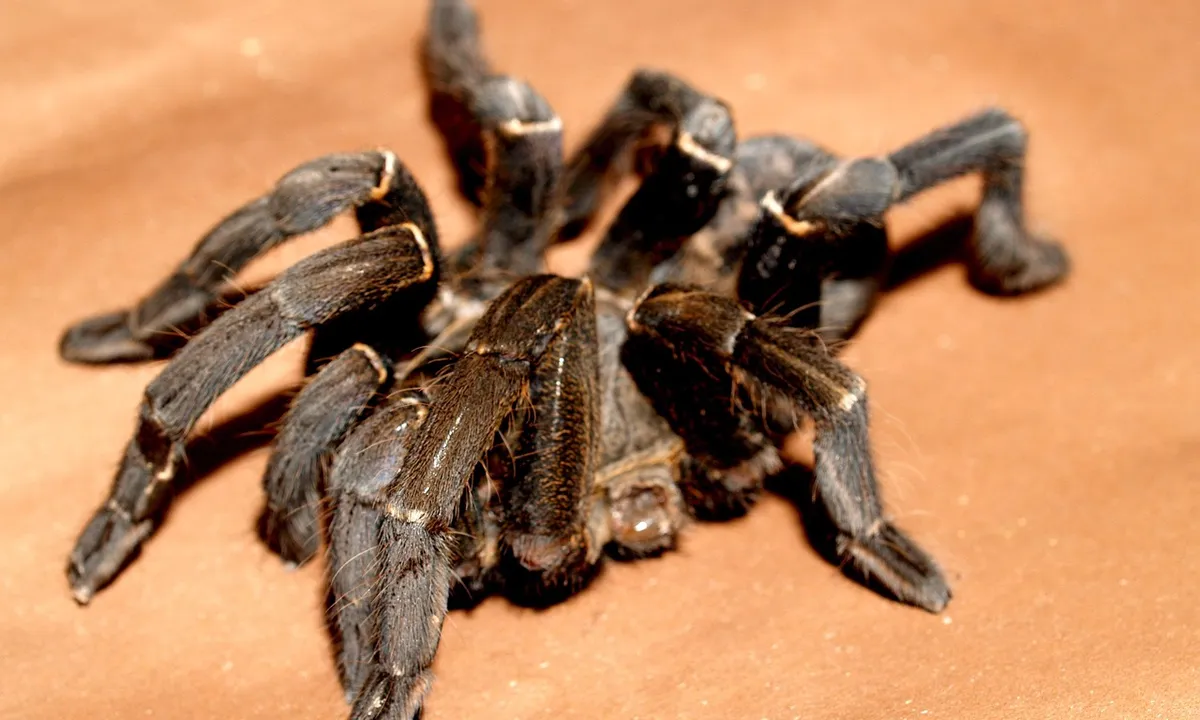
Your tarantula’s enclosure is its entire world. This micro-environment dictates metabolic rate, hydration, and stress levels, directly shaping its longevity.A thoughtfully crafted habitat that mimics natural conditions is the single greatest husbandry factor you control for a long, healthy life.
Temperature Gradients
Tarantulas are ectothermic. Their internal processes rely on ambient heat. A static, incorrect temperature forces their bodies to work too hard or not enough. I maintain a room ambient of 72-78°F (22-26°C) for my collection. This range suits most species, but creating a subtle gradient lets the spider choose its comfort zone, reducing physiological stress. For specific temperature and humidity requirements, check the –ideal ranges for a tarantula enclosure.
For tropical species like my Theraphosa stirmi (Goliath), I ensure one end of her enclosure stays near 78-80°F using a space heater for the room, never a heat mat underneath. A sudden chill can halt digestion. A persistent, pervasive heat can literally cook a tarantula from the inside out.
Humidity: Finding the Balance
This is the most debated topic, often overcomplicated. Humidity isn’t about daily misting; it’s about the moisture retained in the substrate’s lower layers and the resulting humidity in the air at spider-level.
- Arboreal Species: Require moderate humidity (65-75%) and cross-ventilation. A water dish and slightly damp substrate corner usually suffice.
- Fossorial Species: Need deep, slightly moist substrate to maintain a stable, humid retreat underground. My OBT, Flash, keeps his burrow at a perfect humidity I never see.
- Humidity-Loving Terrestrials: Like T. stirmi, need 75-85%. I achieve this by pouring water directly into the corners of Goliath’s deep coconut fiber substrate, creating a reservoir below.
Invest in a digital hygrometer placed at substrate level. Stagnant, wet air is a death sentence, promoting mold and bacterial growth that can cause fatal mycosis. Your goal is humid air, not a wet tank.
Lighting and Enrichment
Tarantulas do not need specialized UV or heat lamps. In fact, direct lighting is a profound stressor. They are crepuscular or nocturnal.Use ambient room light or a gentle, indirect LED on a natural 12-hour cycle to regulate their day/night rhythm, which supports healthy feeding and molting behaviors. Tarantulas do have circadian rhythms, and a stable light-dark cycle helps regulate their activity. Irregular lighting can disrupt their clock and stress them.
Enrichment isn’t toys; it’s complexity. A cluttered floor with cork bark, leaf litter, and a starter burrow offers security. My Chilean Rose Hair, Rosie, is a ‘pet rock’, but even she appreciates the option to hide. For my OBT, webbing anchor points are enrichment. A stressed spider is a spider that may fast, fail a molt, or bolt. A secure spider simply lives better, and longer.
The Fuel for Growth: Diet and Hydration
Feeding a tarantula isn’t just about dropping in a cricket. The quality, size, and schedule of meals build the physical resource reserves necessary for the immense biological task of molting and repairing tissue over decades.
Prey Size, Variety, and Frequency
The standard rule is a feeder insect no larger than the tarantula’s abdomen. I am more conservative. I offer prey roughly half to three-quarters that size, especially for slings and juveniles. A massive meal can injure a tarantula during the struggle or cause abdominal stretching that leads to a fatal rupture in a fall.
- Frequency: Slings (2-3x/week), Juveniles (1x/week), Adults (1x every 1-3 weeks).
- Variety: I rotate dubia roaches, red runner roaches, and crickets. Each offers slightly different nutritional profiles and movement that stimulates feeding.
- Observation: Watch that strike. A powerful, accurate capture indicates good health. A weak or missed strike is a major red flag.
Nutritional Value and Gut-Loading
You are what your food eats. A cricket fed on cardboard is worthless. I gut-load my feeders for 24-48 hours before offering with nutrient-rich vegetables like carrot, sweet potato, and leafy greens, and a commercial gut-load formula. A well-nourished feeder transfers vital vitamins and minerals to your tarantula, directly impacting the integrity of its new exoskeleton post-molt.
Never leave live prey unattended with a tarantula that is in pre-molt or appears dormant. A hungry cricket or mealworm can and will injure a vulnerable spider.
The Fasting Tarantula
This terrifies new keepers. My Grammostola rosea, Rosie, once fasted for 14 months. She was perfectly healthy. Adult tarantulas, especially from arid climates, have extraordinarily slow metabolisms. An adult tarantula refusing food for months is almost never a cause for panic, provided the abdomen remains a healthy size and there is constant access to fresh water.
Offer food once every 2-4 weeks during a fast. Disturb the spider as little as possible. The fast will break, often dramatically, when the spider’s internal clock demands it. Forcing the issue causes more stress than the fasting itself. This patience is a critical part of long-term care.
The Silent Threats: Stress, Health, and Injury
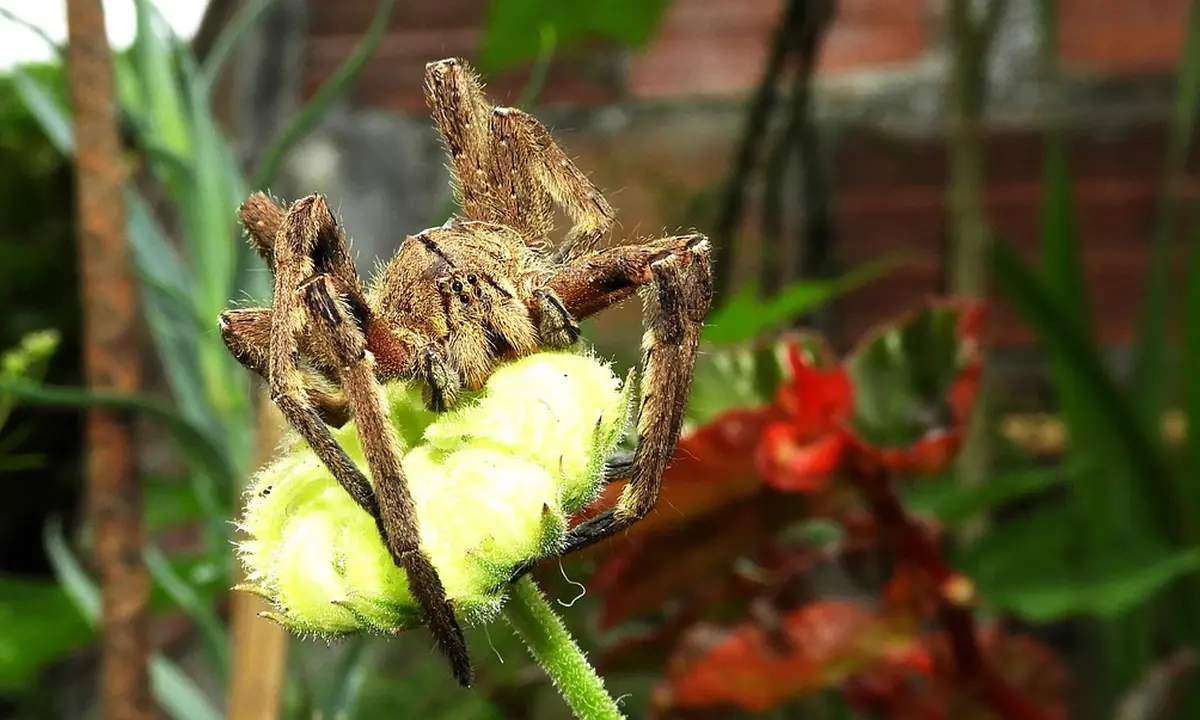
A tarantula’s demise is rarely dramatic. It is typically a quiet culmination of small, unnoticed pressures. The most common killers are not predators, but chronic stress and unseen internal issues. Understanding the common signs your tarantula is stressed or aggressive can help you intervene early. Subtle changes in posture, movement, or reactivity often precede more serious problems.
Handling and Its Impact on Lifespan
I must be direct: handling is a net negative for your tarantula’s health. The “Look, Don’t Touch” philosophy isn’t about fear, but biology. Many people mistake handling as a sign of affection, but tarantulas don’t form bonds that way. In fact, handling is stress, not affection, and can be dangerous for them. A fall from even a modest height can rupture their delicate abdomen, causing a fatal leak. A startled tarantula moving at speed, like my OBT Flash, is one misplaced hand away from a deadly plummet.
Beyond physical risk, handling induces profound stress. Their primary goal is to find shelter, not to be perched on a giant, warm, vibrating landscape. This stress suppresses feeding responses and weakens their immune function over time. The choice is simple: a brief human experience versus a longer, healthier life for your pet.
Parasits and Disease
Thankfully, tarantulas have fewer pathogen issues than furry pets, but threats exist. The most notorious is nematode infestation. Signs include a tarantula refusing food while its abdomen remains strangely distended, or a general loss of coordination. These parasites are often introduced via feeder insects from compromised sources.
Prevention is your only real weapon. Quarantine and source feeders from reputable suppliers. Fungal outbreaks, often appearing as strange discolored patches, are almost always tied to stagnant, overly wet substrate-a mistake I corrected early with my moisture-loving Goliath by adding springtails and improving ventilation.
Recognizing and Reducing Chronic Stress
Chronic stress is a silent lifespan thief. Learn its language:
- Constant pacing or climbing the glass, especially in terrestrial species.
- Prolonged fasting in a species known for a good appetite.
- Aggressive threat postures at minor disturbances.
- Excessive hiding with no exploratory behavior at night.
My rose hair, Rosie, once fasted for 14 months. This wasn’t illness, but a stress-induced protest to a previous enclosure that felt too exposed. Mitigating stress means providing ample, secure hides, appropriate substrate depth for burrowing, and placing enclosures in low-traffic areas away from constant vibrations. A calm tarantula is a thriving tarantula.
Planning for the Long Haul: Commitment and Advanced Tips
Bringing home a tarantula is a promise that may span decades. This long view changes your approach to care, pushing you toward creating a stable, self-regulating world for your eight-legged charge.
Choosing a Species for Your Lifestyle
Your life schedule and patience level must match your tarantula’s biology. Ask yourself:
- Timeframe: Are you ready for a 25+ year commitment with a female Grammostola, or a 5-8 year experience with a male of any species?
- Activity: Do you want a visible, web-building enthusiast like an Avicularia, or a reclusive pet-hole like many Asian fossorials?
- Care Needs: Can you maintain 80% humidity for a Theraphosa stirmi, or do you need the forgiving dryness of a Brachypelma hamorii?
My OBT Flash is a brilliant display animal but demands respect and caution during maintenance-a poor choice for a first-timer seeking interaction.
Bioactive Setups for Stability
A bioactive enclosure is the pinnacle of preventative care. By introducing a clean-up crew (springtails, dwarf isopods) and live plants, you create a mini-ecosystem. This crew consumes waste, molds, and feeder carcasses, dramatically reducing your need to disturb your tarantula for cleaning.
The stability it provides is profound. Humidity and soil health are regulated naturally. For my Goliath, his bioactive tank maintains perfect moisture gradients without daily misting, and I haven’t fully cleaned it in over two years-only spot-cleaning and refreshing leaf litter. The result is a less-stressed, healthier animal.
Caring for an Aging Tarantula
Elder tarantulas, like my 15-year-old Rosie, have specific needs. Care guides often note that molting frequency varies by species and age. This helps explain the changes you see as they age. Their molts become riskier and more exhausting. Provide extra hydration by gently overflowing their water dish to dampen nearby substrate, offering a moisture retreat without overwhelming their enclosure.
They may lose mobility or coordination. Ensure their water dish is shallow and easily accessible. You may need to pre-kill larger prey. Reduce enclosure height to eliminate any fall risk. Observe closely; the quiet dignity of an old tarantula concluding its natural life cycle is a final, powerful lesson in the hobby. For advanced, rare tarantula species, tailor these basics to each species’ needs. Seek guidance from experienced keepers and current care references.
FAQs
Can I handle my pet tarantula to bond with it?
Handling is strongly discouraged as a bonding activity and is a net negative for your tarantula’s health and lifespan. The risk of a fatal fall from even a short height is very high. Furthermore, the experience is inherently stressful for the spider, which can suppress its immune system and feeding response over time. Forcing interaction for your benefit directly contradicts the goal of providing a long, low-stress life.
What is the absolute best type of water to use?
The safest choice is distilled, reverse osmosis, or natural spring water. You must avoid water that has been through copper pipes or is softened with salts, as the minerals can be toxic. While some keepers use dechlorinated tap water, the purest options eliminate any risk of chemical contaminants that can cause a slow, mysterious decline in your tarantula’s health.
How can I tell if my tarantula is dehydrated?
A dehydrated tarantula will often have a shriveled, shrunken abdomen that appears disproportionately small compared to its cephalothorax. They may become lethargic and spend excessive time over their water dish. For moisture-dependent species, providing a damp substrate corner alongside a full water dish is crucial, as they may drink from the soil. Signs of dehydration in tarantulas can also include a lack of appetite and sluggish movements.
What are the signs of an aging tarantula?
An older tarantula may show a loss of coordination or mobility, sometimes dragging its legs. Its appetite may decrease significantly, and the intervals between molts will become much longer and riskier. You may notice bald patches that no longer regenerate with molts, and the spider will generally become more reclusive and less active in its enclosure.
Does a “bioactive” setup really help my tarantula live longer?
A properly built bioactive enclosure promotes longevity by creating a stable, self-regulating mini-ecosystem. The clean-up crew manages waste and mold, drastically reducing the need for disruptive full cleanings that stress your spider. This results in more consistent humidity and soil health, leading to a less-stressed animal, which is a fundamental key to a long life.
Which single factor has the biggest daily impact on lifespan?
While species sets the maximum potential, chronic stress is the most significant daily factor you control that shortens lifespan. This stems from an insecure enclosure, incorrect humidity/temperature, frequent disturbances, or inappropriate handling. A calm, secure tarantula in a precisely controlled environment can focus its energy on growth and molting rather than survival, directly adding to its years.
The Final Molt
When caring for any tarantula, from a docile Grammostola to a fast Pterinochilus, one parameter dictates long-term health more than any other: Matching your hydration strategy directly to your spider’s natural habitat is the single greatest factor in preventing premature death, whether from desiccation or mycosis. A swamp-dweller like my Goliath needs a literal corner of wet substrate, while my OBT Flash requires nothing but a full water dish on bone-dry earth.
Beyond the substrate, your greatest resource is quiet observation. Watch the methodical webbing of a burrow’s entrance. Study the patient ambush from a silken tunnel. The hobby’s deepest rewards come from witnessing these undisturbed natural behaviors. I learned patience from my old rose hair, Rosie, who once fasted for over a year in perfect health. Success in arachnoculture is measured not in handling sessions, but in the silent, thriving life of an animal respected on its own terms.
Further Reading & Sources
- How Long Do Tarantulas Live? Tarantula Lifespan Chart – Dragon’s Diet
- This Is the Average Lifespan of a Tarantula – A-Z Animals
- r/tarantulas on Reddit: how long do tarantulas typically live?
Arlo is a lifelong arachnid enthusiast who believes tarantulas are the world’s most misunderstood roommates. With years of hands-on experience in tarantula care, habitat setup, and species behavior, Arlo combines expert knowledge with a dash of humor to make spider ownership less scary and a lot more fascinating. From choosing the right enclosure to understanding why your eight-legged buddy is doing that weird little pose again, Arlo is here to help you become the best tarantula parent you can be, without getting tangled in the web of misinformation.
Lifespan