
Identifying Dehydration in Pet Tarantulas: A Keeper’s Guide
Published on: February 24, 2026 | Last Updated: February 24, 2026
Written By: Arlo
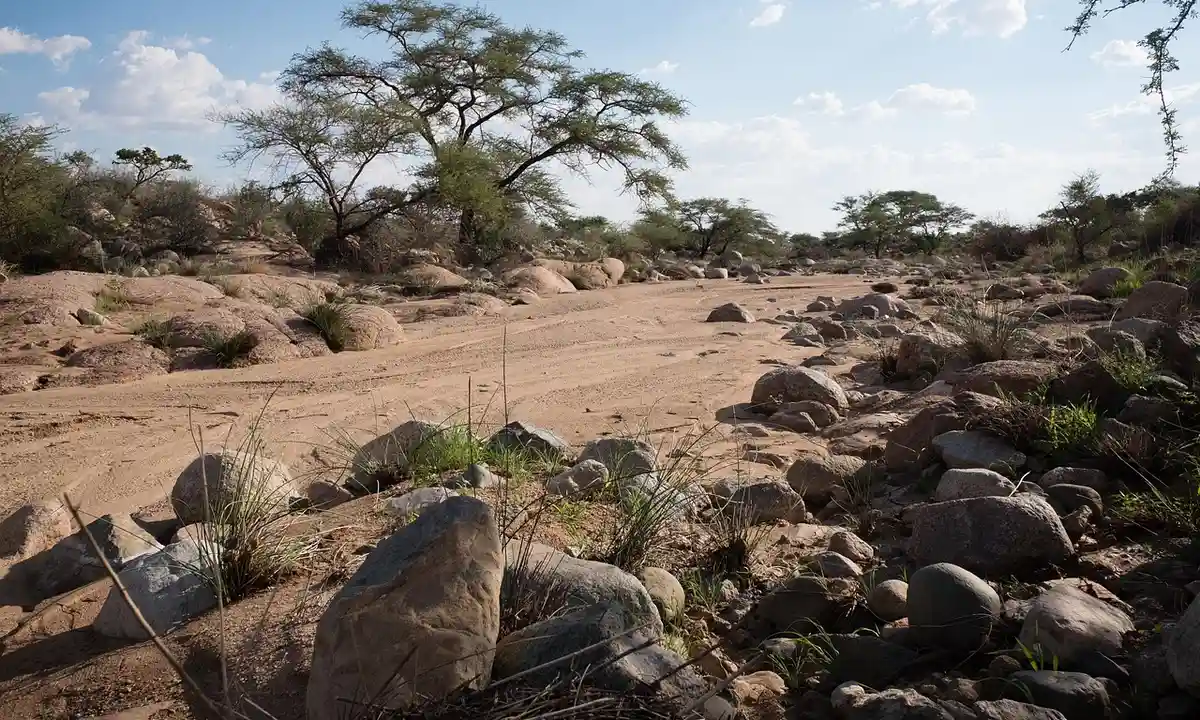
Tarantulas are desert-tough survivors, masters of arid landscapes where water is a rare prize, yet even these parched-earth champions can become dehydrated in our care. In their natural, often harsh environments, species like my Chilean Rose Hair, Rosie, have evolved to endure seasonal droughts that would wither other creatures. The single most reliable visual sign of dehydration in a tarantula is a shrunken, shriveled abdomen that appears disproportionately small and wrinkled compared to the spider’s carapace. This guide will help you spot that critical sign and the subtler behavioral cues, ensuring your eight-legged charge remains in peak health.
Quick Stats:
- Origin: Varies by species; from the Atacama Desert (Grammostola) to humid jungles (Theraphosa).
- Type: Both New World (with urticating hairs) and Old World species are susceptible.
- Growth Rate: Dehydration risk is universal, impacting rapid-growing slings and slow-maturing adults alike.
This guide details how to prevent, diagnose, and safely remedy dehydration, from the tiniest sling to a full-grown bird eater, all through the respectful, observation-based husbandry that defines modern arachnoculture.
Recognizing the Physical Signs of Dehydration
The Abdomen: Your Primary Indicator
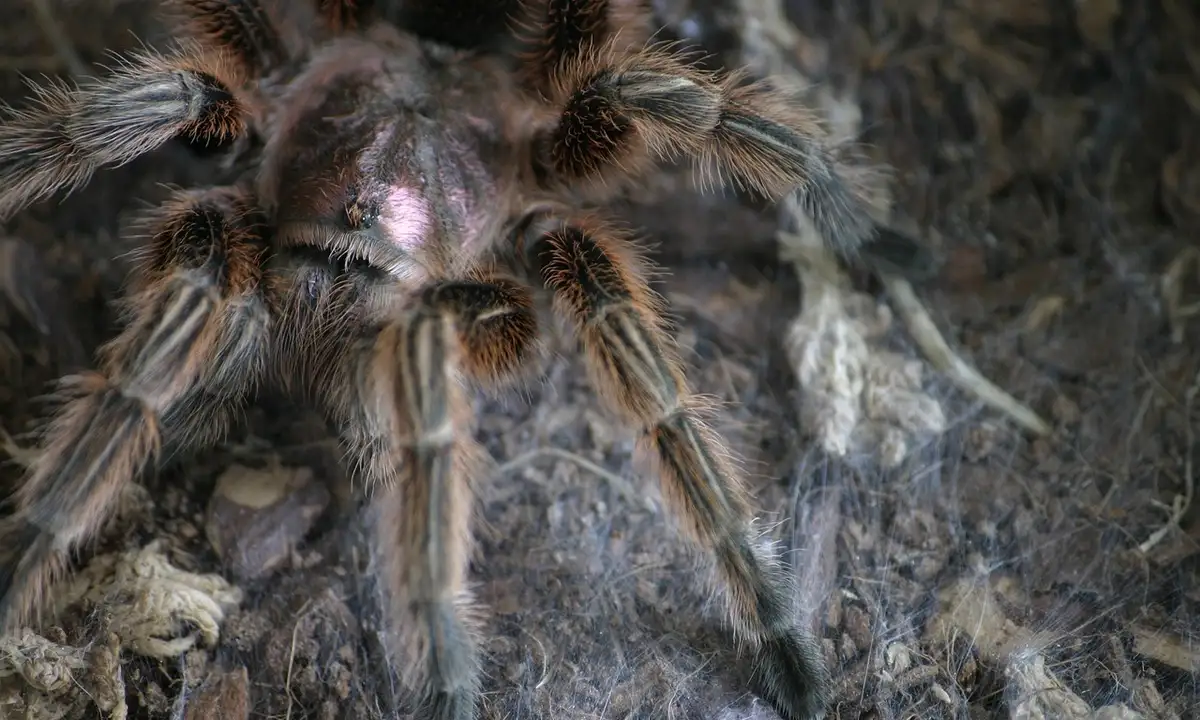
Your tarantula’s abdomen is its most honest hydration meter. A well-hydrated abdomen appears plump, taut, and often glossy. When fluid levels drop, the abdomen loses volume, becoming visibly shrunken and wrinkled, like a deflated balloon or a raisin. The skin, or cuticle, may look dull and lose its characteristic sheen. In severe cases, you might even see a distinct indentation or “dent” on the top. My mature female Goliath, who demands high humidity, will subtly telegraph her needs this way if her enclosure dries out too quickly.
Other Visual Cues: Limbs and Carapace
Look beyond the abdomen. Dehydration can manifest in the appendages. The joints, particularly between the femur and patella, may appear excessively thin or wrinkled. The entire tarantula can take on a slightly “crumpled” appearance, a stark contrast to the robust, fluid-filled silhouette of a healthy specimen. Even the carapace (the hard head-plate) can lose its luster, looking matte instead of possessing that healthy, subtle gleam you see after a successful molt.
- Shrunken, wrinkled abdomen: The primary sign. Compare its plumpness to post-molt condition.
- Dull, matte cuticle: Loss of the natural, healthy shine across the body.
- Thin, pinched-looking limb joints: Especially noticeable in the front legs.
- General “deflated” physique: A lack of overall robust volume.
Spotting Behavioral Symptoms of Dehydration
Lethargy and Reduced Mobility
A dehydrated tarantula is a sluggish tarantula. It may sit hunched low to the substrate for prolonged periods, showing little interest in its surroundings. You might notice a marked reluctance to move, even when gently prompted during enclosure maintenance—a sign its bodily systems are stressed and conserving energy. This is different from the normal, calm stillness of a content spider. My old Chilean Rose, Rosie, is naturally a “pet rock,” but her stillness from dehydration has a different, more listless quality I’ve learned to recognize. Sometimes that stillness can signal a molt rather than an emergency. Knowing the difference between molting and dehydration, and a failing molt is what helps me respond appropriately.
Loss of Appetite and Drinking Behavior
A tarantula refusing food isn’t always dehydrated-many fast for months like my Rosie-but it can be a contributing symptom when combined with physical signs. More telling is a sudden, avid interest in its water dish if it has been without one. You may observe it sitting over the dish for hours, mouthparts submerged, actively drinking. In arboreal species, look for prolonged positioning at moisture droplets on the glass or decor. This targeted seeking of water is a clear behavioral red flag.
- Observe posture: Is it hunched and low, or resting normally?
- Test responsiveness: Does it react slowly or not at all to a gentle air puff or vibration?
- Monitor dish activity: Is it constantly at the water source? A healthy tarantula drinks but not obsessively.
- Note feeding refusal: Context is key. Combine this with physical checks.
How to Safely Check for Dehydration
Observing your tarantula without disturbance is the cornerstone of safe health assessment. Direct handling for a hydration check is unnecessary and stresses the animal, potentially worsening its condition. For beginners, handling tarantulas is generally not recommended; safe care emphasizes observation and enclosure checks. I rely on visual cues gathered during quiet enclosure viewings, a method perfected over years with pets like my docile Rosie.
Focus on the abdomen’s appearance and texture. A well-hydrated tarantula has a plump, rounded abdomen with a tight, glossy exoskeleton. Dehydration often manifests as a shrunken, wrinkled, or disproportionately small abdomen that may appear dull or lackluster. In severe cases, the abdomen can look like a deflated balloon.
Monitor behavior and posture for subtle hints. Lethargy that extends beyond normal rest periods is a warning sign. “My Goliath, who normally patrolled his humid enclosure, became uncharacteristically still in one corner when he was younger and needed more moisture,” I recall. Other signs include:
- A tarantula that sits hunched over its water dish for extended times.
- Reluctance to move, even when gently prompted by a soft brush during rehousing.
- Unusual webbing that seems to concentrate around the water source.
For species where it’s visible, inspect the carapace. A sunken or dimpled carapace can indicate fluid loss. Remember, these checks require patience; watch from a distance for several minutes to avoid causing a defensive reaction, especially from fast species like my OBT, Flash.
Preventing Dehydration: Water and Humidity Fundamentals
Proactive care eliminates most dehydration risks. Successful hydration balances direct water access with ambient moisture in the air, tailored to your tarantula’s species-specific needs. Not all tarantulas share the same hydration needs. Arid-dwelling species may require drier conditions, while moisture-loving species benefit from higher humidity. This dual approach has kept all my spiders, from arid-loving Rosie to moisture-dependent Goliath, in prime health.
Setting Up and Maintaining a Water Dish
A water dish is non-negotiable, even for desert species. I use shallow, ceramic dishes for all my tarantulas to prevent tipping. The dish should be small enough that your tarantula can easily climb out if it falls in, yet large enough to hold a meaningful volume of water. For my adult G. rosea, a bottle cap works; for my T. stirmi, a small reptile dish is essential.
Follow these steps for optimal water dish management:
- Choose a dish with smooth, vertical sides to prevent substrate from constantly fouling the water.
- Place it in a corner, firmly pressed into the substrate for stability.
- Fill with dechlorinated water or fresh spring water-never distilled, as it lacks minerals.
- Check and refresh the water every two to three days without fail.
- Scrub the dish weekly with hot water to prevent bacterial biofilm, a common issue I’ve seen in neglected setups.
Do not worry if you never see your tarantula drink. Many tarantulas, like my Rosie, drink at night or use the dish to regulate micro-humidity around their burrow. Its constant presence is what matters.
Managing Enclosure Humidity for Hydration
Ambient humidity allows tarantulas to absorb moisture through their book lungs and skin. Getting this wrong is a frequent husbandry error; too low causes dehydration, while too high fosters mold and respiratory issues. Common signs that humidity is off include a wrinkled abdomen, lethargy, or mold around the substrate. Condensation on the glass or poor molts can also indicate an imbalance. I use a simple digital hygrometer placed near the substrate to monitor levels.
Humidity needs vary dramatically. For example:
- Grammostola rosea (Chilean Rose): 40-50% humidity. They thrive on dry substrate with a water dish. Over-misting will stress them.
- Theraphosa stirmi (Burgundy Goliath): 75-85% humidity. My Goliath’s enclosure requires damp (not soggy) substrate and occasional gentle misting on the walls.
- Pterinochilus murinus (OBT): 60-70% humidity. My Flash’s web fortress retains moisture well, so I only lightly moisten one corner of his enclosure weekly.
Adjust humidity through substrate choice and watering technique. Deep, moisture-retentive substrates like coconut fiber or topsoil mixes are vital for species needing higher humidity, as they create a stable moisture gradient. Pour water directly into a corner of the substrate instead of misting the entire surface; this wets the lower layers while leaving the top dry, mimicking natural conditions and preventing pest outbreaks.
Emergency Steps for a Dehydrated Tarantula
When you suspect dehydration, action must be calm and immediate. Panic helps no one, least of all your spider. The first and best step is to gently flood one corner of the enclosure substrate with dechlorinated water, creating a sizable, shallow marshland that the tarantula can access on its own terms. This respects its autonomy and reduces stress.
If the tarantula is too weak to move or refuses to drink, you may need to intervene directly. I have done this with old-world slings and stubborn specimens like my Rosie. If your tarantula refuses to eat, this may signal molting, stress, or suboptimal conditions. Often, adjusting temperature and humidity and trying alternative prey helps, but monitor for other symptoms and seek advice if the issue persists.
- Prepare a shallow, escape-proof container with a slightly damp paper towel on the bottom, not wet enough to pool.
- Using a soft brush, gently guide your tarantula into this container.
- Place a small, shallow bottle cap of water directly in front of its mouthparts (chelicerae).
- Wait. You may see the pedipalps dip into the water, or the fangs slowly work. This can take minutes. Do not rush.
- After 15-20 minutes, if no drinking occurs, you can use a clean, fine-tipped paintbrush to place a single drop of water on the junction between the carapace and the abdomen. Capillary action will often draw it toward the mouth.
Never, ever force a tarantula’s mouth into water or try to syringe-feed it liquid, as this can drown the spider or cause fatal fluid aspiration into its book lungs. The so-called “ICU” (plastic container with damp paper towel) is a last-resort, short-term measure only; prolonged use fosters harmful bacteria. Once rehydrated, return your tarantula to its properly humidified home.
FAQs
What are the signs of a dehydrated tarantula?
Common signs include a visibly shrunken and wrinkled abdomen, along with a dull or matte appearance to the exoskeleton. Behavioral indicators often involve unusual lethargy, reduced movement, and excessive time spent at the water source. These symptoms collectively signal that your tarantula may be lacking adequate hydration. These early warning signs can indicate illness or stress beyond dehydration. Monitor closely and seek guidance from a knowledgeable keeper or veterinarian to determine the cause and the appropriate care steps.
How can I check for dehydration in my tarantula?
Safely assess hydration by visually inspecting the abdomen for shrinkage or wrinkles without disturbing the tarantula. Monitor its behavior for prolonged stillness or avid drinking, and ensure it has a clean water dish available. Avoid direct handling or stress, as this can worsen the condition and complicate accurate observation.
What happens to a tarantula when it is dehydrated?
Dehydration can lead to impaired physiological functions, causing weakness and a decline in overall activity. If left untreated, it may result in severe organ stress, increased susceptibility to illness, or even death. Early detection and corrective measures are vital to restore health and prevent long-term consequences.
How do I know if my tarantula needs water?
Watch for physical cues like a deflated abdomen or behavioral changes such as lingering near the water dish. Consistent access to fresh water and proper enclosure humidity tailored to your species are essential for prevention. If signs appear, provide hydration promptly through safe methods like a water dish or moist substrate.
Cultivating a Resilient Tarantula
Successful tarantula keeping hinges on a single, non-negotiable principle: you must always provide appropriate and accessible moisture. For the vast majority of species, this means maintaining a water dish and ensuring a portion of their substrate remains damp, especially for humidity-dependent tarantulas like my Theraphosa stirmi, Goliath. Heating also plays a key role: incorrect or uneven heating can dry the enclosure and collapse humidity levels. For popular humidity-dependent species, maintaining stable warmth with a thermostat-controlled heater helps sustain the right moisture balance. You can learn more about the specific heating and humidity requirements for popular tarantula species here. A bone-dry enclosure is a direct route to the severe, life-threatening dehydration signs we’ve discussed. Your vigilance with humidity and water is the bedrock of their health.
Beyond the water dish, your most valuable tool is quiet observation. Watch for the subtle, confident behaviors of a well-hydrated spider. See Rosie, my Chilean rose hair, slowly pat down the entrance to her burrow. Notice Goliath methodically moving substrate after a deep drink. Marvel as Flash, my OBT, turns her entire enclosure into a silken fortress. These are the signs of a content animal. Patience is not passive; it is the active, respectful practice of learning your tarantula’s unique language of movement and habit. By providing for their fundamental needs and then stepping back to watch, you foster not just survival, but a thriving, fascinating life.
Further Reading & Sources
- Tarantula First Aid | Tarantula Husbandry | TARANTULAS.com
- The Tarantula ICU – how to save a dehydrated tarantula’s life. … – @pinksexoticpets on Tumblr
- Treating dehydration in tarantulas (Theraphosidae) | Request PDF
Arlo is a lifelong arachnid enthusiast who believes tarantulas are the world’s most misunderstood roommates. With years of hands-on experience in tarantula care, habitat setup, and species behavior, Arlo combines expert knowledge with a dash of humor to make spider ownership less scary and a lot more fascinating. From choosing the right enclosure to understanding why your eight-legged buddy is doing that weird little pose again, Arlo is here to help you become the best tarantula parent you can be, without getting tangled in the web of misinformation.
Heating and Humidity