
What Attracts the Grammostola rosea (Chilean Rose Hair)
Published on: January 14, 2026 | Last Updated: January 14, 2026
Written By: Arlo
The Grammostola rosea is the quintessential beginner’s tarantula, a creature often underestimated that reveals a world of silent, patient complexity behind its famously docile ‘pet rock’ exterior. For over fifteen years, my own G. rosea, Rosie, has been a masterclass in this deceptive simplicity, teaching me that true attraction to this species comes from appreciating its subtle, stoic nature. This guide cuts through the myths to explain what truly draws us to this spider and how to provide the specific, minimalist care its biology demands.
Quick Stats:
- Origin: Arid scrublands of Chile and surrounding regions.
- Type: New World, terrestrial.
- Growth Rate: Exceptionally slow, especially in females. Reaching maturity can take a decade.
This guide will provide the exact, experience-tested husbandry to support your G. rosea from a tiny, earth-toned sling into a long-lived, dignified adult specimen.
The Science of Attraction: Tarantula Senses and Behavior
Tarantulas experience the world through a suite of specialized senses far removed from our own. Their vision is poor, but this deficiency is more than compensated for by an exquisite sensitivity to vibrations. The slightest footfall or the gentle crawl of a cricket transmits through the substrate, painting a vivid picture of movement and opportunity for the waiting spider. I’ve witnessed this firsthand during feedings; my Chilean Rose Hair, Rosie, remains motionless for weeks, then pivots with sudden precision when a mealworm’s vibrations cross her threshold.
These spiders are quintessentially nocturnal, drawn to the cover of dim light or complete darkness. Bright light stresses them, triggering a retreat into the sanctuary of a burrow or hide. This preference for shadows is why a well-placed cork bark hide or a deeply excavated burrow becomes the most attractive spot in any enclosure. Observe your tarantula at dusk, and you might see the first, deliberate leg emerge from its refuge as the world quietens.
Chemical communication is another powerful attractant. Tarantulas detect chemical cues, like pheromones, through specialized hairs on their legs and pedipalps. A mature female’s pheromones can draw males from surprising distances, a silent call that initiates the delicate and risky dance of mating. In the confines of an enclosure, they also use silk to lay down chemical trails, marking safe paths or the boundaries of their space. My OBT, Flash, doesn’t just web for fun; she’s creating a tactile and chemical map of her entire world, a silken network that tells her everything is in its place.
Key Environmental Factors That Draw Tarantulas
Beyond instincts, tarantulas are constantly assessing their physical environment for optimal living conditions. Providing these key factors doesn’t just keep them alive—it makes them feel secure, encouraging natural behaviors from feeding to breeding. Getting these elements right transforms a cage into a habitat your tarantula is genuinely attracted to and will thrive within. Species-specific needs—like humidity, temperature, and enclosure size—can sway a tarantula’s lifespan. By aligning care with these environment and species factors, you support a longer, healthier life for your tarantula.
Temperature and Warmth
Tarantulas are ectothermic, relying on external heat to power their metabolism. Most common pet species flourish in a range of 70-85°F (21-29°C). A consistent, gentle warmth is far more attractive than sudden spikes or drops, which can trigger stress or failed molts. Desert dwellers like my Grammostola rosea (Rosie) tolerate wider swings, while tropical giants like the Theraphosa stirmi (Goliath) prefer steady warmth near the higher end.
Create a safe heat gradient by placing a small heat mat on the side of the enclosure, never underneath. This allows the tarantula to choose its comfort zone. When deciding on the type of heat source, it’s essential to understand the benefits and drawbacks of each option. Heating mat vs. heat lamp for tarantula enclosures.
Humidity and Moisture Availability
Humidity needs vary dramatically and getting this wrong is a common pitfall. Arid species like Rosie’s G. rosea need 40-60% humidity, while rainforest giants like my T. stirmi (Goliath) require 70-80% to breathe and molt properly. Too dry, and a tarantula can become desiccated; too wet, and you risk mold and bacterial blooms. I learned this through careful observation; Goliath would often sit directly over his water dish when my humidity was too low.
Measure humidity with a digital hygrometer. Adjust it by moistening the substrate in one corner or by overflowing the water dish slightly.
- Low Humidity Method: Provide a full water dish. Lightly mist one corner of the enclosure weekly for arid species.
- High Humidity Method: Use moisture-retentive substrate and saturate a significant portion of it. For my T. stirmi, I maintain a deep, damp substrate layer and ensure ventilation is balanced to prevent stagnation.
- Universal Rule: The water dish is non-negotiable. It provides a drinking source and a microclimate of humidity.
Soil Type and Moisture Retention
The substrate is the foundation of your tarantula’s world. It must satisfy two core attractions: the need for secure footing and the opportunity to excavate. A proper substrate invites natural behavior, whether that’s a fossorial species vanishing into a deep burrow or an arboreal species anchoring its silken tube to a firm surface. My old world Pterinochilus murinus (Flash) packs a mix of coco fiber and topsoil into every crevice, creating a dense, web-lined fortress. Choosing the best substrate for your tarantula enclosure means balancing burrowability with ease of maintenance. Regular maintenance—spot-cleaning waste, monitoring moisture, and refreshing substrate as needed—keeps the habitat healthy.
Choose substrates based on their properties and your tarantula’s natural history.
- Coconut Fiber (Coir): Affordable, retains humidity well, and is excellent for burrow stability. A staple for many keepers.
- Peat Moss: Very acidic, which can deter mites. Good moisture retention but can compact over time.
- Topsoil Mixtures: A more naturalistic option. Use organic, fertilizer-free soil mixed with coir or sand for structure. This is what I use for my bioactive setups.
- Key Tip: Depth matters. For burrowers, provide substrate at least 1.5 times the tarantula’s leg span in depth. This depth and the right texture-not too sandy, not too muddy-is what truly attracts them to dig and settle.
Food Sources: The Hunt for Prey
In the hushed stillness of an enclosure, the only sign of life might be the gentle sway of a leg. Then, a blur of motion-the sudden strike. Tarantulas are obligate carnivores, and their entire world revolves around locating and capturing live prey. Their attraction to food is not about hunger in the human sense, but a hardwired response to specific signals in their environment.
Insects and Small Prey
The core of a captive tarantula’s diet is live invertebrates. I rotate through three reliable feeder types in my own colony to provide variety and ensure nutrition.
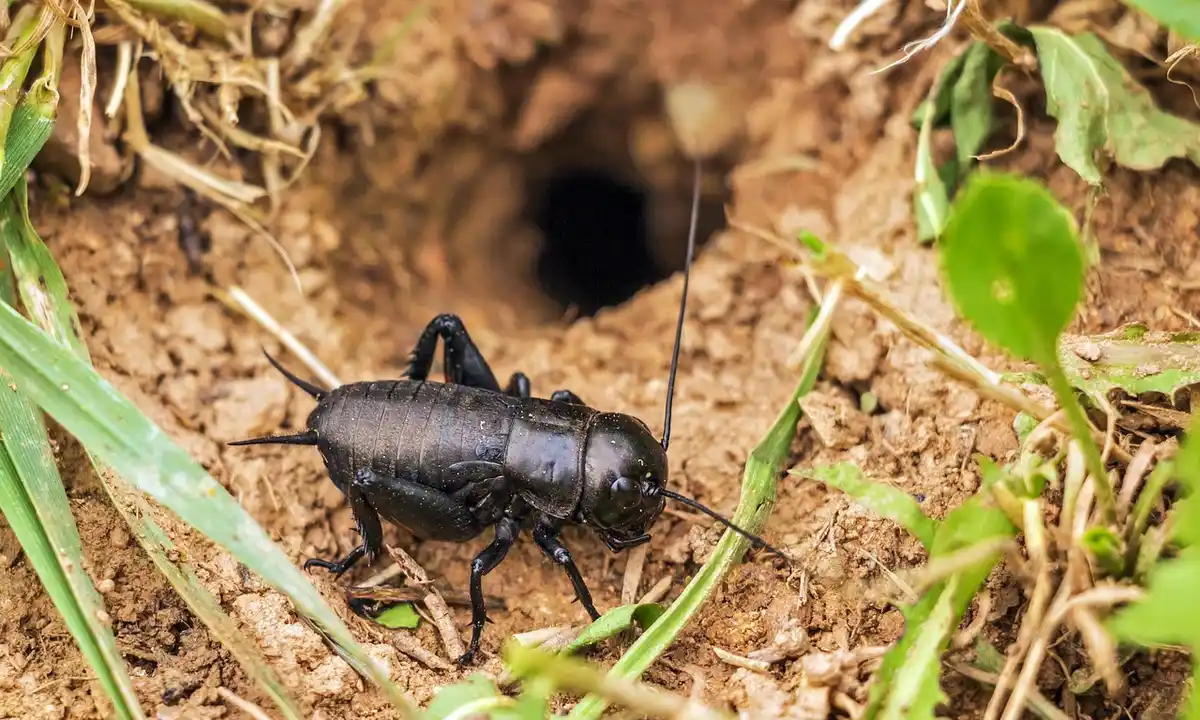
- Crickets: A common staple, but remove uneaten ones quickly as they can bother a molting tarantula.
- Dubia Roaches: My preferred feeder; they are nutritious, quiet, and cannot climb smooth surfaces.
- Mealworms and Superworms: Best offered in a shallow dish or with heads pre-crushed to prevent burrowing and potential harm.
Prey size is critical. I follow the simple rule: the insect should be no larger than my tarantula’s abdomen. An oversized feeder can injure or stress your spider, turning a meal into a dangerous confrontation. For my 15-year-old G. rosea, Rosie, a single large cricket every few weeks is plenty, while my juvenile OBT might take two smaller roaches weekly. The jerky, unpredictable movement of live prey is the ultimate trigger. Flash, my P. murinus, will erupt from its silken tunnel in a blaze of orange to subdue anything that dares to vibrate its web.
Scent and Vibrations
Tarantulas are finely tuned detection machines. They lack sharp eyesight for distance, so they rely on other senses. Specialized hairs on their legs and bodies, called setae, pick up the faintest substrate vibrations-a cockroach’s scuttle three inches away is like a dinner bell. Their pedipalps and feet also contain chemoreceptors that can taste scent molecules in the air, guiding them to food.
You can simulate this natural hunt in captivity. For fossorial species like my Goliath, I gently place a roach near its burrow entrance; the vibrations alone often bring it out. For web-dwellers like Flash, I use long feeding tongs to dangle the prey until it contacts the web, triggering an immediate attack. This method respects their instincts and minimizes the need for you to reach into the enclosure. Always use tools, not your fingers, to offer food-this is a core tenet of the “Look, Don’t Touch” philosophy that keeps both you and your spider safe.
Shelter and Habitat Structure
Security is not a luxury for a tarantula; it is a biological imperative. A stressed tarantula is a hiding tarantula, and providing proper refuge is the foundation of ethical care. The right shelter reduces stress to near zero, allowing you to observe natural behaviors from a respectful distance.
Burrows, Crevices, and Hides
Think like an architect of tiny, dark spaces. Tarantulas are attracted to structures that offer a tight fit and a concealed retreat. In my bioactive setups, I use a mix of natural elements.
- Cork Bark Flats and Tubes: Versatile and natural; I position them against the enclosure wall to create a secure, deep crevice.
- Leaf Litter: Not just decorative; it provides micro-hides and helps maintain humidity for species like T. stirmi.
- Clay Pots and Coconut Hides: Durable and cheap, I often bury these halfway to simulate a burrow entrance.
One hide is rarely enough. My terrestrial Rosie has a primary cork bark hide and a secondary retreat under a sphagnum moss mound. Offering multiple hide options allows your tarantula to choose its preferred microclimate and feel in control of its environment. For obligate burrowers, I provide a deep, moist substrate layer and a starter burrow using a buried tube, which they will eagerly modify and adopt.
Darkness and Dim Light
Tarantulas are nocturnal or crepuscular, active in the dark of night or the low light of dawn. Bright, direct light is an irritant and a source of stress. I always place enclosures in low-traffic areas of my home, away from windows where sunlight can cause dangerous temperature spikes. The ambient room light from a ceiling fixture is often more than enough.
For observation, I use a dim, red-toned flashlight. Red light is largely invisible to most arachnids, letting me watch my Goliath patrol its enclosure at night without causing a disturbance. This practice respects their natural rhythms. Remember, a tarantula that feels exposed and visible will remain hidden, so embracing the darkness is key to seeing more of your pet’s fascinating life.
Building an Attractive Enclosure for Your Pet Tarantula
A tarantula’s world is measured in centimeters, defined by the humidity of the air and the texture of the ground. To attract them to thrive-not just survive-we must build a world worth exploring. An attractive enclosure isn’t about our aesthetics; it’s about crafting a functional landscape that meets their biological imperatives for security, hydration, and hunting.
Your goal is to construct a stable, secure environment that allows the tarantula to express its full range of natural behaviors, from deep burrowing to intricate webbing.
Step-by-Step Setup Guide
-
Choose Substrate Based on Moisture Needs
This is your foundation. For arid species like my G. rosea, Rosie, use a dry mix of coconut fiber and sand or reptile soil. It should hold a burrow’s shape without clumping. For humid-loving giants like my T. stirmi, Goliath, use moisture-retentive substrates like pure coconut fiber or peat moss, blended with a touch of vermiculite.
-
Add Sufficient Depth for Burrowing
Depth is security. A good rule is substrate depth equal to at least 1.5 times the tarantula’s diagonal leg span. For a heavy-bodied terrestrial, provide 6-8 inches. I once underestimated this for a juvenile and watched it futilely scratch at a shallow layer for days; adding depth resulted in a perfectly engineered burrow within hours. This is the premise of the ultimate guide to tarantula burrows: why they dig and how that digging supports their security. Knowing this helps you design enclosures that support their natural digging behavior.
-
Position Hides and Decor to Create Microhabitats
Use cork bark flats, half-logs, or untreated wood. Anchor them firmly into the substrate. Place the hide to create a dark, snug cavity. For climbers or webbers like my P. murinus, Flash, provide vertical cork bark or branches against the enclosure walls to serve as anchor points for their dense silk networks.
-
Establish Humidity and Temperature Gradients
Avoid a uniform, stagnant environment. For humid species, pour water into one corner of the substrate, creating a damp zone while leaving other areas drier. Place the water dish on the opposite side. Use a small heat mat on one side of the enclosure only, creating a subtle warmth gradient from 75-80°F, allowing the tarantula to choose its comfort zone.
-
Introduce Prey and Water Sources
Use a shallow, heavy water dish that cannot tip. For large species, a bottle cap isn’t enough; use a reptile dish. Offer appropriately sized live prey. The hunt itself is a powerful attraction. Drop a cricket in and observe the fascinating, silent calculation before the sudden strike.
Species-Specific Considerations
-
Desert Dwellers (e.g., Grammostola rosea)
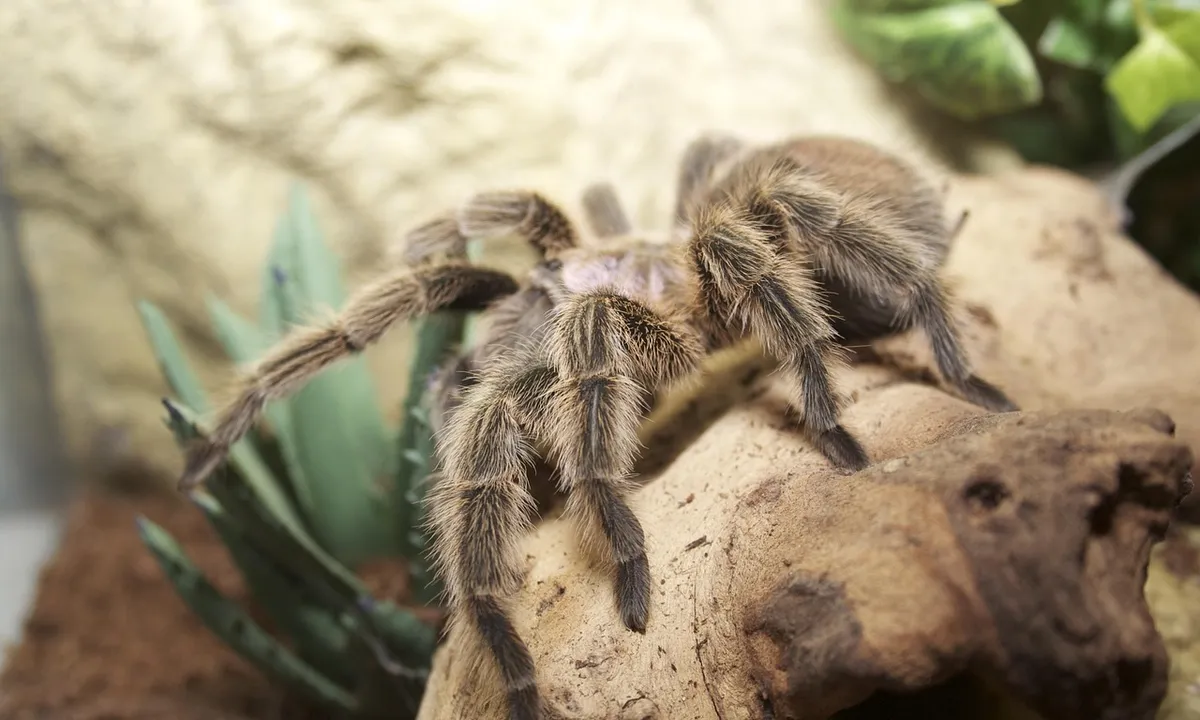
Rosie’s world is dry. Her enclosure has a deep, packed substrate of coconut fiber and sand, kept bone-dry except for a full water dish. The hide is low and cave-like. These setups are simple but require patience, as these tarantulas are famously inactive, spending weeks in statuesque silence.
-
Rainforest Giants (e.g., Theraphosa stirmi)
Goliath needs constant humidity above 75-80%. His deep substrate is always moist to the touch. I use a large, flat piece of cork bark as a hide and keep the ventilation moderate to prevent mold while retaining muggy air. A large water dish is mandatory, as they will drink frequently.
-
Web Architects (e.g., Pterinochilus murinus)
Flash, my OBT, requires anchor points. I place cork bark slabs vertically in the corners. Within days, she spins a complex, funnel-shaped web mat, using every provided surface. For these spiders, the enclosure itself becomes the attraction, a three-dimensional canvas for their silk.
-
Grassland/Forest Species
Species like many in the Aphonopelma or Brachypelma genera enjoy moderate humidity. Provide a moisture gradient with slightly damp substrate below the hide and drier areas elsewhere. They often appreciate a blend of burrowing depth and some low-profile decor to navigate around.
Beyond Basics: Enrichment and Microhabitats
Advanced husbandry moves beyond simple survival needs. It involves designing a complex environment that stimulates natural behaviors through choice and sensory engagement, all while respecting the animal’s fundamental need for peace.
True enrichment for a tarantula is providing a stable, complex habitat and then having the discipline to observe without intruding. It’s not about constant interaction, but about allowing your tarantula to engage with its environment naturally. Understanding environmental enrichment for spiders can help you create the best space for your tarantula to thrive.
Creating Microhabitats with Leaf-Litter and Shelter-Edges
Beyond the main hide, you can create smaller zones of security. Sprinkle a layer of sterilized oak or magnolia leaf litter across the substrate. This isn’t just decoration.
- It creates a textured landscape that diffuses light and offers immediate, shallow cover for foraging or transit.
- The leaves help retain humidity at the substrate level, creating a beneficial microclimate.
- For shy species, it provides camouflage, encouraging them to move more freely.
- Adding clumps of sphagnum moss in corners can create localized humid spots for species that need them.
These small additions break up the open space, creating “shelter-edges”-transitional zones where the tarantula feels protected enough to explore. I’ve seen juveniles use a single large leaf as a temporary roof, a behavior you’d never witness on bare substrate.
The Role of Observation and Minimal Intervention
The most attractive thing you can offer your tarantula is your respectful distance. The “Look, Don’t Touch” philosophy is rooted in welfare. Handling is a massive stressor, risking falls, flicked urticating hairs, or defensive bites.
My practice is observation-based husbandry. I feed with long tweezers. I mist corners quietly. I never redecorate on a whim. Stability is key. Your quiet observation is the window into their natural world; frequent intrusion shuts that window closed.
- Reduce vibrations: Place enclosures on stable surfaces, not near speakers or heavy foot traffic.
- Use dim or indirect lighting. Avoid bright overhead lights shining directly into the enclosure.
- Limit enclosure “redecorating.” Only make changes during necessary rehousings or for urgent husbandry corrections.
I learned this through an escape. Years ago, a nervous rehousing led to a tarantula bolting. The frantic chase was stressful for us both. Now, my setups are secure and designed for minimal disruption, allowing me to witness natural behaviors-like the meticulous grooming of palps or the slow, deliberate exploration at dusk-in true silence.
FAQs
What kinds of vibrations attract tarantulas the most?
Tarantulas are most attracted to the small, erratic vibrations of live prey moving across the substrate, like a cricket’s hop or a roach’s scuttle. They can also be drawn to the specific seismic signals of a potential mate. However, loud, heavy vibrations from speakers, doors, or handling are stressful and will cause them to retreat.
Can things outside their enclosure attract or disturb my tarantula?
Yes, tarantulas can sense activity outside their space. Strong scents from perfumes, aerosols, or smoke can be irritating. Furthermore, consistent shadows moving past the enclosure or bright lights turning on and off can be perceived as threats, making them feel exposed and less likely to be active.
Are tarantulas attracted to sweet foods or human food?
No, tarantulas are obligate carnivores and are only attracted to live prey. They have no biological interest in fruits, vegetables, or processed human foods. Offering anything other than appropriate live insects is ineffective and can foul their enclosure. Some readers wonder if tarantulas eat fruit or vegetables. In reality, they do not.
How can I tell if my tarantula is attracted to its enclosure setup?
Positive signs include your tarantula using its hide, digging a burrow, webbing anchor points, and confidently exploring at night. If it is constantly climbing the walls, sitting in a stress pose, or refusing to eat, it is likely not attracted to its environment and feels insecure. You can learn to read your tarantula’s body language to identify stress and defensive signs. This helps you adjust its habitat to reduce stress and keep it comfortable.
Are male and female tarantulas attracted to different things?
Their core environmental needs are similar, but mature males are primarily driven by the pheromones of a receptive female when they are ready to mate. This biological imperative can make them restless and less interested in food as they focus on wandering to find a mate, which is a key behavioral difference.
What is the most common husbandry mistake that makes an enclosure unattractive?
The most common mistake is providing an incorrect moisture level, either too wet for arid species or too dry for tropical ones. This creates a fundamental discomfort that overrides all other attractants. A close second is insufficient hiding options, leaving the tarantula feeling vulnerable and exposed. Another major pitfall is how heating and humidity are managed—heat sources that dry the air or create uneven humidity can worsen moisture problems. Temperature swings from improper heating can stress tarantulas and harm them.
Long-Term Success
Success with tarantulas hinges on respecting their core biological need. The single most important parameter is providing the correct humidity gradient for your specific species, achieved through strategic moisture in the substrate and ventilation, as dehydration or respiratory infection are silent killers. A bone-dry enclosure will kill a Theraphosa stirmi, while a soggy one will suffocate a Grammostola rosea. Understanding heating and humidity requirements for popular tarantula species is crucial for their care.
Beyond that, your role is that of a quiet observer. Watch Flash the OBT craft his silken fortress, admire the quiet intensity of Rosie’s patient sit, and feel the rumble of substrate as Goliath rearranges his world. The joy is in their undisturbed behavior-the meticulous grooming, the precise engineering of a burrow, the sudden strike. Patience is your primary tool, revealing more about their secret lives than any interaction ever could.
Further Reading & Sources
- Chilean rose tarantula – Wikipedia
- Chilean Rose Hair Care – The Tarantula Collective
- Grammostola rosea (Walckenaer, 1837)
Arlo is a lifelong arachnid enthusiast who believes tarantulas are the world’s most misunderstood roommates. With years of hands-on experience in tarantula care, habitat setup, and species behavior, Arlo combines expert knowledge with a dash of humor to make spider ownership less scary and a lot more fascinating. From choosing the right enclosure to understanding why your eight-legged buddy is doing that weird little pose again, Arlo is here to help you become the best tarantula parent you can be, without getting tangled in the web of misinformation.
Understanding Tarantula Behavior