
Understanding and Preventing Fungal Growth in a Tarantula Terrarium
Fungal growth is the silent, creeping challenge in tarantula keeping, a direct result of the delicate moisture balance we strive to maintain. I have seen it firsthand-a stubborn white bloom in my Burgundy Goliath’s humid palace, a stark contrast to the bone-dry substrate of my Chilean Rose. This article breaks down the science and offers real solutions from a breeder’s perspective. Your primary weapons are strategic ventilation and intelligent substrate choice, not simply reducing water.
Quick Stats:
- Primary Cause: Organic decay in stagnant, damp conditions.
- Highest Risk Enclosures: Humid setups for species like Theraphosa stirmi.
- Key Prevention: Creating a moisture gradient within the substrate.
This guide will provide the specific, actionable husbandry steps to prevent fungal issues from sling to adult, ensuring a healthy and stable environment.
What Fungi Live in a Tarantula Enclosure?
Peering into your tarantula’s world, you might notice uninvited guests taking root. Fungal spores are ubiquitous, floating in the air and resting in your substrate, waiting for the perfect conditions to germinate.
From my own collections, here are the most common types you will encounter:
- White mold: This appears as fluffy, cotton-like patches, often on damp cork bark or in substrate corners. I’ve seen it bloom behind the water dish in my Goliath’s humid enclosure.
- Green mildew: Look for powdery, greenish spots on surfaces, commonly on plastic decor or near constant moisture sources.
- Soil fungi like Aspergillus: These can present as slimy films or matted colonies in the substrate and are a key reason to avoid overly organic mixes.
Visual identification is your first defense. Scan for fluffy patches, powdery spots, or slimy films on substrate or decor. Rapid spread in a damp, still corner is a hallmark of a fungal party starting.
Use your nose. A persistent musty odor, different from the earthy smell of healthy soil, is a clear sensory red flag. That earthy scent turning sour was my clue to investigate my T. stirmi‘s drainage layer last year.
Accept that spores are always present. Successful terrarium management is about creating an environment that suppresses their growth, not a sterile one that stresses your animal.
Why Does Fungus Grow? Key Conditions and Causes
Fungal growth hinges on a simple triangle: moisture, organic matter, and stagnant air. When these three elements converge in your tarantula’s home, you are essentially rolling out a welcome mat for mold.
Specific promoting factors turn a habitat into a fungal incubator:
- Consistent high humidity over 80%: Crucial for species like my Theraphosa stirmi, but without airflow, it invites trouble.
- Spilled water and condensation: These create permanent wet pockets where fungi thrive.
- Leftover prey items: Boluses or uneaten crickets are potent organic fuel for growth.
- Warm temperatures above 75°F (24°C): Heat accelerates the entire decomposition and fungal cycle.
Poor drainage is a silent enabler. A waterlogged substrate base or condensation pooling under a hide creates a microclimate. My OBT, Flash, webs so densely that it can trap moisture; I now check under his web mats routinely for soggy substrate.
Balance is everything. This table contrasts general tarantula humidity needs with associated fungal risk:
| Tarantula Moisture Needs | Typical Humidity Range | Fungal Risk & Management Focus |
|---|---|---|
| Arid Species (e.g., Grammostola rosea) | 50-60% | Low risk. Focus on preventing water spills and removing boluses quickly. |
| Moderate Humidity Species (e.g., Pterinochilus murinus) | 65-75% | Moderate risk. Ensure cross-ventilation and let the substrate surface dry between mistings. |
| High Humidity Species (e.g., Theraphosa stirmi) | 80-85% | High risk. Require deep, drainable substrate layers and exceptional airflow to prevent stagnant, wet conditions. |
This scale shows that higher humidity husbandry demands more proactive observation for the first signs of fuzz or film.
Is This Mold Dangerous? Identifying Threats to Your Tarantula
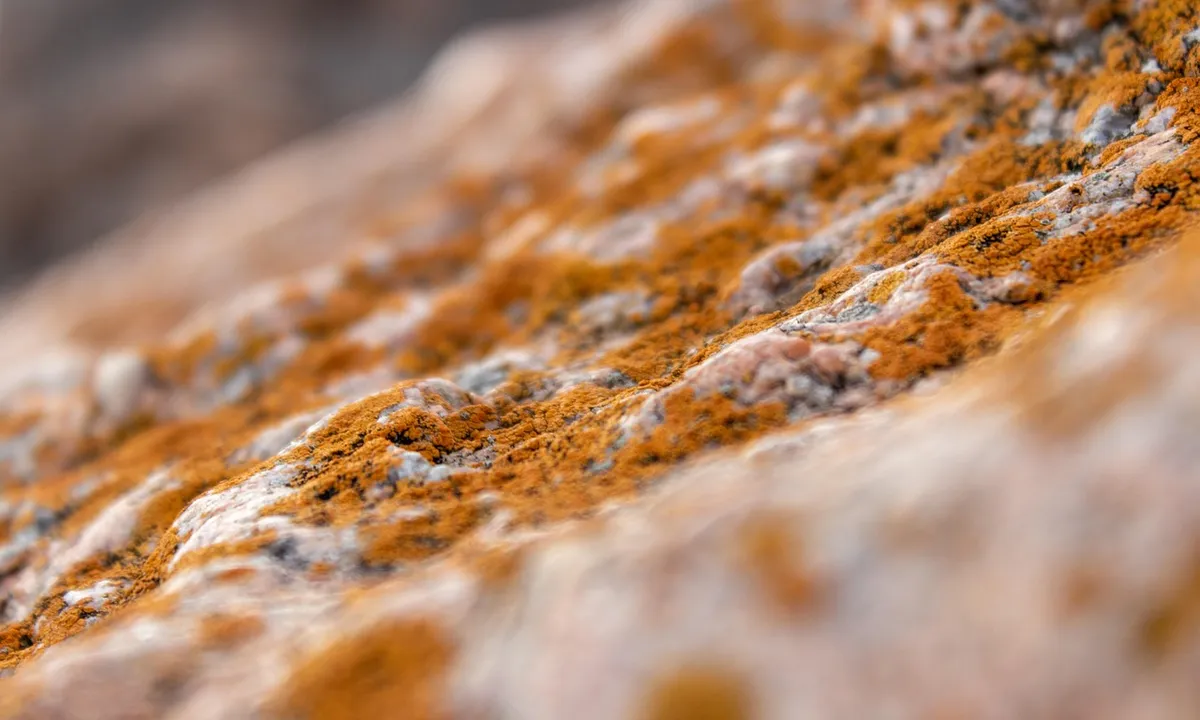
Spotting fuzzy growth in your tarantula’s home can be alarming, but not all fungi are foes. You can quickly triage the situation by evaluating the mold’s color, growth speed, and location.
Act immediately if you observe these harmful characteristics.
- Vivid Colors: Molds displaying bright green, red, or blue pigments are often pathogenic and should be treated as a high priority.
- Rapid Spread: Fungus that colonizes the substrate or decor in a matter of days, especially near the tarantula’s core territory, is a direct threat.
- Proximity to the Animal: Any growth on the tarantula’s own body or lining the entrance to its burrow or hide is a critical emergency.
Many fungi are simply part of the bioactive cleanup crew. Benign, slow-growing white fuzz on cork bark or a small, isolated patch on damp substrate is typically harmless and will often recede on its own.
Safe inspection is key to avoiding stress. Always use a bright flashlight to examine corners and hides without physically disturbing your pet or its environment. This respects the “Look, Don’t Touch” philosophy and prevents defensive reactions.
- Shine the light through the glass to minimize vibrations.
- Never insert tools or your fingers to probe a suspicious spot.
- Conduct inspections during the evening when many tarantulas are naturally active.
Any fungal growth on your tarantula’s exoskeleton or within its primary hide is an immediate concern that warrants a full substrate change and enclosure cleaning. I’ve seen this with moisture-loving species; hesitation can cost your pet its health. For beginners, preventing these common health issues—fungal growth, poor airflow, and humidity mistakes—through good setup and routine care is essential. Maintaining clean substrates, proper ventilation, and correct humidity helps prevent them before they start.
The Complete Mold Removal and Sterilization Protocol
Discovering a fuzzy bloom in your tarantula’s home requires immediate, methodical action. A swift and thorough response protects your spider’s delicate respiratory system and prevents the problem from becoming a chronic issue.
-
Prepare a Temporary Holding Container
Safety first—for you and your tarantula. Use a clean, smooth-sided plastic container with a secure lid. Poke small air holes in advance. For a calm species like my old rose hair, Rosie, a gentle coax with a soft brush works. For a defensive, fast species like my OBT, Flash, I use a two-container “catch cup” method to avoid close contact. Minimize stress by working in a quiet, enclosed room to prevent a dangerous fall if they bolt. Keep essential tarantula handling tools close at hand—catch cups, soft-tipped forceps, and a secure lid—and work on a stable, clean surface. Using proper safety equipment helps minimize stress and risk for both you and your spider.
-
Remove and Discard All Contaminated Materials
Wear gloves. Carefully take out all decor, water dishes, and every bit of substrate. Seal it all in a plastic bag and dispose of it outside your home. Do not attempt to salvage moldy wood or cork bark; pores harbor spores you cannot see.
-
Scrub the Empty Enclosure
Vinegar or a diluted bleach solution are effective disinfectants. I prefer a 1:10 bleach-to-water mix for glass or plastic tanks. Scrub every corner and seam vigorously, then let it sit for 10 minutes. The critical step is the final rinse: rinse the enclosure three to four times with hot water to eliminate all chemical residue. Air-dry it completely.
-
Sterilize or Replace Decor
Non-porous items like ceramic bowls or resin hides can be boiled in water for 10 minutes or baked in an oven at 200°F for 20 minutes. Porous hides like wood or cork are best replaced. This is an investment in long-term health.
-
Reassemble with Fresh, Mold-Resistant Substrate
Start with a clean slate. Use the substrate recommendations in the next section. Rehouse your tarantula gently, provide a water dish, and leave them be. Choosing the right substrate is essential for a stable, healthy enclosure. Regularly check moisture and depth, and refresh the substrate as needed to maintain it. Monitor the new setup daily for the first week, checking for any signs of returning fuzz.
Building a Mold-Resistant Habitat: Substrate and Ventilation
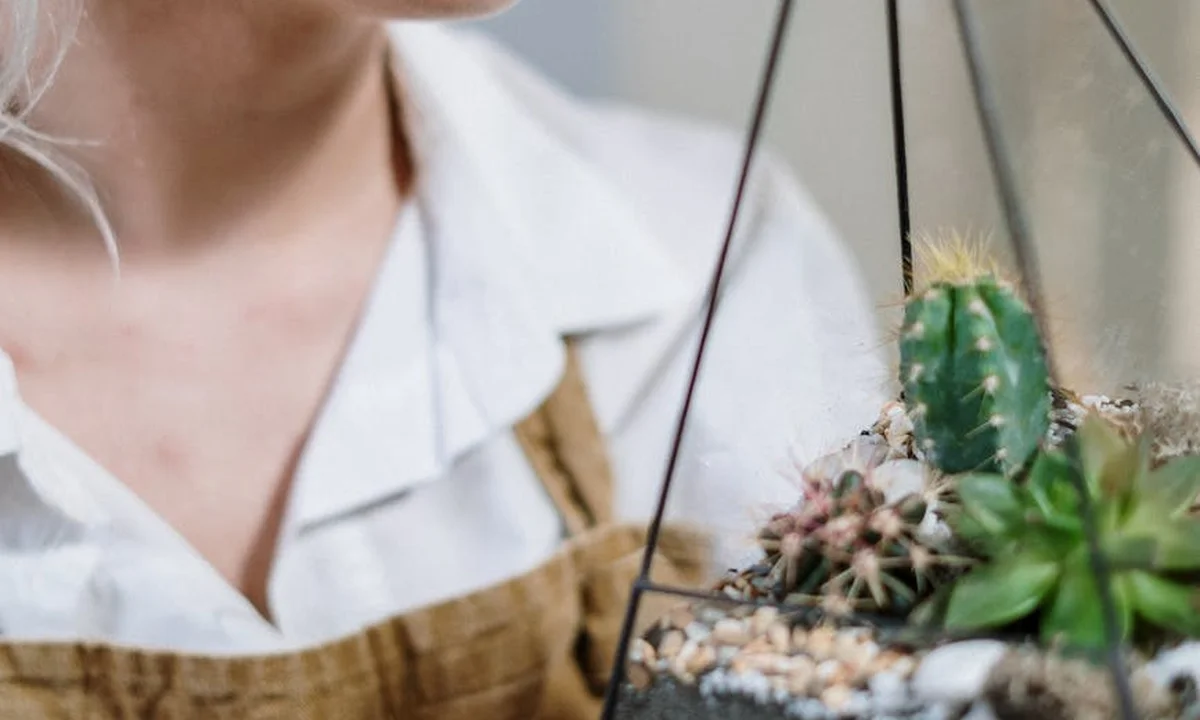
Prevention is always superior to cure. The right foundation and airflow create an environment where mold struggles to establish.
Choosing Your Substrate
Your substrate choice dictates moisture management. Here is a comparison of common options:
- Coconut Coir (Coco Fiber): My default choice for most species. It is affordable, retains humidity well, and has a loose, airy structure that discourages dense compaction where mold thrives.
- Peat Moss: Holds moisture even more effectively than coir. I use it blended with other materials for my Burgundy Goliath Bird Eater, Goliath, who needs high humidity. Alone, it can become soggy and anaerobic.
- Horticultural Charcoal: This is a secret weapon. Adding a 1-inch layer of coarse charcoal at the very bottom of the enclosure acts as a filtration drainage layer, pulling excess water away from the main substrate. For my T. stirmi‘s swamp-like setup, this layer is non-negotiable.
- Vermiculite/Perlite: These mineral additives improve aeration and water distribution in a mix. Use them sparingly, blended into coir or peat.
Mastering Ventilation Design
Stagnant, humid air is the enemy. Your goal is gentle air exchange without creating desiccating drafts.
- Cross-Ventilation is Key: Air holes on opposite sides of the enclosure, near both the top and bottom, allow air to flow across the entire habitat. This prevents moisture from getting trapped.
- Screen Tops: They provide excellent airflow but can lead to rapid humidity loss. For dry species, they are perfect. For humid species, I partially cover the screen with acrylic or plastic wrap to balance moisture retention and fresh air.
- Avoid Condensation: If you see persistent water droplets on the glass, you need more ventilation. Condensation directly wets surfaces and invites mold growth.
Enclosure Maintenance Tips
Smart habits fortify your setup against fungal invasion.
- Never let decor directly touch wet substrate. Elevate hides on small stones or cork pieces.
- Choose a water bowl with a stable, wide base to prevent tipping and sudden floods.
- When moistening substrate, pour water into a corner instead of misting the entire surface. This creates a moisture gradient.
- Clean up boluses and leftover prey items within 24 hours. Decaying organic matter is a primary mold trigger.
Daily Practices for Fungal Prevention: Humidity, Hygiene, and Helpers
Fungal spores are always present, waiting for the right conditions. Your daily routine is about denying them that opportunity. Consistent, simple habits build a stable environment where your tarantula thrives and mold does not. Be mindful of heating and humidity: common heating and humidity mistakes like overheating, overly dry air, or neglecting proper humidity control can stress your tarantula and invite mold. Avoid these by regularly checking temperatures and humidity levels and adjusting as needed.
Spot-Cleaning: The First Line of Defense
Leftover prey is the most common trigger for fuzzy outbreaks. A bolus (the dried remains) is a nutrient packet for mold.
- Remove uneaten live prey within 24 hours. A roaming cricket stresses your tarantula and eventually dies, becoming a mold source.
- Extract prey remnants and boluses using long tweezers as soon as you see them. With my old-world tarantula Flash, I do this during the day when he’s tucked in his web tunnel.
- Wipe the rim and exterior of the water bowl with a paper towel weekly. Mineral deposits and spilled water create a damp ring perfect for mildew.
A clean enclosure isn’t sterile; it’s a space free from the large, decaying fuel sources that turn a microhabitat toxic.
Humidity Management: Precision Over Guessing
“Tropical” does not mean “swampy.” Many fungal issues stem from well-intentioned over-misting. You need data, not guesswork.
- Use a digital hygrometer placed at the substrate level, away from direct mist or the water bowl. The cheap analog dials are notoriously inaccurate.
- Mist sparingly and only on one side of the enclosure or directly into the substrate. We aim for dampness below, not condensation on the walls.
- Target a 60-70% range for most tropical species. My Burgundy Goliath (T. stirmi) requires 75-80%, which I maintain with deep, moist substrate and a large water bowl, not constant spraying.
- For arid species like my G. rosea Rosie, I provide a water dish and only slightly dampen a corner of the substrate during a molt cycle. Their substrate should feel dry to the touch.
Proper humidity is a gradient you create, allowing your tarantula to choose its preferred microclimate. To achieve this, establish a substrate moisture gradient in the enclosure, giving your tarantula options from dry to moist areas. This supports natural behavior and helps with shedding and overall health.
Bioactive Allies: Employing the Cleanup Crew
You cannot be everywhere. This is where bioactive helpers become invaluable. I add springtails (Collembola) to every humid enclosure I own.
- These tiny, white arthropods are harmless to your tarantula and consume mold, fungi, and waste.
- They thrive in moist substrate, working silently to break down organic matter before it becomes a problem.
- Introduce a culture to your enclosure’s substrate. They will self-regulate their population based on available food (mold).
A springtail colony is a living security system, constantly patrolling the substrate for the first signs of fungal growth.
Weekly Monitoring Checklist
Set a weekly reminder to perform this five-minute health scan of the enclosure. It’s a ritual that teaches you the normal state of your pet’s home.
- Substrate Check: Press a finger into the substrate in several areas. Is it uniformly slightly damp, or are there soggy cold spots? Soggy areas need immediate aeration.
- Visual Mold Scan: Look for white, green, or blue fuzz on wood, moss, or boluses. Cobweb-like white mold is a common first sign.
- Water Bowl Inspection: Check for biofilm (a slimy layer) or algae. Dump, scrub with hot water (no soap), and refill.
- Ventilation Audit: Ensure cross-ventilation holes are not blocked by substrate or decor. Stagnant air is a mold accelerator.
- Tarantula Behavior Note: Is your tarantula constantly climbing the walls or staying in an unusual spot? This can signal substrate discomfort.
This proactive checklist catches minor issues before they escalate into rehousing emergencies.
FAQs
How often should I spot-clean the terrarium to prevent mold?
Spot-clean your tarantula’s enclosure daily by removing uneaten prey and boluses within 24 hours to eliminate organic fuel for mold. Weekly, wipe the water bowl’s rim and exterior to prevent damp rings where mildew can grow. Consistent hygiene denies fungi the decaying matter they need, reducing outbreak risks without stressing your pet. Be mindful of signs that the enclosure needs cleaning, such as a musty odor, visible mold, damp patches, or crusty residues. If you notice these signs, perform a deeper clean to keep your tarantula healthy.
What should I do if I find mold on my tarantula’s food or water dish?
Immediately discard moldy food and thoroughly scrub the water dish with hot water-avoid soaps that could leave residues. For persistent mold, sterilize non-porous dishes by boiling or baking them, as outlined in the full cleaning protocol. Regular inspection and quick action prevent spores from spreading into the substrate or affecting your tarantula’s health.
Can springtails or other clean-up crews help control fungus?
Yes, springtails are effective bioactive allies that consume mold, fungi, and organic waste in humid setups. Introduce a culture to the substrate; they work silently to break down decaying matter before it triggers fungal growth. These harmless arthropods self-regulate their population, providing ongoing, natural mold prevention without harming your tarantula.
Are there any safe, anti-fungal treatments for a tarantula habitat?
Safe treatments are limited to cleaning: use a diluted vinegar or bleach solution for deep sterilization during full enclosure clean-outs, but rinse thoroughly (especially when deep-cleaning a tarantula tank). For ongoing prevention, avoid chemical anti-fungals that could harm your tarantula; instead, rely on strategic ventilation, mold-resistant substrate, and humidity control. Incorporating springtails offers a natural, maintenance-free approach to managing fungal spores.
Cultivating a Healthy Habitat for Years to Come
Successful terrarium management is not about constant intervention, but about establishing a balanced system and then letting it be. Your primary goal is to maintain a moisture gradient, with one section of the substrate slightly damp to provide a humidity reservoir, while the rest remains bone-dry to give your tarantula choices and prevent fungal footholds. This simple spatial separation of wet and dry areas is the single most effective practice for most species.
Beyond the substrate, the real joy is in observation. Watch how your Goliath uses that humid corner to aid in molting, or how your OBT, Flash, incorporates moisture into its dense silk tunnels. Notice the meticulous way a spider drinks from a water droplet or patrols its territory at dusk. Patience is not just a virtue in this hobby; it is the fundamental tool. Changes happen slowly, over weeks and months. A content tarantula is often a still tarantula, like my Rosie, who can sit in perfect, dusty-pink stillness for an entire season. Trust the process, watch closely, and you’ll be rewarded with the silent, fascinating rhythm of a life well-housed.
Further Reading & Sources
- Things To Look Out For In Your Tarantula Enclosures
- How to Prevent and Remove Mold in a Tarantula Enclosure
- How To Prevent Mold In Tarantula Enclosure
Arlo is a lifelong arachnid enthusiast who believes tarantulas are the world’s most misunderstood roommates. With years of hands-on experience in tarantula care, habitat setup, and species behavior, Arlo combines expert knowledge with a dash of humor to make spider ownership less scary and a lot more fascinating. From choosing the right enclosure to understanding why your eight-legged buddy is doing that weird little pose again, Arlo is here to help you become the best tarantula parent you can be, without getting tangled in the web of misinformation.
Heating and Humidity