
Dubia Roaches vs. Crickets: Which is the Superior Feeder for Tarantulas?
In the precise world of tarantula husbandry, the choice between Dubia roaches and crickets is a fundamental decision that ripples through your spider’s health, your routine, and the very ecosystem of your enclosure. This isn’t a trivial debate between two bugs; it’s a comparison of nutritional engines, behavioral triggers, and keeper sanity. Based on my years of breeding and caring for tarantulas with vastly different needs-from my pet-rock G. rosea to my humidity-loving T. stirmi-I find Dubia roaches are often the superior choice for their balance of nutrition and manageability, but crickets hold a specific, irreplaceable role.
Quick Stats:
- Dubia Roach (Blaptica dubia)
- Origin: Central and South America
- Type: Tropical, Flightless Roach
- Growth Rate: Slow maturing, can live over a year
- Handling Note: Cannot climb smooth plastic or glass.
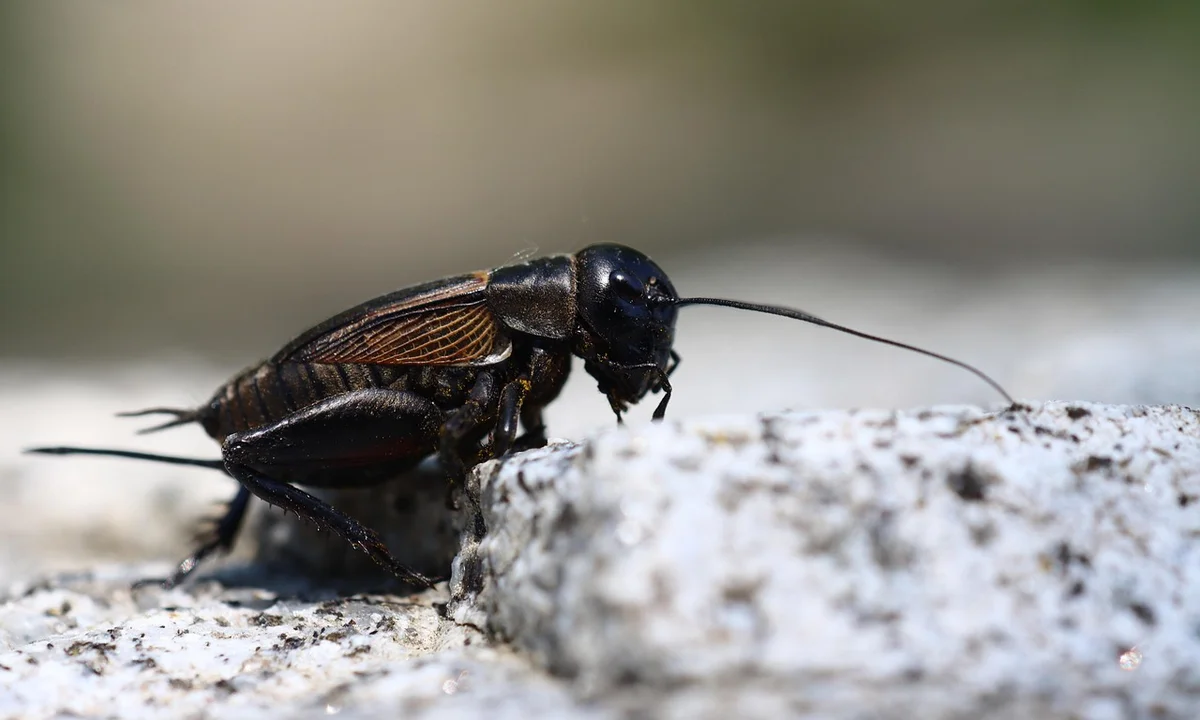
- Banded Cricket (Gryllodes sigillatus)
- Origin: Distributed worldwide through the pet trade
- Type: Chirping Orthopteran
- Growth Rate: Very fast, entire lifecycle in weeks
- Handling Note: Expert jumpers and escape artists.
This guide will dissect every facet of these feeders so you can match the perfect prey to your tarantula’s life stage and temperament.
Understanding Your Tarantula’s Natural Predator-Prey Needs
A tarantula is not a scavenger; it is an ambush predator sculpted by millennia of silent waiting. In the quiet of an enclosure, the sudden, vibrating scuttle of a feeder insect triggers a deep, instinctual circuit. This movement is the key that unlocks the predatory sequence.
Their vision is poor, but their sensitivity to vibration is exquisite. The right-sized prey creates the perfect seismic signature. Offer a meal too large, and you risk injury or a defensive strike. Offer one too small, and it may simply be ignored as not worth the energy.
This primal hunt provides far more than just a meal; it delivers the complete nutritional package for a life lived in an exoskeleton.
- Protein for Growth: This is the fundamental building block for creating new tissue, vital for increasing size with each successful molt.
- Moisture for Hydration: Many tarantulas, especially those from arid climates like my old G. rosea, derive a significant portion of their water intake from the bodily fluids of their prey.
- Minerals for Exoskeleton Development: Elements like calcium are critical for hardening the new, soft exoskeleton after molting, making the post-molt period less dangerous.
Nutritional Breakdown: Comparing Dubia Roaches and Crickets
Choosing a feeder is more than grabbing the first insect you see. It’s about selecting the right fuel for your spider’s biology.
Macronutrients: Protein and Fat for Growth and Energy
Both insects provide protein, but their fat profiles tell different stories. Dubia roaches (*Blaptica dubia*) generally offer a higher fat content alongside their protein. Crickets (*Acheta domesticus*) tend to be leaner.
This difference allows you to tailor feeding to your tarantula’s life stage and condition. For a growing sling or an underweight adult needing to build mass, the richer dubia is an excellent choice. For a mature, sedentary terrestrial that exercises little, like many Grammostola species, the leaner cricket can be a suitable staple to prevent obesity.
My juvenile T. stirmi, Goliath, gets plump dubias to support his rapid growth, while my adult G. rosea, Rosie, receives a leaner cricket every few weeks during her rare feeding windows.
Micronutrients and Hydration: The Hidden Health Factors
Calcium to Phosphorus Ratio
This ratio is a silent dictator of exoskeletal health. Calcium strengthens the new shell; phosphorus can inhibit its absorption. An ideal feeder has more calcium than phosphorus.
Gut-loading your feeders with nutritious vegetables like collard greens or commercial diets is non-negotiable, as it directly improves this ratio in the insect you’re about to offer. Of the two, dubia roaches typically have a naturally better Ca:P ratio than crickets, especially when properly fed. A well-gut-loaded dubia becomes a vitamin-packed delivery system.
Moisture Content and Prey Hydration
Here, the physical form of the feeder plays a major role. A dubia roach has a denser, meatier body with a higher inherent moisture content. A cricket is more hollow, with a slightly crunchier exoskeleton and less fluid mass.
This makes dubias a superior hydrating meal, a critical feature for moisture-sensitive species or for any tarantula you suspect might be mildly dehydrated. The fluid from the prey is absorbed directly. For my humidity-loving Goliath, a juicy dubia complements his moist substrate perfectly. For arid species, a hydrated feeder can supplement a water dish, offering moisture in the form they instinctively seek.
Husbandry and Handling: Keeping Your Feeders Healthy
Enclosure Setup and Colony Sustainability
Healthy feeders mean a healthy tarantula. Proper colony maintenance directly impacts your tarantula’s nutrition and prevents the introduction of mites or pathogens into your primary enclosures. I keep both dubia and cricket colonies running year-round, and the setup differs slightly for each.
Follow these steps for a sustainable feeder insect habitat.
- Choosing a Container: For dubia roaches, select a smooth-sided plastic storage bin; they cannot climb slick surfaces. For crickets, use a well-ventilated plastic or glass tank with a tight-fitting lid, as they are adept climbers and jumpers.
- Setting Up Hides and Egg Cartons: Both insects require hiding spots to reduce stress and cannibalism. Stack cardboard egg cartons generously. Dubias will cluster underneath them, while crickets will use the vertical layers for climbing and resting.
- Maintaining Proper Heat and Moisture: Dubia roaches need consistent warmth. I maintain my dubia colony at 85-90°F using an under-tank heater on one side, with humidity around 50%. Crickets thrive at room temperature, 70-78°F, but require a slightly humid hide-a damp sponge or paper towel in a corner works perfectly. Never let standing water accumulate.
- Providing Feed and Gut-Loading Diet: Your feeders’ diet becomes your tarantula’s meal. Always provide a steady base diet of high-quality grain mix, such as plain oats or commercial chow. This is separate from the intensive gut-loading process, which we’ll cover next.
Sanitation is non-negotiable. Remove dead insects and frass weekly to prevent mold and bacterial blooms that can sicken your entire colony. A quick tip from my own mistakes: never use pine or cedar shavings; the aromatic oils are toxic to both feeders and tarantulas.
The Art and Science of Gut-Loading
Gut-loading is the practice of feeding nutrient-dense foods to your feeder insects 24-48 hours before they become prey. In a guide to feeder insects, you’ll find notes on their nutritional value and how to gut-load them properly. This process effectively turns the insect into a living, multivitamin capsule for your tarantula. It is the most direct way to enhance your spider’s nutrition.
Optimal gut-loading foods are fresh, moist, and packed with vitamins. I rotate these items to provide a broad nutrient profile:
- Orange vegetables: Carrots and sweet potato for beta-carotene.
- Leafy greens: Collard greens and dandelion leaves for calcium.
- Fruits: Apples and oranges for moisture and vitamins.
I always remove old produce within 24 hours to prevent spoilage in the feeder bin. Both dubias and crickets will consume these foods eagerly. Avoid iceberg lettuce and citrus fruits in excess, as they offer little nutritional value or can be too acidic.
The Feeding Moment: Safety and Tarantula Preference
Selecting the Right Prey Size and Introduction
The golden rule is simple: the prey item should be no larger than your tarantula’s abdomen. An oversized feeder can stress or even injure your spider, triggering a defensive response or a refused meal. I typically choose prey that is about half to three-quarters the size of the tarantula’s carapace. This is one of the top 10 tarantula feeding mistakes to avoid at all costs. Sticking to these size guidelines helps prevent stress, refusals, and potential injury.
Safe introduction minimizes escape risks. I use long, soft-tipped tweezers to place the insect gently onto the substrate near the tarantula, never directly on it. For fast species like my OBT, Flash, I will often slightly stun a cricket by chilling it in the fridge for a minute first to reduce the chance it bolts and hides in the enclosure. Always feed in the evening when tarantulas are most active, and monitor the interaction. Equip yourself with essential tarantula handling tools and safety gear—gloves, eye protection, and a secure catch cup. These practices reduce risk and stress for both you and the spider.
Observing Hunting Behavior and Prey Response
This is where personal observation shines. Crickets, with their erratic hops and constant movement, often trigger an immediate, lightning-fast strike from alert hunters. The sudden vibration of a cricket often provokes a predatory response that is pure instinct, a blur of legs and fangs. In contrast, the slower, deliberate crawl of a dubia roach may elicit a more patient, ambush-style attack from tarantulas that prefer to wait for prey to come within range.
In my collection, preferences are clear. My Orange Babbling Tarantula (P. murinus), Flash, will actively hunt crickets across his web tunnel, drawn to their movement, but often ignores a dubia unless it walks directly into his lair. My Burgundy Goliath Bird Eater (T. stirmi), Goliath, calmly accepts both but seems to prefer the substantial crunch of a larger dubia. My elderly Chilean Rose Hair (G. rosea), Rosie, will only bother with prey that literally bumps into her legs during her rare feeding windows. Watching these individual behaviors informs which feeder I offer to whom, reducing waste and feeding stress.
Practical Keeper Considerations: Cost, Smell, and Noise
Choosing a feeder insect extends beyond nutrition. You must weigh the daily realities of cost, upkeep, and your own sanity. Your time and tolerance for odor or noise are genuine factors in sustainable tarantula care. When choosing between live prey vs pre-killed feeding methods, consider which approach fits your routine and your tarantula’s preferences. Live prey can provide enrichment but demands more handling, while pre-killed prey is typically tidier and easier to manage.
Cost analysis requires a long view. A dozen crickets from a pet shop seems cheap, but they perish quickly, demanding weekly purchases. A starter colony of dubia roaches (Blaptica dubia) has a higher initial price but can sustain itself for years with basic care. I breed my own dubias, and after the initial setup, my feeder cost for spiders like Goliath and Flash dropped to nearly zero.
Availability splits neatly. Crickets are ubiquitous at local stores, handy for an emergency snack. Dubia roaches are often sourced online, shipped in bulk, which favors planning and bulk buying. Your local climate may also restrict dubia sales, making crickets the default option.
Now, for the sensory experience. Cricket bins, if not cleaned meticulously, develop a distinct, sour odor. Male crickets also chirp loudly, a sound that can grate overnight. In contrast, a dubia roach colony is virtually silent and, with dry substrate and vegetable scraps, produces minimal smell. The peace in my spider room since switching primarily to dubias is palpable.
| Consideration | Crickets | Dubia Roaches |
|---|---|---|
| Cost Over Time | Low upfront, high recurring cost. | Higher upfront, very low long-term cost if bred. |
| Maintenance Effort | High; require frequent cleaning, feeding, and hydration. | Low; hardy, eat simple scraps, less frequent cleaning. |
| Odor | Potentially high; develops quickly in dirty enclosures. | Very low; minimal odor with basic upkeep. |
| Noise | High; males produce constant chirping. | None; completely silent. |
Convenience tips the scale for dubias. They escape less often than crickets, survive weeks without food, and pose no noise pollution. For the keeper valuing a low-maintenance, serene environment, dubia roaches are the superior logistical choice.
Solving Common Feeding Problems with Your Feeder Choice
When Your Tarantula Refuses Food: Fasting and Molting
Tarantulas fast for many reasons, most commonly pre-molt. Your spider’s abdomen will darken and appear glossy, and it may seal itself in a web mat or refuse to move. My Chilean Rose Hair, Rosie, is a legendary faster, once refusing meals for nine months. During any fast, you must remove uneaten live prey within 24 hours to prevent injury to your vulnerable tarantula. Not all fasts are the same—pre-molt pauses and other natural fasts should be respected according to a feeding guide. Check the guide to know when not to feed and when it’s safe to resume after these periods.
Does feeder type matter here? Yes. A hungry cricket is more likely to nibble on a lethargic or molting tarantula. A dubia roach tends to burrow and hide, but it can still disturb the spider. For a tarantula I suspect is near a molt, I always pre-kill the feeder. I offer a freshly deceased dubia roach with tongs; its meatier body is often more enticing post-molt than a dry cricket.
The key is observation. If the feeder is ignored, take it out. This simple act respects the tarantula’s cycle and prevents stress. No feeder insect should ever be left unattended with a tarantula showing signs of pre-molt lethargy. To tell if your tarantula is hungry or stressed, check our feeding behavior guide. It explains observable cues and safe feeding intervals.
Managing Aggressive or Burrowing Feeders
Live prey can turn the enclosure into a hazard zone. Crickets will opportunistically chew on a soft, newly molted tarantula. Dubia roaches, being burrowers, can vanish into the substrate, only to emerge later and startle your pet. I learned this the hard way when a burrowed dubia spooked my Burgundy Goliath, causing a dramatic hair-kicking episode.
Your solution is control. For vulnerable spiders-those in pre-molt, post-molt, or simply young slings-disable the feeder. I crush the head of a dubia roach with feeding tongs. It stops burrowing and retains movement, triggering a feeding response without risk. For crickets, the same method works. Pre-killing or disabling feeders is a non-negotiable safety practice for vulnerable tarantulas.
For defensive, fast species like my OBT, Flash, I drop the disabled feeder directly into its web tunnel. This minimizes the chance of a missed strike and the feeder escaping to burrow. Manage the prey, not just the predator. Your intervention ensures the feeding event is safe, reducing stress for both you and your eight-legged charge.
Beyond the Big Two: A Look at Alternative Feeder Insects
While dubia roaches and crickets dominate the conversation, a well-stocked colony often has a few other options on standby. Each fills a specific niche in my husbandry toolkit.
For my fast, defensive P. murinus like Flash, Red Runner Roaches (Blatta lateralis) are a fascinating choice. They are incredibly quick, triggering an explosive predatory response that some tarantulas display. Watching Flash erupt from his funnel web to snatch a darting red runner is a breathtaking display of arachnid athleticism. Their smaller size and inability to climb smooth surfaces also make them manageable.
Mealworms and Superworms serve a different purpose. Their slow, writhing movement is perfect for enticing less active species, like my G. rosea Rosie during her infamous hunger strikes. I often use pre-killed mealworms for tiny spiderlings (slings) to prevent any risk of burrowing larvae harming a molting tarantula. Their primary drawback is nutritional; they are fatty and lack the complete profile of a roach or cricket, making them a treat or tool, not a staple. When weighing safety for your tarantula, people compare superworms vs mealworms as feeders. Generally, mealworms are safer for smaller spiders, while appropriately sized superworms can be offered to larger tarantulas with caution.
I keep a culture of flightless fruit flies for the smallest slings, a necessity when their meal might be smaller than a pinhead. Hornworms are a hydrating, soft-bodied option for large tarantulas like my T. stirmi Goliath, especially when he is in pre-molt and a hard cricket shell might be a concern.
Choosing Your Arsenal
Think of your feeder insects like a pantry. Here is how I categorize them:
- Staples (The Core Diet): Dubia Roaches, Crickets. These are your reliable, nutritionally complete foundations.
- Stimulants (For Enrichment): Red Runners. Their speed can encourage natural hunting behaviors in sedentary or finicky eaters.
- Tools (For Specific Situations): Mealworms for slings or enticing hunger strikes; Hornworms for hydration.
Offering a varied diet can provide mental stimulation for your tarantula and may offer slight nutritional benefits, but the core of a healthy feeding regimen rests on those proven staple insects. For a healthy tarantula, the best feeding schedule is regular and age-appropriate, focusing on dependable staples. Monitor appetite and adjust portions to maintain health and growth. My philosophy is simple: use the alternatives to solve specific problems or add occasional variety, but build your routine around the reliability and nutrition of the big two.
FAQs
Are Dubia roaches or crickets better for my tarantula overall?
For most tarantulas, Dubia roaches are often the superior overall choice due to their better nutrition, higher moisture content, and easier husbandry. Crickets, however, are excellent for triggering a strong feeding response in active hunters due to their erratic movement. The “better” feeder ultimately depends on your specific tarantula’s hunting style, your tolerance for maintenance, and your local availability.
Which feeder is less likely to bother or harm my tarantula?
Properly sized and managed Dubia roaches generally pose a lower direct risk. They are less likely to nibble on a molting or vulnerable tarantula compared to a hungry cricket. However, dubias can burrow and hide, which may stress some spiders if not retrieved. The key safety practice for any feeder is to never leave it unattended with a tarantula that is in pre-molt or refusing food.
I keep fossorial (burrowing) tarantulas. Does feeder choice matter?
Yes, it matters significantly. For deep burrowing species, a fast cricket may disappear into the substrate and die, creating a mold risk. A dubia roach may also burrow but is more likely to be encountered by the tarantula in its tunnel. For these setups, many keepers prefer to use disabled (pre-killed) dubias placed near the burrow entrance to ensure the tarantula finds the meal without the risk of a live feeder hiding.
Dubia roaches seem bigger and meatier. How do I choose the right size?
The core rule is the same for both feeders: the prey should be no larger than your tarantula’s abdomen. While dubias are denser, you simply select a smaller nymph. A good visual guide is to choose a dubia nymph or cricket with a body length (excluding legs/antennae) roughly half to three-quarters the size of your tarantula’s carapace. When in doubt, err on the side of a smaller feeder.
Is the smell and noise difference really that important for tarantula keeping?
For the keeper, yes, it’s a major practical consideration. Cricket colonies can generate a distinct odor and constant chirping, which may be disruptive. Dubia roach colonies are virtually silent and have minimal smell with basic upkeep. This makes dubias a much more pleasant feeder to maintain in your home, especially if your tarantula enclosure is in a living space.
The Final Decision
Your choice of feeder directly shapes your tarantula’s health and your own experience. The superior feeder is the one you can reliably source, store, and deliver that minimizes risk to your spider and maximizes nutritional uptake. Keep in mind that tarantulas will readily eat roaches found around your home, but wild-caught or pesticide-exposed roaches can carry parasites, pathogens, or chemicals that harm your spider. Sourcing feeders from trusted, captive-bred colonies minimizes these risks. For most, the quiet, clean, and durable Dubia roach wins for routine maintenance, highlighting the dangers of wild-caught roaches.
Watch your tarantula’s reaction. My old rose hair, Rosie, will sometimes ignore a cricket but immediately pivot toward the slow, deliberate movement of a roach. That moment of recognition, the subtle shift in posture before the strike, is part of the joy. Your patience in sourcing proper feeders translates directly into a vibrant, thriving animal. Enjoy the quiet hunt.
Further Reading & Sources
- r/tarantulas on Reddit: Dubia vs Crickets
- Blaptica Dubia vs. Crickets: A Detailed Comparison
- Dubia Roaches vs Crickets: Which Is the Better Feeder Insect? | Bearded Dragon Care – Dragon’s Diet
Arlo is a lifelong arachnid enthusiast who believes tarantulas are the world’s most misunderstood roommates. With years of hands-on experience in tarantula care, habitat setup, and species behavior, Arlo combines expert knowledge with a dash of humor to make spider ownership less scary and a lot more fascinating. From choosing the right enclosure to understanding why your eight-legged buddy is doing that weird little pose again, Arlo is here to help you become the best tarantula parent you can be, without getting tangled in the web of misinformation.
Best Food Options