
Tarantula-Safe Plants for Bioactive Enclosures: A Keeper’s Guide
A bioactive setup transforms a glass box into a living tapestry, where soil breathes and plants grow alongside your eight-legged charge. Selecting the correct flora is not an aesthetic choice alone; it is a critical husbandry decision that directly impacts your tarantula’s health and safety. This guide cuts through the confusion to show you which plants can coexist with your pet, from hardy succulents for arid species like my Grammostola rosea Rosie to moisture-loving varieties for my humid-hungry Theraphosa stirmi Goliath. The golden rule is simple: a tarantula-safe plant must be non-toxic, resilient to enclosure conditions, and free of sharp structures or irritating sap.
- Quick Stats:
- Enclosure Type: Terrestrial vs. Arboreal Focus
- Plant Requirement: Humidity Tolerance (High/Low) and Light Needs (Low/Moderate)
- Safety Profile: Non-Toxic and Physically Harmless
From my own trials creating planted homes for everything from a docile Rose Hair to a web-happy Pterinochilus murinus like Flash, this guide will equip you to build a thriving, secure bioactive environment for your tarantula at any life stage.
The Philosophy of a Living Enclosure: Why Go Bioactive?
Think of a bioactive setup as a tiny, self-sustaining world. It moves beyond inert decor to a functional ecosystem with plants, clean-up crews like springtails, and a deep substrate layer. This approach replicates the subtle complexities of a tarantula’s natural environment, which directly reduces stress and promotes natural behaviors you can observe. My Burgundy Goliath, for example, thrives in the constant 80% humidity his planted enclosure maintains effortlessly.
Maintenance shifts from frequent full cleanings to simple spot-cleaning and plant pruning. The biome breaks down waste, molds food remnants, and regulates moisture. You become a steward of a living system, not just a cage cleaner, which deepens your connection to the animal’s well-being. This philosophy aligns perfectly with a “Look, Don’t Touch” ethic; the enclosure itself becomes a fascinating display of life.
I learned the value of this balance after rehousing my OBT, Flash. His arid, web-filled burrow needed anchor points for silk. Live plants provided a sturdy, natural framework his synthetic hides lacked. A bioactive tank solves husbandry problems with biology, not just equipment, creating a more resilient home for your spider.
More Than Decoration: How Plants Benefit Your Tarantula
Plants are dynamic habitat engineers. They do more than look pretty. Their roots stabilize substrate, preventing burrow collapses for heavy species like my Goliath. Transpiration from leaves raises ambient humidity in a gentle, consistent way that misting never achieves. This is crucial for moisture-dependent tarantulas.
Foliage offers visual security and microclimates. A timid Chilean Rose Hair like Rosie will use broad leaves as a canopy, feeling hidden. Consider these core benefits:
- Humidity Regulation: Plants like Pothos or Spider Plants release moisture, stabilizing levels.
- Shelter: Dense growth provides shade and break lines of sight, lowering stress.
- Airflow: Proper plant growth encourages gentle air circulation, discouraging stagnant mold.
- Enrichment: Tarantulas interact with their environment; they may web on stems or excavate near roots.
Choose plants based on your tarantula’s native biome. For arid species (Grammostola rosea):
- Succulents like Aloe or Haworthia (ensure sharp spines are avoided).
- Air Plants (Tillandsia) mounted high, away from dry substrate.
For tropical species (Theraphosa stirmi):
- Pothos (Epipremnum aureum) is virtually indestructible in high humidity.
- Ferns like Bird’s Nest Ferns tolerate low light and moist soil.
- Peperomia offers sturdy leaves and moderate water needs.
Always quarantine and rinse any new plant thoroughly to remove pesticide residues, a step I never skip after a scare with mite introduction years ago. The same caution applies to new tarantulas: quarantine them in a separate enclosure for at least 4 weeks before integrating them with your existing collection. This helps you catch any pests or illnesses early. Plant in small pots buried in the substrate for easy replacement without disturbing your tarantula’s intricate burrow work. Watch your spider’s world come alive, silently and beautifully.
The Non-Negotiables: Selecting Truly Tarantula-Safe Plants
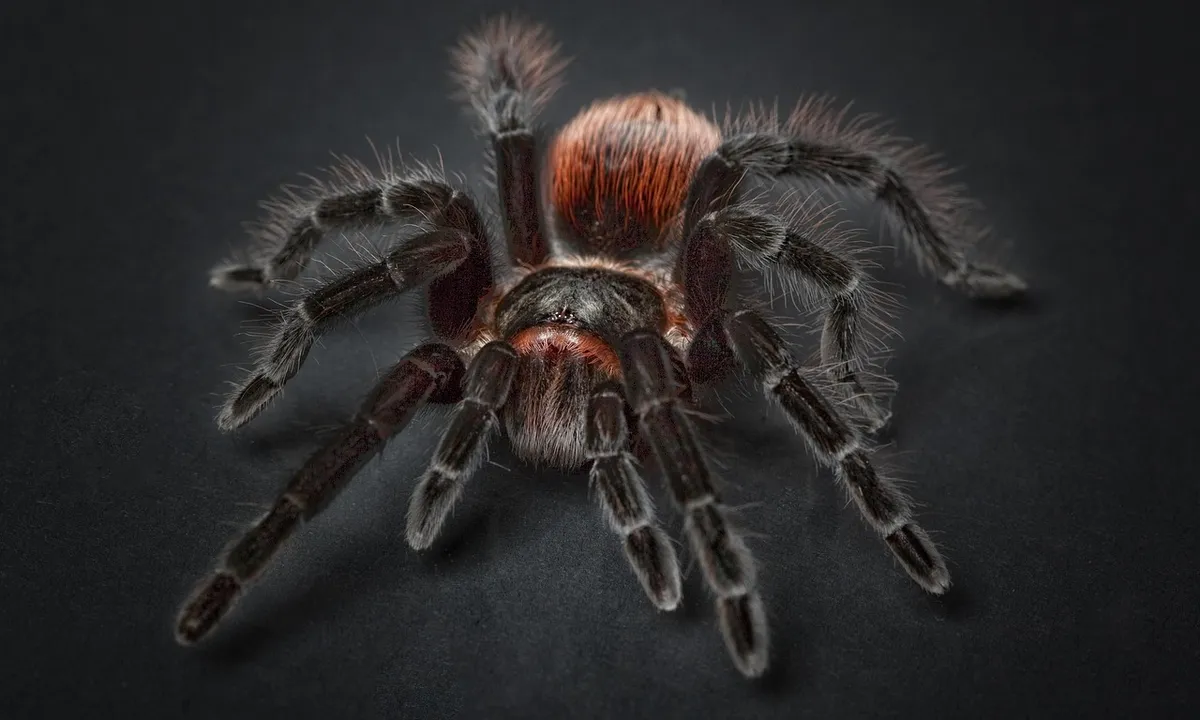
Choosing flora is not about aesthetics alone. Your primary duty is to the animal residing within the glass. The cardinal rule is simple: any plant entering the enclosure must be chemically inert and physically safe for your tarantula. I have lost a precious jumper spider to residual pesticide, a mistake I will not repeat with my terrestrial giants.
Pre-Planting Protocol: A Step-by-Step Cleaning Guide
Never, ever place a store-bought plant directly into your tarantula’s home. This process removes hidden threats.
- Bare-Root the Plant: Gently remove all nursery soil from the roots under lukewarm running water. Nursery soil often contains fertilizers and perlite, which your tarantula does not need.
- Root Soak Bath: Submerge the roots in a bucket of clean, dechlorinated water for one hour. This helps flush residual chemicals.
- Foliage Inspection & Wash: Examine every leaf and stem for pests like aphids or mites. Wipe leaves with a soft cloth dipped in a 5% white vinegar and water solution, then rinse thoroughly.
- The Quarantine Period: Pot the cleaned plant in a sterile, tarantula-safe substrate (like coconut fiber) in a separate pot. Keep it isolated for 2-3 weeks. Watch for any pest resurgence or plant die-off.
Smart Placement: Keeping Roots Safe and Enclosures Clean
Your tarantula is an excavator. My Burgundy Goliath, for instance, can move shocking amounts of substrate overnight. Watch for signs of impaction—such as a swollen abdomen, appetite loss, or lethargy. Prevent it by using an appropriate substrate depth and avoiding loose, ingestible material.
- Use Pot-in-Pot Method: Plant your cleaned specimen in a small, breathable fabric pot or plastic nursery pot. Bury this pot within the enclosure’s substrate. This contains roots and prevents your tarantula from damaging them during a digging frenzy.
- Elevate Delicate Specimens: For plants with fragile bases, place the pot on a flat cork bark piece or a shallow ceramic dish before burying it. This creates a root barrier.
- Mind the Moisture Gradient: Cluster humidity-loving plants near the water dish or the moist side of the enclosure. Place drought-tolerant succulents like Sansevieria on the dry, well-ventilated side.
Strategic placement prevents catastrophic root disturbance during your tarantula’s normal, instinctive activities.
Top Performer Plants for the Tarantula Vivarium
These plants have proven their resilience in my own collection, thriving under the specific, often challenging conditions of a spider’s habitat.
Champions of Low Light and High Humidity: Ferns & Moss
For my moisture-dependent T. stirmi enclosure, these are indispensable. They thrive where many plants rot.
- Bird’s Nest Fern (Asplenium nidus): Its broad, sturdy leaves provide visual cover and excel at humidity transpiration. It enjoys consistently damp (not soggy) substrate.
- Button Fern (Pellaea rotundifolia): A compact, slower-growing fern with cute, round leaflets. It’s less demanding than other ferns and tolerates slight drying between waterings.
- Sheet Moss (Hypnum spp.) or Sphagnum Moss: Press live moss onto moist substrate or cork. It creates a lush, green carpet that holds ambient humidity wonderfully around the enclosure floor.
The silent spread of moss across cork bark creates a micro-environment that fossorial and moisture-loving species truly appreciate.
The Unkillable Vines: Pothos and Philodendron
These are the workhorses of the bioactive world for a reason. My old Chilean Rose’s enclosure is draped in Golden Pothos.
- Golden Pothos (Epipremnum aureum): It grows in near-darkness, bounces back from drought, and its trailing vines create a natural canopy. You can plant it or let it grow as a semi-epiphyte on cork.
- Heartleaf Philodendron (Philodendron hederaceum): Similar in care to Pothos, with slightly softer, heart-shaped leaves. Both are non-toxic and their root systems are robust enough to handle minor tarantula traffic.
A established Pothos vine acts as a natural humidity regulator and provides secure anchor points for webbing species.
Architectural and Hardy: Sansevieria and Peperomia
These plants add structure without demanding high humidity, perfect for arid species setups.
- Snake Plant (Dracaena trifasciata, formerly Sansevieria): Its vertical, rigid leaves offer striking form and total neglect tolerance. It requires infrequent watering and excels in the dry end of any enclosure.
- Peperomia (Peperomia spp.): Seek out the smaller, succulent-like varieties such as P. obtusifolia or P. caperata. They stay compact, enjoy moderate humidity, and their waxy leaves resist dehydration.
Air Plants: The Ultimate Epiphytic Solution
For enclosures where substrate real estate is precious, or for heavy diggers like my OBT, air plants are genius.
- Tillandsia (Tillandsia spp.): They require no soil. Simply secure them with a dab of safe, non-toxic glue or a zip tie to a branch or the enclosure background.
- Care is Simple: Remove them weekly, mist thoroughly, allow to dry completely outside the enclosure, and return them. This prevents rot.
Air plants eliminate all risk of substrate disturbance and bring vibrant green life to the vertical space your tarantula ignores. When it comes to tarantula enclosures, the best substrate and its ongoing maintenance matter just as much as the plants. We’ll cover which substrates work best and how to keep them in top condition.
Integrating Your Green Choices: Substrate and Microfauna
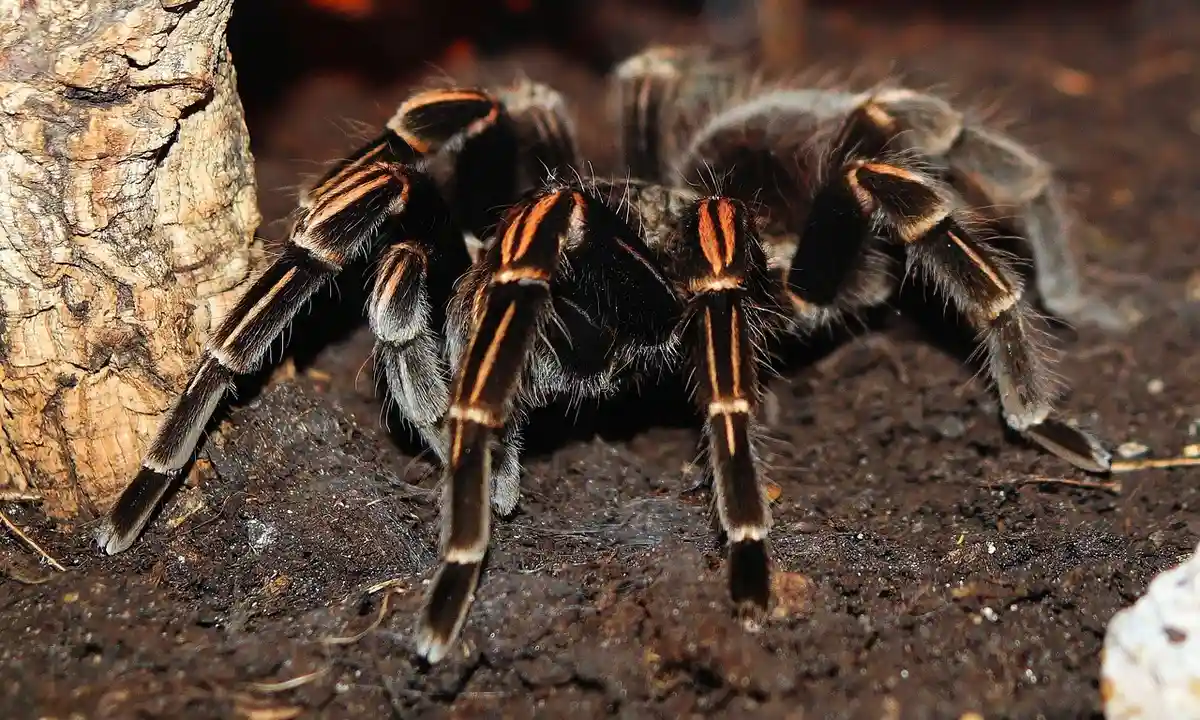
Choosing the right plants is only half the recipe. The real magic happens when you build the living foundation beneath them. Your substrate must serve two masters: anchoring plant roots and maintaining the correct moisture gradient for your specific tarantula. I construct layers for function. That means creating a proper substrate moisture gradient for your tarantula—drier on top, more humid below. A well-tuned gradient gives them space to dig and regulate humidity.
The Substrate Recipe
I start with a drainage base of clay balls or small lava rock. This prevents water from pooling at the bottom, a critical step for moisture-sensitive species like my Grammostola rosea, Rosie. Soggy substrate can be fatal.
The main layer is a mix I’ve refined over years. For my humid-loving Theraphosa stirmi, Goliath, I use:
- Coconut coir: Retains humidity without compaction.
- Orchid bark: Creates air pockets for plant roots and microfauna.
- Sphagnum moss (chopped): A superb moisture regulator I press around plant bases.
- Sterilized topsoil: Adds body and nutrients.
For my arid enclosures, like Rosie’s, I drastically reduce moss and increase sand and soil for a looser, drier blend. Your substrate mix is your most powerful tool for managing microenvironmental humidity, more so than misting.
Introducing the Cleanup Crew
A bioactive setup is not complete without its janitorial staff. Microfauna are essential partners.
- Springtails (Collembola): My number one choice. These tiny white arthropods consume mold, fungus, and waste, preventing outbreaks. I culture my own and seed every new enclosure.
- Tropical White Dwarf Isopods: Excellent for humid setups. They process larger detritus like leftover boluses and decaying leaves. I avoid larger isopod species that might disturb a molting tarantula.
You add these crews before introducing your tarantula. Let the plants root and the microfauna establish for a few weeks. This creates a stable, living system. From experience, a well-balanced bioactive enclosure almost cleans itself, requiring only spot-maintenance. Still, be on the lookout for signs that it needs cleaning—like a sour odor, visible mold, or crusty buildup on the substrate or decor. If you notice these, a targeted cleanup or substrate refresh is warranted.
Ongoing Care: Keeping Your Plants and Tarantula Thriving
The goal is a harmonious, low-intervention environment. Your care routine shifts from just tarantula maintenance to holistic enclosure stewardship.
Watering Wisely
You must water the plants without drowning your tarantula’s world. I use a long-spouted watering can to target only the plant roots. For succulents in arid setups, I water deeply but infrequently, directly at the base, allowing the substrate to dry completely. For tropical plants, I keep the surrounding substrate lightly moist, never wet. Always water the enclosure sides or plant bases, never pour water over the tarantula’s preferred hide or webbing, as it can lead to excess moisture problems. My OBT, Flash, would instantly abandon a heavily webbed area if it were drenched.
Pruning and Maintenance
Plants will grow. You must trim them back before they touch the enclosure lid or completely block ventilation. Use clean, sharp scissors. Remove dead leaves promptly-they are a buffet for your cleanup crew but can mold if excessive. Observe your tarantula’s paths. If a plant is obstructing its normal routes to hide or water, trim it. Remember, the enclosure is the tarantula’s territory first.
Balancing Act: Feeding and Molts
Feeding time requires extra attention. I use soft-tipped feeding tongs to place feeder insects directly in front of the tarantula, away from dense plant cover where prey can hide and later bother the spider. During premolt, when your tarantula is most vulnerable, minimize all disturbances. No watering, no pruning. The profound silence of an enclosure during a tarantula’s molt is a practice in patient observation; any interference can be catastrophic.
After a molt, carefully remove the discarded exoskeleton with tongs if it’s easily accessible. If it’s deep in a plant or burrow, leave it-your microfauna will recycle it. This is their job.
Long-Term Observation
Your daily check-ins become richer. You’re not just looking at a spider, but an ecosystem. Watch where your tarantula chooses to sit. Does it avoid the pothos? Bask near the air plant? This feedback tells you if your design works. I’ve redesigned enclosures because a tarantula consistently avoided an area with a particular plant. Their comfort is the ultimate metric of success. This mindful, watchful approach is the core of modern, respectful arachnoculture.
FAQs
What are the key characteristics of a tarantula-safe plant?
A tarantula-safe plant must be non-toxic upon contact or accidental ingestion, as tarantulas may explore foliage. It should lack sharp edges, thorns, or spines that could puncture your spider’s exoskeleton. The plant needs to tolerate the enclosure’s specific humidity and light levels without requiring harmful chemicals. Additionally, avoid species with irritating sap or strong scents that could cause stress and lead to health problems in tarantulas.
Can I use artificial plants instead of live ones in a bioactive setup?
Artificial plants do not contribute to the ecosystem functions of a bioactive enclosure, such as humidity regulation or waste breakdown. They can serve as temporary decor but may harbor debris and lack the benefits of live roots for soil stability. If used, ensure they are made from non-toxic, soft materials without detachable parts. For a truly self-sustaining habitat, live plants are recommended to support microfauna and natural processes.
How often should I replace or prune plants in my tarantula’s enclosure?
Prune plants when they overgrow to maintain ventilation and prevent obstruction of your tarantula’s paths. Replace plants only if they die, show disease, or become infested with pests beyond what clean-up crews can manage. With proper care, many resilient species like Pothos or Snake Plants can thrive long-term. Regular monitoring helps you intervene minimally, preserving the enclosure’s balance.
What types of plants should I always avoid in a tarantula enclosure?
Avoid plants known to be toxic to pets, such as lilies, ivy, or euphorbias with irritating sap. Steer clear of species with sharp structures like cacti or brittle leaves that could shatter and cause injury. Also, exclude plants typically treated with pesticides or fertilizers, as residues can harm your tarantula. When selecting flora, prioritize well-documented, safe options from trusted arachnoculture resources. These safety considerations are part of a realistic risk assessment for keeping tarantulas as pets. While tarantulas are generally low-risk, a careful approach to their enclosure and surrounding hazards helps prevent injuries to both the animal and people.
Long-Term Success
After the last plant is settled and the enclosure matures, your focus shifts from creation to guardianship. The single most important rule for a bioactive tarantula enclosure is that the plant watering schedule must never compromise the specific humidity needs of your spider. Whether your tarantula is terrestrial or arboreal, the essential features differ. Terrestrial species favor a broad, stable substrate and consistent ground humidity, while arboreals prize vertical space and secure climbing structures. My Goliath’s lush, damp jungle would spell disaster for my arid-adapted Rosie. Your vigilance in maintaining this species-specific parameter is what keeps the entire micro-system—from isopod to tarantula—in harmony.
This is where the hobby transforms from husbandry to artistry. Observe the way your tarantula interacts with the living landscape. Notice how my Flash’s webbing anchors itself to sturdy snake plant leaves, or how a burrowing species might reshape the substrate around a pothos root. The greatest satisfaction comes from witnessing these unscripted, natural behaviors in a habitat you cultivated. Growth takes time, for both the plants and your own understanding. Embrace the quiet observation; it is the foundation of respectful care.
Further Reading & Sources
- Why Your Tarantula Enclosure Should Have Fake Plants Instead Of Live Ones
- do’s and don’ts for live plants in tarantula enclosure? | Arachnoboards
- Plants for tarantulas | Dendroboard
Arlo is a lifelong arachnid enthusiast who believes tarantulas are the world’s most misunderstood roommates. With years of hands-on experience in tarantula care, habitat setup, and species behavior, Arlo combines expert knowledge with a dash of humor to make spider ownership less scary and a lot more fascinating. From choosing the right enclosure to understanding why your eight-legged buddy is doing that weird little pose again, Arlo is here to help you become the best tarantula parent you can be, without getting tangled in the web of misinformation.
Substrates and Decor