
Common Tarantula Health Problems and How to Prevent Them
Tarantulas project an image of stoic endurance, but their health is a silent negotiation with their environment, easily disrupted by well-meaning errors. In my years of breeding, I’ve seen the sudden stillness of a dehydrated spider and the agonizing pause of a bad molt. This guide translates those observations into actionable care, focusing on the preventable issues that most often claim these fascinating animals. Success lies not in emergency intervention, but in the daily discipline of perfecting their micro-world.
Quick Stats:
- Primary Health Risks: Dehydration, molting dysfunction (dysecdysis), parasitic mites, and injuries from falls.
- Root Causes: Incorrect humidity gradients, unsuitable substrate, excessive stress, and poor enclosure design.
- Prevention Foundation: Species-specific humidity, deep moisture-retentive substrate, and a “look, don’t touch” philosophy.
This guide will give you the tools to spot the faintest signs of trouble and adjust your husbandry, ensuring your tarantula navigates every life stage with resilience.
Building a Healthy Foundation: Environment and Observation
The most powerful health intervention happens long before a problem appears. Your tarantula’s environment is its entire world. Getting this right is not just about comfort; it’s preventative medicine.
Mastering the Microclimate
Think of the enclosure as a sealed biome. Temperature and humidity work together. A common misstep is focusing on one while neglecting the other. I keep my room between 72-78°F (22-26°C) for all my tarantulas, from arid Grammostola rosea to humid Theraphosa stirmi. Are there ideal temperature and humidity ranges for tarantula enclosures? They vary by species, but a stable baseline helps: roughly 70–80°F (21–27°C) with humidity adjusted to match the spider’s natural habitat.
Stable warmth supports metabolism and prepares them for successful molts, while dramatic swings can trigger stress and failed sheds. For moisture-dependent species like my Goliath, I target 75-80% humidity at the substrate level, not in the air. This mimics the damp earth of a burrow. For my Chilean Rose, Rosie, I merely overflow the water dish into the substrate every few weeks.
Ventilation is the silent partner in this balance. My OBT, Flash, webs so densely she can create stagnant pockets. Cross-ventilation via side and top vents prevents mold and allows for fresh air exchange without creating a drying wind tunnel.
Daily Monitoring Checklist
This 30-second scan is your first line of defense. Do it during feeding or quiet moments.
- Water Dish: Full and clean? This is non-negotiable.
- Substrate Surface: Appropriate moisture level? No visible mold or mites?
- Tarantula’s Posture: Is it holding its body normally? A hunched or cramped stance can indicate discomfort.
- Enclosure Integrity: Any gaps in lids or cracked seals? An escape attempt often stems from environmental stress.
- Food Remains: Remove leftover prey items within 24 hours to prevent decay and stress.
Preventing Hydration and Humidity Crises
These issues are subtle killers, often mistaken for simple lethargy. A dehydrated tarantula will have a shriveled abdomen and may sit permanently over its water dish. To tell if your tarantula is dehydrated, look for a sunken abdomen and dull behavior. Monitor the enclosure’s humidity and ensure a fresh water source is always available. Chronic low humidity is a primary cause of fatal molt complications, where the old exoskeleton simply won’t peel away.
Recognizing and Fixing Dehydration
If you notice a wrinkled abdomen or listlessness, act immediately. Do not force drink or mist directly on the animal. Instead, gently flood one corner of the enclosure with lukewarm water, creating a deep, penetrative wet patch in the substrate. Place the water dish directly on this patch. The tarantula will often move to drink or absorb moisture through its book lungs from the damp earth. I’ve used this method successfully with a neglected rehome, and within hours, the animal plumped up and regained vigor. This technique can be particularly helpful when humidity levels are off in the enclosure.
Achieving Stable Humidity Without Spikes
Forget daily misting. It causes dangerous peaks and valleys. Here is my reliable method:
- Use a deep, moisture-retentive substrate like coconut fiber or topsoil.
- During setup, pour water directly into the substrate and mix until it holds a ball without dripping.
- Maintain humidity by regularly overflowing the water dish into one designated corner.
- Use a digital hygrometer probe placed at substrate level, near the hide, for accurate readings.
This “bowl-and-overflow” technique creates a moisture gradient, allowing your tarantula to self-regulate by moving between drier and damper zones. For my moisture-loving Goliath, I ensure the lower layers of its deep substrate are always damp, which provides stable humidity without a soggy surface. Your goal is consistent, ground-level moisture, not a foggy, misted glass. Choose a loose, moisture-retentive but well-draining substrate (like coco coir with bark or leaf litter). Regular maintenance—minimal top-ups and periodic substrate refresh—keeps the enclosure stable.
Navigating Molting Hazards for a Clean Shed
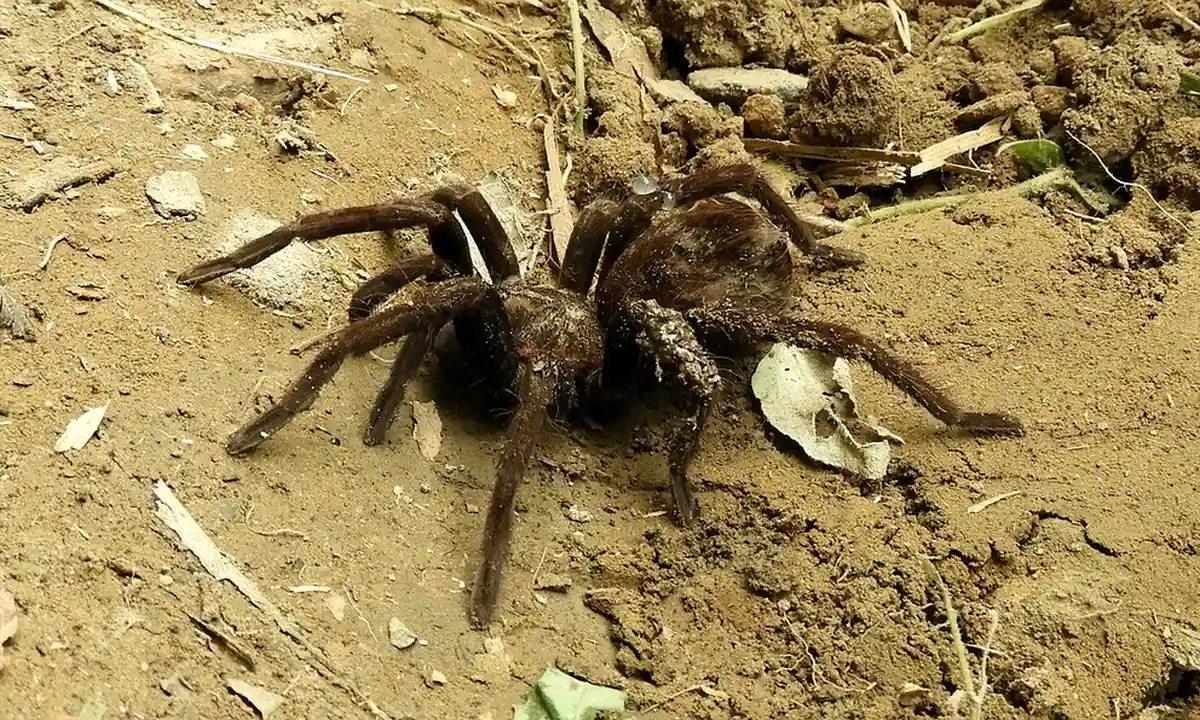
Witnessing a molt is a silent privilege. The tarantula lies motionless, its old carapace splitting as it gently wrestles free. I recall my old Grammostola rosea, Rosie, entering this state-her long fasting periods always a precursor. This process, called ecdysis, is when your tarantula is most fragile and requires flawless husbandry.
Optimizing Conditions for a Successful Molt
Your goal is to replicate security. Stress from handling or enclosure disturbance is the greatest threat. I enforce a strict “Look, Don’t Touch” rule the moment I see premolt signs like a darkening abdomen or refusal of food.
Humidity is the critical lever. Too dry, and the old exoskeleton sticks like glue. Too wet, and you risk mold. For most species, I maintain a humidity gradient.
- For moisture-dependent species like my Theraphosa stirmi, Goliath, I keep the substrate damp enough to clump, about 75-85% humidity.
- For arid species like Rosie, I provide a modest water dish and slightly moisten one corner of the enclosure, aiming for 50-60%.
- Always use a digital hygrometer; guesswork fails here.
Temperature stability matters more than a high number. A sudden drop can halt the molt. Keep your room between 70-80°F. I use a space heater for the tarantula room, not heat mats that create dangerous hotspots.
Substrate choice supports the effort. Provide a level, firm area. My Orange Babbling Tarantula, Flash, uses his extensive web mat as a molting hammock. For burrowers, ensure the substrate is deep and won’t collapse.
Emergency Response to Stuck or Retained Molt
A tarantula trapped in its old skin is a heart-stopping sight. Legs or the opisthosoma (abdomen) may remain encased. Immediate action is needed, but never with your bare hands-the new skin is impossibly soft and prone to rupture.
First, increase humidity drastically. For a terrestrial tarantula, I gently mist the enclosure walls and the air above it, avoiding direct spray on the animal. For a burrowing species, I add warm water to the substrate corners. Also, create a proper substrate moisture gradient so the tarantula can choose its preferred microhabitat. This helps prevent mold and lets the tarantula regulate its moisture needs more naturally.
If the tarantula is still stuck after 24 hours, a delicate intervention may be required. I prepare an ICU: a small, clean container with a damp paper towel floor and ventilation holes. The warm, saturated air often helps the animal complete the shed on its own. I’ve only moved a tarantula twice in my life for this reason, using a soft paintbrush to coax it onto a cup. It’s important to know what to do after your tarantula sheds.
Never pull at the old exoskeleton. If a limb is retained, the tarantula may self-amputate it. A future molt will often regenerate a smaller version. The priority is saving the life, not every leg.
Controlling Infections and Parasitic Infestations
A clean enclosure is your first defense. Bioactive setups, with springtails and isopods, help but are not a substitute for observation. Most health issues stem from constant dampness, poor ventilation, or introduced contaminants like feeder insects from unreliable sources.
Eradicating Mites and Preventing Recurrence
Not all mites are bad. Soil mites are benign. Parasitic mites are rare but appear as tiny, moving dots on the tarantula’s body, often near the book lungs or mouth. I once spotted them on a rescued cage mate.
An infestation signals an imbalance. Mites thrive on waste and leftover food. To clear them:
- Immediately remove the tarantula to a temporary, sterile enclosure.
- Discard all substrate and decor from the infected tank.
- Scrub the empty enclosure with a 10% bleach solution, then rinse thoroughly and air-dry for days.
- Rehouse with completely new, baked substrate to kill any eggs.
Prevention is straightforward. Spot-clean prey remnants and boluses (inedible food parts) within 24 hours. Quarantine new tarantulas and any store-bought cork or plants for a month before introducing them to your collection.
Stopping Fungal and Bacterial Infections
These infections manifest as unusual, often discolored lesions on the abdomen or joints. A nasty, sweet smell can sometimes emanate from the enclosure. Fungal issues almost always start with substrate that is permanently wet and lacks airflow.
My moisture-loving Goliath taught me this balance. His enclosure has a deep, damp substrate base, but the top layer is drier, and cross-ventilation holes keep air moving. This prevents the stagnant, swampy conditions where pathogens grow.
If you suspect an infection, isolate the tarantula. Adjust the environment to be drier and better ventilated. There are no safe, over-the-counter medications for arachnids. The tarantula’s immune system is its best hope, supported by pristine conditions. In severe cases, a veterinarian specializing in invertebrates may advise topical antiseptics like diluted Betadine.
Always use dechlorinated water in dishes and for misting. Chlorine and heavy metals can compromise your tarantula’s health over time, making it susceptible to secondary infections. I keep a jug of treated water specifically for my arachnids.
Avoiding Physical Injury and Chronic Stress
Long-term tarantula health hinges on preventing physical accidents and minimizing psychological pressure. Chronic stress silently compromises immune function, leaving your spider open to pathogens and difficult molts. My Burgundy Goliath Bird Eater, Goliath, demonstrates this clearly; when his humidity dips below 80%, his frequent hair-kicking reveals a stressed state I work to avoid. Common signs your tarantula is stressed or becoming aggressive include leg-raising, sudden lunges, and increased hair-kicking. Recognizing these cues early helps you adjust care and prevent incidents.
The Dangers of Falls and Overhandling
A tarantula’s exoskeleton is robust, but its abdomen is a hydraulic sac with no internal skeleton. A fall from even a modest height can cause a fatal rupture, making enclosure geometry a primary safety concern. I learned this early when rehousing a juvenile and witnessing a thankfully short, but heart-stopping, drop onto soft substrate.
Handling induces acute stress and magnifies fall risk. I advocate for a strict “Look, Don’t Touch” philosophy because tarantulas are wild animals that interpret handling as a predator attack. My OBT, Flash, would interpret any hand in his space as a threat, resulting in a lightning-fast defensive strike or a dangerous sprint for freedom.
Conducting an Enclosure Safety Review
Perform this safety audit every time you clean or rehouse your tarantula. Your goal is to create a secure, enriching space that meets biological needs without physical hazards. Start by assessing the vertical space for terrestrial species like my G. rosea, Rosie.
- Fall Distance: For terrestrial tarantulas, the distance from the substrate surface to the enclosure lid should not exceed 1.5 times the spider’s diagonal leg span.
- Substrate Depth: Provide a minimum of 4-6 inches of packed, moisturable substrate (like coconut fiber or topsoil mix) for burrowing species. This cushions falls and supports natural digging.
- Furniture Security: All hides, cork bark, and artificial plants must be solidly anchored. A collapsing hide can trap or injure your pet.
- Ventilation Hazards: Ensure mesh lid holes are smaller than your tarantula’s carapace to prevent leg entrapment, a common source of severe injury.
After a scare where Rosie climbed and slipped, I now measure substrate depth religiously. Bioactive setups can improve stability, but you must manage plant roots to prevent undermining burrow walls.
Solving Feeding Problems and Digestive Issues
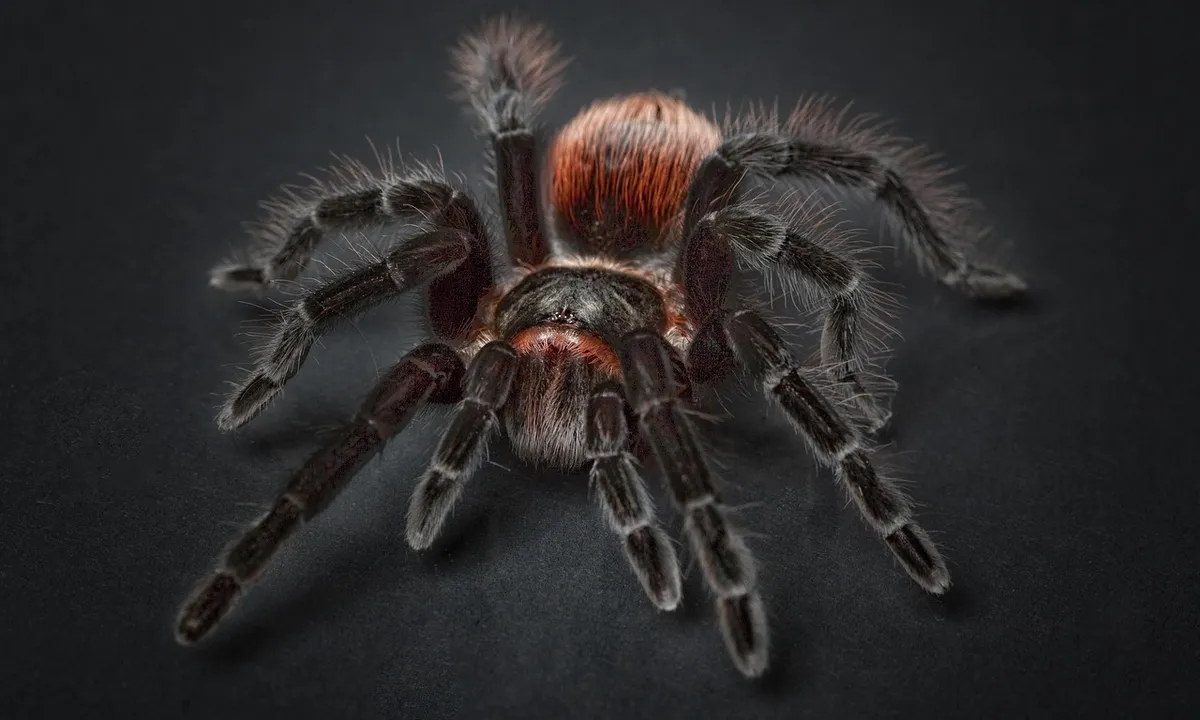
Feeding difficulties range from natural fasting to serious health warnings. Distinguishing between a species-typical hunger strike and a symptom of illness is a critical keeper skill. My 15-year-old G. rosea, Rosie, regularly fasts for 6-9 months, a normal behavior I’ve documented for years.
Identifying Overfeeding and Obesity
An obese tarantula has an abdomen that is disproportionately large, round, and often glossy. This excess weight puts dangerous pressure on the abdominal cuticle, making a fatal rupture during ecdysis a real possibility. I adjust feeding based on abdomen size, not a rigid calendar.
Recognize these indicators of overfeeding:
- The abdomen becomes so enlarged it touches the substrate during rest, impairing movement.
- The skin appears stretched thin, sometimes showing a dark digestive mass too clearly.
- The tarantula consistently refuses offered prey despite a plump abdomen.
If you see these signs, cease feeding immediately until the abdomen reduces. A healthy pre-molt fast involves a darkening abdomen, while obesity presents a large, often lighter-colored one.
Ensuring Safe Prey and Proper Schedules
Prey selection and timing directly impact digestive health. Always offer feeder insects that are gut-loaded with nutritious food and are no larger than your tarantula’s carapace. I avoid superworms for most species due to their powerful mandibles, which can injure a molting spider. When it comes to the superworms vs mealworms question, mealworms are generally a safer, softer option for most tarantulas. Superworms can be used for larger or more experienced keepers, but their strong mandibles and harder bodies increase the risk during molts.
Implement this general feeding framework, tailoring it to individual appetite:
- Spiderlings (Slings): Offer pinhead crickets or flightless fruit flies every 4-5 days to support rapid growth.
- Juveniles: Provide appropriately sized crickets or roach nymphs once a week.
- Adults: Feed larger prey items, like adult crickets or dubia roaches, every 10-14 days to maintain condition.
Remove any uneaten live prey within 24 hours. An agitated cricket can nibble on a vulnerable tarantula, especially during a molt. For hydration-critical species like T. stirmi, I always keep a full water dish, as proper moisture aids in breaking down prey.
From Home Care to Seeking Professional Help
Most tarantula health management happens at home through perfecting their habitat. Your primary role is that of a habitat curator, not a daily medic, and this preventative focus is the cornerstone of ethical arachnoculture. Yet, some situations transcend even the most meticulous enclosure setup and demand an expert eye. With advanced, rare tarantula species, care must include species-specific needs beyond enclosure design. When in doubt, consult an experienced arachnoculturist to guide ethical handling and care.
When to Contact an Exotic Veterinarian
Tarantulas are not like dogs or cats; their physiological signs are subtle. Knowing when to intervene is a skill developed through observation. I base my decisions on a simple rule: Is the problem external, mechanical, or systemic? Most external or mechanical injuries can be managed alone, but systemic failure requires a professional.
- Traumatic Abdominal Injury: A ruptured abdomen, often appearing as a dark, leaking, or dented spot, is a dire emergency. A small nick from a fall can sometimes be sealed with cornstarch, but a major rupture is often fatal. A vet can provide supportive care and proper sealing agents.
- Prolapse: This is when internal tissue, often from the book lungs or cloaca, protrudes and fails to retract. It appears as a strange, shiny, or fleshy blob. Time is critical; a dried prolapse is a death sentence, and a veterinarian has the tools and fluids to attempt rehydration and replacement.
- Severe, Unresolving Fungal Infection: A small patch of fungus on the substrate is normal. A fuzzy, colorful growth consuming your tarantula’s body or joints is not. This indicates a profoundly weakened immune system and a filthy environment. Vets can prescribe antifungal agents.
- Parasitic Mite Infestation: Not all mites are bad. But parasitic mites swarm the tarantula’s body, especially the mouth and joints. A severe infestation drains the animal. A vet can safely administer miticides that would be dangerous for you to apply at home.
- Deep Stuck Molt Requiring Assistance: If a tarantula is partially trapped in its old exoskeleton for over 24 hours, and gentle humidity boosts fail, the molt has hardened. Attempting a physical assist yourself is a last-resort, high-risk maneuver that often causes more harm; a vet can sedate the animal for safe removal.
Contrast this with issues you can manage alone. Refusing food for months, like my G. rosea Rosie, is normal. A lost limb will regenerate. A small, dry cuticle injury can be sealed. The line is drawn at internal failure or uncontrollable infection.
Preparing for a Successful Vet Visit
The vet visit itself is a massive stressor. Your preparation directly impacts the chance of a good outcome. I learned this the hard way rushing a tarantula in a deli cup with no information.
- Transport Securely: Use a small, ventilated plastic container with a secure lid. Line it with a modest amount of damp paper towel-not substrate-to prevent slipping and provide humidity. Make it escape-proof. I double-bag escape-prone species like my OBT, Flash, in breathable mesh bags before placing them in the container.
- Bring the Entire Enclosure: This is non-negotiable. The vet is a detective, and the crime scene is the enclosure. Bring it all. The setup reveals humidity, potential mold sources, hiding spots, and any hazards that caused the injury.
- Document Everything: Bring a note with the species (scientific name), last successful molt date, last meal, when symptoms appeared, and what you’ve tried. A clear, close-up photo of the problem area from before you left home is invaluable.
- Manage Your Expectations: Exotic vet medicine for invertebrates is a frontier. Diagnostics are limited. Treatment often involves supportive care (fluids, assisted feeding) and addressing the root cause, usually in the enclosure. Understand the options and potential outcomes beforehand.
- Ask the Right Questions: Don’t just ask for a cure. Ask: “What is the most likely cause?” “What immediate supportive care can you provide?” “What specific changes should I make to the habitat?” “What is the prognosis with and without treatment?”
The goal is to give the veterinarian every possible piece of the puzzle. Your calm, detailed preparation transforms a panicked emergency into a structured clinical consultation, offering your eight-legged friend the best possible chance.
Frequently Asked Questions
What are signs of abdominal distension or swelling in tarantulas?
A healthy, well-fed tarantula will have a plump, rounded abdomen. Abnormal distension appears as an abdomen that is severely enlarged, stretched taut, and often glossy. This swelling can indicate overfeeding, a digestive impaction, or a more serious internal issue like a fluid-filled cyst. If the abdomen is so large it hinders movement or touches the ground, it requires immediate attention and a feeding halt.
What are signs of respiratory problems in tarantulas?
Tarantulas breathe through book lungs on the underside of their abdomen. Visible signs of respiratory distress are very subtle and rare. You may notice the tarantula holding its body unusually low to the substrate or spending excessive time near ventilation holes. More commonly, chronic respiratory stress from poor air flow manifests as general lethargy and weakness, making optimal cross-ventilation in the enclosure crucial for prevention.
How can improper housing or substrate cause health problems?
An enclosure that is too tall for a terrestrial species creates a high fall risk, which can cause a fatal abdominal rupture. Incorrect substrate, such as overly dry sand for moisture-dependent species, leads to chronic dehydration and catastrophic molting failures. Furthermore, a lack of proper hides or secure anchoring for decor induces chronic stress, which suppresses the immune system and makes the tarantula susceptible to other illnesses.
How long can tarantulas recover from illness or injury?
Recovery time depends entirely on the issue’s severity and the tarantula’s next successful molt. A lost limb, for instance, will begin to regenerate as a smaller “bud” limb immediately after the injury, but will only become functional and near-full size after one or two subsequent molts. Recovery from systemic issues like severe dehydration can show improvement within hours once corrected, while rebuilding strength may take weeks of pristine husbandry.
What are common signs of parasites or infections?
Beyond visible mites, signs can include discolored, dark, or necrotic-looking spots on the abdomen or joints, which may indicate a fungal or bacterial infection. A foul, sweet, or unusual odor emanating from the enclosure or the tarantula itself is a serious red flag. Lethargy, refusal to eat over a long period (when not in premolt), and a general “unwell” appearance often accompany these internal health battles.
The Final Molt
After fifteen years with my G. rosea Rosie, I have learned that nearly every health scare traces back to one principle. The single most vital parameter for any tarantula’s long-term health is a consistently clean, stable, and appropriately humid environment, free from chemical contaminants and decaying prey. Preventative care is always simpler than emergency intervention.
The ultimate reward comes from quiet observation. Watch your spider landscape its world, engineer intricate tunnels, or patiently await a meal. This silent industry is the true heartbeat of the hobby. Patience is not just a virtue here; it is the fundamental tool. You provide the stage, and your tarantula performs the fascinating, lifelong act of simply being itself.
Further Reading & Sources
- Tarantula Spider Toxicity – StatPearls – NCBI Bookshelf
- Expert Tarantula Care Today – Digital Trends
- giantspiders.com – Common Ailments
Arlo is a lifelong arachnid enthusiast who believes tarantulas are the world’s most misunderstood roommates. With years of hands-on experience in tarantula care, habitat setup, and species behavior, Arlo combines expert knowledge with a dash of humor to make spider ownership less scary and a lot more fascinating. From choosing the right enclosure to understanding why your eight-legged buddy is doing that weird little pose again, Arlo is here to help you become the best tarantula parent you can be, without getting tangled in the web of misinformation.
Common Diseases