
Are There Native Tarantulas in Florida? Separating Fact from Rumor
Published on: March 10, 2026 | Last Updated: March 10, 2026
Written By: Arlo
The idea of wild tarantulas in Florida often sparks rumors of dangerous invasives, but the reality is a quiet testament to native biodiversity. As an arachnoculturist with years in the hobby, I’ve heard countless tales of “escapees” taking over yards, yet the truth is far more nuanced. This article cuts through the confusion to reveal the species that truly belong in the Sunshine State. Yes, Florida has native tarantulas, primarily represented by species like the Southern tarantula (Aphonopelma hentzi), which have inhabited these landscapes long before the pet trade began.
Quick Stats:
- Origin: Southeastern United States, including Florida’s scrub and pine flatwoods.
- Type: New World (possessing urticating hairs, not medically significant venom).
- Growth Rate: Slow; a female can take nearly a decade to reach maturity and may live over 20 years.
This guide will provide the precise information you need to identify these native arachnids, debunk common myths, and appreciate their role in Florida’s ecology.
The Simple Answer: Florida’s Sole Native Tarantula
Florida is home to a single native tarantula species: the Florida brown tarantula, Aphonopelma seemanni. This secretive arachnid is a true theraphosid, but it leads a largely hidden existence.
Encountering this tarantula in the wild is a rare privilege, as they inhabit specific upland scrub and are expert burrowers, avoiding human contact. They are among the world’s rarest tarantula species, found only in isolated pockets of upland scrub and burrow-rich habitats. Their distribution is highly restricted, with confirmed sightings at only a handful of locations that protect their burrowing niche. Their conservation status is stable but obscure, making them a minor part of the local fauna.
- Scientific Name: Aphonopelma seemanni
- Family: Theraphosidae
- Wild Rarity: Seldom observed; populations are localized and not widespread.
Myth vs. Reality: Debunking Common Florida Tarantula Folklore
After fifteen years with tarantulas like my docile Rosie and defensive Flash, I’ve learned that folklore often outweighs fact. Florida’s spider sightings frequently generate tall tales that need correction. That’s the kind of myth I debunk in tarantula myths debunked by expert keepers. I’ll share real facts from years of hands-on care.
Accurate public outreach is vital, turning fear into fascination through clear, evidence-based information. Let’s dismantle the most persistent rumors.
| Myth | Fact |
|---|---|
| “Giant invasive tarantulas” are colonizing Florida. | The only established native is modestly sized. Non-natives rarely survive long-term; there are no documented breeding colonies of giant species like the Goliath. |
| Every large, hairy spider is a tarantula. | Wolf spiders are common culprits. They lack the tarantula’s robust build and urticating hairs, and have a distinct eye pattern visible up close. |
| Tarantulas here are dangerously venomous. | The native A. seemanni possesses venom for subduing prey, but it is not medically significant to humans. A bite would be akin to a bee sting. |
| They are aggressive and will chase people. | Tarantulas are escape artists, not attackers. Their primary defenses are hiding and, for some species, kicking irritating hairs. My T. stirmi Goliath kicks hairs readily but always retreats first. |
I frequently see misidentifications in online community groups. One memorable post showed a “monster tarantula” under a porch light, which was clearly a large fishing spider based on its leg stance and habitat. This confusion is why I stress learning identification keys.
Respectful care means admiring from a distance, a “Look, Don’t Touch” philosophy that ensures both your safety and the spider’s well-being. Observing the quiet patience of a tarantula in its enclosure is far more rewarding than any risky handling.
Identifying the True Native: The Florida Brown Tarantula
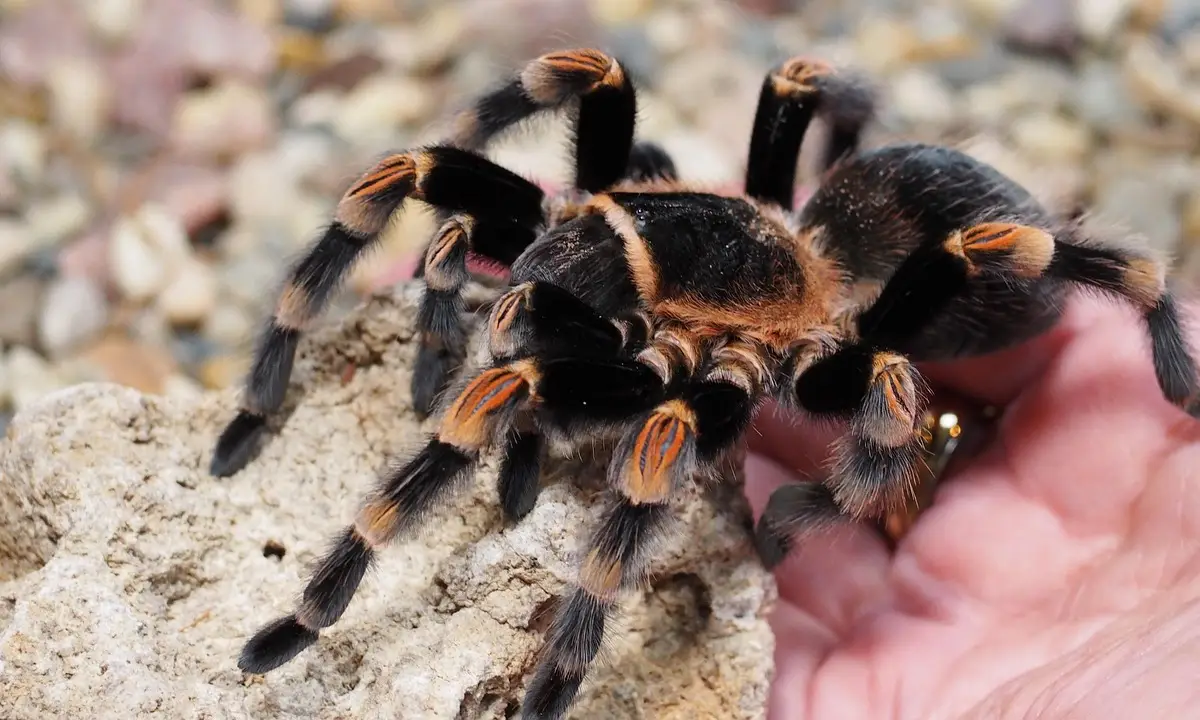
Meet the Florida Brown Tarantula, Aphonopelma hentzi, a creature of subtle beauty often mistaken for a common pet. This native spider possesses a quiet elegance, with a leg span typically reaching 3 to 4 inches-smaller than many imported species. Its overall color is a uniform, dusty brown, like sun-baked soil, lacking the vibrant pinks or stark contrasts of pet trade staples.
Guidance: Detail physical appearance (size, color). Differentiate it from common pet species like the Chilean rose hair. Include steps for proper identification: 1. Examine size and leg span. 2. Note coloration and hair patterns. 3. Compare to non-native lookalikes.
To confidently identify this native, follow these steps. Proper identification respects the animal and prevents the spread of incorrect rumors.
- Examine size and leg span. A mature Florida Brown is modest, rarely exceeding a 4-inch diagonal leg span.
- Note coloration and hair patterns. Look for a consistent, matte brown hue across the carapace and abdomen, with fine, beige hairs that lack distinct bands or stripes.
- Compare to non-native lookalikes. Unlike the Chilean rose hair (Grammostola rosea), which has a distinctive dusty pink carapace, the Florida Brown is uniformly earthy.
My own Chilean rose hair, Rosie, showcases this difference perfectly; her pinkish tone would stand out starkly against the Florida native’s muted palette.
Visual Identification Clues
Look closer for these morphological details. The carapace has a low, almost velvety sheen, while the abdomen is covered in short, dense setae that feel like fine suede to the touch.
- Carapace: Smooth, dark brown shield without metallic highlights.
- Abdomen: Uniform color, often with a faint, lighter dorsal patch that is not a clear pattern.
- Legs: Solid brown, lacking the pronounced rings or vibrant colors of species like the Orange Babbler Tarantula.
This spider is a master of camouflage, its earthy tones melting into the pine scrub and sand.
Ecology and Habitat: Where Florida’s Tarantula Lives
This tarantula is a ghost in the Florida landscape, its life tied to specific, undisturbed grounds. It thrives in well-drained, sandy soils of central Florida’s scrub and flatwoods, where it excavates deep, vertical burrows. The climate offers moderate humidity, around 60-70%, and temperatures from 70°F to 85°F, which it avoids by staying underground during peak heat. Such adaptability also prompts the question of how tarantulas cope with desert environments. They survive arid conditions by burrowing to escape the heat and by remaining mostly nocturnal, minimizing water loss.
Guidance: Describe its natural habitat (sandy soils, burrows). Discuss climate needs (humidity, temperature). Include a simplified distribution map note for central Florida regions. Explain its role in the local ecology and why it’s seldom seen.
You will find this species primarily in a band across central Florida, from the Gulf to the Atlantic coasts. Its role as a nocturnal predator of insects and small arthropods makes it a vital, if unseen, part of the ecosystem. It is seldom seen because it is secretive, spending most of its life in its burrow, emerging only at night to hunt near the entrance.
Creating a Similar Habitat in Captivity
If you are caring for one, replicating its natural biome reduces stress. A bioactive setup mimics the wild and provides mental enrichment for the spider. Based on keeping my moisture-loving Theraphosa stirmi, Goliath, I know that species-specific setups are key.
- Substrate Depth: Provide at least 8 inches of a sandy soil mix (like 70% peat moss, 30% play sand) for burrowing.
- Moisture Levels: Maintain a slight gradient. Keep the lower layers damp to 70% humidity, but let the surface dry out to prevent mold.
- Hiding Places: Offer a cork bark starter burrow or a half-buried clay pot to encourage natural digging behavior.
This approach honors the tarantula’s innate need for security and microclimate control.
Safety and Biology: Understanding Bite and Venom
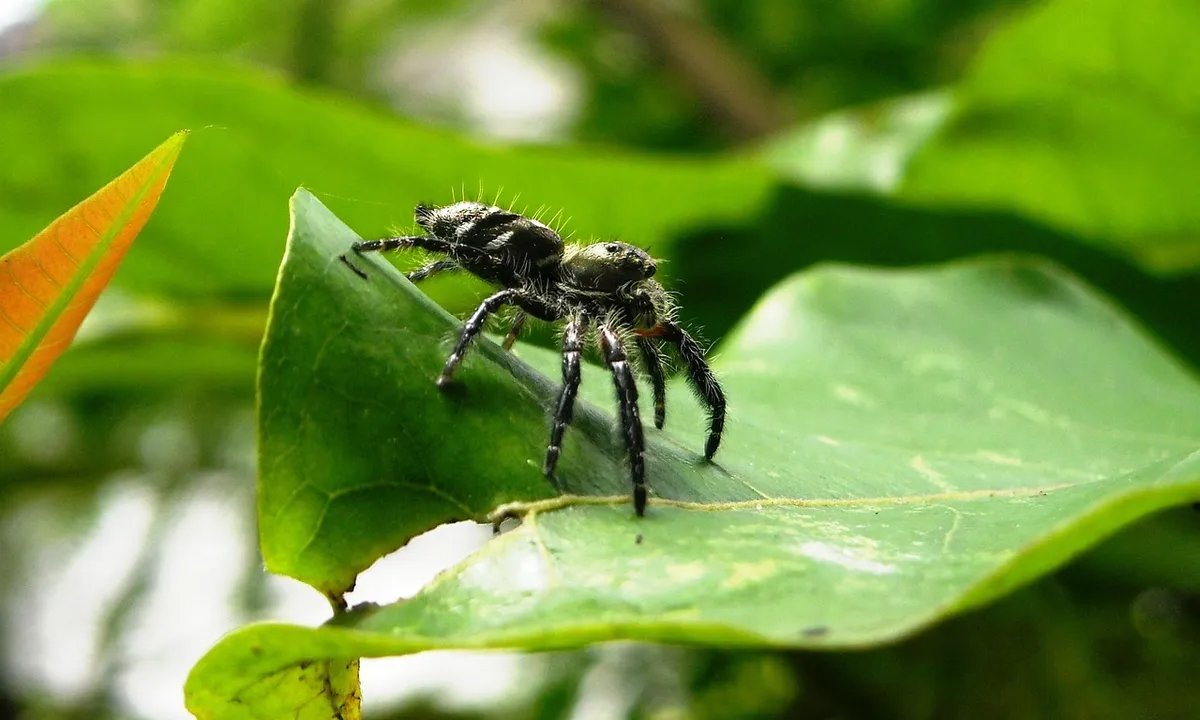
The Florida Brown Tarantula is a placid resident, but understanding its defenses is part of respectful care. Its venom is mild, medically insignificant to humans, often compared to a bee sting in potency. Like most New World tarantulas, its primary defense is flicking urticating hairs from its abdomen, which can cause skin and eye irritation. These defense mechanisms are typical among tarantulas.
Guidance: Explain the potency of its venom (mild, comparable to a bee sting). Describe defensive behaviors like urticating hair flicking. Emphasize the “Look, Don’t Touch” approach. Compare to more potent pet species like the OBT.
This spider would rather retreat than confront. I always advocate for a “Look, Don’t Touch” philosophy to minimize stress for the animal and risk for the keeper. Compared to my Old World tarantula, Flash the OBT (Pterinochilus murinus), whose venom is more potent and demeanor is defensively fast, the Florida native is a model of calm. Flash’s sudden strike and intense webbing are behaviors you will not see from this native species.
Responding to a Rare Bite Incident
A bite is extremely unlikely with cautious care. If a bite occurs, stay calm; serious reactions are exceptionally rare. Follow these first aid steps:
- Clean the wound gently with soap and warm water to prevent infection.
- Monitor for signs of an allergic reaction, such as excessive swelling or difficulty breathing, for the next hour.
- Seek medical advice if you have a known allergy to insect venom or if symptoms seem severe.
Remember, these tarantulas are not aggressive; they bite only as an absolute last resort when they feel threatened. That said, aggression is species- and individual-specific. Understanding the temperament of the particular tarantula species is essential for safe handling and care.
Legal and Ethical Considerations for Florida Keepers
For the dedicated arachnoculturist, navigating the legal landscape is as vital as maintaining proper humidity. Florida’s wildlife laws are unambiguous.
Collecting or possessing any of Florida’s native wildlife, including the state-listed threatened Brachypelma vagans, without specific permits from the Florida Fish and Wildlife Conservation Commission (FWC) is illegal. Penalties are severe, reflecting the serious commitment to conservation.
The Ethical Dimension
Beyond legality, an ethical framework guides our hobby. Removing a tarantula from the wild has cascading effects. Legal and ethical considerations often guide whether it’s appropriate to keep rare tarantulas. Sourcing from licensed suppliers, prioritizing captive-bred individuals, and complying with permits helps protect wild populations and ensures humane care.
You disrupt a finely-tuned predator in its local food web. That individual might be a gravid female, removing dozens of future spiders from the population. Wild-caught specimens often carry parasites and experience immense stress during transition, leading to health issues and premature death in captivity.
My personal ethos, forged after years of breeding, is that our role is stewardship, not extraction. Observing my Brachypelma boehmei thrive in a crafted habitat is more rewarding than any wild collection.
Recommended Pet Species for Florida Hobbyists
Florida’s ambient humidity is a boon for keeping many fantastic, captive-bred species. Here are ideal candidates:
- Mexican Red Knee (Brachypelma hamorii): A classic. Their moderate humidity needs align with Florida’s air. They are slow-growing, docile display animals.
- Curly Hair Tarantula (Tliltocatl albopilosus): Forgiving and hardy. They appreciate slightly damper substrate, which Florida’s climate easily supports. A wonderful beginner species.
- Chaco Golden Knee (Grammostola pulchripes): Another Brachypelma relative with stunning gold markings. They are terrestrial and adaptable, doing well in standard terrestrial setups.
- Brazilian Black (Grammostola pulchra): Jet-black and velvety. They require simple care and are notoriously calm. Their elegance is unmatched.
Choosing a captive-bred spider from these groups supports ethical breeders, ensures a healthier animal, and protects our local ecosystems.
Applying This Knowledge to Pet Tarantula Care
Understanding that Florida has native tarantulas transforms your approach to the hobby. It replaces mystery with context.
You learn that tarantulas are not alien invaders but part of a local ecological fabric. This knowledge helps you debunk myths for nervous friends. It informs better care, as you recognize the specialized needs of different genera, from arid-adapted Aphonopelma to moisture-loving Theraphosa. That awareness also points you toward a tarantula species identification care guide, which helps tailor enclosure and care to the exact species you own.
Every ethical choice, from sourcing to enclosure design, builds a more sustainable and respected hobby. Watching my Theraphosa stirmi, Goliath, thrive in his bioactive, high-humidity tank is a direct result of applying researched, respectful care principles.
Steps for Responsible Tarantula Keeping in Florida
- Verify Species Origin: Always purchase from reputable breeders who provide captive-bred (CB) documentation. Ask questions. A true breeder knows the spider’s lineage.
- Report Wild Sightings: If you see a tarantula in the wild, especially outside known ranges, document it with a photo and location. Report it to local universities or the FWC. This aids scientific research, not your collection.
- Focus on Captive-Bred Individuals: Invest in the health and longevity of your pet. Captive-bred tarantulas are acclimated to enclosure life, free of parasites, and their purchase does not deplete wild populations.
- Educate to Reduce Fear: Use your knowledge. Explain the critical role these spiders play. A calm, informed hobbyist is the best ambassador for these misunderstood creatures.
Responsible keeping is a continuous practice of learning, respecting boundaries, and prioritizing the animal’s well-being over convenience or novelty. It is what separates a true arachnoculturist from a mere owner.
## Common Questions
Are any tarantulas native to Florida, and can I keep one as a pet?
Yes, the Florida brown tarantula (*Aphonopelma seemanni*) is the state’s only native species. It is illegal to collect or possess this or any other native wildlife from Florida without a specific permit from the Florida Fish and Wildlife Conservation Commission (FWC). For the hobbyist, the ethical and legal choice is to acquire a captive-bred tarantula from a reputable breeder, which supports conservation and ensures a healthier pet.
Where exactly in Florida are native tarantulas found?
The Florida brown tarantula inhabits specific upland habitats, primarily the well-drained sandy soils of central Florida’s scrub and pine flatwoods. Its range forms a general band across the central part of the state. They are seldom seen due to their secretive, burrowing nature and localized populations, making a precise distribution map difficult without formal scientific surveys. For readers seeking a complete United States tarantula state guide, this species would be listed under Florida. A full state-by-state guide helps compare habitats and distributions across the country.
Is the native Florida tarantula poisonous or dangerous?
Its venom is mild and not medically significant to humans, comparable to a bee sting. Like most New World tarantulas, its primary defense is flicking urticating hairs, which can cause skin and eye irritation. It is not an aggressive species, and a “look, don’t touch” approach is best for both your safety and the spider’s well-being.
How can I tell a native Florida tarantula from a common pet species?
The native Florida brown tarantula is a modest size (3-4 inch leg span) with a uniform, dusty brown coloration. Compare this to popular pets like the Chilean rose hair, which has a distinctive pinkish carapace, or the Curly Hair tarantula, which is much darker and covered in long, curly setae. Proper identification helps protect native populations and prevents misinformation. It is especially important to distinguish them from false tarantulas or look-alike spider species.
If I see a tarantula in the wild in Florida, what should I do?
First, observe from a distance and do not attempt to capture it. If possible, take a clear photo for documentation. You can report your sighting, especially if outside known central Florida regions, to local university biology departments or the FWC. This contributes valuable data for science and conservation, rather than removing the animal from its ecosystem.
What pet tarantulas are recommended for keepers in Florida’s climate?
Florida’s ambient humidity suits many captive-bred species. Excellent choices include the Mexican Red Knee, Curly Hair Tarantula, and Brazilian Black, which thrive in typical terrestrial setups. Choosing these ethical alternatives protects native populations and provides you with a healthy, acclimated pet better suited for captivity.
The Path Forward
Your care for a Florida tarantula hinges on one environmental truth above all others. Maintain a mostly dry enclosure with a moisture gradient, as the state’s subtropical humidity is often enough without adding wet substrate. Replicating their pine flatwoods or scrubland home means prioritizing drainage and ventilation over constant dampness. Knowing the ideal temperature and humidity ranges helps you set that gradient precisely. Tailor your enclosure to your tarantula species’ needs to keep it comfortable.
The real reward comes from quiet observation. Watch for the subtle door of silk and soil at a burrow entrance or the patient, vibration-sensitive hunt from a silken retreat. I think of my Rosie’s stillness, a lesson in biological patience. These spiders are not performers, but their natural behaviors-the careful webbing, the nocturnal stirring in the leaf litter-are a fascinating window into Florida’s wild spaces. Success with them is measured not in handling sessions, but in the silent, respectful stewardship of a remarkable native animal.
Further Reading & Sources
- EENY287/IN562: Mexican Redrump Tarantula, Brachypelma vagans (Ausserer) (Arachnida: Araneae: Theraphosidae)
- Where Do Tarantulas Live in North America? Your Guide to Tarantulas in – Dragon’s Diet
- r/florida on Reddit: TIL tarantulas are native to every single tropical/subtropical climate on the planet… except Florida.
Arlo is a lifelong arachnid enthusiast who believes tarantulas are the world’s most misunderstood roommates. With years of hands-on experience in tarantula care, habitat setup, and species behavior, Arlo combines expert knowledge with a dash of humor to make spider ownership less scary and a lot more fascinating. From choosing the right enclosure to understanding why your eight-legged buddy is doing that weird little pose again, Arlo is here to help you become the best tarantula parent you can be, without getting tangled in the web of misinformation.
Tarantula Myths and Misconceptions