
Are There Tarantulas in Europe and Africa? Continental Distribution
The common image of a tarantula is a creature of steamy jungles or barren deserts, but the reality of their global distribution holds fascinating and often overlooked surprises. This article maps the true presence of these misunderstood spiders across two continents, separating enduring myth from ecological fact and introducing the unique species a dedicated keeper might encounter.
Quick Stats: Continental Overview
- Europe: Home to a handful of native tarantulas, primarily in the southern Mediterranean regions like Spain, Portugal, Italy, and Cyprus.
- Africa: A massive hotspot of tarantula diversity, particularly in central and western regions, boasting some of the world’s largest and most sought-after species.
- Continental Type Split: European tarantulas are exclusively Old World. Africa hosts a mix, with iconic Old World arboreals and terrestrials, and a fascinating pocket of New World-like burrowers in the west.
- Growth & Climate: Species range from slow-growing, arid-adapted creatures to fast-growing giants of humid rainforests.
This guide will provide the specific husbandry insights needed to understand and potentially care for the unique tarantulas from these ancient landscapes, from a tiny Mediterranean sling to a formidable African adult.
Tarantulas in Europe: Species and Habitats
Europe’s tarantula story is one of fascinating exceptions and frequent misunderstandings. Unlike the biodiverse hotspots of other continents, Europe’s native theraphosid presence is minimal, clinging to specific warm pockets.
Endemic and Introduced European Species
The true, native European tarantula is a singular standout: Chaetopelma olivaceum. I’ve only seen these in collections, never in the wild. Their range is tightly confined to Cyprus, parts of Greece, and nearby Mediterranean islands. They are an Old World, fossorial species, adept at hiding in rocky crevices and under debris in dry scrubland. Finding one outside these specific zones typically indicates an introduced individual, likely a pet trade release or stowaway. A tarantula species identification care guide can help readers verify the species and understand its basic husbandry needs. Accurate ID is the first step toward providing appropriate enclosure conditions, humidity, and safety for both keeper and spider.
Beyond this, you may find non-theraphosid spiders erroneously called “tarantulas.” The most famous is the namesake itself.
True Tarantulas vs. Misnamed Spiders
This is a crucial distinction for any enthusiast. The original “tarantula” is the European wolf spider, Lycosa tarantula. This agile, ground-hunting spider lacks the hefty build and urticating hairs of a true tarantula (family Theraphosidae). The myth of its “dance-curing” bite created the name that later sailed across the Atlantic. When we discuss tarantula care, we are never referring to wolf spiders; the husbandry, anatomy, and risks are entirely different.
European Climate Zones and Tarantula Adaptation
The success of Chaetopelma olivaceum is a lesson in niche adaptation. They thrive in Mediterranean climates: hot, dry summers and mild, damper winters. This mirrors the care for my Chilean Rose Hair, Rosie. Her long fasting periods and slow metabolism are adaptations to seasonal scarcity. For the European tarantula, survival means enduring summer drought and taking advantage of winter moisture. In captivity, this translates to a dry enclosure with a water dish and a single moist corner, replicating the deep, cooler earth they would seek. Their resilience is not in thriving in constant humidity, but in exploiting brief favorable conditions while waiting out the harsh ones.
Tarantulas in Africa: A Hotspot of Biodiversity
Africa is a powerhouse of tarantula diversity, home to some of the most iconic, formidable, and ecologically specialized genera in the hobby. The contrast with Europe could not be starker.
Key African Genera and Their Ecology
African tarantulas are predominantly Old World, meaning they lack urticating hairs and often possess more potent venom and defensive speed. Key genera define the continent’s arachnological reputation. These traits stand in contrast to New World tarantulas, which generally rely more on urticating hairs for defense. Comparing the two groups highlights the key differences between Old World and New World tarantulas.
- Heteroscodra (e.g., H. maculata): West African rainforest arboreals. Masters of camouflage, they look like lichen-covered bark.
- Pterinochilus and Harpactira: The classic baboon spiders. Terrestrial savanna dwellers known for deep burrows and a readiness to defend them.
- Ceratogyrus (Horned Baboons): Instantly recognizable for the cephalic horn on their carapace, a unique feature whose exact function is still debated.
- Monocentropus (e.g., M. balfouri): Somali blue baboons. Famous for their stunning blue hue and rare tendency towards semi-communal living.
Savanna, Desert, and Rainforest Dwellers
African tarantulas have conquered extreme biomes. Savanna species, like many Pterinochilus, construct lengthy, moist retreats deep underground to escape the scorching surface heat. My OBT, Flash, is a perfect example; his enclosure is a dense network of silk-lined tunnels, a direct reflection of his arid scrubland origins. Desert-edge species have incredibly low metabolic rates. Rainforest giants, like my Goliath (Theraphosa stirmi, though South American, shares ecological parallels with large African terrestrials), require saturated substrate to prevent fatal dehydration. Their habitat is written in their body plan and behavior: the spindly legs of an arboreal, the powerful digging hooks of a fossorial, the moisture-dependent bulk of a rainforest giant.
African Tarantulas in the Pet Trade
African species are both prized and respected by experienced keepers. The fiery orange Pterinochilus murinus (OBT) is a staple, though its speed and defensive nature demand caution. I learned with Flash that rehousing is a two-person job with clear escape protocols. Species like Ceratogyrus darlingi are popular for their manageable size and striking horn. Keeping these animals successfully means respecting their ecological needs and their defensive capabilities; they are display animals, not hands-on pets. Always research the specific humidity, temperature, and burrowing requirements, as assuming “African equals dry” is a grave mistake that fails the rainforest and savanna species alike.
Continental Distribution: Theraphosidae Family Biogeography
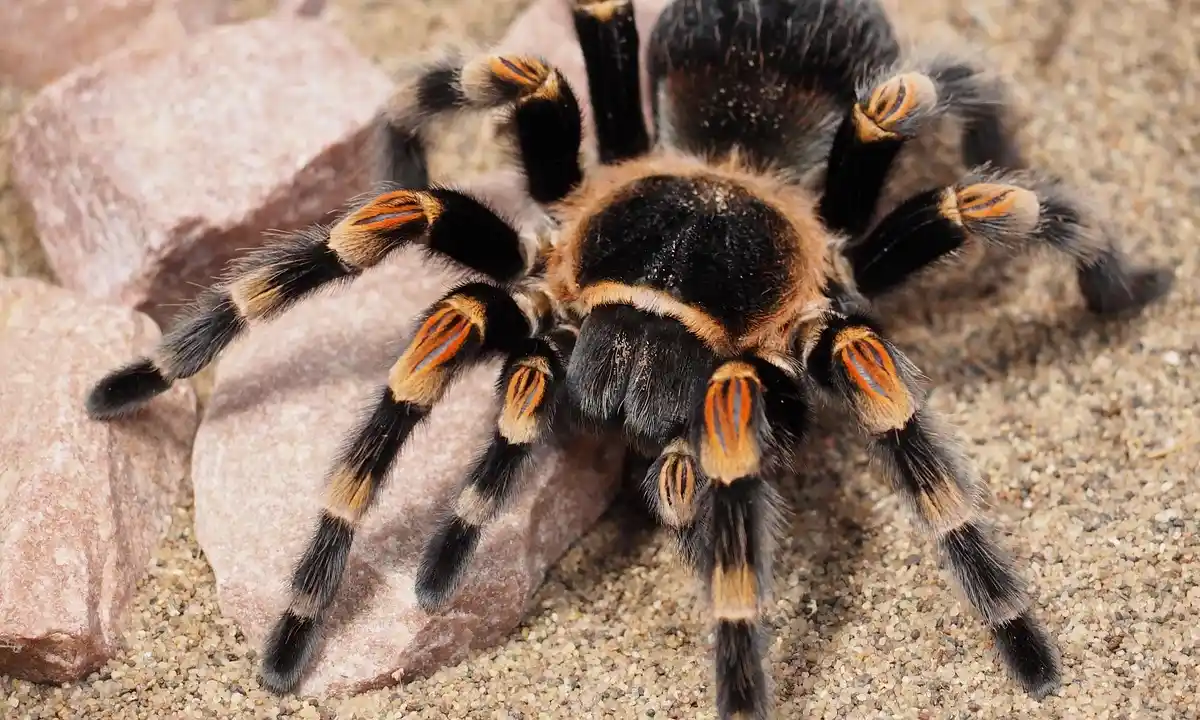
Spider biogeography tells a story of ancient landmasses and evolutionary paths. The Theraphosidae family, our tarantulas, has members on every continent except Antarctica. Their distribution is not random but a map written by geology and climate over millions of years. Where a tarantula comes from is the single most important piece of data for predicting its behavior and designing its captive home.
Old World vs. New World Tarantulas: A Distribution Map
The hobby frequently divides tarantulas into “Old World” (Africa, Asia, Europe) and “New World” (the Americas). This is more than geography-it’s a shorthand for major evolutionary differences. New World tarantulas, like my Grammostola rosea Rosie, typically possess urticating hairs as a primary defense. Old World species, like my Pterinochilus murinus Flash, lack these hairs but often have more potent venom and faster, more defensive behaviors. This fundamental split in defensive strategy is the first clue your continent of origin provides for safe keeping.
Europe’s native tarantulas are outliers, representing the northernmost fringe of the Old World group. Africa, in stark contrast, is a powerhouse of Theraphosid diversity, ranging from dry savannas to rainforest floors.
Phylogeny and Taxonomy: Understanding Species Richness
Why are there hundreds of species in South America but only a handful in Europe? The answer lies in phylogeny-the evolutionary history and relationships between groups. Tropical regions near the equator, like parts of Africa and South America, offer stable, energy-rich environments where speciation can explode. Europe, being more temperate and historically glaciated, presents a harsher, less stable environment for these primarily heat-loving creatures. The few species that adapted to Europe’s Mediterranean climate, like those in the genus Chaetopelma, are hardy specialists.
Africa’s incredible species richness stems from its varied biomes. The continent houses entire genera, like the formidable baboon spiders (Pterinochilus, Harpactira), that are absent elsewhere, each lineage finely tuned to its specific niche.
How Native Distribution Dictates Captive Care
You cannot care for a desert animal like a rainforest one. I learned this sharply when I first kept my Burgundy Goliath (Theraphosa stirmi). Treating it like my arid-loving Rosie would have been fatal. Your husbandry must be a conscious mimicry of the environmental pressures that shaped the species. This is respectful, evidence-based animal keeping.
Replicating European Mediterranean Habitats
European tarantulas, such as Chaetopelma olivaceum, hail from rocky, sun-baked scrubland. They experience hot, dry summers and cooler, damper winters. Their care mirrors that of many New World desert species, emphasizing dryness and good ventilation.
Step-by-Step Setup for Dry Climate Species
- Enclosure: Use a terrestrial setup with a focus on horizontal space. Good cross-ventilation is non-negotiable to prevent stagnant, humid air.
- Substrate: A deep layer (8-10 cm) of dry, packed substrate like a soil-sand mix or coconut fiber. This allows for burrowing and provides stable humidity at depth.
- Humidity & Water: Maintain ambient room humidity (40-50%). Provide a modest water dish. Lightly overflow it once every week or two near a corner to create a slight moisture gradient in the substrate.
- Decor & Hide: A sturdy, tight-fitting cork bark hide is essential. Add a few rocks or fake plants. The goal is a sparse, arid-looking landscape.
For these species, the sound of dry substrate underfoot and the sight of a water dish that evaporates quickly are signs you’re on the right track.
Mimicking African Climate Zones in Terrariums
Africa is not one habitat. Caring for a rainforest Heteroscodra maculata versus a savanna Ceratogyrus darlingi requires completely different approaches. Your first research task is to pinpoint the specific biome.
Step-by-Step Setup for High Humidity Species
Think of my Goliath’s enclosure: the air feels thick, and condensation dots the glass at dawn. This is for rainforest and swamp-dwellers like Theraphosa and Heteroscodra.
- Enclosure: Prioritize volume for air exchange. Use a terrestrial or arboreal setup as needed, with ventilation focused near the top, not the bottom.
- Substrate: Use moisture-retentive substrates like coconut fiber, peat, or topsoil. It should be damp to the touch, not soggy or muddy.
- Humidity & Water: Maintain 75-85% humidity. Use a large, always-full water dish. Pour water directly into the substrate corners regularly to maintain deep moisture. A humidity gauge is vital.
- Decor & Hide: Provide a moist hide, like cork bark partially buried in damp substrate. Use live or robust fake plants that tolerate high humidity.
Failure to provide this constant, high atmospheric humidity can lead to fatal dehydration or molting complications for these moisture-dependent giants.
Step-by-Step Setup for Arid Savanna Species
This is for the burrowers of dry grasslands, like many Pterinochilus and Ceratogyrus species. My OBT, Flash, originates from similar arid zones.
- Enclosure: Security is key. Provide an enclosure where height is less than 2-3 times the spider’s diagonal leg span to prevent fall injuries. Ventilation should be generous.
- Substrate: Offer a very deep layer (15+ cm) of a dry, sandy soil mix that holds a burrow’s shape. They will excavate their own secure retreat.
- Humidity & Water: Ambient humidity (40-60%) is usually fine. A small, shallow water dish is still required. No misting is needed-these spiders get moisture from prey and occasional drinking.
- Decor: Often, just substrate and a water dish are sufficient. You can offer a starter burrow or piece of cork bark, but they will likely remodel it completely with thick webbing.
For arid African species, your role is not to build a cage, but to provide the raw, secure earth from which they will build their own fortress. This greatly reduces stress for these often defensive animals.
Venom and Behavior: Insights from Old World Habitats
Old World tarantulas, hailing from Africa and parts of Asia, are often characterized by their direct, no-nonsense approach to survival. They evolved without the dense covering of urticating hairs found in many New World species. This evolutionary trade-off resulted in more potent venom and a faster, more defensive posture for many genera. This dynamic helps explain why Old World tarantulas are often considered more dangerous than New World species. Because they lack urticating hairs as a primary defense, they rely more on venom and rapid aggression when threatened. My own OBT, Flash, is a perfect, fiery-orange example of this principle in motion.
Venom Potency and Defensive Adaptations in African Tarantulas
The venom of African species like those in the genera Pterinochilus (like the OBT) and Heteroscodra is medically significant. While rarely life-threatening to healthy adults, a bite can cause intense pain, localized swelling, muscle cramps, and nausea for days. These are not animals to be handled casually. Their primary defense is a swift, decisive threat display or bite, not a cloud of itchy hairs.
I learned this firsthand rehousing my OBT, Flash. In a fraction of a second, it transitioned from a hidden lump to a raised, vibrating threat on the enclosure wall. The silence of the enclosure was broken only by the faint hiss of its stridulation, a stark reminder that speed and respect are the only safe tools here. This adaptation is perfect for an animal sharing its habitat with agile predators.
- Primary Defense: Potent venom delivered via a fast, accurate bite. They often strike repeatedly.
- Threat Display: Many assume a classic “high-ready” posture, rearing up to expose fangs and sometimes producing a hissing sound (stridulation) by rubbing appendages together.
- Speed: Exceptional reflexes for escape and attack. An open-topped enclosure is an invitation for disaster.
- Hair Kicking: Not a primary adaptation. While they may have some irritant hairs, they lack the specialized urticating setae of New World tarantulas.
Behavioral Cues Linked to Native Ecology
Behavior is a direct window into a tarantula’s native environment. An arboreal tarantula from the African rainforests behaves nothing like a fossorial species from the arid Karoo. Observing your tarantula’s natural inclinations is the single best guide for replicating its captive habitat.
Consider these common African habitat types and their behavioral signatures:
- Savanna & Dry Scrub (e.g., many Ceratogyrus species): These are obligate burrowers. They feel exposed on the surface and will dig extensive tunnels if given deep, slightly moist substrate. You may see them only at night.
- Rainforest Arboreal (e.g., Heteroscodra maculata): These tarantulas are masters of vertical space. They build elaborate silken retreats in tree hollows or behind bark. In captivity, they thrive with tall enclosures, cork bark slabs, and anchor points for webbing.
- Humid Fossorial (e.g., Hysterocrates gigas): The “Giant African Burrowing” tarantula requires consistently damp substrate and will create a deep, humid burrow. They are often secretive but can be quite voracious feeders.
My T. stirmi, Goliath, exemplifies a humid habitat specialist. Its intense hair-kicking is a typical New World defense, but its need for 75-85% humidity and a water dish large enough to submerge its carapace is a direct reflection of its swampy South American home. Ignoring these ecological cues leads directly to a stressed, dehydrated, and potentially aggressive animal.
Ethical Sourcing and Conservation in Tarantula Habitats
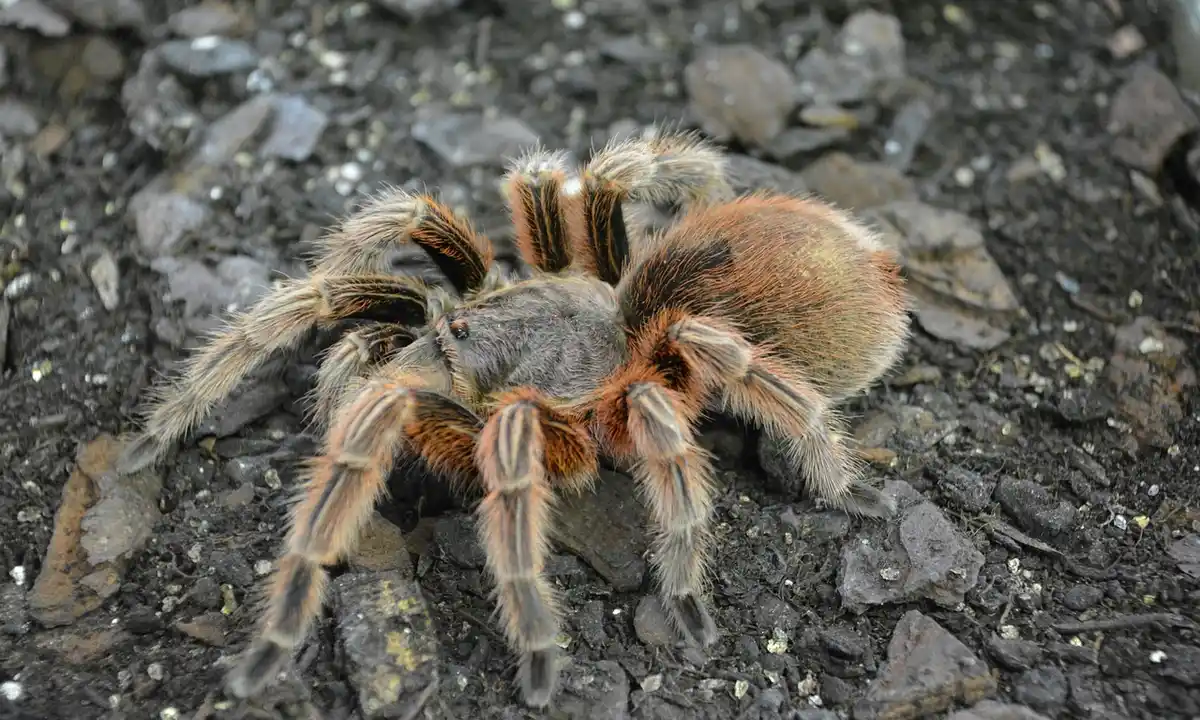
The growing popularity of our hobby carries a direct responsibility. Many stunning European and African species face habitat loss from agriculture, urbanization, and climate change. Wild collection for the pet trade can be an additional, unsustainable pressure.
Conservation Status of Endemic European and African Species
While no tarantula is currently listed on the CITES appendices, many have highly restricted ranges. The European Chaetopelma olivaceum exists in fragmented Mediterranean habitats. Several South African Harpactira species, prized for their metallics, are endemic to tiny, threatened scrublands.
Purchasing a wild-caught adult removes a breeding individual from a fragile population and often introduces a parasite-ridden, highly stressed animal into your care. These tarantulas can be difficult to acclimate and may carry mites or nematodes.
Supporting Captive Breeding and Sustainable Practices
We must be part of the solution. The goal is to create a self-sustaining captive population for the hobby.
- Buy Captive-Bred (CBB): Always prioritize spiderlings or juveniles listed as “Captive Bred.” This supports breeders who are mastering species’ reproductive cycles.
- Ask the Seller: Reputable sellers will be transparent about an animal’s origin. “Field Collected” or “WC” designations are red flags for common species.
- Embrace “Project” Species: Some rare species are only available as wild-caught adults. If you have experience, consider a breeding project. Pairing them and producing a captive-bred generation is a massive contribution to conservation.
- Support Specialist Breeders: Seek out hobbyists who focus on breeding specific Old World genera. They drive innovation in husbandry and reduce demand for wild specimens.
Every time we choose a captive-bred tarantula, we vote for a hobby that respects the wild populations that inspire our fascination. The iridescent sheen of a carapace should be admired in a habitat we provide, not one we’ve depleted. My oldest, Rosie, is a wild-caught import from decades ago-a common practice then. Today, we know better and can do better for their wild cousins.
Building Bioactive Enclosures Based on Native Distribution
Observing a tarantula in a basic tub teaches you its needs. Watching one thrive in a slice of its homeland teaches you its soul. Bioactive design moves beyond simple maintenance into the art of ecological simulation, reducing your intervention while increasing the spider’s behavioral richness. I build these enclosures not just for beauty, but to provide environmental choice-a damp corner here, a dry mound there-which dramatically reduces captive stress.
Bioactive Design for European Habitat Simulation
European tarantulas, like those in the genus Chaetopelma, hail from sun-baked, rocky Mediterranean slopes. The air is dry, the soil is shallow, and hiding places are absolute. Your goal is to recreate this harsh, secure landscape. Start with a deep layer of well-draining substrate, a mix of 60% peat-free soil, 30% play sand, and 10% crushed gravel or vermiculite. This mimics the fast-draining, compactable earth they excavate. Provide a dominant, central hide: flat slate or cork bark secured against the glass, creating a deep, dark crevice. The microclimate under that rock, cool and slightly damp from a single watered corner, is the heart of the enclosure.
Plant sparsely. Use drought-tolerant species like succulents (e.g., Sempervivum), small air plants (Tillandsia), or hardy herbs like creeping thyme. Their roots help bind the soil and their water needs align with the tarantula’s. I use a cleanup crew of temperate springtails (Folsomia candida); isopods often require more moisture than this arid setup can sustain. Maintain a sharp moisture gradient: one corner dampened briefly every few weeks, the rest bone-dry, with overall humidity hovering around 55-65%. This design echoes the sparse, resilient ecology my old-world G. rosea evolved for, where survival depends on finding that one perfect, protected niche.
Bioactive Design for African Habitat Simulation
Africa presents a dramatic split: the arid scrublands and the humid tropics. Your design must commit to one. For arid species like my P. murinus (OBT), think complex architecture. They are builders. Use a deep, sandy-loam mix (40% soil, 40% sand, 20% excavator clay) that holds burrows. Provide anchor points-cork branches, tall grasses, or fake plants-across the entire vertical and horizontal space. Your fast, defensive spider will web every available surface, creating a silken fortress that provides security and humidity control. Water only a small section; these are drought-survival experts.
For tropical giants like my T. stirmi, the paradigm flips. Here, moisture is constant, and the substrate is a living, breathing engine. You need a drainage layer of clay balls or gravel, separated by mesh, topped with a massive volume of moisture-retentive soil (coco fiber, organic topsoil, sphagnum moss, charcoal). This deep, damp substrate is the foundation, supporting lush plant growth and maintaining ambient humidity of 75-85%. The goal is a steady, gentle evaporation that fogs the glass, replicating the near-constant atmospheric moisture of a forest floor. Large-leafed plants like Pothos or Philodendron thrive, their roots drinking from the drainage layer, creating a canopy that diffuses light and catches droplets.
Plant and Substrate Lists for African Climate Zones
Choosing the right components prevents mold and collapse. Your plant and soil choices are the bedrock of a stable, self-regulating system. Here is a breakdown based on climate zones.
| Climate Zone | Suited Tarantula Examples | Substrate Mix Formula | Recommended Plant Species | Cleanup Crew |
|---|---|---|---|---|
| Arid Scrub/Savanna | Pterinochilus murinus (OBT), Ceratogyrus darlingi, Harpactira species | 40% organic topsoil, 40% play sand, 20% excavator clay. A dry, sculptable mix. | Air Plants (Tillandsia), Snake Plant (Sansevieria), dried grasses for anchoring webbing. | Arid-tolerant Springtails (Folsomia candida). Avoid most isopods. |
| Tropical Forest Floor | Theraphosa stirmi, Heteroscodra maculata, Stromatopelma calceatum | Drainage layer, then: 50% coco fiber, 30% organic topsoil, 15% sphagnum moss, 5% horticultural charcoal. | Pothos, Philodendron scandens, Fittonia (Nerve Plant), Pellionia repens. | Tropical Springtails & Dwarf White Isopods (Trichorhina tomentosa). |
| Montane/High Humidity | Some Brachionopus species, Hysterocrates species | Similar to tropical but with extra moss and leaf litter for moisture retention and micro-habitats. | Mosses (Sheet Moss), Selaginella (Spikemoss), small ferns. | Springtails and Dwarf Purple Isopods. |
I learned the importance of the right cleanup crew the hard way. In an early tropical setup, standard isopods multiplied explosively and began nibbling on my molting tarantula’s sensitive legs. Dwarf species are less protein-hungry and work unseen in the substrate, making them safer custodians for a vulnerable, molting spider. Always monitor the balance; your bioactive enclosure is a managed ecosystem, not a set-and-forget toy.
FAQs
Are there any tarantulas native to Europe?
Yes, but they are very rare and geographically limited. The primary native tarantula is Chaetopelma olivaceum, found only in parts of the Mediterranean like Cyprus and southern Greece. These are Old World, fossorial spiders adapted to hot, dry summers and mild winters. Any tarantula found elsewhere in Europe is almost certainly an introduced or escaped pet trade specimen. Many of the world’s rarest tarantula species are found in similarly restricted pockets, often in deserts or Mediterranean habitats. Their rarity is tightly tied to these narrow geographic ranges.
What kinds of tarantulas are found in Africa?
Africa is a major hotspot for tarantula diversity, hosting numerous iconic genera. These include fast, defensive baboon spiders (Pterinochilus, Harpactira), stunning arboreals like Heteroscodra maculata, and unique horned species (Ceratogyrus). They inhabit a vast range of ecosystems, from arid savannas and deserts to humid rainforests, which directly dictates their specialized care needs in captivity.
What does “Old World” and “New World” mean in tarantula distribution?
This is a key biogeographical and behavioral distinction. “New World” refers to tarantulas from the Americas, which typically use urticating hairs as a primary defense. “Old World” tarantulas, from Africa, Asia, and Europe, generally lack these hairs but often possess more potent venom and a faster, more defensive temperament. This split is crucial for understanding safe handling and housing protocols.
How does a tarantula’s continental origin affect its care?
The native habitat dictates everything in captive husbandry. A tarantula from arid European scrubland needs a dry, well-ventilated enclosure with a deep, burrowable substrate. Conversely, a tarantula from an African rainforest requires high humidity, moisture-retentive substrate, and ample ventilation. Matching your care to their ecological niche is essential for their health and well-being.
Are the tarantulas in the European pet trade from Europe?
Almost never. The handful of tarantulas native to Europe are rarely, if ever, found in the commercial pet trade. The tarantulas commonly kept by European hobbyists are species imported from other continents, such as Chile, Brazil, Mexico, and various African and Asian countries. Responsible keepers should always source captive-bred specimens from reputable breeders.
The Final Molt
Successfully keeping tarantulas from varied continents means replicating the specific microclimate they evolved in. Your primary task is to research not just the country, but the precise habitat your spider calls home-a Mediterranean scrubland, an African savanna, or a equatorial rainforest floor-and faithfully recreate its humidity, temperature, and terrain. Habitat particularly varies between old-world and new-world species. My T. stirmi, Goliath, thrives with a deep, swampy substrate, while my old-world P. murinus, Flash, needs arid ventilation to stay healthy. Generic care kills.
Beyond parameters, the real reward is observation. Watch the engineering precision of a burrow’s silk lining, the patient ambush from a tunnel’s mouth, the sudden, silent strike. My G. rosea, Rosie, teaches more in her months of motionless stillness than any frantic creature could. Patience is your finest tool. Provide the right foundation, then step back. The most fascinating behaviors unfold only when we stop trying to interact and start learning to witness.
Further Reading & Sources
- Tarantula – Wikipedia
- Harpactirinae – Wikipedia
- What countries in Europe have tarantulas? – Geographic FAQ Hub: Answers to Your Global Questions
Arlo is a lifelong arachnid enthusiast who believes tarantulas are the world’s most misunderstood roommates. With years of hands-on experience in tarantula care, habitat setup, and species behavior, Arlo combines expert knowledge with a dash of humor to make spider ownership less scary and a lot more fascinating. From choosing the right enclosure to understanding why your eight-legged buddy is doing that weird little pose again, Arlo is here to help you become the best tarantula parent you can be, without getting tangled in the web of misinformation.
Popular Species