
Arizona’s Aerial Arachnids: When and Where to Spot the Migration
Published on: March 9, 2026 | Last Updated: March 9, 2026
Written By: Arlo
Far from a solitary hunt, the late summer skies of the Sonoran Desert stage one of arachnid nature’s most breathtaking events: the mass dispersal, or “ballooning,” of thousands of spiderlings. This article isn’t about finding a single burrow, but witnessing a living, drifting cloud of young tarantulas taking their first journey. I’ll guide you through the precise timing, the best locations, and the species you’re most likely to see painting the air with silken lines.
- The Phenomenon: Post-monsoon spiderling dispersal (ballooning)
- Prime Viewing: Late July through September, following summer rains
- Key Species: Aphonopelma genus (e.g., A. chalcodes, the Arizona Blonde)
This guide will equip you with the knowledge to safely observe this ephemeral natural spectacle, transforming a desert hike into a front-row seat to an arachnid exodus.
The Arizona Tarantula Migration: A Late-Summer Spectacle
Why Do Tarantulas Migrate in Arizona?
This spectacle is not a true migration in the avian sense, but a desperate, synchronized search for mates. The arid landscape becomes a highway for mature male tarantulas, driven by a single biological imperative that overrides their normal reclusive instincts. After their final molt into maturity, males develop specialized structures called emboli on their pedipalps and leave their lifelong burrows. They wander, sometimes for miles, using pheromone cues to locate a female’s silk-lined retreat.
Females, by contrast, rarely participate in this wandering. A well-established female, like my 15-year-old Rosie, may not leave her burrow for years. The males you see crossing roads and trails are on a one-way journey; most die from predation or exhaustion shortly after mating, if they are not consumed by the female herself.
Key Species You Might See
The most common travelers belong to the genus Aphonopelma, a group of North American terrestrial tarantulas.
Identifying species in the field is tricky, but observing their behavior and general morphology is a rewarding challenge.
- Aphonopelma chalcodes (Arizona Blonde): Often a tan to golden-brown color. These are the classic “pet rocks” of the tarantula world, typically slow-moving and composed even during their wanderings.
- Aphonopelma marxi: A darker, more chocolate-brown species. They share the deliberate pace of their blonde cousins, making them easier to observe safely.
- Other Aphonopelma species: Arizona is home to several, often identified by subtle differences in coloration and locality. Remember, all wandering males will have a leaner abdomen and noticeably longer legs compared to the stockier, burrow-bound females.
Pinpointing the Migration Season: Timing is Everything
Prime Months: August Through October
The clock for this event is set by two factors: the summer monsoon rains and falling nighttime temperatures. The season typically begins in earnest in late August, peaks throughout September, and can continue into October if conditions remain mild. The summer rains soften the parched earth, making travel easier for the males and stimulating activity. As the intense daytime heat begins to wane, the conditions become more favorable for their perilous journeys.
In my own breeding projects, I note a similar seasonal shift in activity. My Burgundy Goliath, though not a native species, becomes noticeably more active in his enclosure during these cooler, humid fall evenings, mirroring the natural cycles of his wild cousins.
Ideal Times of Day for Spotting
Forget midday. Tarantulas are crepuscular to nocturnal, and the migrating males are no exception. Your best chance to witness this phenomenon is in the hour just before sunset through the first few hours of complete darkness. Like many tarantulas, their activity follows a circadian rhythm tied to the day–night cycle. They don’t require constant light, but a regular light cycle helps maintain their natural activity window. This is when air temperatures drop and humidity rises slightly, creating the perfect travel window.
- Dusk: The golden hour. Scan roadside shoulders, desert trails, and open grasslands. Males move deliberately but purposefully.
- Early Night: Use a flashlight with a red filter or dim white light to avoid startling them. You’ll often spot the telltinkle reflection of their eyes.
- Post-Rain: An evening walk after a monsoon shower is prime time. The damp ground seems to encourage mass movement.
Always watch from a respectful distance and never intercept a traveling male’s path; his time and energy are critically limited. The urge to observe must always be tempered by a commitment to not disturb this vital, final chapter of their lives.
Best Locations to Find Migrating Tarantulas in Arizona
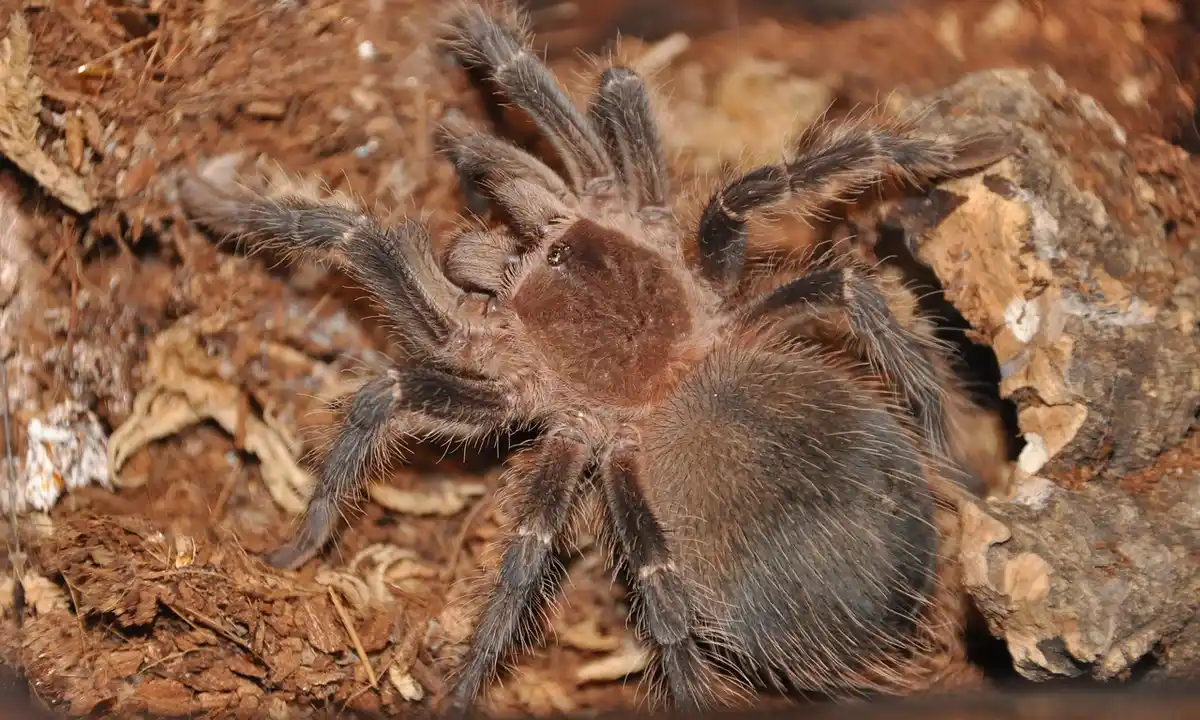
Focus your search on the southeastern region of the state, where the desert grasslands meet the sky islands. This is the heart of Aphonopelma chalcodes country. The migration is not a random wander; it’s a targeted dispersal driven by instinct and environmental triggers.
Habitat Hotspots: Where to Look
Forget dense forests or rocky highlands. Male tarantulas seek open ground for efficient travel. My most successful observations have been along the fringes of the Sonoran Desert, particularly in these areas: Do tarantulas adapt to survive desert environments? They do, using behavioral and physiological strategies like nocturnal activity, burrowing to avoid daytime heat, and efficient water use.
- Desert Grasslands: Areas around Sierra Vista and the San Rafael Valley. The short grass provides perfect ambulation terrain for males.
- Rural Roadways: Quiet backroads near Tombstone or Willcox after sunset. Pavement retains warmth, attracting traveling spiders.
- Floodplain Edges: Dry washes and arroyos after monsoon rains. I once counted seven males along a single wash near Bisbee in one evening, their dark forms stark against the pale sand.
The key is to look for transitional zones where burrow-dwelling females have established territories and males must cross open ground to find them.
Respectful Observation Zones
Public lands managed by the Bureau of Land Management (BLM) or state trusts are ideal. I always avoid private property without explicit permission. Your presence should leave zero trace-both on the land and on the tarantulas’ behavior. Designated viewing areas, like those near the Appleton-Whittell Research Ranch, are fantastic because they prioritize conservation. The silence of the enclosure you provide for a pet is the same silence you should offer in their wild home. Legal and ethical considerations also shape what we can keep and how we obtain rare tarantulas. Always ensure any specimens are legally obtained—through licensed breeders or reputable sources—and never taken from the wild.
How to Observe the Migration Safely and Ethically
Witnessing this event is a privilege, not a right. Your methodology matters for your safety and the spiders’ welfare. Ethical observation starts with the mindset that you are a guest in their world, not a curator.
Step-by-Step Viewing Protocol
Follow this ordered list to ensure a positive experience for all involved. I’ve used this protocol for years, and it never fails to provide a fascinating, stress-free encounter.
- Go out at dusk after monsoon rains. This is the peak activity window, as the cooled, humid air triggers movement.
- Move slowly and watch the ground. Sudden movements create vibrations that will send a tarantula scrambling for cover.
- Use a red-light flashlight if needed. Red light is less disruptive to arthropod vision than white light. A dim headlamp works.
- Keep a respectful distance; do not handle. A distance of 3-5 feet allows for observation without causing the spider defensive stress. Remember, these are wild animals, not pets.
- Take photos without flash. The sudden burst of light can disorient and frighten them. Use your camera’s night mode.
- Do not remove tarantulas from the wild. Wild-caught specimens often carry parasites and struggle to adapt to captivity, disrupting local populations.
Understanding Wild vs. Pet Tarantula Behavior
The male you see marching purposefully is driven by a single reproductive goal. This is starkly different from the deliberate, often stationary behavior of a captive tarantula like my Chilean Rose Hair, Rosie. This is part of unpacking a common misconception: tarantulas are not inherently aggressive. Most aggression you observe is defensive or context-driven, not a fixed trait. My defensive OBT, Flash, might web furiously when provoked, but a wild A. chalcodes male will primarily try to flee. Wild tarantulas are not “aggressive”; they are desperately vulnerable during this phase. Their urgency is a survival tactic, not a display of personality like in captivity. Recognizing this fundamental difference is core to respectful observation.
Connecting Wild Insights to Pet Tarantula Care
The migration is a masterclass in tarantula biology that directly informs how we care for them in enclosures. Watching wild tarantulas teaches patience and reinforces that our role is as stewards, not directors.
Humidity and Seasonal Cues in Captivity
The migration is cued by monsoon humidity. In your home, you can mimic this subtly. For my moisture-loving Burgundy Goliath Bird Eater, Goliath, I slightly increase misting frequency during summer months, simulating a seasonal shift. I don’t create drastic swings, but a gentle rise from 70% to 80% humidity seems to trigger natural behaviors like increased webbing or feeding response. For arid species like G. rosea, I ignore seasonal humidity entirely-Rosie’s care remains constant, reflecting her native Chile’s stable dryness.
The Importance of Respectful Space
Just as you wouldn’t crowd a migrating male, you must resist the urge to constantly interact with your pet. The ‘Look, Don’t Touch’ philosophy is rooted in this respect for their space and innate stress responses. I learned this after a rehousing incident with Flash; my overhandling led to a frantic escape attempt. Tarantulas are not social. Providing a secure, clutter-free retreat in their enclosure is the captive equivalent of giving them the open desert path—a clear route to safety. Holding a tarantula isn’t a sign of affection—it’s usually a stress cue for them. Many people still believe otherwise, but keeping hands off respects their needs and avoids reinforcing the myth.
Considering a Captive-Bred Tarantula
After seeing the migration’s fragility, sourcing a captive-bred spider is the only ethical choice for the hobby. Captive-bred tarantulas are healthier, better adapted to enclosure life, and their purchase supports sustainable breeding practices. Every vibrant OBT or docile Rose Hair from a breeder helps ensure wild populations like Arizona’s remain undisturbed. It allows you to appreciate their wild majesty without contributing to its decline. Be sure to choose a reputable breeder over a pet store to guarantee the quality and ethical sourcing of your tarantula.
Common Questions
Can my pet tarantula sense or participate in this migration?
No, your captive tarantula cannot sense or participate in the wild migration. This behavior is driven by specific environmental triggers, like seasonal monsoon humidity and temperature drops, which are not replicated in a home enclosure. During the tarantula mating season activity, males may become more active and roam in search of receptive females. In captivity, without the right environmental cues, this activity is usually limited to incidental wandering rather than a true migratory surge. A mature male in captivity may exhibit more wandering behavior but lacks the external cues and vast space required for a true migration. His instincts remain, but the conditions for the mass dispersal event do not.
Are there good videos of the Arizona tarantula migration to help me understand tarantula behavior?
Yes, there are documentaries and reputable wildlife videos that showcase this ballooning event. Watching these can be an excellent educational tool to understand the natural instincts and dispersal methods of spiderlings. For the pet keeper, it underscores the importance of secure enclosures, as young tarantulas have a strong innate drive to wander and climb. Observing this wild behavior fosters a deeper appreciation for their biology and the stark differences between life in the wild and in our care.
Is it ethical or advisable to collect a tarantula from the wild during the migration?
It is strongly discouraged and unethical to collect tarantulas from the wild for the pet trade. Wild-caught specimens often carry parasites, suffer from capture stress, and can introduce disease to captive collections. Furthermore, removing animals disrupts fragile local populations and their ecological roles. The responsible pet owner should always source from reputable captive breeders, which ensures healthier animals and supports sustainable hobby practices.
Should I change my pet tarantula’s care routine based on the Arizona migration season?
For species native to similar climates, like the Arizona Blonde (Aphonopelma chalcodes), you can make very subtle, optional adjustments. For tarantulas, the ideal temperature and humidity ranges are species-specific and should be the baseline for enclosure planning. These ranges vary widely across species, so consult a reliable care guide for your tarantula’s exact targets. A slight, temporary increase in enclosure humidity during late summer might mimic monsoon cues and encourage natural behaviors. However, for most captive tarantulas, especially non-native species, maintaining stable, species-appropriate conditions year-round is the best and safest practice. Always prioritize consistency over attempting to replicate complex wild cycles.
What can I learn from the migration to become a better tarantula keeper?
The migration teaches core principles of tarantula biology and respect. It highlights that tarantulas are driven by instinct, not social needs, reinforcing the “look, don’t touch” philosophy of captive care. Observing their vulnerability in the wild underscores the importance of providing a secure, stress-free enclosure as a primary keeper responsibility. Ultimately, it connects the hobbyist to the natural world their pet originates from, fostering more informed and compassionate stewardship. Different tarantula species have varying lifespans and environmental needs. Tailoring care—temperature, humidity, substrate, and feeding—to the species can help support their longevity.
The Long Walk Home
For the fossorial and arid-adapted tarantulas of Arizona, a bone-dry substrate isn’t just a preference-it’s a non-negotiable requirement for preventing fatal mycosis. Your primary husbandry focus must be replicating the parched conditions of their home canyons and scrublands. I use a deep, packed mix of sand, soil, and excavator clay that holds a burrow’s shape without ever feeling damp to the touch.
The true reward for this patient, hands-off approach is witnessing ancient rhythms. Your role is not to interfere, but to curate the stage. Dim your lights at dusk and watch. You might see the cautious exploration of a mature male on his final journey, or the deliberate industry of a female reinforcing her silken fortress. The migration is a brief, spectacular window into a life mostly lived in profound secrecy. Enjoy the privilege of the glimpse.
Further Reading & Sources
- Tarantula mating season is starting in Arizona. Here’s what to know
- Tarantula Migration in Arizona 2025 – Rove.me
- Brown tarantulas embark on their annual mating journey across Arizona
Arlo is a lifelong arachnid enthusiast who believes tarantulas are the world’s most misunderstood roommates. With years of hands-on experience in tarantula care, habitat setup, and species behavior, Arlo combines expert knowledge with a dash of humor to make spider ownership less scary and a lot more fascinating. From choosing the right enclosure to understanding why your eight-legged buddy is doing that weird little pose again, Arlo is here to help you become the best tarantula parent you can be, without getting tangled in the web of misinformation.
Understanding Tarantula Behavior