
Can Tarantulas Eat Roaches from My House? The Dangers of Wild-Caught Feeders
That fat American cockroach scurrying across your kitchen floor might look like a free meal for your tarantula, but offering it is one of the most common and dangerous mistakes a keeper can make. This practice, born from convenience, ignores the silent threats lurking on a wild insect’s body-from invisible pesticide residues to internal parasites. Based on my experiences with everything from my pet-rock Rosie to my hair-kicking Goliath, I’ll explain why reaching for the catch cup is a risk you should never take. Your tarantula should never, under any circumstances, be fed a roach or any insect captured from your home or yard.
Quick Stats:
- Origin: Urban environments contaminated with pesticides, cleaning agents, and automotive fluids.
- Risk Vector: Direct carrier of nematodes, mites, and pathogenic bacteria to your enclosure.
- Keeper Action: Strict reliance on commercially bred, gut-loaded feeder insects.
This guide details the specific, often overlooked dangers of wild prey and provides the safe, reliable feeding protocols I use to keep all my spiders, from slow growers to voracious eaters, in peak condition.
The Direct Verdict: Why House Roaches Are Unsafe Feeders
Let’s be direct. No, you should never feed a household cockroach to your tarantula. Wild-caught insects of any kind are a high-risk gamble with your pet’s health, introducing a trio of serious dangers into the sanctity of its enclosure. The primary threats are pesticide contamination, internal and external parasites, and an overwhelming bacterial load from the insect’s unsanitary environment.
Household roaches are survivors, thriving in drains, garbage, and wall voids where they consume decaying matter and come into contact with cleaning agents, rodenticides, and insecticides. Even a roach that appears lively can carry microscopic chemical residues that are acutely toxic to your invertebrate pet. This poison may not kill the roach immediately, but it will concentrate in its body and be delivered directly to your tarantula’s digestive system.
I learned this lesson early. Years ago, I found a large, healthy-looking beetle in my garden and considered it a free meal for my then-juvenile Grammostola rosea, Rosie. Before dropping it in, I paused, remembering that my neighbors had their yard sprayed for pests just the week prior. That moment of hesitation saved Rosie from a potential poisoning. The cost of a captive-bred cricket is trivial compared to the vet bill-or heartbreak-of a poisoned tarantula.
What Tarantulas Truly Need From Their Prey
A proper tarantula diet rests on two pillars: complete safety and reliable nutrition. Your tarantula’s meal is not just food; it is the sole source of hydration and building materials for its next molt. Every feeder must be a clean vessel for moisture, protein, and minerals, not a Trojan horse for disease. Pair this with the best diet and feeding schedule tailored to species, age, and molt stage to keep your tarantula thriving. Regular, moderate portions and predictable feeding intervals support steady hydration and growth.
Feeder size is critical—the prey should be no larger than your tarantula’s carapace to prevent injury. The species and life stage matter, too. Soft-bodied prey like pre-killed mealworms are excellent for slings, while nutrient-rich roaches like Dubia are fantastic for juveniles and adults. For tarantulas, many keepers ask which is the superior feeder—Dubia roaches vs crickets? Ultimately, the best choice depends on the tarantula’s size, species, and nutrient goals. I rotate between gut-loaded crickets and Dubia roaches for my Theraphosa stirmi, Goliath, to ensure a varied nutrient profile that supports his immense growth.
Captive-bred feeders provide a known quantity. We control what they eat (a process called gut-loading), we know they are parasite-free, and we guarantee they are chemical-free. A wild insect is a nutritional mystery, potentially devoid of the vital nutrients your tarantula requires after its long fasts. The chart below outlines what your tarantula extracts from a proper meal.
| Nutrient | Role for the Tarantula | Best Feeder Sources |
|---|---|---|
| Hydration | Primary water source; critical for hemolymph (blood) volume and successful molting. | All feeders, especially hornworms and freshly molted crickets. |
| Protein & Fats | Fuel for growth, energy, and web production; essential for post-molt recovery. | Dubia roaches, crickets, silkworms. |
| Calcium | Strengthens new exoskeleton (cuticle) after molting; aids muscular function. | Gut-loaded feeders (fed calcium-rich diets before use). |
| Chitin | Indigestible fiber that aids in forming a solid, well-formed bolus (food packet) for excretion. | Present in all insect exoskeletons. |
Deconstructing the Dangers of Wild-Caught Feeders
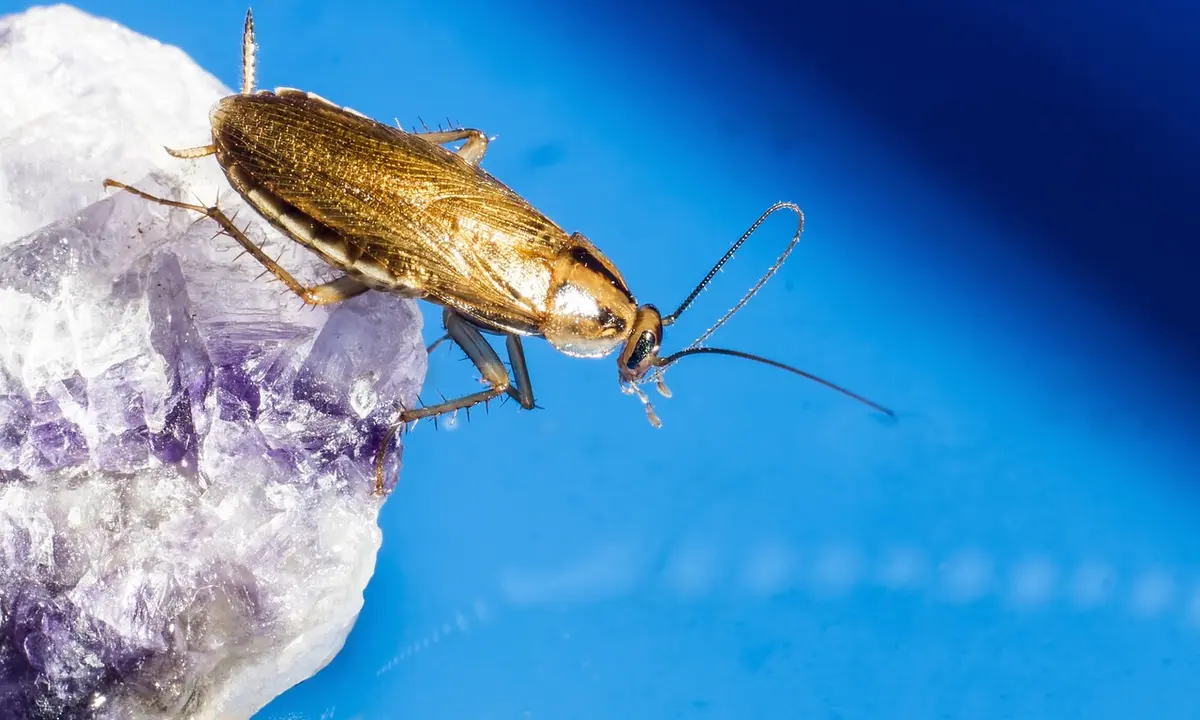
It seems simple: a roach scuttles across your kitchen floor, and your tarantula needs dinner. The temptation to connect these two events is real, but it is a dangerous shortcut. The risks hidden within a wild insect are profound and often invisible until it is too late.
Invisible Chemical Contaminants: Pesticides and Toxins
Household insecticides are engineered for persistence. They do not simply kill on contact; they leave active residues on surfaces, which roaches then walk through. These neurotoxins coat the insect’s exoskeleton and are ingested as the roach preens. For a tarantula, whose nervous system is exquisitely sensitive, even a micro-dose of these chemicals can trigger rapid, fatal paralysis. I have seen the tragic result-a previously healthy tarantula seizing and dying within hours of a questionable feeder.
- Even “organic” or “natural” pest controls like diatomaceous earth or essential oil sprays are hazardous. These substances physically damage the waxy coating on an insect’s exoskeleton, causing fatal dehydration, or contain compounds toxic to invertebrates.
- The roach itself may not die immediately from the exposure, making it appear healthy, but it becomes a poisoned delivery system for your pet.
Parasites and Pathogens: Unwelcome Stowaways
Wild roaches are nature’s ultimate scavengers, thriving in drains, sewers, and decaying matter. Their bodies host a microscopic menagerie. Internal parasites, like nematode worms, can transfer to your tarantula during digestion. Bacterial loads from rotting food can cause fatal infections in the spider’s gut. An infected tarantula may show vague but relentless decline: lethargy, a shriveled abdomen despite available food, and an eventual refusal to move.
- Common pathogens include Pseudomonas and Serratia bacteria, which can cause rapid, untreatable sepsis in tarantulas.
- These health crises are notoriously difficult to diagnose and virtually impossible to treat in arachnids, making prevention the only viable strategy.
The Problem of Nutritional Imbalance
A captive-bred feeder is a designed product. We control its diet, “gut-loading” it with nutritious vegetables and grains to pass on vitamins and moisture. A wild roach is an unknown. Its gut may contain only cleaning chemicals, mold, or indigestible plastics. Feeding your tarantula a nutritionally void prey item is like serving an empty calorie meal; it fills the belly but starves the body of the specific nutrients required for critical processes like regenerating limbs and forming a new exoskeleton.
- Long-term reliance on poor-quality prey directly contributes to molting complications. A tarantula lacking key minerals like calcium may become trapped in its old skin, a condition almost always fatal.
- The erratic hydration level of a wild feeder also fails to support your tarantula’s internal water needs, especially for moisture-dependent species like my Theraphosa stirmi, Goliath.
Your Blueprint for Safe, Nutritious Feeder Insects
Shifting to a controlled feeder system is the cornerstone of responsible arachnoculture. It transforms feeding from a risky gamble into a pillar of proactive health care.
Top Captive-Bred Feeder Options
I maintain small, simple colonies of two feeders: dubia roaches for my larger spiders and crickets for the smaller or more fastidious ones. This ensures I always have appropriately sized, clean food on hand.
| Feeder | Pros | Cons | Best For |
|---|---|---|---|
| Dubia Roaches | Nutrient-dense, quiet, cannot climb smooth surfaces, easy to breed. | Slower movement may not trigger a feeding response in all spiders. | Juvenile to adult terrestrial tarantulas. My Grammostola rosea, Rosie, will only take these. |
| Red Runner Roaches | Fast movement triggers strong feeding response, excellent size range. | Can climb some surfaces, very fast (escape risk). | Active, predatory species like Psalmopoeus or fast-growing slings. |
| Crickets | Readily available, movement stimulates feeding. | Noisy, smelly, can bite stressed tarantulas, die quickly. | Variety feeding; spiders that prefer erratic prey. I use them for my OBT, Flash. |
| Mealworms/Superworms | Easy to store, good for picky eaters. | High chitin, lower moisture, can burrow and later pupate in enclosure. | Occasional supplementation or tarantulas refusing other food. Always crush the head to prevent burrowing. |
The Critical Practices of Quarantine and Gut-Loading
Purchasing captive-bred feeders is only the first step. A brief quarantine period upon arrival is a wise safety net. I keep new feeders in their own container for 48-72 hours, feeding them only plain vegetables like carrot or potato. This waiting period allows any sickly individuals to die off and ensures they have cleared any subpar gut contents from the supplier before reaching my spiders.
Gut-loading is the process of feeding your feeders a nutrient-rich diet 24-48 hours before they become food themselves. Think of the feeder insect as a living, breathing vitamin capsule. Understanding the nutritional value of feeder insects and how gut loading affects it helps you get the most from them. This guide delves into feeder insects’ nutritional value and proper gut-loading practices.
- My Gut-Load Staple Mix: Organic sweet potato, carrots, collard greens, and a sprinkle of high-calcium reptile supplement powder. This creates a moisture-rich, vitamin-packed gut contents for the tarantula.
- I avoid citrus, onions, and excessive lettuce (which is mostly water).
- A well-gut-loaded feeder provides not just protein, but essential hydration and micronutrients that support successful molts and longevity.
Executing a Safe Feeding Routine
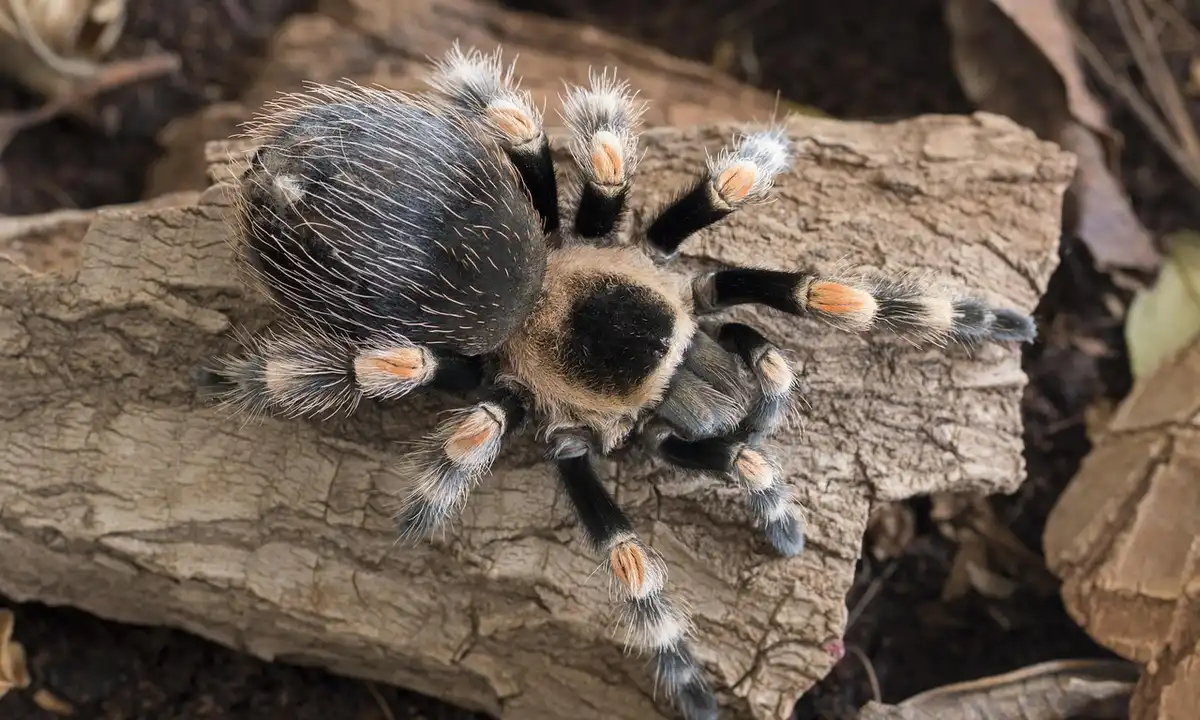
Feeding your tarantula is a precise ritual, not a casual toss of food. Reading its feeding dance helps you know when it’s ready to eat. Observe posture, leg position, and readiness signals to time the strike. A successful feed starts long before the prey item enters the enclosure, with careful selection and observation. Follow these steps to ensure safety and reduce stress for both you and your spider.
- Prey Size Selection: The prey should be no larger than your tarantula’s abdomen. I use the space between the carapace and the abdomen as a quick visual guide. For my fast-growing Goliath, that means a large roach, but for Rosie, a small cricket is plenty.
- Prey Presentation: Using long, soft-tipped tweezers, gently place the feeder insect near the tarantula’s burrow or current location. Do not drop it directly on the spider. For my defensive OBT, Flash, I place the roach at the entrance of his thick web tunnel and retreat immediately.
- The Strike Zone: Observe from a distance. A hungry tarantula will often feel the vibrations and emerge with startling speed. The sudden strike is a silent, efficient motion.
- The Clean-Up: If the prey is not taken within 24 hours, you must remove it. An uneaten cricket or roach can harass a molting tarantula or mold in the humidity.
Tarantulas, especially adults, frequently refuse meals. My Chilean Rose Hair, Rosie, has taught me patience through fasts lasting over eight months, which is normal for her species. To help tell if your tarantula is hungry or stressed, a feeding behavior guide can be a useful companion. It explains hunger cues, refusal patterns, and stress signals to watch for. During these periods, I continue to offer food every two weeks but remove it promptly if ignored. Never leave live prey to wander; it causes immense stress.
Enclosure hygiene is non-negotiable. A rotting feeder insect introduces bacteria and fungi that can thrive in the warm, moist environment your tarantula needs. I use my tweezers to extract any leftover carcass or bolus (the indigestible packet of prey remains) during routine checks. This prevents foul odors and keeps your substrate healthy. Watch for signs your tarantula’s enclosure needs cleaning, such as a persistent odor, mold on the substrate, or crusty buildup. Addressing these cues promptly helps prevent health issues.
Feeding time is for watching, not interacting. Adhering to a “Look, Don’t Touch” philosophy during feeding minimizes the risk of a defensive bite or a stressful escape attempt. The goal is to simulate natural hunting, not to provoke a confrontation. I watch my Burgundy Goliath’s careful, methodical feeding from outside the glass, appreciating the process without intrusion.
Sourcing and Biosecurity: Protecting Your Tarantula’s Health
Buying Feeders: What to Look For
Your tarantula’s health is directly linked to its diet. Captive-bred feeders from a reputable source are the only safe option, as they are raised in controlled conditions without pesticides or parasites. For example, when choosing between superworms and mealworms, both can be safe options if sourced from reputable breeders. Size and handling matter. I avoid pet store bulk bins where cross-contamination is high and instead order from specialized online breeders.
Evaluate a supplier by the condition of their colonies. Healthy feeder insects are active, have intact limbs, and are housed in clean, odor-free containers with proper food and hydration. Signs of a questionable source include dead insects in the shipment, a sour or foul smell, or the presence of mites. Don’t hesitate to ask breeders about their gut-loading practices-what the feeders eat, your tarantula eats.
Considering Home Breeding of Feeders
Breeding your own feeders offers control and convenience, but it requires dedicated space and routine. The primary advantage is a constant, cost-effective supply of nutritious food, but the trade-off is the responsibility of maintaining another live insect colony. For a single tarantula, buying may be simpler. For my three with different appetites, a small dubia roach colony saves me frequent trips.
Some species are ideal for beginner breeders. Dubia roaches (Blaptica dubia) are quiet, cannot climb smooth surfaces, and breed readily at warm temperatures. Mealworms are another easy option, though they are less nutritious as a staple. I started with a small plastic bin for dubias, using egg cartons for shelter and simple vegetables for food.
Containment is critical. Every feeder container must have a secure, ventilated lid and be placed in a larger tray to catch any adventurous escapees. I learned this after a minor mealworm outbreak in my storage room. It’s a simple step that prevents insects from wandering into your home and ensures your tarantula’s dinner stays where it belongs.
FAQs
Can I feed my tarantula roaches from my garden if I don’t use pesticides?
No, you should never feed roaches from your garden to your tarantula. Wild-caught insects, even from pesticide-free areas, can carry internal parasites, harmful bacteria, or unknown toxins from environmental contaminants. Their nutritional value is also unreliable, which can lead to deficiencies in your tarantula over time. Always opt for captive-bred feeders to ensure safety and proper nutrition.
What if my tarantula refuses to eat the captive-bred roaches I offer?
It’s common for tarantulas to refuse food during molting periods, stress, or natural fasting. First, ensure the prey size is appropriate-no larger than your tarantula’s carapace. Try offering a different feeder type, like crickets or mealworms, to stimulate interest. If refusal persists, remove uneaten prey within 24 hours to prevent enclosure issues and monitor your tarantula’s health for other signs of distress.
Is it safe to feed my tarantula pre-killed or frozen roaches?
Yes, pre-killed or thawed frozen roaches from a reputable captive-bred source can be safe, especially for shy or injured tarantulas. However, live prey often triggers a better feeding response due to movement. Ensure any frozen feeders are fully thawed and warmed to room temperature to mimic live prey. Avoid using wild-caught insects in any form, as freezing does not eliminate pesticides or parasites.
How do I ensure the roaches I buy are truly captive-bred and safe?
Purchase feeders from specialized breeders or reputable online suppliers with positive reviews for hygiene and care. Inspect shipments for active, healthy insects without foul odors or dead individuals. Ask suppliers about their gut-loading practices and quarantine protocols to verify quality. Avoid pet store bulk bins where cross-contamination is common, and consider starting a small home colony for complete control over feeder health.
Long-Term Success
After examining the risks, from invisible pesticides to parasitic hitchhikers, your path forward is clear. The foundation of safe feeding is unwavering: only offer captive-bred insects from trusted sources to your tarantula. This simple rule eliminates the greatest threats posed by wild-caught prey. I stock my own colonies of roaches and crickets, having seen even my stoic Rosie, who fasts for months, perk up for a guaranteed-clean meal. That control over your spider’s diet is the bedrock of preventative care.
Shift your focus from the fear of feeders to the fascination of the hunt itself. Observe the patient ambush of a Grammostola rosea or the lightning grab of an OBT in its silken lair. Do tarantulas hunt and capture their prey? They do, using stealthy ambush or swift strikes to subdue prey. Your greatest reward in this hobby comes from witnessing these natural behaviors, fueled by safe, nutritious prey. Success with tarantulas is measured in quiet moments-a successful molt, a new burrow, a hearty appetite. Patience is your most valuable tool. Provide a secure environment with proper feeders, and then simply watch, learn, and appreciate the complex life in your care.
Further Reading & Sources
- Letting your tarantula eat wild house pest cockroaches? | Arachnoboards
- Do tarantulas eat cockroaches? – Quora
- Why Your Tarantula Should Eat Roaches – Cute Monster Care
Arlo is a lifelong arachnid enthusiast who believes tarantulas are the world’s most misunderstood roommates. With years of hands-on experience in tarantula care, habitat setup, and species behavior, Arlo combines expert knowledge with a dash of humor to make spider ownership less scary and a lot more fascinating. From choosing the right enclosure to understanding why your eight-legged buddy is doing that weird little pose again, Arlo is here to help you become the best tarantula parent you can be, without getting tangled in the web of misinformation.
Best Food Options