
How Big Do Pet Tarantulas Get? A Complete Size Guide
Forget everything you think you know about tarantula size; the reality is a breathtaking spectrum from coin-sized jewels to dinner-plate giants. This guide cuts through the myths to give you the precise, keeper-tested data you need to plan your collection, from tiny sling to final, impressive molt.
Quick Stats: What Determines Size
- Origin: New World vs. Old World offers no size guarantee, but some of the largest are from the Americas.
- Genus & Species: This is the single biggest factor. A Cyriocosmus species will never outgrow a Theraphosa.
- Growth Rate: A fast-growing spider reaches its maximum size quicker, but not necessarily larger than a slow-growing one.
From planning your first enclosure to anticipating your spider’s final, magnificent legspan, this guide maps the journey of growth for the most popular pet tarantulas.
Measuring Tarantula Size: Leg Span vs. Body Length
When discussing tarantula size, you’ll hear two main metrics: diagonal leg span (DLS) and body length. Understanding the difference is vital for selecting the correct enclosure and managing expectations as your spider grows. Body length is a straight-line measurement from the front edge of the carapace (the head shield) to the very tip of the spinnerets, excluding the legs. Diagonal leg span is measured from the tip of the front-left leg to the tip of the rear-right leg (or vice versa) when the tarantula is in a relaxed, natural posture.
Guide on how to accurately measure your tarantula’s dimensions.
For enclosure sizing and species comparison, the hobby universally uses diagonal leg span (DLS). A tarantula’s enclosure floor space should be at least 2-3 times the DLS. Body length is less functionally useful, though it can help gauge overall mass and health. The most critical rule for measurement is to prioritize the tarantula’s comfort over precise data. A stressed spider is an unpredictable one.
A Safe, Step-by-Step Measurement Method
- Prepare a Clear Surface: Use a clean, flat area with a non-slip base. A cutting board with a damp paper towel underneath works perfectly.
- Use a Clear Container: Gently encourage your tarantula into a large, clear plastic deli cup or similar container. I’ve done this countless times during rehousings with my more docile species like Rosie. For defensive or fast species like my OBT, Flash, I never attempt this; I estimate size visually from a safe distance.
- Place on the Surface: Carefully tip the container so the tarantula walks out onto your prepared, measured surface. Have a soft paintbrush ready to gently guide.
- Let It Settle: Allow the spider to sit calmly for a moment. You want a natural stance, not a defensive pose or a scrunched-up posture.
- Mark and Measure: If using a non-marked surface, you can place thin rulers or pieces of paper at the leg tips. Once the spider is safely back in its enclosure, measure the distance between your marks. Never try to hold a ruler against a live, free-moving tarantula.
This method minimizes contact and stress. For most keepers, a visual estimate against a known background (like enclosure decor of a known size) is entirely sufficient. Accurate measurement is far less important than providing an appropriately sized, secure home based on the species’ typical DLS.
Tarantula Size Guide: Common Pet Species Compared
Size directly influences care requirements, from enclosure volume to the potential potency of urticating hairs. Holding my 4-inch G. rosea is a world apart from the intimidating presence of my 9-inch T. stirmi, Goliath, whose substrate I must keep soaking wet. Larger species are not inherently “better” pets; their substantial size often comes with amplified defensive tools and specific habitat demands.
A visual and descriptive comparison of adult sizes across popular species.
The table below lists typical adult sizes for popular species. Remember, females are often larger and live decades longer than males. These are general ranges; individual variation is common.
| Common Name & (Scientific Name) | Typical Adult Leg Span (DLS) | Temperament & Care Notes Relative to Size |
|---|---|---|
| Chilean Rose Hair (Grammostola rosea) | 5 – 5.5 inches | Notoriously docile but often sedentary. Their moderate size makes them a classic, low-maintenance beginner choice. |
| Mexican Redknee (Brachypelma hamorii) | 5 – 6 inches | Generally calm, but prolific flicker of urticating hairs. Their iconic appearance and manageable size define the beginner hobby. |
| Curly Hair Tarantula (Tliltocatl albopilosus) | 5 – 6 inches | Docile, hardy, and a voracious eater. A perfect fuzzy ambassador species due to its ideal intermediate size and demeanor. |
| Greenbottle Blue (Chromatopelma cyaneopubescens) | 5 – 6 inches | Stunning colors, fantastic webber, and often bold. Their active nature and moderate size make them a captivating display animal. |
| Pink Toe Tarantula (Avicularia avicularia) | 4.5 – 5.5 inches | Arboreal, typically skittish but rarely defensive. Their smaller, lighter build requires a tall enclosure, not a large footprint. |
| Orange Baboon Tarantula (Pterinochilus murinus) | 4 – 5 inches | Extremely defensive, fast, and potent. My OBT, Flash, proves that a smaller tarantula can command immense respect due to its speed and attitude. |
| Brazilian Salmon Pink (Lasiodora parahybana) | 8 – 10 inches | Fast-growing, large, and often unpredictable. Their immense size means they produce a significant amount of urticating hairs and require substantial space. |
| Burgundy Goliath Bird Eater (Theraphosa stirmi) | 9 – 10+ inches | Massive, heavy-bodied, and capable of audible stridulation. Their enormous size demands a very large, humid enclosure and respectful distance. They are not for beginners. |
Choosing a species should involve an honest assessment of the space you can provide and the level of caution you’re prepared to exercise, not just the allure of a large leg span. The silent, intricate world of a 5-inch tarantula can be just as fascinating as the dramatic scale of a true giant.
How Tarantulas Grow: From Spiderling to Adult
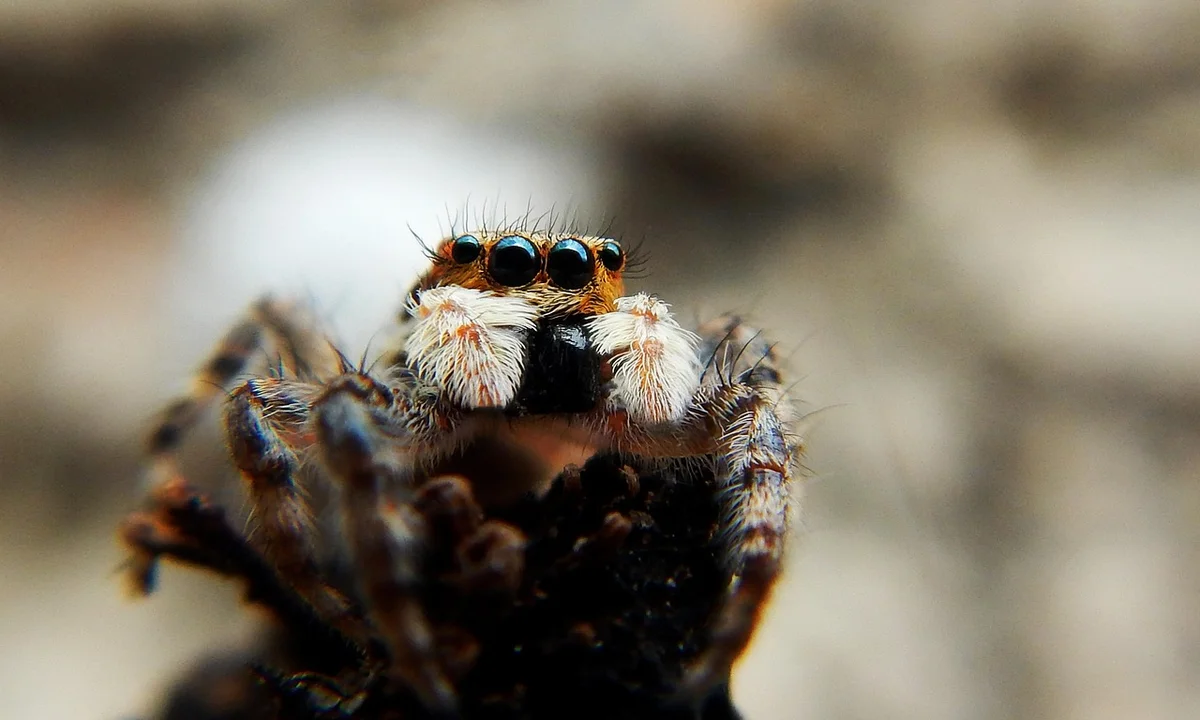
Tracking the growth stages and molting process.
Watching a tarantula grow is a study in patient observation. Their life unfolds in four clear chapters: spiderling, juvenile, sub-adult, and adult, each defined by a succession of molts. If you’re tracking a sling’s progress toward adulthood, a complete month-by-month tarantula growth guide can help anticipate molts and care needs at each stage.
The Four Life Stages
Spiderlings, or ‘slings,’ are delicate beginnings, often smaller than a dime. They require minuscule prey and secure, humid enclosures to survive their first fragile molts.
Juveniles have survived several molts and begin to show their true colors and behaviors. My OBT, Flash, revealed his bright orange hue and relentless webbing habits during this phase.
Sub-adults are nearly full-sized but not sexually mature, a time when physical differences between sexes become clearer. Males may develop tibial hooks and longer legs, while females build mass for egg production.
Adulthood marks the end of growth for females, who can live for many years at a stable size. My Chilean Rose Hair, Rosie, has been a steady five-inch presence for over a decade, a perfect ‘pet rock.’
Ecdysis: The Science of the Shed
Molting is the only way a tarantula can grow. They build a new, larger exoskeleton underneath the old one, then laboriously climb out of it. If a leg is lost, it can regrow over successive molts. This regrowth is a key part of the molting process explained below.
Before a molt, tarantulas often refuse food and become inactive. My Burgundy Goliath, Goliath, will seal his burrow entrance with silk, a silent cue for me to raise the humidity to 80% and cease all feeding.
The molt itself is a vulnerable, hours-long process. I enforce a strict ‘look, don’t touch’ rule during this time, as any disturbance can lead to lost limbs or death.
After emerging, the tarantula is soft and its colors are stunningly vivid. This post-molt period is when you can truly appreciate a size increase, sometimes a full inch in leg span for fast-growing species.
Understanding Growth Rates
Growth speed is species-specific. Fast-growing tarantulas like the OBT (P. murinus) can reach maturity in under three years, while slow-growers like the G. rosea may take ten years or more. In many tarantula care guides, molt history to estimate age is used, since molting frequency varies by species. Knowing the typical molt interval for a species can help you gauge a tarantula’s age more accurately.
You monitor growth by observing the tarantula after each molt. I gently measure leg span against enclosure markings, keeping a log that shows my T. stirmi gained two inches in one year, while Rosie has not increased in five.
What Affects Tarantula Size? Diet, Environment, and Genetics
Key factors that influence ultimate size and growth rate.
Your tarantula’s final dimensions are shaped by a trio of influences. Mastering these factors leads to robust health, not just maximum size.
-
Feeding Frequency and Prey Size directly fuel growth. Offering appropriately sized prey every 5-7 days for juveniles supports development. Overfeeding, however, stresses organs and can cause fatal molting complications. I once lost a prized specimen to a ruptured abdomen from overzealous feeding, a hard lesson learned.
-
Temperature and Humidity act as metabolic regulators. Consistent warmth between 75-80°F accelerates growth, while correct humidity ensures successful sheds. For my moisture-dependent Goliath, I maintain 75-80% humidity, but for my arid-living Rosie, I keep it at 50-60%.
-
Genetic Predisposition sets the immutable ceiling. Each species has a documented maximum size, but individual genetics create variation. Not every T. stirmi will hit a 10-inch leg span, just as my Flash will never be as heavy-bodied as a Theraphosa.
Embrace the natural variation in your tarantula’s growth. Providing consistent, species-specific care is far more valuable than chasing an arbitrary size benchmark. For advanced rare tarantula species, proper care is essential—tailored husbandry and careful observation ensure health and longevity. Invest time in learning each species’ specific needs, and growth will follow at its own pace.
Choosing the Right Enclosure for Your Tarantula’s Size
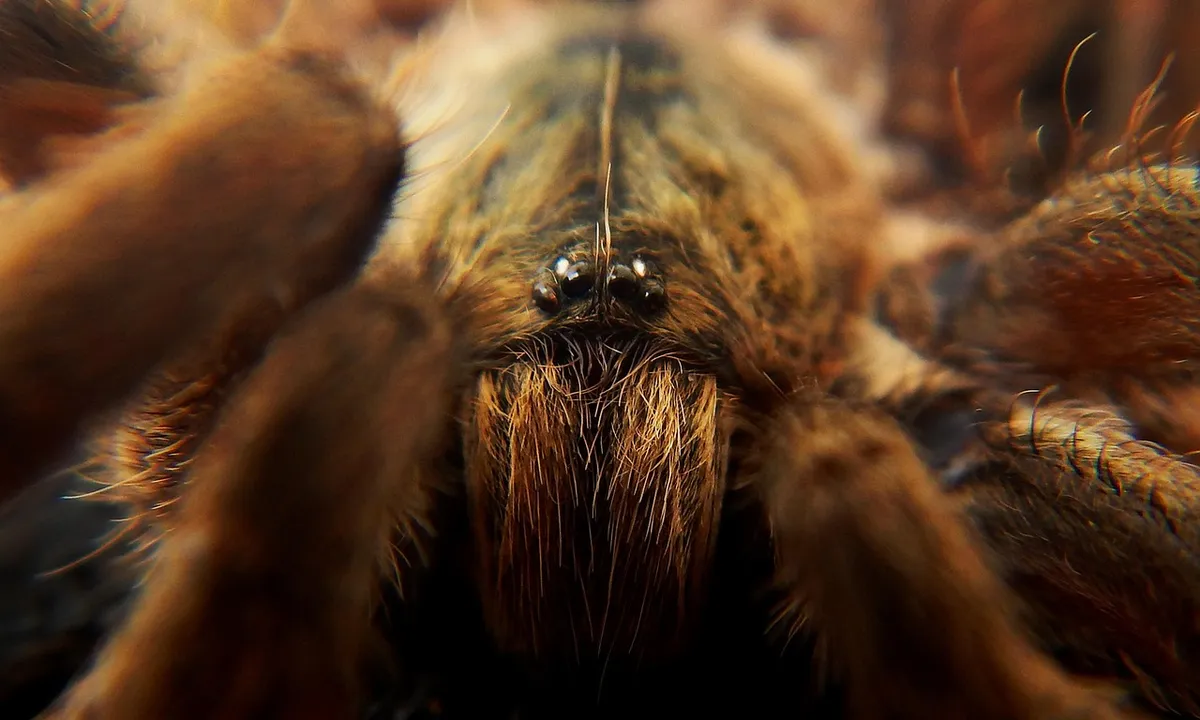
Matching habitat space to your tarantula’s dimensions for safety and health.
A proper enclosure is a security contract between you and your spider. Getting the dimensions wrong can cause stress, injury, or even death from a bad fall. The most critical measurement is your tarantula’s Diagonal Leg Span (DLS), taken from the tip of the first leg to the tip of the opposite back leg.
The Universal Floor Space Rule
For most tarantulas, the enclosure length should be 2 to 3 times the spider’s DLS. The width should be at least 1.5 times the DLS. My 15-year-old Rosie, a Grammostola rosea, has a 5-inch leg span. Her enclosure is a 10-gallon terrarium, which provides ample room for her slow, deliberate patrols. Space needs vary by species and activity level, so use these guidelines as a starting point and adjust as needed. A little extra space can help reduce stress and encourage natural behaviors.
- Slings & Spiderlings (under 1″): Use small deli cups or condiment containers. This makes food tracking easy and reduces stress.
- Juveniles (1″ to 3″ DLS): A standard 2.5 to 5-gallon tank or plastic critter keeper works perfectly.
- Adults (4″ DLS and above): Move to a permanent 10 to 20-gallon enclosure, depending on species bulk.
Arboreal vs. Terrestrial: A Vertical Divide
This is where your research pays off. A cramped arboreal tarantula is an unhappy, stressed one.
- Arboreal Species (e.g., Caribena versicolor, Psalmopoeus): Height is everything. Choose an enclosure that is taller than it is long. Provide a vertical cork bark slab for anchoring their extensive funnel webs. My Psalmopoeus murinus, Flash, has turned his tall enclosure into a complex, silken fortress.
- Terrestrial/Fossorial Species (e.g., Grammostola, Aphonopelma, T. stirmi): Floor space reigns supreme. Height is a danger. The distance from the lid to the substrate should not exceed 1.5 times the tarantula’s DLS to prevent fatal falls. My heavy Theraphosa stirmi, Goliath, needs a wide, low tank filled with deep, damp substrate for burrowing.
Upgrading as They Grow
You will not need a final adult enclosure on day one. I upgrade my tarantulas through 3-4 container sizes over their lives. Watch for two key signs: the spider’s legs are constantly touching multiple walls, or it struggles to turn around without obstruction. The rehousing process is a careful ballet. I always use a large, clear plastic tub as a temporary workspace to contain any sudden sprints. Patience and a soft paintbrush are your best tools. For safe transport and rehousing, use a secure transport tub with a snug lid and carry it gently. Keep the container level on a stable surface to minimize stress.
Sex Matters: Gender Differences in Tarantula Size
How to identify and understand size variation between males and females.
In the tarantula world, females are almost always the larger, longer-lived sex. This size disparity is directly linked to their biological roles and is one of the hobby’s most fascinating aspects, especially when comparing male vs female tarantulas.
A mature female tarantula is built for longevity and egg production, resulting in a heavier, broader body and often a greater leg span. My female G. rosea is a robust, steady presence. A mature male, however, is built for a single purpose: dispersal and mating. He is typically leggier, smaller in body mass, and possesses specialized structures called tibial hooks on his front legs and emboli on his pedipalps.
How to Sex a Tarantula
You can determine sex reliably after a molt or through careful ventral observation.
- From a Molt (Most Accurate): After your tarantula molts and the shed exoskeleton hardens, carefully extract it. Using tweezers and a magnifying glass, look at the inside of the abdomen’s front half. A female will show a distinct, pocket-like structure called the spermatheca. A male’s molt will be smooth in that area.
- Ventral View (Live Spider): For larger juveniles and adults, you can sometimes see differences. Females have a wider, more pronounced epigastric furrow between the top pair of book lungs. Males have a smaller, less obvious furrow. This method requires practice and good photos.
The Lifespan Link
The size difference tells the story of their lives. A female Old World species may live 12-15 years; a New World female like my Rosie can exceed 25. A male tarantula, upon reaching his ultimate molt into maturity, has only 12-18 months left to live, regardless of size. Do male and female tarantulas live longer? This ultimate maturity guide answers that question and explains how life expectancy differs by sex and molt stage. His sole focus becomes finding a mate, and he will often stop eating and become restless. This is nature’s clock, not a failure of care. Understanding this fundamental difference helps you appreciate each stage of your tarantula’s life, from the slow growth of a female to the urgent, final chapter of a male.
Common Questions
How do I choose an enclosure based on my tarantula’s expected adult size?
You should select an enclosure based on the typical adult Diagonal Leg Span (DLS) for your specific species. For terrestrial tarantulas, the enclosure length should be 2-3 times the adult DLS, with a low height to prevent dangerous falls. Arboreal species require an enclosure that is taller than it is long to accommodate their climbing and webbing habits. Always plan for the final adult size to avoid unnecessary and stressful rehousings later. Consider using a tarantula enclosure size calculator to input your species and DLS to generate recommended enclosure dimensions, helping you verify fit before purchasing. The calculator can quickly show whether your chosen enclosure meets the 2-3x DLS guideline for terrestrial species or the taller-than-long setup for arboreals.
Can I make my tarantula grow bigger by feeding it more?
While proper nutrition supports healthy growth, you cannot exceed a tarantula’s genetic maximum size. Overfeeding can actually be harmful, leading to obesity, a ruptured abdomen, or problematic molts. Growth rate and final size are primarily determined by the species and the individual spider’s genetics. Consistent, appropriate feeding supports robust health, which is more important than chasing maximum dimensions.
My tarantula seems small for its age. Is something wrong?
Not necessarily. Growth rates vary dramatically between species, with some taking over a decade to reach full size. Factors like slightly lower temperatures or individual genetic variation can result in slower growth. As long as your tarantula is eating, molting successfully, and behaving normally, it is likely healthy. Comparing growth to charts for its specific species, not its age, is the best gauge. In fact, even within a single species, growth can differ significantly based on environmental conditions and genetics.
When do I know it’s time to upgrade my tarantula’s enclosure?
Upgrade the enclosure when your tarantula’s legs are consistently touching multiple walls of its current home. Another clear sign is if the spider struggles to turn around comfortably without obstruction. For fast-growing species, you may need to plan for several upgrades from sling to adult. Always have the next sized enclosure ready before your tarantula outgrows its current one.
The Final Molt
To reach its full size, your tarantula depends entirely on successful molts, making the maintenance of correct, species-specific humidity the non-negotiable cornerstone of all growth-focused husbandry.
Resist the urge to measure progress in weeks or months. Instead, find fulfillment in the quiet behaviors that signal a content animal. Observe the meticulous patching of a web fortress by an OBT like my Flash, or the patient sit-and-wait strategy of my old rose hair, Rosie. True success in arachnoculture comes from this observant patience, allowing the natural, slow-motion drama of growth to unfold without interference.
Further Reading & Sources
- Tarantula Size Comparison: Just How Big Do These Spiders Get? – A-Z Animals
- Tarantula – Wikipedia
- La Sportiva Tarantulace Product Review and Sizing Guide! – YouTube
Arlo is a lifelong arachnid enthusiast who believes tarantulas are the world’s most misunderstood roommates. With years of hands-on experience in tarantula care, habitat setup, and species behavior, Arlo combines expert knowledge with a dash of humor to make spider ownership less scary and a lot more fascinating. From choosing the right enclosure to understanding why your eight-legged buddy is doing that weird little pose again, Arlo is here to help you become the best tarantula parent you can be, without getting tangled in the web of misinformation.
Enclosures and Sizes