
How Much Space Do You Need for a Tarantula Enclosure?
Providing the correct amount of space is not about giving your tarantula a mansion, but about crafting a secure territory that mimics the precise pressures of its wild habitat. Too much room can leave a tarantula feeling exposed and vulnerable, while too little stifles natural behaviors. This guide draws from years of breeding and keeping diverse species to give you clear, actionable rules. For a healthy, stress-free tarantula, the enclosure must be a tailored fit, not a one-size-fits-all box.
Quick Stats:
- Origin: Desert, grassland, or rainforest-each habitat dictates fundamental space use.
- Type: New World (often burrowers) vs. Old World (often faster, more defensive) influences safe retreat design.
- Growth Rate: From sling to adult, planning for upgrades is as crucial as the initial setup.
From my experience with pets like the sedentary Rosie and the fast-webbing Flash, I promise this guide will give you the exact dimensions and principles to size an enclosure for every life stage, ensuring your tarantula feels secure enough to exhibit its full, fascinating behavior.
The Core Principle: Why Space Matters in Tarantula Care
Proper enclosure sizing is not about giving your tarantula a mansion to roam. It is about crafting a habitat that minimizes stress and maximizes natural behavior. This directly supports the “Look, Don’t Touch” philosophy by creating a secure environment where the tarantula feels no need to defensively posture or flee, allowing you to observe its fascinating life in peace.
I have seen the myth that “bigger is always better” cause real problems. An oversized enclosure for a small spiderling can lead to it starving, unable to find its prey. For an adult, vast empty spaces can be intimidating, causing chronic stress. Conversely, a cramped cage restricts movement, prevents natural postures, and traps humidity and waste in a dangerous way.
The goal is a precise balance. Your primary aim is to provide immediate security for the tarantula while ensuring you have a clear, unobstructed view for observation and maintenance. A well-sized enclosure turns care from a chore into a window on a secret world.
Decoding Dimensions: Key Factors for Tarantula Habitat Space
1. Lifestyle: Terrestrial vs. Arboreal
This is the most critical divider. A terrestrial tarantula, like my elderly Grammostola rosea Rosie, lives its life on the ground. Its world is defined by horizontal space. An arboreal species, like my feisty Pterinochilus murinus Flash, is a climber by nature, defining its territory vertically.
- For terrestrials: Priority is floor area. The enclosure should be longer and wider than it is tall. A good rule is 2-3 times the tarantula’s leg span in length, and 1.5-2 times in width. Height is a secondary concern, but a fall from more than 1.5 times the spider’s legspan can be fatal.
- For arboreals: Priority is vertical height. They need ample space to climb and construct elaborate web tunnels. An enclosure should be tall, with a floor space still generous enough for a water dish and ground movement. Anchor points on the lid and sides are non-negotiable.
Simply put, a terrestrial needs land, and an arboreal needs sky; confusing the two creates a dysfunctional and dangerous home.
2. The Growth Journey: Sling, Juvenile, and Adult Stages
A tarantula’s enclosure needs evolve dramatically. Housing a 0.5-inch spiderling in an adult-sized tank is like putting a toddler in a football stadium-they will get lost, scared, and struggle to eat.
- Spiderlings (Slings): Start small. Deli cups, dram vials, or small condiment containers are perfect. The space should be just enough for a hide, a water droplet, and a short hunt. I keep my slings in enclosures no more than 3-4 times their leg span in diameter.
- Juveniles: This is the stage for the first major upgrade. Move them into a more permanent enclosure that offers room to explore and molt safely. For a terrestrial juvenile, this might be a 2-3 gallon tank. For an arboreal, a tall, slender container.
- Adults: The final, lifelong enclosure. This is sized according to the species-specific guidelines, ensuring ample space for full extension, feeding, and molting without risk of injury.
Upgrade when the tarantula’s leg span reaches roughly 1.5 times the length of its current enclosure, ensuring each new home feels secure, not cavernous.
3. Species-Specific Behaviors and Needs
Beyond terrestrial versus arboreal, individual species have quirks that demand specific spatial planning. The enclosure’s volume and internal layout must accommodate these behaviors.
- The Moisture-Lover (e.g., Theraphosa stirmi): My Goliath needs consistently high humidity. His enclosure must have space for a large, tip-proof water dish and a deep, moisture-retentive substrate layer. The air volume cannot be so vast that it prevents maintaining that humid microclimate.
- The Heavy Webber (e.g., Pterinochilus murinus): Flash will web every available surface. His enclosure needs ample vertical and horizontal anchor points across the entire interior. The space must accommodate thick, funnel-like webbing without it pressing directly against the ventilation, which can cause condensation issues.
- The Fossorial Burrower: Many species, like some in the Hapalopus genus, are dedicated diggers. They require an enclosure with a substrate depth at least 1.5 times their leg span to construct stable burrows. Floor area is still important, but vertical height is less critical than substrate depth.
Observing your tarantula’s natural behavior is the best guide; the enclosure should facilitate that behavior, not confine it. A happy tarantula is an active, visible tarantula, going about its secret business in the space you thoughtfully provided. Choosing the right substrate and enclosure is key to maintaining a healthy habitat. Regularly monitor and refresh the substrate to keep conditions stable.
Your Tarantula Tank Size Guide: Measurements by Type
Terrestrial Tarantula Enclosure Size
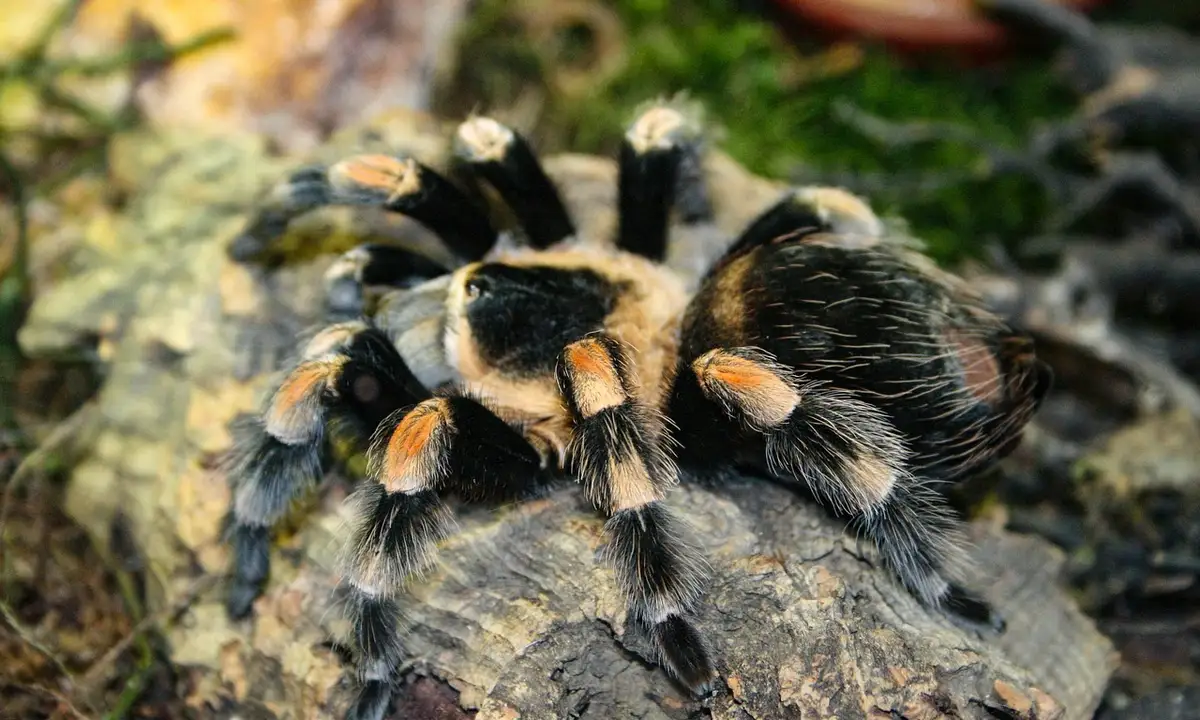
Terrestrial tarantulas live on the ground. Their enclosure must prioritize floor area over height. The golden rule is an enclosure length two to three times the tarantula’s diagonal leg span, with a height less than one and a half times the DLS to prevent fatal falls. This low profile encourages natural digging and reduces injury risk.
My Chilean Rose Hair, Rosie, perfectly illustrates this. In a tank too tall, she once took a minor fall that stressed her for days. Here is a quick reference table for common terrestrial species based on my years of keeping them.
| Species (Common Name) | Typical Adult DLS | Recommended Enclosure Dimensions (L x W x H) |
|---|---|---|
| Chilean Rose Hair (Grammostola rosea) | 5-6 inches | 12-18″ L x 8-12″ W x 8-10″ H |
| Mexican Redknee (Brachypelma hamorii) | 5-6 inches | 12-18″ L x 8-12″ W x 8-10″ H |
| Curly Hair (Tliltocatl albopilosus) | 5-6 inches | 12-18″ L x 8-12″ W x 8-10″ H |
| Burgundy Goliath (Theraphosa stirmi) | 9-10 inches | 24-30″ L x 12-18″ W x 12-15″ H |
Arboreal Tarantula Enclosure Space
Arboreal tarantulas are tree-dwellers. For them, vertical space is non-negotiable. Aim for an enclosure height two to three times the tarantula’s DLS, and fill that space with cork bark tubes, branches, and foliage for climbing and webbing. The floor space can be smaller, often just 1.5 times the DLS. Terrestrial tarantulas, by contrast, benefit from a broad, low-profile footprint with ample substrate for burrowing. Knowing whether your tarantula is arboreal or terrestrial helps you identify the essential enclosure features for its lifestyle.
I’ve kept several arboreal species, and their behavior changes dramatically with proper height. If you’re choosing between arboreal and terrestrial tarantulas as pets, understanding enclosure needs is key. Use this list to match your arboreal tarantula to its ideal home.
- Pink Toe (Avicularia avicularia): DLS 4-5 inches. Enclosure should be 12-15 inches tall.
- Trinidad Chevron (Psalmopoeus cambridgei): DLS 5-6 inches. Provide 15-18 inches of height.
- Singapore Blue (Omothymus violaceopes): DLS 7-8 inches. Minimum height of 18-24 inches is best.
Without adequate climbing structures, these tarantulas can become stressed and fall. Proper vertical design is a cornerstone of ethical arboreal care.
Special Focus: Spiderling (Sling) Enclosure Size
Spiderlings, or slings, require tiny, secure containers. I use deli cups, pill bottles, or condiment cups with cross-ventilation holes. A small space is critical for slings as it maintains stable humidity and ensures they can easily locate their prey. A vast enclosure will lead to dehydration and starvation.
Match the container size directly to the sling’s leg span. Follow these specific measurements for successful early-stage growth.
- DLS under 0.5 inches: A 0.5-1 ounce dram vial or small pill bottle.
- DLS 0.5 to 1.5 inches: A 2-4 ounce deli cup (2-3 inches in diameter).
- DLS 1.5 to 3 inches: A 16-32 ounce deli cup or small kritter keeper.
I raise all my slings this way, upgrading them only when their leg span exceeds the container’s width. This method minimizes stress and creates a controlled microclimate for fragile young tarantulas.
Reading the Signs: Is Your Tarantula’s Enclosure the Wrong Size?
Your tarantula’s behavior will tell you if its home fits. Learn to read these subtle cues. An enclosure that is too large often causes stress, manifesting as food refusal, constant hiding, and excessive webbing to create a smaller, secure zone. My Grammostola rosea, Rosie, once fasted for months in an oversized tank, only to resume feeding promptly in a properly sized one.
Conversely, a cramped space is equally problematic. Signs of an too small enclosure include unnatural, repetitive pacing along the walls, difficulty finding space to lay down a molt mat, and the tarantula’s body constantly touching the enclosure sides. It looks restless, not exploratory.
Here is a breakdown of key behaviors to watch for:
- Enclosure Too Large:
- Consistently refusing prey.
- Remaining hidden in one corner for weeks.
- Heavy, mat-like webbing across the substrate to section off space.
- Enclosure Too Small:
- Pacing the perimeter, especially during the day.
- Struggling to find a clear, flat space for molting.
- Legs or carapace always in contact with the lid or walls.
I saw this with my Theraphosa stirmi, Goliath. In a temporary container that was too short, he paced relentlessly. The moment he was moved to a wider, appropriately low enclosure, the pacing stopped and he began digging a proper burrow, a clear sign of improved welfare. Trust these observations-they are your best guide.
Practical Setup: Calculating and Choosing Your Tarantula Enclosure
How to Calculate Enclosure Space
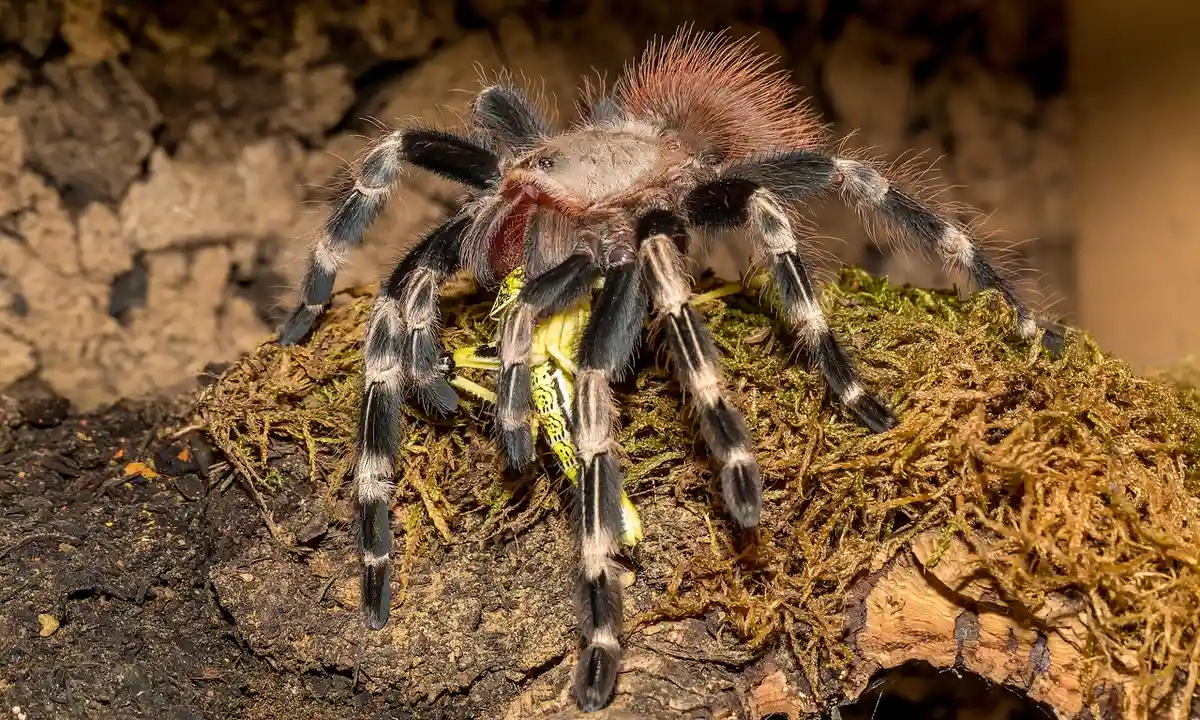
Start by measuring your tarantula’s diagonal leg span, the single most important number for cage shopping. Gently coax your tarantula into a clear, flat container if needed, and use a ruler to measure from the tip of the first front leg to the tip of the rear leg on the opposite side. This diagonal measurement, not body length, determines all your enclosure dimensions for pet tarantulas.
Apply the basic space rule derived from decades of community observation. For terrestrial species like my Grammostola rosea Rosie, the enclosure’s length should be three to four times their diagonal leg span. For arboreal tarantulas, the enclosure’s height is the critical dimension, needing at least three times their leg span.
- Terrestrial Formula: Enclosure Length = Diagonal Leg Span x 3 to 4
- Arboreal Formula: Enclosure Height = Diagonal Leg Span x 3+
Here is a calculation from my own practice. My Burgundy Goliath, with a formidable 8-inch leg span, requires a terrestrial tank at least 24 inches long. For my smaller OBT Flash, a 5-inch leg span means a 15-inch long enclosure is perfect. These rules create a territory large enough for security but small enough to prevent stress and aid in feeding.
Essential Decor and Safety Space Planning
Filling an enclosure is a puzzle where every piece must protect your tarantula. The water dish, hide, and substrate depth must coexist without cluttering the crucial open floor space. I use a simple method: place the hide and water dish against opposite walls, leaving the central area clear. This open central zone is your tarantula’s main highway and, critically, its molting stage. For a best enclosure setup tarantula step-by-step guide, this layout serves as a solid starting point. Next, follow a concise checklist to confirm substrate depth and humidity align with your species’ needs.
Substrate depth is non-negotiable for diggers. My Theraphosa stirmi Goliath needs a compactable, damp substrate layer at least 8 inches deep for burrowing. For non-burrowers like Rosie, 4-5 inches provides a safe cushion. Always compact the substrate firmly to prevent collapses.
The fall height rule is a lifesaver. Measure from the highest point your tarantula can climb-the top of a hide or a decoration-down to the substrate. For terrestrial species, this distance must be less than 1.5 times the tarantula’s diagonal leg span. I learned this after seeing Goliath slip from a high cork bark ledge; a dangerous fall was prevented only by my deep substrate.
- Prioritize a large, shallow water dish that won’t tip.
- Choose a hide that fits the tarantula snugly, leaving ample room around it.
- Never let decor create a pit or well where a tarantula could get trapped.
- Always leave an uncluttered area the size of the tarantula’s leg span for molting.
Beyond the Basics: Bioactive Setups and Space Efficiency
A bioactive enclosure introduces a living substrate team-springtails and isopods-and often, live plants. While this ecosystem uses vertical space and substrate layers efficiently, the core size rules for your tarantula remain unchanged. The functional space for your tarantula’s specific behaviors is infinitely more important than the total volume or aesthetic density of the setup. Whether deep vs shallow substrate is better depends on the tarantula species: burrowers typically benefit from a deeper layer to dig and molt. Non-burrowers often do well with a shallower, well-drained mix that still provides hiding spots.
My OBT Flash’s enclosure is bioactive, packed with cork tubes and webbing anchor points. The clean-up crews process waste in the substrate, but the open frontal area for his lightning-fast strikes is meticulously maintained. For a burrowing species, a bioactive setup means the substrate must be deep and stable enough for both the tarantula’s tunnel and the root systems of plants. Plants should be placed along the walls, never in the middle of your tarantula’s primary roaming or feeding ground. Even then, choose plants that are safe for tarantulas.
Bioactive design emphasizes vertical zoning for plants and clean-up crews, but the tarantula’s horizontal territory is sacred. This approach reduces maintenance but increases your duty to monitor the usable space. Every piece of decor must serve a purpose: anchoring webs, providing hide, or fostering microfauna, without encroaching on the essential open floor. In all cases, the tarantula’s welfare dictates the layout, not the other way around.
FAQs
How do I use a tarantula enclosure size chart correctly?
Use a size chart as a starting guide, but always cross-reference the measurements with your specific tarantula’s lifestyle and behavior. You can also use a tarantula enclosure size calculator to translate your tarantula’s DLS into the recommended enclosure dimensions. The most critical measurement is your tarantula’s Diagonal Leg Span (DLS), which you then apply to the chart’s formulas for length or height. Remember that these charts provide a range, and you should choose an enclosure on the smaller end of that range for a more secure feel, especially for juveniles or nervous species.
Why is there so much debate about enclosure size on tarantula forums and Reddit?
Debate often arises from differing philosophies between “minimalist” keepers, who prioritize security and easy feeding, and those who advocate for more “naturalistic” space. Many experienced keepers on forums emphasize that an enclosure can be too large, leading to stress and difficulty for the tarantula in finding prey. The consensus leans towards appropriately sized, well-decorated enclosures that cater to the species’ specific needs over simply maximizing volume.
Is a bigger tarantula enclosure always better?
No, a bigger enclosure is not always better and can often be detrimental. An excessively large space can make a tarantula feel exposed and vulnerable, leading to chronic stress, refusal to eat, and excessive webbing to create a smaller safe zone. The goal is to provide enough room for natural behaviors-like molting, webbing, or burrowing-while ensuring the tarantula feels secure in its defined territory.
What’s the biggest mistake people make with tarantula sling enclosure size?
The most common mistake is housing a spiderling in an enclosure that is far too large. A tiny sling in a vast space will struggle to find its prey, leading to starvation, and will have difficulty maintaining the necessary humidity microclimate. Proper sling enclosures are very small, such as deli cups or dram vials, which make feeding and monitoring much easier and safer for the developing tarantula. This same approach is central to tarantula sling spiderling care: start with a compact, stable setup that supports easy access to food and consistent humidity. By keeping the enclosure small and conditions closely watched through the early molts, you give sling spiderlings their best chance at healthy growth.
For a terrestrial tarantula, can the enclosure be too short?
Yes, the height for a terrestrial enclosure is critically important for safety, but it should not be excessive. The primary risk is a fall, which can be fatal. The enclosure height should be less than 1.5 times the tarantula’s leg span to minimize injury risk. However, it must still allow for an adequate depth of substrate for burrowing species and safe placement of decor.
What are the key considerations for a GBB tarantula’s enclosure size?
The Green Bottle Blue (GBB) is a terrestrial species known for being an avid webber. Its enclosure should follow standard terrestrial sizing rules but must prioritize ample anchor points on the floor and lower walls for its extensive webbing. Ensure the chosen decor and the distance to the lid allow for thick webbing without it getting stuck to ventilation, which could create moisture issues or tear the tarantula’s home.
The Long-Term View
Your tarantula’s entire world is defined by the space you provide. The single most important rule is to match the enclosure’s primary dimensions-floor space for burrowers, vertical height for climbers-to your spider’s natural behavior. Getting this fundamental geometry wrong creates stress that no amount of decoration can fix.
Beyond the measurements, watch what your tarantula does with its territory. The patient silence of a Grammostola rosea like my Rosie, holding absolute stillness for months, is as fascinating as the frantic, silk-spinning architecture of an OBT. Your patience is your best tool. A well-sized enclosure allows their true nature to unfold, offering you a front-row seat to a life lived quietly, deliberately, and on its own terms.
Further Reading & Sources
- r/tarantulas on Reddit: Minimum tank size
- Tarantula Cribs: Your Guide to Setting Up Tarantula Enclosures – Dragon’s Diet
- Tarantula Enclosures – Premium and DIY | Tom’s Big Spiders
Arlo is a lifelong arachnid enthusiast who believes tarantulas are the world’s most misunderstood roommates. With years of hands-on experience in tarantula care, habitat setup, and species behavior, Arlo combines expert knowledge with a dash of humor to make spider ownership less scary and a lot more fascinating. From choosing the right enclosure to understanding why your eight-legged buddy is doing that weird little pose again, Arlo is here to help you become the best tarantula parent you can be, without getting tangled in the web of misinformation.
Enclosures and Sizes