
How Do Tarantulas Communicate? Understanding Stridulation and Other Signals
Published on: March 15, 2026 | Last Updated: March 15, 2026
Written By: Arlo
Tarantulas are not the silent, inscrutable creatures of folklore; they are articulate in a language of bristles, stance, and sound. This guide translates that language, exploring the mechanical hiss of stridulation, the eloquent threat displays, and the subtle vibrational talks. Learning this silent lexicon is the cornerstone of ethical care, allowing you to respect boundaries and minimize stress without ever needing to touch.
- Key Channels: Auditory (stridulation), visual (posture), tactile (vibrations)
- Behavioral Context: Defense, courtship, territorial assertion
- Keeper Relevance: Directly informs safety and enclosure management
With insights honed from keeping everything from my pet-rock Rosie to my hair-flicking Goliath, this guide will train your eye and ear to understand your tarantula’s signals, transforming your keeping from basic maintenance to engaged observation.
The Sound of Communication: Stridulation Explained
Stridulation is sound production through friction. Think of it like dragging a fingernail across a stiff comb; the two surfaces rasp together to create an audible signal. In the silence of an enclosure, this sound is a clear, intentional broadcast from your tarantula.
Tarantulas produce these sounds by rubbing specific body parts together at high speed. This isn’t random noise, but a focused form of communication used primarily as a warning. I’ve heard it most often during rehousings, a sharp, rasping buzz that says “back off” more clearly than any posture.
Here is the step-by-step breakdown of how stridulation works:
- The tarantula perceives a threat, like a vibration from tweezers or the shadow of your hand.
- It positions its body to engage specialized structures, like ridges on its chelicerae or setae on its legs.
- Using rapid muscular contractions, it rubs these parts together in a repeated, scraping motion.
- The friction generates vibrations that travel through the air and substrate as a distinct sound we can hear.
This is a key auditory signal in many New World and Old World species. Recognizing stridulation is a critical skill for reducing animal stress and practicing respectful “Look, Don’t Touch” care.
Anatomy and Mechanism of Stridulation
Not all tarantulas “talk” the same way. The sound originates from precise anatomical interactions. Understanding these parts transforms a mysterious noise into readable behavior, rather than relying on hearing any actual sound.
The primary body parts used for stridulation include:
- Chelicerae: The fang bases, often bearing strike zones or ridges.
- Pedipalps: The leg-like appendages near the mouth, used in some species for rubbing.
- Legs: Specifically, the first pair, which can be scraped against the chelicerae.
- Specialized setae: Stiff, bristle-like hairs that act as a file or scraper.
These parts interact in species-specific ways. For instance, my Orange Bitey Thing, Flash (P. murinus), will rapidly rub its chelicerae together, creating a loud hiss. In contrast, some Grammostola species use a pedipalp-chelicera combination. The mechanism is a brilliant, evolutionary adaptation for a creature without vocal cords.
This table compares stridulatory methods in common pet species:
| Species Example | Primary Stridulatory Organ | Typical Sound/Context |
|---|---|---|
| Orange Baboon Tarantula (P. murinus) | Chelicerae (cheliceral strike) | Loud, sharp hiss when provoked or cornered. |
| Brazilian Black (G. pulchra) | Pedipalps against chelicerae | Softer, rasping sound, often during handling stress. |
| Many Brachypelma species | Femur of first leg against chelicerae | Audible stridulation, usually preceding a flick of urticating hairs. |
| Chilean Rose Hair (G. rosea) | Lacks prominent structures | Typically silent; communicates more through posture and movement. |
Emphasizing anatomy helps in recognizing communication. When you know what body part is moving, you can better interpret the message and adjust your care to minimize distress.
Common Stridulatory Structures in Pet Tarantulas
In practical terms, you’ll encounter a few main setups. The cheliceral strike is famous in defensive Old World species like the OBT. My OBT, Flash, deploys this sound with shocking volume during cage maintenance, a unequivocal auditory stop sign. The action is fast, a blur of movement where the fang bases grate together.
Pedipalp rubbing is seen in some New World tarantulas. Here, the palps are drawn across textured parts of the chelicerae. This produces a less intense, but still distinct, warning rasp. It’s a reminder that even generally docile species have lines they don’t want crossed.
Not all tarantulas have these adaptations. My elderly G. rosea, Rosie, is a classic “pet rock” who has never stridulated in 15 years. Her communication is all in the subtle lift of a leg or the deliberate turn of her body. Knowing which species stridulate prepares you for the full range of tarantula signals.
Why Stridulate? Contexts and Species Differences
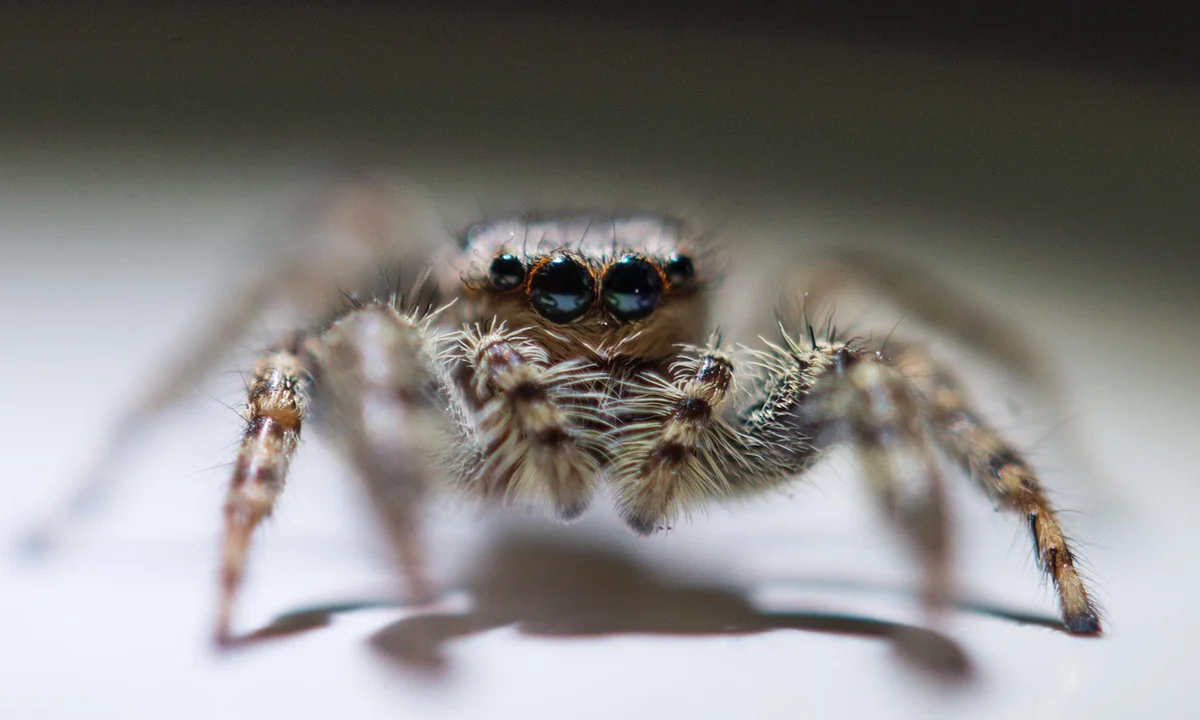
Tarantulas produce sound for clear, survival-driven reasons. Stridulation is a precise tool in their behavioral toolkit. This audible signal serves four primary functions in their world. What do these common tarantula behaviors mean, and how should we interpret them in the wild and in captivity? Understanding the messages behind their sounds helps us read their moods and needs more accurately.
- Defensive behavior: A sharp hiss warns predators or perceived threats to retreat.
- Predator avoidance: The sudden noise can startle an attacker, creating a chance to flee.
- Aggression signaling: During confrontations, it communicates readiness to escalate to biting or hair-flicking.
- Courtship: Males integrate sound into their intricate mating dances to attract and coordinate with females.
In your home, stridulation often flares during moments of perceived danger. Rehousing is a common trigger. My OBT, Flash, emits a rapid, sandpaper-like hiss the moment his cork bark is lifted. Another scenario is during enclosure maintenance; a sudden shadow or vibration can prompt a warning. Goliath, my T. stirmi, once stridulated when I misted his tank too abruptly. Hearing this sound is your cue to pause and assess the tarantula’s stress level.
Species variation is profound. Not all tarantulas possess this ability. My Grammostola rosea, Rosie, has never stridulated in 15 years; she expresses displeasure through stillness and occasional hair-flicking. Conversely, Old World species like Pterinochilus murinus are adept stridulators. Knowing your species’ propensity for sound helps you interpret their comfort and stress accurately.
Defensive Stridulation: A Warning Sign
Defensive stridulation is a calibrated threat display. It typically comes before a tarantula resorts to costlier defenses like ejecting urticating hairs or delivering a venomous bite. The sound is a final, clear statement of agitation.
When you hear this, your response must be immediate and calm. Stop all movement, and slowly remove any perceived threat, like your hands or tools. Backing off at this signal respects the animal’s boundaries and prevents a defensive strike. I learned this when Flash stridulated as I adjusted a web anchor in his enclosure; freezing and retreating allowed him to settle without incident.
Courtship and Mate Signaling Through Sound
For male tarantulas, stridulation is part of a sophisticated courtship ritual. He will often produce rhythmic sounds while performing his pedipalp-tapping and leg-waving dance. This acoustic layer helps signal his species and intentions to the female.
In captivity, these behaviors can be triggered by environmental shifts that mimic natural seasons. A gradual increase in humidity or a subtle drop in temperature can stimulate reproductive instincts. Observing these coordinated sound and movement displays is a rare glimpse into the complex social life of a solitary animal.
Beyond Sound: Vibrational and Tactile Cues
Sound is only one channel. Tarantulas live in a world rich with substrate-borne vibration. They communicate extensively through precise movements transmitted through the ground, using vibrational signals for communication.
- Leg-tapping: A rapid, repetitive drumming often signaling agitation or investigation.
- Pedipalp-tapping: Softer, probing taps used during exploration or initial courtship approaches.
- Whole-body movements: A deliberate shivering or bouncing used in threat displays or mate attraction.
Tarantulas detect these vibrations through slit sensilla and specialized hairs on their legs and bodies. These structures are exquisitely sensitive, allowing them to pinpoint the location and nature of disturbances. Your choice of substrate directly impacts their ability to send and receive these vital signals. I use a mix of coconut fiber and peat for my burrowers like Goliath; it holds moisture but also transmits vibrations effectively. Avoid overly damp, compacted, or overly deep substrates that deaden these cues.
Detecting and Interpreting Substrate Vibrations
Vibrations carry specific messages. A slow, rhythmic pattern might be a male’s courtship signal. The frantic scramble of a cricket broadcasts “prey.” A heavy, inconsistent vibration reads as “potential threat.”
Tarantulas modulate their signals based on context. A female may respond to a male’s vibrational courtship with a receptive tap or an aggressive thump. Paying attention to these subtle exchanges, like the focused leg-lift of your tarantula sensing a feeder insect, reveals the silent conversation happening in your enclosure. When trying to gauge if a female is ready to mate, you look for receptivity cues such as a calm posture or reciprocal signaling. If she shows aggression or avoidance, she is not ready to mate and you should pause the attempt.
Tactile Communication in Close Encounters
When distances close, tarantulas switch to direct tactile communication. They use their legs and pedipalps to gently probe surfaces, other tarantulas, or potential prey. An aggressive shove with the front legs is a blunt demand for space.
This intimate form of contact is precisely why handling is discouraged. Your skin does not communicate like another tarantula; a probing leg might misinterpret texture, leading to a defensive bite. My “look, don’t touch” philosophy stems from respecting this language-observing Rosie’s gentle push against a water dish is communication enough.
Visual, Chemical, and Silk-Based Signals
Beyond stridulation, tarantulas employ a subtle language of sight, scent, and touch. Visual signals are immediate and direct, from a sudden arch of the legs to the flash of color on a carapace, relying on their unique vision and eyesight capabilities.
My OBT, Flash, communicates volumes without a sound. When disturbed, he rears up, presenting his bright orange abdomen-a vivid warning. My docile G. rosea, Rosie, uses posture differently, tucking her legs tightly to appear smaller and less noticeable.
Chemical signals, or pheromones, are invisible messages. Females deposit these chemosignals on their silk to advertise readiness for mating, creating a scent trail a male can follow. Even in captivity, these cues influence behavior, though we cannot smell them.
Silk itself is a communication medium. Rosie, a terrestrial species, spins minimal silk mats that anchor her and may subtly mark her space. In contrast, Flash’s dense web network acts as both a home and a sensitive alarm system.
Urticating Hairs as a Defensive Signal
Kicking urticating hairs is a multi-layered signal. It is a visual cloud of irritation and a tactile punishment for anything that contacts it. My T. stirmi, Goliath, frequently uses this defense.
You can often see the warning before the kick. The tarantula will turn its abdomen toward the threat, raising its back legs. Recognizing this posture lets you calmly retreat and avoid a shower of irritating hairs. Always wear eye protection during enclosure maintenance for species known to kick.
The Role of Silk in Communication
Silk lines are information highways. Vibrations from prey, predators, or a potential mate travel along these threads. A tarantula perched on its web feels every tiny movement, interpreting it through its feet.
Species differences are stark. Heavy webbers like P. murinus (OBTs) rely on silk for nearly all environmental data. Ground dwellers like G. rosea use it more for structural security and occasional chemical marking. Observing how your tarantula uses silk offers a window into its perceptual world.
Courtship and Mating Communication
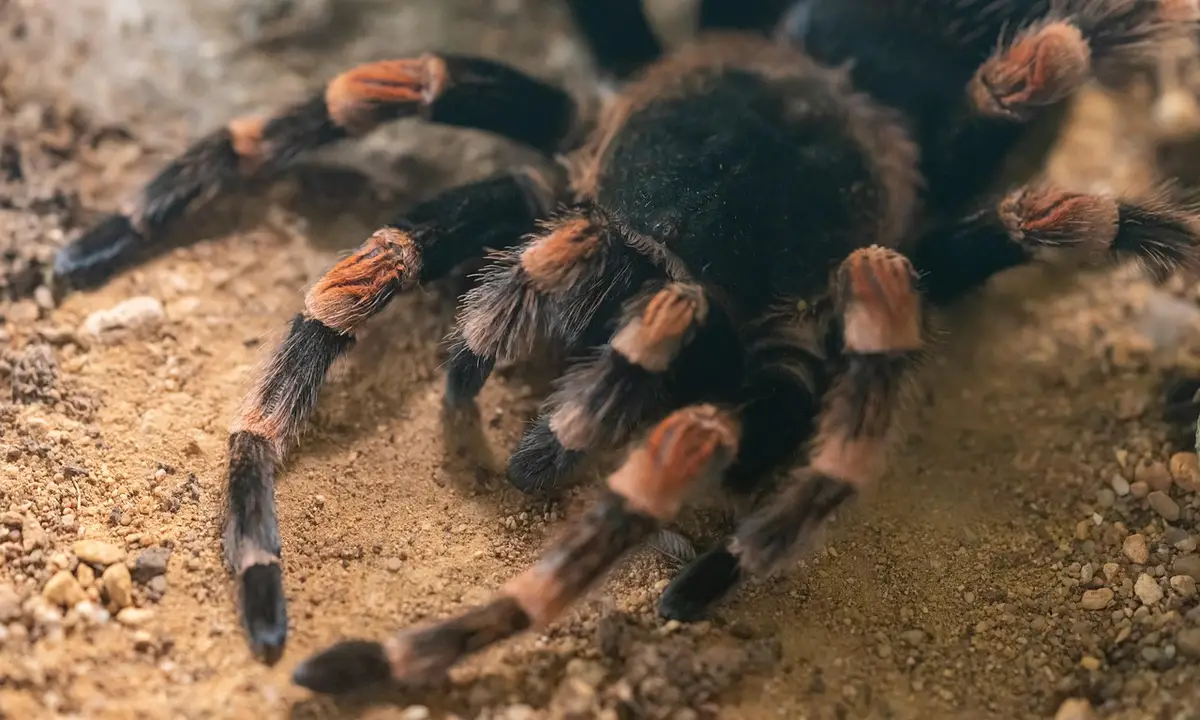
The mating ritual is a high-stakes dialogue of precise signals. Success depends on the male correctly interpreting the female’s chemical cues and body language. A mistake can be fatal for him.
The male initiates a “courtship dance,” tapping and vibrating near the female’s retreat. The female’s response-remaining still or advancing-dictates his next move. For breeders, patient observation of these signals is the key to a safe introduction.
In captivity, seasonality can be muted. Simulating subtle triggers like a slight drop in temperature or an increase in humidity can sometimes encourage natural reproductive behaviors. Always have a tool ready to separate the pair if the female becomes aggressive post-mating.
Male Courtship Rituals: A Step-by-Step Process
- The male detects female pheromones on her silk or in the air, often by tapping his pedipalps.
- He approaches her burrow or web, performing rhythmic tapping and stridulation to announce his intentions.
- If receptive, she assumes a passive posture; if not, she may lunge or attack, ending the encounter.
Silk and Chemical Cues in Mate Selection
Females weave their readiness into their webs. They impregnate their draglines with pheromones, creating a chemical pathway for a suitable male to find.
Males follow these scent trails with dedicated focus. This chemical communication reduces direct confrontation and allows the female to control the initial phase of courtship from a distance. In breeding projects, introducing the male to the female’s established enclosure, rather than the reverse, leverages this natural signaling system.
Defensive Signals for Pet Owners to Recognize
Your tarantula’s first line of defense is clear communication, a suite of behaviors shouting “leave me alone.” Learning this visual and auditory language is the single most important skill for preventing bites, reducing stress, and building a respectful relationship with your pet. To do this well, learn to read your tarantula’s body language for stress and defensive signs. Early detection lets you adjust handling and enclosure to keep interactions calm.
- Threat Posture: The spider rears back, lifting its front legs and pedipalps high, exposing its fangs. This is its most unmistakable “stop” signal.
- Stridulation: That unsettling hiss? It’s produced by rubbing specialized body parts together, a clear auditory warning you should heed immediately.
- Hair Kicking (Urticating Setae): New World tarantulas like my Goliath use their back legs to flick a cloud of microscopic, barbed hairs from their abdomen. These cause intense itching and are a potent deterrent.
- Rapid Movements: A sudden, lightning-fast scuttle or strike is not playful. It’s pure defensive reflex, common in Old World species like the OBT.
Your “Back Off” Quick-Reference List
If you see any of these, cease all interaction and give the animal space:
- Front legs raised high in the air.
- Abdomen angled upward (preparing to kick hairs).
- A audible hissing or rasping sound.
- Sudden, jerky movements towards your tool or hand.
- Repeated, aggressive tapping of the front legs.
Safety is a non-negotiable practice, not a fear; always work over a large, open bin when rehousing and wear eye protection around hair-kicking species. I learned this firsthand rehousing Flash, my OBT. His immediate, silent threat posture the moment the lid came off told me everything. I moved slowly, used long tools, and let him dictate the pace into his new home-a successful rehousing defined by his calmness, not my speed.
Interpreting Threat Displays in Common Pet Species
Defensive language varies dramatically between species. My fifteen-year-old Chilean Rose Hair, Rosie, communicates mostly by doing nothing. Her “threat” is a slow leg raise, often held for minutes, more a grumpy suggestion than a true warning. Contrast this with Flash, whose bright orange body is a natural caution sign. His threat display is instantaneous, complete with reared legs and a readiness to vanish or strike. Recognizing this spectrum-from the passive resistance of a Grammostola to the active defensiveness of a Pterinochilus-shapes how you manage their space.
Enclosure setup can minimize defensive triggers. For nervous species, provide deep substrate for burrowing and multiple hides like cork bark flats. Avoid overly large enclosures that feel exposed, and always approach from the front, not from above like a predator. A cluttered, secure-feeling environment is a calm environment.
Aggression Signaling and Predator Avoidance
For a tarantula, every interaction is potential predation. Their signals are evolved predator avoidance tactics, designed to end a confrontation without a risky physical fight. A threatening posture makes the animal look larger and more formidable. Stridulation mimics the sounds of more dangerous animals. These displays are energy-saving bluffs, and a wise predator-or keeper-will take the hint and retreat.
Honoring these behaviors in pet care means adopting a “Look, Don’t Touch” philosophy. Handling forces a tarantula into a lose-lose scenario: it cannot flee effectively and must choose between a futile threat display or a defensive bite. We provide optimal care by creating secure habitats where they feel no need to signal defensively. We observe the fascinating silence of their existence, respecting their communication by listening to what they are telling us with their bodies. Their wellbeing depends on our understanding.
FAQs
Do all tarantula species stridulate?
No, not all tarantula species possess the ability to stridulate. This trait varies significantly between genera and even species. For example, many Old World tarantulas and some New World ones are proficient stridulators, while others like the Chilean Rose Hair are typically silent. As a keeper, knowing your specific tarantula’s propensity for sound helps you correctly interpret its stress signals and behavior.
What is the purpose of a threat posture in tarantulas?
A threat posture is a primary visual signal meant to deter predators without physical confrontation. By rearing up and lifting its front legs, the tarantula appears larger and more formidable, often exposing its fangs. This display is a clear “back off” warning to the keeper. Heeding this signal by ceasing interaction is crucial for preventing a defensive bite or other escalation.
How do tarantulas use urticating hairs as a signal?
Kicking urticating hairs is a multi-stage defensive signal. Visually, the tarantula will often turn its abdomen toward the threat and raise its back legs as a clear warning. The act of releasing the irritating hairs itself serves as a potent tactile and chemical deterrent. Recognizing the preparatory posture allows a keeper to retreat and avoid causing the tarantula this stress.
How do male tarantulas signal to females during courtship?
Male tarantulas engage in a complex ritual combining tactile, vibrational, and sometimes auditory signals. They perform a specific “courtship dance,” which includes rhythmic tapping and drumming on the substrate or female’s web. This carefully choreographed sequence communicates his species, intent, and attempts to pacify the female to avoid being mistaken for prey. Interested in the full mating sequence? A step-by-step guide to tarantula reproduction outlines how courtship progresses to copulation and egg sac formation.
Can tarantulas detect vibrations, and how do they use this?
Yes, tarantulas are highly sensitive to substrate vibrations, which they detect through specialized organs in their legs. They use this sense to interpret their world, distinguishing between the vibrations of potential prey, a rival, or a mate. In captivity, they may also perceive your movements and activities through these vibrations, which is why a calm, deliberate approach around their enclosure is best. Many tarantulas are ambush predators that hunt by sensing vibrations and striking when prey comes near. They subdue prey with venom and pull it toward their mouthparts.
Why is understanding stridulation important for a pet owner?
For a keeper, recognizing stridulation is a direct insight into your tarantula’s stress level. This audible hiss or rasp is a definitive warning that the animal feels threatened. Responding by immediately pausing and removing the perceived threat respects the tarantula’s boundaries and is a core part of ethical, stress-minimizing care, helping to prevent defensive bites or hair-flicking.
Building a Quiet Bond
The most critical parameter for witnessing natural communication is providing a secure, low-stress enclosure that meets your tarantula’s core needs for shelter, humidity, and prey. A stressed tarantula is either hiding or in a constant state of defense; you will not see the subtle, fascinating signals of a content animal. Your diligence in husbandry creates the stage.
Your greatest reward comes from patient observation. I spend hours watching my OBT, Flash, engineer her silken fortress, or my Goliath methodically pat down her burrow entrance. The sudden stillness when they sense vibration, the deliberate placement of a silk trip line, the calculated patience before a strike-these are the true communications. You are not just keeping a pet; you are a privileged spectator to a silent, ancient drama. Let their behavior, not your hands, be the point of contact.
Further Reading & Sources
- Stridulation – Wikipedia
- Can Tarantulas Growl? Demystifying Tarantula Sounds | by Aexsha Teramera | Medium
- (PDF) Setal entanglement: an undescribed method of stridulation by a Neotropical tarantula (Araneae: Theraphosidae)
Arlo is a lifelong arachnid enthusiast who believes tarantulas are the world’s most misunderstood roommates. With years of hands-on experience in tarantula care, habitat setup, and species behavior, Arlo combines expert knowledge with a dash of humor to make spider ownership less scary and a lot more fascinating. From choosing the right enclosure to understanding why your eight-legged buddy is doing that weird little pose again, Arlo is here to help you become the best tarantula parent you can be, without getting tangled in the web of misinformation.
Understanding Tarantula Behavior