
How Long Do Tarantulas Live? A Lifespan Guide by Species
In the hushed stillness of a well-kept enclosure, a tarantula’s life unfolds on a timescale that humbles the frantic pace of our own. While many assume these spiders are short-lived, the truth is that a female tarantula’s lifespan can be measured in decades, often turning a single specimen into a companion for a significant portion of your own life. This guide moves beyond averages to explore the fascinating biological lottery of sex, species, and care that determines whether your eight-legged friend will be with you for two years or thirty.
Quick Stats:
- Origin: Every continent except Antarctica, from arid scrublands to humid jungles.
- Type: New World (typically slower-growing, longer-lived) and Old World (often faster-growing, with shorter lifespans).
- Growth Rate: A profound spectrum, from the near-static pace of my 15-year-old Chilean Rose Hair to the meteoric maturation of an Orange Babbler Tarantula.
- Lifespan Range: Males may live only 2-5 years after maturing, while females of species like the Grammostola can surpass 30 years in captivity.
Drawing from years of observing molts and maintaining records, this guide will give you the framework to understand your tarantula’s biological clock and the husbandry that helps it tick for as long as nature intended.
Understanding Tarantula Life Expectancy: Averages and Ranges
In captivity, tarantula lifespans stretch from a brief few years to impressive decades, a direct reflection of their biology and your care. The single most defining factor is sex, with females dramatically outliving males in nearly all species.
While a male tarantula might complete his life cycle in 3 to 8 years, a female of the same species can thrive for 15 to 30 years or more. My Chilean Rose Hair, Rosie, is a living example at 15 years old and shows no signs of slowing down. This disparity is rooted in the male’s sole purpose of seeking a mate after his final molt, after which he typically declines rapidly. These key differences—lifespan, temperament, and cost—are what many hobbyists weigh when choosing between male and female tarantulas. They help explain why a long-lived female like Rosie can be a different kind of commitment than a shorter-lived male.
What Determines a Tarantula’s Lifespan? Key Influencing Factors
Four pillars support a tarantula’s long life: Genetics, Sex, Species, and Care Quality. You cannot control the first three, but the fourth is entirely in your hands. Excellent captive care doesn’t just match a wild tarantula’s potential lifespan; it often surpasses it by removing threats like predators and seasonal famine. For advanced rare tarantula species, proper care means tailored enclosures and environmental control. With that discipline, these spiders can thrive under your care.
- Genetics: The inherent blueprint from the parents.
- Sex: As outlined, females are the long-distance champions.
- Species: A Brazilian Salmon Pink Birdeater (Lasiodora parahybana) grows fast and lives shorter than a slow-maturing Mexican Redknee (Brachypelma hamorii).
- Care Quality: This is your domain. It includes:
- A stable temperature gradient.
- Species-correct humidity levels.
- A proper, varied diet.
- Minimal stress from handling or inappropriate housing.
- A clean enclosure free from mold and mites.
Diet and Nutrition for Longevity
Feeding is more than dropping in a cricket; it’s about quality and rhythm. Offer a variety of gut-loaded feeders like dubia roaches, crickets, and occasional mealworms to ensure a broad nutrient profile.
Prey size should match your tarantula’s body length, preventing injury or refusal. I’ve learned from Rosie’s epic fasts, sometimes lasting eight months, that adult tarantulas can enter prolonged voluntary fasts with no ill effects. Resisting the urge to overfeed is critical, as obesity can complicate molts and strain internal organs.
Husbandry: Creating a Lifespan-Extending Environment
The enclosure is their entire world. Get it wrong, and you create chronic stress; get it right, and you build a longevity sanctuary. Species-appropriate design is non-negotiable: provide deep, packed substrate for burrowers like Flash, my OBT, and ample vertical height with cork bark for arboreal species.
Temperature and humidity are not guesses. Maintain ambient temperatures between 70-80°F (21-27°C). Humidity needs precision: my Burgundy Goliath, Goliath, requires 70-80% to thrive, while an Avicularia species does best at 60-70%. Bioactive setups, with clean-up crews like springtails, help maintain these stable microclimates silently and efficiently, reducing your intervention and their stress.
The Gender Longevity Gap: Male vs. Female Tarantula Lifespans
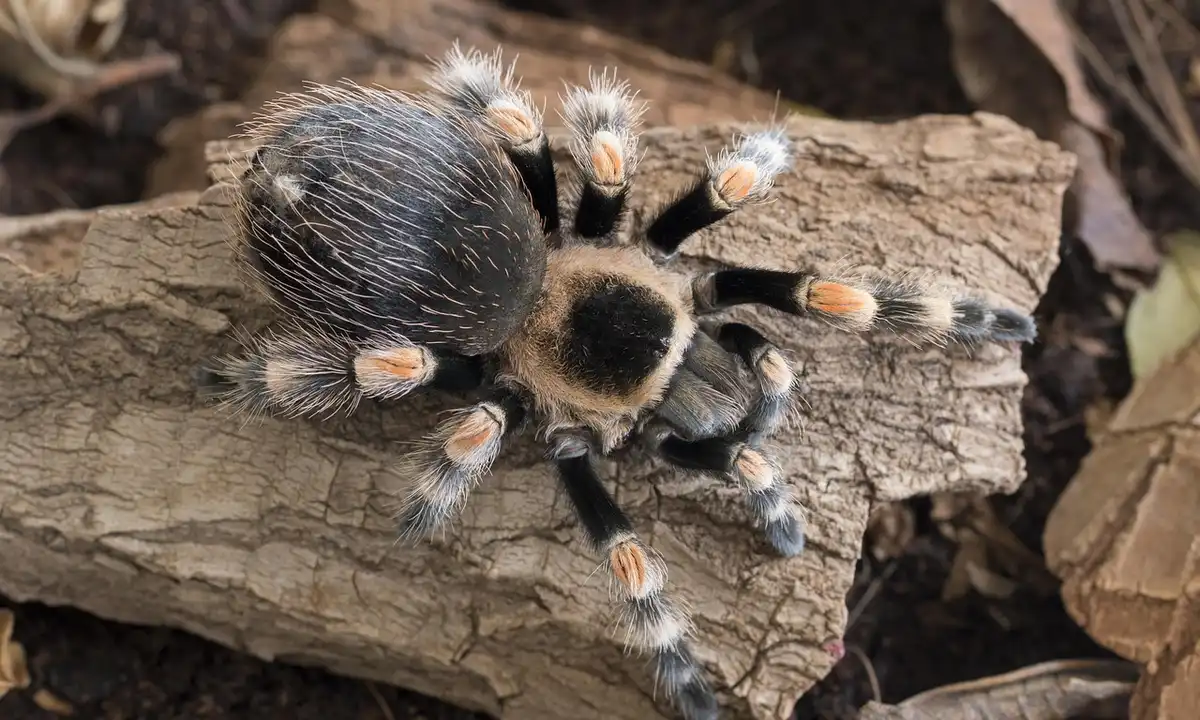
If you watch a mature male tarantula patrol his enclosure, you witness a life on a strict timer. His biological purpose is singular: find a mate. Male tarantulas experience a rushed adolescence, maturing faster than females to embark on their risky search for a partner. After his final, or “ultimate,” molt, he transforms. His pedipalps develop the emboli used for mating, and his focus shifts entirely. This nomadic phase burns through his energy reserves, and he typically dies from exhaustion or predation within a year, often just months.
Females exist on a completely different timeline. My Chilean Rose Hair, Rosie, has been a calm fixture in my collection for fifteen years. Unlike males, females continue a slow cycle of molting after maturity, allowing them to repair injuries and live for decades in a secure environment. This isn’t mere aging; it’s a prolonged state of reproductive readiness. A female’s value to the species is longevity, providing multiple chances to produce egg sacs and ensure the next generation.
Knowing your tarantula’s sex is the only way to realistically predict its lifespan. The most reliable method requires a shed exoskeleton. You must learn to sex a molt; it transforms a piece of discarded skin into a definitive biography. To apply this in practice, follow this step-by-step guide to determine your tarantula’s sex. Here is a simple guide using a clean, fully intact molt:
- Gently soak the molt in a drop of water with a touch of dish soap to soften it.
- Using soft tweezers, carefully unfold the abdomen section to expose the inner surface.
- Look between the top pair of book lungs, near where the abdomen attached to the cephalothorax. A female will show a distinct, pocket-like structure called the spermathecae. A male’s same area will be smooth or have only faint folds.
I practice this with every molt my tarantulas produce. Finding the spermathecae on my G. rosea‘s shed confirmed Rosie’s potential for many more years. This non-invasive peek inside their biology underscores why we prioritize low-stress, hands-off care-their lives are long, quiet stories we are privileged to observe.
Tarantula Lifespan by Species: A Detailed Guide
Tarantula longevity is a spectrum, from decades of quiet observation to a shorter, more intense keeping experience. This detailed guide breaks down common pet species by their life rhythms compared to their counterparts in the wild, using my own collection as a real-world reference.
| Common Name | Scientific Name | Typical Female Lifespan | Growth Speed | Primary Habitat |
|---|---|---|---|---|
| Chilean Rose Hair | Grammostola rosea | 15-25+ years | Very Slow | Terrestrial |
| Mexican Redknee | Brachypelma hamorii | 20-30 years | Slow | Terrestrial |
| Chaco Golden Knee | Grammostola pulchripes | 20-25 years | Slow | Terrestrial |
| Goliath Birdeater | Theraphosa stirmi | 10-15 years | Fast | Terrestrial |
| Salmon Pink Birdeater | Lasiodora parahybana | 10-15 years | Fast | Terrestrial |
| Brazilian Pink Toe | Avicularia avicularia | 8-12 years | Moderate | Arboreal |
| Antilles Pink Toe | Caribena versicolor | 10-12 years | Moderate to Fast | Arboreal |
| Orange Baboon Tarantula | Pterinochilus murinus | 8-12 years | Very Fast | Terrestrial |
| Indian Ornamental | Poecilotheria regalis | 10-15 years | Fast | Arboreal |
Use this table as a starting point. The true story of a tarantula’s life unfolds in the specific care you provide for its group.
Long-Lived Terrestrial Species (15-30+ years for females)
These are the decades-long companions of the hobby. My Grammostola rosea, Rosie, exemplifies this patient existence, having changed her hide maybe three times in 15 years. Their slow metabolism means infrequent meals and molts.
- Chilean rose hair (Grammostola rosea): 15-25+ years. They are famously undemanding. Rosie’s record fast was 11 months, a normal behavior that stresses new keepers more than the spider. Use dry substrate like coconut fiber and a always-full water dish.
- Mexican redknee (Brachypelma hamorii): 20-30 years. Their iconic look and calm demeanor are legendary. I provide a deep, packable substrate for burrowing, which significantly reduces stress-related hair flicking. Keep temperatures between 70-78°F.
- Chaco golden knee (Grammostola pulchripes): 20-25 years. A personal favorite for its bold stripes and gentle nature. Their care mirrors the redknee, thriving on a simple setup with a hide and low humidity around 60-65%.
Large, Fast-Growing Terrestrials (10-15 years for females)
You witness a giant’s entire life cycle in a condensed timeframe. My Theraphosa stirmi, Goliath, reminds me of this every time I need to upgrade his enclosure, a task he meets with a cloud of irritating urticating hairs. Their appetite and growth are impressive.
- Goliath birdeater (Theraphosa stirmi): 10-15 years. Humidity is non-negotiable at 80-85%. I maintain this with a large water bowl and damp sphagnum moss in a corner, avoiding soggy substrate. Temperatures of 78-82°F support their rapid growth.
- Salmon pink birdeater (Lasiodora parahybana): 10-15 years. An eager eater that can reach a large size quickly. I limit feeding to once a week for adults to prevent a ruptured abdomen from overeating. Provide a deep layer of dry substrate with a humid hide.
Arboreal Tarantula Lifespans (8-12 years for females)
Life in the trees moves at a quicker pace. Their enclosures need height, ventilation, and careful moisture management to prevent stagnant air. Watching them build intricate aerial tunnels is a key joy.
- Brazilian pink toe (Avicularia avicularia): 8-12 years. Good cross-ventilation prevents fatal respiratory issues. I mist the sides and leaves lightly every few days to maintain 70-80% humidity without waterlogging the base. They rarely descend to the ground.
- Caribena versicolor: 10-12 years. Their stunning color metamorphosis is a reward for proper care. I furnish enclosures with cork bark and fake plants, creating anchor points for the extensive webbing they produce as juveniles. Keep them at 75-80°F.
Old World and Fast-Maturing Species (8-12 years for females)
These tarantulas trade urticating hairs for speed and potent venom. My Pterinochilus murinus, Flash, transformed a bare enclosure into a silken fortress overnight, a clear sign of his high-strung nature. In defense, tarantulas vary from using urticating hairs to relying on venom. Respectful, hands-off care is mandatory.
- Orange baboon tarantula (Pterinochilus murinus): 8-12 years for females. Their defensive posture is not a bluff. Flash has escaped during a rehousing before, teaching me the critical lesson of working over a large, deep bin. They need secure lids, a dry substrate, and minimal intrusion.
- Poecilotheria species: 10-15 years for females. Their venom is medically significant, and their strikes are blindingly fast. I keep my ornamental tarantulas in tall enclosures with complex bark layouts, observing their breathtaking patterns from a safe distance. Humidity should be 70-80% with ample ventilation.
How to Estimate Your Tarantula’s Age
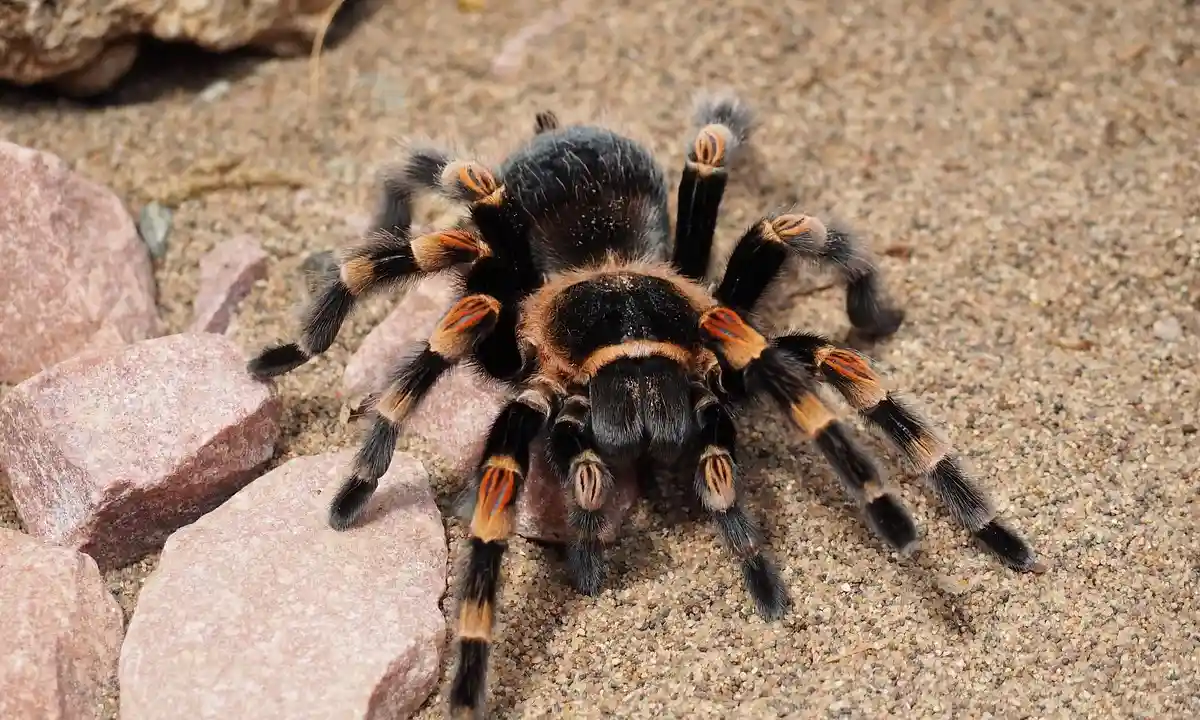
Unless you acquired your spiderling from a breeder, its exact birthday is a mystery. For many older tarantulas, like my rehomed G. rosea Rosie, their age is an educated guess based on years of observation. Wild-caught adults, once common, arrive with no history at all.
You can make a reasonable estimate by combining a few clues.
- Size Against the Species Average: A 4-inch female Grammostola is likely a juvenile; an 8-inch female Theraphosa is probably still growing. My T. stirmi, Goliath, reached her immense span quickly, a growth spurt tied to consistent feeding and high humidity.
- Molting Frequency: This is your best metric. Spiderlings can molt every few weeks, large juveniles every few months, and adults may go a year or more. My OBT, Flash, still molts rapidly, a sign of his youth. Rosie hasn’t molted in over three years-a clear signal of her advanced age.
- Signs of Maturity in Males: After their final, “ultimate” molt, males develop distinct hooks on their front legs (tibial apophyses) and fully-formed emboli on their pedipalps. Their behavior also shifts, becoming restless as they seek a mate.
I learned estimation through Rosie. She was an adult of unknown age when I got her fifteen years ago. Her dusty pink color has faded slightly, and her long fasts between meals have grown even longer, subtle hints of the time passing in her quiet, sedentary way. Tracking her molts-or lack thereof-has been my only real calendar. By comparing her decade-plus of stillness to the explosive growth of my younger spiders, I’ve learned to read the slow, silent language of arachnid aging. You simply watch, learn their rhythms, and piece the puzzle together.
Maximizing Lifespan: Essential Pet Tarantula Care Practices
Longevity in tarantulas is a partnership between their genetic blueprint and the quality of environment we provide. Your primary role as a keeper is to become a diligent student of your spider’s natural history and a perceptive interpreter of its silent needs. Knowing what factors influence a tarantula’s lifespan can greatly improve the quality and length of their life in captivity.
Prioritize Species-Specific Care
Generalized “one-size-fits-all” care is the fastest way to shorten a tarantula’s life. My dusty pink Grammostola rosea, Rosie, thrives in bone-dry substrate with a water dish, while my Theraphosa stirmi, Goliath, requires 75-85% humidity and damp peat to truly flourish.
Research is non-negotiable. Before acquiring any species, learn its native climate. Then, replicate it.
- Humidity: Measure it with a digital gauge. “Moist” is not a measurement. My Goliath’s enclosure stays at 80%; my OBT Flash’s is below 60%.
- Temperature: Most do well at 70-78°F (21-26°C). Avoid heat mats under the tank; use ambient room heating.
- Substrate: Depth and type matter. Burrowers need 6+ inches of a soil-cocofiber mix. Terrestrial species need enough to cushion a fall.
Minimize Stress Relentlessly
Stress is a silent killer for arachnids, suppressing their immune system and disrupting vital processes like molting. The single greatest stress reduction you can practice is adopting a firm “Look, Don’t Touch” philosophy. Handling provides you a thrill but offers the tarantula nothing but terror and risk of a fatal fall.
Rehousing, however, is sometimes necessary. I approach it like a chess match. All tools (clear deli cups, soft paintbrushes, long tongs) are prepared. Lights are low. I work slowly, using gentle guidance, never force. I once spent 45 minutes coaxing a defensive Pterinochilus murinus (an OBT like Flash) into a catch cup by patiently using its own web as a guide. The goal is a transition so smooth the spider barely registers the change.
Maintain Impeccable Enclosure Hygiene
A clean home is a healthy home. This doesn’t mean full, stressful cleanouts often. It means consistent, minor upkeep.
- Spot Clean Weekly: Use long tweezers to remove boluses (dried prey bundles) and any mold growth.
- Remove Leftover Prey: A live cricket left overnight can harass or even injure a tarantula, especially in pre-molt. Remove uneaten prey within 24 hours.
- Fresh Water Always: Provide a shallow, clean water dish. Refill it weekly, or immediately if substrate is kicked into it. Even desert species drink.
This routine maintenance prevents mite outbreaks, bacterial growth, and keeps your tarantula’s world predictably clean.
Observe Closely and Act Promptly
Your tarantula communicates through behavior, not sound. Learn its normal rhythms. Rosie, my “pet rock,” fasting for 8 months is normal for her species. Flash webbing his entire enclosure shut is a happy OBT.
Deviations are your clues. A terrestrial tarantula suddenly climbing the walls may indicate substrate distress. A loss of appetite coupled with a dark, shiny abdomen signals pre-molt-this is when you must stop feeding and ensure humidity is perfect.
- Premolt Signs: Darkening abdomen, bald spot turning from pink to deep black, reduced activity, refusal of food.
- Distress Signs: Prolonged lethargy in an active species, unnatural curling of legs, refusing food and water for extreme periods in a normally feeding specimen.
Your most powerful tool is a simple notebook. Log feeding, molts, and odd behaviors; this record becomes an invaluable health timeline. In this hobby, patience and observation are not just virtues-they are life-saving practices.
FAQs
What is the average lifespan of a pet tarantula?
There is no single average, as lifespan is overwhelmingly dictated by the spider’s sex. A mature male tarantula often lives only a few months to a year after his final molt. In contrast, a female of a long-lived species can thrive for multiple decades in captivity, with 15 to 30 years being a common range for many popular terrestrial pets. Do male and female tarantulas live longer? This question is a core topic in the ultimate maturity guide for tarantula care.
Which tarantula species typically live the longest as pets?
Slow-growing, New World terrestrial species generally have the longest potential lifespans. For example, female Mexican Redknee (Brachypelma hamorii) and Chilean Rose Hair (Grammostola rosea) tarantulas frequently live 20 to 30 years or more with proper care. These species are often recommended for keepers seeking a long-term companion.
What are the most important factors for a long tarantula lifespan?
While genetics, species, and sex set the potential, the quality of captive care is the decisive factor you control. Key elements include providing a stable, species-appropriate environment with correct temperature and humidity, a proper diet without overfeeding, and most critically, minimizing stress through a hands-off approach and correct housing.
Why do male tarantulas have such short lives?
Male tarantulas are biologically programmed for a single purpose: to find a mate. After their ultimate molt, they stop growing and enter a nomadic phase, using all their energy to search for a female. This period is metabolically taxing, and they typically die from exhaustion or natural decline within a year of maturing, regardless of care quality. Do male tarantulas die after mating? Here’s a brief tarantula mating lifecycle explained that clarifies what typically happens after the mating phase.
Can I do anything to help my tarantula reach its maximum lifespan?
Absolutely. Excellent husbandry that mimics the tarantula’s natural habitat is key. This involves diligent research to provide the correct enclosure type, substrate, humidity, and temperature. Consistent, low-stress maintenance—like spot cleaning, providing fresh water, and removing uneaten prey—creates a stable environment that allows your tarantula to thrive for years. Heating and humidity needs vary by species; popular tarantula species such as the Chilean rose and Mexican red-knee have distinct moisture and warmth targets. Research your specific species to dial in the right humidity and temperatures.
The Final Molt
Reflecting on my decades in arachnoculture, from the dusty pink stillness of my old Grammostola rosea to the humid hide of my Theraphosa stirmi, one truth stands clear. The most powerful factor influencing your tarantula’s lifespan is not a magic supplement, but the relentless consistency of its environment-specifically, humidity levels tailored to its species. A Pterinochilus murinus like Flash will desiccate in a dry tank, while a swamp-dweller like Goliath will succumb to infection without saturated substrate. This parameter directly governs the dangerous, life-extending process of molting. Get it right, year after quiet year, and you give your spider its best chance at reaching its biological ceiling.
Long-term success is measured in behaviors witnessed, not days counted. The hobby’s deepest reward is becoming a patient observer of a hidden world. Watch for the nocturnal redesign of a web fortress, the precise flick of urticating hairs, the sudden strike that breaks the enclosure’s silence. My ‘pet rock’ Rosie has taught me more through fifteen years of placid existence than any frantic interaction ever could. Your primary role is steward, not spectator; provide stability, reduce stress, and let the animal simply be. This respectful, hands-off philosophy is the true secret to witnessing the full, fascinating arc of a tarantula’s long life.
Further Reading & Sources
- r/tarantulas on Reddit: how long do tarantulas typically live?
- How Long Do Tarantulas Live? Tarantula Lifespan Chart – Dragon’s Diet
- Tarantula – Wikipedia
Arlo is a lifelong arachnid enthusiast who believes tarantulas are the world’s most misunderstood roommates. With years of hands-on experience in tarantula care, habitat setup, and species behavior, Arlo combines expert knowledge with a dash of humor to make spider ownership less scary and a lot more fascinating. From choosing the right enclosure to understanding why your eight-legged buddy is doing that weird little pose again, Arlo is here to help you become the best tarantula parent you can be, without getting tangled in the web of misinformation.
Lifespan