
What Are the Core Principles of Ethical Tarantula Breeding?
Published on: December 11, 2025 | Last Updated: December 11, 2025
Written By: Arlo
Ethical tarantula breeding is the backbone of sustainable arachnoculture, transforming a simple hobby into a legacy of health and respect for these silent arthropods. This practice moves beyond mere reproduction to encompass the entire lifecycle, ensuring each spider thrives from egg sac to adult. In this article, I’ll draw from years of keeping everything from docile ‘pet rocks’ to defensive Old World species to outline the non-negotiable tenets of responsible breeding. The core answer is simple: ethical breeding always places the spider’s welfare above all else, prioritizing need over greed and knowledge over chance.
- Quick Stats:
- Ethical Foundation: Welfare-focused, conservation-minded
- Scope: Applies to all species, from New World beginners to Old World experts
- Commitment: A multi-generational responsibility measured in years, not months
This guide will provide the specific, experience-based husbandry framework you need to approach breeding with confidence and conscience, ensuring your efforts contribute positively to the tarantulas in your care and the hobby at large.
Why Do Breeding Ethics Matter in the Pet Tarantula Hobby?
Breeding tarantulas is not like breeding dogs or cats. You are creating hundreds of lives with a single successful pairing, lives that can live for decades. The choices you make ripple through the entire hobby. Ethical breeding is the critical barrier between a sustainable hobby and one plagued by neglect and overpopulation. I’ve seen the unfortunate results of careless breeding firsthand at reptile expos: bins of slings sold for pocket change, doomed to poor homes.
One major issue is the dilution of genetic lineage. Many popular species are wild-caught imports or descended from a tiny genetic pool. Without careful record-keeping, we risk inbreeding depression, which can lead to weaker immune systems and lower viability in spiderlings. Keeping detailed records is a non-negotiable pillar of responsible practice.
The other core concern is sheer volume. A single egg sac from my T. stirmi, Goliath, could yield over a thousand spiderlings. What happens to them all? Ethical breeders have a plan for every sling, from sales to trades to personal retention. They breed for purpose-to improve captive bloodlines, to work with rare species, or to fulfill specific requests-not just because they can.
The Ripple Effects of Irresponsible Breeding
- Market Saturation: Flooding the market with cheap, common species devalues the animals and encourages impulse buys from unprepared owners.
- Welfare Crisis: An oversupply leads to spiders being kept in substandard conditions, sold as feeders, or simply culled.
- Conservation Harm: Poorly documented captive breeding does nothing to offset wild collection and can muddle scientifically important lineage data.
- Hobby Reputation: It fosters a culture of disposability, counter to the “Look, Don’t Touch” philosophy of respectful, observational care.
Are You and Your Tarantula Ready for Breeding?
Before you even consider introducing a male to a female, you must pass this two-part readiness check. Breeding is stressful, risky, and resource-intensive. I learned this the hard way early on, scrambling to house dozens of unexpected slings. True readiness is measured in preparation, not just curiosity.
Part 1: Is Your Tarantula a Candidate?
Not every tarantula should be bred. Assess your individual animal with a critical eye.
| Criterion | Ready | Not Ready | |
|---|---|---|---|
| Sex & Maturity | Confirmed mature male via tibial hooks/spurs; confirmed mature female via molt sexing (at least 1.5-2 years past maturity). | Juveniles of unknown sex; females less than a year post-maturity. | |
| Health & Condition | Robust body weight, full hydration, clean environment. No recent injuries or mites. | Recently molted (within 6 months for female), underweight, recovering from any ailment. | |
| Lineage & History | Known captive-born history. No suspicion of being a wild-caught import or from an overbred bloodline. | Unknown origin, pet store purchase with no data, possible sibling from a large, unrecorded sac. | |
| Temperament (Female) | Species-typical feeding response and defensive behavior. A predictable animal. | Excessively nervous, reclusive, or chronically stressed individuals. (My OBT, Flash, will never be bred due to his extreme defensiveness). |
Part 2: Are You Logistically and Ethically Prepared?
This is the sobering checklist for the breeder. Be brutally honest with your answers.
- Housing for Hundreds: Do you have 100-1000+ escape-proof deli cups or vials, with ventilation, prepared in advance? Each will need substrate and a water source.
- Financial Buffer: Can you afford the substrate, fruit flies, pinhead crickets, and eventual shipping supplies for all offspring for several months?
- Time Investment: Are you ready for weekly feeding and maintenance of hundreds of enclosures? This can consume hours.
- Loss Acceptance: Are you prepared for the male to be killed? For the female to potentially eat the egg sac? For some slings not to thrive?
- Exit Strategy: Do you have a verified network of buyers, traders, or keepers who will provide proper homes? Are you ready to ethically cull if you cannot place them?
- Record Keeping: Do you have a system to track the pairing date, parents, sac date, and individual sling numbers?
If you hesitated on any point, pause. Breeding should wait until every box is definitively checked. The goal is to add healthy, wanted animals to the community, not to create a burden you or the hobby must bear. The silence of a well-managed breeding room, filled with hundreds of thriving slings, is a testament to this meticulous preparation.
Foundational Care: Non-Negotiables Before Breeding
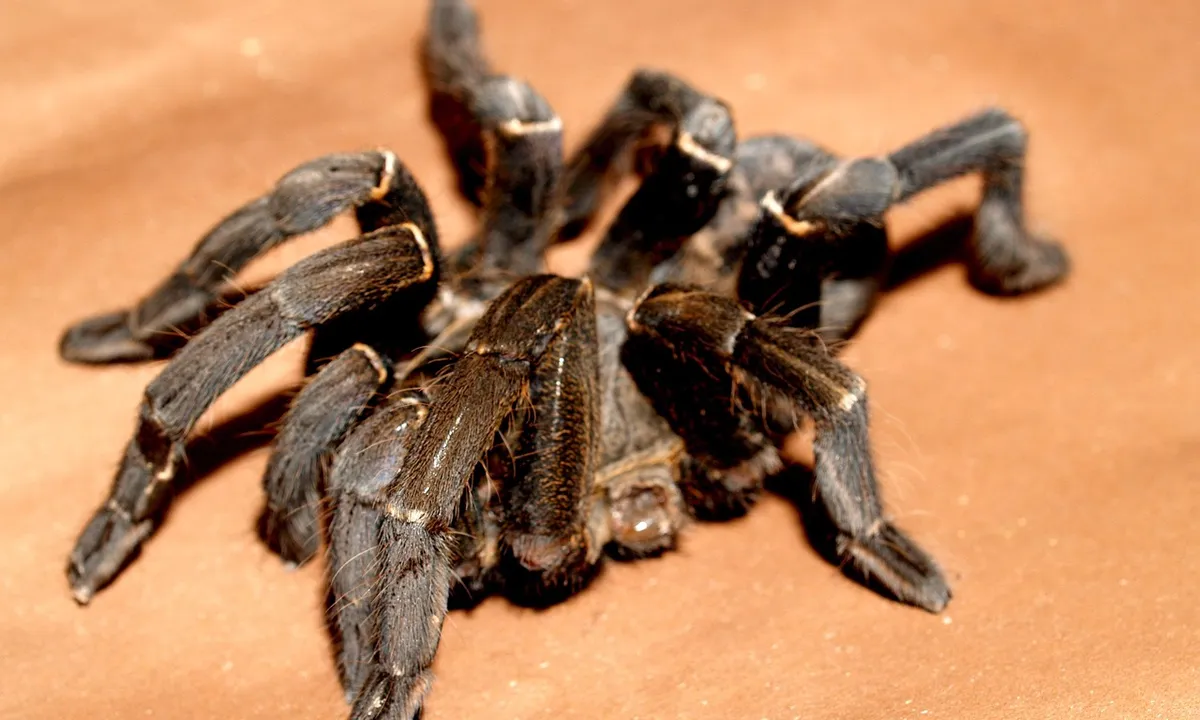
Breeding is not a casual experiment. It is a deliberate act that places significant physiological demand on your animals. Your primary ethical duty is to ensure both the male and female are thriving specimens, not merely surviving. Attempting to breed a tarantula from a suboptimal enclosure is akin to asking a malnourished athlete to run a marathon. To do this responsibly, create a comprehensive breeding plan for your tarantulas. It should cover enclosure conditions, pairing timing, and welfare checks.
1. Irrefutable Health & Maturity
You must confirm two things: ultimate maturity and robust health. A male must have his final molt, revealing fully formed emboli on his pedipalps. Females should be well-past their ultimate molt, giving their bodies time to fully harden and stabilize. I learned this patience with my Chilean Rose Hair, Rosie; her multi-year fasting spells taught me that a tarantula’s internal clock is not my own. Breeding a freshly molted female is a death sentence for the male and risks the female’s health, especially when molting and reproduction are involved.
- Sexing: Confirm via a previous molt. Examine the spermathecae area under light.
- Condition: The tarantula should be alert, well-fed (but not obese), with a plump abdomen and no signs of injury, dehydration, or fungal growth.
- Quarantine: Any new animal intended for breeding must be observed in isolation for a minimum of 60-90 days to rule out mites or pathogens.
2. Species-Specific Perfection in Enclosure Parameters
General care guides are a starting point. For breeding, parameters must be dialed in with precision. An enclosure is not just a box; it is a microclimate that either supports reproductive behavior or stifles it completely.
Consider my Burgundy Goliath Bird Eater, Goliath. His species (Theraphosa stirmi) requires 80-85% humidity and deep, moist substrate to trigger natural behaviors. An attempt in a dry, shallow setup would fail. Conversely, my OBT, Flash (Pterinochilus murinus), needs arid ventilation around a damp corner and dense anchor points for his thick webbing.
- Temperature: Maintain the upper end of the species’ preferred range (e.g., 78-82°F for tropicals, 72-75°F for temperate). Stable warmth aids metabolism.
- Humidity & Hydration: Provide a large, clean water dish at all times. Humidity should match the natural history of the species-not a guess.
- Substrate & Space: Depth for burrowing, moisture gradients, and secure hides are mandatory. A stressed tarantula will not court.
3. Optimized, Varied Nutrition
This goes beyond tossing in a cricket. A breeding female needs nutrient reserves to produce an egg sac. A male needs stamina. I feed my breeders a rotating diet of gut-loaded dubia roaches, locusts, and the occasional silkworm, creating a nutritional portfolio for them to draw from.
- Increase feeding frequency for 2-3 months prior to introduction, building the female’s resources.
- Ensure all feeders are appropriately sized and dusted with calcium (for the feeder’s gut load, not the tarantula directly).
- Observe feeding responses keenly; a loss of appetite can signal pre-molt or illness-halt all breeding plans.
4. The “Look, Don’t Touch” Imperative
Handling has zero place in ethical breeding. It induces stress, risks falls that can cause abdominal rupture, and exposes you to urticating hairs or venom. Your skill should be measured by your ability to manage them within their enclosure using tools, not your hands. I have rehoused my defensive OBT using a carefully orchestrated cup-and-lid method; direct contact was never an option. This respectful distance keeps their stress hormones low and their natural behaviors intact, which is critical for successful breeding rituals.
The silence of the enclosure before a male begins his drumming is a sign of a calm, settled animal. That is your goal. Master these non-negotiables first. The intricate dance of breeding comes later.
Preserving Genetic Diversity and Keeping Accurate Records
Think of genetic diversity as the immune system for a captive population. Without it, lines become weak and prone to failure. Inbreeding, often seen as just pairing siblings, can silently accumulate over generations, leading to smaller clutch sizes, fragile slings, or failed molts in your collection. I combat this by actively seeking out unrelated breeding partners, sometimes trading slings with breeders hundreds of miles away.
My record-keeping started with a simple notepad for Rosie, my G. rosea, but it has evolved into a meticulous system. Detailed logs transform anecdotes into actionable data, revealing how temperature shifts affect egg sac development or which lineages consistently produce hardy offspring. This practice separates casual keeping from responsible breeding.
The How and Why of Genetic Management
Preserving diversity requires proactive planning before you ever pair two tarantulas. Common tarantula mating problems can often be avoided with careful pairing and close observation of courtship. I follow a core set of rules to maintain robust genetics.
- Source breeders from distinct, documented bloodlines whenever possible.
- Prioritize breeding wild-type specimens over isolated color morphs for foundation stock.
- Introduce new genetic material every few generations by collaborating with other ethical breeders.
- Retire breeders after a few successful sacs to prevent over-reliance on a single individual.
For example, my T. stirmi Goliath came from a breeder who meticulously tracked his spider’s lineage. That documentation allowed me to confidently pair him with a female whose ancestors were imported on a different continent, drastically minimizing inbreeding risk. Without those records, I would be guessing.
Building Your Breeding Ledger
Your records should tell the complete life story of each spider. I use a digital spreadsheet for quick searches, but a dedicated notebook works perfectly. Track these key data points for every tarantula involved in a breeding project. These are the same kinds of details that you’ll find in any good tarantula care journal.
- Species & Locality: (e.g., Brachypelma hamorii – “Texcoco” locale).
- Unique ID/Name & Sex.
- Acquisition Date and Source Breeder.
- Full Molt History: Date and confirmed instar for each molt.
- Pairing Records: Dates, the mate’s ID, and observed behaviors.
- Reproductive Timeline: Egg sac date, pull date, number of slings.
- Health and Behavior Notes: Refusals to eat, unusual posturing, or successful rehousing.
This log helped me notice that my OBT, Flash, consistently molts two weeks after sealing his burrow, allowing me to adjust feeding and humidity proactively. For breeding, this precision is non-negotiable.
Accurate data directly impacts animal welfare. I once postponed a pairing after my records showed the female had molted only four months prior; she likely wasn’t physiologically ready. Ethical breeding means listening to the data and the animal, not forcing a timeline. Your records are the tool that lets you do both.
Start this habit today, even with a single tarantula. Those early notes on growth rates and temperament will become your most trusted reference when you decide to breed years later. The silence of the enclosure holds many secrets, but your records will help you understand them. Thinking ahead to breeding, you’ll see that challenges—such as long generation times and managing genetics—can affect how available rare tarantulas are. Your records will help you anticipate these shifts and stay responsible in your choices.
Conducting the Pairing with Minimal Stress
Successful breeding hinges on your ability to manage a controlled, tense encounter without becoming an active participant. The goal is to facilitate a natural process while being ready to intervene, all without adding your own anxiety to the mix. I approach every pairing with the calm focus of a scientist, knowing that even my docile Rosie can become unpredictably defensive when a male is introduced to her space.
Curating the Stage: Pre-Pairing Enclosure Prep
Never pair tarantulas in the male’s enclosure. The female should always be in her established, familiar territory to reduce her stress. About a week before the planned introduction, ensure the female’s habitat is optimized for security and ease of observation. This means checking that hides are secure, substrate is dry enough to prevent slips but holds humidity if needed, and all décor is stable. Be mindful of common tarantula enclosure mistakes to avoid, such as unsecured decorations or incorrect humidity. A thoughtfully prepared, secure habitat reduces stress during introductions.
- Temperature & Humidity: Stabilize conditions to ideal species-specific ranges. For my moisture-loving Goliath (T. stirmi), I maintain 78-82°F and 80% humidity. For arid species like Rosie (G. rosea), I ensure complete dryness with a water dish.
- Clear the Arena: Remove any prey items, webbing tunnels that might obscure your view, or unstable ornaments. You need a clear line of sight.
- Tool Preparation: Have long forceps, a large catch cup, and a piece of cardboard ready. Your hands should not enter the enclosure.
The Delicate Introduction: Step-by-Step Protocol
This is a silent dance you observe, not direct. I perform introductions during the female’s typical active period, often in the evening. Gently guide the male into the female’s enclosure using a catch cup, placing him near the front where you can see everything. Then, retreat. Do not hover directly over the tank.
- Initial Contact: The male will often tap and vibrate his pedipalps, sensing the female’s pheromones. The female may emerge or stay hidden.
- The Approach: If receptive, she will assume a raised posture. The male will cautiously approach to initiate the mating lift.
- Critical Observation: Watch for aggression: a rapid charge, fang display, or a flick of urticating hairs from New World species. With my Goliath, I watch for the tell-tale rear leg lift that precedes a hair-flicking barrage.
- Separation: After mating concludes or if aggression starts, use your tools. Gently herd the male toward the cup with the cardboard or forceps. Speed is less important than calm, predictable movements to prevent a panicked bolt.
Managing Defensive and Fast Species
Pairing a species like my OBT, Flash (P. murinus), requires impeccable planning. For old world, fast, and defensive tarantulas, I use a modified “enclosure within an enclosure” method. I place the female’s entire terrarium inside a larger, barren bin, providing a massive buffer zone in case of an escape during introduction or separation. The sudden strike of an OBT is breathtakingly fast, and this containment protocol has saved me more than once.
- Always work over a soft surface like a bed or couch to cushion falls.
- Use dim lighting, as bright lights can startle and disorient both animals.
- Have a second person assist as a spotter, but only if they can remain perfectly still and quiet.
Post-Encounter Care for Both Spiders
Immediately return the male to his own, quiet enclosure and offer water. He is exhausted. The female may be agitated. Do not feed the female for at least 48 hours after pairing, as offering food can trigger a predatory response that may jeopardize sperm retention. Simply let her settle. Monitor both for signs of prolonged stress, like refusal to eat for weeks or abnormal pacing, but respect their need for silence and privacy. The work is in the preparation; the result is in their biology.
Caring for the Female and Spiderlings After the Sac
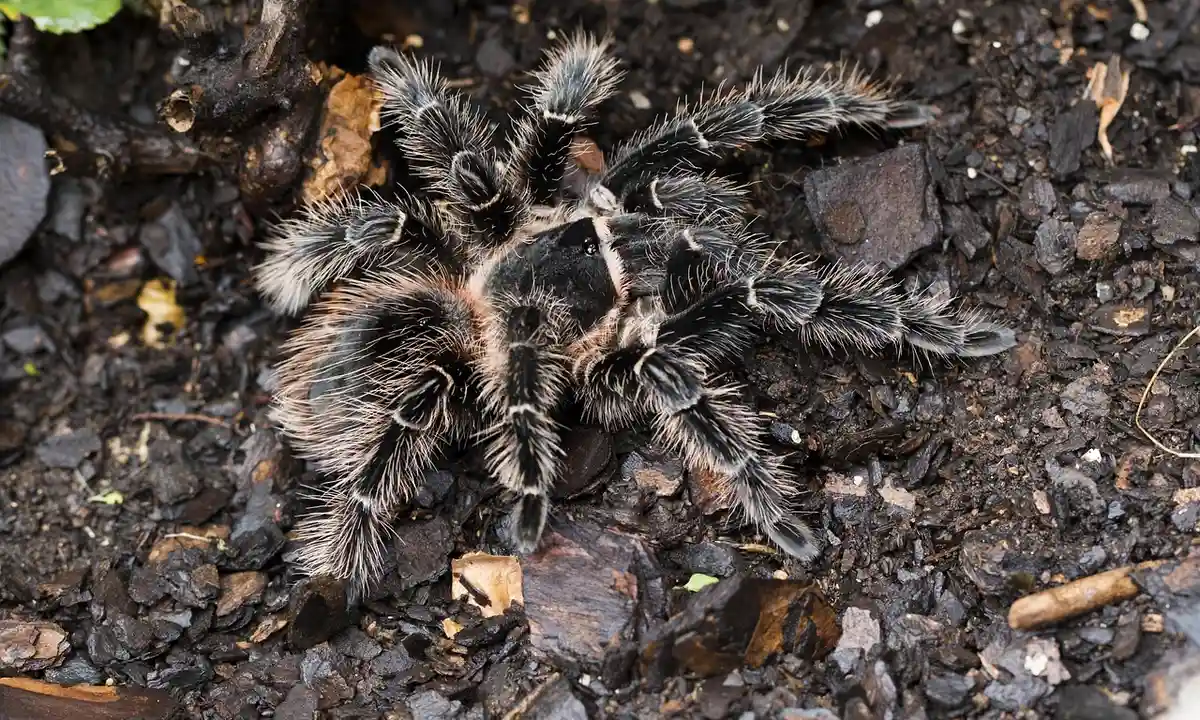
The successful pairing is just the beginning. The true test of an ethical breeder is the meticulous, patient care given in the weeks and months that follow. Your focus splits in two: the recovering mother and the developing lives within the sac.
Post-Sac Care for the Female
A female tarantula has invested immense energy into producing an eggsac. She is physically depleted and often highly protective. I treat this period with the same gravity as post-operative care. The immediate priority is to provide her with quiet stability, ample hydration, and offered nutrition without adding stress. Common problems with tarantula egg sacs include mold, desiccation, and poor incubation. Many of these issues can be mitigated or fixed through careful control of humidity, temperature, and cleanliness.
I always place a full, clean water dish near her retreat. She may drink more than usual. I offer pre-killed prey a week or so after she has constructed the sac, removing it promptly if she shows no interest. My old Chilean Rose, Rosie, once fasted for over a year, teaching me that a fat, healthy female has vast reserves. Do not panic if she refuses food.
Minimize all disturbances near her enclosure. Vibrations and light can trigger defensive behaviors or, worse, cause her to abandon or damage the sac. This is a time for observation only.
Monitoring the Eggsac
The decision to pull the sac for artificial incubation is a major ethical crossroads. I only do this if the female shows clear signs of neglect-leaving it exposed, repeatedly dropping it, or if I suspect it has become moldy. My Burgundy Goliath, Goliath, is an excellent mother; I would never pull her sac prematurely. For a first-time or seemingly nervous mother, I wait and watch.
If intervention is necessary, the process is nerve-wracking. I use long, soft-tipped forceps, moving with deliberate slowness during a late evening when she is often less active. The goal is a smooth exchange, replacing the sac with a similar-sized item like a cork bark round to placate her. Artificial incubation requires a sterile, humidity-controlled container, often with vermiculite, and gentle daily rotation to prevent the eggs from sticking-a procedure that demands absolute cleanliness.
Separating the Spiderlings
Once the spiderlings have molted into their second instar (often called “2i”), they are independent and must be separated. Cannibalism is a natural population regulator, but in captivity, it is our duty to prevent it. This is the most logistically intense phase of breeding, so it’s important to know when and how to separate them safely.
My setup involves a clear, smooth-walled plastic bin, a soft artist’s paintbrush, and dozens of pre-prepared individual enclosures. I use deli cups with ventilation holes for terrestrial species and small dram vials for arboreals. Each new home gets a damp substrate starter and is clearly labeled with the species and date.
- Gently coax spiderlings from the communal sac container into the main bin using the brush.
- One by one, guide a spiderling into a small catch cup or vial.
- From there, transfer it to its permanent individual enclosure.
- Secure the lid immediately. Work methodically and calmly to avoid escapes.
I learned the importance of a smooth-walled bin after an early breeding with a fast-moving species led to a dozen tiny escapees on my worktable-a heart-pounding lesson in preparedness.
Housing and Feeding the Spiderlings
Spiderling care is a lesson in scale. Their enclosures must be escape-proof yet ventilated, humid but not stagnant. I use a substrate that holds moisture, like coconut fiber, and lightly mist one side of the cup weekly for most species. Choosing the right substrate is part of maintaining a tarantula enclosure. The best substrates balance moisture retention with drainage and are easy to clean or replace as needed to keep conditions stable.
Their first meal is critical. I start with live prey small enough to be overwhelming. For most, this is pinhead crickets or flightless fruit flies (Drosophila melanogaster).
- Offer one prey item per spiderling.
- Remove any uneaten prey after 24 hours to prevent stress.
- Do not worry if some refuse their first meal; they can go weeks on internal reserves.
Record-keeping is non-negotiable. I track feeding responses, molts, and growth for each individual. This data informs your care and is invaluable for anyone who eventually purchases one of your spiderlings. Ethical breeding means producing healthy, well-documented animals and being a lifelong resource for their new keepers.
Your Broader Responsibilities as a Breeder
Successful pairing and a sac of wriggling slings is a thrilling milestone. But the true ethical work begins the moment that sac is pulled. Your responsibility shifts from caretaker of two animals to steward for potentially hundreds, with obligations extending far beyond your own collection.
The Lifelong Commitment to Your Offspring
You are the first point of contact for every life you create. This demands a plan that spans from the delicate sling stage to their eventual adult homes. I’ve raised clutches from my OBT, Flash, and each phase presents unique challenges.
Your primary duty is to see every healthy spiderling through its critical early instars, ensuring it is feeding, hydrated, and secure before any sale or transfer.
Practical Rearing Protocol:
- House slings individually in appropriate-sized deli cups or enclosures to prevent cannibalism and monitor growth.
- Maintain species-specific humidity through moist substrate corners and ventilation control-a lesson learned raising both arid G. rosea and humid T. stirmi slings.
- Provide consistent, appropriate-sized prey (pinhead crickets, diced mealworms).
- Keep meticulous records of feeding, molting, and any losses.
Ethical Placement: Beyond the Transaction
Selling a tarantula is not like selling a used book. You are placing a live animal, often with a lifespan measured in decades, into someone else’s care. Your job is to vet this new relationship, especially when deciding where to get your tarantula from, whether it’s a pet store or a reputable breeder.
An ethical breeder acts as a filter, ensuring their animals go to prepared homes, not just willing wallets. When I have slings available, my conversation with a potential buyer is an interview.
My Pre-Sale Checklist:
- Ask about experience. A first-time owner might be perfect for a G. rosea sling but a terrible candidate for an OBT.
- Request enclosure photos. I look for proper ventilation, safe lid design, appropriate substrate depth, and the absence of dangerous decorations.
- Discuss the “Look, Don’t Touch” philosophy. I explain the risks of handling-stress for the spider, urticating hairs, and the potential for a fatal fall.
- Be transparent about the species’ needs. I detail humidity requirements, growth rate, and temperament based on my direct experience.
Education as a Core Pillar
Providing a care sheet is the bare minimum. Ethical breeding involves proactive education. You become a resource, demystifying behavior and correcting myths. I spend as much time answering follow-up emails as I do packing slings for shipping.
Share your observations to build better keepers. I explain that a burrowing sling isn’t hiding; it’s feeling secure. I describe the pre-molt fast my Rosie takes, reassuring a new owner that refusal to eat is normal.
- Explain the molting process in plain language: the lethargy, the bald spot darkening, the creation of a “molt mat.”
- Detail the real, not sensationalized, effects of urticating hairs-like the week of itching I had after a careless rehousing of Goliath.
- Advocate for functional, species-appropriate enclosures over aesthetic but hazardous setups.
Upholding Industry and Species Standards
Your choices influence the hobby’s future. This means committing to practices that prioritize animal welfare and genetic health over novelty or profit.
Never breed from wild-caught adults of readily available captive-bred species. This depletes natural populations and often introduces parasites.
Avoid pairing siblings or closely related specimens when possible to maintain genetic diversity in captive populations, a crucial practice for rarer species.
Label and track your lineages. Knowing your slings’ parentage is a mark of a serious breeder and provides vital information for their future.
Your reputation is built on the health of your spiders and the preparedness of their new owners. That legacy, woven from responsibility and respect, is your most significant contribution to the hobby.
FAQs
What is the single biggest mistake new breeders make?
The most common and impactful error is breeding without a concrete plan for the offspring. A successful pairing can produce hundreds of spiderlings, and failing to have the housing, time, and financial resources ready for them leads to neglect, forced culls, or flooding the market. Ethical breeding requires your exit strategy to be as solid as your introduction protocol. It is about creating wanted animals, not an overwhelming burden.
How can I tell if a breeder I’m buying from is ethical?
Ask specific questions about the spider’s lineage, health, and the breeder’s practices. An ethical breeder will readily provide information about the parents’ origin, detailed care records, and their philosophy on placement. They will ask you about your experience and setup to ensure a good match. Avoid breeders who cannot provide lineage data, sell unhealthy animals, or have no interest in where their spiders end up.
Is it ever okay to breed a wild-caught tarantula?
Generally, no. Breeding wild-caught specimens of common, captive-bred species undermines conservation and risks introducing pathogens or parasites into the captive population. The only potential exception is with rare, scientifically managed conservation programs aiming to establish assured captive bloodlines, which requires expert-level knowledge and documentation. For the vast majority of hobbyists, starting with healthy, captive-born animals is the only ethical choice.
What should I do if I end up with an unexpected egg sac and am unprepared?
Your immediate ethical duty is to ensure the female’s care and then honestly assess your capacity. If you cannot house and raise hundreds of slings, you should seek to transfer the entire eggsac or the female (with sac) to an experienced, prepared breeder who can manage it responsibly. Reaching out to reputable local or online breeding communities is the first step to finding a solution that prioritizes the welfare of the animals.
How do ethical breeders handle a female who eats the male or destroys the egg sac?
They accept it as a natural outcome and do not penalize the animal. These are instinctive behaviors, not failures. A responsible breeder’s preparation includes accepting this risk from the start. The focus then shifts to providing excellent post-event care for the female to recover her strength. The experience is logged to inform future attempts, but the animals’ welfare remains the constant priority.
The Final Molt
Your success as a breeder is measured not just in spiderlings, but in the continued health of your adult spiders long after the sac has been pulled. For moisture-dependent species like the Burgundy Goliath Bird Eater, consistent high humidity and a deep, damp substrate layer are non-negotiable for their long-term physiological function. My own T. stirmi, Goliath, has taught me that even a short period of dryness can trigger stress behaviors and impact overall vitality. The foundation of ethical breeding is perfecting this basic, species-specific care first.
Beyond the parameters, the real reward is in quiet observation. Watch your female meticulously repair her burrow after a pairing. Enjoy the industrious webbing of an OBT like my spider Flash, who transforms his enclosure into a silken fortress. Appreciate the stoic calm of a seasoned female like my Rosie. Rushing any part of this process introduces stress for you and the animal. True advancement in the hobby comes from this patience, from letting the natural history of these creatures unfold at its own deliberate pace. Ethical breeding is, ultimately, an act of profound stewardship.
Further Reading & Sources
- How To Respect Your Tarantulas: Ethical Keeping
- Tarantulas in Captivity: Raising and Breeding | SpringerLink
- Breeding
Arlo is a lifelong arachnid enthusiast who believes tarantulas are the world’s most misunderstood roommates. With years of hands-on experience in tarantula care, habitat setup, and species behavior, Arlo combines expert knowledge with a dash of humor to make spider ownership less scary and a lot more fascinating. From choosing the right enclosure to understanding why your eight-legged buddy is doing that weird little pose again, Arlo is here to help you become the best tarantula parent you can be, without getting tangled in the web of misinformation.
Breeding Tarantulas