
The Typical Lifespan of a Beginner-Friendly Tarantula: Insights from the Chilean Rose Hair (Grammostola rosea)
The Chilean Rose Hair (Grammostola rosea) holds a legendary status as the patient ‘pet rock’ of the hobby, a spider whose dusty pink beauty is matched only by its astonishing longevity. This article cuts through the myths to give you a clear, experience-backed look at how long these tarantulas truly live and what that means for you. With dedicated, respectful care, a female G. rosea can be a 20-year companion, a fact I’ve witnessed firsthand with my own docile Rosie, who has thrived for 15 years and counting.
- Quick Stats:
- Origin: Arid scrublands of Chile and Bolivia.
- Type: New World, terrestrial tarantula.
- Growth Rate: Glacial. Females may take 7-10 years to reach full size.
This guide will translate decades of keeper wisdom into actionable steps, showing you the specific habitat and care routines needed to successfully nurture a tarantula from a pinhead-sized sling to a dignified, full-grown adult.
The Baseline: Average Lifespan for Beginner Species
For the classic starter species-like the Chilean Rose Hair (Grammostola rosea) or the Curly Hair (Tliltocatl albopilosus)-you can expect a striking longevity gap between the sexes. Female tarantulas in this category commonly live between 10 and 30 years in dedicated care, while males typically reach only 3 to 10 years. My own G. rosea, Rosie, has been a quiet companion for fifteen years, a testament to the potential commitment.
This difference is called sexual dimorphism, and it’s the single greatest factor in a tarantula’s life expectancy. The term ‘beginner-friendly’ doesn’t just refer to a calm temperament; it often signals a robust constitution and a slower growth rate, which together support those impressive multi-decade lifespans for females. These species are forgiving of minor husbandry fluctuations, giving them more chances to thrive over the long term. In the ultimate maturity guide, we’ll address whether male or female tarantulas live longer. Typically, females outlive males by years, while many males die soon after reaching sexual maturity.
The Gender Gap: Why Female Tarantulas Live Longer
The driver is a fundamental biological clock. Male tarantulas race toward maturity, undergoing a final ‘ultimate molt’ that equips them with specialized mating structures called emboli on their pedipalps. After this molt, their sole purpose becomes seeking a mate, and their systems are programmed to deteriorate, usually leading to death within a year or two. They stop eating, become restless, and simply wear out.
Faces, in stark contrast, do not have an ultimate molt. A mature female will continue to molt and regenerate throughout her life, allowing her to heal injuries, replace lost limbs, and live for many years after her first breeding opportunity. This is why seasoned keepers almost universally recommend female tarantulas for beginners; you are investing in a long-term companion, not a transient pet. My large Theraphosa stirmi, Goliath, is only four, but as a female, I expect her to be part of my life for another two decades.
Sexing your tarantula is straightforward with a shed exoskeleton. After a successful molt, once the skin is bone-dry and crisp, you can inspect it. To actually determine the sex of your tarantula, follow our step-by-step tarantula sex guide. We’ll walk you through what to look for when inspecting the molt.
- Carefully retrieve the molt with soft tweezers.
- Gently soak it in a drop of water with a dash of dish soap to soften it.
- Using pins or careful fingers, open the abdomen section from the top, where the carapace was attached.
- Look inside the forward section of the abdomen cavity. A female will have a distinct, often whitish, folded structure called the spermatheca. A male’s cavity will be smooth or have only simple folds.
Finding that spermatheca is a moment of celebration-it means you have a lifetime of fascinating observation ahead of you.
Species Spotlight: Lifespan Expectancies for Common Beginner Tarantulas
Choosing your first tarantula is thrilling, but a realistic view of the time commitment is vital. These lifespans are not casual estimates; they are promises of decades of quiet observation. My Rosie, a Grammostola rosea, has been with me for fifteen years, a testament to their incredible endurance. For a clear view of how long tarantulas actually live, see our species-by-species lifespan guide. It helps with long-term planning for beginners and seasoned keepers alike.
Grammostola rosea (Chilean Rose Hair)
- Female Lifespan: 15 to 25+ years. Male Lifespan: 5 to 10 years.
- This is the classic “pet rock” tarantula, renowned for a preternatural calm. Their dusty pink coloration is subtle but beautiful under good light.
- Be prepared for notorious fasting periods that can last over a year, a natural behavior that panics new keepers but is perfectly normal for the species. My Rosie has refused food for eight months at a time, only to molt and resume eating as if nothing happened.
- Their docile nature makes them seem like ideal “handling” spiders, but I advocate for respectful, hands-off care to prevent falls and stress.
Brachypelma hamorii (Mexican Red Knee)
- Female Lifespan: 20 to 30 years. Male Lifespan: 5 to 10 years.
- Instantly recognizable with their striking black and orange bands, they are slow-growing and methodical.
- Their popularity is well-earned, combining breathtaking looks with a generally placid temperament, though they can be quick to flick urticating hairs if provoked.
- Watching a juvenile grow into its vivid adult coloration over many years is one of the hobby’s great rewards.
Avicularia avicularia (Pink Toe Tarantula)
- Female Lifespan: 8 to 12 years. Male Lifespan: 3 to 5 years.
- This arboreal species introduces different care, requiring a tall enclosure with ample climbing space and cross-ventilation.
- They possess a faster metabolism than desert species, often accepting food more readily and growing at a quicker pace.
- Observing them construct intricate silken “tube tents” high in their enclosure showcases a completely different set of fascinating behaviors.
Grammostola pulchra (Brazilian Black Tarantula)
- Female Lifespan: 20 to 25+ years. Male Lifespan: 5 to 8 years.
- Prized for a deep, velvety jet-black coloration that seems to absorb light, they are strikingly beautiful.
- Their calm demeanor is legendary, often sitting completely in the open, a confident and serene display that new keepers adore.
- Like other Grammostola, they are slow growers, requiring patience as a tiny black speck matures into a stunning, polished adult.
Captivity vs. Wild: How Your Care Impacts Longevity
- In the wild, a tarantula’s life is a constant gamble. Threats include birds, reptiles, mammals, parasitic flies, and extreme weather events like drought or flood. Finding consistent food and water is a struggle.
- A proper captive enclosure eliminates these existential threats, providing stable temperatures (70-80°F for most), constant access to water, and a reliable food source. This controlled environment is why a well-kept captive tarantula can easily surpass the average age of its wild cousins.
- Poor husbandry, however, can swiftly reverse this advantage. Incorrect humidity leading to fatal dehydration or mold, overheating, unsafe falls from tall enclosures, and prey left to injure a molting spider are all preventable tragedies.
- Ethical sourcing from a reputable breeder is the first critical step toward a long life, ensuring your spider is healthy, correctly identified, and not taken from a wild population. A captive-bred spider starts its life without the stresses of collection and shipment, giving it the best possible foundation for a full lifespan under your care.
The Lifespan Equation: Key Factors in Your Control
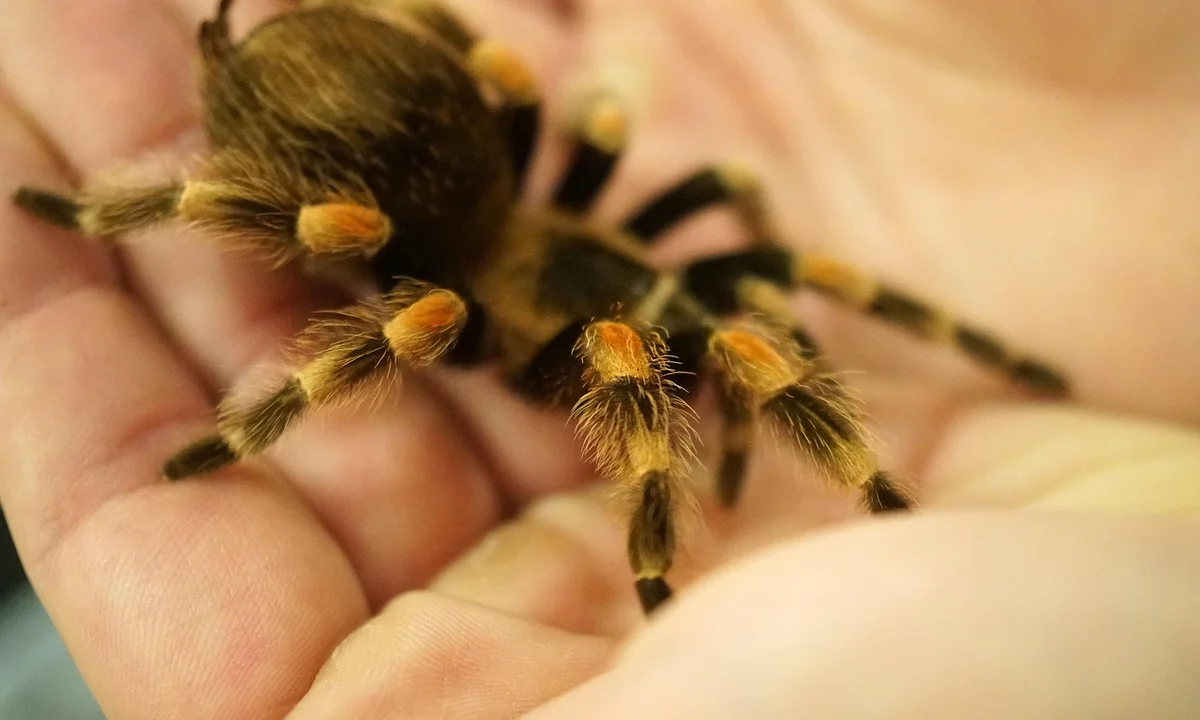
A tarantula’s age is not left to chance. You directly influence longevity through daily husbandry decisions that either build resilience or create silent stress. Focus on these elements you command. Different species vary in lifespan and needs. Care and environment tailored to the species can extend life.
-
Appropriate Enclosure Size and Security
A tank too small stifles movement; one too vast can cause feeding strikes to fail. For my adult Chilean rose hair, Rosie, a 10-gallon terrarium is ample. Secure, latchable lids are mandatory, as I learned when my OBT, Flash, tested every seam with relentless precision. -
Correct Substrate Depth for Burrowers
Species like the Burgundy Goliath Bird Eater (Theraphosa stirmi) are obligate burrowers. My Goliath has 10 inches of packed, moist coconut fiber and topsoil. This depth allows for the construction of a stable, humid retreat essential for their mental and physical health. -
Species-Specific Humidity and Temperature Ranges
Generalizations kill. My Grammostola rosea thrives at 40-50% humidity, while my Theraphosa stirmi demands 80-85% and steady 78-80°F warmth. Invest in digital monitors; guesswork invites dehydration or lethal mold. -
Consistent but Not Excessive Feeding
Overfeeding strains the digestive system and accelerates growth unnaturally. I feed my fast-growing Goliath one large roach weekly, but my mature Rosie may refuse food for eight months. Let fasting periods happen and never leave live prey to harass your tarantula. -
A Stress-Free Environment and the Handling Mandate
Loud vibrations, bright lights, and frequent enclosure intrusions cause chronic stress. Minimizing handling is a direct, non-negotiable factor in reducing risk and stress-for you and the spider. The flick of urticating hairs from my Goliath is a clear message of discomfort I strive never to provoke.
Extending the Years: Actionable Care for Maximum Lifespan
Knowledge must translate into routine. Here is the exact sequence I follow to add healthy years to my tarantulas’ lives.
-
Start Right: Source from a Reputable Breeder
A captive-bred spiderling from a known lineage avoids the parasites and trauma of wild-caught imports. My OBT, Flash, came from a breeder who documented his molt cycle, giving me a perfect health baseline. -
Build a Secure Home: Choose an Escape-Proof Enclosure
Ventilation must combat stagnation without creating drafts. I use front-opening acrylic tanks for my defensive species and deep soil mixes for burrowers. Every enclosure gets a hide; even a docile ‘pet rock’ like Rosie needs a private retreat. -
Maintain Stability: Keep Temperature and Humidity Within Ideal Ranges
I use a central room heater to maintain 75-78°F, supplementing with a heat mat on one side of Goliath’s tank for his gradient. Slow, minor adjustments are safe; rapid swings are a silent killer. -
Feed Intelligently: Offer Pre-Killed Prey of Appropriate Size
Prey should be no larger than the tarantula’s carapace. For spiderlings, I use pre-killed fruit flies. Some keepers alternate between live and pre-killed prey depending on the tarantula’s temperament and safety considerations. If your tarantula readily hunts live prey, you can offer appropriately sized live prey as an option, but monitor closely. Removing uneaten food within a day prevents mold and deters opportunistic mites. -
Observe, Don’t Interfere: Learn Your Tarantula’s Normal Behaviors
I note the quiet rhythm of their lives: the webbing frenzies of Flash, the pre-molt fasts of Rosie. ‘Look, don’t touch’ is not a limitation; it is the foundation of respectful, observant care that prevents molt disturbances and escapes. By reading their body language—signs of stress like a stiff, still posture, raised legs, or sudden defensive displays—you can recognize when a tarantula is uncomfortable. This awareness guides you to adjust handling and enclosure to reduce stress and prevent defensive responses. -
Quarantine and Clean: Isolate New Arrivals and Keep the Enclosure Clean
Every new tarantula lives in a separate room for 90 days. To properly quarantine a new tarantula, keep it in a dedicated enclosure away from others. Avoid sharing tools or substrate during the quarantine period. I spot-clean waste and boluses weekly. A strict quarantine and cleaning protocol is your best defense against introducing pests or pathogens to your entire collection.
FAQs
Does a tarantula live longer in captivity or in the wild?
A tarantula with proper care will almost always live longer in captivity. In the wild, they face constant threats from predators, parasites, and environmental extremes. A captive habitat provides stable temperatures, consistent food, and safety from these dangers, allowing them to reach their full biological potential. This contrast highlights the lifespan differences between tarantulas in the wild and in captivity. In captivity, with proper care, their lifespan can be extended beyond what many wild individuals experience.
Why is there such a big difference between male and female tarantula lifespans?
The difference is due to a biological imperative. Males mature quickly with a sole purpose to mate, dying often within a year or two of their final molt. Females do not have this programmed decline; they continue to molt periodically throughout their life, which allows for healing and regeneration, leading to multi-decade lifespans.
Are there any beginner-friendly tarantulas with shorter lifespans?
Yes, some popular beginner species have comparatively shorter life expectancies. For example, the Pink Toe Tarantula (Avicularia avicularia) is an excellent arboreal beginner choice, but females typically live 8-12 years. This can be preferable for a keeper not ready for a potential 25-year commitment.
What is the lifespan of a Brazilian Jewel Tarantula (Typhochlaena seladonia)?
The Brazilian Jewel is a dwarf, arboreal species and not typically considered beginner-friendly due to its specific care needs and higher price. While exact decades are less documented, dwarf species generally have shorter lifespans. A reasonable estimate for a female is in the range of 8-12 years, with males living significantly shorter lives.
Is it true a “tarantula hawk” has a very short lifespan?
This is a trick of terminology. A tarantula hawk is not a tarantula; it is a large wasp that preys on tarantulas. Their adult lifespan is indeed very short, often just a few months. This highlights the importance of precise species names in the hobby, as common names can be misleading. For hobbyists, accurate identification is essential for proper care. Our tarantula species identification and care guide walks you through distinguishing features and care needs.
The Long View: Patience and Observation
Keeping a tarantula is a quiet commitment measured in years, not days. For the beginner-friendly species discussed, your primary focus must be on managing moisture. A bone-dry enclosure will kill a moisture-dependent species like a Goliath bird eater (Theraphosa stirmi) with shocking speed, while a swampy tank can fatally stress a dry-climate Chilean rose hair (Grammostola rosea). Heating and humidity go hand in hand, as stable warmth helps you maintain the right moisture levels. Among popular tarantula species, tropical ones typically require higher humidity, while dry-climate species need lower levels. This single parameter defines their world more than any other.
Success is found not in frequent interaction, but in attentive stillness. Watch for the subtle, fascinating rhythms of your spider’s life: the nighttime rearrangement of substrate, the careful construction of a silken tunnel, the iridescent carapace gleaming under the lamp before a sudden strike. I’ve spent hours simply observing my OBT, ‘Flash’, engineer its labyrinth of web. This patience-this willingness to look, don’t touch-is the hobby’s greatest tool. It builds a profound respect for an animal whose lifespan is a gift of diligent, observant care.
Further Reading & Sources
- Scientific Note
- On the life expectancy of a male Chilean rose tarantula, Grammostola rosea (Walckenaer, 1837) (Araneae: Theraphosidae) reared in captivity | Revista Chilena de Entomología
- Grammostola rosea red – Chilean Rosehair tarantula| Urban Tarantulas
Arlo is a lifelong arachnid enthusiast who believes tarantulas are the world’s most misunderstood roommates. With years of hands-on experience in tarantula care, habitat setup, and species behavior, Arlo combines expert knowledge with a dash of humor to make spider ownership less scary and a lot more fascinating. From choosing the right enclosure to understanding why your eight-legged buddy is doing that weird little pose again, Arlo is here to help you become the best tarantula parent you can be, without getting tangled in the web of misinformation.
Lifespan