
What Should You Do If Your Tarantula Bites or Escapes?
Published on: February 26, 2026 | Last Updated: February 26, 2026
Written By: Arlo
A tarantula bite is a statistically rare event in the hobby, often less medically significant than the surge of panic that accompanies it. This guide addresses the two most common keeper emergencies with calm, practical steps. The immediate answer for a bite is to wash the area with soap and water, monitor for allergic reaction, and seek medical attention for species with potent venom. For an escape, the priority is to remain calm, contain the room, and use gentle tools like a catch cup and paintbrush to guide your spider home. We will dissect both scenarios in detail, drawing from years of hands-on experience with species ranging from docile pet rocks to defensive speedsters.
- Quick Stats:
- Rosie (Grammostola rosea): Origin – Chile, Type – New World, Growth Rate – Slow. Low bite risk, very low escape motivation.
- Goliath (Theraphosa stirmi): Origin – South America, Type – New World, Growth Rate – Fast. Moderate bite risk (potent venom), low escape risk due to size.
- Flash (Pterinochilus murinus): Origin – Africa, Type – Old World, Growth Rate – Fast. High bite risk (medically significant venom), high escape risk due to speed.
This guide will give you the specific protocols to navigate these high-stress moments safely, for both you and your eight-legged pet.
Tarantula Bite First Aid: Immediate Steps
First Aid Response to a Tarantula Bite
Stay calm. Your heart rate will spike, but panic helps no one, least of all the tarantula now stressed from the defensive strike. I’ve never been bitten by my own, but during a rehousing years ago, a friend’s old world species lunged at my glove-a stark reminder that even with care, accidents happen. Your first job is to secure the spider safely back in its enclosure before tending to yourself.
Follow these immediate steps in order to clean the wound and prevent secondary infection.
- Wash the bite site thoroughly with mild soap and lukewarm water for at least 60 seconds.
- Pat the area dry with a clean paper towel.
- Apply an over-the-counter antiseptic ointment like bacitracin.
- Cover the bite with a sterile adhesive bandage or gauze pad.
- Monitor the site closely for the first hour, noting any initial pain, redness, or swelling.
Assessing the Bite Wound
After the bandage is on, take a deep breath and look closely. A typical bite from a common pet species like my Rosie’s (Grammostola rosea) will resemble a bee sting. You’ll see two tiny puncture marks, often with minimal bleeding. The immediate sensation is usually a sharp pinch, followed by localized throbbing that fades within a few hours.
Examine the skin for spreading redness or heat, which are normal inflammatory responses. Contrast this with signs of a problematic reaction: pus, red streaks radiating from the wound, or swelling that rapidly expands beyond the immediate bite area. Allergic responses are rare but serious; watch for hives or itching elsewhere on your body.
Understanding Tarantula Bite Symptoms and Risks
Common Spider Bite Symptoms
For most new world tarantulas, symptoms remain local. Expect a dull ache, mild swelling akin to a mosquito bite, and redness confined to a coin-sized area. The venom is designed for invertebrate prey, not to harm mammals. My burgundy Goliath (Theraphosa stirmi) packs a more potent venom, but even her bite typically results in just 4-6 hours of moderate pain and stiffness—nothing too severe compared to what you can find at other tarantula bites.
Systemic reactions are extraordinarily uncommon with pet trade species. They can include nausea, headache, or muscle cramps, but I’ve never witnessed this in decades of keeping. The greater risk, ironically, is from urticating hairs kicked into an open wound, which can cause intense itching and rash.
When to Seek Medical Attention
Seek professional medical help immediately if you experience any symptoms beyond mild local discomfort. While I advocate for calm, certain signs mean your body is not handling the venom typically. Call your doctor or go to the emergency room if you notice:
- Difficulty breathing or tightness in the chest.
- Severe swelling that spreads up the limb or to the face.
- Dizziness, confusion, or a rapid heart rate that doesn’t settle.
- Intense, unrelenting pain that over-the-counter pain relievers don’t touch.
- Signs of infection: worsening redness, warmth, yellow discharge, or fever.
Keep the number for Poison Control (1-800-222-1222 in the US) handy. When you call, know the spider’s scientific name if possible-telling them “Pterinochilus murinus” instead of “orange bitey thing” gets you targeted advice faster. I have this number posted near my OBT Flash’s enclosure, a simple precaution that respects the animal’s potent defenses.
Securing an Escaped Tarantula: Recovery Protocol
Initial Search and Containment
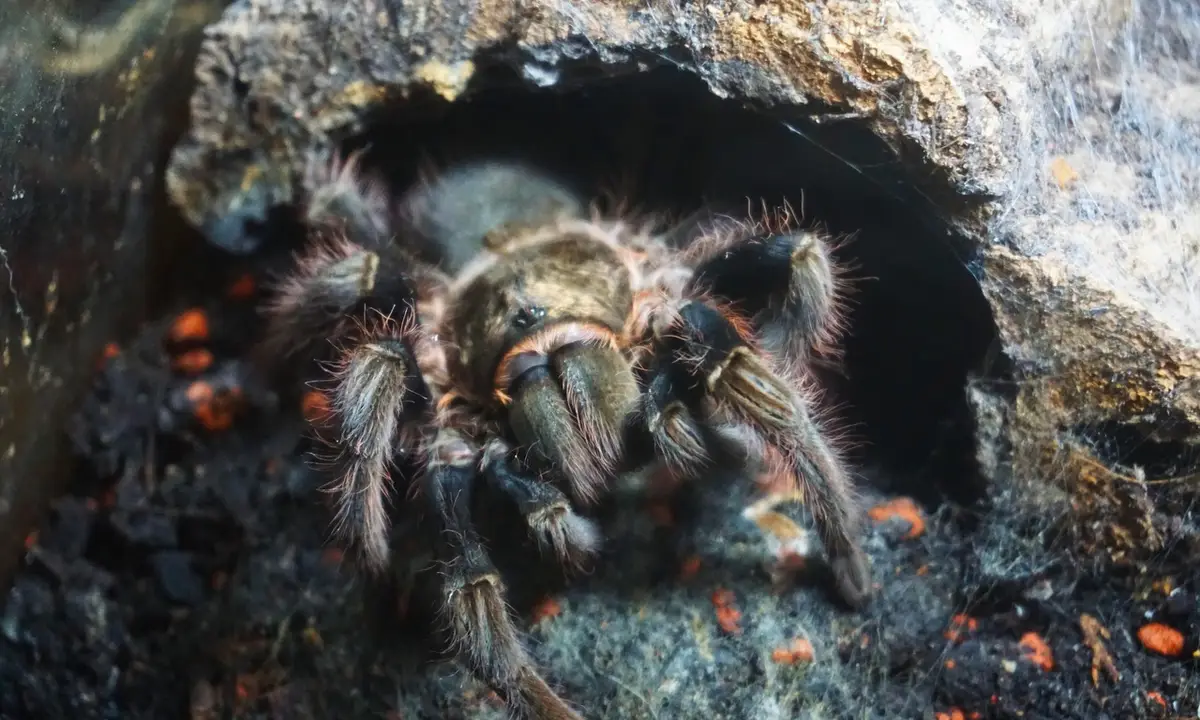
The moment you notice an empty enclosure, your heart might race. Immediately shift into a methodical, calm search mode to protect your tarantula from household dangers and avoid a defensive incident. I learned this when my curious juvenile Grammostola rosea, Rosie, once vanished for two days.
- Freeze and breathe. Do not run around. Sudden movements can startle the tarantula into a hasty hide or a defensive pose.
- Contain the area. Close every door to the room instantly. This turns a whole-house crisis into a single-room puzzle.
- Think like a tarantula. They seek dark, warm, tight spaces. Check along baseboards, under furniture, inside closets, and behind appliances. Use a flashlight to peer into shadows; the gleam might catch on an iridescent carapace.
- Move silently and slowly. Listen for the faint rustle of legs on paper or fabric. A frightened tarantula will often stay perfectly still, relying on camouflage.
Safe Recapture Techniques
Locating the escapee is half the battle. The recapture must be deliberate and stress-free. Your goal is to guide, not grab, using tools as an extension of your careful intent. Remember, even a docile species can flick urticating hairs or bite if cornered.
I always keep a large clear deli cup and a stiff piece of cardboard within reach for this reason. Here are the proven methods:
- The Cup and Card: Gently place the cup over the tarantula. Slide the cardboard slowly underneath to create a secure floor. Lift the assembly and transport it directly over the open enclosure before removal. This works for most terrestrial species.
- The Guided Walk: For less defensive tarantulas, use a large container to create a barrier. Gently coax the tarantula inside by using the container’s edge to guide its path. Patience is key; let the animal move at its own pace to prevent a panicked sprint.
- For Arboreal Escapees: If the tarantula is on a wall or curtain, use a tall container like a butter tub. Carefully maneuver it around the animal and use the lid or card to secure it. Avoid causing a fall, which can rupture the abdomen.
With my fast-moving Pterinochilus murinus, Flash, I use the cup method exclusively. His speed and defensive posture make gentle guidance the only safe option for both of us.
Preventing Tarantula Escapes: Enclosure Security
Habitat Security Improvements
An escape is a failure of the enclosure, not the tarantula. Proactive, physical security upgrades are non-negotiable for responsible arachnoculture. A determined Theraphosa stirmi like Goliath can test the strength of every seam. Recognizing common tarantula enclosure setup mistakes helps prevent escapes. Avoiding loose lids, gaps, and poor seam integrity is essential to safe containment.
- Lid Locks and Weights: Screen lids are notorious for bending. Use plastic clips, luggage locks, or a solid weight like a book. For acrylic enclosures, consider magnetic locking systems. I use heavy-duty binder clips on all my large tanks after a close call.
- Gap Elimination: Run your finger around the seal where the lid meets the base. Any gap wider than the tarantula’s carapace is an exit point. Seal it with non-toxic aquarium silicone.
- Ventilation Hole Audit: This is the most common oversight. Holes must be smaller than the hard cephalothorax. For adult tarantulas, I use a drill bit smaller than their carapace width. For slings, ventilation mesh is safer than drilled holes.
- Substrate Depth: Maintain a proper distance from the substrate to the lid. A deep layer prevents a fall and discourages climbing to the top.
Routine Enclosure Safety Audit
Security degrades over time. Incorporate a two-minute inspection into your weekly feeding or maintenance routine to catch problems before they become escapes. I do this every time I drop a cricket into an enclosure.
Here is my personal checklist:
- Lid Integrity: Apply gentle upward pressure. Does it shift or lift? Check locking mechanisms for wear.
- Seal Inspection: Look for new cracks or gaps in plastic or glass, especially near corners or after moving the tank.
- Ventilation Check: Ensure holes are not enlarged from moisture or chewing. Replace damaged mesh immediately.
- Interior Layout: Verify that climbing branches or decor cannot bridge the gap to the lid, creating an escape ladder.
- General Condition: Look for signs of wear, warping, or weakness in the enclosure material itself.
This simple habit builds a culture of preventative care. It helps you spot common tarantula health problems early and prevent them. It transforms anxiety into confidence, knowing your tarantula’s world is securely contained.
Minimizing Bite Risk Through Behavior and Handling
Understanding Defensive Behavior and Bite Triggers
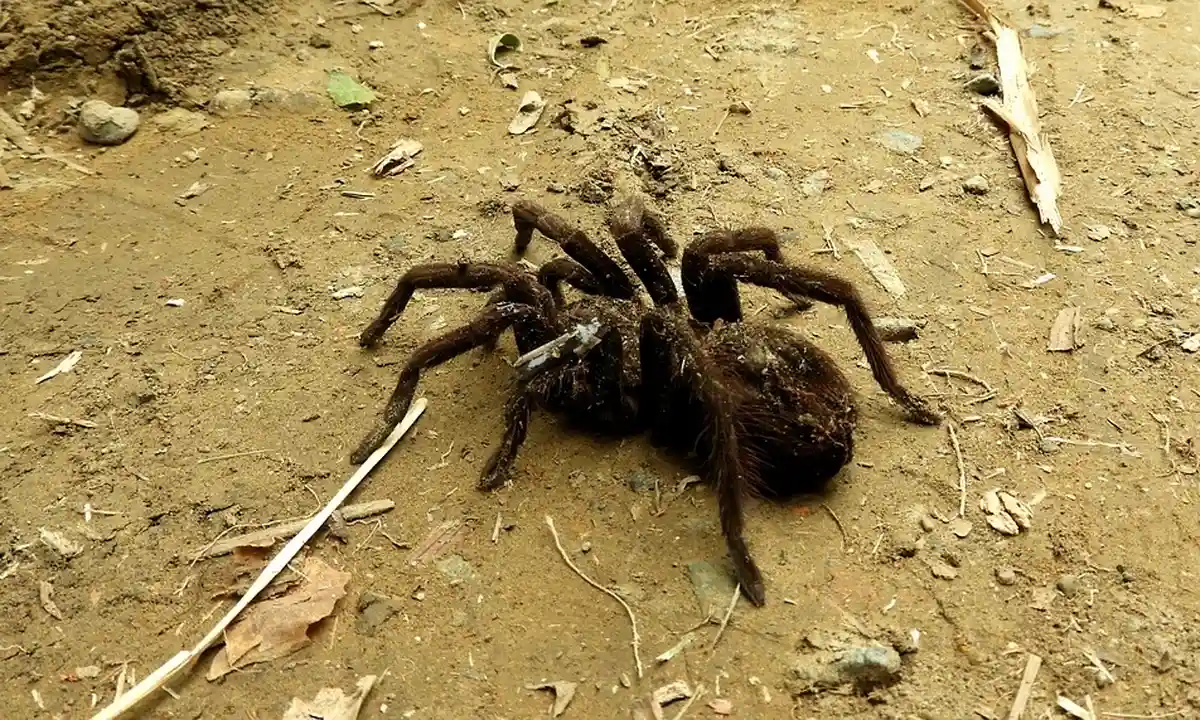
A tarantula’s bite is a last-ditch defense, not an act of aggression. Learning their body language is your first line of defense against a bite. By reading your tarantula’s body language, you can spot stress and defensive signs before a bite happens. This awareness lets you handle them more safely.
Watch for raised front legs, a reared-up posture, or the rapid abdomen-twitch that precedes a cloud of urticating hairs. My Burgundy Goliath, Goliath, assumes this threat posture regularly, a clear sign to back off.
Common scenarios that provoke bites include:
- Rehousing: Forcing a tarantula from one enclosure to another is the highest-risk activity. The animal feels exposed and vulnerable.
- Perceived Threats: Sudden movements, vibrations, or shadows overhead can trigger a defensive strike. My OBT, Flash, will threat-pose if I simply open her enclosure lid too quickly.
- Cornering: Using tools to guide a tarantula can fail if the animal has no retreat path. They may choose to fight.
- Maintenance Mistakes: Reaching in with bare hands to remove prey or adjust decor is an unnecessary gamble.
The most effective strategy is a simple mantra: Look, Don’t Touch. Handling provides zero benefit to the tarantula and massively increases its stress and your risk. I have never handled my tarantulas, and after 15 years with Rosie, I can attest their fascinating behaviors are best observed from a respectful distance. For beginners, handling is not recommended; observe and learn from a distance. If handling is ever considered, seek guidance from an experienced keeper and follow strict safety precautions.
Protection During Necessary Interactions
When you must interact, such as for enclosure maintenance or rehousing, a methodical approach is your armor.
Follow these safety tips for every necessary interaction:
- Use long, smooth-tipped tweezers (12 inches or longer) for all tasks. This keeps your hands far from fangs.
- Move with deliberate, slow motions. Avoid casting quick shadows over the tarantula.
- Work over a large, open bin to contain falls or escapes during rehousing.
- Never blow air at or touch the tarantula directly. Guide it using a soft paintbrush against the back legs.
- Plan the entire procedure beforehand so you are calm and efficient.
I learned the value of preparation during a rehousing with Flash. Her speed is breathtaking; she bolted up the side of the catch cup and onto my sleeve in a blur of orange. Because I was working inside a large plastic tub, I simply lowered my arm, let her walk onto the tub wall, and gently guided her into her new home. No panic, no harm done.
Post-Incident Care and Long-Term Safety
Wound Care After a Bite
If a bite occurs, stay calm. For most species kept as pets, the venom is not medically significant to humans. The primary medical concern is not the venom, but bacterial infection from the puncture wound.
Immediate and follow-up care is straightforward:
- Wash the wound immediately with soap and warm running water for at least five minutes.
- Apply an over-the-counter antibiotic ointment.
- Cover with a clean bandage or adhesive bandage.
- Change the dressing daily, or whenever it becomes wet or dirty.
- Watch for signs of infection: increasing redness, swelling, warmth, pus, or red streaks spreading from the site.
Seek medical attention if you have a severe allergic reaction, if the bite is from a species with potent venom (like some Old World tarantulas), or if infection signs appear. Knowing the scientific name of your tarantula, like Pterinochilus murinus for an OBT, can provide critical information to healthcare providers.
Developing an Emergency Plan for Tarantula Incidents
Peace of mind comes from preparation. A simple, ready-to-go plan prevents chaos during an escape or injury.
Your emergency plan should include these elements:
- A Recapture Kit: Keep this box handy. It should contain a large clear plastic cup, stiff cardstock or lid, long tweezers, a soft paintbrush, and a flashlight.
- First Aid Supplies: Have antiseptic, antibiotic ointment, and bandages in your hobby space.
- Veterinary Contact: Identify an exotic or arachnid-aware veterinarian before you need one. Regular vets often cannot help.
- Room Securement: If a tarantula escapes, close all doors, block gaps under furniture, and turn off fans. Most will hide against a wall or in dark clutter.
I keep my recapture kit on the same shelf as my tarantula supplies, because the silence of an enclosure after a midnight escape is jarring. Having your tools ready lets you act calmly, reducing stress for both you and your lost eight-legged pet.
FAQs
What does a tarantula bite actually feel like?
For most common pet species, the initial sensation is often described as a sharp pinch, similar to a bee sting or being pricked by two pins. This is typically followed by localized throbbing, redness, and mild swelling that subsides within a few hours. The experience is generally less severe than the panic that accompanies it, as the venom is designed for small prey, not mammals.
Can a tarantula bite from a pet species be fatal?
No, a bite from any tarantula species commonly kept in the pet trade is not considered fatal to a healthy adult human. The primary medical risks are potential bacterial infection from the puncture wound or, in extremely rare cases, a severe allergic reaction similar to a bee sting allergy. It is always prudent to monitor for any signs of a systemic allergic response after a bite. Understanding why they bite helps explain how to prevent it. Tarantulas bite mainly as a defensive response when they feel threatened or stressed, so careful handling, secure enclosures, and avoiding sudden movements reduce the risk.
What is the very first thing I should do when I realize my tarantula is gone?
Immediately stop moving and calmly close the door to the room. Your first priority is to contain the escape to a single, manageable area. Do not run around or start moving furniture, as this can startle the tarantula into a hasty hide or potentially injure it. Take a moment to breathe and plan your methodical search in the contained space. After containment, consult your escaped tarantula recovery checklist to guide the search and ensure a quick, safe find. Your goal is to locate your pet promptly and return it to its enclosure with minimal stress.
How long can an escaped tarantula survive in a house?
Tarantulas are remarkably resilient and can survive for weeks or even months in a typical home if they find a quiet, dark area with access to moisture. They have a very low metabolic rate and can go long periods without food. The greater risk is environmental, such as desiccation (drying out), being crushed, or encountering pesticides or other household hazards. Careful attention to species-specific needs and environmental conditions—such as humidity, temperature, and substrate—can influence factors influencing tarantula lifespan. Understanding these factors is essential for proper tarantula care.
My tarantula escaped but I can’t find it. What now?
Continue to keep the room contained and think like a tarantula. Place shallow water dishes in the corners of the room and along walls, as a thirsty spider may be drawn to them. You can also carefully line room perimeters with a light dusting of flour or use sticky traps (checked frequently) to detect movement. Often, they will reappear when the house is quiet, usually at night.
Are there any non-visual signs that my tarantula has escaped?
Yes, listen carefully for faint rustling sounds in quiet moments, especially at night. Check for very fine, silken webbing in unexpected places like behind furniture or along baseboards, which an exploring spider might leave behind. Also, be observant of the behavior of other pets, like cats or dogs, who may fixate on a particular spot where the tarantula is hiding.
Long-Term Success
Ultimately, preventing bites and escapes hinges on one non-negotiable factor: a perfectly secure enclosure designed for your specific tarantula’s size, strength, and behavior, as a loose lid or oversized vent hole is an engraved invitation for trouble. Equally essential is properly ventilating a secure enclosure to maintain healthy humidity and airflow. Use appropriately sized, discreet vents that balance ventilation with security.
Move forward by immersing yourself in the quiet drama of their world. Watch your tarantula dig, web, or sit in perfect stillness. I find peace observing my rose hair Rosie’s months of fasting or Goliath’s meticulous humidity-driven routines. This patient, watchful stewardship is the true heart of the hobby, fostering safety and deep respect for these remarkable animals.
Further Reading & Sources
- Hey! A Tarantula Bit Me! (for Kids) | Nemours KidsHealth
- Are Tarantulas Dangerous? | Poison Control
- First Aid for Tarantula Bite – DoveMed
Arlo is a lifelong arachnid enthusiast who believes tarantulas are the world’s most misunderstood roommates. With years of hands-on experience in tarantula care, habitat setup, and species behavior, Arlo combines expert knowledge with a dash of humor to make spider ownership less scary and a lot more fascinating. From choosing the right enclosure to understanding why your eight-legged buddy is doing that weird little pose again, Arlo is here to help you become the best tarantula parent you can be, without getting tangled in the web of misinformation.
Handling and Interaction