
Handling Tarantulas: Is It Safe and Recommended for Beginners?
In the arachnoculture community, handling tarantulas is a deeply divisive act, one that balances human curiosity against the silent welfare of a creature for which our touch is at best irrelevant and at worst a deadly stress. This article cuts through the noise with clear facts and hard-won experience from my years as a breeder. For newcomers, the safest and most respectful path is almost always to admire from the other side of the glass.
-
Quick Stats:
- Primary Risk to Tarantula: Falls, even from a short height, can cause a fatal rupture of the abdomen.
- Primary Risk to Keeper: New World species flick barbed urticating hairs that cause intense itching; Old World species possess medically significant venom.
- Typical Tarantula Response: Perceives handling as a threat, leading to stress, defensive postures, or flight.
- Beginner-Advised Approach: Observation-based husbandry, or “Look, Don’t Touch.”
Drawing from my own collection-from Rosie’s docile stillness to Flash’s lightning-fast defensiveness-this guide will detail the realities of handling, ensuring you can make informed choices that prioritize the spider’s life.
The Unspoken Reality of Tarantula Handling Risks
Understanding Venom and Bite Response
All tarantulas possess venom, but the potency varies dramatically between species. For most beginner-friendly types like my old-world Grammostola rosea, Rosie, the venom is comparable to a bee sting for a healthy adult. The true danger lies not in the toxicity, but in the mechanics of the bite itself and your body’s potential allergic reaction, which is unpredictable. A bite is a defensive last resort, often a dry pinch with no venom injected, but the large fangs can cause a painful, deep puncture wound prone to infection. Contrast this with my Pterinochilus murinus, Flash, whose venom is considered medically significant and causes intense pain, muscle cramps, and fever for days. The risk isn’t worth the fleeting moment of contact.
The Silent Threat: Urticating Hairs
New World tarantulas, like my humidity-loving Theraphosa stirmi Goliath, deploy a more common defense: urticating hairs. These are barbed bristles kicked from the abdomen into the air. These microscopic hairs are a far more likely consequence of handling than a bite, causing intense itching, rash, and serious damage if they contact eyes or respiratory tracts. I’ve felt the fallout from Goliath’s defensive kicks during cage maintenance-a week of itchy forearms is a potent reminder. For the tarantula, this is a finite resource; they must molt to replenish their supply, making it a costly defense mechanism we should avoid triggering.
The Fragile Fall: Why Gravity is the Greatest Enemy
A tarantula’s exoskeleton is a marvel of natural engineering, but it is not designed to withstand impact. Their abdomen, in particular, is a fragile hydraulic sac. A fall from even a modest height-your hand to the floor-can result in a fatal rupture, a slow leak of hemolymph (their blood), and a heartbreaking, unavoidable death. Their weight-to-surface-area ratio works against them. This isn’t speculation; I’ve seen the tragic results in the hobby from simple slips. Their instinct is not to grip but to move, and a sudden startle can send them into a freefall before you can react.
Stress, Welfare, and the “Look, Don’t Touch” Ethic
Handling is a profoundly human-centric activity. We seek connection through touch. For a tarantula, a large, warm, vibrating predator, being lifted from its secure environment is an acute stress event. Observing natural behaviors-the meticulous web-spinning, the patient ambush hunt, the silent molt-provides a deeper connection than any forced interaction ever could. Advocating for “Look, Don’t Touch” prioritizes the animal’s welfare, reducing stress and eliminating the physical risks of falls, bites, and hair kicks.
Reading Your Tarantula’s Body Language
Tarantulas communicate through posture and movement. Learning this language is your key to safe interaction and recognizing stress.
- Calm & Content: Moving slowly and deliberately. Resting in a relaxed posture, often with legs tucked slightly.
- Stressed or Startled: A sudden freeze, rapid retreat, or curling legs tightly under the body. My OBT, Flash, will often press itself flat against the cork bark.
- Defensive/Threat Posture: This is an unmistakable “back off” signal. The tarantula rears back, lifting its front legs and pedipalps high to display its fangs. Theraphosa and Lasiodora species will often add a loud hissing stridulation. This is the absolute time to stop any interaction and give the animal space.
- Pre-Strike Pose: A more forward-leaning posture, often following a threat display, with the front legs poised to lunge. This is the final warning.
Respecting these signals builds a relationship based on understanding, not dominance. The quiet reward of a thriving tarantula, going about its secret life, far outweighs the transient thrill of holding it.
Is Any Tarantula Truly “Safe” to Handle?
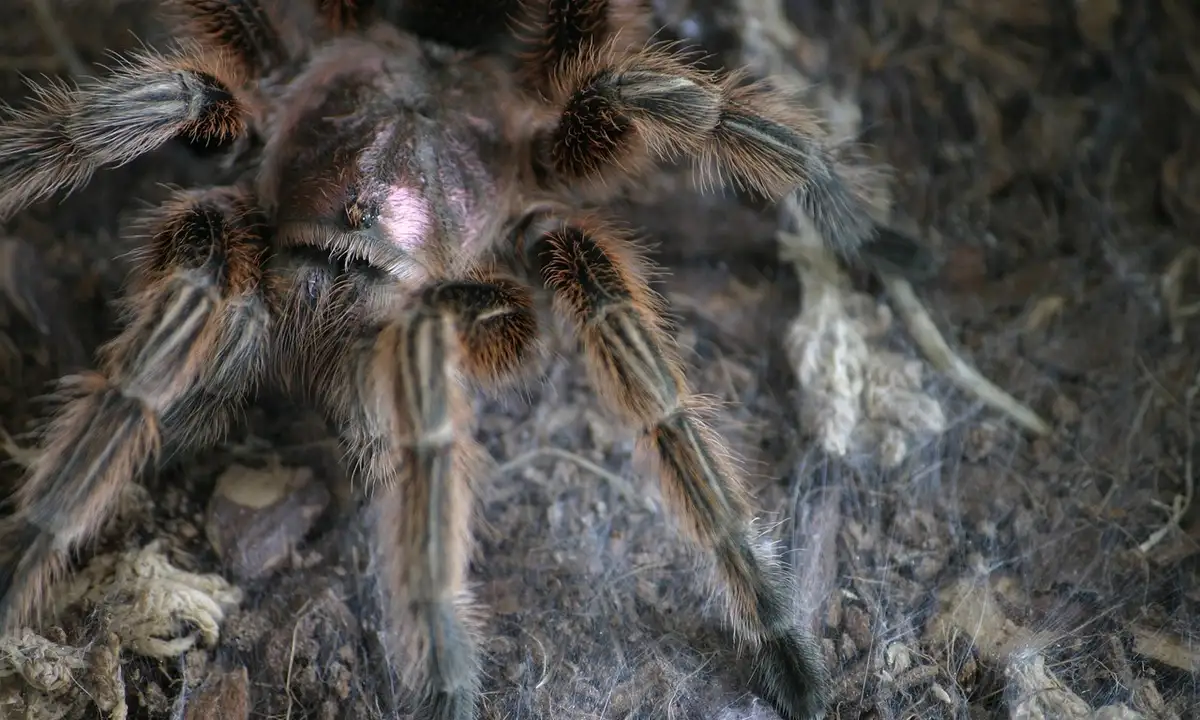
Many beginners ask if species like the docile Chilean Rose Hair (Grammostola rosea) are safe to hold. The honest answer is no tarantula is truly safe for handling, as the practice always carries risk for both you and the animal. My 15-year-old G. rosea, Rosie, is a classic “pet rock,” yet even her calm demeanor doesn’t eliminate the chance of a defensive bite or a sudden, stressful fall.
All tarantulas possess venom, and New World types like my Burgundy Goliath (Theraphosa stirmi) have urticating hairs they can kick into the air. These barbed hairs cause intense itching and can seriously damage a tarantula’s eyes or book lungs if kicked inside the enclosure. As a defense, tarantulas typically kick their urticating hairs at threats, serving as the first line of self-protection. Venom then provides a secondary deterrent if a threat persists or handling becomes unavoidable. For Old World species like my OBT (Pterinochilus murinus), the concern is potent venom and blinding speed, making any handling attempt dangerously unpredictable.
Safety isn’t just about venom or hairs; it’s about profound stress. Tarantulas are not domesticated; they are solitary, defensive organisms that interpret handling as a predator attack. The elevated heart rate and energy expenditure can weaken them, especially before a molt. In that context, are tarantulas dangerous as pets? A realistic risk assessment shows that, when kept properly, the overall risk to humans is low and incidents are rare, though stress and mishandling can increase the chance of bites or defensive behavior.
When Handling Might Be Necessary (And How to Do It)
Handling should never be for entertainment. It is only justified during essential maintenance like enclosure transfers or emergency rescues. I’ve had to rehouse my OBT, Flash, and each time is a planned operation, not a casual event.
If you must move your tarantula, follow these steps to minimize risk:
- Clear a large, soft space on the floor with no hiding spots nearby.
- Use long, soft-tipped tweezers or a gentle paintbrush to guide the tarantula into a large, transparent deli cup.
- Always keep the tarantula low to the ground. Their abdomens can rupture from a fall of just a few inches.
- Move slowly and calmly. Never grab or make sudden motions.
For defensive species, I use the “two-cup method.” I slowly place a cup over the tarantula, slide a stiff card underneath, and secure it. This technique saved me when Goliath, my T. stirmi, once bolted during a substrate change, heading straight for my leg.
Practical Steps for a Handling-Free, Enriching Relationship
You can build a deep connection with your tarantula without ever touching it. The joy comes from creating a perfect slice of their world and becoming a keen observer of their secret lives. You’ll also notice how tarantulas communicate through posture, leg taps, and even stridulation. Understanding these signals can deepen your empathy and connection.
Crafting an Enclosure You Both Can Enjoy
A thriving tarantula is a visible, active tarantula. Start with substrate that retains humidity and allows for digging, like a mix of coconut fiber, peat moss, and vermiculite. My T. stirmi’s enclosure maintains 80-85% humidity with a deep, moist substrate layer.
Enclosure design should match the species’ natural behavior:
- For burrowers like Rosie: Provide 6-8 inches of substrate and a sturdy hide.
- For heavy webbers like Flash: Offer anchor points like cork bark or fake plants. He weaves intricate, orange-silk tunnels.
- For humidity lovers like Goliath: Use a large water dish and monitor with a digital hygrometer. I miss one misting, and he retreats to his burrow, stressed.
Bioactive elements, like springtails, keep the substrate clean and add a living dynamic. Watching a tiny cleanup crew work under the cork bark is its own fascinating micro-hobby.
The Art of Observational Husbandry
This is where the real magic happens. Observational husbandry means reading your tarantula’s subtle signals. Learn the pre-molt posture: a darkened abdomen, lethargy, and refusal of food for weeks, as Rosie routinely demonstrates.
Focus your observations on these key areas:
- Feeding Response: The sudden, explosive strike of my T. stirmi is a powerful reminder of their predatory precision.
- Web Engineering: Note how your tarantula modifies its space. Flash completely redesigns his web fortress monthly.
- Activity Patterns: Some species are nocturnal. Use a red light to observe without disturbance.
Keep a simple log. Note feeding dates, molts, and behavior changes. This record becomes an invaluable health diary and a narrative of your pet’s life. The iridescent sheen on a fresh carapace, the silent, methodical grooming of pedipalps-these are the moments that define true arachnoculture.
Essential Safety Protocol for Every Keeper
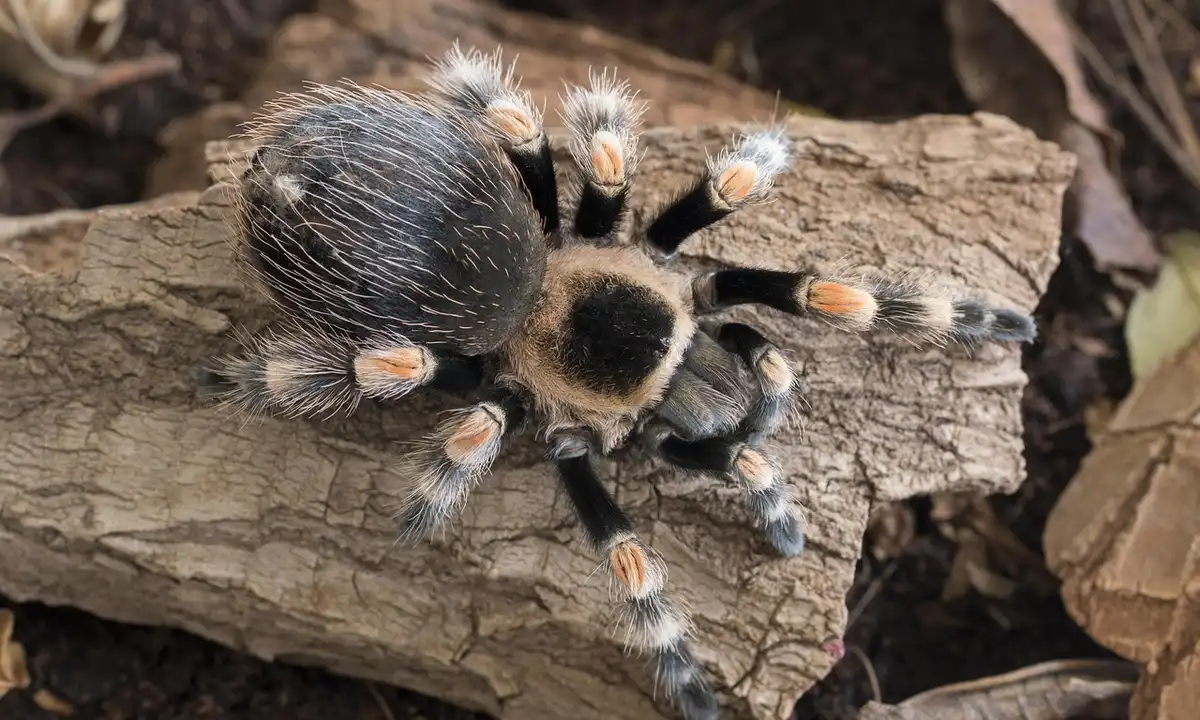
Accidents do not happen during careful planning. They occur during a rehousing, a momentary distraction, or a split-second decision. Your safety routine is your best defense.
The Non-Negotiable: “Look, Don’t Touch”
I practice and advocate for observational husbandry. Interacting with a tarantula by observing its natural behaviors is far more rewarding and safe than any physical handling. There’s a common myth that holding a tarantula shows affection; tarantulas don’t perceive touch as affection. In fact, handling can be stressful and offers no bonding benefit. The risks—a fall, a bite, a cloud of irritating hairs—offer no benefit to the animal and only potential harm to you.
Your Pre-Interaction Checklist
Before you ever open an enclosure for maintenance, run through this list.
- Know Your Species: Is it a docile Grammostola rosea like my Rosie, or a defensive Old World species like my OBT, Flash? Their threat responses are worlds apart.
- Gear Up: Have long, soft-tipped feeding tongs (12 inches is ideal). Wear safety glasses if working with a prolific hair-kicker like my T. stirmi, Goliath. Those urticating hairs are designed to irritate mucous membranes.
- Clear the Stage: Work over a large, open table or inside a large, shallow bin. Close windows and doors. Ensure pets and other people are not in the immediate area.
- Mind the Mood: Is the tarantula resting, or is it active and posed defensively? Never attempt to interact with a tarantula in a threat posture.
The Step-by-Step Safe Rehousing Method
This is the most common scenario where contact might occur. I use this method for all my tarantulas, from the slow rose hair to the lightning-fast OBT.
- Prepare the new enclosure completely, with hides and damp substrate already in place.
- Place both the old and new enclosures securely inside the large, empty catch-bin.
- Using your tongs, gently guide the tarantula from its hide by tapping or brushing behind it. Never grab or pinch any part of the tarantula’s body.
- As it walks forward, use a soft paintbrush or a long piece of flexible plastic to continue guiding it gently into the new enclosure.
- If it bolts-and they can-it is contained within the large catch-bin. Remain calm. Use a deli cup to gently corral it.
I learned the value of the catch-bin the hard way when a juvenile once sprinted up my arm; the bin contained the adventure instantly.
Navigating the Question of Children and Tarantulas
Tarantulas are fascinating living science projects, not interactive toys. This distinction is the cornerstone of safely integrating them into a home with young enthusiasts. So, do tarantulas make good pets for children? They can be suitable for curious kids when a supervising adult outlines clear expectations and ensures a safe enclosure and respectful handling practices.
Supervision is not occasional glancing; it is direct, attentive, and non-negotiable during any enclosure interaction. A child should never open an enclosure without an adult performing the same hands-on role they would with chemicals or power tools.
Age-Appropriate Involvement
- Young Observers (Under 10): Their role is perfect. They can help name the tarantula, design a backdrop for the enclosure, and be the designated “feeding time witness.” Teach them to tap the glass gently to signal a cricket is coming. This builds respect without risk.
- Junior Keepers (10+): With proven maturity, they can assist under direct hands-on supervision. They can operate the tongs to drop prey, mist part of the enclosure under guidance, or help record the tarantula’s growth and molts in a logbook.
Turning Interest into Education
Use the tarantula’s biology as a teaching tool. My son and I once spent an evening with a microscope, looking at a shed molt to identify spinnerets and the differences between male and female anatomy.
- Discuss the molting process (ecdysis) as a marvel of regeneration.
- Explain why the tarantula’s “hair flicking” is a defense, not malice.
- Study its native biome-why does Goliath need a humid, warm enclosure, while Rosie thrives in drier conditions?
A child who understands the ‘why’ behind the rules becomes a more thoughtful and safer participant in the hobby. The goal is to foster a lifelong respect for these exceptional animals, from a safe and awe-filled distance.
## FAQs
Is there any benefit to the tarantula when I handle it?
No, there is no benefit to the tarantula. Handling is a purely human-centric activity that the tarantula perceives as a stressful predator interaction. The process can cause a heightened heart rate, expend crucial energy, and trigger defensive behaviors that deplete its resources, like its finite supply of urticating hairs. Prioritizing its welfare means providing excellent care and observation without imposing unnecessary physical contact. Common tarantula health problems, such as dehydration, molting complications, or infections, can often be prevented by minimizing handling and by maintaining proper enclosure conditions. Regular health checks and good husbandry help prevent these issues before they arise.
What should I do if my tarantula escapes and I need to recapture it?
Stay calm and avoid trying to grab it with your hands. Guide it gently into a large, clear plastic cup or deli container using a soft paintbrush or long piece of cardboard. Always corral the spider from behind and keep it low over a soft surface to prevent a fatal fall. This “two-cup method” is the safest way to contain the tarantula without causing injury or provoking a defensive bite. For more tips, check out our step-by-step guide on how to handle and hold your pet tarantula.
I see other keepers handling their tarantulas online. Why shouldn’t I?
Many experienced keepers still choose not to handle, as the risks always outweigh the fleeting moment. What you often don’t see online are the stress signals before the clip, the potential for sudden falls, or the long-term impact on the animal. Responsible arachnoculture focuses on replicating natural behaviors in captivity, not on treating a wild animal as a hands-on pet for social media content.
Can I ever “tame” or desensitize my tarantula to handling?
Tarantulas cannot be tamed or domesticated like mammals. They operate on instinct and cannot learn to associate handling with positive experiences. Repeated exposure only leads to cumulative stress, which can weaken the spider, especially before a molt. A tarantula that tolerates handling is not “friendly”; it is more likely in a state of defensive stillness or simply too stressed to move. Aggression in tarantulas is not universal and varies by species and individual temperament. Understanding species-specific temperament is essential for interpreting their behavior and handling risk.
If I absolutely must move my tarantula, what is the single most important rule?
The most critical rule is to keep the tarantula close to a soft, ground-level surface at all times. They can die from a fall, as it can cause a fatal abdominal rupture. Never lift the tarantula high above a table or the floor. All necessary movements, like enclosure transfers, should be performed with the enclosures placed inside a large, shallow bin to contain any falls or escape attempts.
Long-Term Success
All husbandry for a tarantula orbits one core principle: Your primary responsibility is to provide a secure, species-appropriate environment that minimizes stress, not to seek physical interaction. Managing temperature, humidity, and enclosure size is how you express care. Proper handling of these factors directly impacts the tarantula’s lifespan.
True fulfillment in this hobby comes from quiet observation. Watch Flash construct his intricate funnel web with meticulous precision. Observe Goliath’s patient ambush from his burrow’s entrance. Appreciate Rosie’s stoic stillness for what it is-a sign of a content, undisturbed animal. Patience rewards you with glimpses of natural, fascinating behaviors that handling will only ever suppress or startle away. Your most valuable tool is your own quiet attention.
Further Reading & Sources
- Handling Pet Tarantulas | Tarantula Guide
- 5 Best Rarely Mentioned Tips For Tarantula Handling
- A Guide to Tarantulas for Beginners
Arlo is a lifelong arachnid enthusiast who believes tarantulas are the world’s most misunderstood roommates. With years of hands-on experience in tarantula care, habitat setup, and species behavior, Arlo combines expert knowledge with a dash of humor to make spider ownership less scary and a lot more fascinating. From choosing the right enclosure to understanding why your eight-legged buddy is doing that weird little pose again, Arlo is here to help you become the best tarantula parent you can be, without getting tangled in the web of misinformation.
Handling and Interaction