
Caring for the Theraphosa stirmi (Burgundy Goliath Bird Eater)
In the world of tarantulas, the Theraphosa stirmi commands respect not through aggression, but through sheer, breathtaking physicality. This is not a pet for a casual observer; it is a commitment to caring for one of the planet’s most massive arachnids. My own T. stirmi, Goliath, has taught me that their care is a delicate balance of providing a warm, swamp-like environment while managing a defensive creature that liberally uses its urticating hairs. This guide will walk you through the exact parameters needed to replicate their humid South American home and support their impressive growth.
- Quick Stats:
- Origin: Guyana, Brazil, Venezuela
- Type: New World, Terrestrial
- Growth Rate: Very Fast
This guide details the precise, non-negotiable husbandry to successfully raise a T. stirmi from a moisture-dependent sling to a breathtaking, full-grown adult.
Tarantula Anatomy and Key Identification Features
To truly appreciate your tarantula, learning its physical blueprint is key. This knowledge transforms a mysterious creature into a fascinating, living machine.
The Tarantula’s Body Plan
A tarantula’s body is divided into two main sections: the prosoma (cephalothorax) and the opisthosoma (abdomen). The prosoma is covered by a single, hardened plate called the carapace. Observing the carapace’s shape and any metallic sheen is often the first step in identifying a species, like the subtle rose-gold hue on my old G. rosea, Rosie. Below the carapace, the chelicerae (fang bases) move side-to-side, unlike the pincer-like vertical motion of most spiders. Tarantula anatomy 101 starts with these two main body sections. Understanding their structure helps explain how they move and interact with their environment.
Legs, Palps, and Purpose
Tarantulas have eight legs used for locomotion and sensing vibrations. The pedipalps, located near the mouth, are shorter leg-like appendages used for manipulating food and, in mature males, as reproductive organs. Watching a tarantula use its pedipalps to gently taste and move a cricket is a lesson in delicate precision.
Size and Scale: From Dwarfs to Giants
Tarantula size is measured by diagonal leg span (DLS). Dwarf species, like many in the Cyriocosmus genus, may have a DLS under 2 inches. Large terrestrial species, like my T. stirmi Goliath, can exceed 10 inches. Arboreal species often have a slimmer, more leggy build.
Hairs and Colors: More Than Meets the Eye
The most critical hairs are urticating setae, found on the abdomens of most New World tarantulas. These barbed hairs are flicked as a primary defense. I learned to recognize the pre-kick posture-a raised abdomen and rapid back leg movements-the hard way with Goliath. Color patterns, from Rosie’s dusty pink to Flash’s electric orange, are vital for identification, but remember that colors can fade or change dramatically after a molt.
- Key Features Distinguishing Tarantulas:
- Large size and substantial body mass compared to most spiders.
- Two sets of book lungs (most spiders have one).
- Presence of dense, often urticating, body hairs.
- Side-to-side moving chelicerae with downward-striking fangs.
- Relatively long lifespan, especially for females.
Old World vs. New World Tarantulas: Origins and Implications for Care
This geographical split is the single most important factor in predicting a tarantula’s behavior and your care strategy. New World species hail from the Americas, while Old World species come from Africa, Asia, and Europe.
The core difference lies in their evolved defenses, which directly shape their temperament and the risks they pose. New World tarantulas, like my Rosie and Goliath, typically possess urticating hairs. When threatened, they prefer to kick these irritating hairs. Old World tarantulas, like my OBT Flash, lack these hairs. Without this primary deterrent, they rely on speed, potent venom, and a fierce defensive posture.
| Trait | New World Tarantulas | Old World Tarantulas |
|---|---|---|
| Primary Defense | Flicking urticating hairs | Fast escape and potent venom |
| Venom Potency | Generally mild, comparable to a bee sting for most | Often medically significant, can cause severe pain, muscle cramps, and systemic effects |
| Typical Temperament | Often slower, more prone to calming down when provoked | Frequently defensive, nervous, and lightning-fast |
| Pet Suitability | Better for beginners and those wanting a visible, calmer pet | Recommended for experienced keepers comfortable with defensive species |
Translating Origins into Care
For New World species, husbandry involves managing their urticating hairs. I use deep substrate for burrowers and always wash my hands after maintenance. Good ventilation is a must to prevent hair accumulation. Their slower speed means rehousing, while still requiring care, is often a more methodical process.
Old World care is built around respect and pre-planning. Enclosures must be absolutely secure. I use long tongs and perform all maintenance with the greatest caution, anticipating a sudden, teleporting strike. Keeping my OBT Flash is a practice in observation without interaction, appreciating its brilliant webbing and efficiency from a safe distance. Their venom is a real hazard, making a “look, don’t touch” philosophy non-negotiable.
Step-by-Step Guide to Identifying Your Tarantula
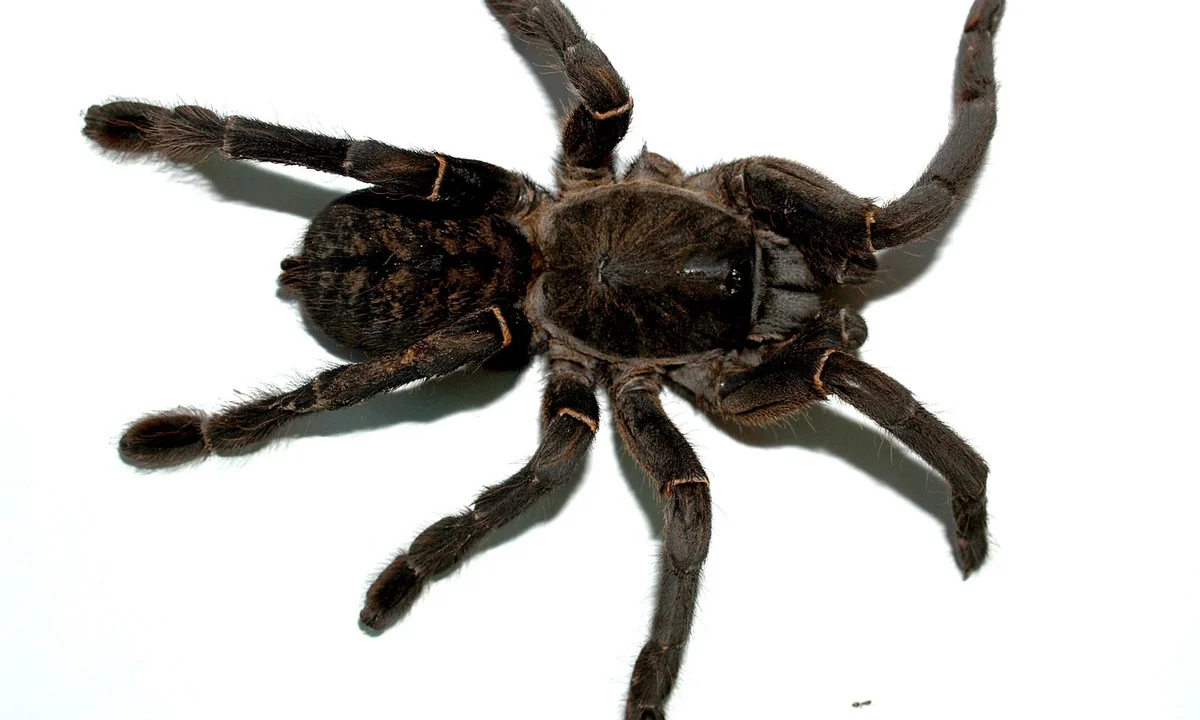
Identifying your eight-legged friend is more than a label. It’s the first step to providing perfect care. A correct ID tells you about humidity needs, temperature, and temperament. Misidentification can lead to a stressed, unhealthy spider, so take your time and observe carefully.
Identifying Species and Common Variants
Start with quiet observation. Watch your tarantula’s shape, color, and how it interacts with its space. These clues point directly to its natural world. Your tarantula’s body and behavior are a map to its origins, whispering secrets about rainforest floors or desert burrows.
Follow these steps to narrow down the possibilities.
- Examine Physical Characteristics
- Color & Markings: Note the primary color and any patterns. Is the carapace a solid black or does it have a striking salmon-pink patch like my old-world Rosie? Look for leg banding, abdominal patterns, or iridescent sheen.
- Leg Span & Build: Estimate size. A stocky, heavy-bodied spider like Goliath is likely terrestrial. A slender, long-legged individual suggests an arboreal lifestyle.
- Carapace & Setae: Observe the hair (setae). Are they uniform, or are there dense patches of urticating hairs on the abdomen? New-world tarantulas have these defensive hairs; old-world species do not.
- Observe Behavior & Architecture
- Webbing: Heavy webbers like my OBT, Flash, who carpets every surface, are often old-world or arboreal. Minimal webbing points to terrestrial burrowers.
- Burrowing: Does it excavate deep tunnels or simply use a pre-made hide? Fossorial species are engineers, while some terrestrials are happy with a shallow retreat.
- Posture & Speed: A slow, deliberate walker is typical of many new-world species. Lightning-fast movement is a hallmark of old-world tarantulas and a sign to exercise extreme caution.
- Consult Reputable Resources
- Use established online databases or forums curated by experienced keepers. Compare your clear, well-lit photos to verified images.
- Cross-reference the common name you were given. “Chilean Rose Hair” could be a Grammostola rosea or a Grammostola porteri-their care is similar, but true identification requires detail.
- Habitat is your biggest clue: Arboreal tarantulas need tall enclosures with cork bark; Terrestrial types need more floor space; Fossorial species require deep, packed substrate. Matching the setup to the natural history is 90% of proper care.
Sexing Your Tarantula and Understanding Molts
A molt is a treasure trove of information. This discarded exoskeleton holds the definitive answer to your tarantula’s sex and offers a snapshot of its growth. Sexing via molt is the only completely reliable method for hobbyists, as external features can be misleading, especially in juveniles.
- Safely Retrieve the Molt
- Wait until your tarantula has fully hardened and moved away from the molt, which can take several days.
- Use long, soft-tipped tweezers to gently extract the molt. Avoid disturbing the tarantula, as it is vulnerable post-molt.
- I carefully float the molt in a shallow dish of water with a drop of dish soap. This softens and unfolds it without tearing.
- Examine the Epigastric Furrow
- Locate the inside of the molt’s abdomen, between the book lungs. This is the epigastric furrow.
- On a female’s molt, you will see two small, whitish, sclerotized pouches called spermathecae. They can look like tiny flaps or pockets.
- A male’s molt will show a completely smooth area in the same region, with no such structures.
- Use Magnification and Determine Life Stage
- A jeweler’s loupe or the macro lens on your phone is essential, especially for smaller molts.
- Identifying life stage is about the molt’s completeness and the animal’s physical changes. A perfect, fully-intact molt from a mature male will reveal emboli (sperm-transfer organs) on the palpal bulbs. The presence of tibial hooks on the front legs also confirms a mature male.
- Juvenile molts are simply smaller and lack these mature sexual characteristics. Each successful molt brings them closer to their final, adult form.
Creating the Ideal Enclosure: Habitat Setup and Husbandry
Substrate, Humidity, and Temperature Fundamentals
Your substrate choice forms the foundation of your tarantula’s world. It is a functional landscape, not just decoration. I exclusively use a blend of coconut fiber and peat moss, which retains humidity for my moisture-loving species while allowing me to create a drier zone for my arid ones. To create a proper substrate moisture gradient for your tarantula, I layer damp areas with a drier edge to provide suitable microhabitats. This setup helps maintain appropriate humidity while offering dryer zones for arid-loving species.
Listed below are the primary substrate options I have tested over the years:
- Coconut Fiber (Coir): My personal staple. It is affordable, retains moisture well without becoming swampy, and is generally mold-resistant with proper ventilation.
- Peat Moss: Excellent for moisture retention. I often mix it with coir for species like my T. stirmi, Goliath, to mimic that damp forest floor feel.
- Sterilized Topsoil: A good, natural option. Ensure it has no fertilizers or pesticides. It can be packed firmly for burrowers.
- Vermiculite: I sometimes blend a small amount into mixes for extra humidity retention in tropical setups, but it should not be used alone.
Humidity and temperature are not universal settings. Getting these parameters wrong is the most common source of health issues I see, from fatal dehydration to suffocating mold outbreaks. Your goal is to recreate a slice of their native biome.
- Arid Species (e.g., Grammostola rosea like Rosie): 60-70°F (15-21°C), 40-50% humidity. Provide a water dish. The substrate should be mostly dry, with slight moisture in one corner during molts.
- Tropical/Terrestrial Species (e.g., Theraphosa stirmi like Goliath): 75-80°F (24-27°C), 70-80% humidity. Keep the substrate damp but not waterlogged. A large, full water dish is non-negotiable.
- Tropical/Arboreal Species (e.g., Poecilotheria spp.): 75-80°F (24-27°C), 70-80% humidity. Focus on ambient humidity via misting the enclosure walls and a full dish, not wet substrate.
Ventilation is the silent partner in this balance. Cross-ventilation-holes on opposing sides of the enclosure-is critical to prevent stagnant, moldy air, especially in high-humidity setups. I learned this the hard way with a stuffy enclosure that led to a mite bloom. Now, I always prioritize more ventilation holes over fewer.
Enclosure Design for Different Lifestyles
A tarantula’s morphology dictates its architecture. Housing an arboreal species in a terrestrial tank is like asking a mountain goat to live on a putting green-it ignores their fundamental needs and creates stress. Match the home to the spider’s natural behavior; knowing the essential features of their enclosure is key.
Here are the core design principles for each lifestyle:
- Terrestrial (Ground Dwellers): Priority is floor space. Length and width should be at least 2-3 times the spider’s leg span. Height is a safety concern; a fall from more than 1.5x their leg span can rupture their abdomen. My Rosie’s enclosure is wider than it is tall.
- Arboreal (Tree Dwellers): Priority is vertical height. They need tall enclosures with cork bark slabs or branches anchored securely to the back. My old-world arboreals, like some in my collection, demand this vertical real estate to feel secure and build their funnel webs.
- Fossorial (Burrow Dwellers): Priority is deep, packable substrate. Provide a starter burrow against the glass for viewing, but give them 6-10 inches of substrate to engineer their own tunnels. The silent drama of watching them excavate is a hidden joy of the hobby.
Beyond space, these items are essential for psychological and physical well-being:
- A Secure Hide: A cork bark flat, half-log, or clay flowerpot provides a critical retreat. Even my pet rock, Rosie, spends most of her time in hers.
- A Water Dish: Use a shallow, tip-proof dish. I use bottle caps for slings and ceramic dishes for adults. Keep it full and clean.
- Anchor Points for Webbing: For prolific webbers like my OBT, Flash, provide fake leaves, branches, or cage decor. They will turn it into a dense, silken fortress, which is a sign of a content, settled animal.
- Minimalist Decor: Avoid sharp edges and heavy, unstable ornaments. The focus should be on the spider’s needs, not a cluttered aesthetic. Remember, an empty-looking enclosure is often a correctly set up one, giving your tarantula the open space it requires to feel in control of its territory.
Feeding Your Tarantula: Prey, Schedules, and Troubleshooting
Watching a tarantula feed is observing pure instinct. The quiet ambush, the brief struggle, the iridescent sheen of fangs in action. Mastering the art of tarantula nutrition is less about quantity and more about precision, timing, and respect for the animal’s stress levels. To make this practical, a feeding behavior guide can help you tell if your tarantula is hungry or stressed. It walks you through cues like appetite windows, posture, and retreat behavior to guide feeding decisions.
Appropriate Live Prey and Feeding Frequency
Your choice of feeder insect directly impacts your tarantula’s health and your own convenience. Through years of breeding, I have settled on two primary staples. Gut-loaded crickets are the universal workhorse, but dubia roaches offer superior nutrition and less escape risk. When it comes to dubia roaches vs crickets for tarantulas, the winner is often determined by the spider’s size and your maintenance setup. For many keepers, dubia roaches prove the superior overall feeder for tarantulas.
- Crickets: Readily available and affordable. Their main downside is noise and the potential to nibble on a vulnerable, molting tarantula.
- Dubia Roaches: These cannot climb smooth glass or plastic. They are quieter, meatier, and my juvenile tarantulas grow noticeably faster on them.
- Other Options: Mealworms and superworms are useful for variety, but always crush the heads of worms to prevent them from burrowing deep into substrate and becoming a nuisance.
Feeding schedules are not one-size-fits-all. They shift dramatically from the frantic growth of a spiderling to the glacial pace of an adult.
- Spiderlings (Slings): Offer prey the size of their cephalothorax twice a week. Their bodies are fuel for growth.
- Juveniles: One appropriately sized cricket or roach every 5 to 7 days maintains steady development without excess waste.
- Adults: A single large prey item every 10 to 14 days is ample. Many species, like my 15-year-old Rosie, will enter fasts lasting several months with no weight loss.
How to Offer Food and Remove Uneaten Prey
The delivery method is crucial for reducing stress. A chaotic introduction can trigger hair-flicking or a defensive pose. Your goal is to simulate natural prey wandering into the tarantula’s space, not to startle it.
- Select and prepare the prey. For skittish or defensive species like my OBT Flash, I stun the cricket by gently compressing its head with tweezers. This prevents erratic jumps that can provoke an attack response.
- Use long, smooth-tipped tweezers for placement. Gently lower the insect near the tarantula’s hide or current position. Never drop food directly onto the spider.
- Observe without hovering. Retreat and watch from a distance. A feeding response is usually immediate-a lightning-fast strike you’ll feel more than hear.
- Remove any uneaten live prey within 24 hours. This is a cardinal rule. A live cricket left overnight can seriously injure a tarantula beginning the delicate molting process.
Troubleshooting Common Feeding Issues
A tarantula’s refusal to eat is the top concern for new keepers. My Chilean Rose Hair, Rosie, is a master of this, routinely fasting for 6-8 months at a time. A healthy tarantula with a plump abdomen can survive incredibly long fasts; panic is usually more harmful than the hunger.
If your tarantula consistently refuses meals, systematically check these factors.
- Impending Molt (Premolt): The abdomen darkens and shines. The tarantula becomes lethargic and may seal its burrow. Do not offer food during this time.
- Environmental Stress: Excessive vibration, light, or an enclosure that is too large and bare can suppress appetite. My Burgundy Goliath, for instance, will stop eating if his humidity drops below 75%.
- Prey Size or Type: The feeder may be too large or too active. Try a smaller or pre-killed option.
- Seasonal Changes: Many adult tarantulas naturally reduce feeding in cooler months, mirroring wild cycles.
When in doubt, wait it out. Remove the uneaten prey, ensure fresh water is available, and try again in a week. A tarantula’s metabolism is slow, and force-feeding is never the answer. Your patience is part of the respectful care these animals deserve. If your tarantula refuses to eat: causes, consider whether it’s molting or stressed. Common causes include improper temperature or humidity and prey size; adjust the enclosure and offer appropriately sized live prey.
Health, Safety, and Common Care Issues
Recognizing Stress and Illness
Your tarantula communicates its well-being through behavior and posture, not sound. Learning this silent language is your first line of defense. Daily, observant glances at your pet are more valuable than any emergency measure. My old Chilean Rose, Rosie, taught me that a months-long fast can be normal for her species, but the same behavior in another could signal trouble.
Watch for these physical and behavioral cues that suggest discomfort or sickness.
- Lethargy or Weakness: A tarantula that stumbles, has a shaky gait, or sits out in the open for days when it is normally reclusive.
- Abnormal Posture: A “death curl” where the legs are tightly tucked under the body, or conversely, legs splayed out unnaturally. This often indicates dehydration or severe systemic issue.
- Balding Abdomen: Patches of bare skin on the rear, especially in New World species like my T. stirmi, Goliath. This is from kicking urticating hairs, a classic stress response.
- Prolonged Refusal to Eat: While some fasts are normal, a sudden stop in a consistent eater, coupled with weight loss, is a concern.
- Discharge or Lesions: Any unusual wetness around the mouth or crusty, discolored spots on the body or joints.
If you observe these signs, act calmly. Immediately check and correct your enclosure’s core parameters-temperature and humidity-as these are the most common culprits.
- Isolate and Secure: Move the enclosure to a quiet, dim area. Avoid any vibrations or disturbances.
- Hydration First: For a dehydrated tarantula, gently place its mouthparts over the edge of a shallow water dish. I’ve used a damp paintbrush to coax water droplets near a weak spider.
- Do Not Force-Feed: Never try to put food in a tarantula’s mouth. This causes immense stress.
- Seek Expert Advice: Contact a veterinarian specializing in arachnids or an experienced breeder immediately if symptoms persist or worsen. There are very few medications for tarantulas, and time is critical.
Venom Risks and Safe Interaction
Tarantula venom potency exists on a wide spectrum, directly influencing your safety approach. In reality, tarantulas all have venom—there are no truly non-venomous species; the differences lie in potency and impact. So, when people talk about venomous vs non-venomous tarantulas, it’s about bite likelihood and the potential severity across species. The bite of a Chilean Rose Hair (Grammostola rosea) might be akin to a bee sting for most, while an Orange Babbler Tarantula (Pterinochilus murinus) delivers a bite that is medically significant and warrants hospital attention. My bright orange Flash, an OBT, has never bitten me because I respect his space.
I firmly advocate for a “Look, Don’t Touch” philosophy. Handling is a massive stressor for the animal, risks a defensive bite or a cloud of irritating hairs, and provides no benefit to the spider. Watching the intricate behaviors-the careful grooming of pedipalps, the silent stalk of prey-is where the true fascination lies.
Safety is paramount during essential tasks like feeding or rehousing. Follow these protocols.
- Use the Right Tools: Long, smooth-tipped feeding tongs (12 inches minimum) are essential. I use clear plastic deli cups as catch cups for fast species.
- Control the Space: Always perform maintenance in a secure, enclosed area like a bathtub or a large plastic bin. This contains any potential escapee.
- Wear Protective Gear: Safety glasses are non-negotiable when working with New World tarantulas that flick hairs, like my Goliath. A simple pair can save you days of painful eye irritation.
- Move with Purpose: Slow, predictable movements prevent startling your tarantula. Have all your tools and the new enclosure ready before you open the old one.
Popular Pet Tarantula Species and Their Specific Care
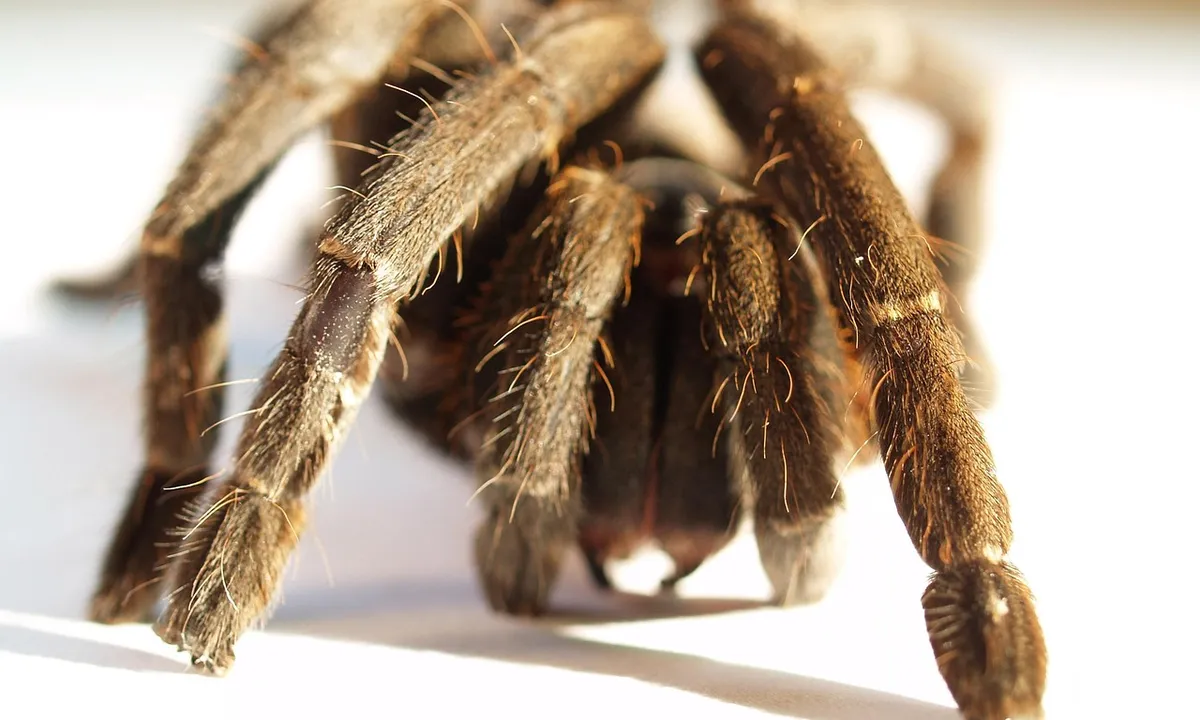
Chilean Rose Hair (Grammostola rosea)
Identify this classic pet by its dusty pink carapace, which shines with a soft iridescence under light, and its stocky, brown-furred legs. This species is often the first tarantula for many hobbyists due to its widespread availability and forgiving nature. Their temperament is famously docile, earning them the nickname ‘pet rock’ for their long periods of immobility.
Care is straightforward but requires patience. Maintain an ambient temperature between 70-75°F (21-24°C) with a slight drop at night. Humidity should stay around 60-65%; a water dish and slightly dampened corner of substrate are sufficient. As terrestrial spiders, they need more floor space than height-an adult thrives in an enclosure with at least three times their leg span in length.
- Identification: Dusty pink carapace, robust brown body, calm demeanor.
- Temperament: Exceptionally docile, prone to lengthy fasts.
- Care Data: 60-65% humidity, 70-75°F (21-24°C), terrestrial space.
My Chilean Rose Hair, Rosie, has taught me more about patience than any other animal. She once refused food for nine months, a normal fast for this species, simply sitting in perfect silence while I learned to respect her rhythms. This experience cemented my ‘Look, Don’t Touch’ approach; unnecessary handling causes immense stress, even for a calm spider like her.
Mexican Redknee (Brachypelma hamorii)
This iconic spider is instantly recognizable by its jet-black body and vibrant orange-red markings on the knee joints and patellae. The visual contrast is stunning, making it a centerpiece in any collection. Their temperament is generally calm but reserved; they prefer to retreat rather than confront but will readily flick urticating hairs from their abdomen if provoked.
Provide a warm, dry environment with a subtle moisture gradient. Aim for temperatures of 75-80°F (24-27°C) and a humidity range of 65-70%. Like other terrestrials, floor space is critical. Use a shallow water dish and dry substrate like coconut fiber, with a small section you can moisten occasionally to aid in molting.
- Identification: Glossy black with bright orange-red “knees,” moderately hairy.
- Temperament: Usually calm but defensive; a prolific hair-flicker.
- Care Data: 65-70% humidity, 75-80°F (24-27°C), terrestrial setup.
While I currently focus on other genera, I’ve rehoused many Redknees for fellow breeders. One key lesson is that their famous beauty comes with a need for meticulous dryness to prevent leg joint issues, which I ensure by using deep, packed substrate that holds its shape for burrowing. Their defensive hair-flicking is a clear signal to admire them from outside the enclosure.
Orange Babbler Tarantula (Pterinochilus murinus) – OBT
The OBT’s common name hints at its nature, but its scientific label is key for identification. Look for a brilliant, almost neon orange body and a lightning-fast movement style. This Old World species lacks urticating hairs, so it relies on speed and a defensive posture to ward off threats. Temperament is consistently defensive; they are not pets for handling and demand respect.
Care involves higher humidity and ample webbing anchors. Keep humidity at 70-75% and temperatures between 78-85°F (26-29°C). They are prolific webbers, often creating extensive silk tunnels. Provide cork bark and artificial plants for anchor points in an enclosure that is more wide than tall, as they are terrestrial but will utilize vertical space for webbing.
- Identification: Vivid orange coloration, fast, heavy silking behavior.
- Temperament: Defensive, fast, and reclusive; not for beginners.
- Care Data: 70-75% humidity, 78-85°F (26-29°C), terrestrial with webbing anchors.
My OBT, Flash, lives up to his name. During a routine rehousing, his explosive speed turned a simple container transfer into a carefully managed operation, highlighting why secure, tool-based practices are non-negotiable with such species. He has webbed every inch of his home, a fascinating natural behavior that reinforces why observing their world is more rewarding than attempting to intrude upon it.
Advanced Husbandry: Enrichment and Bioactive Setups
Moving beyond basic survival needs allows us to craft habitats that stimulate natural behaviors and create a stunning living display. Enrichment for a tarantula isn’t about toys; it’s about providing architectural complexity that invites exploration and security. A flat piece of cork bark is good; a stacked arrangement forming multiple layers and crevices is transformative. Watching my old-world tarantula, Flash, meticulously web the intricate framework of his cork bark castle is a masterclass in animal architecture, far more engaging than an empty tub.
Natural Décor as Behavioral Catalyst
Think like a tarantula. A slanted piece of slate provides a cool, secure retreat for a terrestrial species. A vertically-mounted piece of cork allows an arboreal tarantula to perch at its preferred height. Twisting vines and dried seed pods offer anchor points for webbing. This isn’t just aesthetic; it’s functional psychology. A tarantula with a choice of hide feels more secure, which often translates to bolder daytime appearances. My burgundy Goliath, who once kicked hairs at shadows, now calmly sits at the mouth of her deep cork tube, confident in her ability to retreat in an instant.
Establishing a Simple Bioactive Enclosure
A bioactive setup introduces a self-sustaining clean-up crew to break down waste and mold, creating a more natural ecosystem. It’s not mandatory, but it’s a rewarding project that deepens your connection to the micro-habitat. Start with a species-appropriate, moisture-retentive substrate blend, like a mix of coconut fiber, topsoil, and sphagnum moss.
- Layer the Foundation: Create a drainage layer of clay balls or gravel at the bottom, separated by a mesh screen from the substrate above to prevent waterlogging.
- Introduce the Clean-Up Crew: Add your custodians. Dwarf white isopods (Trichorhina tomentosa) and temperate springtails are the workhorses. They thrive in the substrate, unseen, processing leftovers.
- Select Compatible Plants: Choose hardy, low-light plants that can handle the tarantula’s traffic and humidity needs. Pothos, snake plants, and some mosses are excellent starters. Plant them firmly, protecting roots with small rocks if your tarantula is a heavy digger like Goliath.
- Cycle Before Introduction: Let the planted enclosure establish for a few weeks, ensuring the clean-up crew is thriving, before carefully introducing your tarantula. This patience prevents immediate ecosystem collapse.
A successful bioactive enclosure hums with silent activity, where the tarantula is the apex predator in a miniature, self-cleaning world.
The Art of Observational Enjoyment
The highest form of enrichment is a respectful distance that allows the animal to behave naturally. This is the core of “Look, Don’t Touch.” Disturbance is not engagement. True enjoyment comes from noticing the subtle details: the way Rosie delicately cleans each pedipalp after a rare meal, or the nocturnal engineering of a trapdoor burrow.
- Use Dim Lighting: A small, low-wattage LED on a timer mimics a natural day/night cycle without stressing the tarantula with bright overhead lights.
- Keep a Log: Note feeding responses, web expansions, or pre-molt behavior. This data turns casual observation into meaningful husbandry insight.
- Feed Strategically: Placing prey near a new web structure or burrow entrance encourages natural hunting sequences you can watch unfold.
The most profound moments in this hobby happen in the silence of observation, when you are forgotten and the tarantula simply is. I learned more about my OBT’s speed during one brief, heart-stopping escape (safely contained in a catch cup) than I ever would through intrusive handling. That respect for their space is the ultimate advancement in keeper practice.
FAQs
What habitats do tarantulas typically inhabit?
Tarantulas occupy a wide range of natural habitats across the globe, from tropical rainforests to arid deserts and grasslands. New World species are commonly found in the Americas, often in burrows on forest floors or in dry scrublands. Old World species thrive in regions of Africa, Asia, and Europe, adapting to everything from humid jungles to rocky outcrops. Knowing their native environment is crucial for replicating appropriate conditions in captivity, especially since habitat requirements differ between Old World and New World tarantulas.
How should you safely observe tarantulas in the wild?
Safely observing tarantulas in the wild involves minimal disturbance and prepared caution. Always keep a respectful distance to avoid stressing the animal or triggering defensive reactions like hair-flicking or bites. Use tools like binoculars or a camera with a zoom lens to study them closely without intrusion. Stay on marked trails, avoid touching their burrows, and never attempt to handle wild tarantulas to ensure both your safety and their well-being. When considering tarantulas as pets, a realistic risk assessment is essential. Bites are uncommon and usually not dangerous for healthy adults, but improper handling or housing can pose risks to both you and the spider.
What basic gear is recommended for tarantula field identification?
Essential gear for field identification includes a magnifying loupe or hand lens to examine fine details like setae and color patterns. A camera with macro functionality is vital for capturing clear images of physical features for later analysis. Bring a field notebook, GPS device, and measuring tape to record size, location, and habitat notes. Wear protective clothing like long sleeves and gloves to shield against urticating hairs or accidental encounters.
What are reliable field guides for tarantula identification?
Trusted resources include comprehensive books like “Tarantulas of the World” by Andrew M. Smith and region-specific guides such as “Spiders of North America.” Online databases like the World Spider Catalog or forums moderated by experienced arachnologists offer updated taxonomic information. Always cross-reference multiple sources and consider joining arachnid societies for access to expert-led identification tools and community insights.
The Final Molt
The most profound lesson from years of keeping these animals is that successful husbandry rests on respecting their fundamental, species-specific needs. For moisture-dependent giants like the Theraphosa stirmi, maintaining consistently damp substrate is not a suggestion-it is the single non-negotiable requirement for their survival and health. Dehydration is a silent and swift killer for these spiders, and a dry enclosure is an empty promise.
True success is measured in quiet observation. It is found in the patient study of a Grammostola rosea’s decade-long fast, or the architectural frenzy of a Psalmopoeus murinus webbing its world into a silken fortress. Your most valuable tool is not a feeding tong but your own patience. Allow the spider to simply be a spider, and you will witness the most fascinating natural history documentary unfolding in the silence of your own home. This practice of respectful, observant care is the heart of modern arachnoculture, where the welfare of the animal always comes first.
Further Reading & Sources
- Goliath Birdeater Tarantula (Theraphosa blondi/stirmi) Care – The Tarantula Collective
- Theraphosa stirmi (The Burgundy Goliath Bird Eater) | Tom’s Big Spiders
- Theraphosa stirmi Care/Feeding | Arachnoboards
Arlo is a lifelong arachnid enthusiast who believes tarantulas are the world’s most misunderstood roommates. With years of hands-on experience in tarantula care, habitat setup, and species behavior, Arlo combines expert knowledge with a dash of humor to make spider ownership less scary and a lot more fascinating. From choosing the right enclosure to understanding why your eight-legged buddy is doing that weird little pose again, Arlo is here to help you become the best tarantula parent you can be, without getting tangled in the web of misinformation.
Popular Species