
Are Albino Tarantulas Real? The Truth About Spider Coloration
Published on: July 2, 2026 | Last Updated: July 2, 2026
Written By: Arlo
In the tarantula hobby, tales of ghostly white ‘albino’ spiders surface like legends, but these stories crumble under scientific scrutiny. I’ve spent years observing everything from the dusty pink of my Chilean Rose Hair to the vivid orange of my OBT, and true albinism-a complete lack of melanin with pink eyes-simply doesn’t align with how tarantulas produce color. This article will dismantle the myth and show you that what is often sold as an ‘albino’ is actually a rare, light-color morph or a spider with a condition called leucism.
Quick Stats:
- Origin of Myth: Mislabeling in the pet trade and confusion over color variants
- Pigmentation Type: Primarily based on urticating hairs and structural colors, not mammalian-style albinism
- Reported Rarity: Fewer than a handful of unverified claims globally
This guide will give you the precise knowledge to see past the hype and care for any tarantula, no matter how unusual its appearance, through every stage of its life.
What Albinism Really Means for Spiders
When you hear “albino,” you might picture a white rabbit with red eyes. This classic image comes from a genetic condition that strips away melanin, the pigment that gives skin, hair, and eyes their color. For spiders and tarantulas, however, the story of color is far more complex and makes true albinism, as we define it in vertebrates, a biological impossibility. Their exoskeletons rely on a different artistic palette entirely.
In my 15 years with Rosie, my Grammostola rosea, I’ve observed how her dusty pink hues are locked into her hardened shell. This isn’t a surface paint that can be simply absent. Tarantula colors are primarily a combination of pigments embedded in the cuticle and intricate structural designs that bend light. A lack of one pigment doesn’t create a ghostly white spider with pink eyes; it might just lead to a slightly paler version of their normal pattern, but tarantula blood isn’t pink.
Conditions that cause very pale coloration do exist in arachnids, sometimes called leucism or color morphs. These are often mistaken for albinism. True biological albinism requires the absence of melanin, but tarantulas utilize other key pigments like ommochromes and pteridines to achieve their browns, reds, and yellows. A tarantula missing all its pigments would likely not survive to adulthood, as these compounds play roles in UV protection and structural integrity.
I advocate for a “Look, Don’t Touch” philosophy not just for safety, but for appreciation. Watching the light play on a carapace reveals this science in action. Observing your tarantula’s color changes before a molt is the best way to engage with this living science, without causing it stress. The old exoskeleton fades, while the new one underneath holds the secret to its vibrant future appearance. To help you anticipate this stage, here are 10 key signs your tarantula is about to molt, so you can observe calmly and prepare. By recognizing these cues, you can minimize stress and avoid unnecessary handling.
The Pigment Science Behind Tarantula Colors
Think of a tarantula’s color as a two-part masterpiece: chemical pigments and physical structures. Melanins provide the deep blacks and browns you see in my Burgundy Goliath Bird Eater, Theraphosa stirmi, while ommochromes create the rusty reds and oranges. Flash, my Orange Baboon Tarantula (Pterinochilus murinus), owes his vivid warning coloration largely to these compounds.
Structural coloration is where the magic happens. This is how you get the metallic blues of a Cobalt Blue or the iridescent sheen on some species’ legs. Microscopic layers in the exoskeleton reflect specific wavelengths of light, creating colors that can shift with your viewing angle. This is why no photo truly captures the living gleam of these spiders. You must see it in the silence of their enclosure.
Husbandry directly impacts how these colors present. A dehydrated tarantula will look dull. A well-fed one about to molt may show intensified hues. Providing a species-appropriate habitat is the single most important thing you can do to support your tarantula’s natural, vibrant coloration. For example, Goliath’s dark brown tones are best maintained with the high humidity he loves, around 80-85%, and a deep, moist substrate. Heating and humidity are often intertwined in tarantula care; maintaining a stable, warm environment helps preserve the moisture those popular species require. Humidity-loving pinktoe tarantulas, for instance, do best at higher moisture, while others tolerate drier air when heat is properly managed.
Let’s break down the color sources with a simple table:
| Color Source | What It Does | Example from My Collection |
|---|---|---|
| Melanins | Creates blacks, browns, and grays. Adds strength to the exoskeleton. | Goliath’s dark brown base color. |
| Ommochromes | Produces yellows, reds, and oranges. Common in Old World species. | Flash’s bright orange warning coloration. |
| Structural Coloration | Produces blues, violets, and iridescence via light reflection. | The subtle pink sheen on Rosie’s carapace in certain light. |
Your tarantula’s diet plays a supporting role. A varied diet of gut-loaded insects provides the nutrients necessary for proper pigment synthesis during the critical molting process. You can learn more about what to feed your tarantula here. I’ve noticed Rosie’s pink becomes more pronounced after a successful molt following a period of good feeding. This is a slow, silent art project happening inside your pet.
Resist the urge to handle your tarantula to see its colors up close. The stress can cause hairs to be kicked, like Goliath often does, or a defensive strike. Common signs your tarantula is stressed or aggressive include a raised posture, rapid leg movements, or readiness to strike. Recognizing these cues helps you step back and avoid handling until it calms. Use a soft light and patient observation to study your tarantula’s magnificent color science; it’s a safer, more respectful method for both of you. Their world is built on subtlety, not spectacle, and their colors are a testament to that elegant design.
Investigating Claims of True Albino Tarantulas
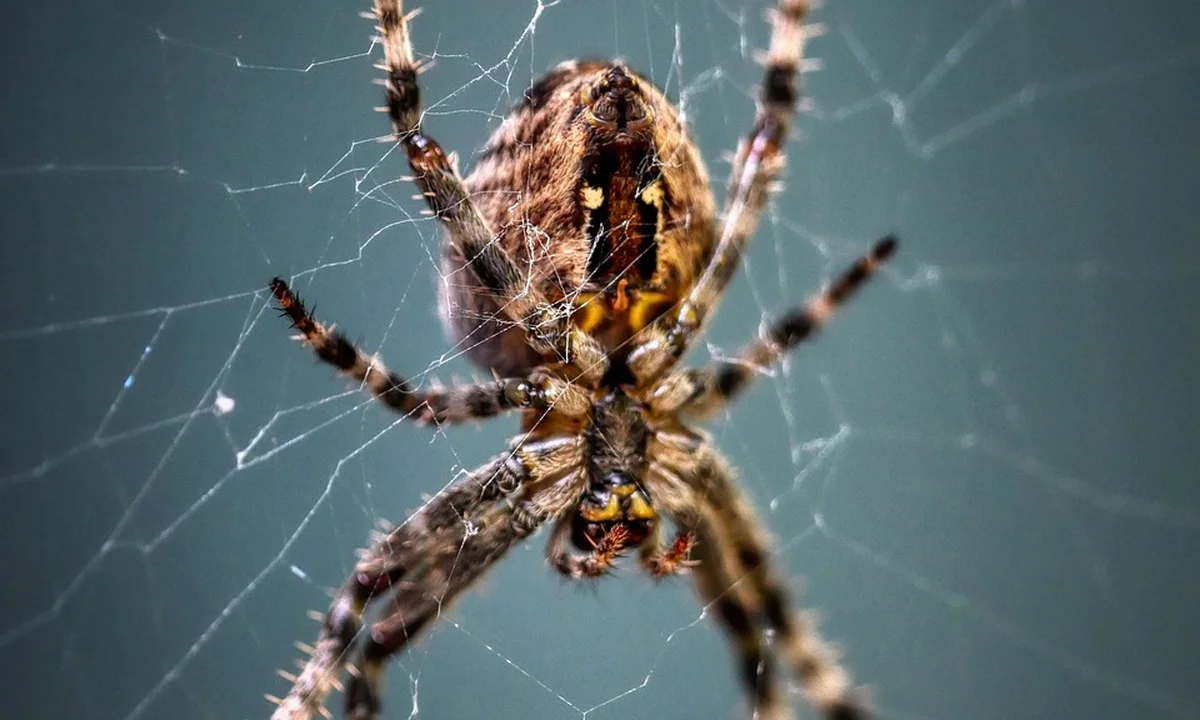
When a picture of a stark white spider circulates online, the claim of an “albino tarantula” is never far behind. In over a decade of keeping and breeding, I have yet to see a verified, living example of true albinism in a theraphosid. The biological reality is that a complete lack of melanin and other pigments is almost certainly lethal for a spiderling before it ever leaves the egg sac.
Hypomelanism: The Closest Equivalent
What we often see labeled as “albino” are actually hypomelanistic specimens. This genetic condition results in a drastic reduction of dark pigments (melanins), not their total absence. The result is an animal with strikingly lighter coloration.
Imagine my burgundy Goliath, but washed in dilute coffee, his dark brown tones faded to a soft tan. That’s the hypomelanistic effect. These spiders retain other pigments in their eyes and cuticle, which is why you’ll see a pale blue sheen or dark eyes instead of the pink or red eyes characteristic of true vertebrate albinism.
From a care perspective, hypomelanistic animals are not inherently weaker, but their rarity demands caution.
- Light Sensitivity: With reduced dark pigment, they may be more sensitive to bright light. I keep enclosures for my lighter specimens in shaded areas of the room.
- Breeding Ethics: Pairing two hypomelanistic genes can lead to genetically weaker offspring. Responsible breeders outcross to healthy, normal-colored stock.
- Identification: True hypomelanism is genetic and present from a young age. It is not the same as a spider preparing to molt, which will appear dull and darker.
Xanthochroism and Other Color Anomalies
The world of spider color anomalies extends beyond just light and dark. Xanthochromism is a fascinating aberration where yellow or orange pigments dominate.
My OBT, Flash, is already a brilliant orange, but a xanthochromic specimen of a normally brown species would be a breathtaking sight. Think of a Brachypelma hamorii with its classic black and orange replaced entirely by shades of apricot and gold. These anomalies are spontaneous genetic hiccups, not yet stable bloodlines.
Other oddities include:
- Leucism: Partial pigment loss creating patchy, pale areas, different from the uniform reduction of hypomelanism.
- Color “Washes”: Some captive-bred lines, through selective breeding, exhibit unusually strong or muted color phases that can be mistaken for anomalies.
If you acquire a spider with an unusual color presentation, prioritize standard, impeccable husbandry over any special treatment, and never breed from it without understanding the potential genetic implications.
Color Morphs and Captive Breeding in the Hobby
The true magic of color in our hobby comes from dedicated captive breeding projects. Through selective pairing, breeders have stabilized incredible color variations that are both predictable and healthy.
These are not anomalies, but reproducible traits. The classic example is the Poecilotheria metallica, with its electrifying blue. My own experience breeding projects has taught me patience; it can take multiple generations to see a desired color intensify.
Popular and Stable Color Morphs
- High-Color Versions: Lines of Caribena versicolor where the slings’ blue is more vibrant or the adult’s greens are more pronounced.
- “Snow” Morphs: In species like Chromatopelma cyaneopubescens, breeders select for individuals with exceptionally heavy white setae, creating a frostier appearance.
- Pattern Intensity: Selecting for Brachypelma or Grammostola with sharper, brighter orange or red markings on the legs and carapace.
The Breeder’s Responsibility
Pursuing beauty must never compromise welfare. My rule is that vigor and health are always selected for ahead of color alone. A stunning spider that is prone to neurological issues or failed molts is a tragedy, not an achievement.
This means:
- Outcrossing regularly to maintain genetic diversity.
- Culling only for severe, life-limiting deformities, not for “undesirable” color.
- Providing optimal nutrition and enclosure conditions for gravid females and developing spiderlings.
The goal is a vibrant, healthy animal that will thrive in a keeper’s care. The silence of an enclosure housing a truly magnificent, captive-bred color morph is a testament to both nature’s palette and responsible human stewardship.
Essential Care for Tarantulas with Unique Coloration
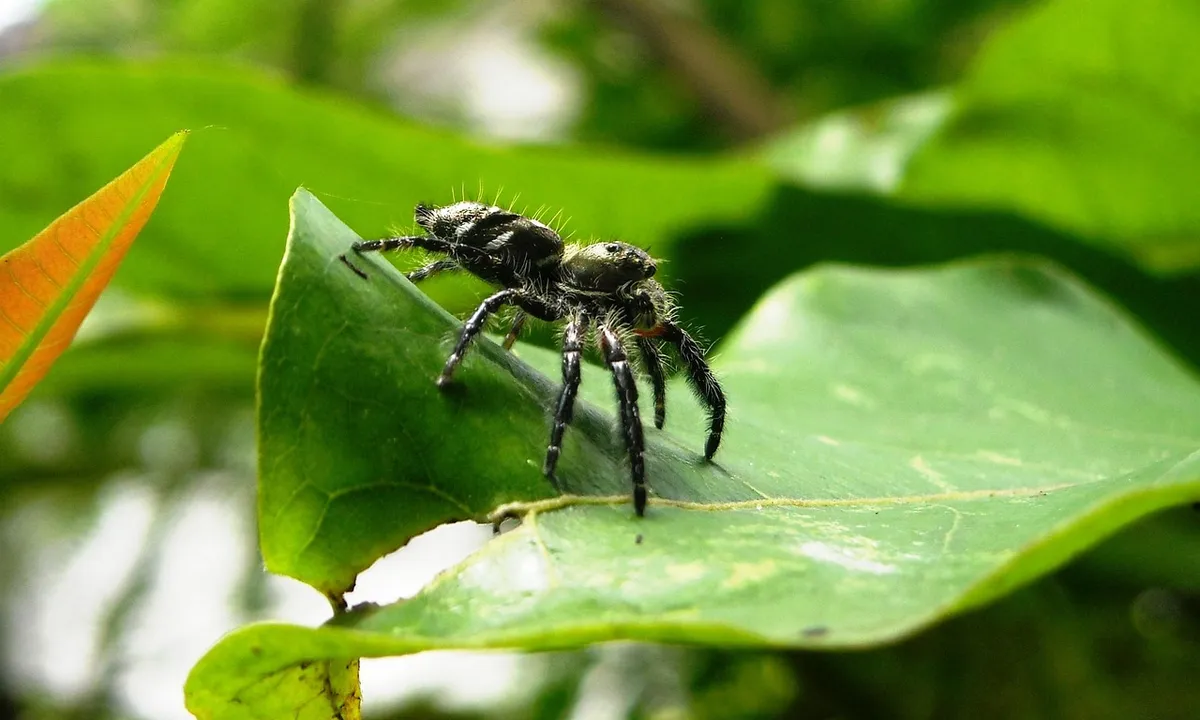
In my years of keeping everything from dusty Grammostola rosea to fiery P. murinus, one truth stands clear: a tarantula’s vibrant hue does not rewrite the core rules of husbandry. An orange tarantula is not a different species of pet; it is a visual variation of an animal with the same fundamental biological needs as its wild-type cousins. The care sheet for the species remains your bible, color morph or not.
Dispelling Myths: Diet and UV Light
Two pervasive myths haunt the conversation about colorful tarantulas: that they need special food to “keep their color” and that they require ultraviolet light. Both are biologically unfounded and can be actively harmful. These are two of the 11 pervasive tarantula myths debunked by expert keepers. Understanding these myths helps keepers provide better care.
Tarantula coloration comes from pigments and structural colors in the hairs and cuticle, not from dietary carotenoids like a flamingo. Feeding your tarantula brightly colored vegetables or supplements does nothing for its exoskeleton and will only spoil its prey, potentially leading to mold in the enclosure. Tarantulas typically do not eat fruit or vegetables; their diet should be strictly live prey. Plant matter won’t improve their health or coloration and can lead to enclosure issues if left uneaten. My OBT, Flash, boasts an electric orange with a diet of plain, gut-loaded crickets. My burgundy Goliath maintains his deep tones on a simple rotation of roaches. The key is consistent, appropriate prey size for the species.
The UV light myth is more dangerous. True albinism in vertebrates often comes with photophobia, but tarantulas are not sunbathers. They are secretive, often fossorial or nocturnal animals. Introducing UV lighting to a tarantula enclosure creates stressful, unnatural bright light, drives the animal into perpetual hiding, and can dehydrate the environment. Are blacklights harmful to tarantulas? Yes—many blacklights emit UV, which can cause the same stress and dehydration described above, so they should be avoided. I learned this early on; a small, misguided LED light over a juvenile’s enclosure caused it to seal itself off for weeks. These animals thrive in the gentle gradient of a warm, low-wattage heat pad on one side of the tank, not under blazing lamps.
Making an Informed Choice as a Hobbyist
When a stunning color morph catches your eye, pause. The choice involves more than aesthetics; it’s a commitment to the animal’s lifelong welfare. I advocate for a health-first, species-first mentality.
Prioritize the animal’s natural history over its novelty. Ask yourself:
- Can I provide the specific humidity (e.g., 80-85% for T. stirmi) or bone-dry substrate this species requires?
- Am I prepared for its temperament, whether it’s a defensive webber like an OBT or a sedentary “pet rock” like my Rosie?
- Does the seller have a proven reputation for healthy, well-started slings or juveniles?
The most responsible purchase is one where the animal’s needs perfectly align with your ability to meet them, regardless of how common or rare its color appears. A healthy, standard-colored tarantula is infinitely more rewarding than a stressed, fragile “designer” specimen. Legal and ethical considerations should guide your choice when seeking rare tarantulas, including permits where required. Source from reputable, legal breeders to support welfare and conservation.
Seek out captive-bred animals from dedicated breeders who can provide detailed lineage and care information. Be wary of wild-caught adults marketed for their color, as they often carry parasites and immense acclimation stress. Your goal is to bring home a robust animal that will thrive, not just a fleeting conversation piece. The silent, observant joy of this hobby comes from providing impeccable care and witnessing natural behaviors-a drama that plays out in every shade, from muted brown to brilliant blue.
| Aspect | ‘Mystic Blue’ C. versicolor | Standard C. versicolor |
|---|---|---|
| Ideal Temperature | 75-80°F (24-27°C) | 75-80°F (24-27°C) |
| Ideal Humidity | 70-80%, with cross-ventilation | 70-80%, with cross-ventilation |
| Enclosure Type | Tall, arboreal with cork bark and anchor points | Tall, arboreal with cork bark and anchor points |
| Diet | Appropriately sized crickets, roaches | Appropriately sized crickets, roaches |
| Key Care Difference | None. Both are the same species with identical physiological requirements. | |
FAQs
Are there any real albino tarantulas?
No, there are no verified cases of true albino tarantulas. True albinism, characterized by a complete absence of melanin and pink or red eyes, is a vertebrate condition that does not accurately apply to tarantulas. Their coloration is produced through different pigments and structural means, making a complete lack of all pigment biologically unviable for a developing spiderling.
What are people actually seeing when they claim to have an albino tarantula?
They are almost certainly seeing a tarantula with a genetic color morph or condition like hypomelanism or leucism. Hypomelanism is a reduction in dark pigments, resulting in a much lighter, often tan or pastel version of the spider’s normal colors. These specimens retain dark eyes and other pigments, unlike a true albino.
What is the real name for a pale or white tarantula?
The correct terms are “hypomelanistic” for a uniform reduction in dark pigment, or “leucistic” for a partial loss leading to patchy pale areas. In the pet trade, you may also see them labeled as “light phase” or specific morph names like “snow.” It’s important to use accurate terminology to avoid perpetuating the albino myth.
I’ve seen pictures online of all-white tarantulas. What am I looking at?
These pictures often show one of three things: a heavily backlit photograph making a light tarantula appear whiter, a spider in a pre-molt “dull phase,” or a rare hypomelanistic specimen. Some images may also be digitally altered. Always scrutinize the source and look for the spider’s eye color, which will not be pink.
Do tarantulas with these pale color conditions require special care?
No, their care is identical to that of a normally colored specimen of the same species. While they may be slightly more sensitive to bright light, the core husbandry-temperature, humidity, diet, and enclosure setup-does not change. Their unique appearance is purely cosmetic and does not indicate different biological needs.
Beyond the Color
Whether you keep a common rose hair or a cobalt blue, the most profound lesson is one of consistent, attentive care. Your primary duty is not to seek rare colors, but to provide flawless hydration; a full, clean water dish is the single most non-negotiable element of successful tarantula keeping, far outweighing any aesthetic concern.
The real magic unfolds in the quiet observation of their natural behaviors. Watch your spider methodically line its burrow with silk, or sit perfectly still for hours before a lightning-fast strike. True fulfillment comes from noticing the subtle sheen of new setae after a molt or the slow expansion of a web tunnel over weeks. This patient, respectful observation is the highest form of appreciation for these complex, beautiful animals.
Further Reading & Sources
- Discovering the Rare and Mysterious Albino Tarantula: A Fascinating Look at Nature’s Anomaly – HackMD
- the great white tarantula? | Arachnoboards
- Can a tarantula be albino? | Arachnoboards
Arlo is a lifelong arachnid enthusiast who believes tarantulas are the world’s most misunderstood roommates. With years of hands-on experience in tarantula care, habitat setup, and species behavior, Arlo combines expert knowledge with a dash of humor to make spider ownership less scary and a lot more fascinating. From choosing the right enclosure to understanding why your eight-legged buddy is doing that weird little pose again, Arlo is here to help you become the best tarantula parent you can be, without getting tangled in the web of misinformation.
Tarantula Myths and Misconceptions