
What Color is Tarantula Blood? Hemolymph Explained
A tarantula’s blood is not red; it is a clear, pale blue, or greenish fluid called hemolymph that functions as both blood and hydraulic fluid for movement. If you’ve ever seen a clear droplet at a tarantula’s mouth after a meal or witnessed the eerie silence of a molting spider, you’ve glimpsed this vital substance. This article explains the surprising science behind tarantula circulation, why their “blood” can look milky or pale green, and what it means for their care.
Quick Stats: Hemolymph Profile
- Common Name: Tarantula Circulatory Fluid
- Scientific Term: Hemolymph
- Primary Color: Clear, Pale Blue, or Greenish
- Oxygen Carrier: Hemocyanin (Copper-based)
- Key Function: Hydraulic Pressure for Limb Extension
This guide will explore the unique biology of hemolymph and how understanding it makes you a more observant and prepared keeper.
1. The Immediate Answer: Tarantula Blood Color Explained
If you’re picturing red blood, look again-tarantula hemolymph is typically a clear to pale, milky blue when oxygenated, but it can appear brown or other colors depending on circumstance.
This fluid, called hemolymph, is the circulatory life force for arachnids and insects. Unlike vertebrate blood confined to vessels, hemolymph freely bathes internal organs in an open system, carrying out tasks beyond just oxygen delivery.
From my years keeping everything from my docile G. rosea Rosie to my humid-loving T. stirmi Goliath, I’ve observed this fluid only a handful of times, always during critical moments. Here are the key takeaways every keeper should know:
- Role: Hemolymph is a multitasker, primarily transporting nutrients, hormones, and immune cells, with oxygen transport as a secondary function.
- Color Variability: The hue shifts from colorless when deoxygenated to blue when oxygen binds to its copper-based pigment. It can look brown if mixed with other bodily fluids or during decomposition after death.
- Observation: You are most likely to see hemolymph during the vulnerable molting process, following a physical injury, or rarely as a faint sheen at leg joints in a healthy tarantula.
Blood vs. Hemolymph: A Keeper’s Comparison
Understanding this difference is fundamental to respecting your tarantula’s unique biology and avoiding stressful misunderstandings. So, how do tarantulas differ from other spiders? They generally differ in size, physical features like fangs and hairs, and their care requirements. The table below breaks down the core distinctions.
| Feature | Vertebrate Blood | Tarantula Hemolymph |
|---|---|---|
| Color | Red (from iron in hemoglobin) | Clear to pale blue (from copper in hemocyanin) |
| Oxygen Carrier | Hemoglobin (iron-based protein) | Hemocyanin (copper-based protein) |
| Circulatory System Type | Closed (contained in veins/arteries) | Open (heart pumps fluid into body cavities/sinuses) |
| Primary Transport Role | Oxygen and carbon dioxide | Nutrients, immune cells, and hormones |
This open system means a minor injury can lead to significant fluid loss, which is why a “Look, Don’t Touch” approach is vital for their safety.
Where You Might See Hemolymph in Your Tarantula
Spotting hemolymph usually signals a sensitive situation requiring calm, non-invasive observation from you.
- During Molting (Ecdysis): The old exoskeleton splits, and the new, soft one is exposed. A small amount of clear or bluish fluid may be visible as the tarantula pumps hemolymph to expand its body. I’ve seen this with Rosie during her long fasts before a molt.
- After an Injury: A fall or a pinch can rupture the exoskeleton. Hemolymph will seep out, often looking like a clear or amber droplet that hardens into a scab. This is a critical situation requiring a quiet, humid enclosure for healing.
- Near Book Lungs or Joints: Rarely, in a healthy tarantula, you might see a slight iridescent sheen at leg joints, which is hemolymph in the sinuses. Do not disturb them.
If you see hemolymph, resist the urge to touch or dab it-minimizing stress is the best medicine. Simply ensure humidity is appropriate and provide silent, secure conditions for recovery.
2. The Blue Pigment: Hemocyanin and Copper-Based Oxygen Transport
The secret to the blue tint is hemocyanin, a copper-based protein that changes color when it binds with oxygen, much like the blood of horseshoe crabs.
Your tarantula’s heart, a simple tube along its back, pumps this fluid into open body cavities called sinuses. Organs are literally bathed in this oxygen- and nutrient-rich bath before the hemolymph drains back to the heart. In tarantula anatomy 101 terms, this basic layout shows how their body structure is built around an open circulatory system.
Here is the step-by-step journey of oxygen in your tarantula:
- Air enters through the slits of the book lungs on the underside of the abdomen.
- Oxygen molecules diffuse into the hemolymph circulating in the lung chambers.
- They bind to the copper atoms in hemocyanin proteins, causing a color change from clear to blue.
- The heart pumps this oxygenated, blue-tinged hemolymph forward into the body sinuses.
- Oxygen detaches from hemocyanin and diffuses into the hungry tissues and muscles.
- Deoxygenated hemolymph, now clearer, returns to the book lungs to start again.
Hemocyanin in Action: Color Changes from Clear to Blue
This color shift is a direct, visible chemical reaction, but it’s usually too faint to see through a tarantula’s exoskeleton under normal conditions. When considering blacklights or other colored lights, intense UV or bright lighting can stress tarantulas. If you must illuminate, use low-intensity, indirect lighting and limit exposure to minimize disruption.
In certain lights, especially during a molt, you might catch a subtle iridescent sheen on the soft new cuticle. That sheen is the oxygenated hemolymph reflecting light, a glimpse of the vital fluid at work. In my fast P. murinus Flash, I’ve only seen this blue hue once, in a droplet during a complicated rehousing, confirming the fluid’s true color outside the body.
Evolutionary Advantage of Copper Over Iron
Arachnids and many mollusks evolved copper-based hemocyanin instead of iron-based hemoglobin for efficiency in their specific environments.
Hemocyanin is exceptionally good at binding oxygen in colder, low-oxygen conditions. This adaptation likely gave ancient arthropods an edge in variable climates and habitats where consistent oxygen was not guaranteed. Think of it as a different tool for a different job-while hemoglobin is a high-efficiency specialist in our warm, oxygen-rich bodies, hemocyanin is a resilient generalist, perfectly suited to the slower, cooler metabolism of a tarantula.
3. Beyond Blue: Understanding Variations in Hemolymph Color
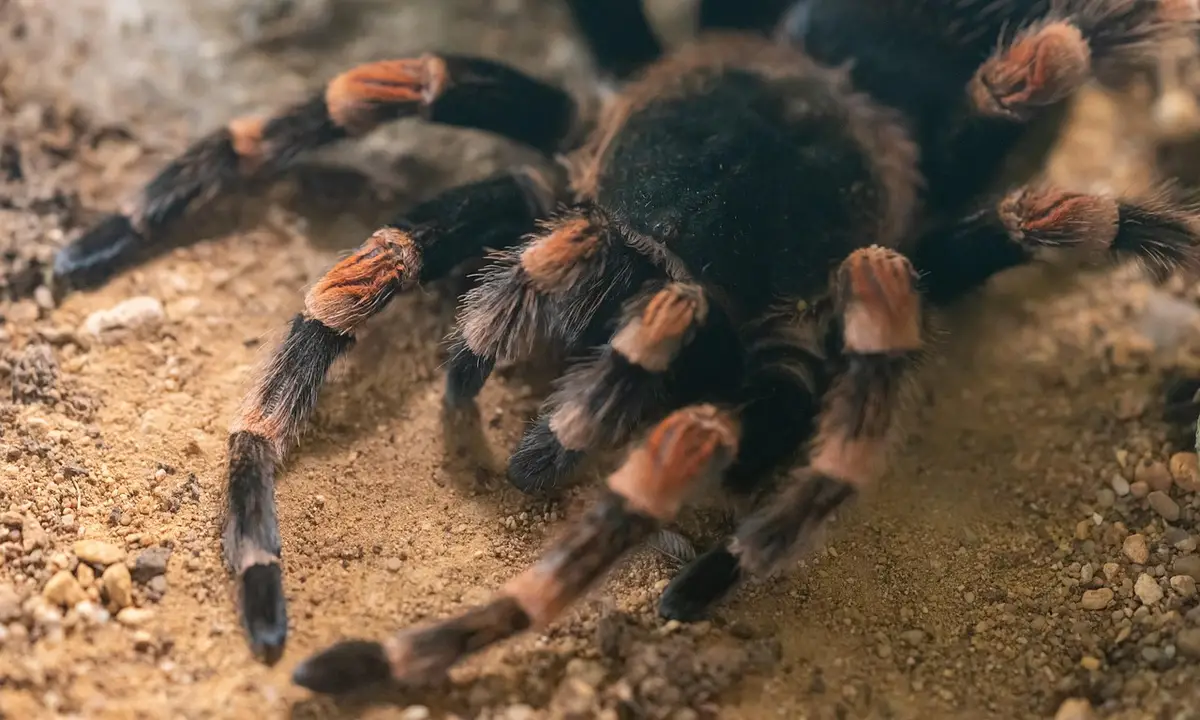
While that signature pale blue is iconic, hemolymph can surprise you with other hues. Observing a tarantula’s hemolymph color requires a keen eye, as it often provides the first clue to internal processes or external factors. I once noticed a dark brown seepage during a challenging molt for my old Chilean Rose Hair, Rosie. This wasn’t a catastrophe, but a sign of waste products being expelled under stress. These stress cues often accompany other common signs that a tarantula is stressed or feeling threatened. For example, you might see a threat pose, rapid leg flicking, or a defensive bite if disturbed.
Several factors can alter hemolymph’s appearance. Diet plays a role; pigments from gut-loaded prey can tint it. Injury may cause leakage that mixes with substrate debris. Internal pigments like melanin, used in the new exoskeleton, can darken it. Disease is a rarer, but serious, cause for change.
Common Color Variations and Their Causes
- Brown: This is often from melanin or other waste products, especially visible during or after a molt.
- Green: A rare sight, possibly linked to plant-based pigments from an insect’s gut content.
- Red or Pinkish: Almost always stems from injury or external contamination. Tarantulas lack hemoglobin, so red color never comes from their own oxygen transport system.
True, fresh hemolymph from a clean wound is your best indicator. What you see on the substrate or matted in hairs is often altered.
When Color Indicates a Problem
Distinguishing a normal quirk from a warning sign is a vital skill. Normal variations are typically seen during natural events like molting. A sudden shift to a dark, murky brown or a milky, cloudy appearance can signal a bacterial or fungal infection taking hold. Active, continuous leakage from a wound, regardless of color, demands immediate attention and a quiet, hospital-style enclosure.
4. Hemolymph as a Health Barometer: What Keepers Should Watch For
Think of hemolymph as a silent report on your tarantula’s internal state. Its appearance can reveal hydration levels, the severity of an injury, or the early whispers of disease. Routine, non-invasive visual checks during feeding or enclosure tidying are your best tool for proactive care. I make it a habit to glance for any unusual moisture or discoloration on my tarantulas’ bodies or their substrate, always prioritizing their peace over my curiosity. These checks can help you detect early signs of illness.
Normal Hemolymph Characteristics in Healthy Tarantulas
- Color ranges from clear to a very light, sky-blue tint.
- It is not visibly leaking from the body under normal conditions.
- You might only glimpse it briefly during a molt or a very rare, minor injury. For a healthy tarantula, the absence of visible hemolymph is the standard and desired state.
Warning Signs: Abnormal Colors and Leaks
- Hemolymph that appears dark brown, cloudy, or unnaturally greenish.
- Any continuous dripping or pooling from a wound, especially on the abdomen.
- A wound that changes discharge color without showing signs of sealing and healing.
When you see these red flags, consult immediately with an experienced breeder or an exotic veterinarian familiar with arachnids. I managed a minor carapace crack on my Burgundy Goliath Bird Eater, Goliath, by applying gentle pressure with a cotton swab and providing pristine, damp substrate-a method passed down from seasoned keepers. This hands-off first aid stopped the leak and allowed natural healing.
5. Managing Hemolymph Loss: First Aid for Tarantula Injuries
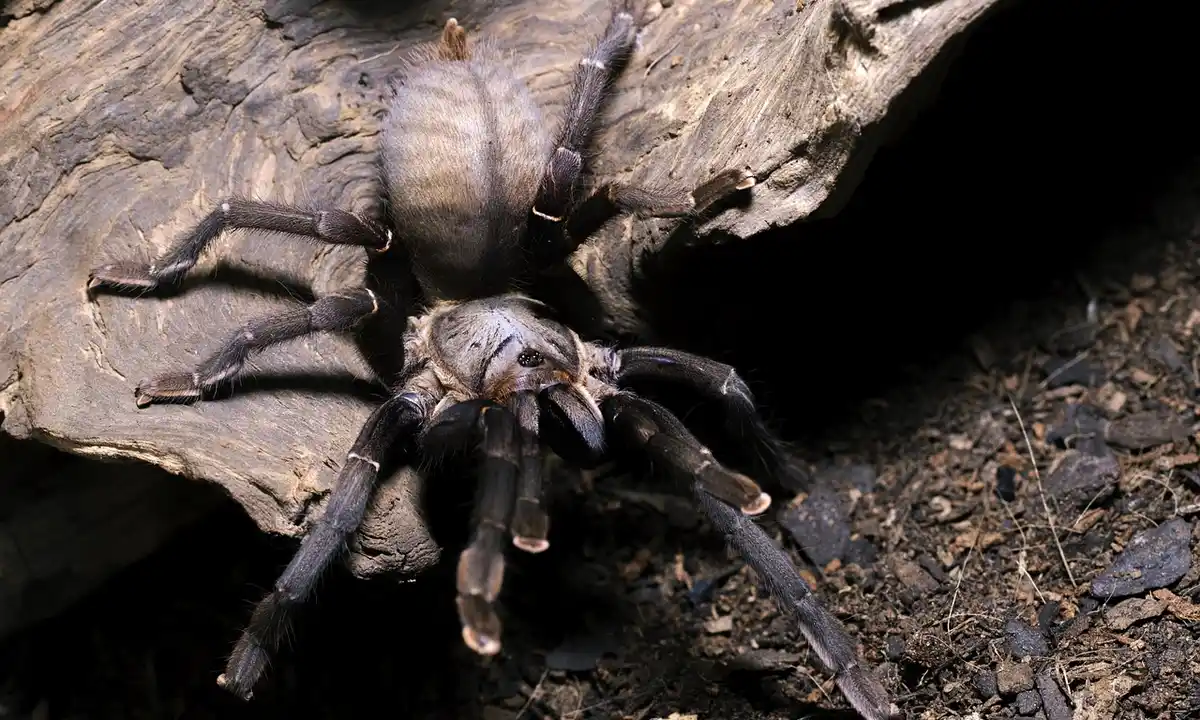
Seeing the clear droplet of hemolymph emerge from your tarantula is a heart-stopping moment. Panic is the enemy; swift, calm action is the cure. Your primary goals are to stop the leak, prevent dehydration, and minimize stress. I’ve faced this during rehousings, most notably when my Burgundy Goliath Bird Eater, Goliath, took an unexpected dive. The silence of the fall was worse than any sound. Keeping a first aid kit within reach saved a critical situation. Preventing crises starts with prevention: regular enclosure checks and proper humidity. Catch warning signs early and keep conditions stable to prevent common tarantula health problems.
Common Injury Scenarios and Immediate Actions
Injuries often occur during transitions or from enclosure hazards. Here are the most frequent scenarios:
- Falls from Enclosure Walls: Arboreal species are especially prone. A bad fall can rupture the abdomen. Look for a droplet or wet spot.
- Crush Wounds from Decor or Lids: A limb or part of the carapace can be pinched, causing a slow leak.
- Leg Autotomy (Self-Amputation): The tarantula may drop a leg to escape. The break point at the coxa can bleed. This is a natural defense, but still requires monitoring.
For minor leaks, a clotting agent is essential. Never use human products. Pure cornstarch or styptic powder (without painkillers) works.
- Gently isolate the tarantula in a clear, smooth-sided container to limit movement.
- Using a cotton swab, apply a small mound of cornstarch directly to the leaking site. The powder will be pushed into the wound and help form a plug.
- Provide a quiet, dimly lit recovery space. Do not offer food until fully healed.
Creating a Recovery Environment
A proper recovery enclosure supports the tarantula’s circulatory healing. I set up a simple, clean container with slightly damp (not wet) paper towels or a very shallow layer of soft coconut fiber. The goal is a stable, slightly elevated humidity around 75-80% for moisture-dependent species like my T. stirmi, which helps prevent hemolymph from thickening and facilitates circulation during repair. Proper ventilation is essential: use a secure lid with fine-mesh vents to promote air exchange without compromising containment. You can learn more about achieving proper ventilation and securing your tarantula enclosure at this link. Avoid strong air drafts that can desiccate the enclosure; check vents regularly to balance humidity and airflow. Disturbance must be absolute zero. You are not a nurse changing bandages; you are providing the conditions for its body to fix itself. This higher humidity directly counteracts the dehydrating effects of injury and supports the hemolymph’s vital functions.
6. Applying Hemolymph Knowledge to Everyday Tarantula Care
Understanding hemolymph transforms you from a casual owner to an insightful keeper. This knowledge directly shapes how you build an enclosure, manage moisture, and interact with your animal. Every choice can either support or strain that delicate internal hydraulic system. For me, this crystallized into a firm “Look, Don’t Touch” philosophy, born from respect for their unique physiology and the quiet disasters averted by patient observation.
Enclosure Setup to Prevent Circulatory Stress
Proactive design is the best medicine. Your setup should eliminate risks before they happen.
- Secure Lids: A fall from height is the greatest threat. Ensure lids are escape-proof but also prevent climbing falls for terrestrial species.
- Deep, Soft Substrate: Provide a layer at least 1.5 times the leg span for burrowers. Coconut fiber or peat moss cushions falls and holds burrow shape.
- Blunt, Sanded Decor: Avoid sharp edges. All wood and cork should be sanded smooth.
- Species-Specific Humidity: Maintain correct levels. For moisture-loving species like T. stirmi, aim for 70-80% with ventilation. For arid species like G. rosea, keep it much lower. Correct humidity maintains hemolymph viscosity for proper limb function and safe molting.
The Observant Keeper: Learning from Silence and Stillness
The most powerful tool in your kit is your own patience. Tarantulas communicate through posture and subtle physical changes. A leg held oddly, a slight shrunken appearance in the abdomen, or an unusual reluctance to move can signal internal issues, including potential hemolymph pressure problems. I learned more about molting and hemolymph circulation by watching the iridescent sheen travel down my OBT Flash’s carapace as she pumped her new body into shape than from any book. This silent observation allows you to spot the earliest signs without ever causing the stress that can lead to injury. You become a student of their stillness, learning to read your tarantula’s body language to understand when it’s calm or stressed.
Common Questions
Why do some people online say tarantula blood is red?
This is a common misunderstanding. If someone reports seeing red fluid, it is almost certainly not the tarantula’s true hemolymph. The red color likely comes from the bodily fluids of its prey, from external contamination, or from an injury where hemolymph has mixed with other substances. Genuine, oxygenated tarantula hemolymph is never red due to its copper-based chemistry. Speaking of spider color, many ask about albino tarantulas. True albinism is extremely rare in spiders; what you see marketed as ‘albino’ is typically a pale color morph created by selective breeding, not a complete absence of pigment.
Is all spider blood (hemolymph) the same color as a tarantula’s?
Generally, yes. Most spiders and many other arthropods use the copper-based protein hemocyanin, giving their hemolymph a similar clear-to-blue hue. However, the exact shade can vary slightly between species based on their specific biology. The pale blue-green color is a hallmark of this copper-based oxygen transport system shared across arachnids.
Can you actually see the blue color in a live, healthy tarantula?
Typically, no. The exoskeleton usually obscures any internal color. You might rarely see a slight iridescent sheen at leg joints in certain light, which is the hemolymph in its sinuses. The classic pale blue color is most visible if you see a droplet of fresh hemolymph outside the body, such as during a delicate molt or from a minor injury.
What does it mean specifically if the hemolymph looks brown?
Brown hemolymph often contains other pigments or waste products. This is common and usually not alarming during molting, as the tarantula expels melanin and other compounds used in forming the new exoskeleton. However, a dark, murky brown color in other circumstances can sometimes indicate internal issues or decomposition after death.
Why are there so many different color descriptions on forums like Reddit?
Observations vary because hemolymph’s appearance changes based on several factors. What an owner sees can be affected by the tarantula’s diet, the lighting, whether the fluid is oxygenated, and if it’s mixed with substrate or other internal fluids. A droplet seen during a molt may look different than fluid from an injury, leading to diverse personal reports.
Does the hemolymph color directly tell me about my tarantula’s health?
It can be an indicator, but context is crucial. Clear to pale blue is normal. Significant deviations, like a persistent cloudy, milky, or unnaturally dark color, can signal potential infection or systemic problems. The most critical health sign is any active, continuous leakage of hemolymph, regardless of its color, which requires immediate attention.
The Final Molt
The single most critical husbandry principle, rooted in an understanding of their unique physiology, is this: provide a safe, hazard-free enclosure to prevent falls and punctures that could lead to fatal hemolymph loss. Respect their hydraulic movement, and you respect their life.
Beyond this, the true joy lies in quiet observation. You can enjoy the silent ballet of their molt, the architectural precision of their webbing, and the efficient strike at a passing cricket. Patience is not just a virtue here; it is the primary lens through which you witness their fascinating world. With time, you learn their rhythms, and the soft blue glow under their skin becomes just one more beautiful detail in a deeply rewarding hobby.
Further Reading & Sources
- Hemolymph – Wikipedia
- In: Advances in Animal Science and Zoology. Volume 8 ISBN: 978-1-63483-552-7
- Wondering what Hemolymph Looks like? | Arachnoboards
Arlo is a lifelong arachnid enthusiast who believes tarantulas are the world’s most misunderstood roommates. With years of hands-on experience in tarantula care, habitat setup, and species behavior, Arlo combines expert knowledge with a dash of humor to make spider ownership less scary and a lot more fascinating. From choosing the right enclosure to understanding why your eight-legged buddy is doing that weird little pose again, Arlo is here to help you become the best tarantula parent you can be, without getting tangled in the web of misinformation.
Veterinary Care